


Art & Statues


Popular Art Deco: Depression Era Style and Design
Popular Art Deco: Depression Era Style and Design
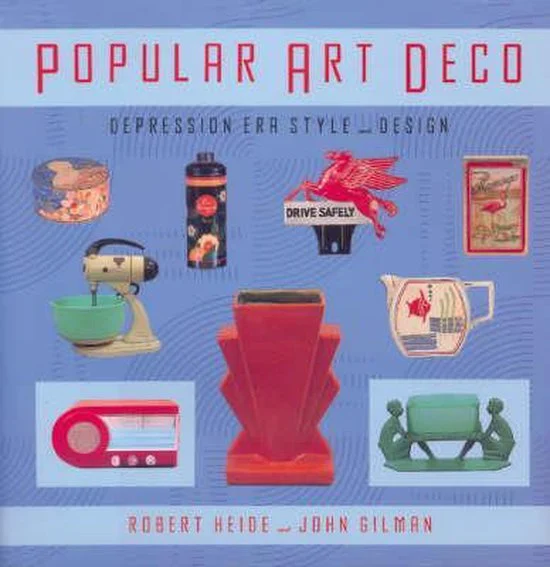
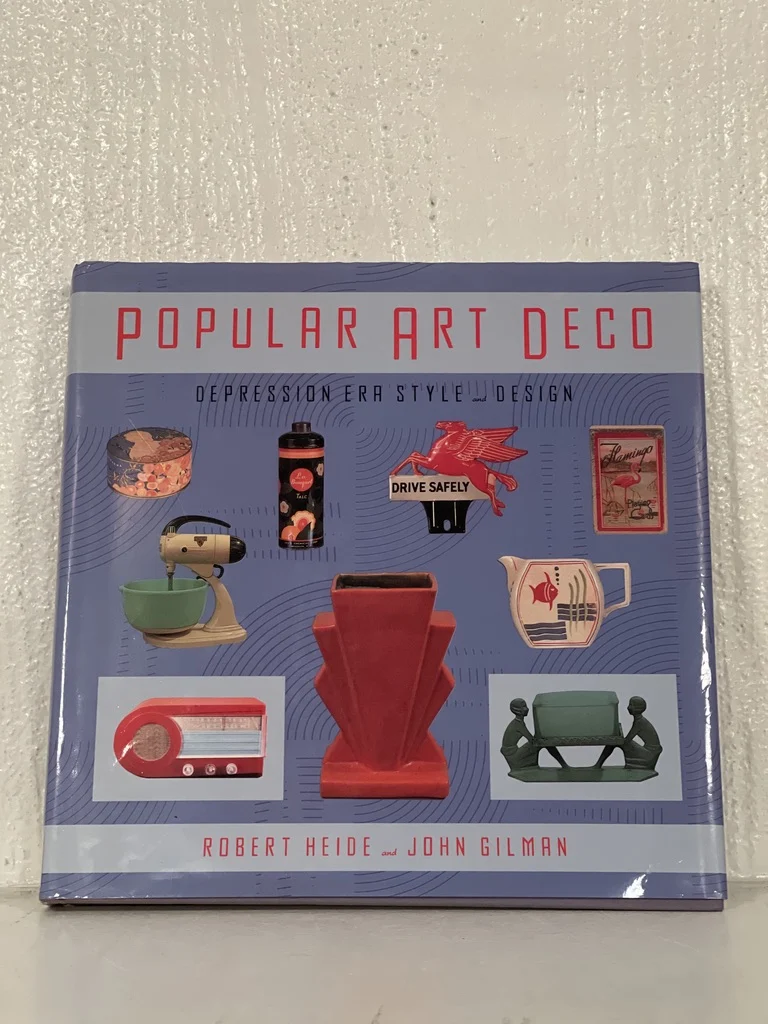
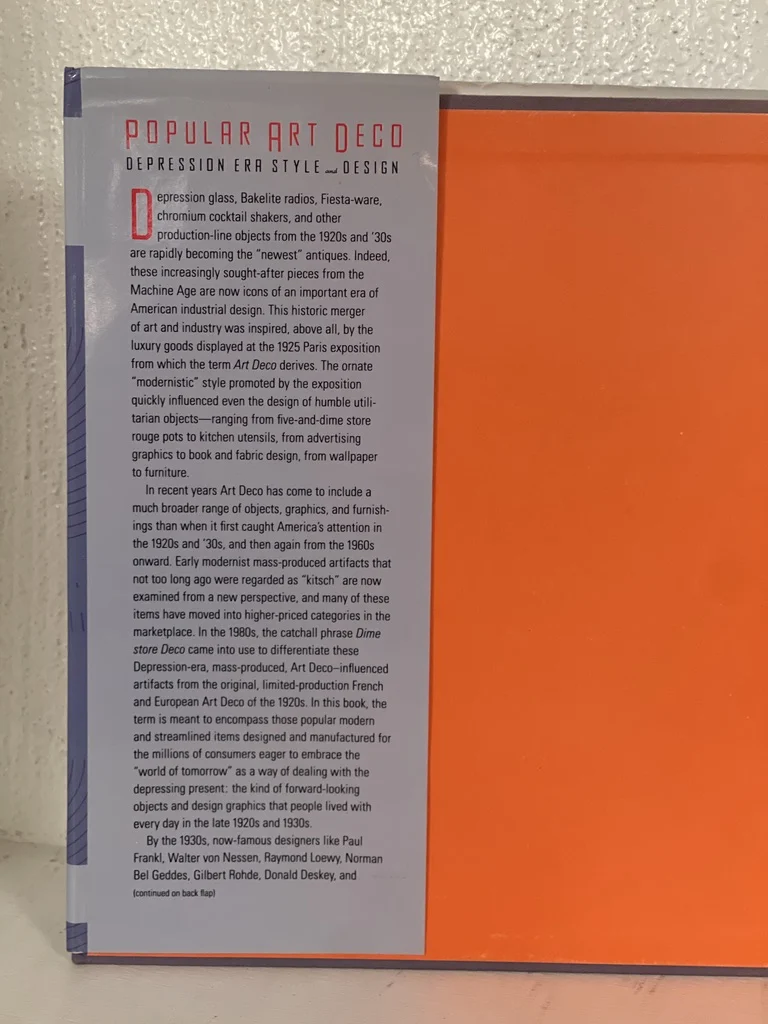
Robert Heide and John Gilman's Popular Art Deco looks past the luxury objects usually associated with the movement to focus on the mass-produced goods that carried its influence into ordinary American homes. Published by Abbeville Press across 228 pages, the book covers items like Bakelite radios, chromium cocktail shakers, and Fiesta ware, tracing how the streamlined aesthetic born at the 1925 Paris exposition trickled down into five-and-dime stores across the country. It offers a different angle on Art Deco history, one centered on accessibility rather than exclusivity.
Most books on Art Deco focus on the luxury furniture, jewelry, and decorative objects produced for wealthy clients in the 1920s and 1930s. Heide and Gilman take a different approach, documenting how the same visual language reached everyday consumers through mass-manufactured goods. The book covers a wide range of household items, from kitchen appliances and radios to advertising graphics and packaging, showing how the geometric forms and bold colors of high-style Art Deco were adapted for affordable production.
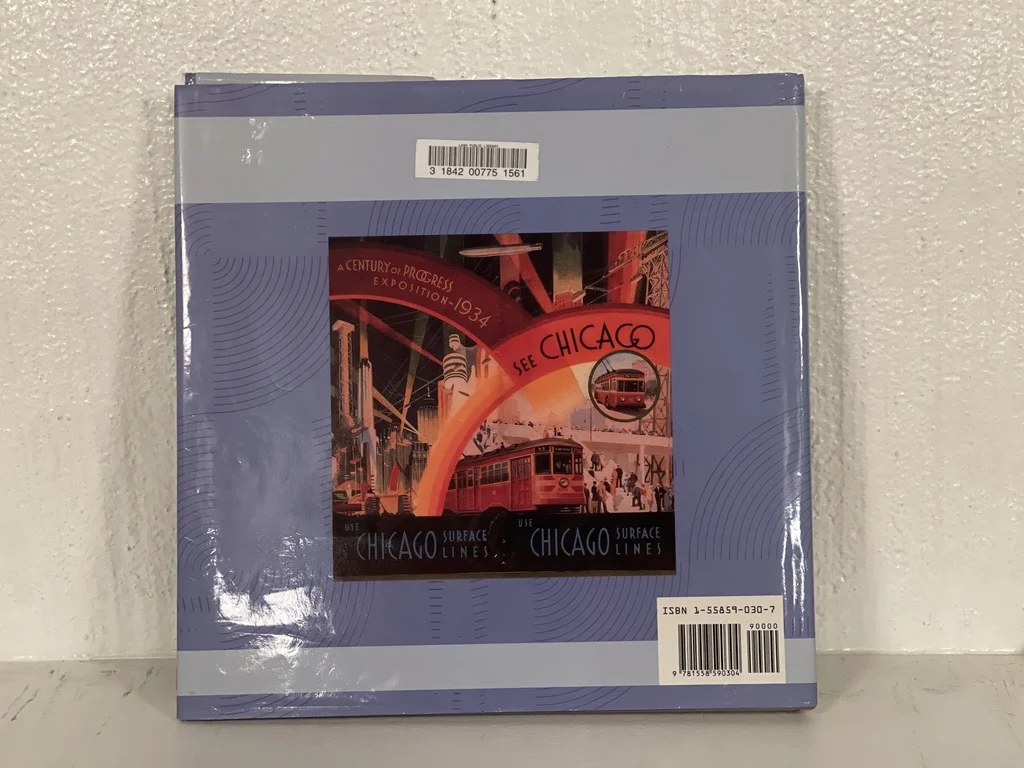
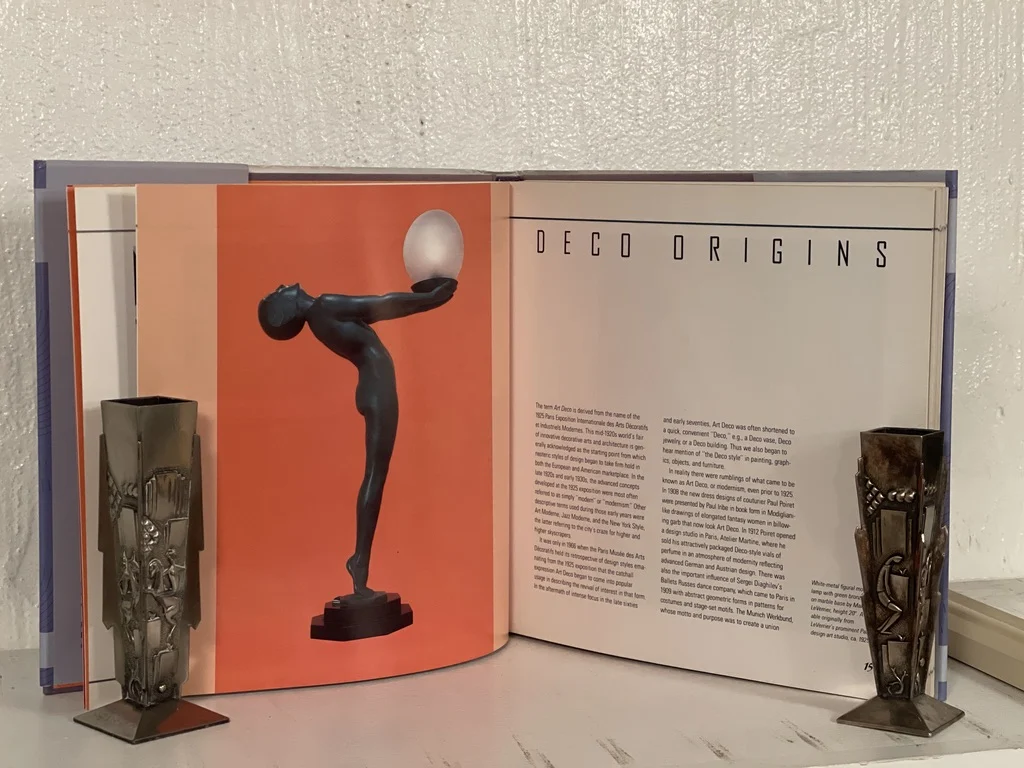
This broader material culture, sometimes called Dime Store Deco, reflects a period when Americans facing economic hardship still sought out modern, forward looking design in the objects around them. The authors trace how designers translated the original French style into cheaper materials suited for large scale manufacturing, without losing the sense of optimism the aesthetic represented. Illustrations throughout the book pair these everyday items with images of the fairs and expositions that popularized the style, connecting mass market goods back to their high design origins.
Heide and Gilman have written on collectible design history and bring that research background to this survey. The book has become a useful reference for collectors interested in the more accessible end of the Art Deco market, where prices remain far lower than those for museum quality French pieces. It also gives a fuller picture of how deeply the style penetrated American life during the Depression, well beyond the department stores and world's fairs most commonly associated with it.