
Art & Statues


Paul Manship
Paul Manship
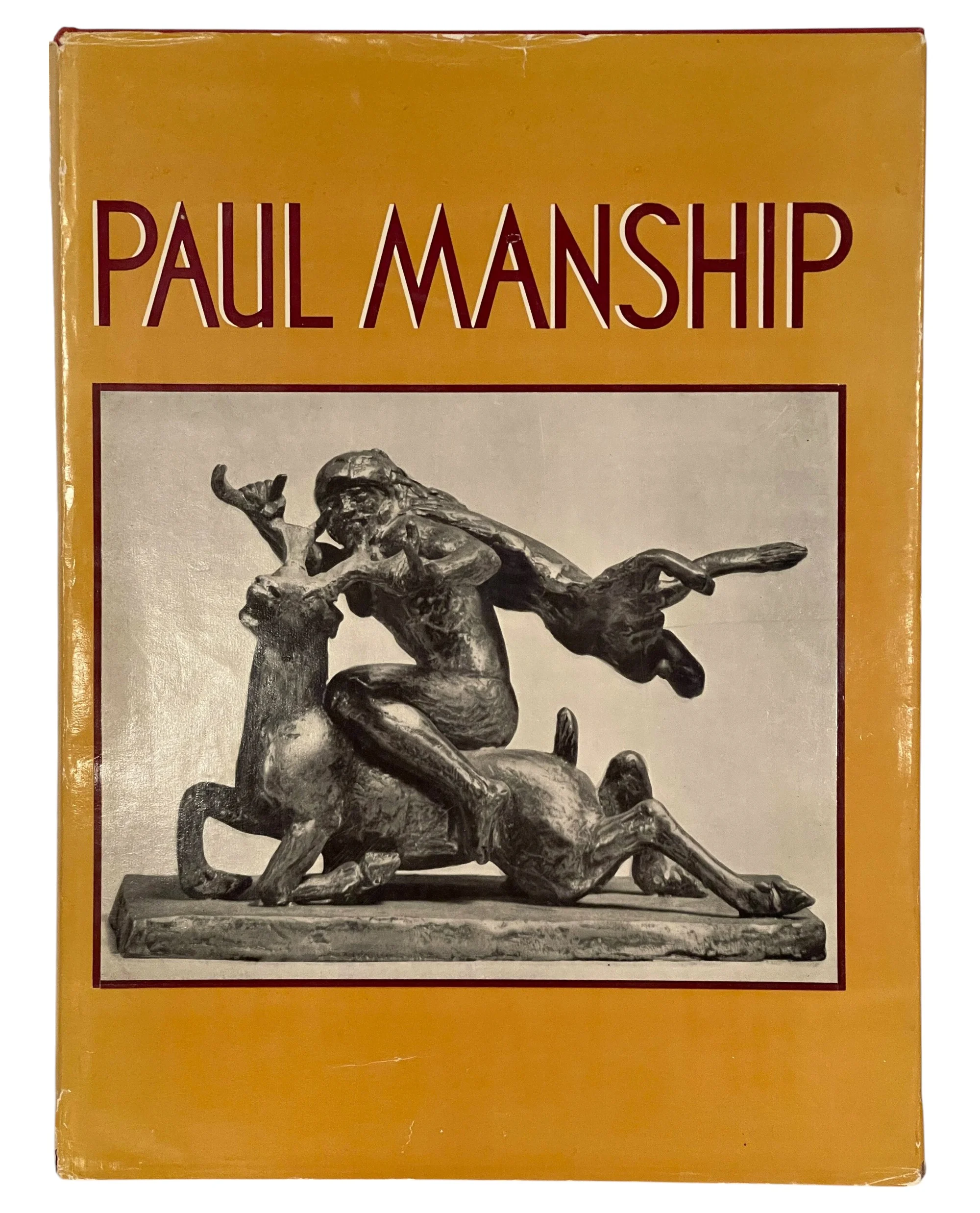
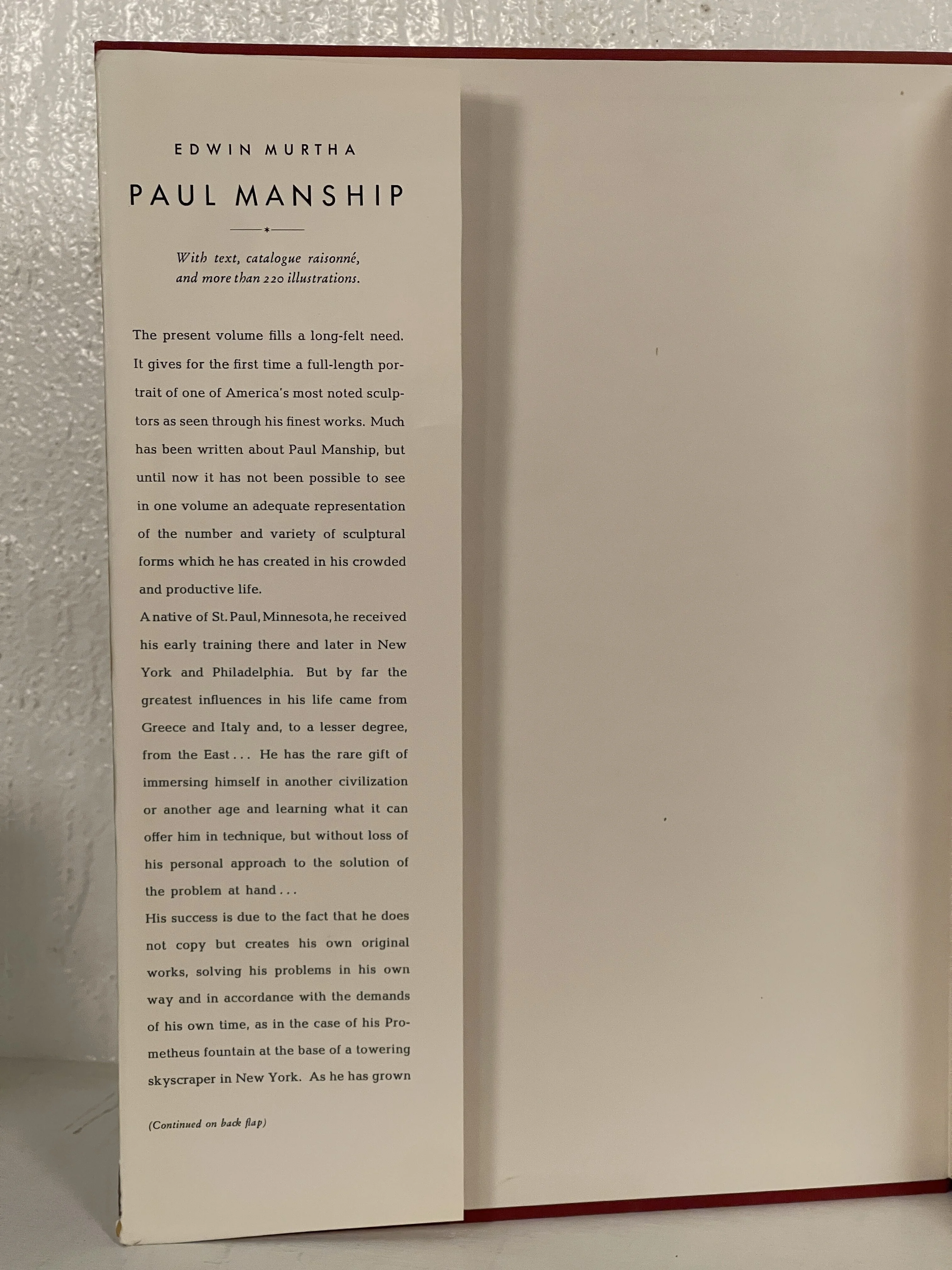
Written by Edwin Murtha and published by The Macmillan Company, this is the first full length study of Paul Manship, one of America's most celebrated sculptors and a defining figure in American Art Deco sculpture. The book combines text with a catalogue raisonné and more than 220 illustrations, offering the most complete visual record of Manship's work available at the time of publication. A native of St. Paul, Minnesota, Manship drew heavily on classical Greek and Italian sculpture, filtering that influence through a distinctly modern, streamlined sensibility.
Paul Manship built his reputation on a body of work that reinterpreted classical mythology through the clean lines and stylized forms that would come to define Art Deco sculpture. Murtha's book traces this development from Manship's early training in St. Paul, New York, and Philadelphia through the years he spent studying in Greece and Italy, influences that shaped his approach to the human figure for the rest of his career. Rather than copying classical models directly, Manship reworked them into something distinctly his own, a quality Murtha's text returns to throughout as the defining trait of the sculptor's success.
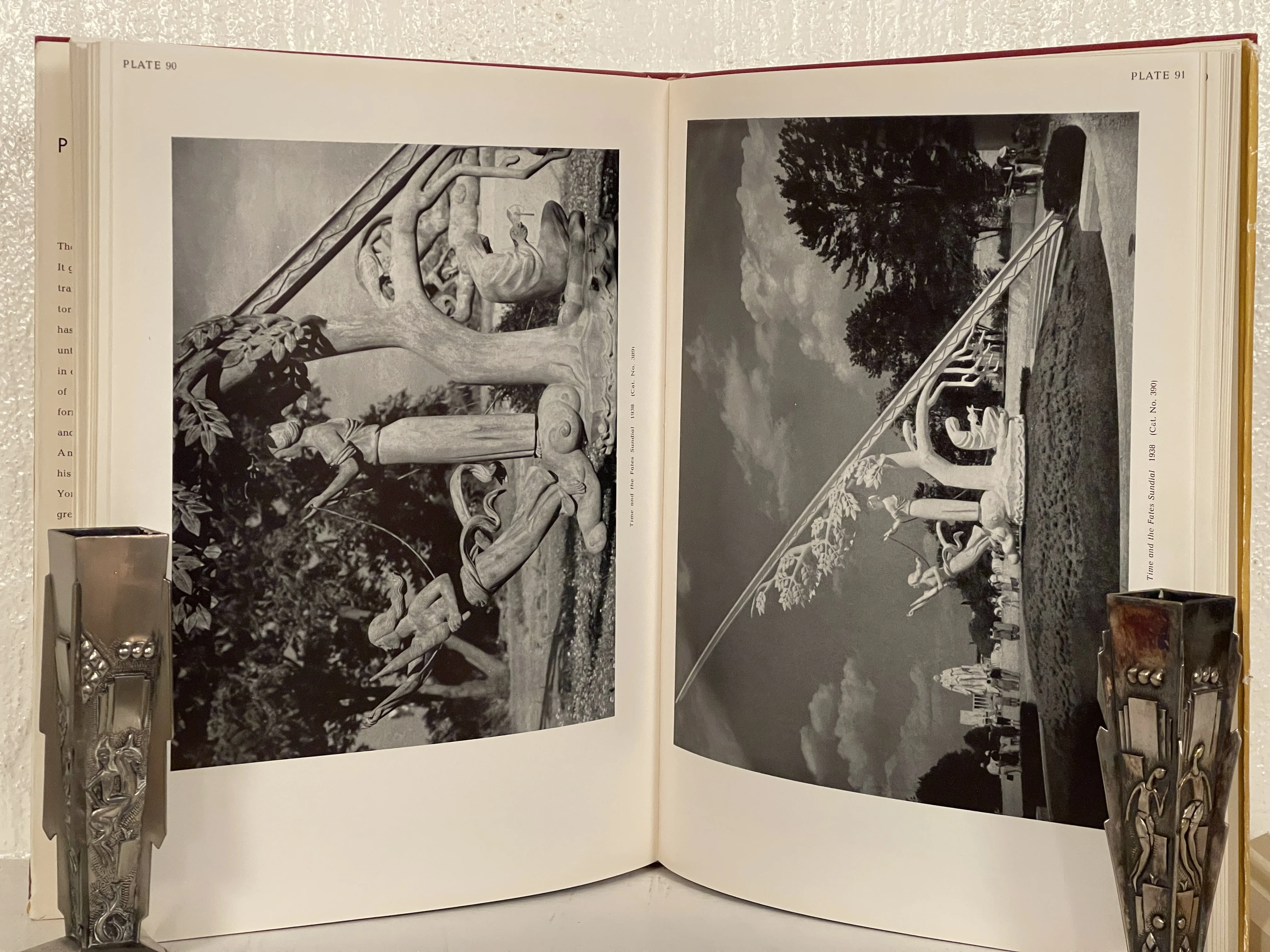
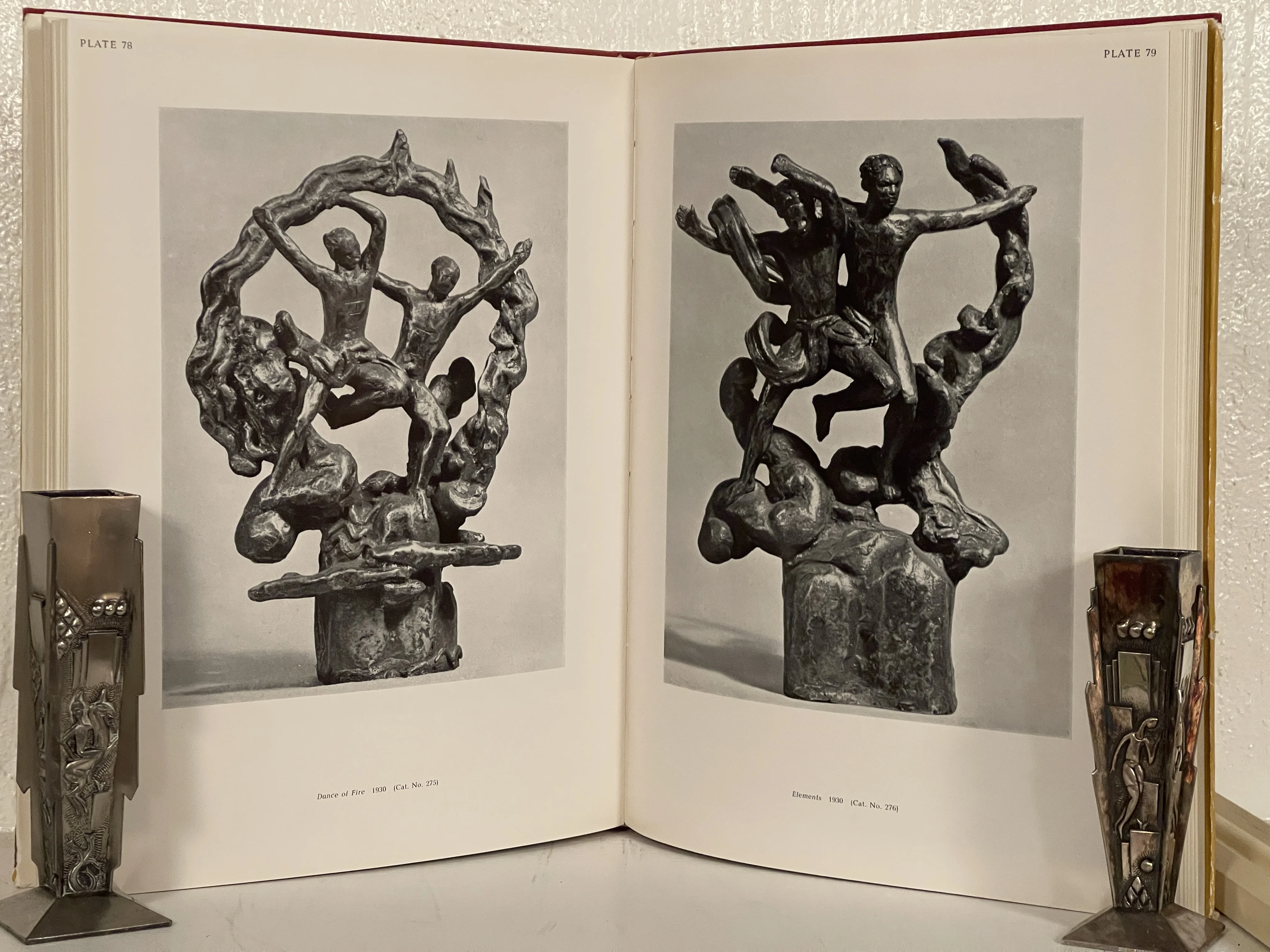
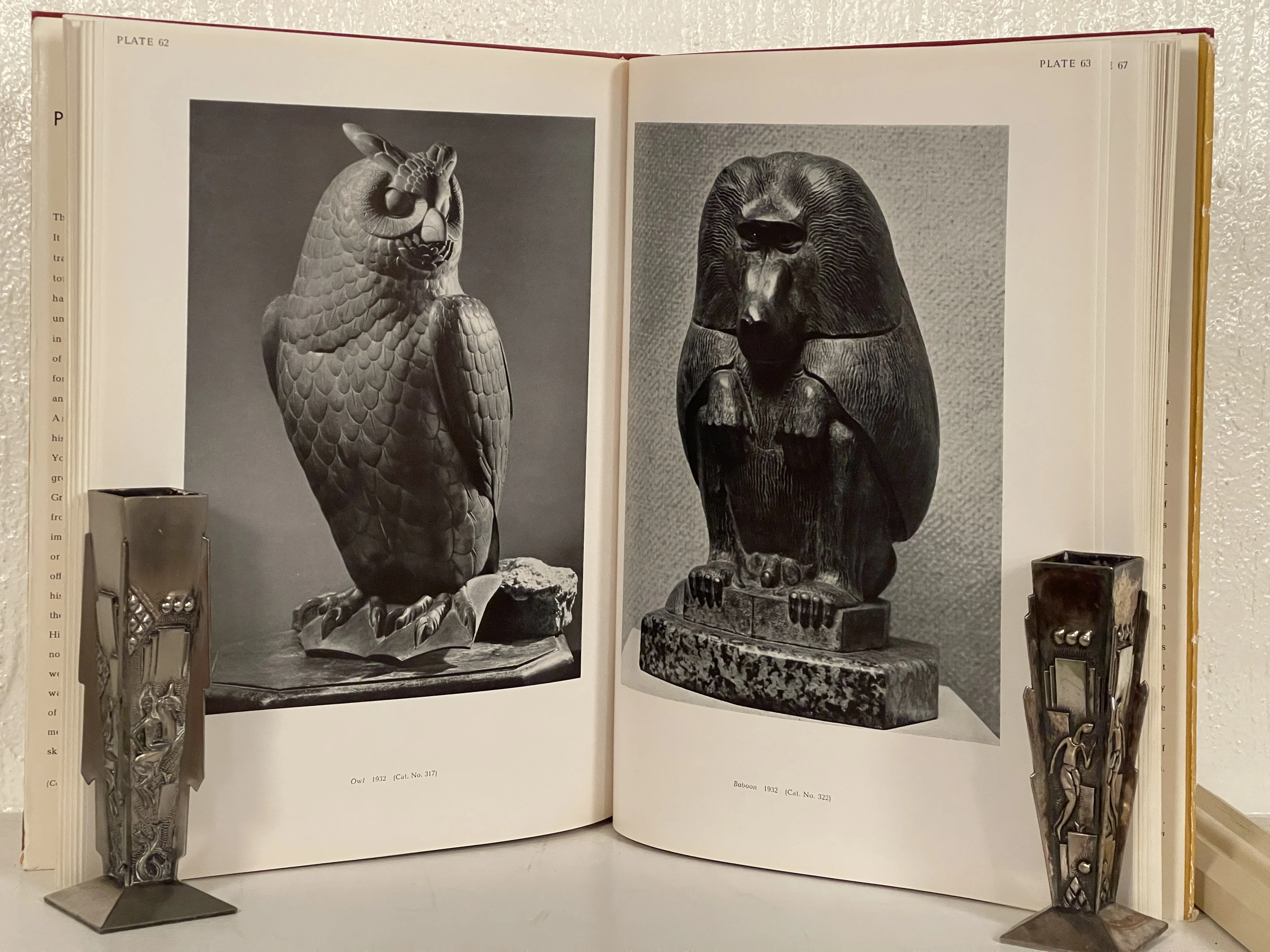
The catalogue raisonné format gives this book lasting reference value, documenting Manship's output with the kind of thoroughness collectors and scholars need when authenticating or researching individual pieces. The illustrations span decades of his career, from smaller bronze studies of animals like his owl and baboon figures to major public commissions, including the Time and the Fates sundial and his best known work, the Prometheus fountain at Rockefeller Center. Seeing this range collected in one volume shows how consistently Manship applied his classical training across scales, from tabletop bronzes to monumental public sculpture.
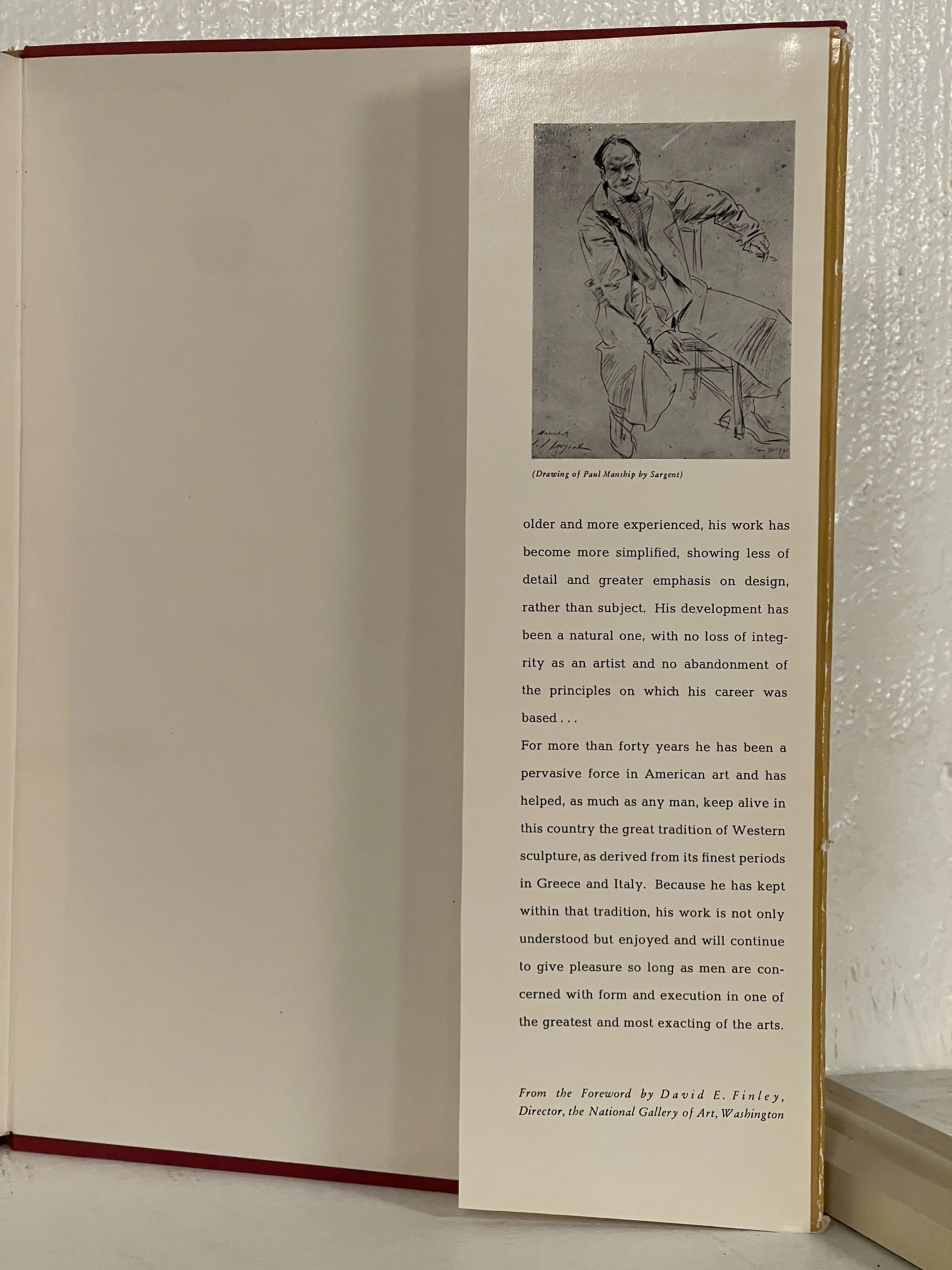
Manship's influence on American sculpture during the Art Deco period is difficult to overstate, and this book, drawing on a foreword by David E. Finley, then director of the National Gallery of Art, situates him within that larger context. The inclusion of a Sargent drawing of Manship himself adds a personal note to the scholarly material. For collectors of American Art Deco sculpture, this remains a foundational reference on one of the movement's most important figures.