

Art & Statues


Isadora Duncan by Alberto Savinio
Isadora Duncan by Alberto Savinio
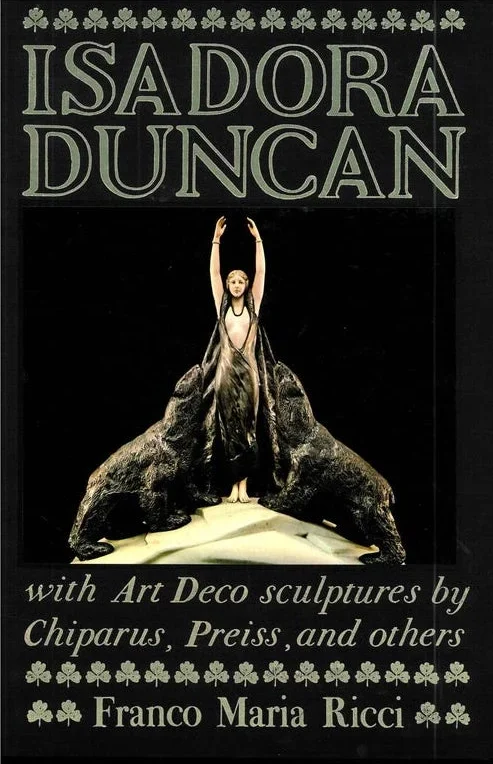
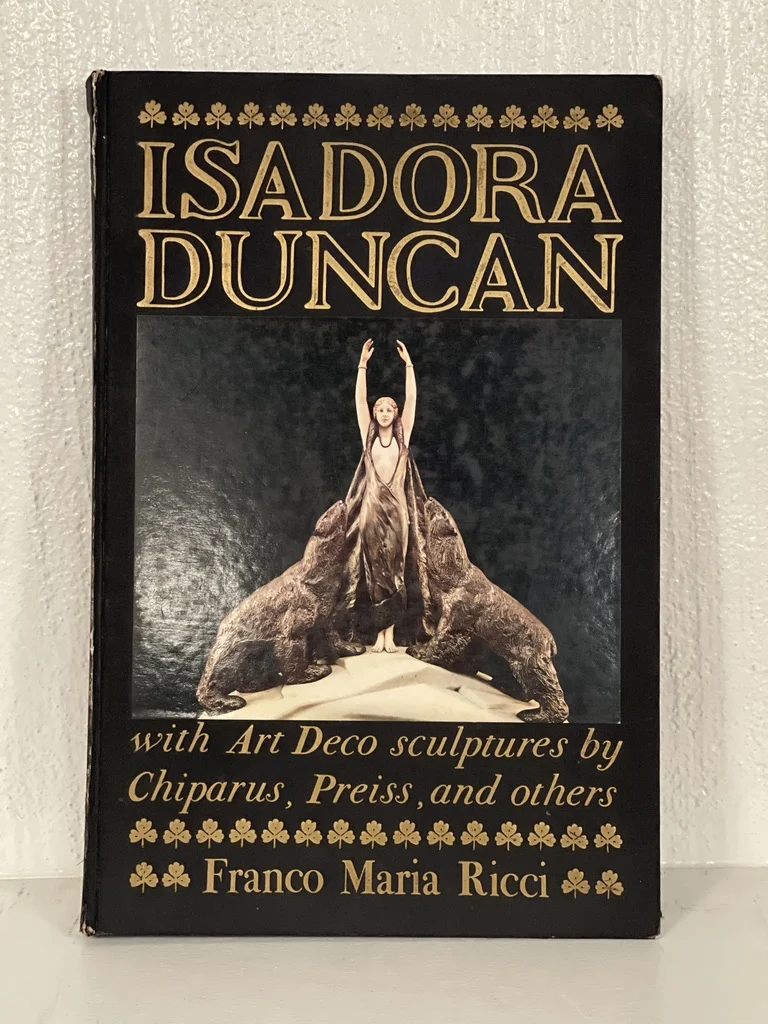
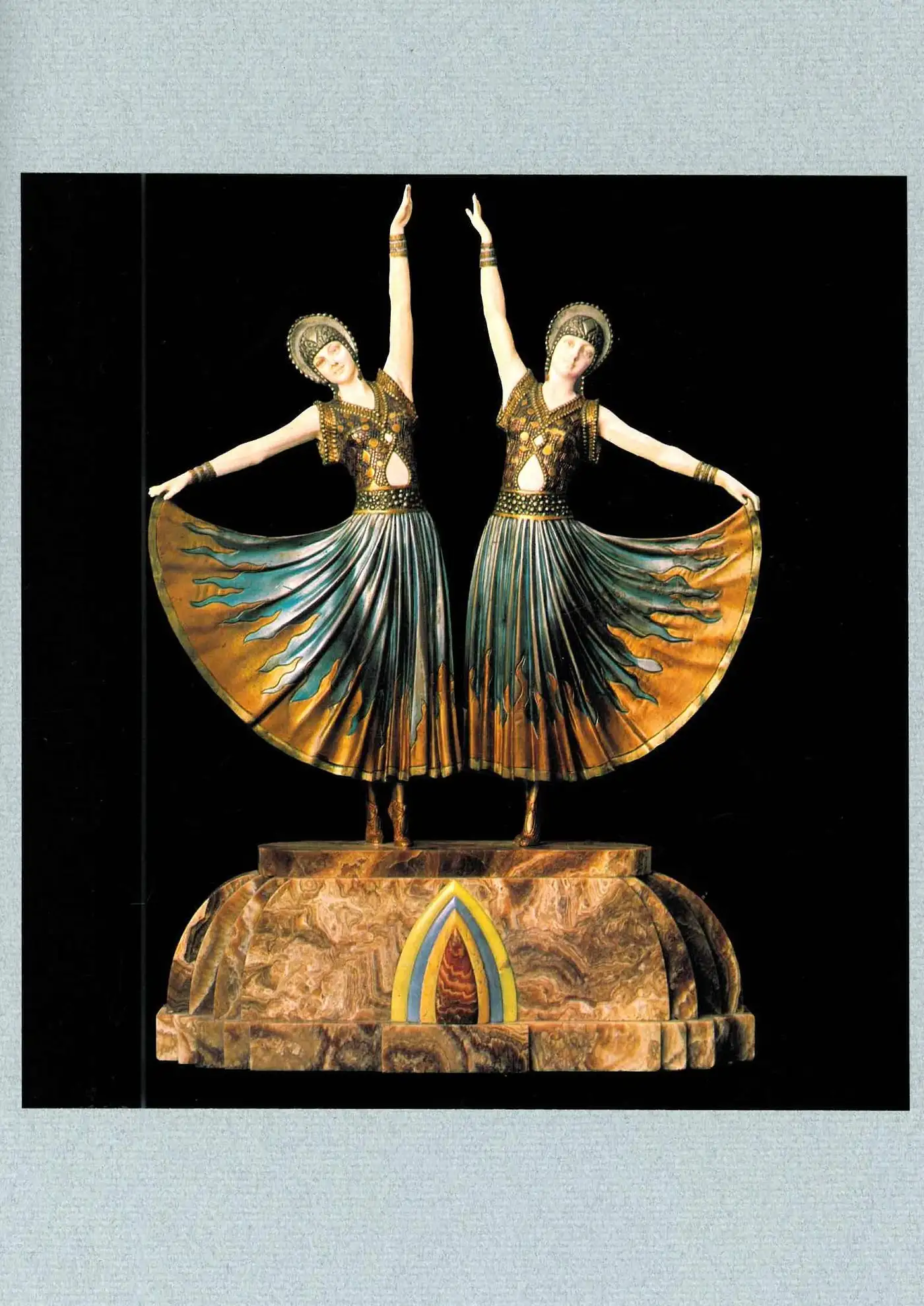
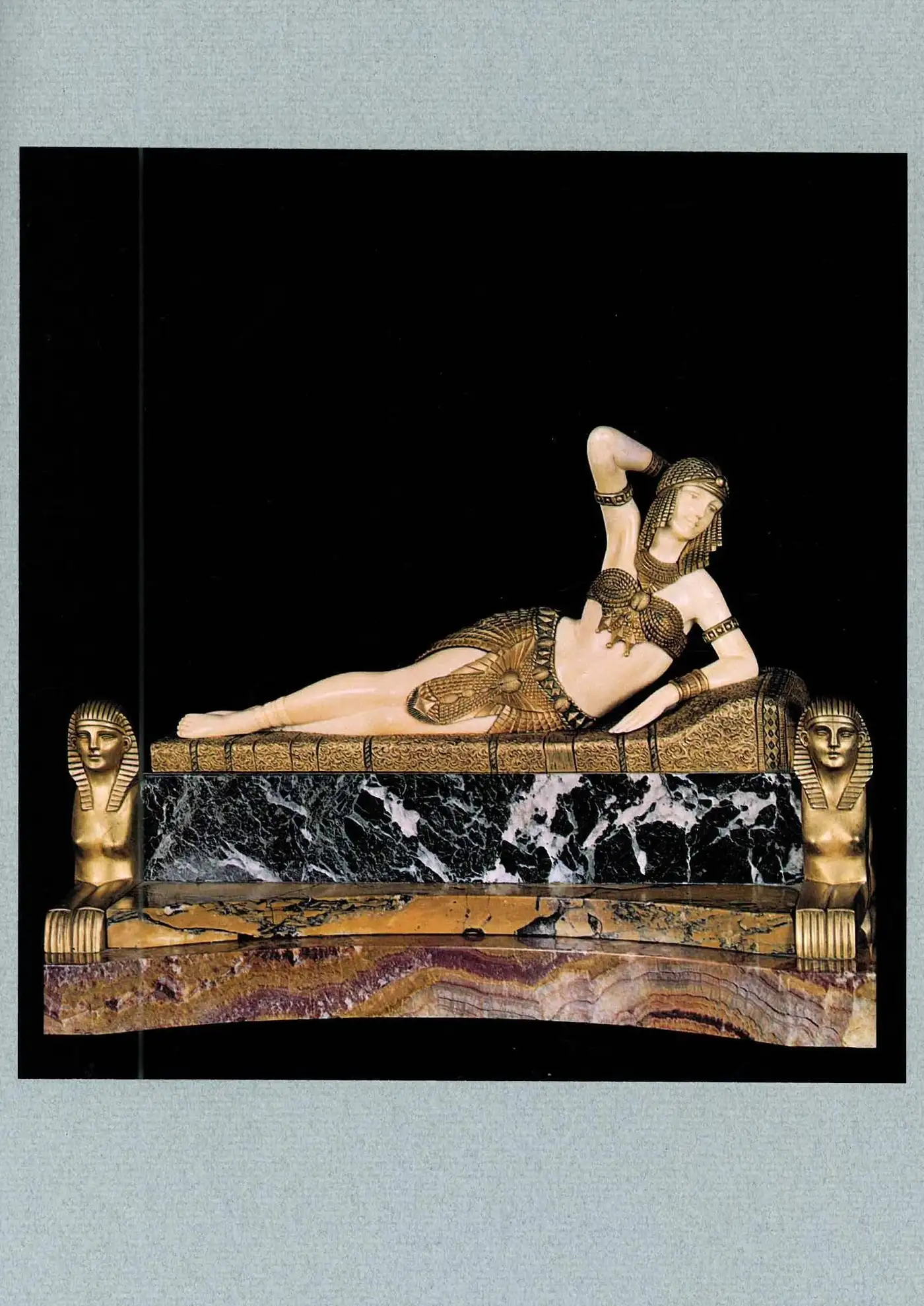
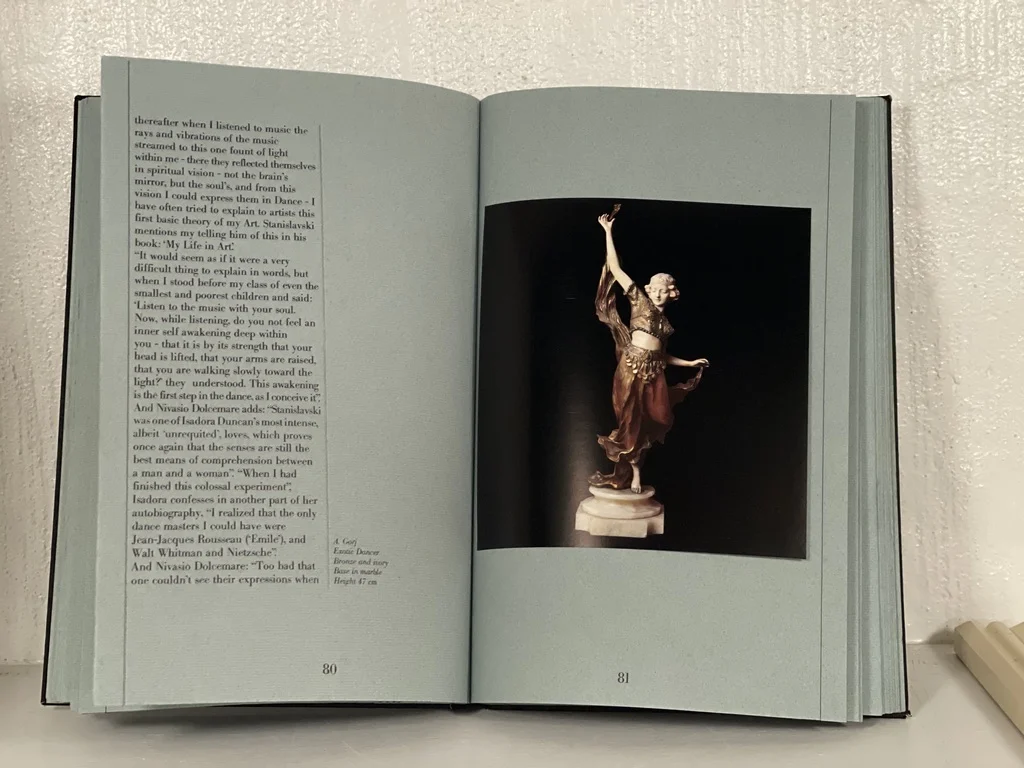
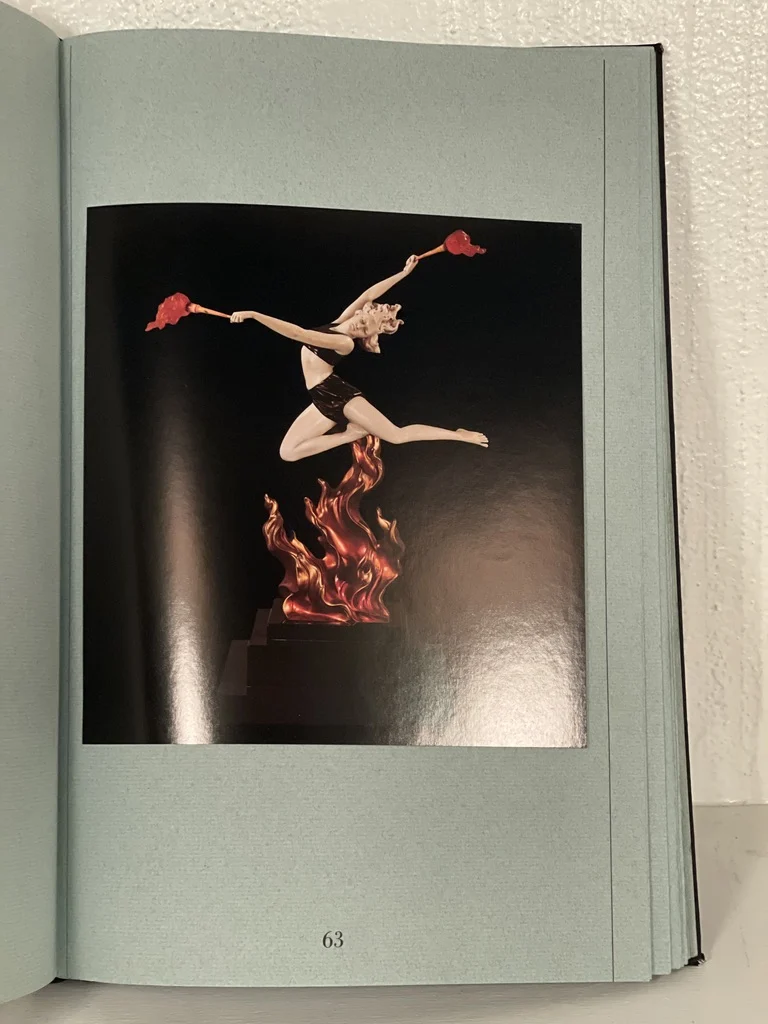
Published by Franco Maria Ricci as part of the acclaimed Signs of Man series, this limited edition volume pairs the life of dancer Isadora Duncan with a striking selection of Art Deco sculpture inspired by her influence. The book features work by Demetre Chiparus and Ferdinand Preiss, two of the most celebrated chryselephantine sculptors of the period, whose figures captured the free-flowing movement Duncan brought to modern dance. Bound in black cloth with gilt lettering, this edition was printed in a run of 3,000 copies.
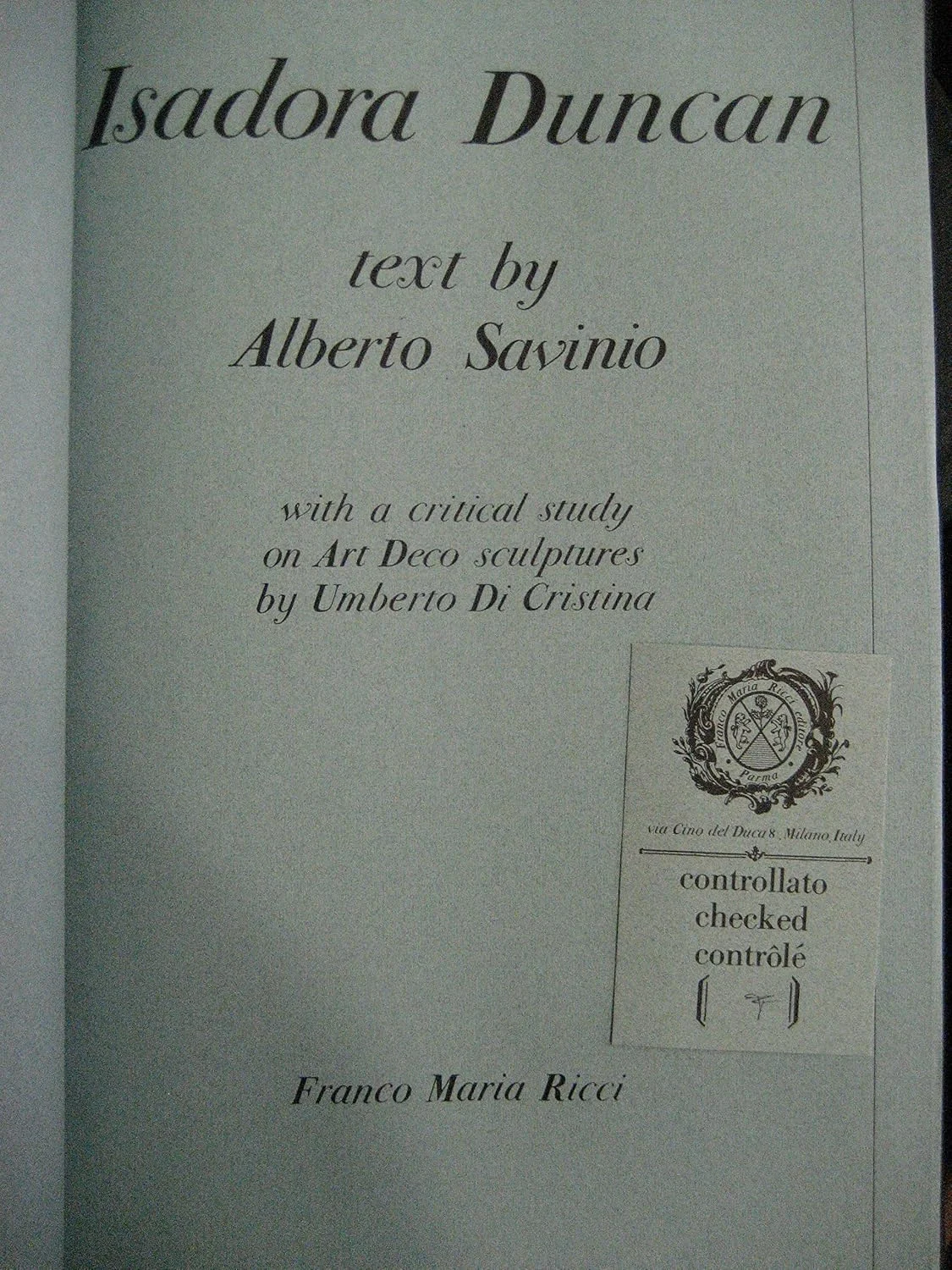
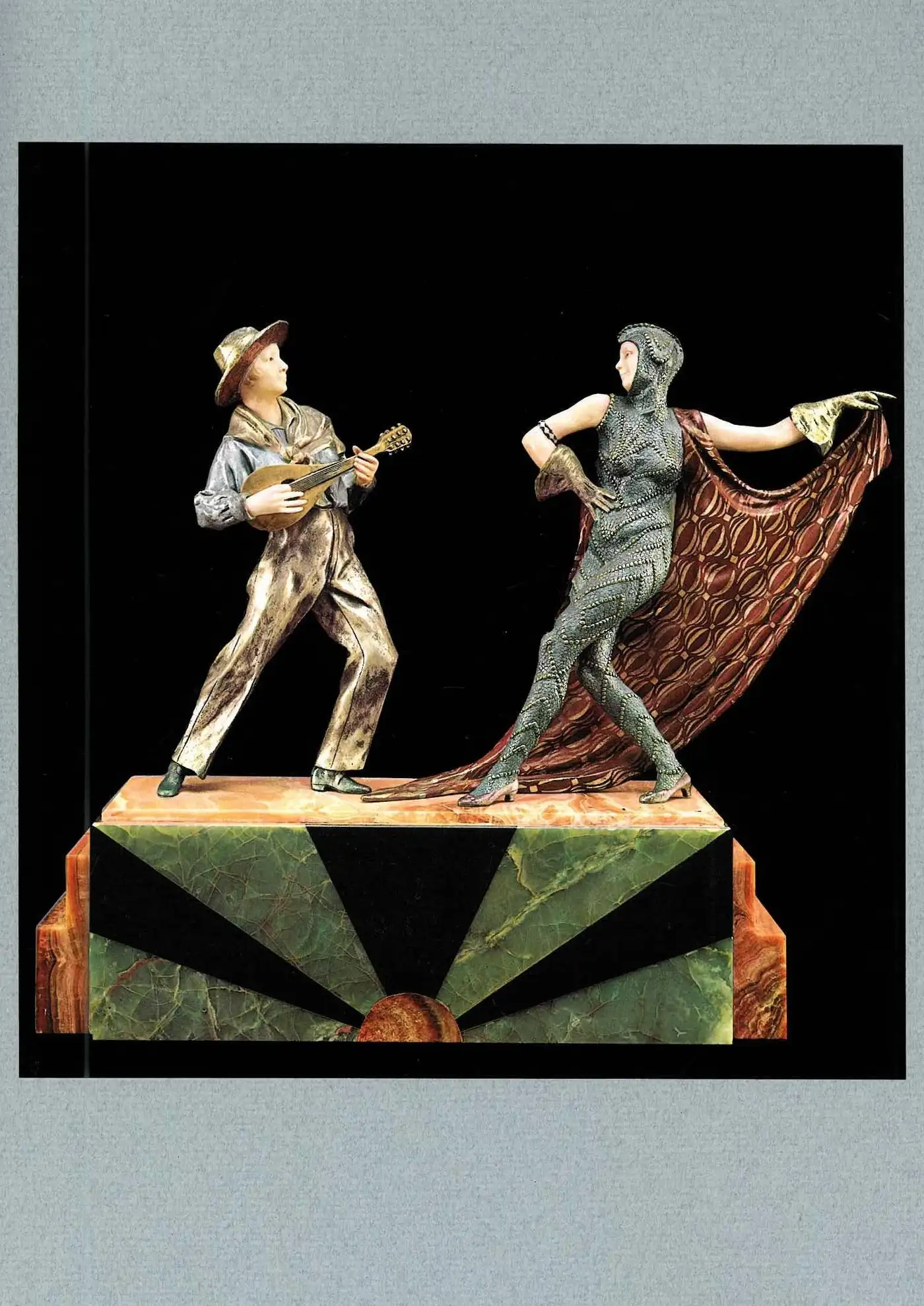
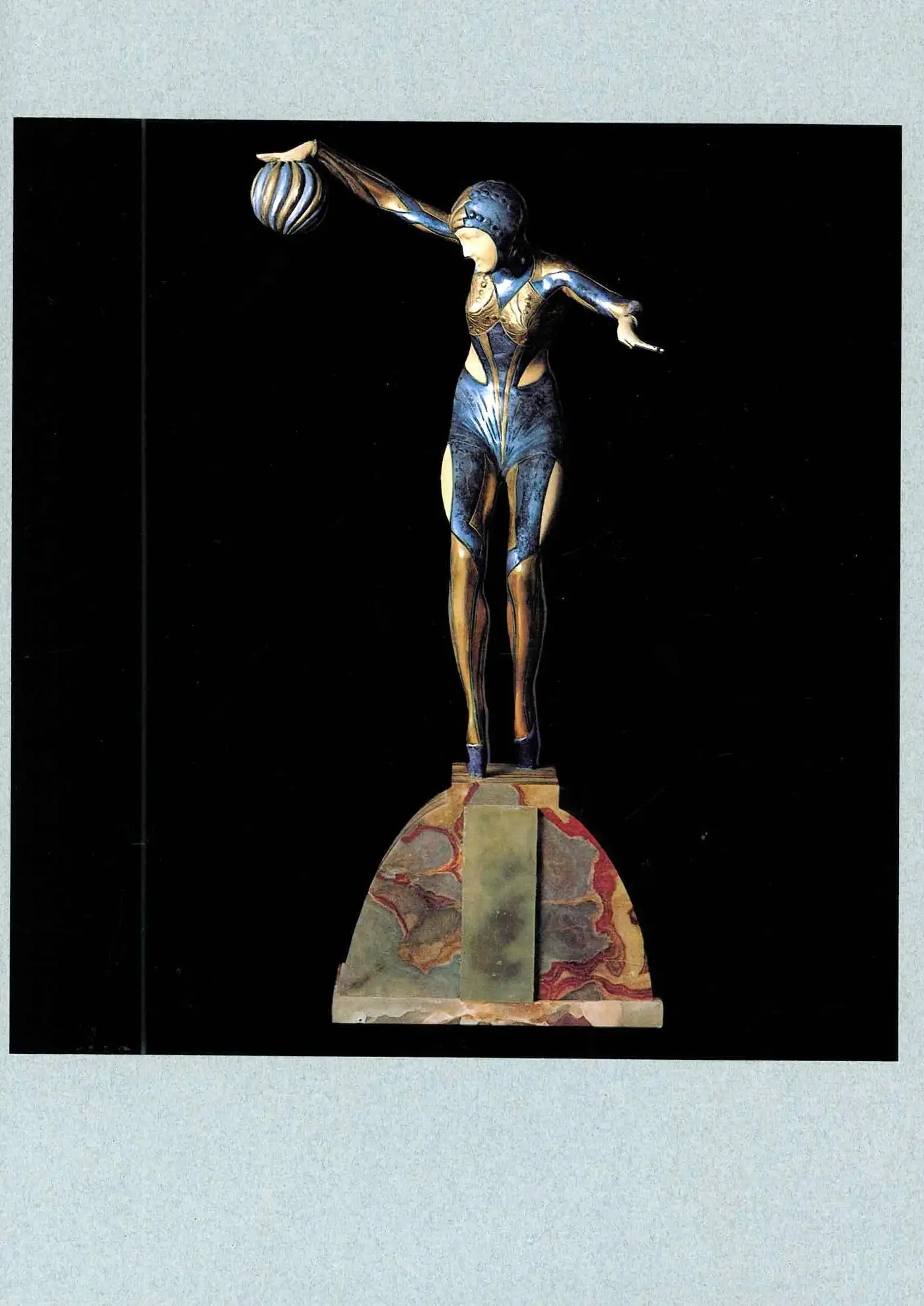
Isadora Duncan reshaped modern dance by rejecting the rigid formality of classical ballet in favor of movement drawn from nature and raw emotion, and her influence extended well beyond the stage into the visual arts. This book, written by Alberto Savinio, traces her life and artistic philosophy while pairing the text with sculptures that translated her dance into three-dimensional form. Chiparus and Preiss, among the most sought-after sculptors of the Art Deco period, both drew on dancers like Duncan for figures that captured motion frozen at its most dramatic moment.
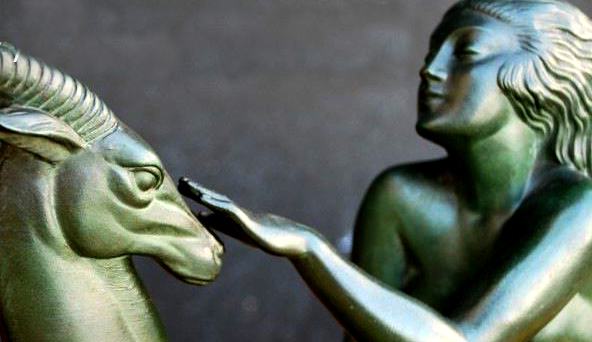
The book's photography gives full attention to these sculptures, showing the fine detail of bronze and ivory construction that made chryselephantine work so prized during the 1920s and 1930s. Duncan's own writings and reflections on dance appear throughout, offering insight into the ideas that shaped her performances and, by extension, the artists who found inspiration in her work. The pairing of biography and sculpture creates a fuller picture of how one dancer's approach to movement rippled outward into decorative art.
As part of the Signs of Man series from Franco Maria Ricci, this book reflects the publisher's reputation for producing finely made limited editions on cultural and artistic subjects. With a run of only 3,000 copies, it has become a sought-after title among collectors of both Art Deco sculpture and dance history. The black cloth binding and gilt lettering give the physical object the same sense of refinement found in the sculptures it documents.