
Art & Statues
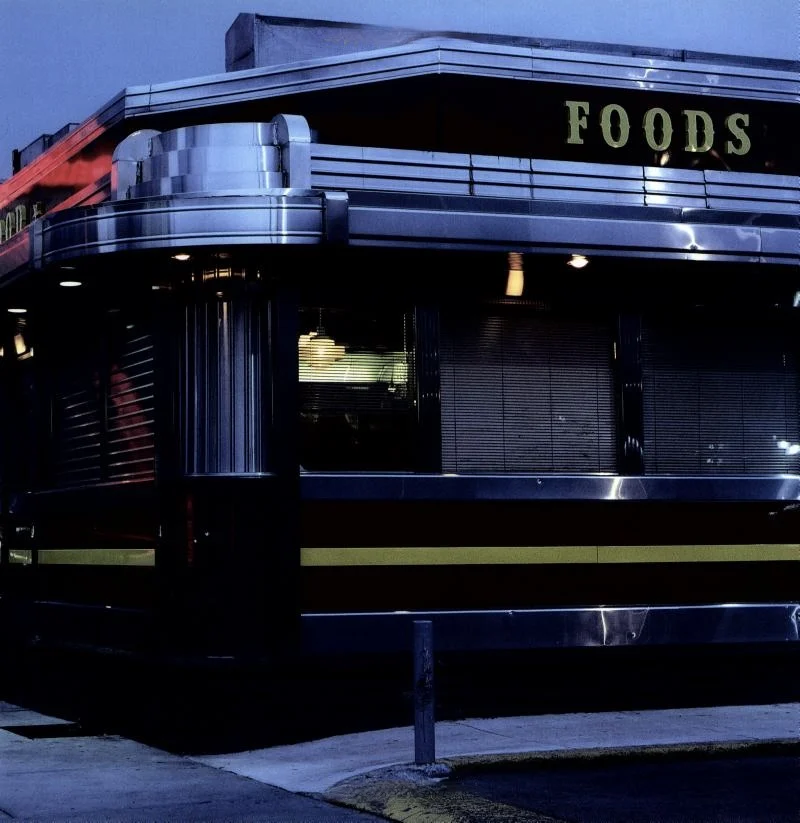


Hometown Diners by Robert O. Williams
Hometown Diners by Robert O. Williams
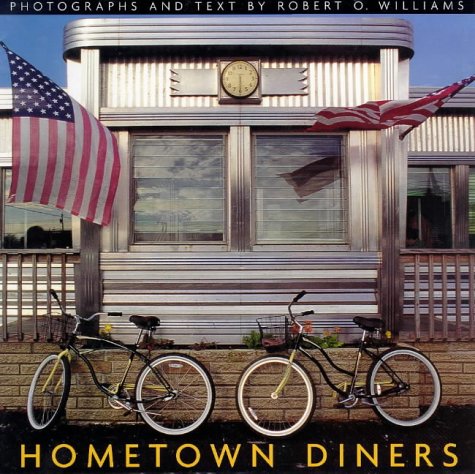
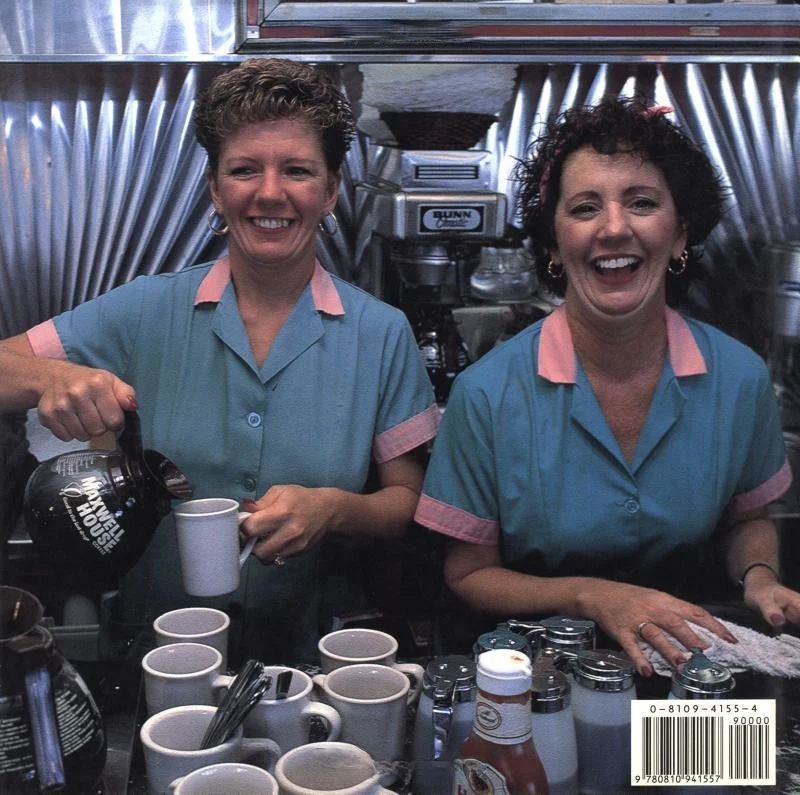
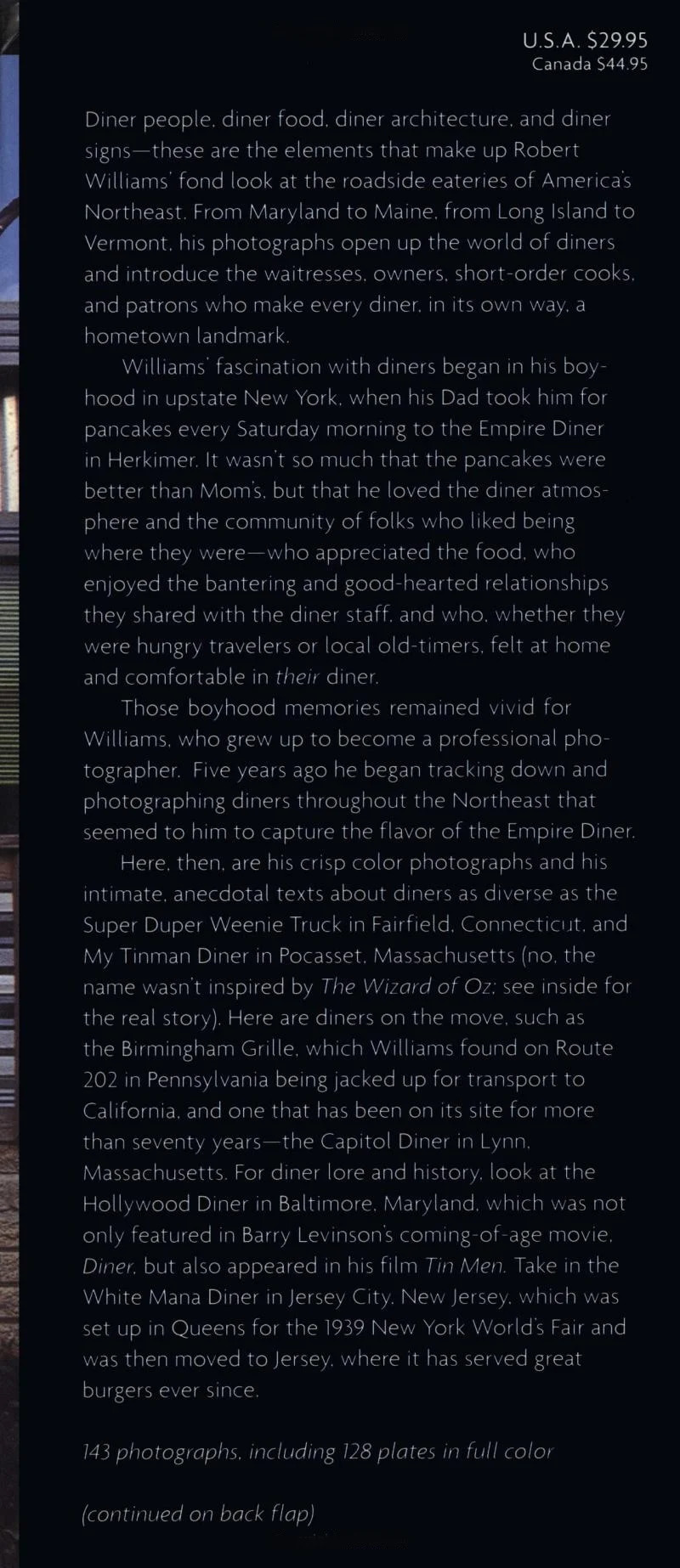
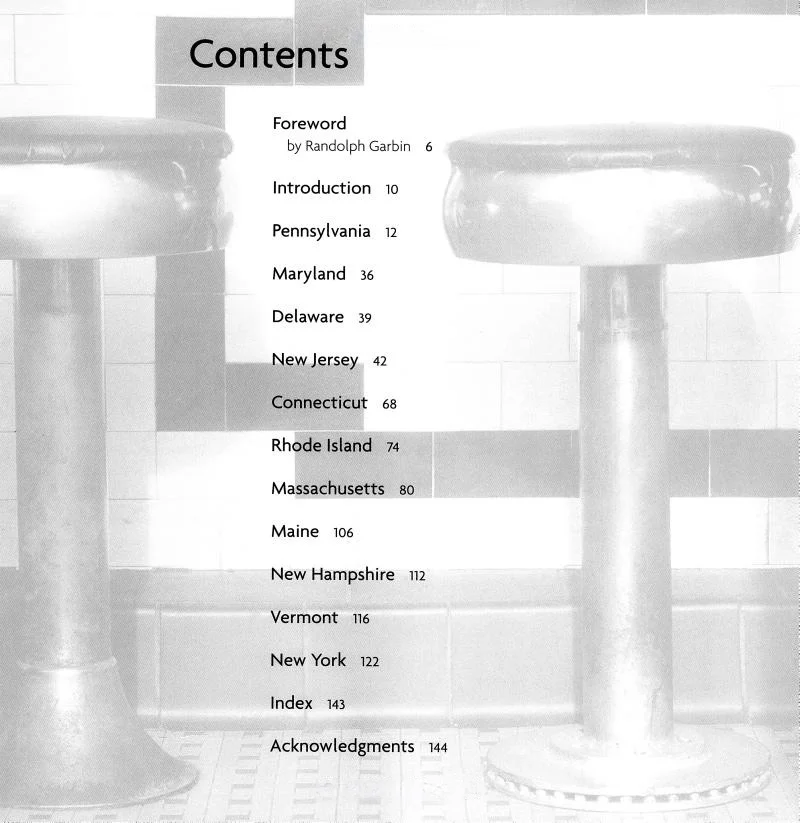
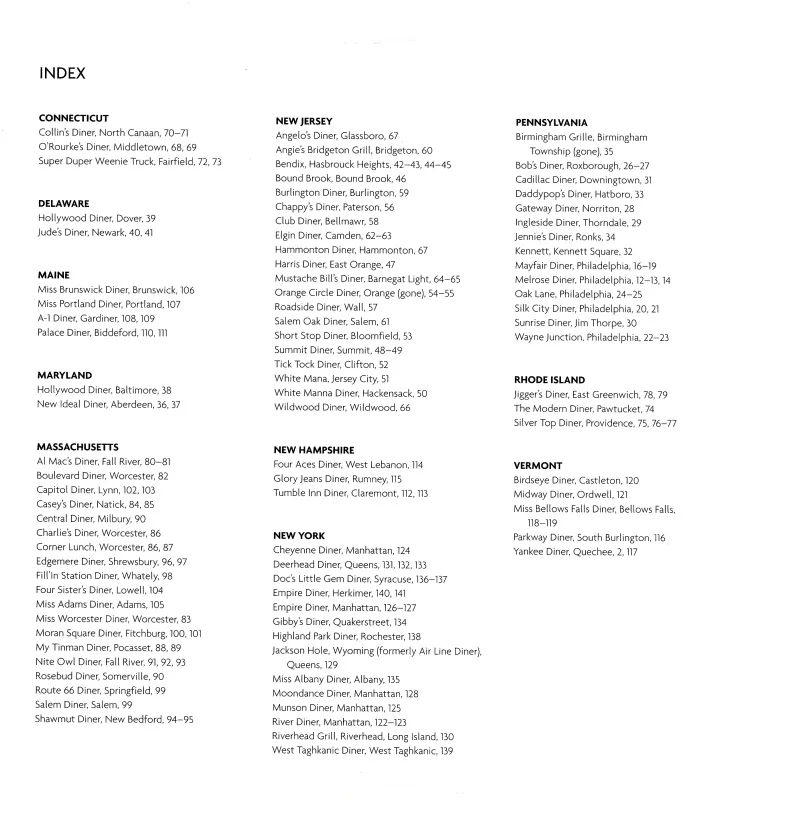
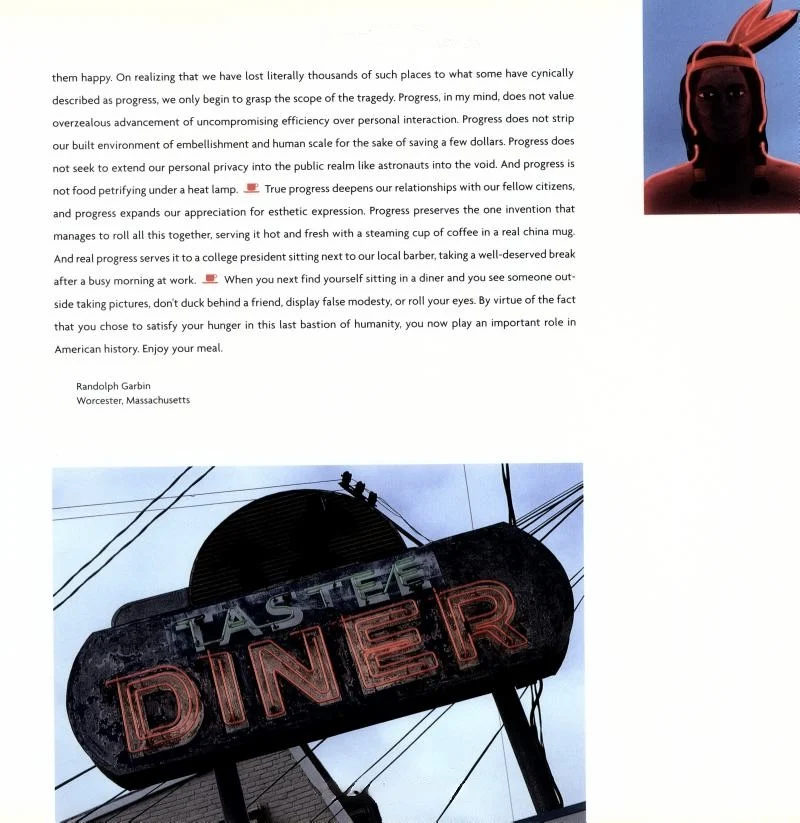
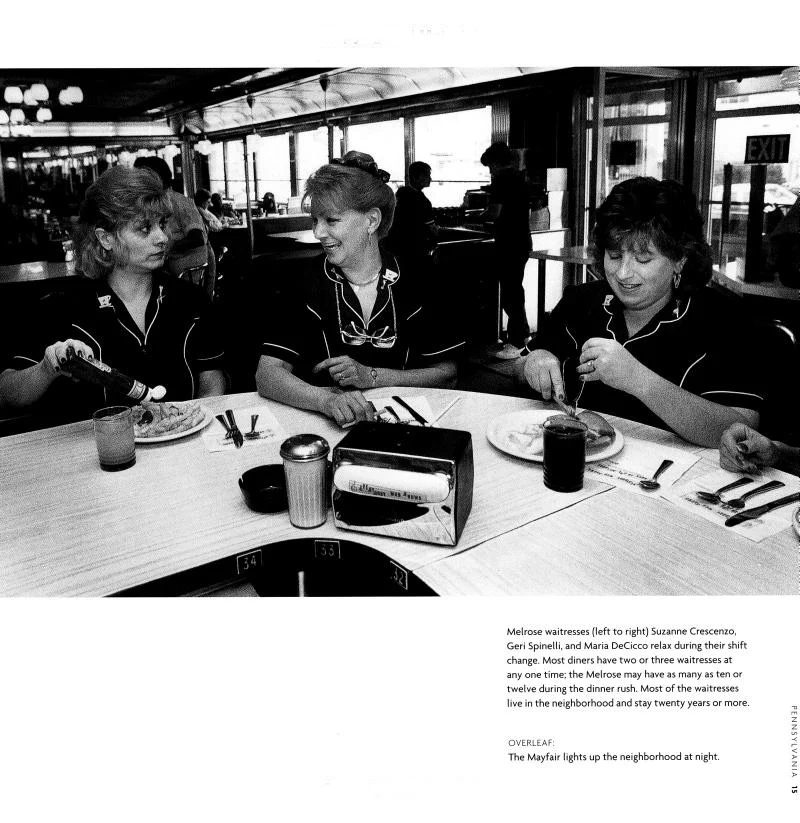
Published by Harry N. Abrams in 1999, this hardcover photography book turns its lens on the roadside diners of the northeastern United States, many of them stainless steel structures built during the Art Deco and Streamline Moderne eras. Photographer and author Robert O. Williams, a longtime staff photographer for the Philadelphia Inquirer, spent years documenting these classic diners along with the people who run and frequent them. The book holds 145 photographs, 125 of them in color, split between exterior and interior views of the diners themselves and portraits of the waitresses, cooks, and regulars who give each one its character. The cover captures that blend directly, showing a gleaming stainless steel diner front with flags waving above two parked bicycles. Williams pairs his images with personal anecdotes, giving the book the feel of a firsthand account rather than a straightforward architectural survey.
The diners Williams photographs represent a distinctly American building type, prefabricated in factories and shipped whole to their sites, with rounded corners, chrome trim, and neon signage drawn directly from the design language of the 1930s and 1940s. His photographs move between the polished exteriors that first draw the eye and the lived-in interiors where the real character of each diner comes through, in the counters, booths, and faces of the people who keep them running. The personal text that accompanies the images reflects Williams's own affection for the subject, built over years of visiting these spots for the Philadelphia Inquirer.
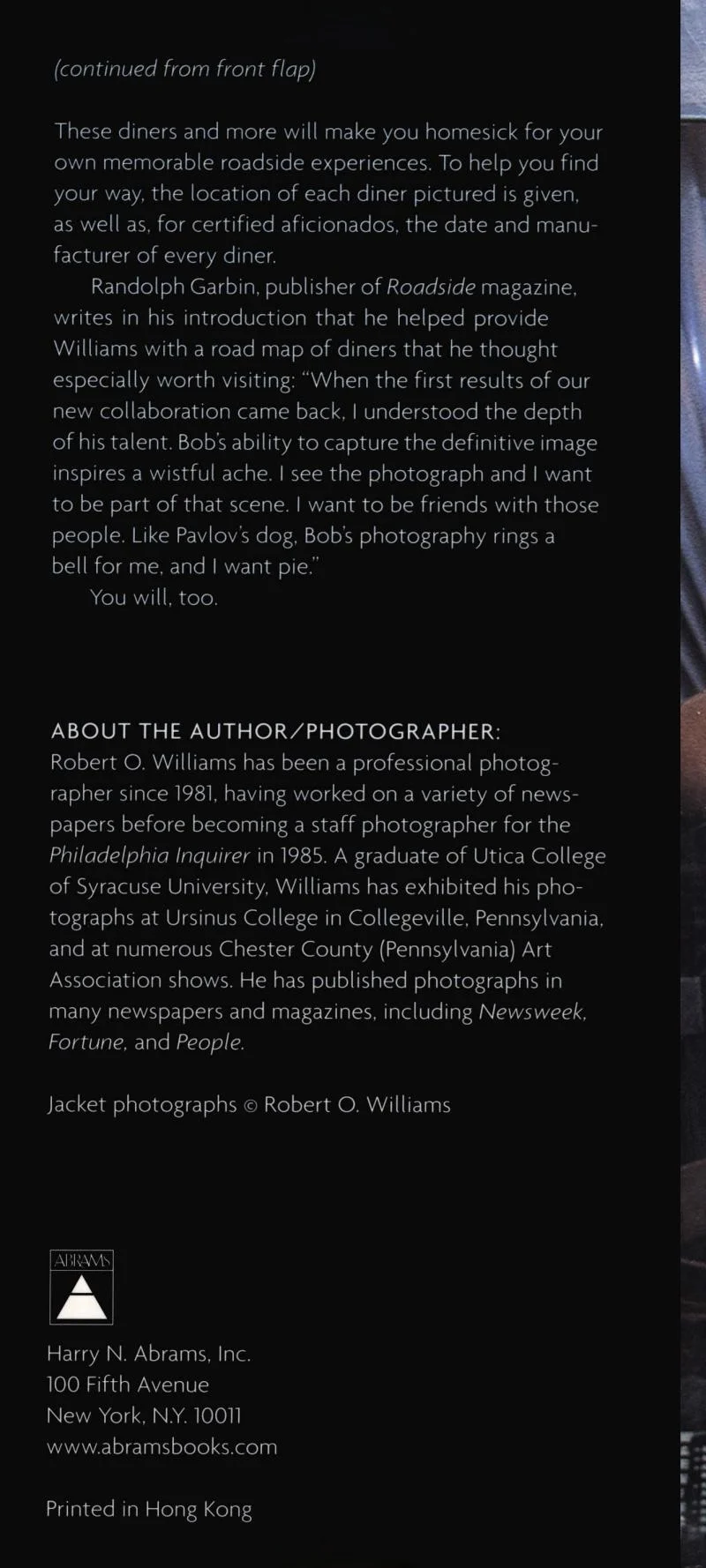
Robert O. Williams worked as a staff photographer for the Philadelphia Inquirer, where his eye for character and detail shaped the documentary approach he brings to this project. His familiarity with the region's diners, many of them family-run for generations, gives the book an intimacy that distinguishes it from a purely architectural study.
This book appeals equally to collectors of diner memorabilia, students of Streamline Moderne architecture, and anyone drawn to the nostalgia of the American roadside. Its combination of striking photography and firsthand storytelling makes it as enjoyable to read straight through as to browse for its images alone.

info@artdecocollection.com