




Art & Statues
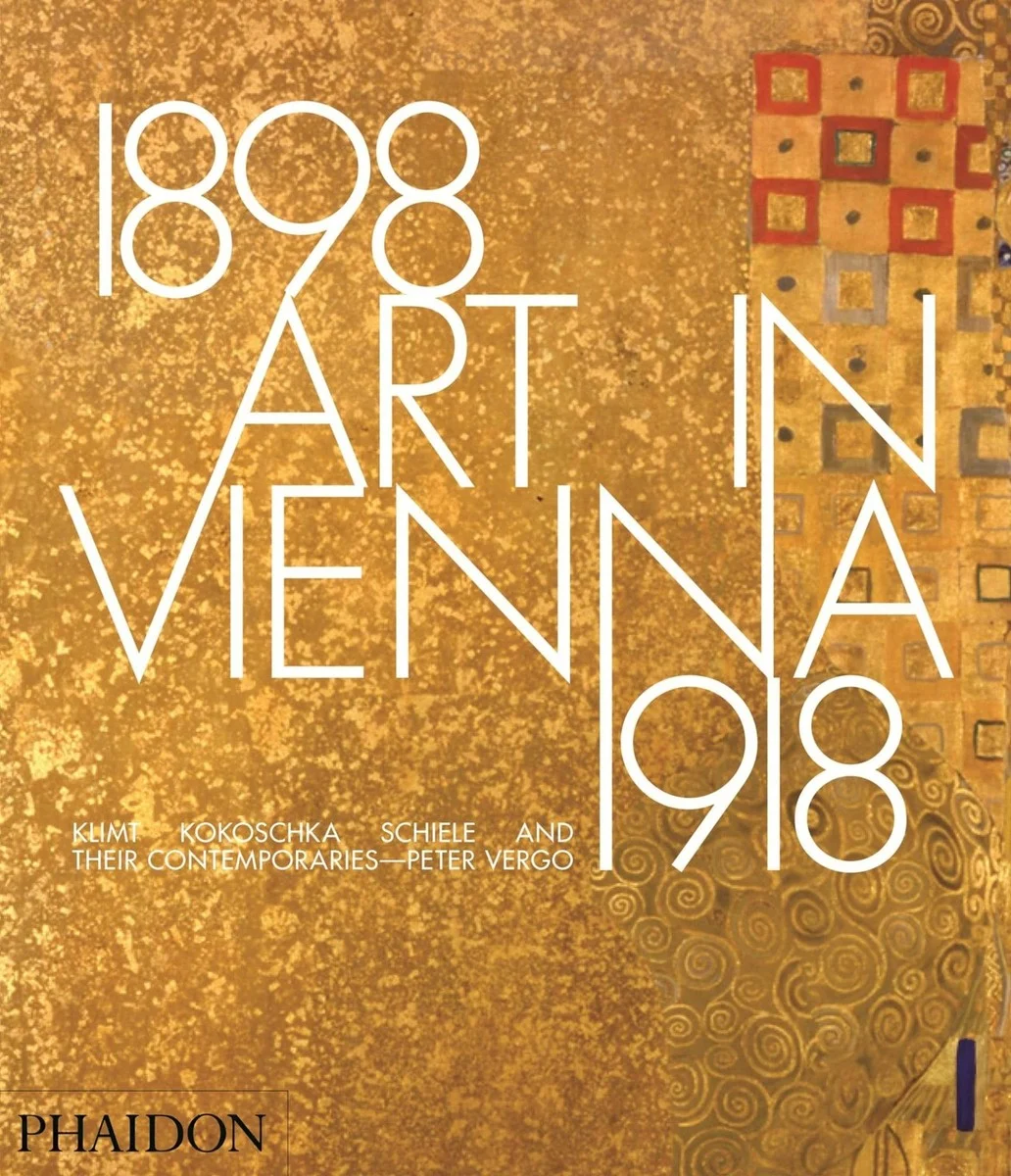
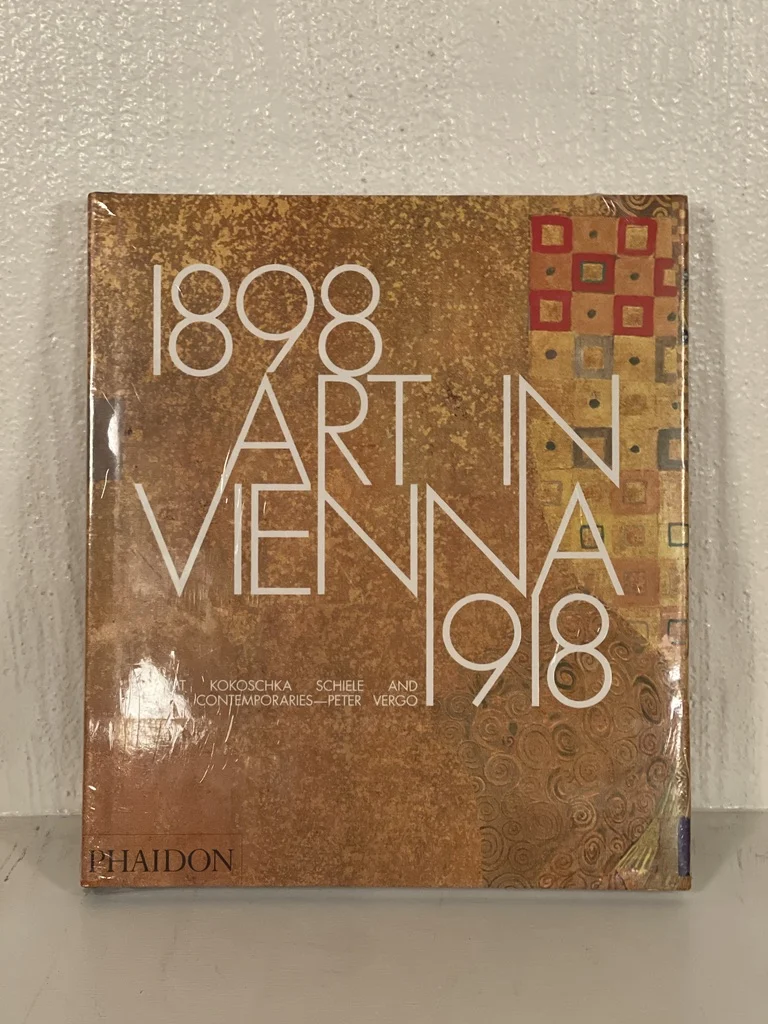


Art in Vienna 1898-1918: Klimt, Kokoschka, Schiele and their Contemporaries
Art in Vienna 1898-1918: Klimt, Kokoschka, Schiele and their Contemporaries
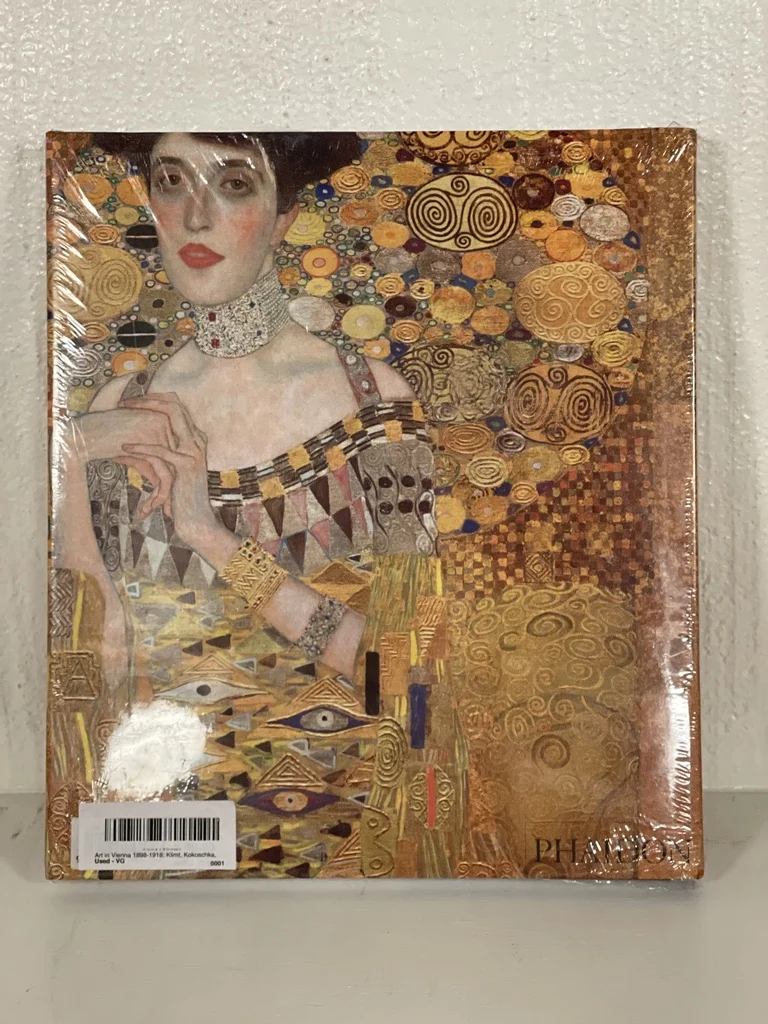
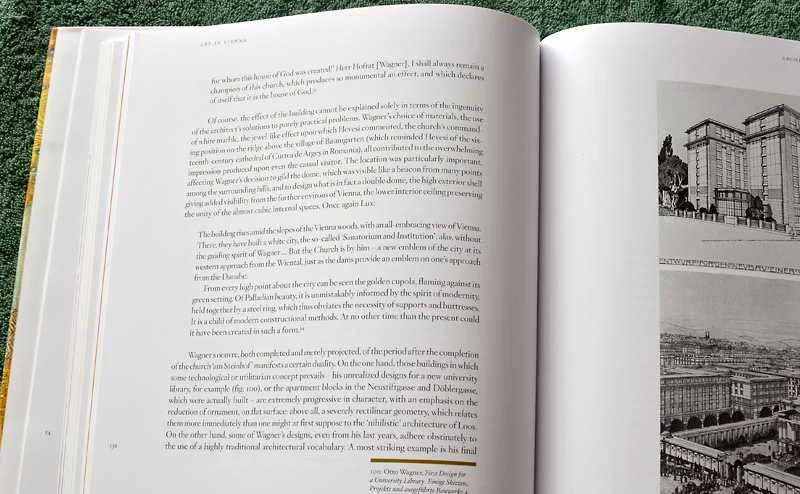
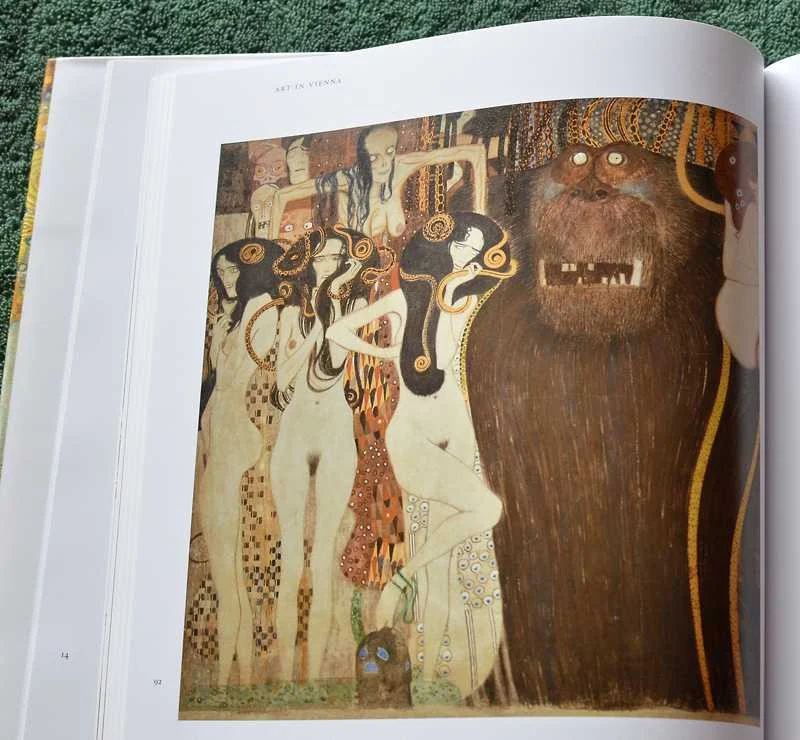
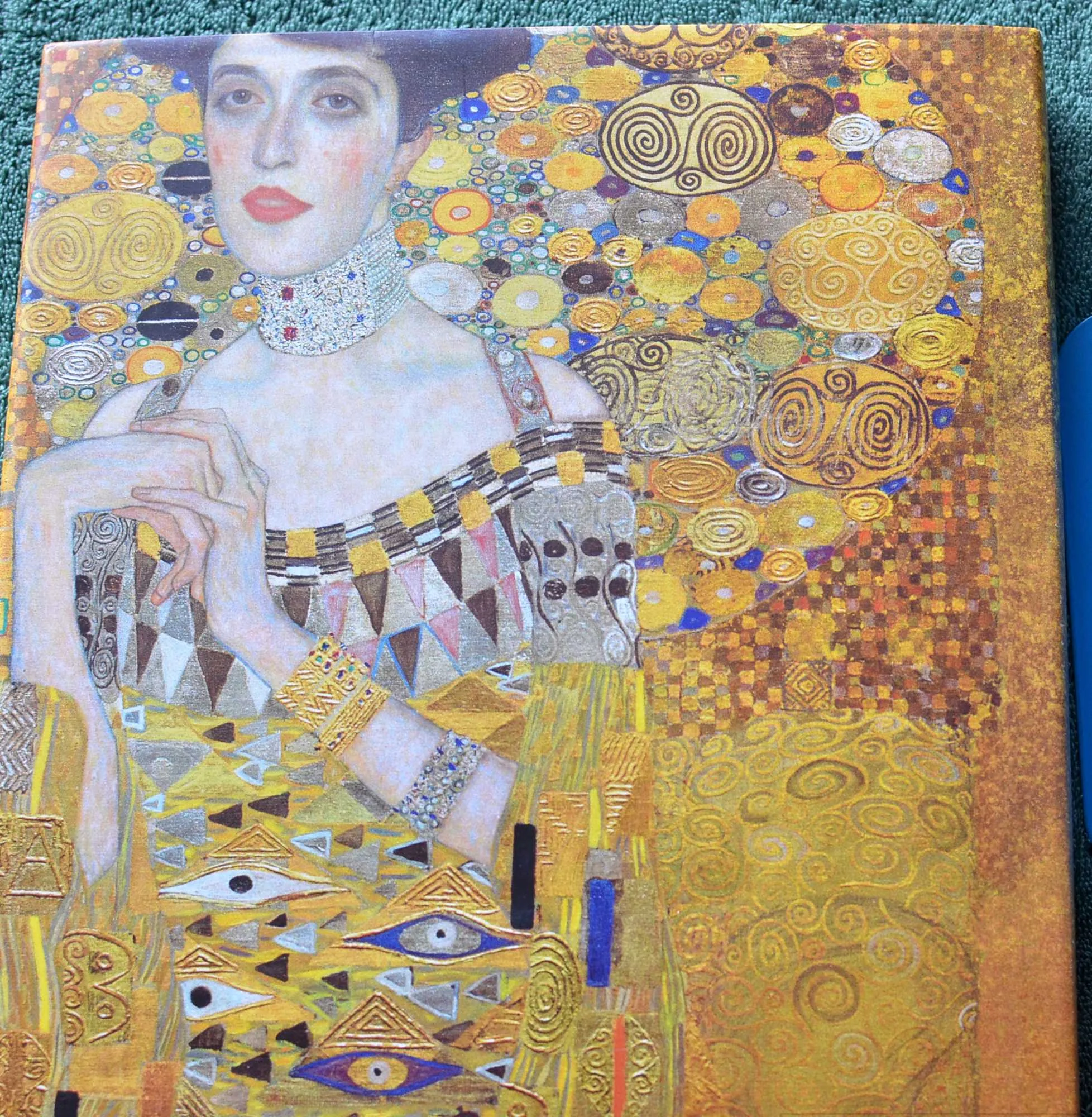
Peter Vergo's Art in Vienna 1898-1918 remains one of the standard references on the Vienna Secession and the artists who defined it. This fourth edition, published by Phaidon in 2015, includes roughly 150 color images and 75 black and white illustrations covering Gustav Klimt, Oskar Kokoschka, Egon Schiele, and the wider circle working in Vienna during this period. Vergo traces the movement from its founding through the cultural upheaval of the First World War, situating these artists within the broader currents reshaping European art at the time.
Peter Vergo wrote this book as a comprehensive account of the artistic revolution that took hold in Vienna at the turn of the twentieth century. The Secession, founded in 1897 as a break from the conservative art establishment, brought together painters and designers who wanted to pursue a more modern visual language. Vergo traces how Klimt led this early movement before younger artists like Schiele and Kokoschka pushed the work in increasingly expressive and psychologically charged directions.
The book moves chronologically through two decades of dramatic change, following the Secession's early decorative phase into the more raw and emotional Expressionism that emerged in the years before the war. Vergo pairs close analysis of individual paintings with broader discussion of the cultural environment that shaped them, including the influence of Freud's ideas about the unconscious and the social anxieties building across Europe. The illustrations allow readers to trace this shift directly, moving from Klimt's ornamental gold ground portraits to Schiele's angular figure studies within the same volume.
Vergo has written extensively on European modernism, and this book is considered essential reading for understanding how Vienna's art scene diverged from developments in Paris and Berlin during the same years. It remains in print through multiple editions because of how thoroughly it covers both the major figures and the lesser-known artists working alongside them. Anyone studying the roots of Expressionism or the broader story of early twentieth-century European art will find this book a valuable and lasting reference.