







Art & Statues




Art Deco 1910-1939
Art Deco 1910-1939
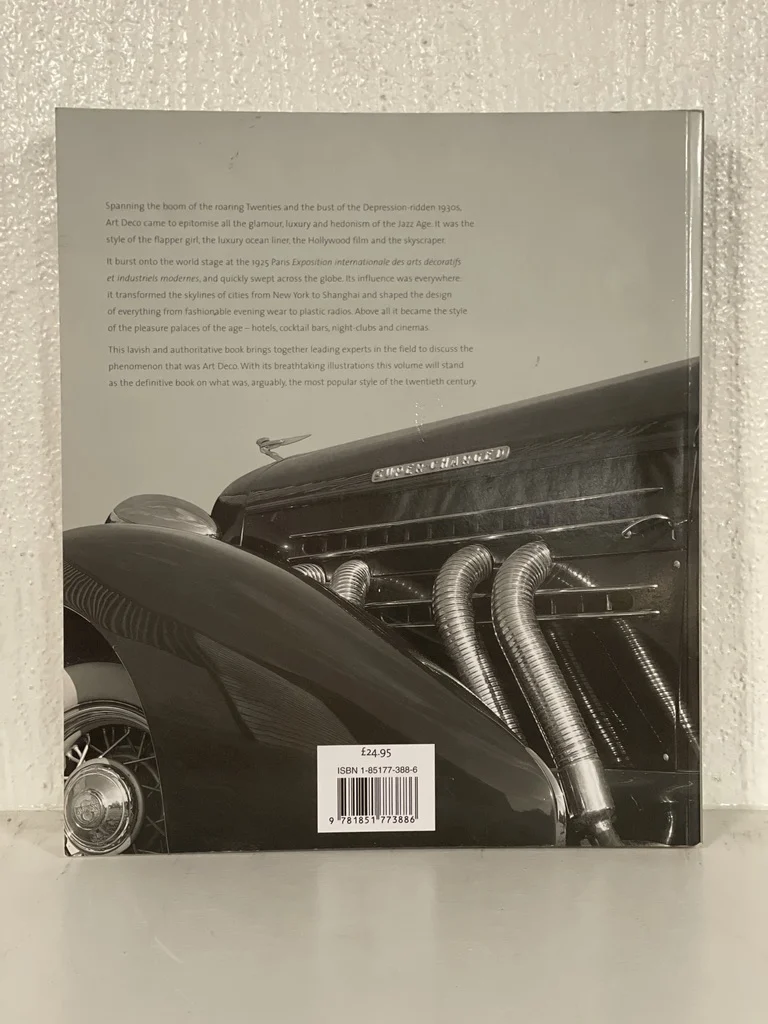
Edited by Charlotte Benton, Tim Benton, and Ghislaine Wood, this paperback volume brings together leading scholars to examine Art Deco as a global phenomenon. The book traces the style from its emergence before the First World War through its full flowering in the 1920s and 1930s, covering everything from fashion and furniture to skyscrapers and cinema. Produced to accompany a major exhibition, it stands as one of the most thorough single-volume studies of Art Deco in print.
This book grew out of a landmark exhibition and reflects the scholarship of three respected historians in the field. Charlotte Benton, Tim Benton, and Ghislaine Wood assembled essays from a range of specialists, each focused on a different aspect of the movement. Rather than treating Art Deco as a single unified look, the book traces how the style adapted across different countries, industries, and social contexts throughout its three-decade span.
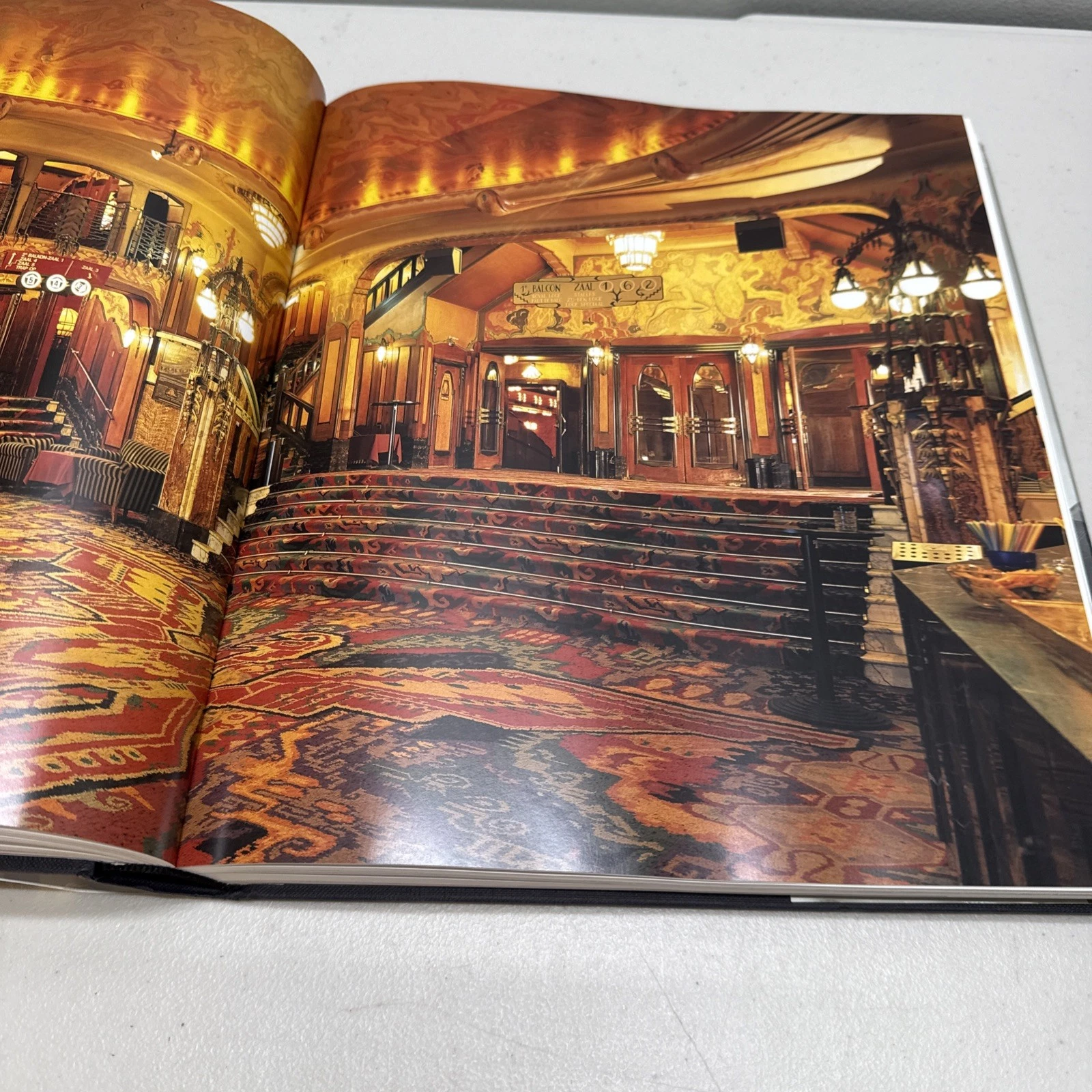
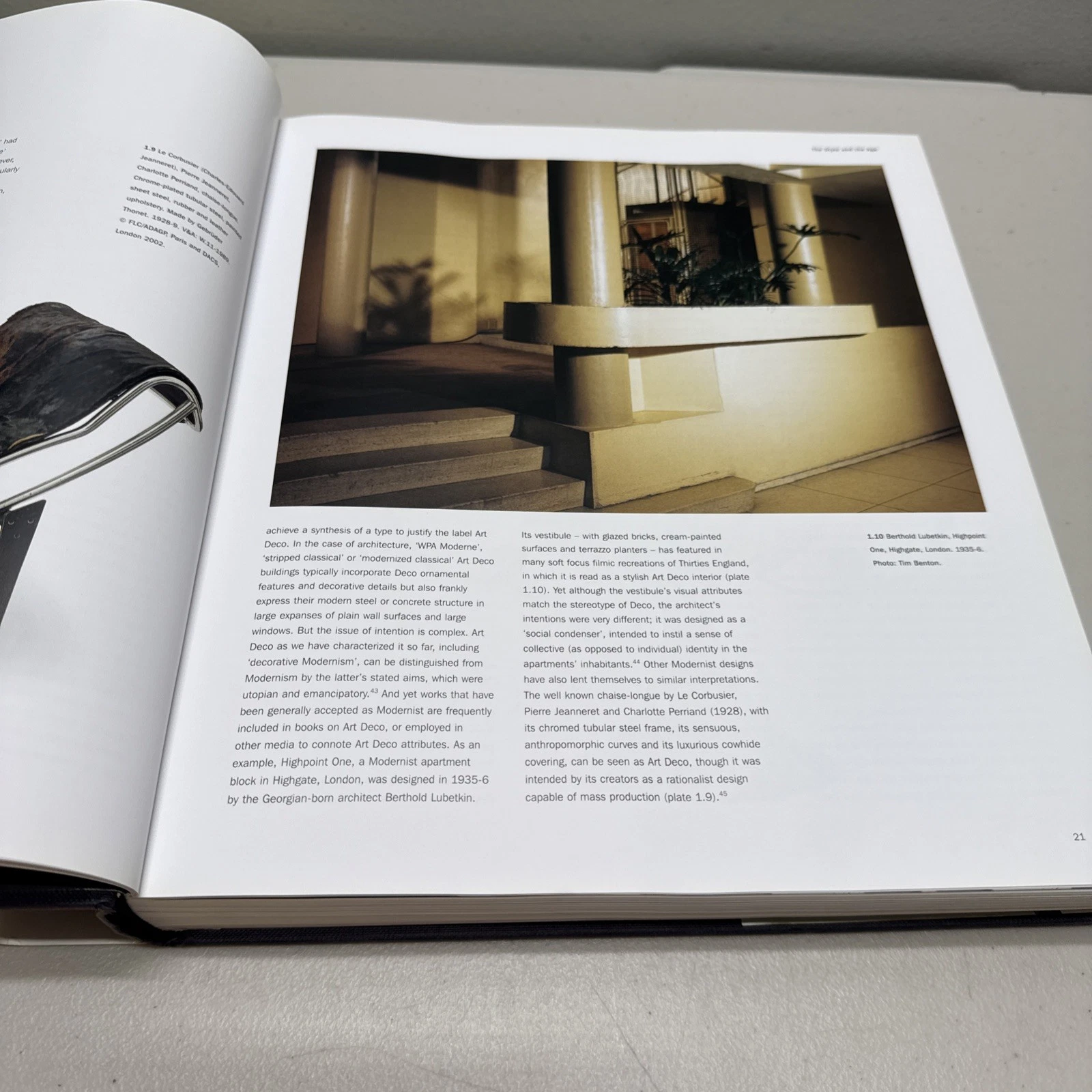
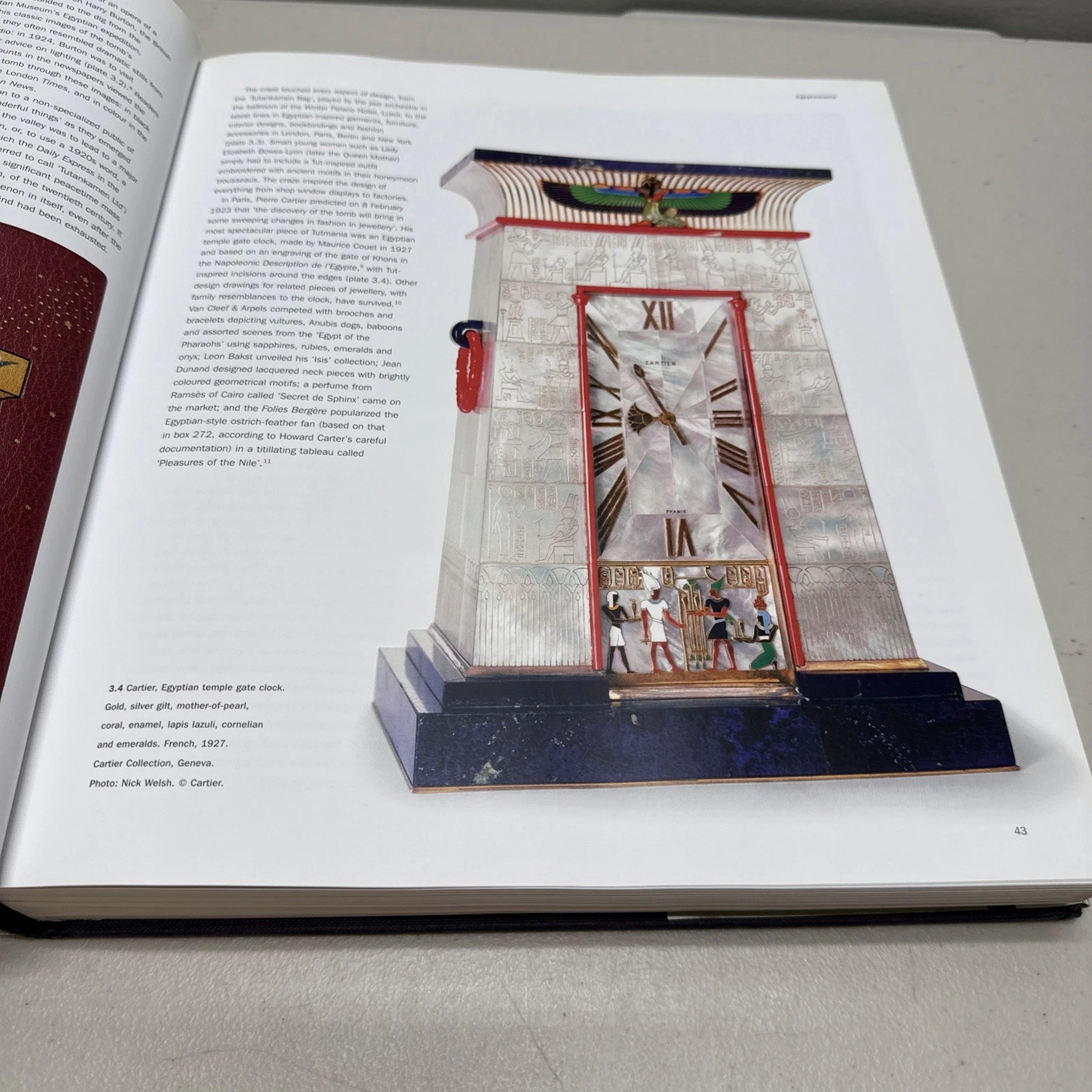
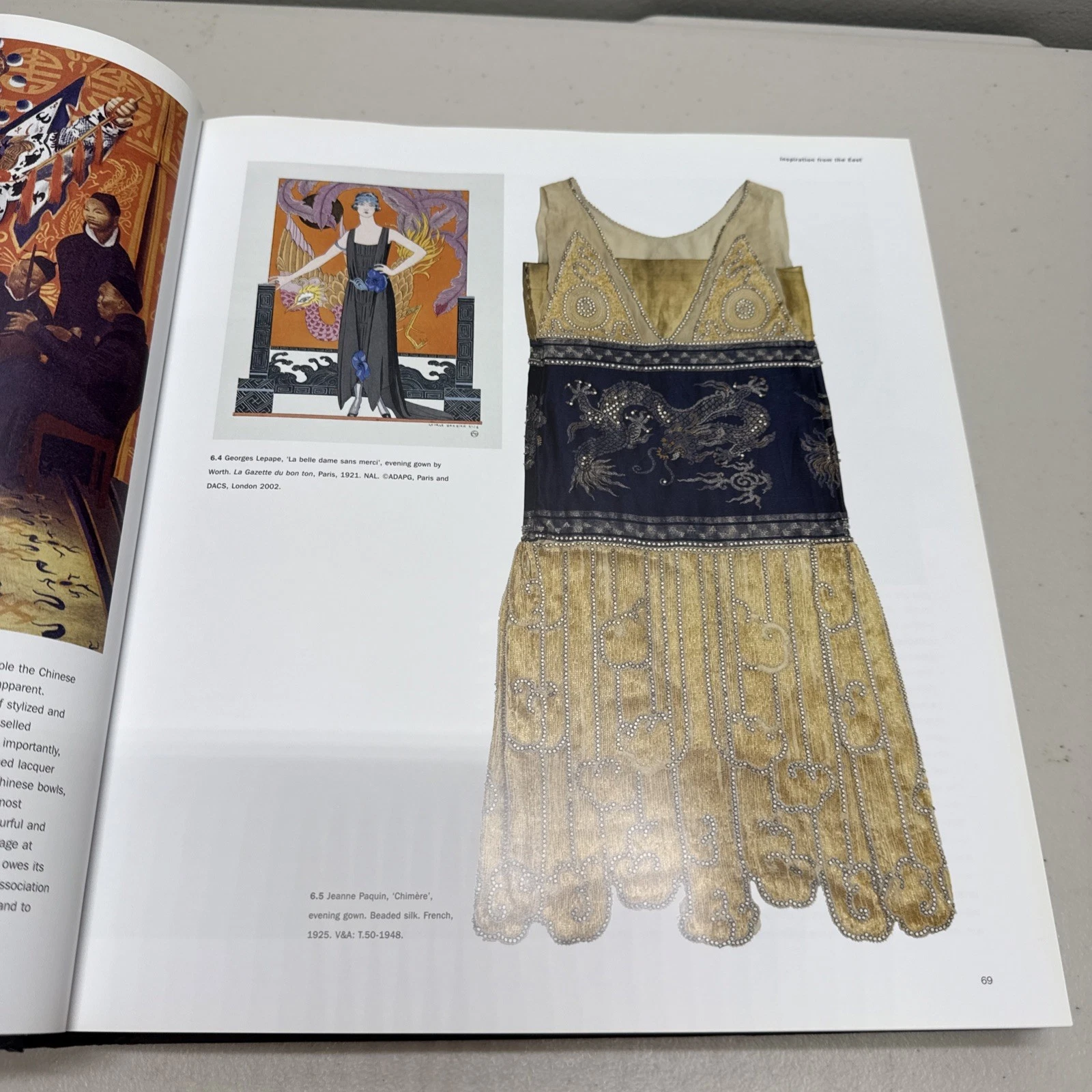
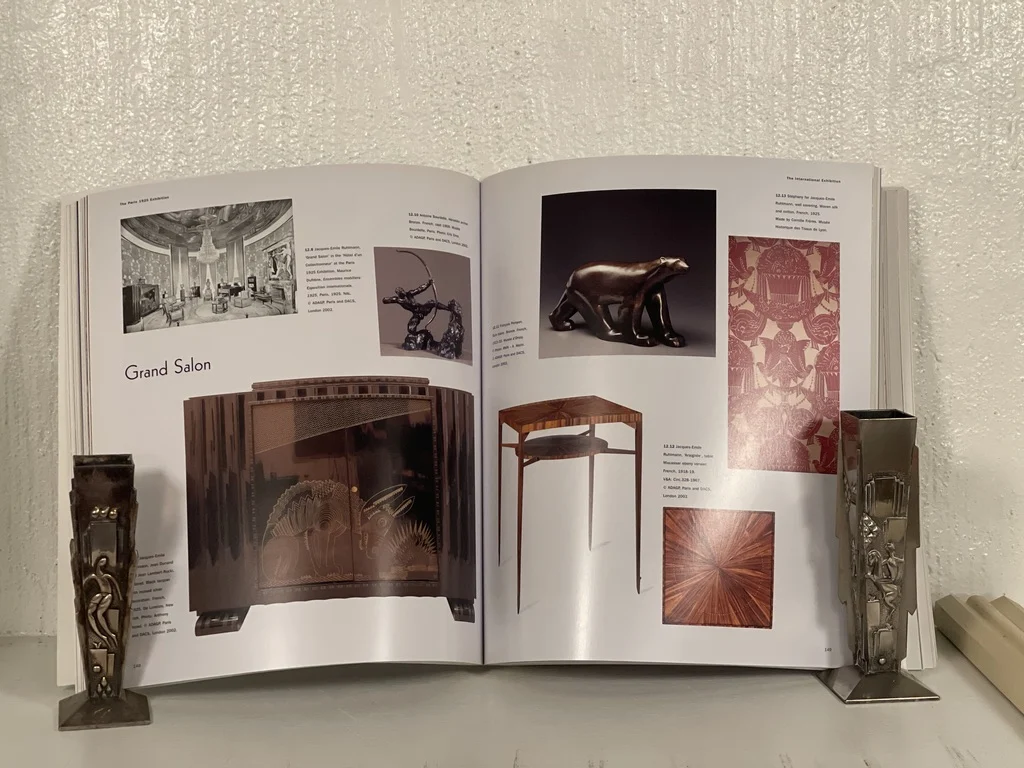
The essays move through Art Deco's major touchstones, including the 1925 Paris Exposition that gave the movement its name and later international expressions of the style in cities from New York to Shanghai. Furniture, jewelry, textiles, and industrial design all receive dedicated attention, alongside chapters on how Art Deco shaped the era's hotels, cinemas, and nightclubs. The book's illustrations pair museum-quality photography of decorative objects with period images of interiors and architecture, giving readers a sense of how these pieces functioned within their original settings.
As a book built around scholarly essays rather than a single author's perspective, it offers a wider range of expertise than most references on the subject. The contributors examine Art Deco through the lens of design history, social history, and material culture, resulting in a book that works as both an academic resource and an accessible visual survey. For collectors and design historians alike, this volume remains a strong foundation for understanding the full scope of the movement.