





Art & Statues
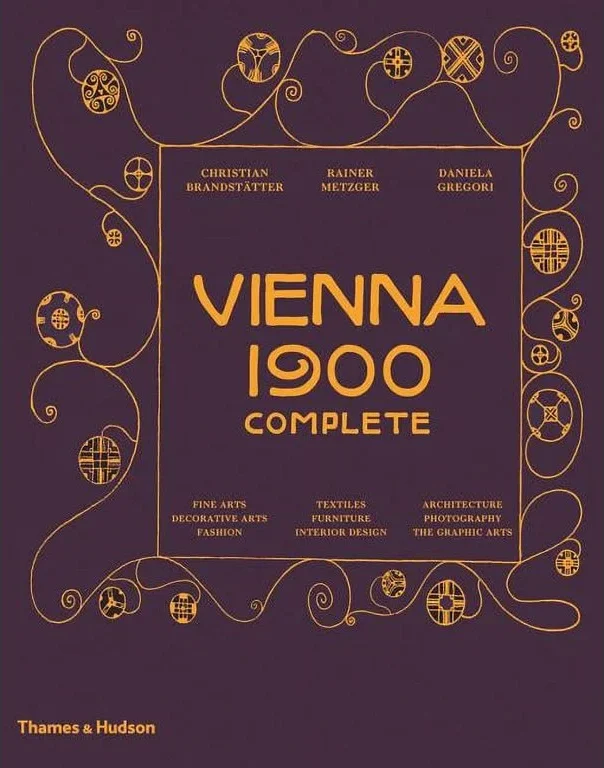
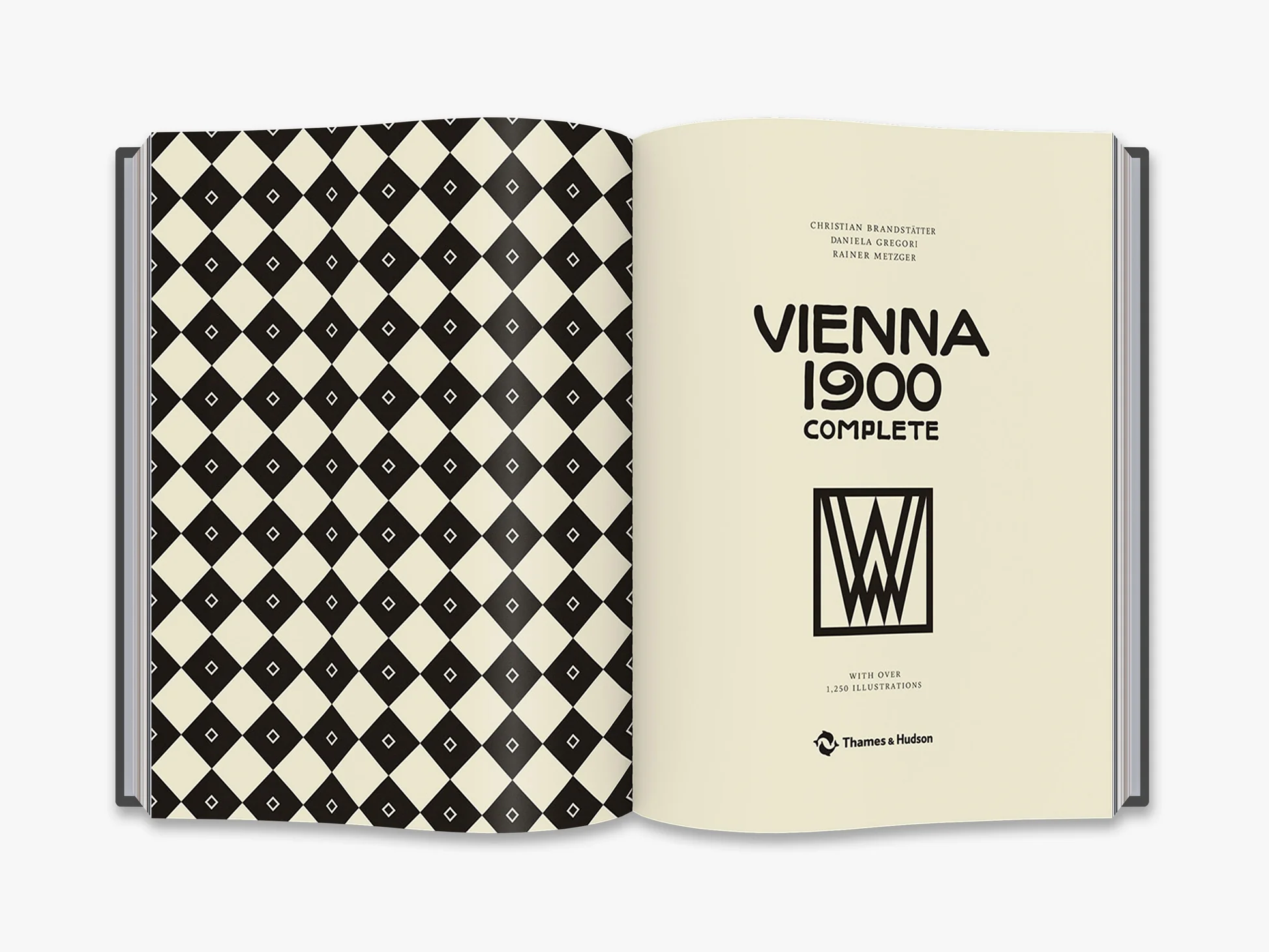


Vienna 1900 Complete
Vienna 1900 Complete
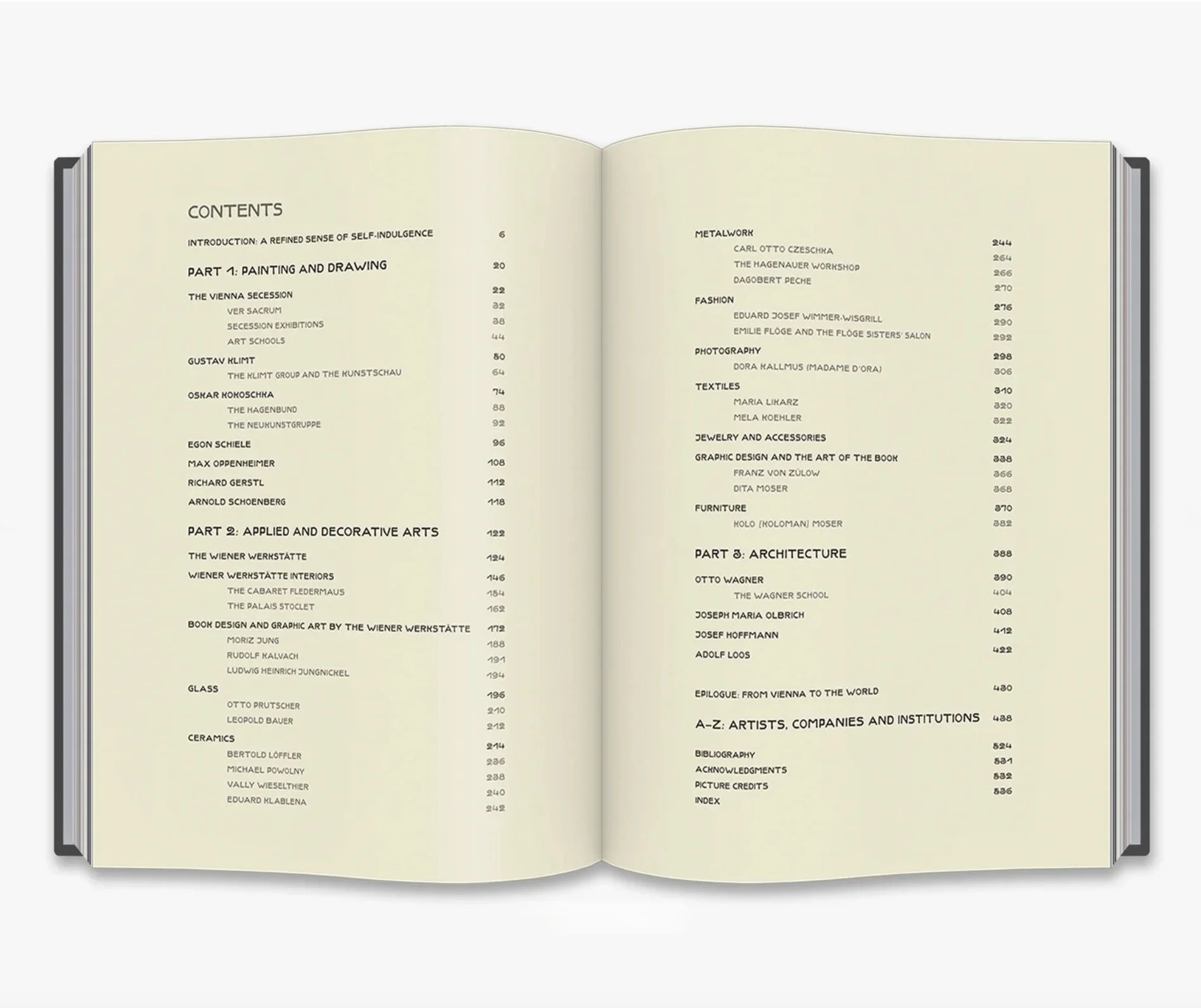
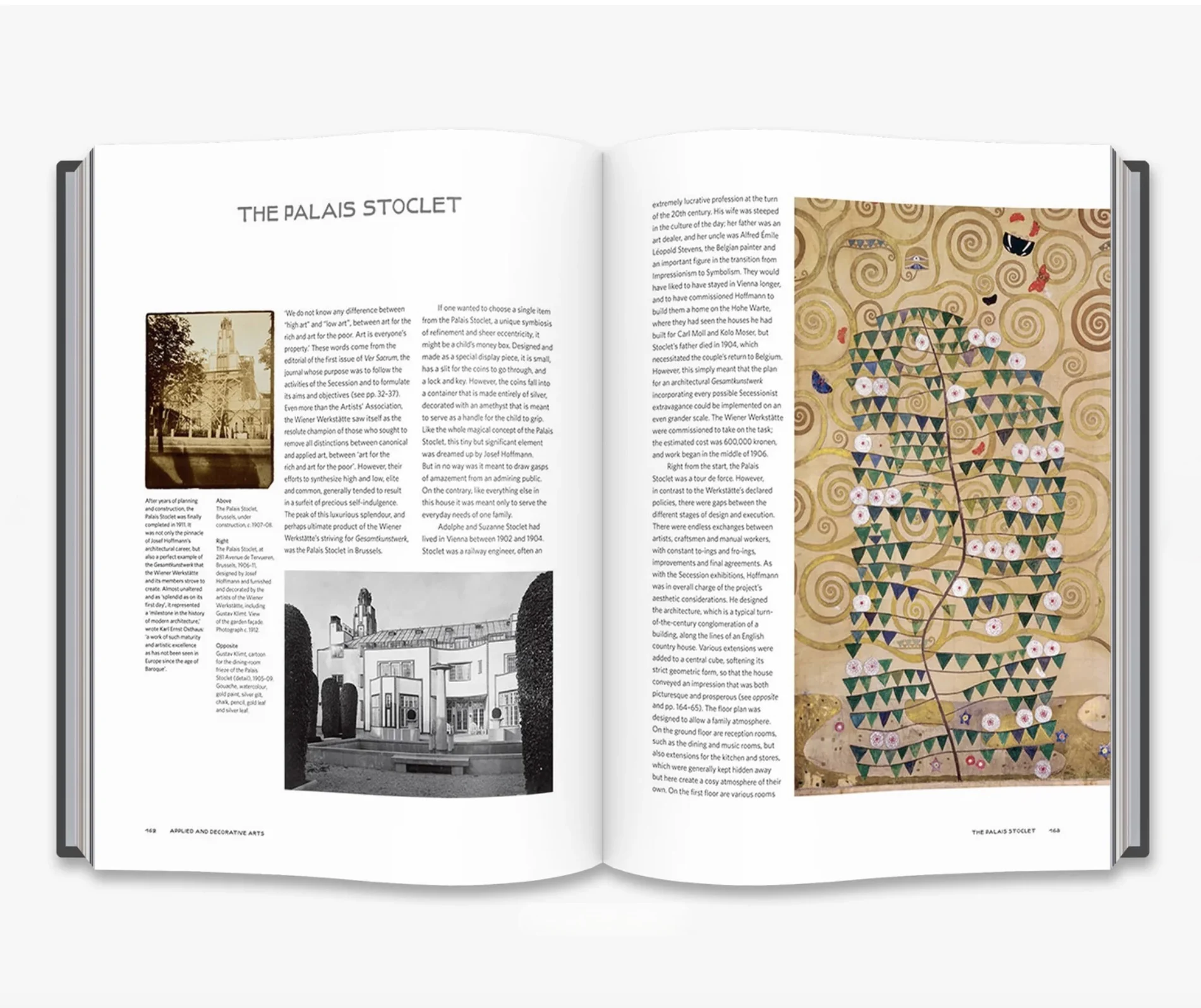
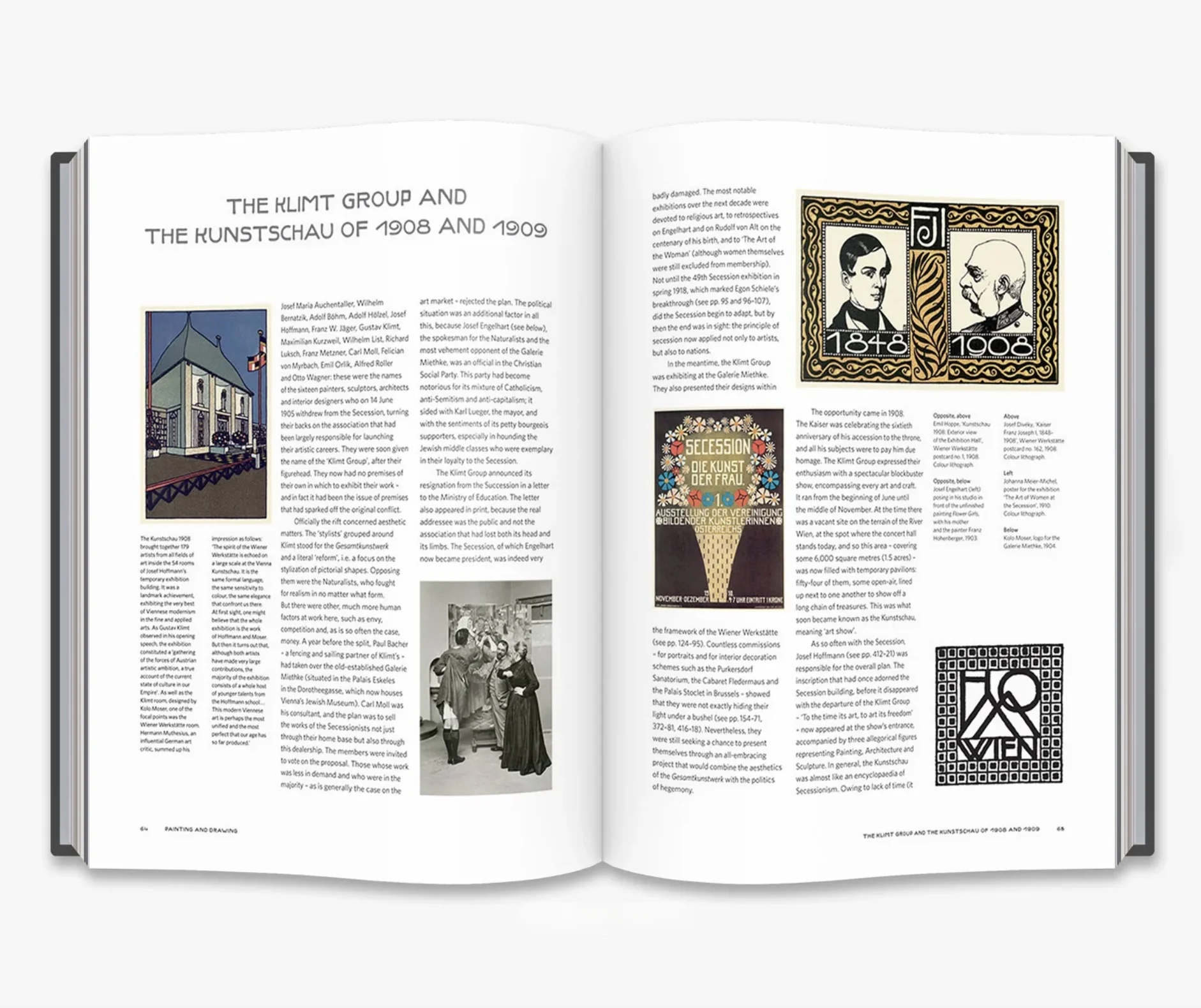
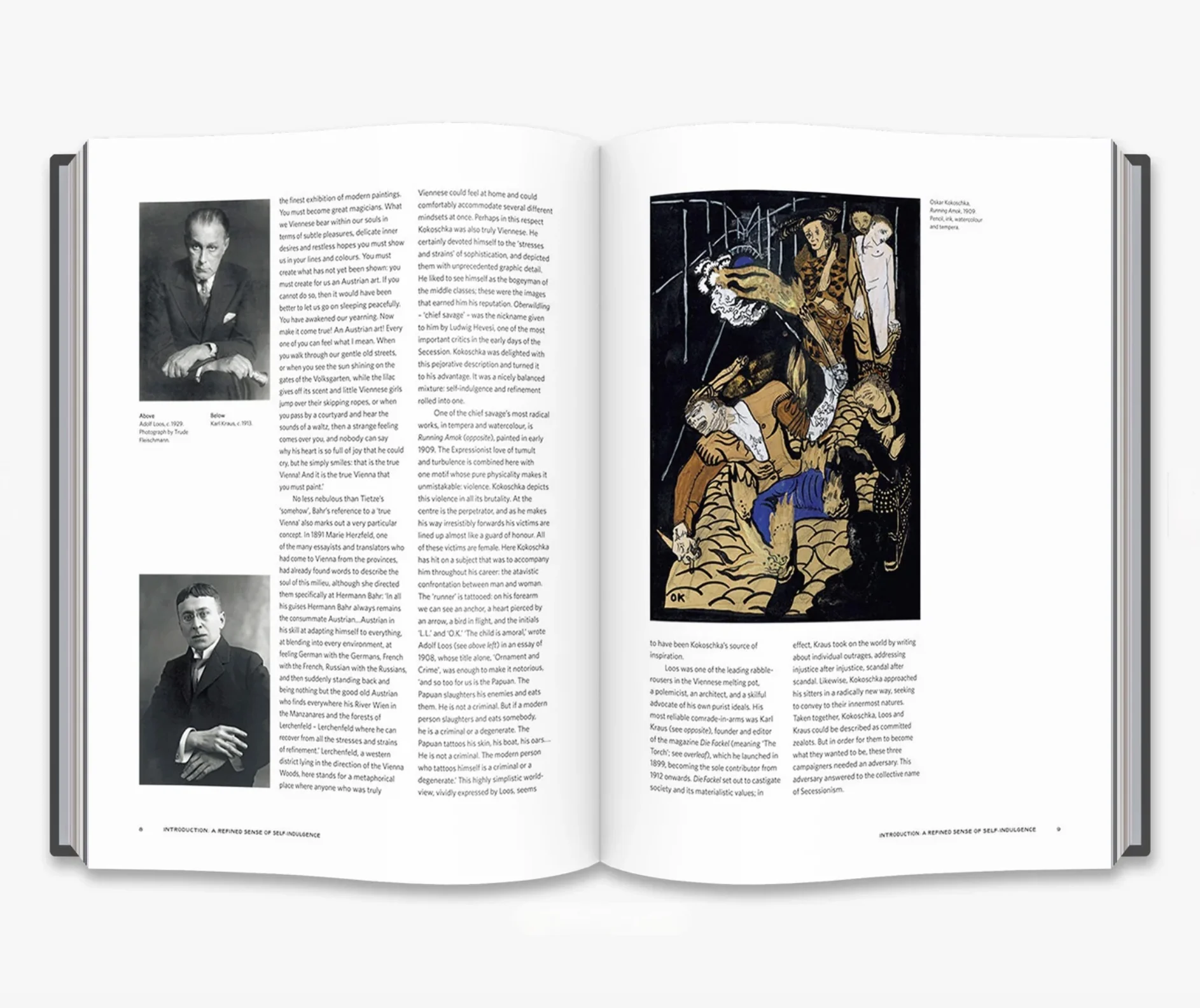
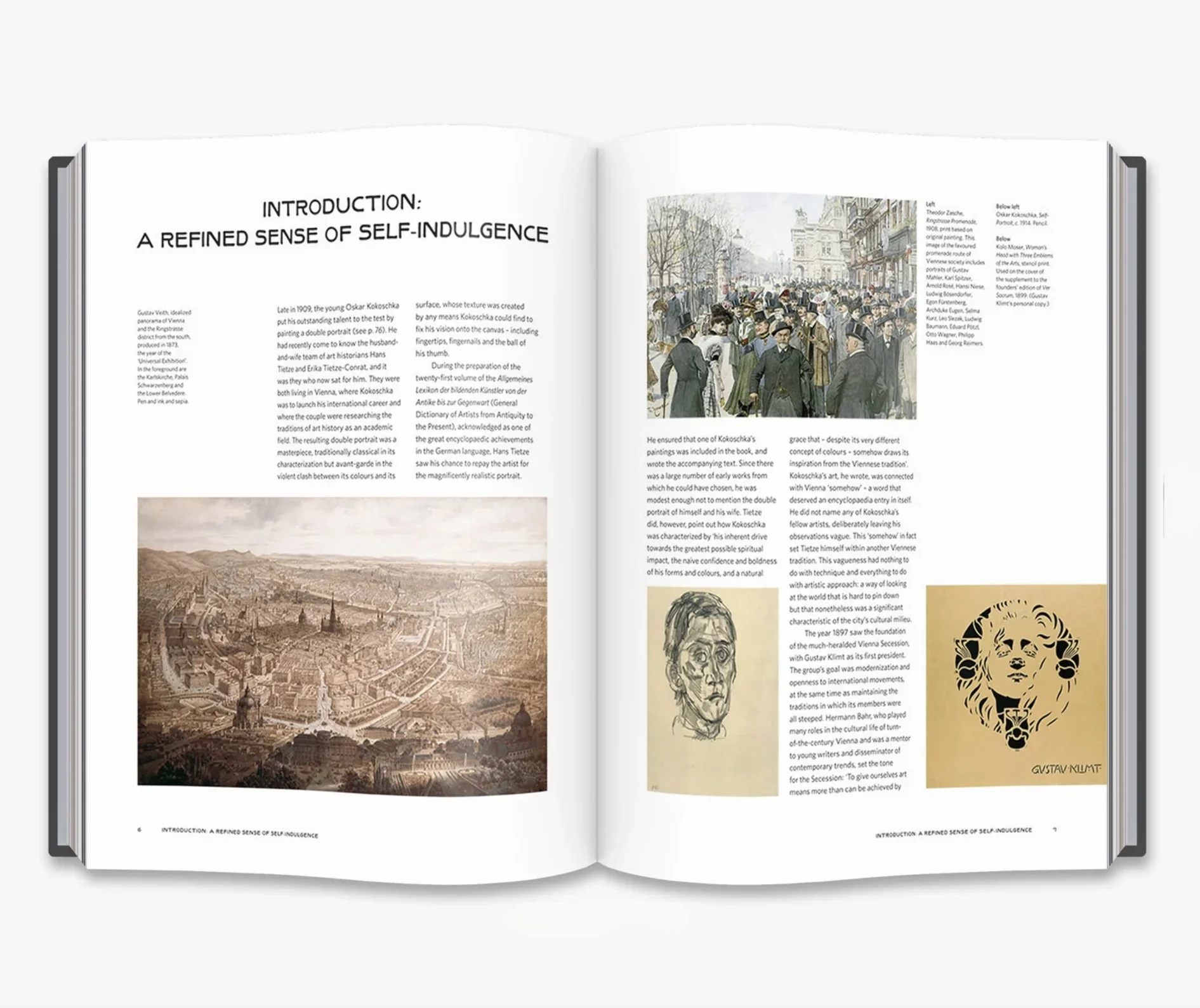
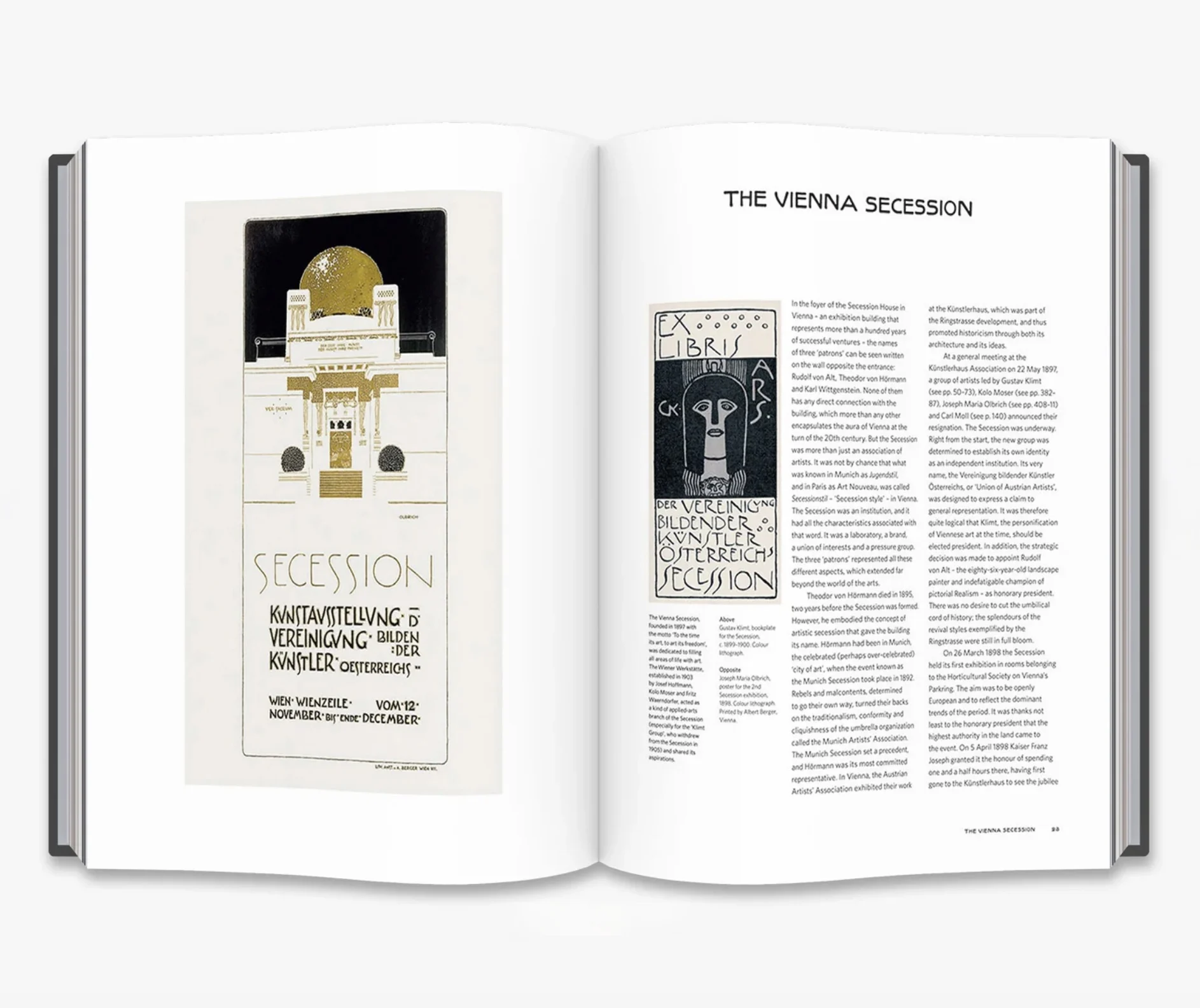
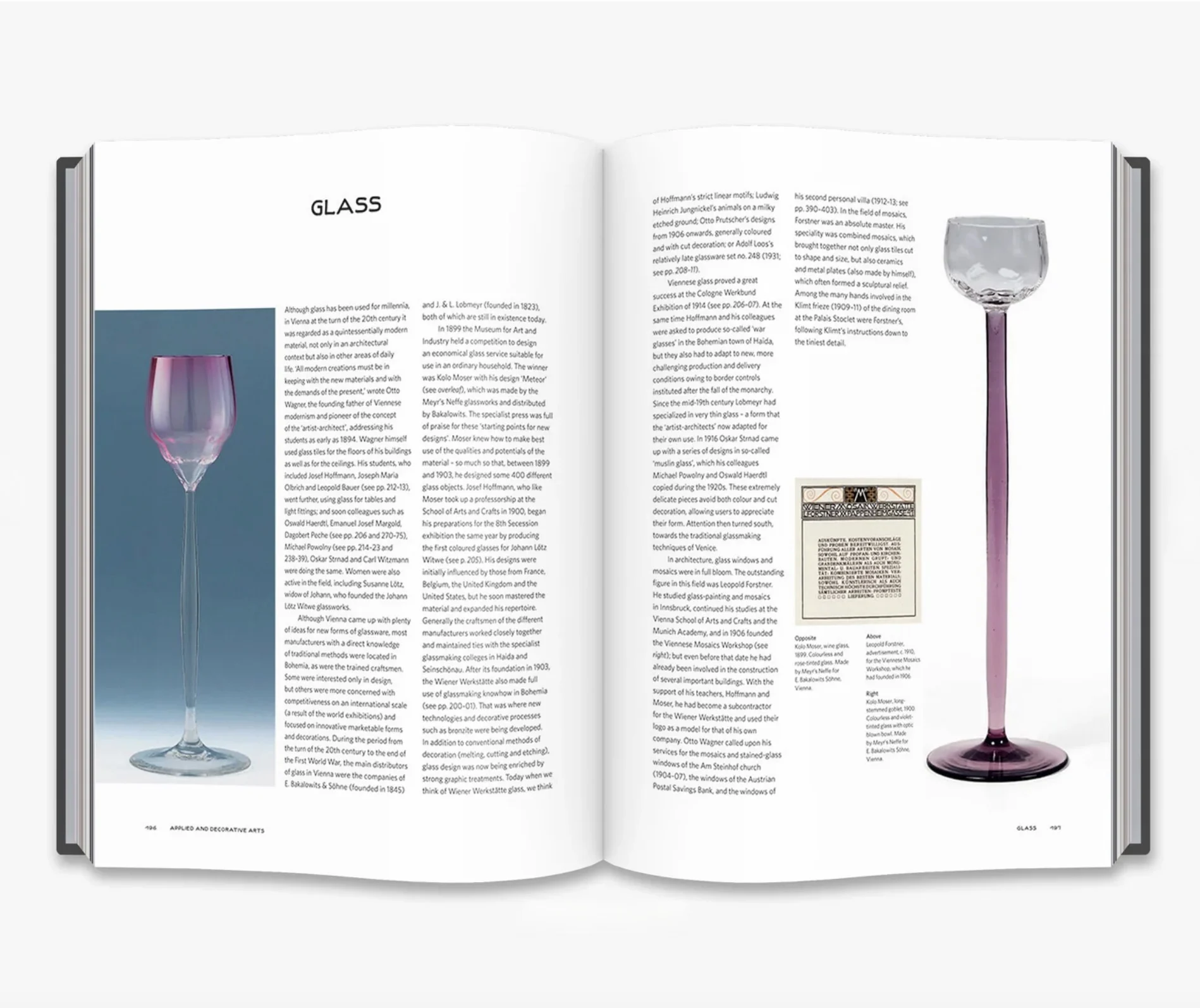
Written by Christian Brandstätter, Daniela Gregori, and Rainer Metzger and published by Thames & Hudson in 2018, Vienna 1900 Complete brings together nearly 1,000 images documenting the full range of visual culture that emerged from turn of the century Vienna. The book moves across fine art, decorative arts, fashion, textiles, furniture, interior design, architecture, photography, and graphic arts, treating Vienna's creative output as a single interconnected movement rather than a collection of separate disciplines. This scope matters because the ideas developed here, through the Vienna Secession, the Wiener Werkstätte, and the broader Jugendstil movement, laid essential groundwork for the geometric clarity and integrated design thinking that Art Deco would later carry forward across Europe and America. Spanning 544 pages, it stands as one of the most comprehensive single-volume surveys of this period ever published, translated into English by David H. Wilson.
Vienna at the turn of the twentieth century became a genuine epicenter for new artistic thinking, pushing back against the conservative neoclassical architecture that had dominated the city's Ringstrasse. Brandstätter, Gregori, and Metzger, three scholars with deep individual expertise in Viennese art history, structured this book to capture how thoroughly that shift touched every visual discipline at once. Rather than isolating painting from furniture design or architecture from fashion, the book treats Vienna's creative output during these decades as a unified artistic project, one where the same underlying ideas about form, ornament, and modernity moved fluidly between mediums.
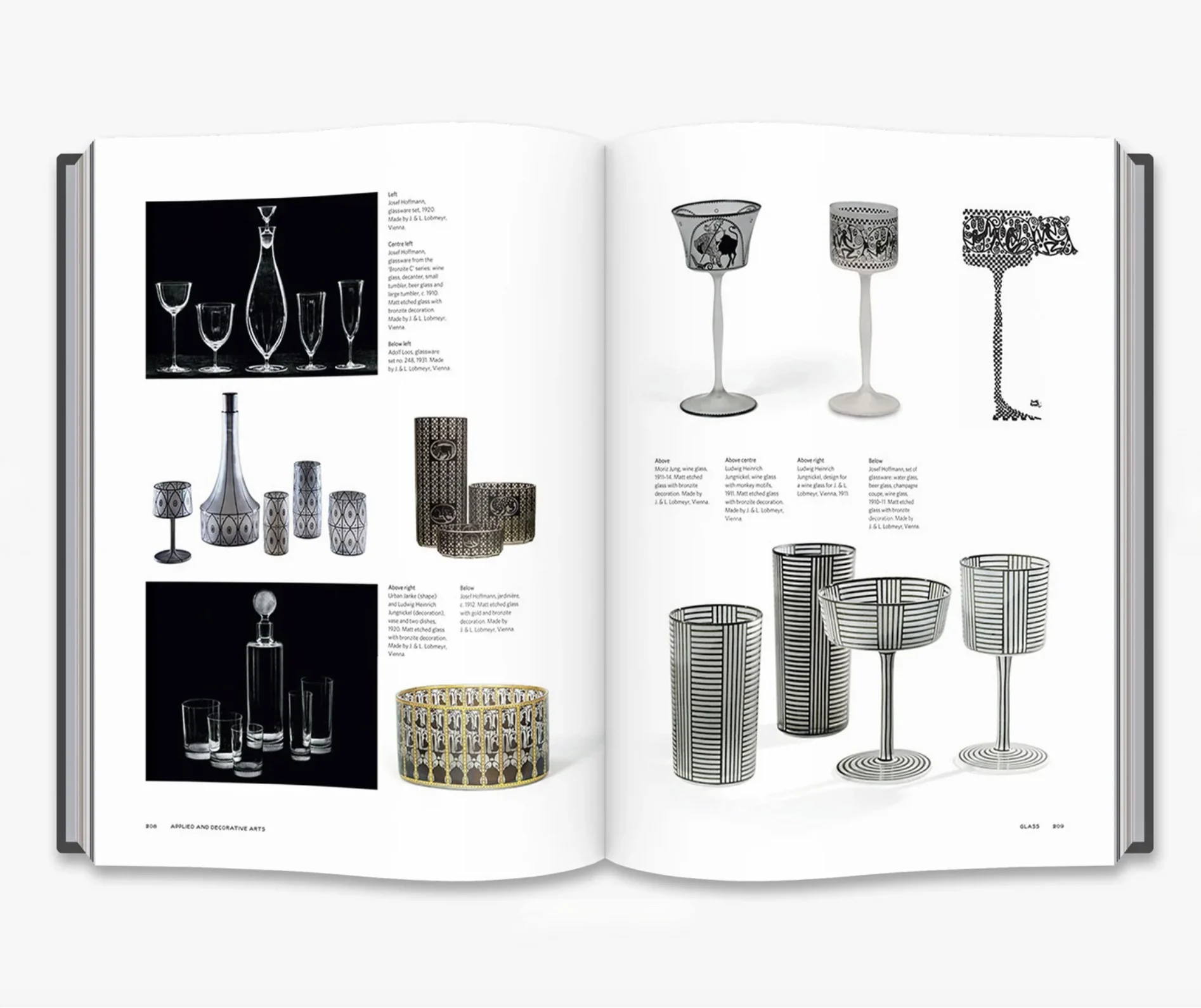
The book's nearly 1,000 illustrations span everything from Gustav Klimt's paintings and the Vienna Secession's exhibition posters to Josef Hoffmann's furniture and interior designs for the Wiener Werkstätte, alongside photography, textiles, and graphic design produced during the same period. This breadth lets readers trace direct visual connections between disciplines that are often treated separately in more narrowly focused books, showing how a decorative motif might appear first in a painting and then reappear translated into metalwork or textile pattern. Each of the three authors brings a different specialty to the project, with Brandstätter's decades of writing on Viennese twentieth century art providing historical depth, Gregori's background in applied arts grounding the decorative and design focused sections, and Metzger's broader art historical expertise situating Vienna's output within the wider European context.
As one of the most thorough single volume treatments of this period, Vienna 1900 Complete functions as both an introduction for readers newer to the subject and a substantial reference for those who already know Klimt, Schiele, and Hoffmann but want a fuller picture of the movement's total visual output. For anyone interested in the roots of twentieth century modernism, including the design language that would later feed into Art Deco, this book remains an essential and unusually comprehensive resource.