
The Caldwell Collection at Mustang Field
How One Man’s Passion for Golden Age Aviation Brought a Forgotten Hangar Back to Life

One of the most rewarding parts of our work at Art Deco Collection is meeting collectors whose passion and dedication to preservation inspire projects that go well beyond ownership alone. Many of these individuals are driven not only to build remarkable collections and environments, but also to share their knowledge in thoughtful and lasting ways. These are the special stories we are proud to feature in the Art Deco Resource Guide Journal, because they reflect exceptional vision, deep personal commitment, and a genuine desire to preserve, document, and honor ideas that deserve recognition and study.
Four miles south of El Reno, Oklahoma, a 30,000-square-foot hangar built in 1943 stands as though it has been waiting for someone to remember what it was for. The hangar was one of four erected at Mustang Field, a training base built on Canadian County pastureland where young Army Air Corps cadets learned to fly the Fairchild PT-19, an open-cockpit, wood-winged trainer that was as beautiful as it was demanding. Civilian mechanics kept the engines running, instructors walked the flight line, and hundreds of people showed up every day to do the work that prepared pilots for combat overseas. The base ran at a feverish pace for just over a year before pilot training wound down, and the field was closed in 1944. Over the following decades, Mustang Field became El Reno Regional Airport, and the hangars that once hummed with radial engines fell into disrepair, their wartime purpose slowly fading from memory. By the 2020s, Hangar 3 had endured more than eighty years of Oklahoma weather, shifting purposes, and deferred maintenance. The wall supports had rusted through, the metal sheeting was pitted and peeling, every steel-framed window was corroded, and the roof leaked badly. Most people saw a teardown, but the steel skeleton was sound, the bow string trusses were intact, and the history embedded in those walls deserved a second chapter, not a wrecking ball.
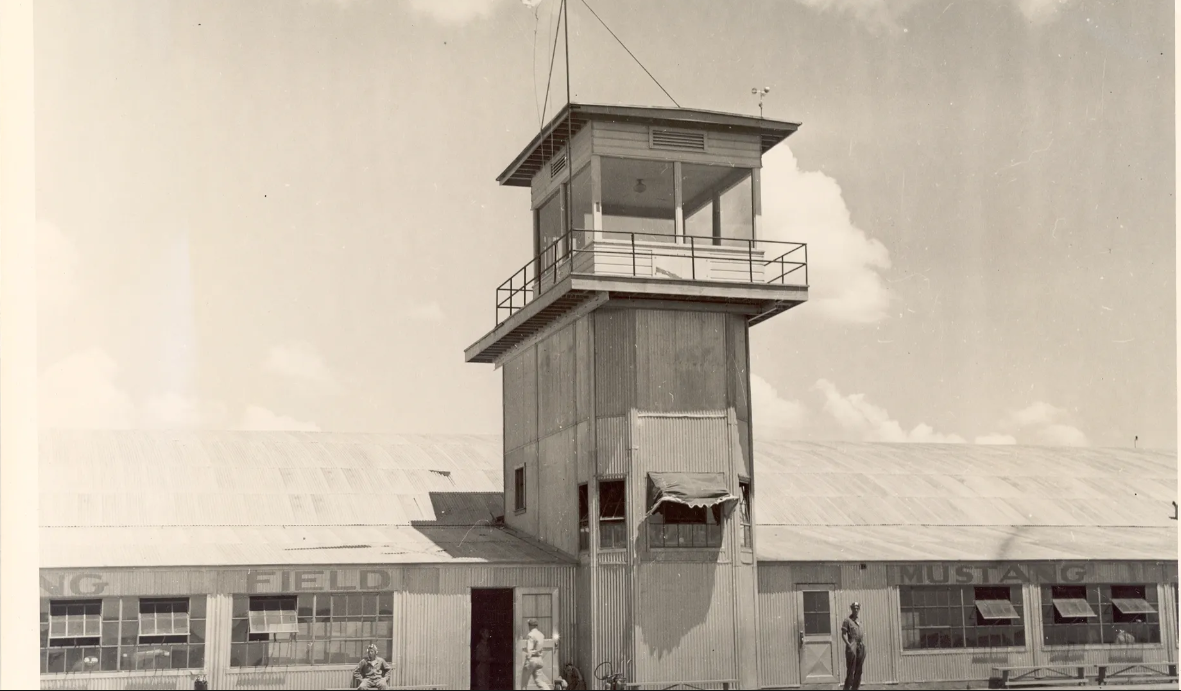
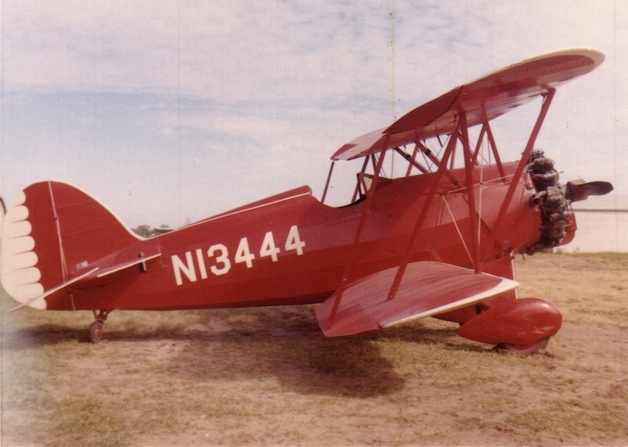
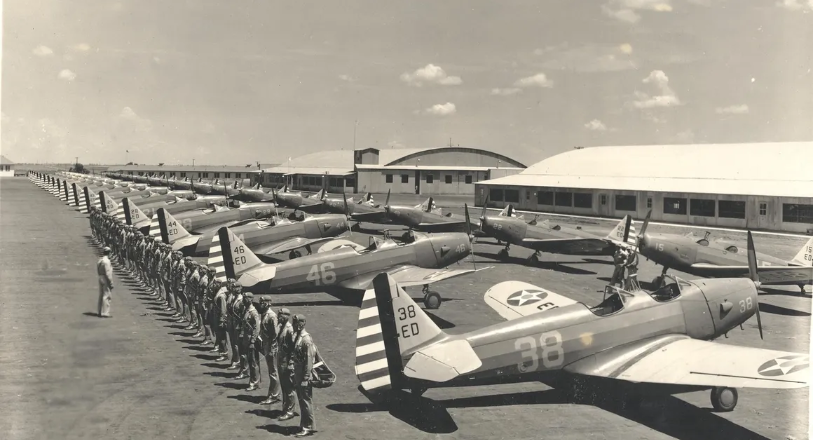
Left: Operations building and control tower at Mustang Field during World War II, Middle: A 1933 Waco UBF-2, registration N13444, in its original era, Right: Fairchild PT-19 trainers lined up at Mustang Field during World War II
The man who saw that potential is Tony Caldwell, an Oklahoma City entrepreneur, pilot, and former two-term state legislator whose deepening passion for Golden Age aviation began with a discovery flight in 2009 and quickly evolved into a serious pursuit of rare vintage aircraft. Caldwell had been in discussions with El Reno City Manager Matt Sandidge about establishing a museum at the airport, drawn by the grass runway that antique aircraft were originally designed for. The breakthrough came when Scott Law, a longtime friend and fellow aviation enthusiast, was hired as airport manager in September 2024 and recognized that Hangar 3, despite its condition, could be saved rather than demolished. The El Reno City Council agreed to a long-term lease, and the project that would become The Caldwell Collection at Mustang Field was underway. Caldwell would fund a renovation exceeding $2 million himself, describing the finished museum as a gift to the community of El Reno and the people of Oklahoma. What had started years earlier as a personal collection of Waco biplanes called Dream Wacos had grown into something far larger, encompassing rare aircraft from across the Golden Age. He had long dreamed of a place where people could see these planes up close, walk around them, and feel the history they carried. The restored hangar at Mustang Field would be that place.
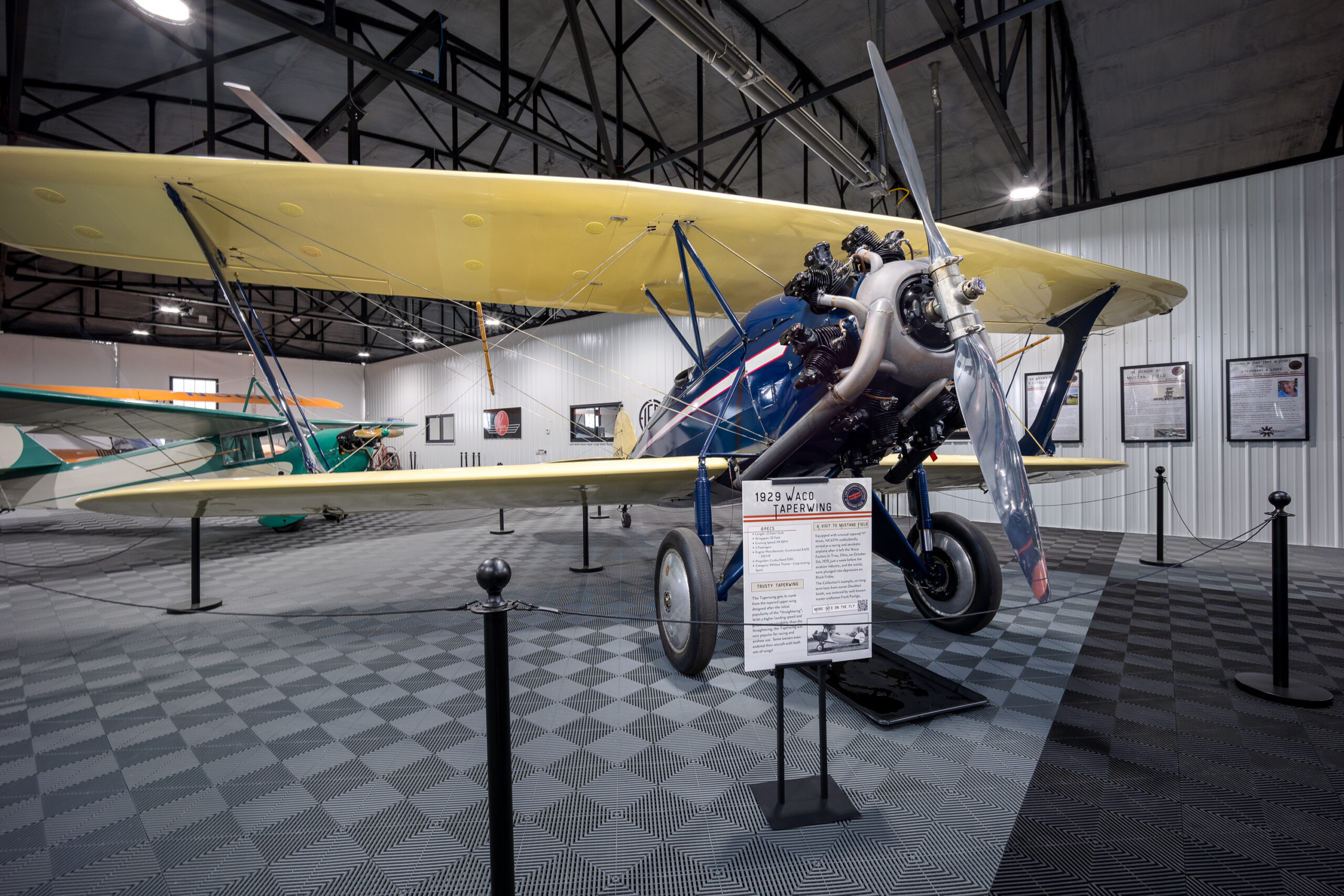
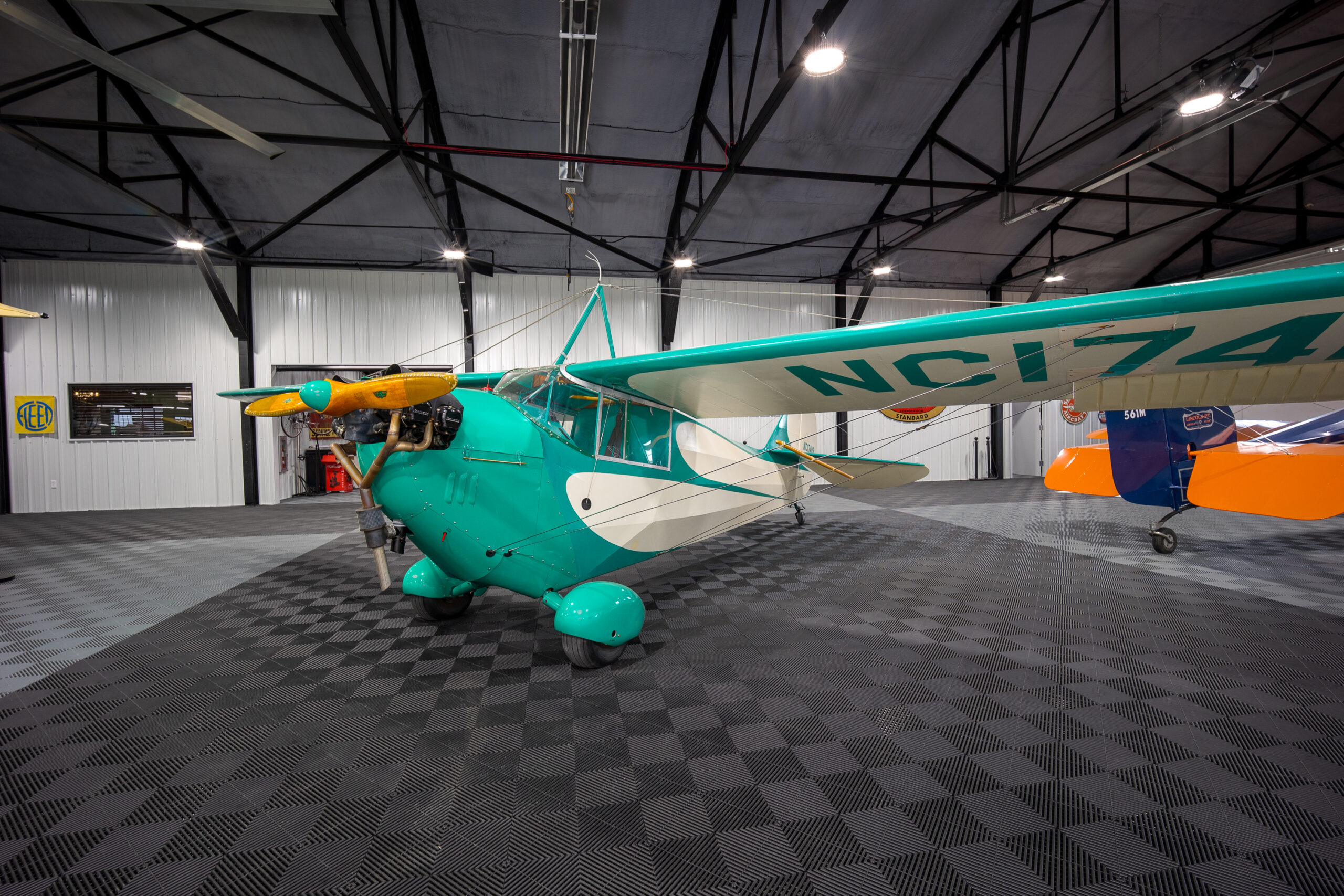
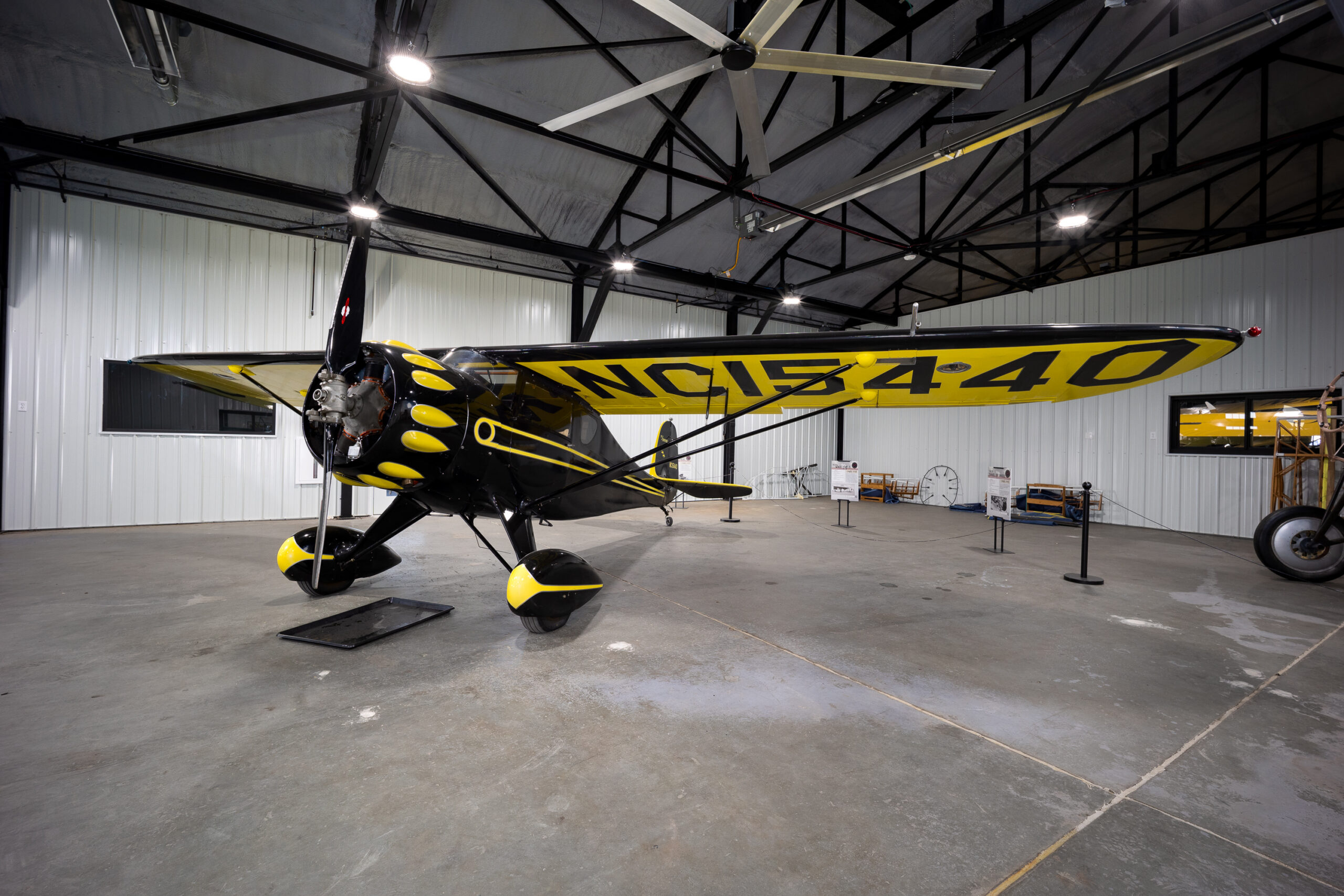
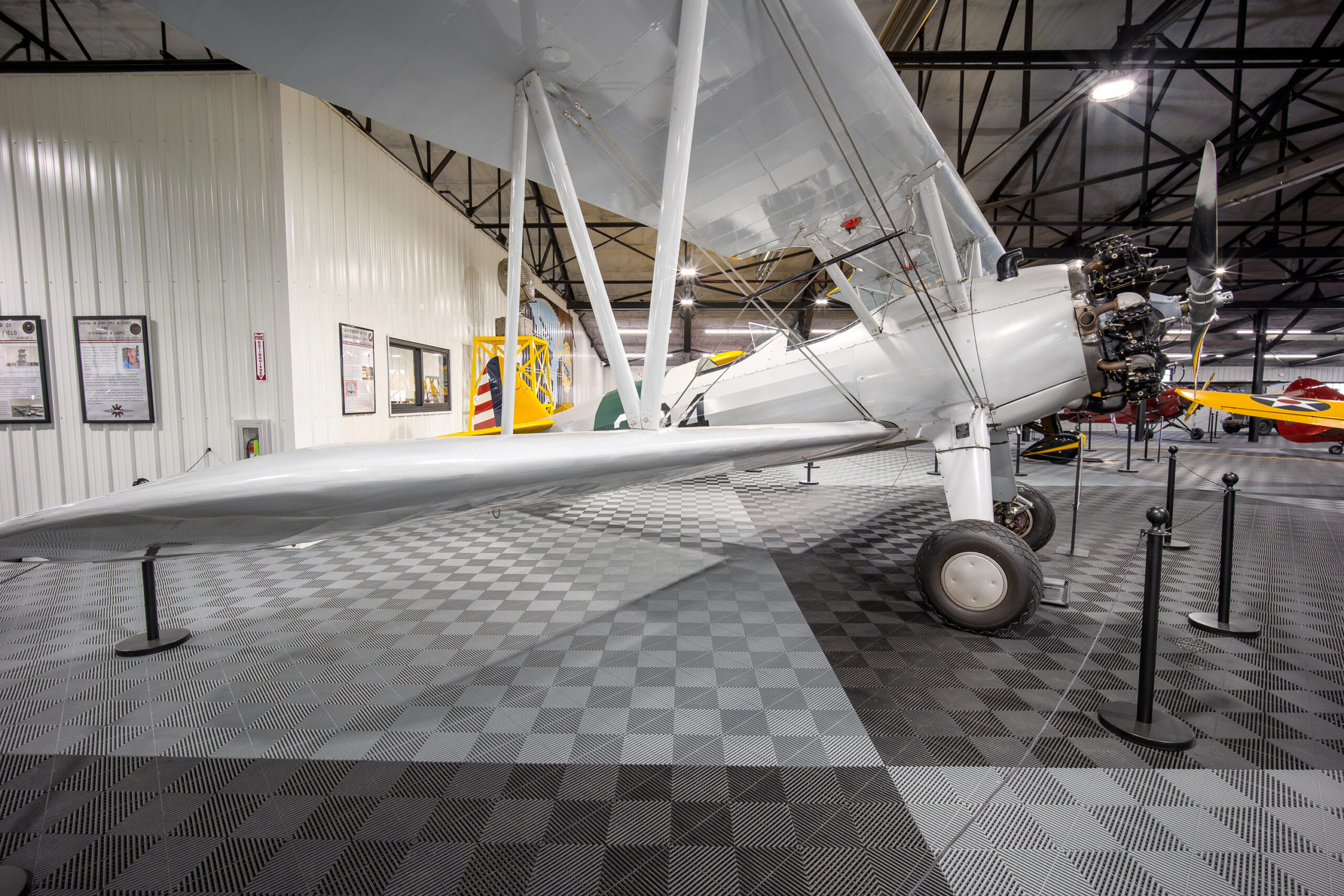
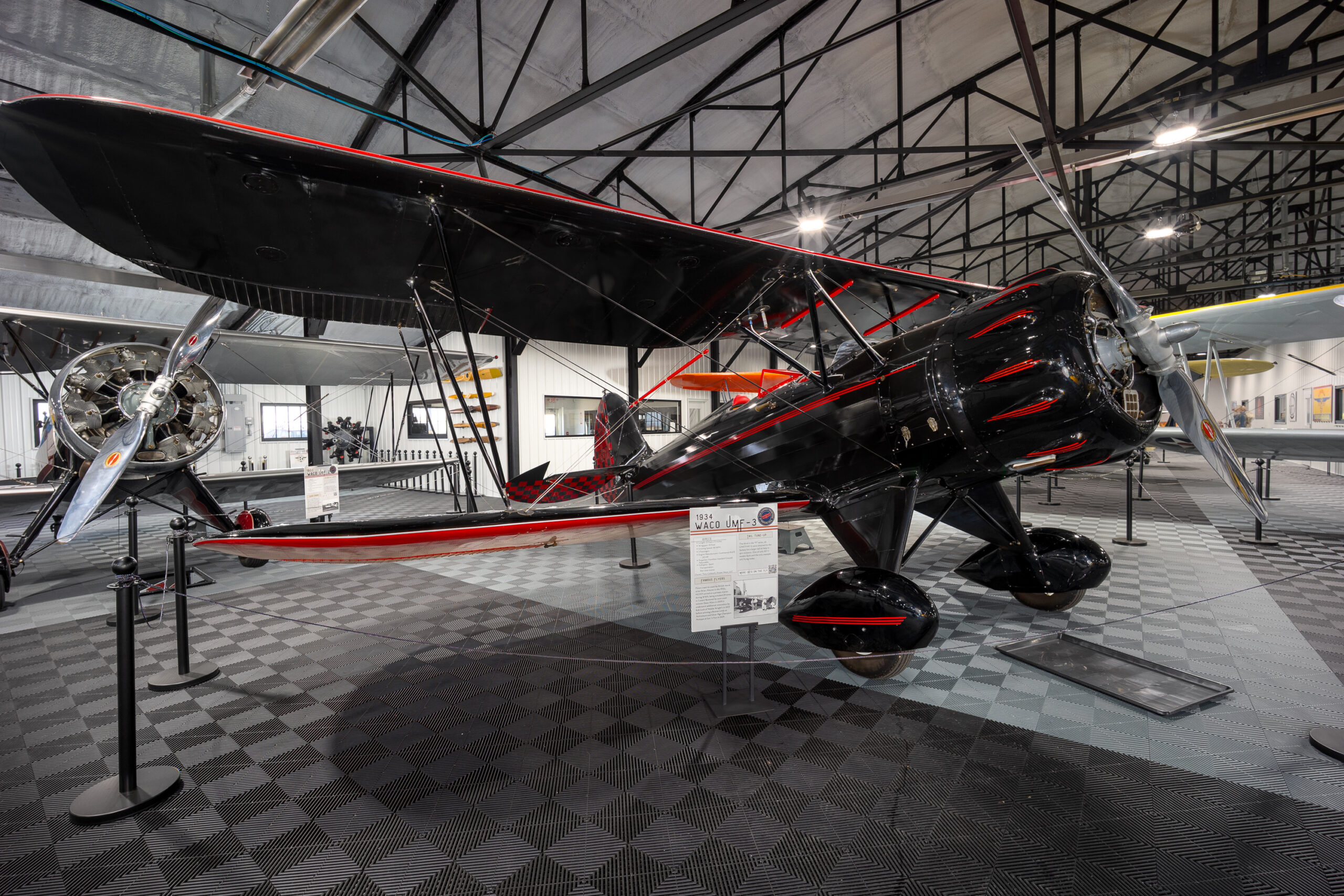
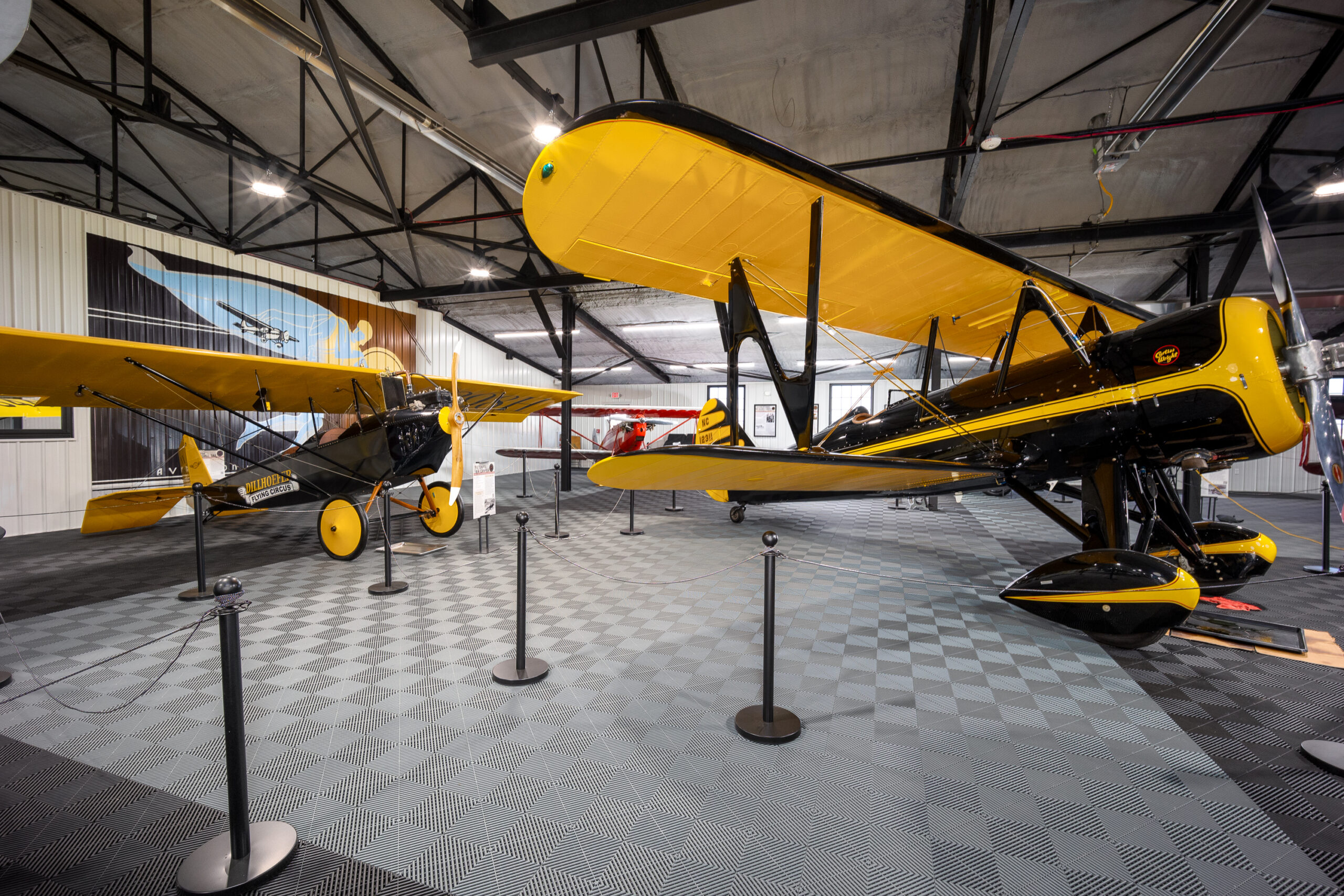
Top: Left: 1929 Waco Taperwing, Model CTO, Middle: Aeronca C-3 Master, known as the “Flying Bathtub,” Right: 1936 Monocoupe 90A. Bottom: Left: Boeing-Stearman PT-17, Middle: 1934 Waco UMF-3, Right: 1931 Curtiss-Wright Travel Air B-14R Speedwing
The renovation was as ambitious as it was rapid. David French of D.H. French Construction led the work, with architectural plans by Dan Welle and interior design by Andrea Edwards. Nearly everything except the steel skeleton, the hangar door framework, and most of the concrete floor had to be torn out and rebuilt from scratch. New exterior walls were framed stronger than the 1943 originals, then clad in fresh metal siding pierced by 43 large, energy-efficient windows and seven commercial-grade walk doors. The massive sliding hangar doors were disassembled, rebuilt, and re-skinned on both sides, and every electrical circuit, plumbing line, and heating system was completely replaced. Three inches of closed-cell foam insulation went in, followed by finished interior wall panels to give the space a polished look without losing the industrial character of the original structure. The City of El Reno contributed by addressing drainage issues, installing parking, repainting the nearby water tower, and restoring the old beacon tower to their wartime appearances. In just 49 weeks from the first conversation with city officials, the hangar that had been marked for demolition was ready to open as a museum.
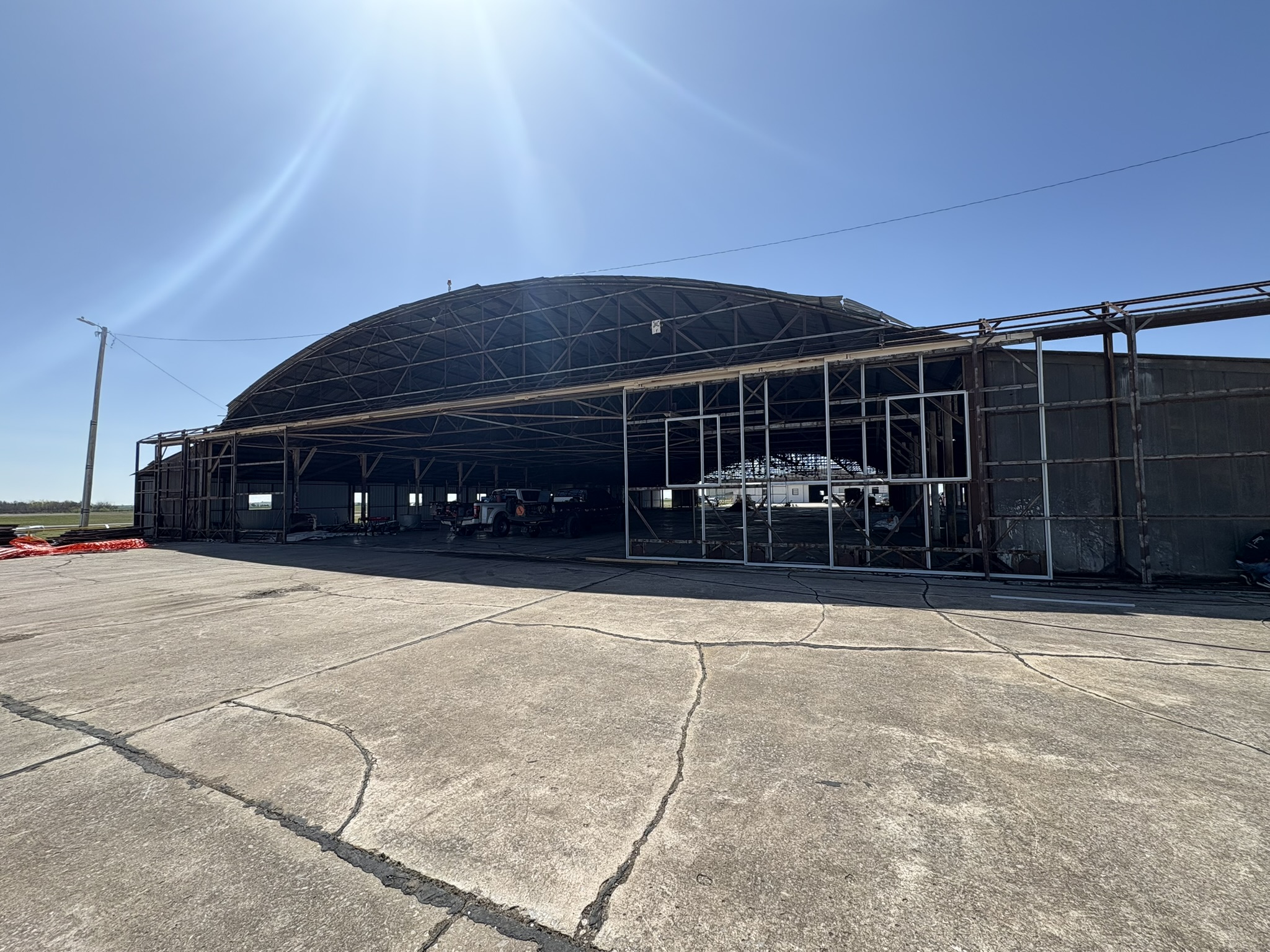
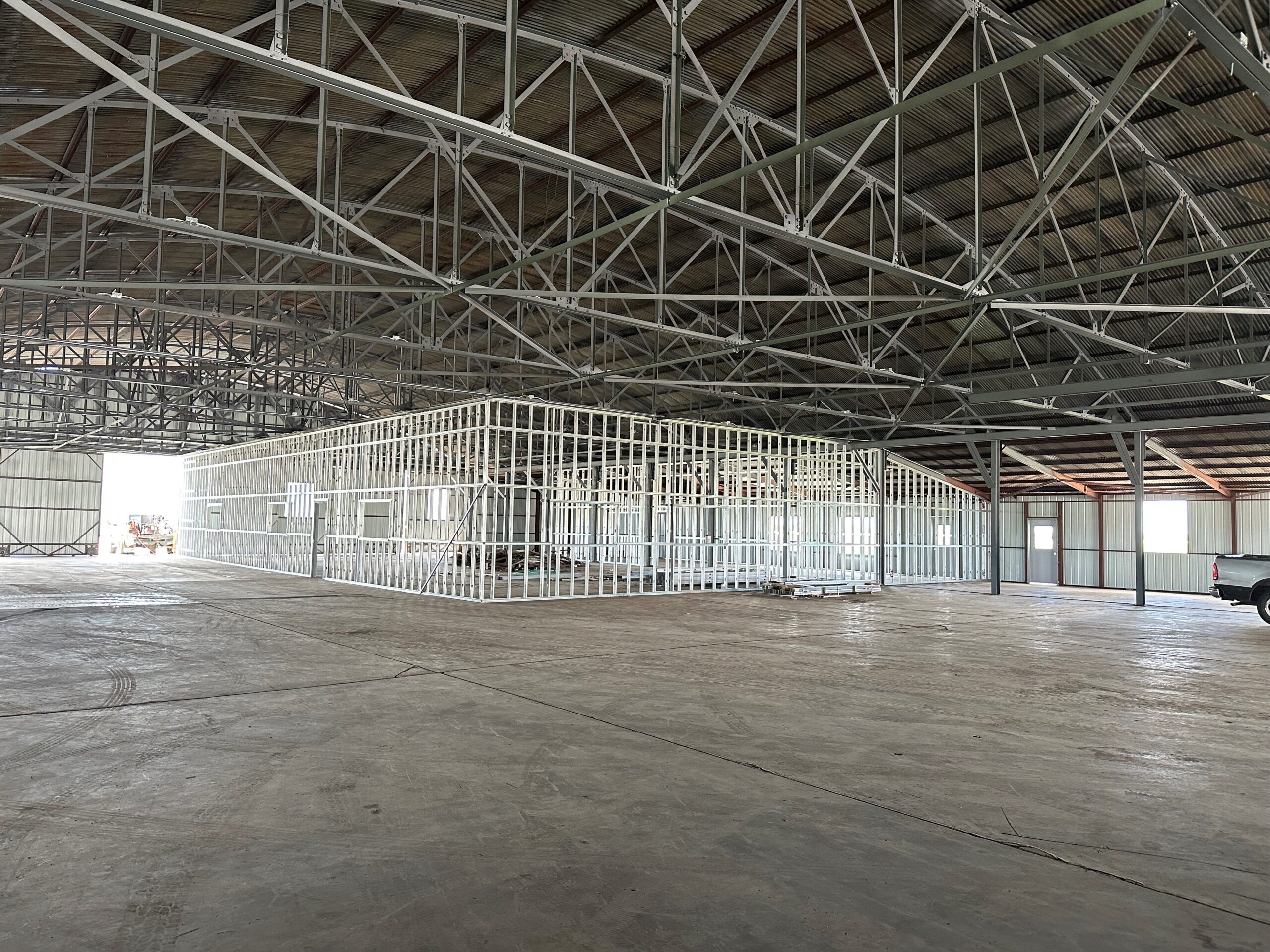
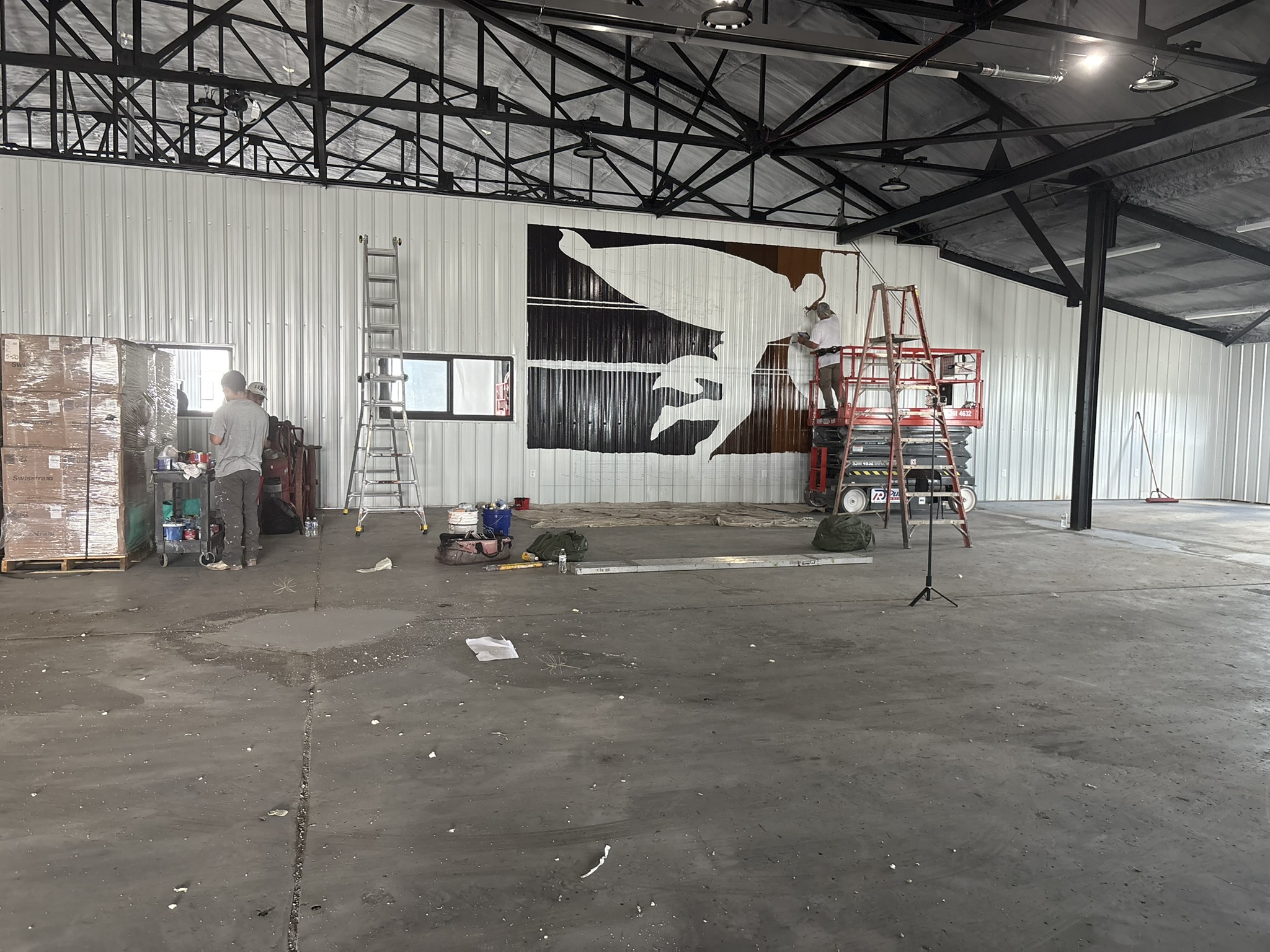
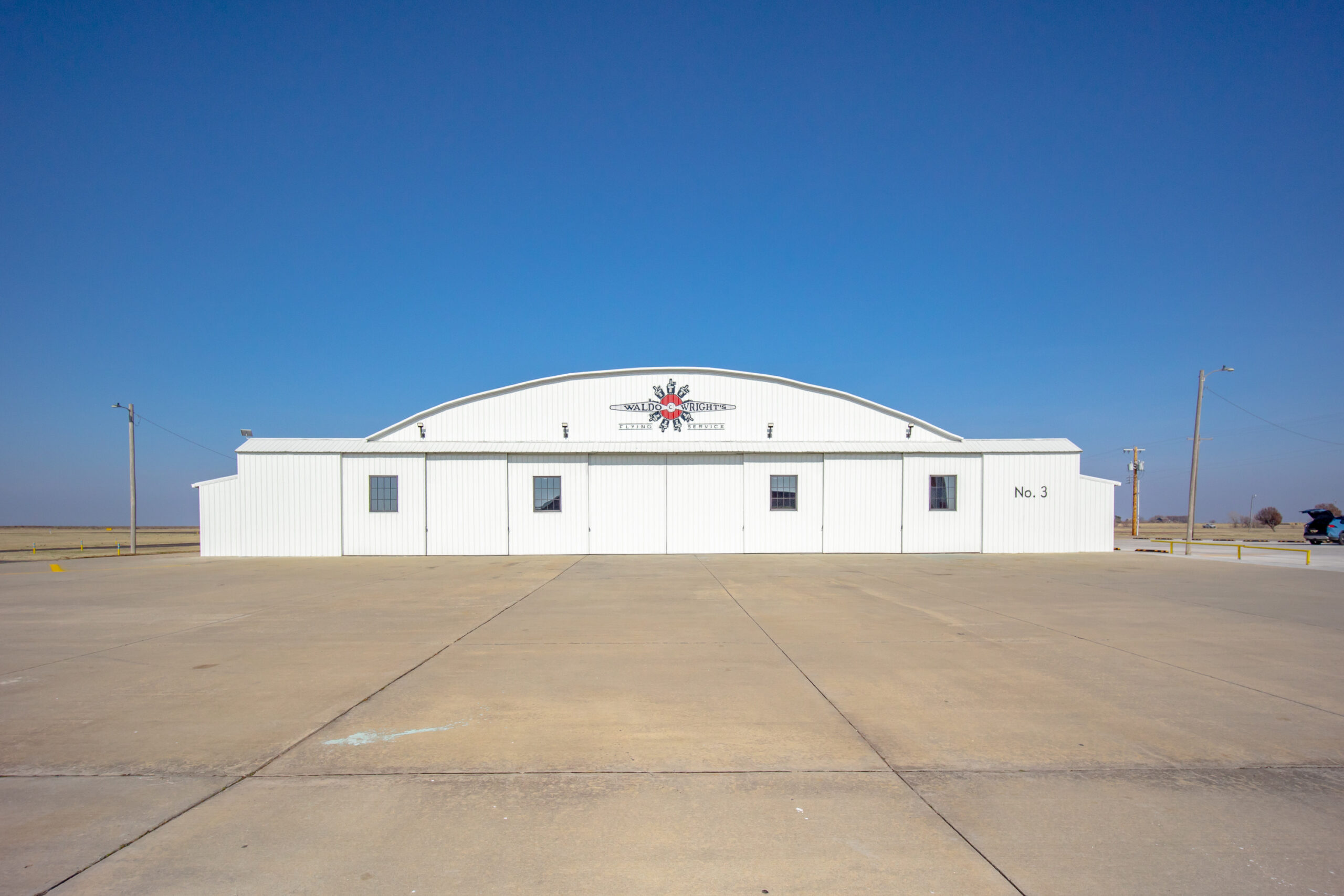
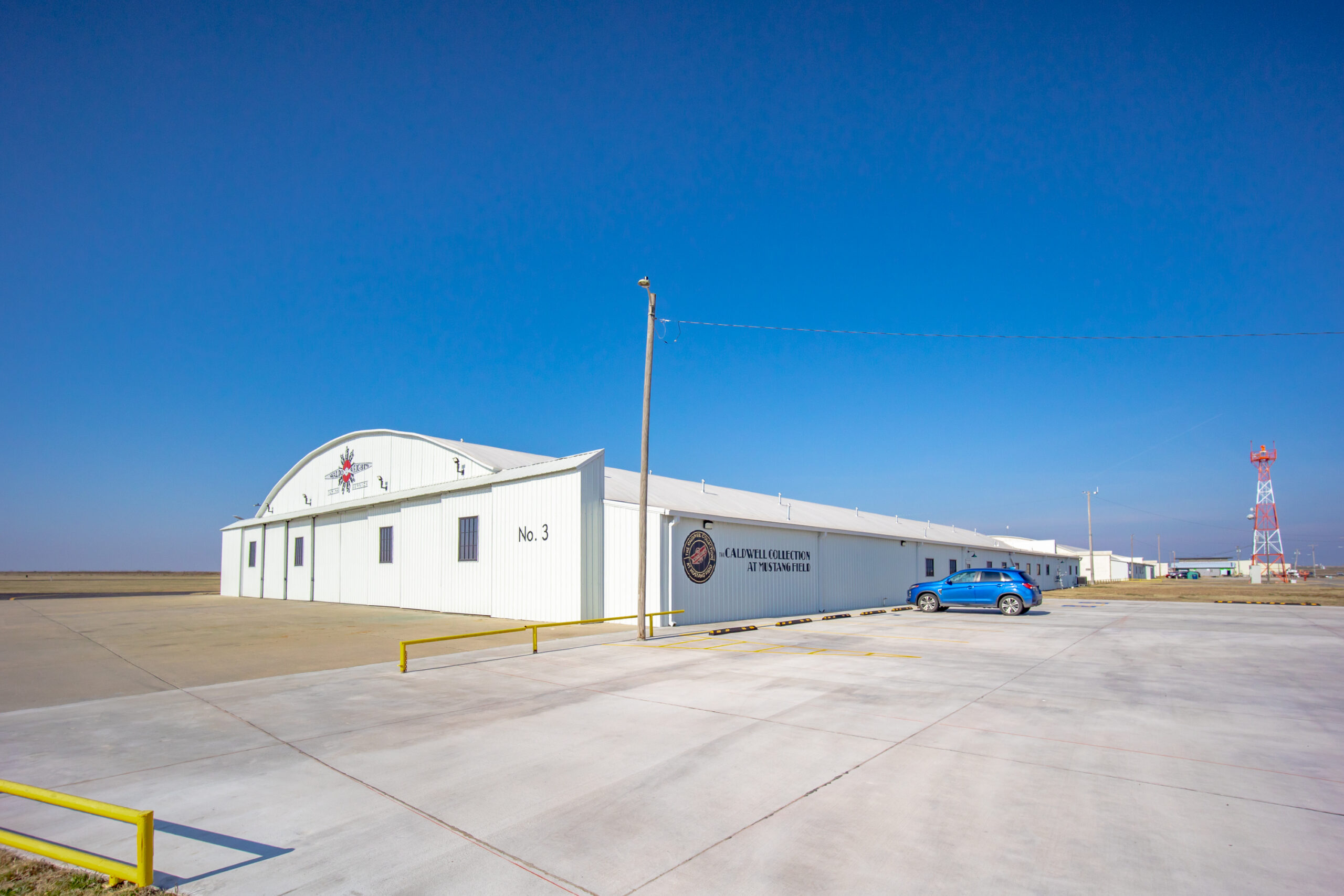
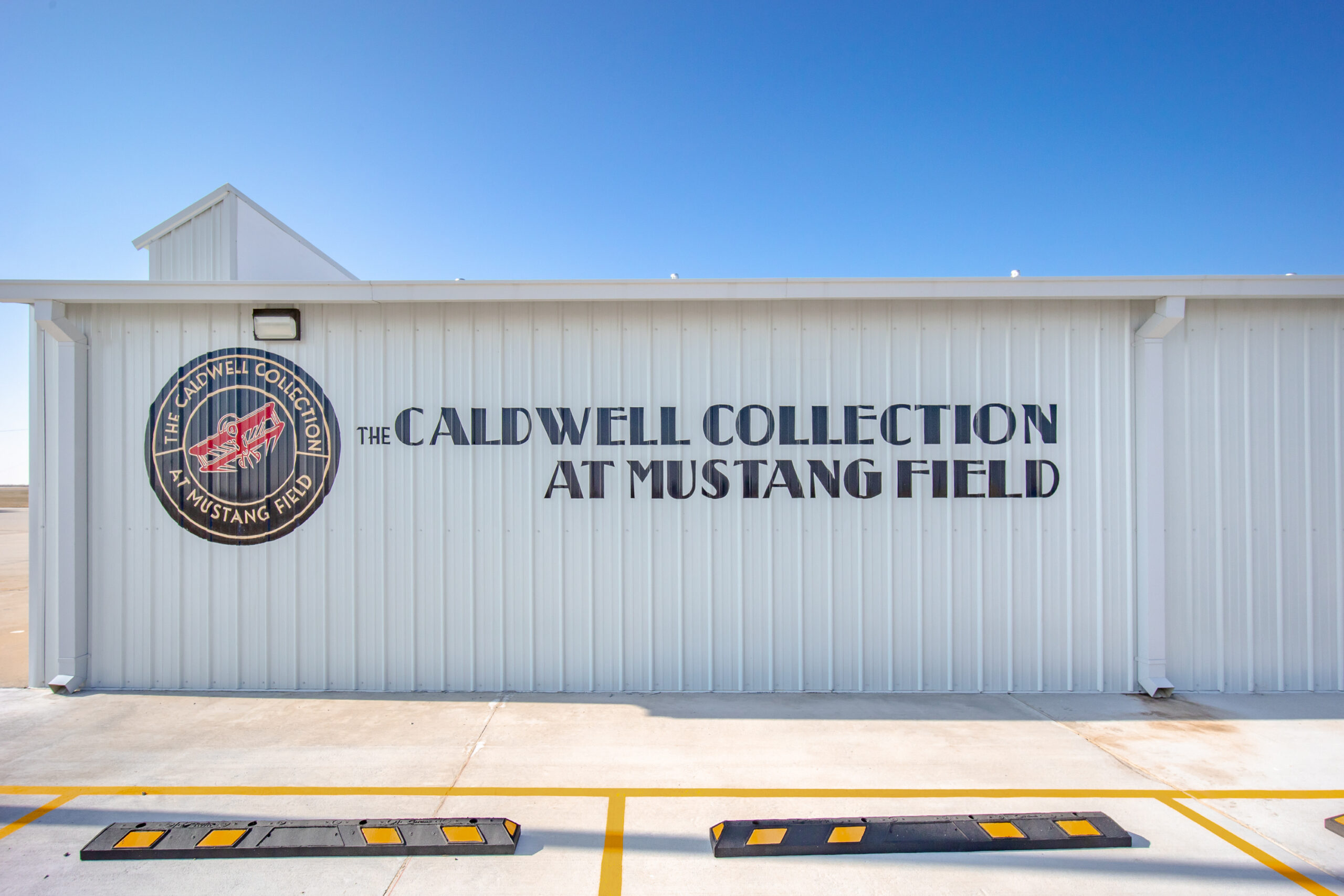
The restoration of Hangar 3 at El Reno Regional Airport, from construction to completion, now home to The Caldwell Collection at Mustang Field and Waldo Wright’s Flying Service
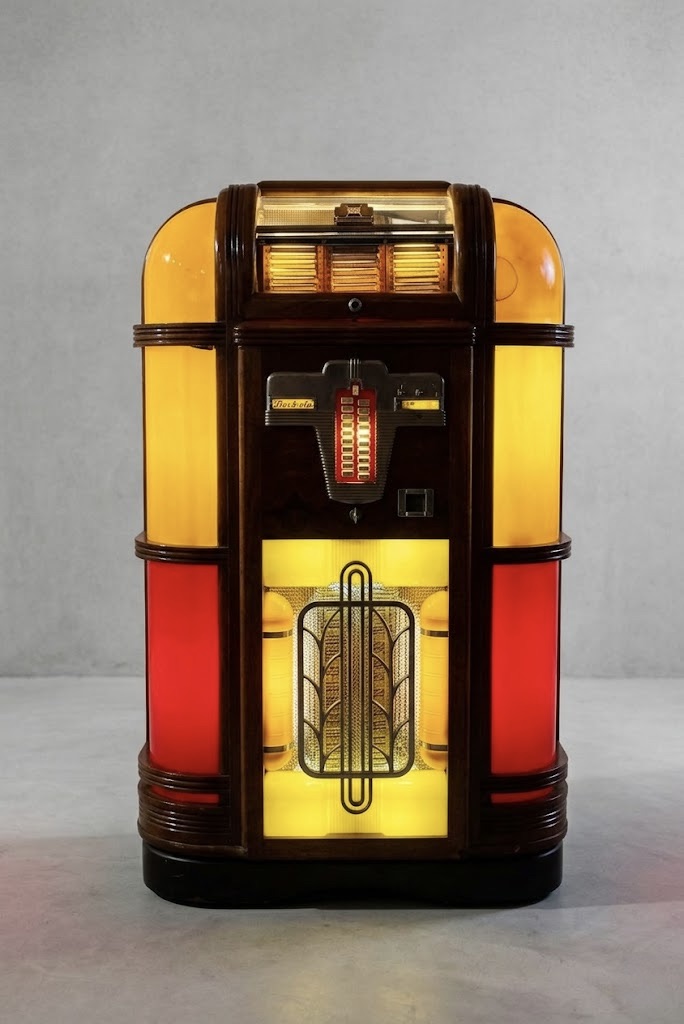
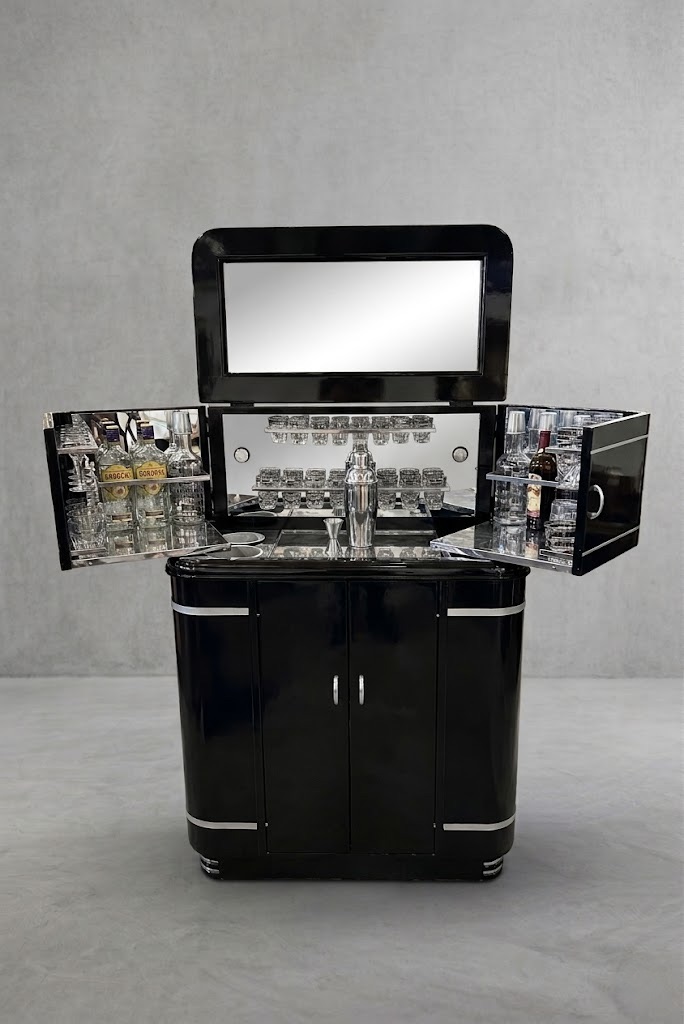
Walking into the restored hangar is meant to feel like stepping through a door in time. The interior is styled to evoke the 1940s, but with the practical comforts of insulation, radiant heating tubes, and large ceiling fans. A gathering space called “Wiley & Will’s Hangar Flying Café,” named for Oklahoma aviation legends Wiley Post and Will Rogers, features a small lunch counter with period-matched furniture, a 1935 fan, a 1939 jukebox, a prewar malt mixer, and a nickel Coke machine. A prewar pay phone stands nearby, the kind homesick young servicemen would have lined up at on payday to call home. An executive office has been recreated with Art Deco furniture from just before the war, complete with a prohibition-era radio bar designed to hide liquor from the government and a 1937 trolley cart from a DC-3 airliner. Each airplane and vehicle on display carries a sign with historical information and a QR code linking to deeper digital content, and multiple video displays run custom-produced films alongside footage from as far back as ninety years ago. Period-correct ground vehicles sit alongside the aircraft, including a restored 1929 airport fire truck, a mail truck, and a fuel truck from the same era. The entire experience is designed to make visitors feel the era, not just read about it.

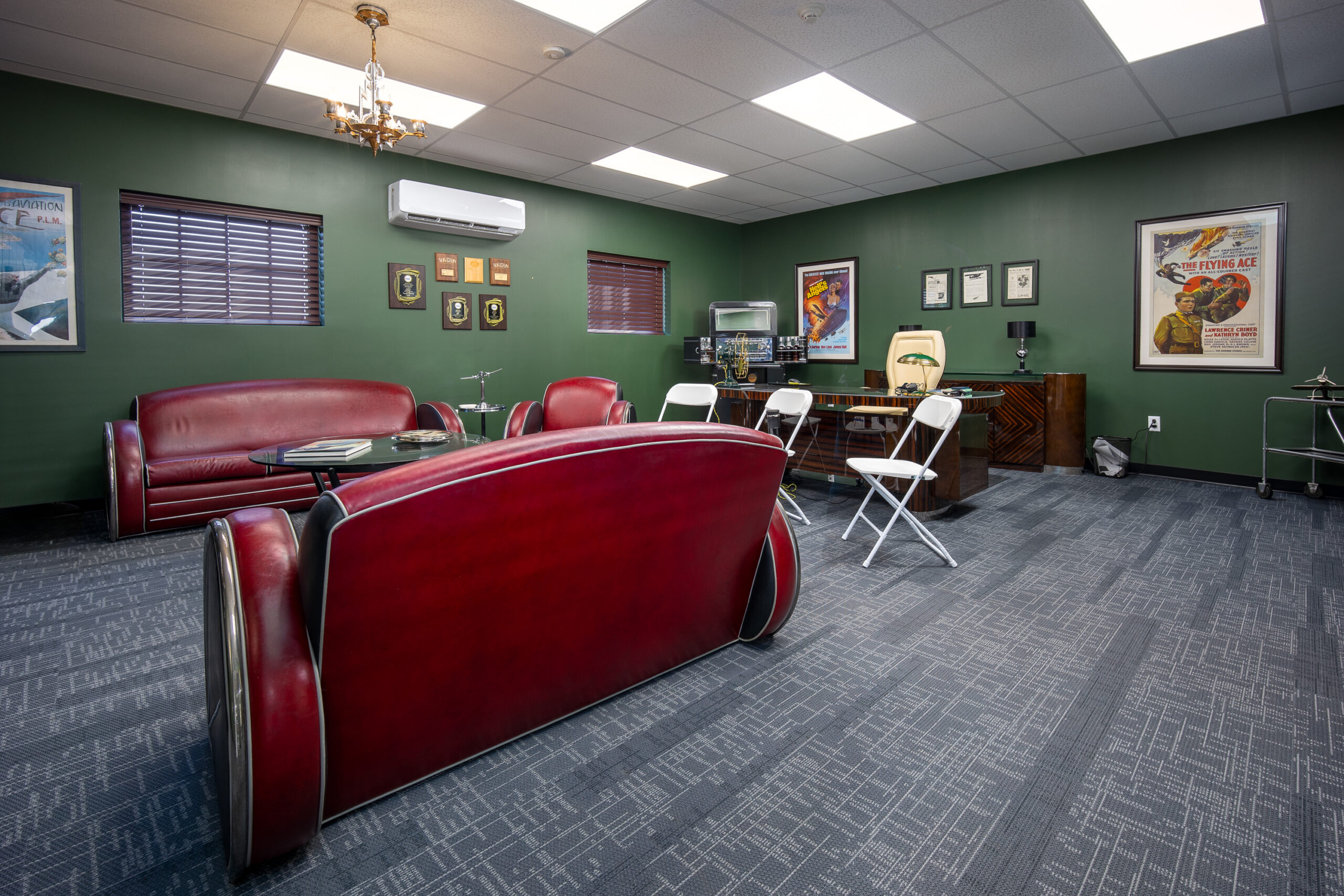
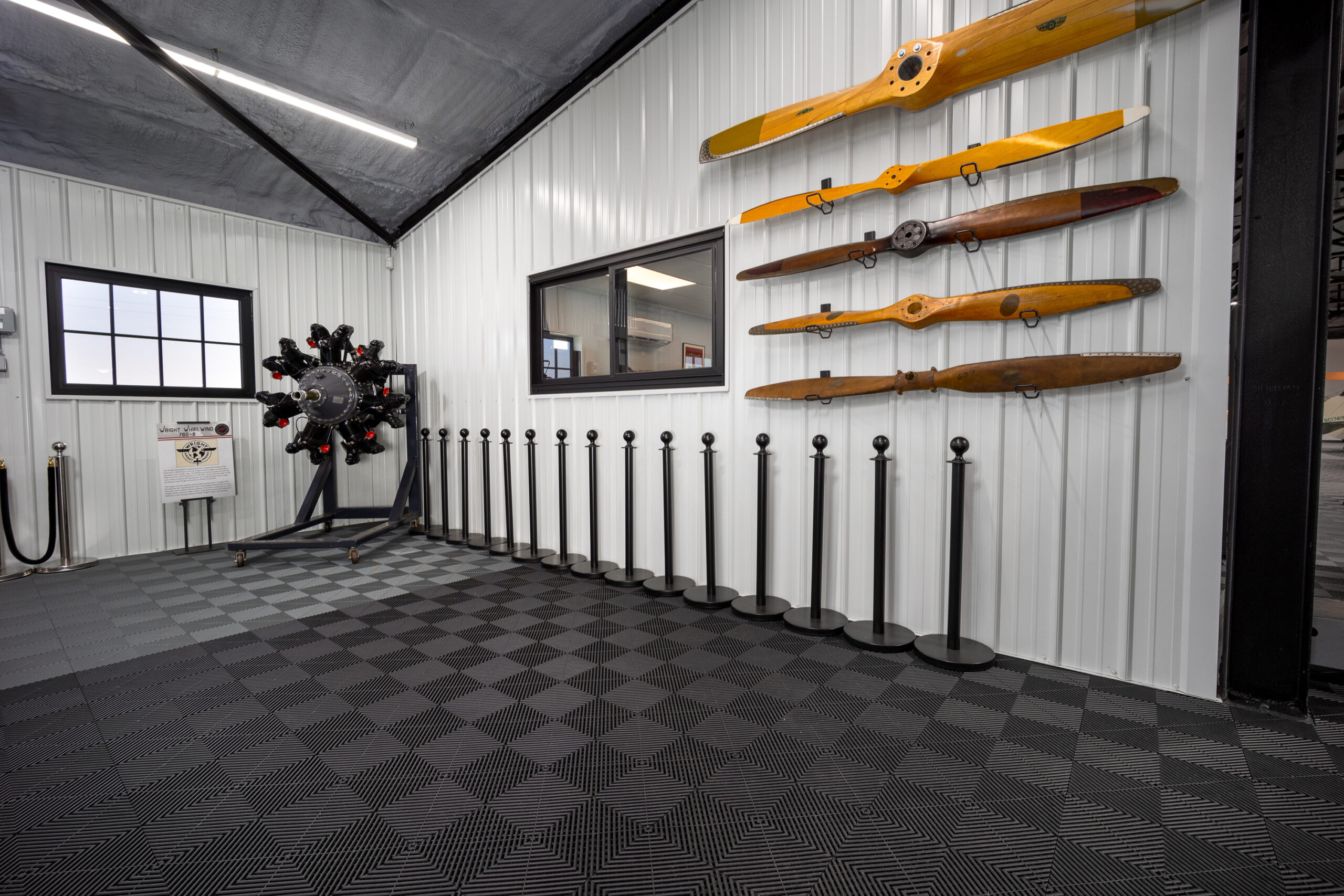

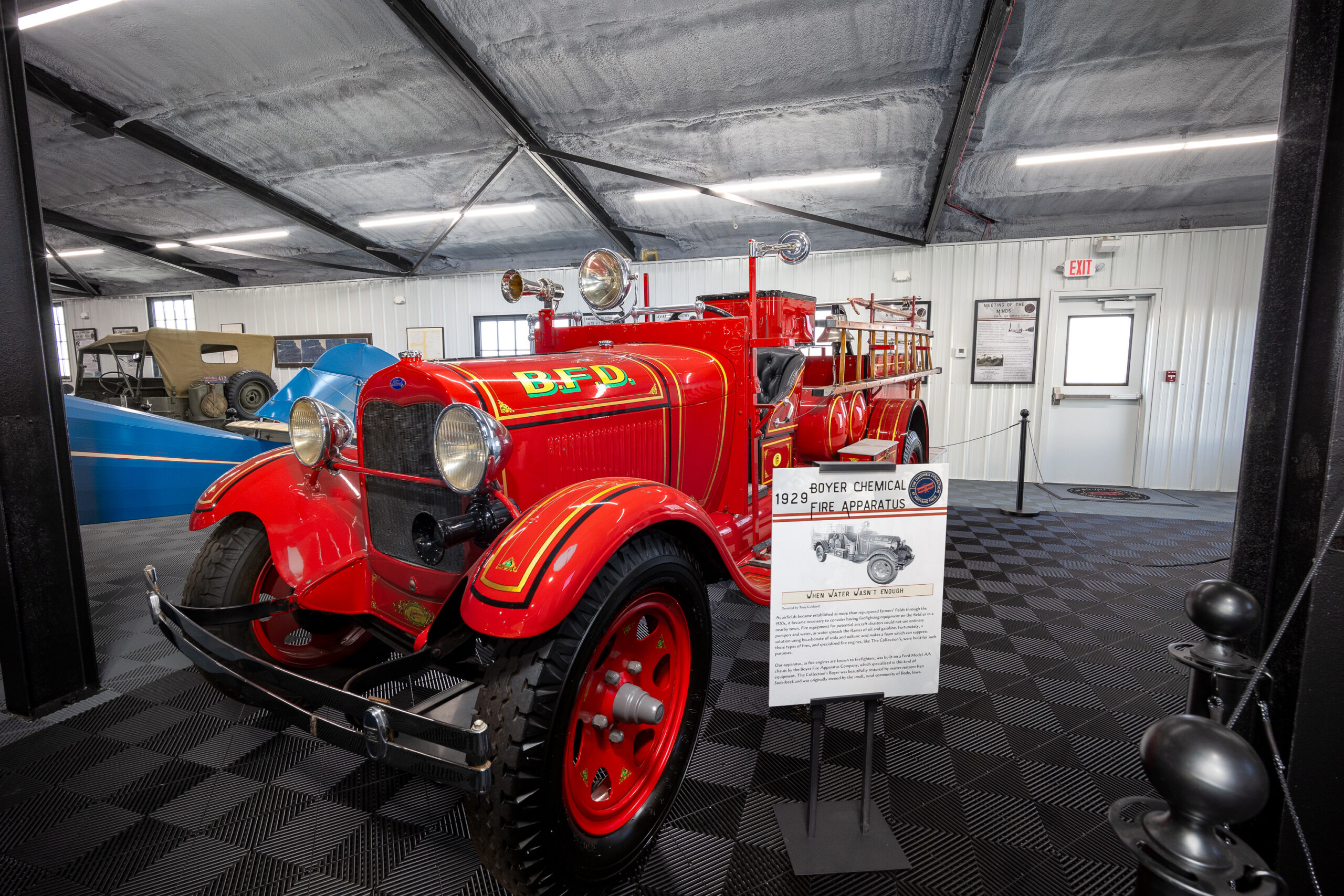
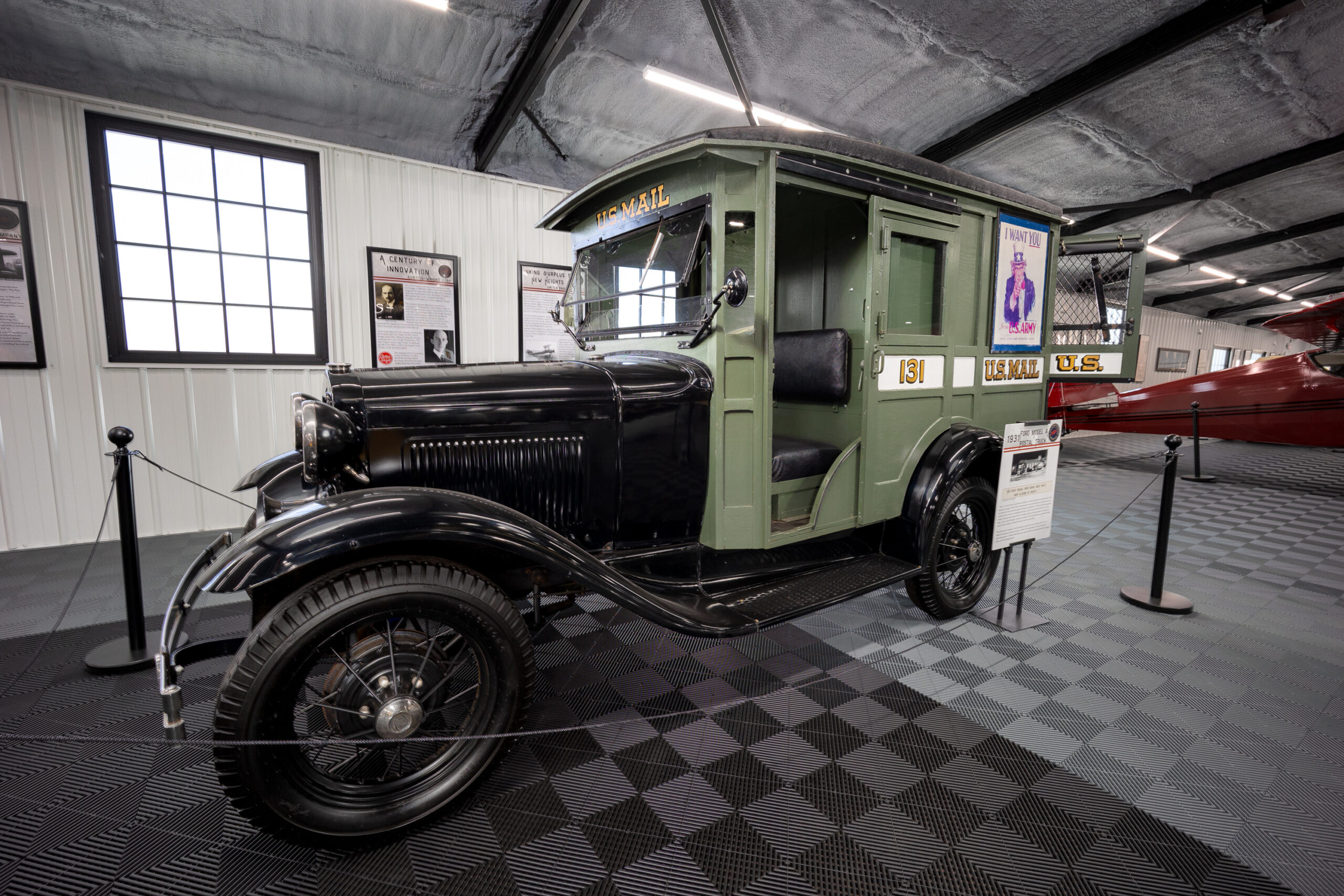
Top: Left: Museum kitchen with period-correct jukebox, Middle: Executive office featuring the restored Philco Radio Bar, Right: Propellers and a Wright Whirlwind 760-8 motor on display. Bottom: Left: 1930 Ford Model AA Fuel Truck, Middle: 1929 Ford Model AA Fire Truck with Boyer Chemical Fire Apparatus, Right: 1931 Ford Model A Parcel Post Truck
The heart of the museum is the aircraft. The Caldwell Collection holds more than thirty rare antique airplanes, with two dozen currently on display, spanning the period between the two world wars, and every single one is either airworthy or in active restoration. Several Waco biplanes form the backbone of the collection, including a UMF-3, UBF-2, UPF-7, ZPF-6, and YMF-5, representing the full range of a manufacturer that led the industry in registered civilian aircraft during the 1920s and 1930s. A Fairchild PT-19 and a Stearman PT-17 are on display specifically to honor the heritage of Mustang Field, as both types were used to train pilots at the base during World War II. The collection also includes a Monocoupe 90-A, a Lincoln-Page PT that is one of only two surviving examples in the world and the only one still capable of flight, and a Stearman C3MB tied to the romance of early airmail. An Aeronca C-3 represents the small, affordable airplanes that entrepreneurs built during the Depression to let ordinary people experience flight. A Travel Air B-4000, once operated by the U.S. Commerce Department’s Aeronautics Division, helped establish early air mail routes that formed the foundation of the modern airline industry. This is a point of fierce pride for Caldwell, who insists that the planes are not static displays but living machines meant to be flown.

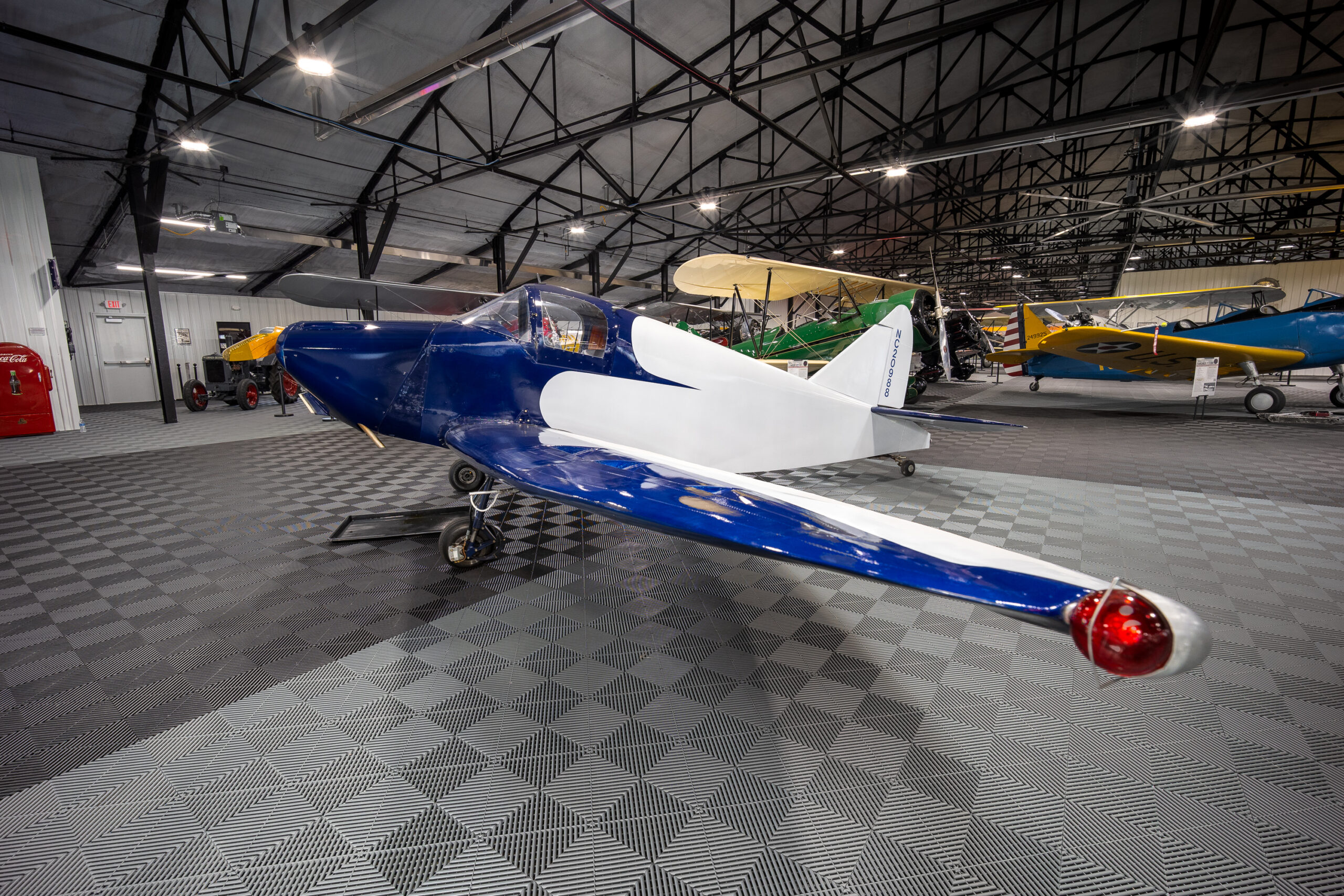
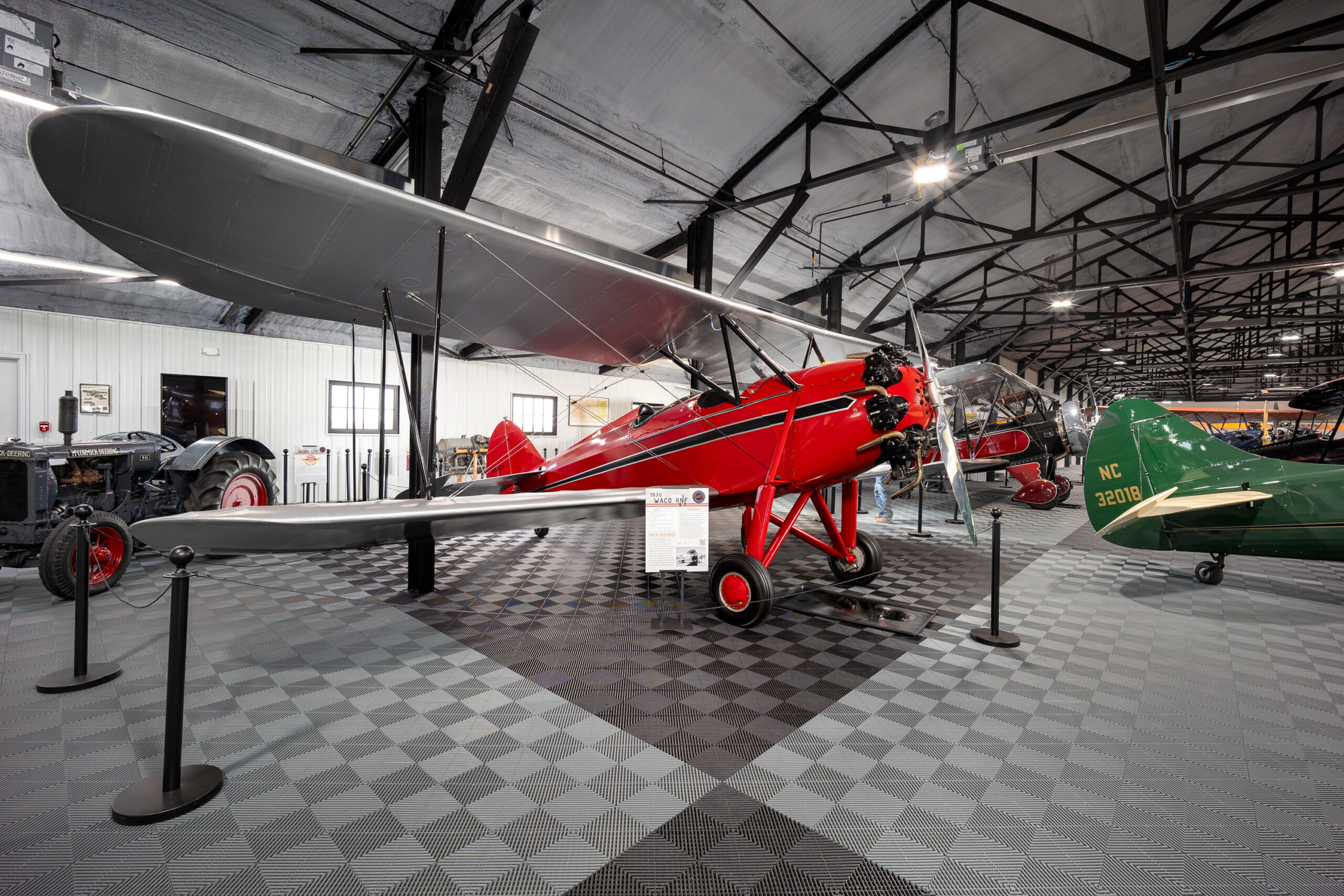
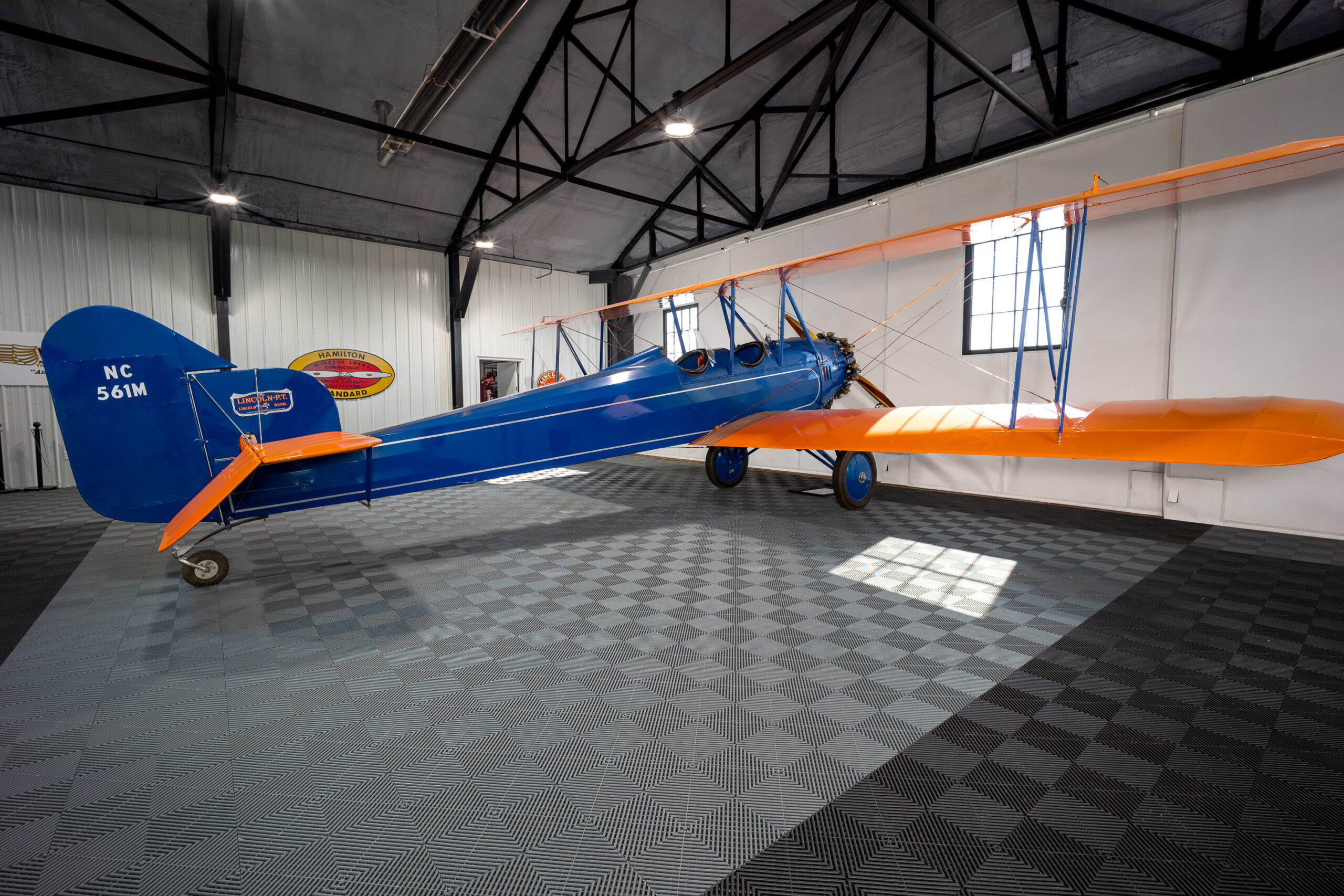
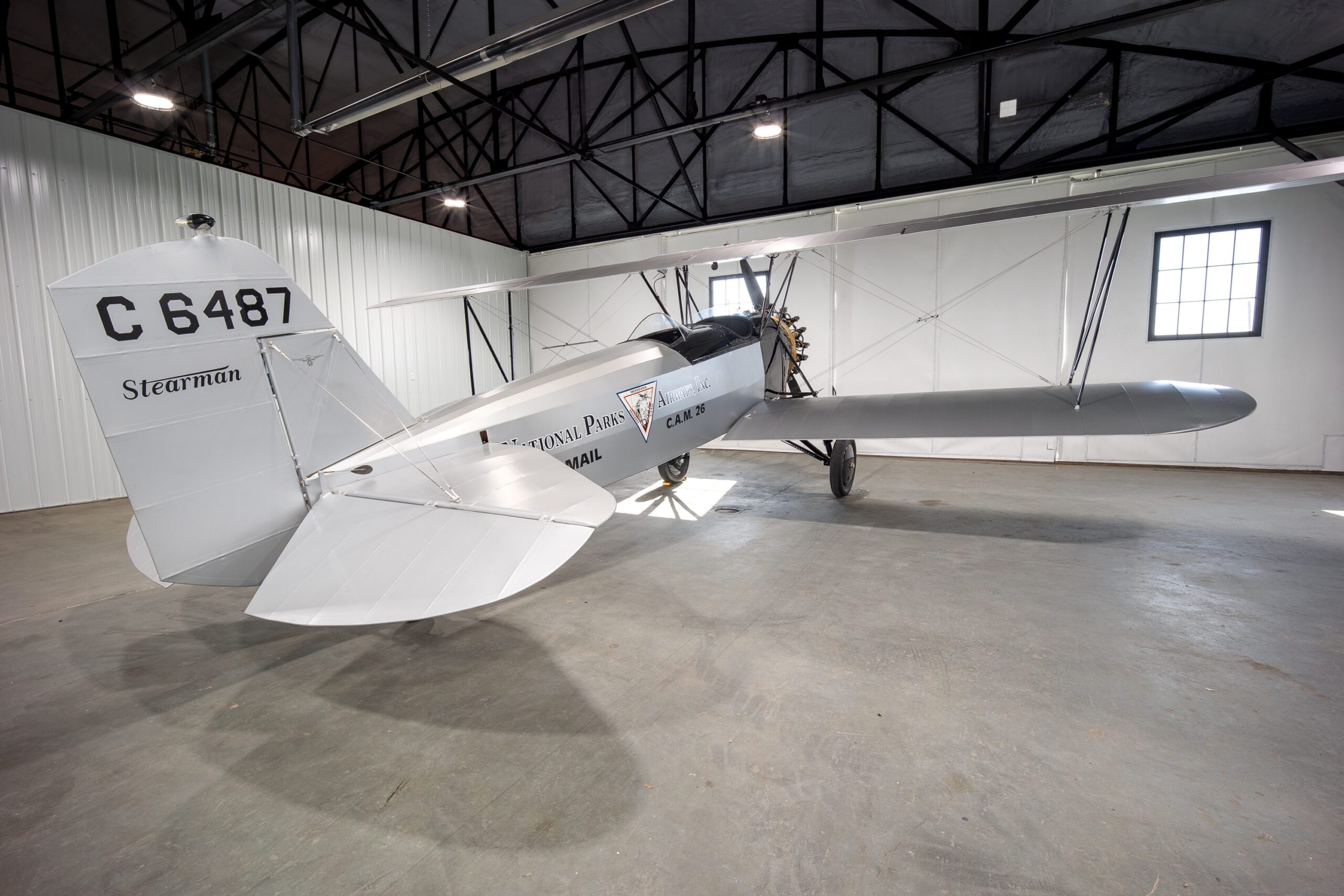
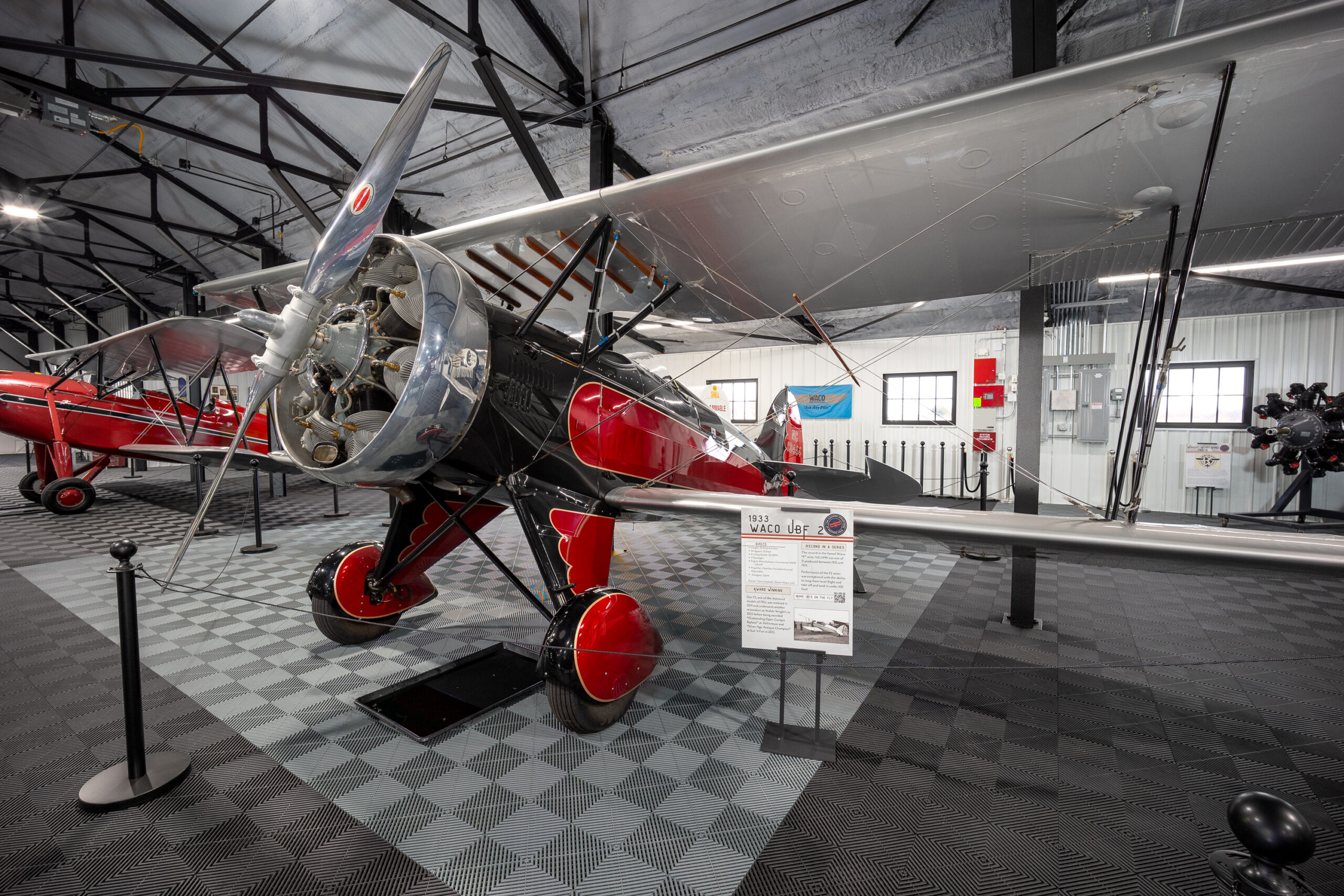
Top: Left: 1929 Travel Air 6000, the “Limousine of the Air,” Middle: 1940 Culver Cadet, Right: 1930 Waco RNF. Bottom: Left: 1929 Lincoln-Page PT-W, Middle: 1928 Stearman C3MB, Right: 1933 Waco UBF-2
What truly sets The Caldwell Collection apart from most aviation museums is its commitment to active, visible restoration. A dedicated 7,000-square-foot workshop occupies the southwest corner of the hangar, operated by Rob Lock of Waldo Wright’s Flying Service, who relocated the entire operation from Winter Haven, Florida, to be part of the project. Large windows between the shop and the museum floor allow visitors to watch the painstaking work of aircraft restoration in real time, from stripping old fabric and repairing wooden spars to rebuilding engines and applying authentic paint schemes. The shop is meant to be as much an educational exhibit as the finished aircraft themselves, giving visitors a behind-the-scenes look at the intricate skills and enormous patience required to return a ninety-year-old airplane to safe, airworthy condition. The caliber of that work has already earned national recognition at the highest level: in August 2025, before the museum even officially opened, a fully restored 1931 Curtiss-Wright B-14R Speedwing from the collection received the Bronze Lindy Award at EAA’s AirVenture 2025 in Oshkosh, Wisconsin. The Lindy Awards, named for Charles Lindbergh, are considered the most prestigious honor in the world of aircraft restoration, and the Curtiss-Wright earned the Silver Age Antique Champion distinction for its craftsmanship, authenticity, and airworthiness. The airplane, originally built as a one-off racer for the famous Casey Lambert, had undergone a meticulous restoration that returned it to its original black and yellow paint scheme, powered by a 450-horsepower Pratt and Whitney R985 engine. It was one of four Lindy Awards won by aircraft in the collection, a remarkable distinction that speaks to the standard of preservation the museum represents.
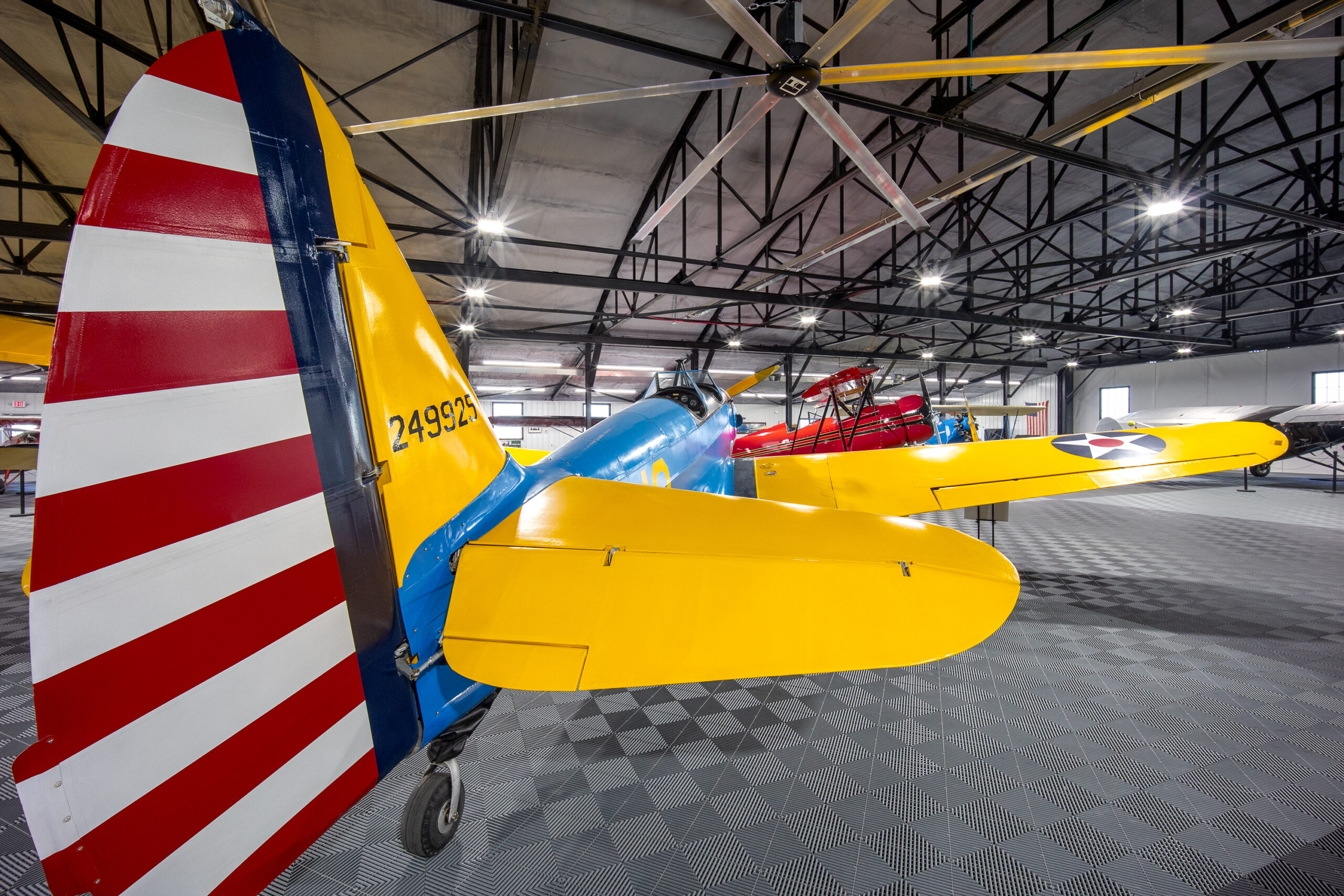
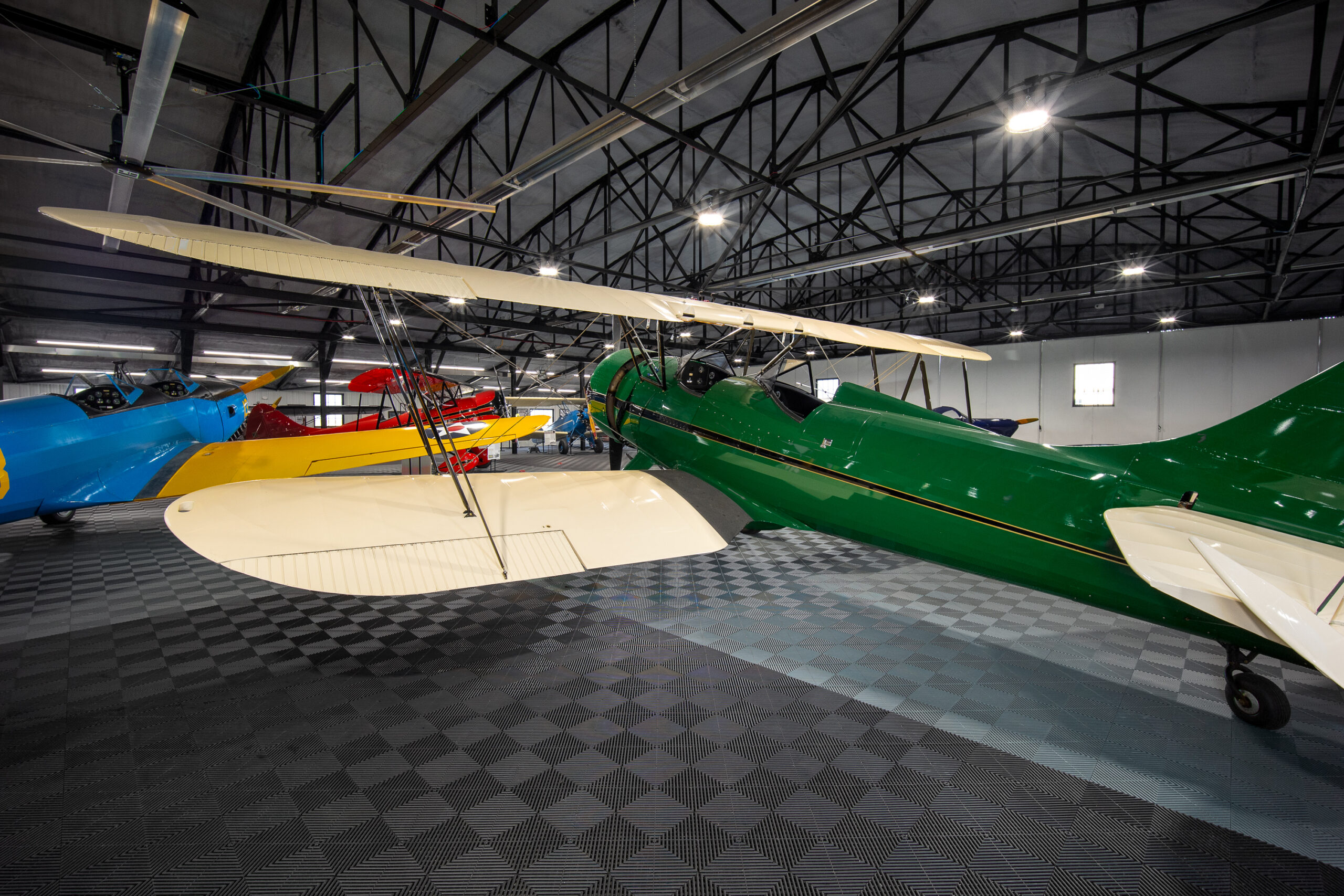
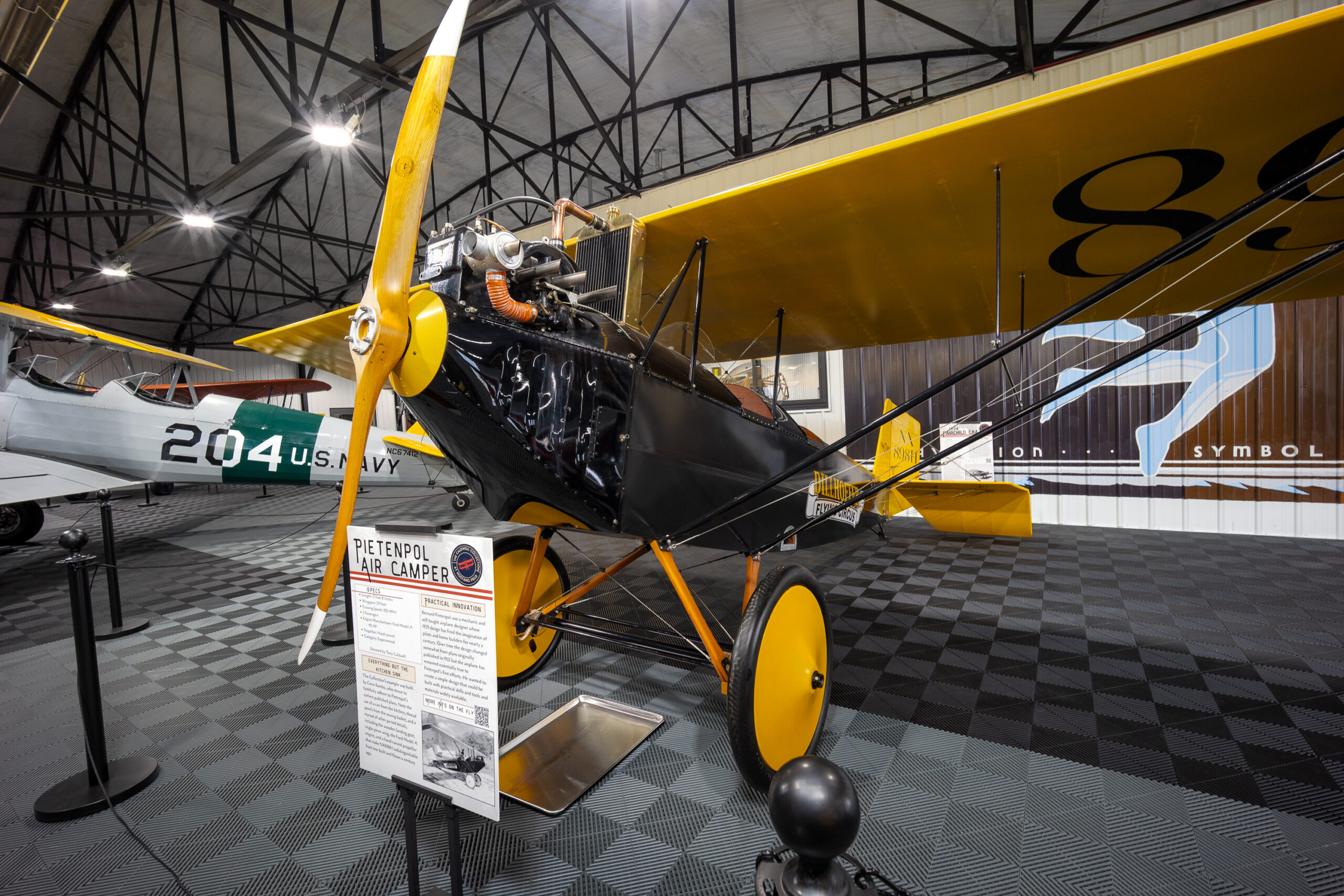

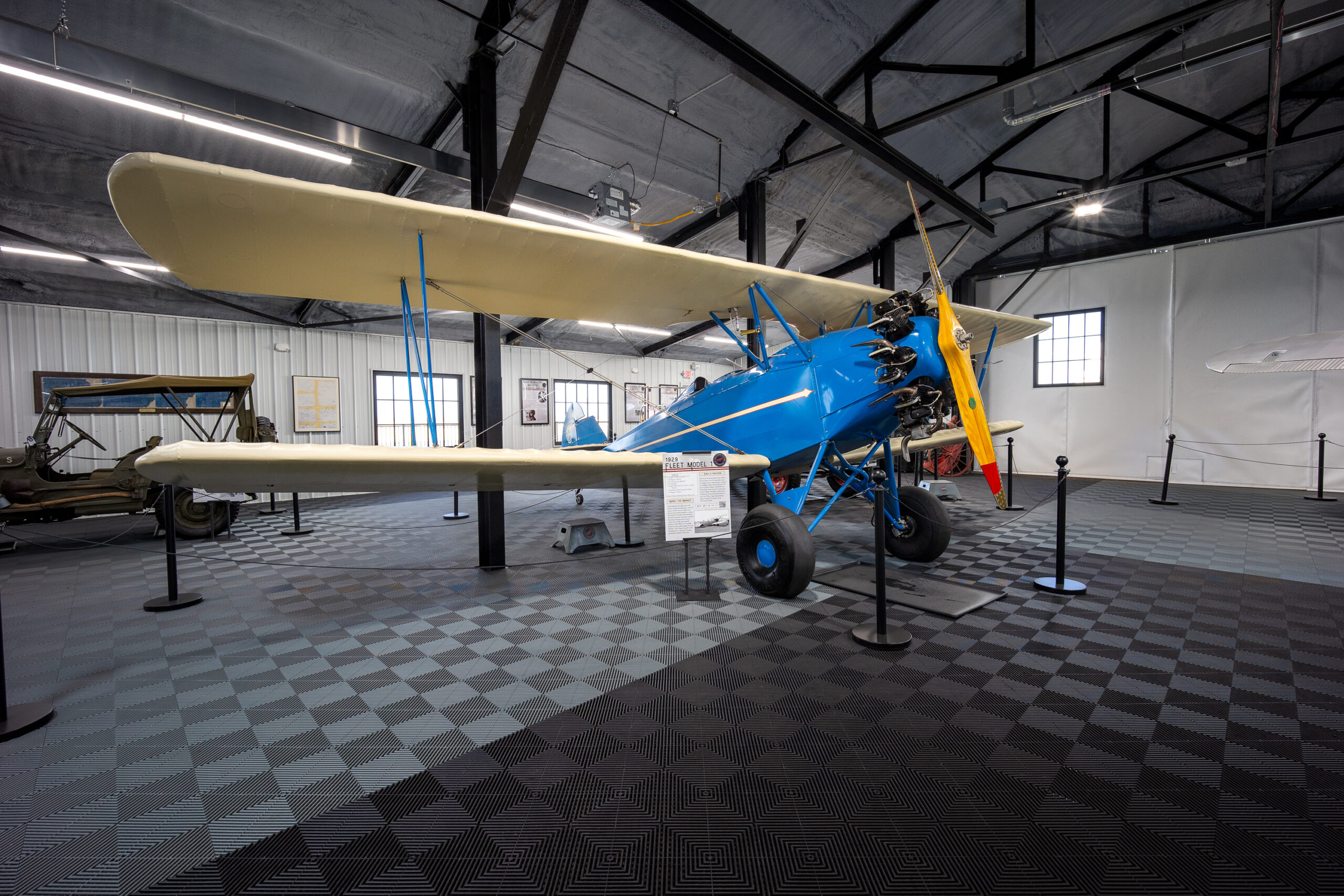

Top: Left: 1942 Fairchild PT-19 Cornell, Middle: 1941 Waco ZPF-7, Right: 1931 Pietenpol Air Camper, “The People’s Plane.” Bottom: Left: 1972 Rose-Rhinehart Parrakeet 4A-C, Middle: 1929 Fleet Model 1, Right: 1929 Waco CSO Straightwing mid-restoration in the Waldo Wright’s Flying Service shop
The grand opening on October 4, 2025, coincided with the fifth annual El Reno Air Show and Community Day and drew an estimated 3,000 visitors. Pilots flew in from across the country and as far as New Zealand, while school buses delivered students from aviation education programs in Weatherford and Mustang. Mayor Steve Jensen praised the speed of the project, noting the transformation had taken less than a year from first conversation to ribbon-cutting. Grayson Ardies, executive director of the Oklahoma Department of Aerospace and Aviation, called the museum part of the continuing transformation of El Reno Regional Airport and pointed to aviation as the state’s fastest-growing and second-largest industry. Caldwell told the audience that the museum belongs to El Reno and the people of Oklahoma. The future is already taking shape: with at least three more aircraft emerging from restoration, Caldwell and the city are working on plans to restore a second World War II hangar to accommodate the growing collection. A new exhibit under development, called “How Did They Get to Work?”, will explore the untold transportation story of Mustang Field’s wartime workforce, a subject that carries a personal thread for Caldwell, whose grandmother served as personal assistant to the Oklahoma City developer who built the interurban railway that once carried workers out to the field. With 49 years remaining on the lease and a community rallying behind the vision, this particular story is clearly only getting started.
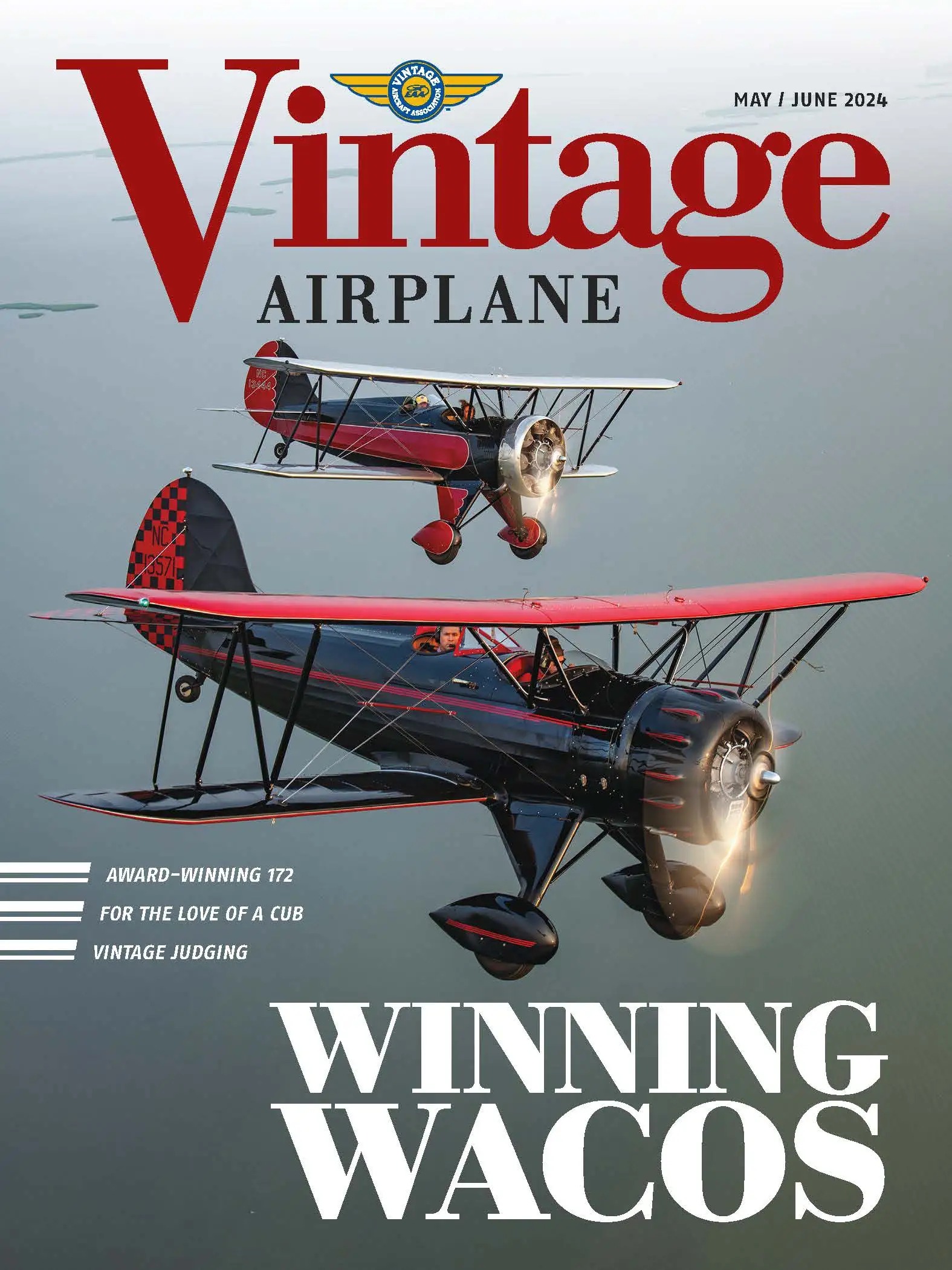
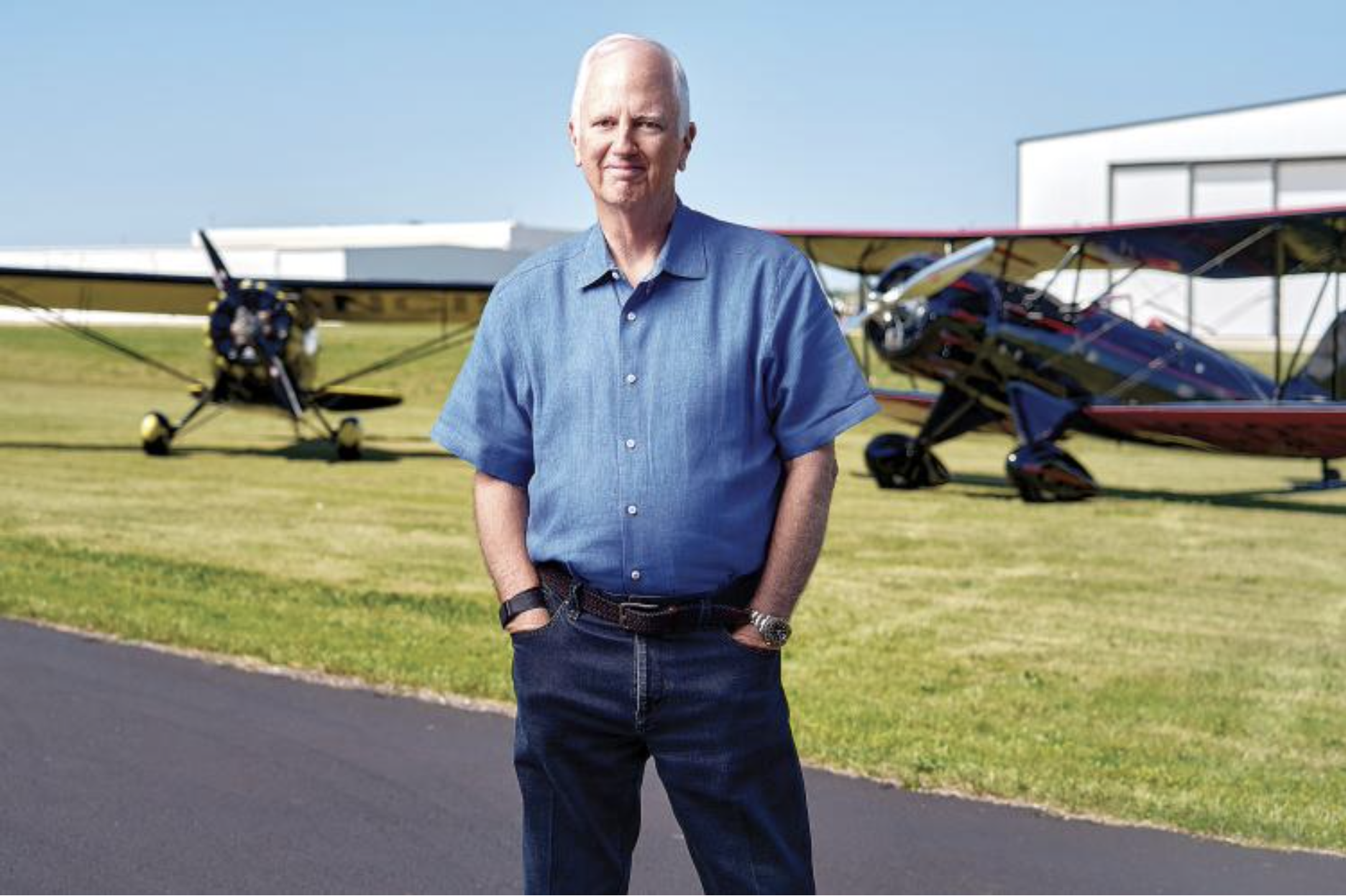
Left: May/June 2024 Vintage Airplane magazine cover featuring “Winning Wacos” from the Caldwell Collection, Right: Founder Tony Caldwell with aircraft from the collection
Pieces from the Art Deco Collection on Display at The Caldwell Collection at Mustang Field
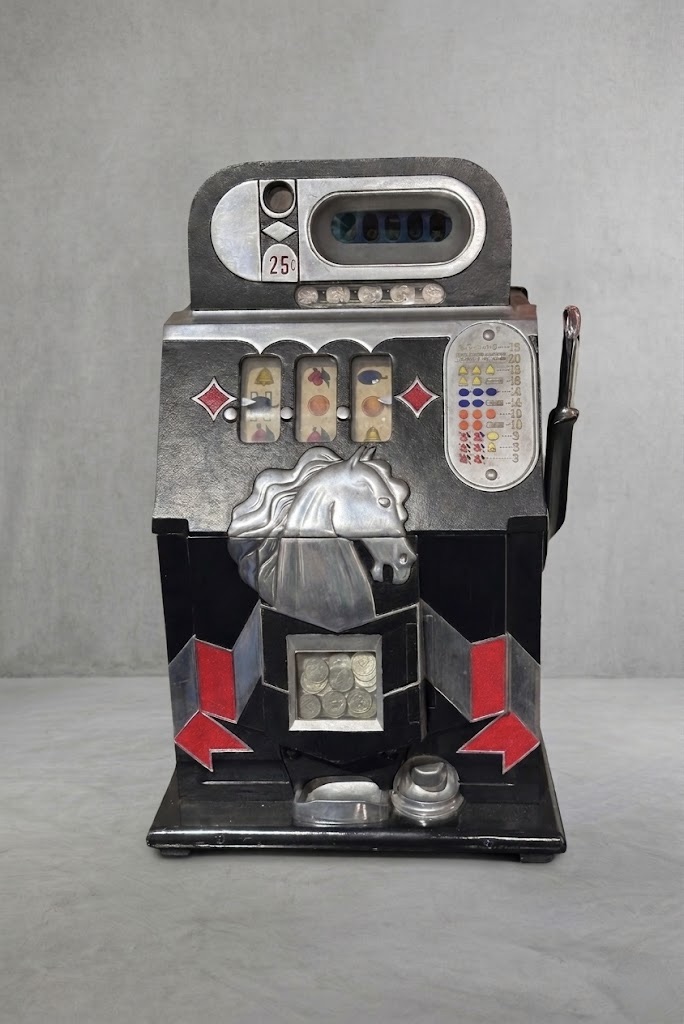
Several of the period-correct pieces that bring the museum’s 1940s atmosphere to life were sourced from the Art Deco Collection. The restored 1939 Rock-Ola ST-39 jukebox now anchors the museum’s kitchen area, filling the hangar with the sounds of the era. A fully restored Philco Radio Bar, complete with original glassware and updated with Bluetooth capability, sits in the museum’s executive office alongside other prohibition-era furnishings. A 1930s Mills Novelty Horsehead Bonus slot machine rounds out the collection of Art Deco pieces on display. Each was carefully selected for its historical accuracy and craftsmanship, helping transform The Caldwell Collection from a traditional aircraft museum into the immersive time capsule that founder Tony Caldwell envisioned.
Plan Your Visit
The Caldwell Collection at Mustang Field is open every Saturday from 10:00 a.m. to 2:00 p.m., with no appointment required. Admission is always free, though donations are welcome to support ongoing preservation and education efforts. The museum is located at 6600 S. Mustang Field Road, Hangar 3, El Reno Regional Airport, El Reno, Oklahoma. For more information, to arrange a group visit, to inquire about volunteer opportunities, or to donate a vehicle or artifact to the collection, contact Emily Overand at info@thecaldwellcollection.org or by phone at (405) 420-1244. Visit www.thecaldwellcollection.org to learn more about the museum, its aircraft, and upcoming events.

If you are interested in further stories of Art Deco design, collecting, and celebrating the artistry of early 20th Century: