






Bonds and Shares Designed in the
Art Deco Decorative Style
One of the most rewarding parts of our work at Art Deco Collection is meeting collectors whose passion and dedication to preservation inspire projects that go well beyond ownership alone. Many of these individuals are driven not only to build remarkable collections and environments, but also to share their knowledge in thoughtful and lasting ways. These are the special stories we are proud to feature in the Art Deco Resource Guide Journal, because they reflect exceptional vision, deep personal commitment, and a genuine desire to preserve, document, and honor ideas that deserve recognition and study.
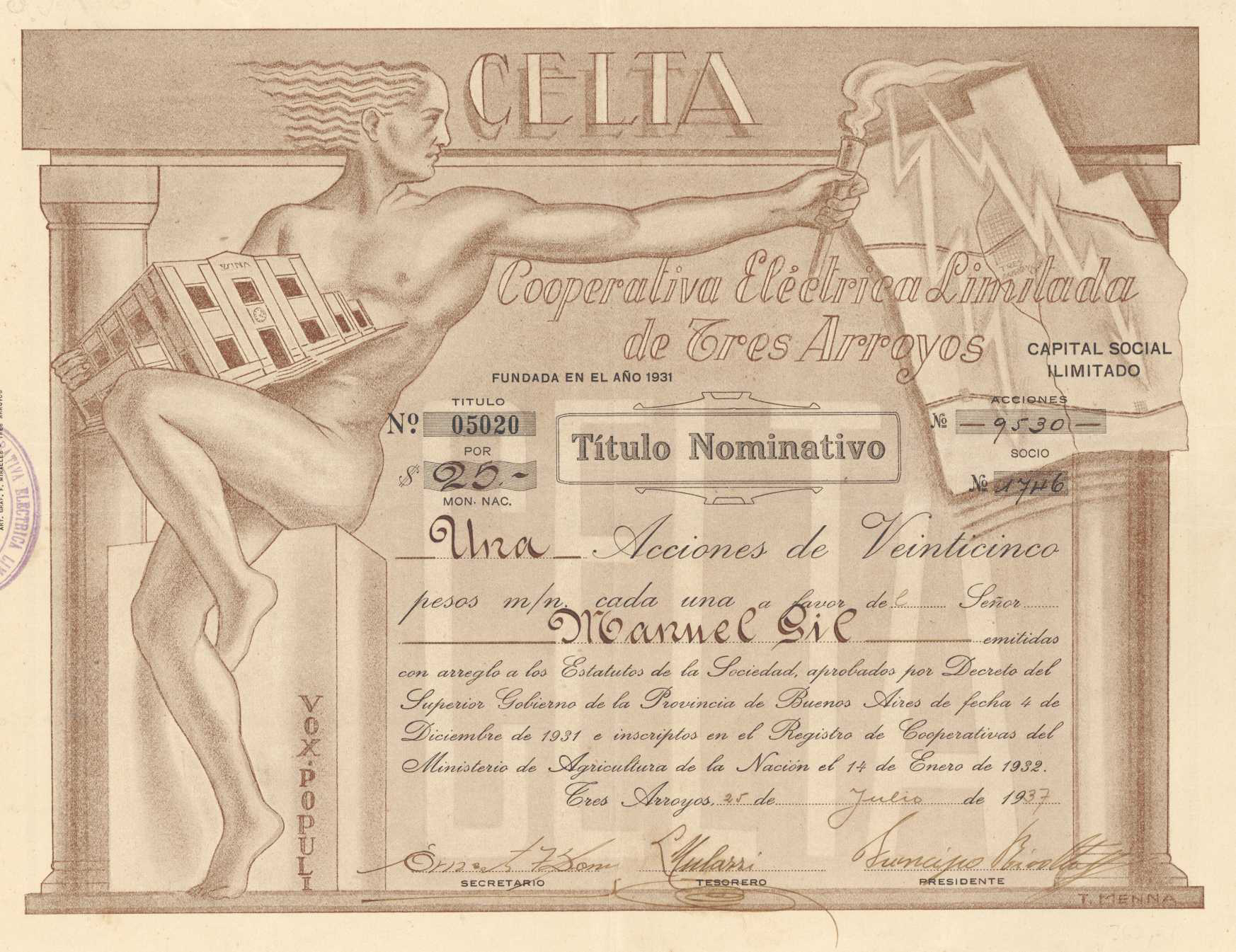
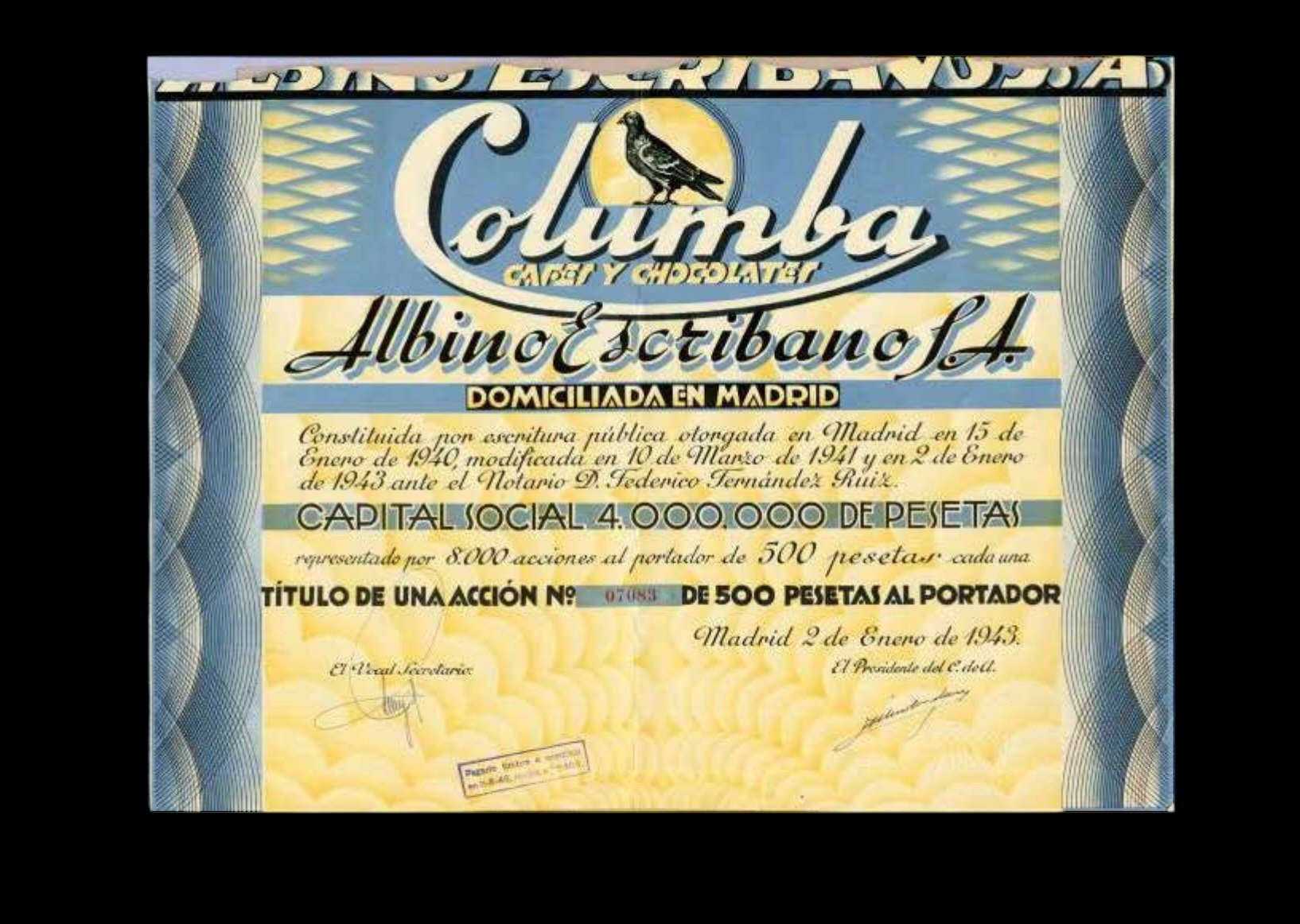
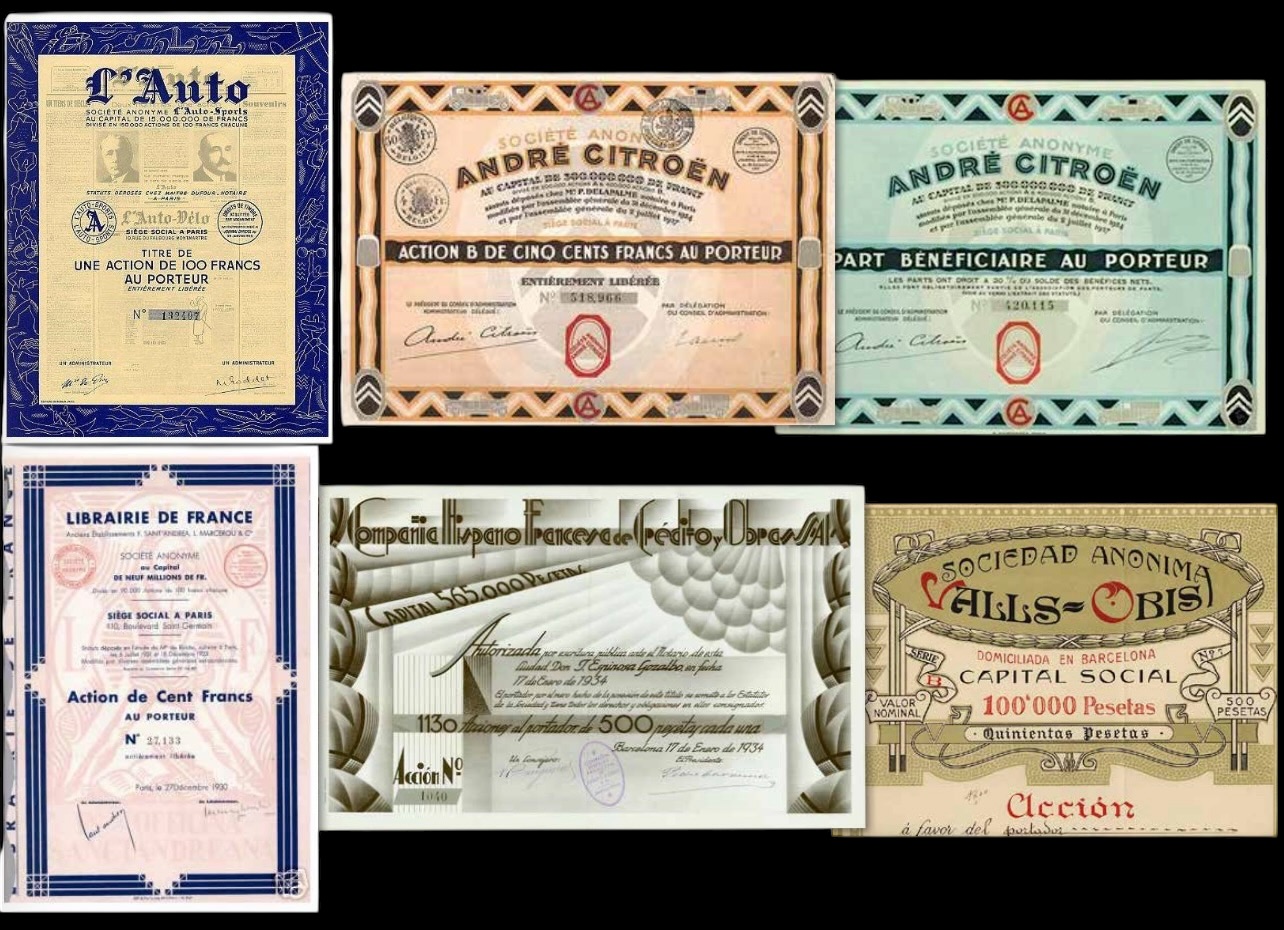
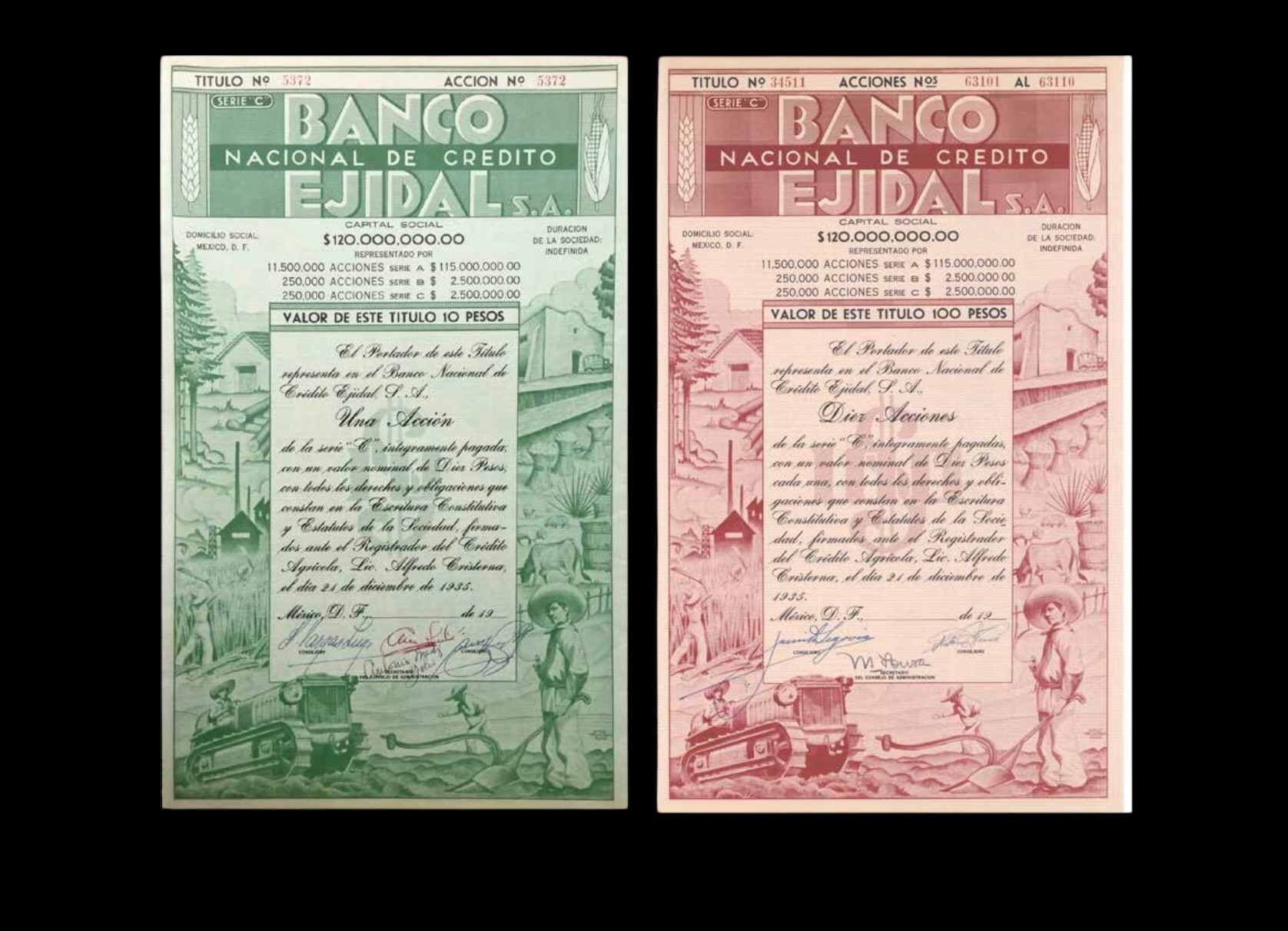
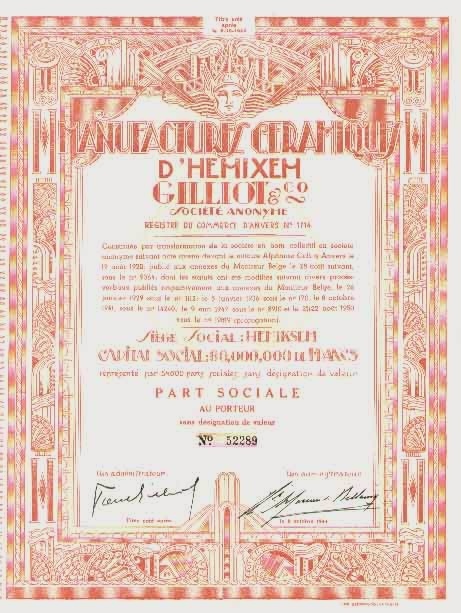
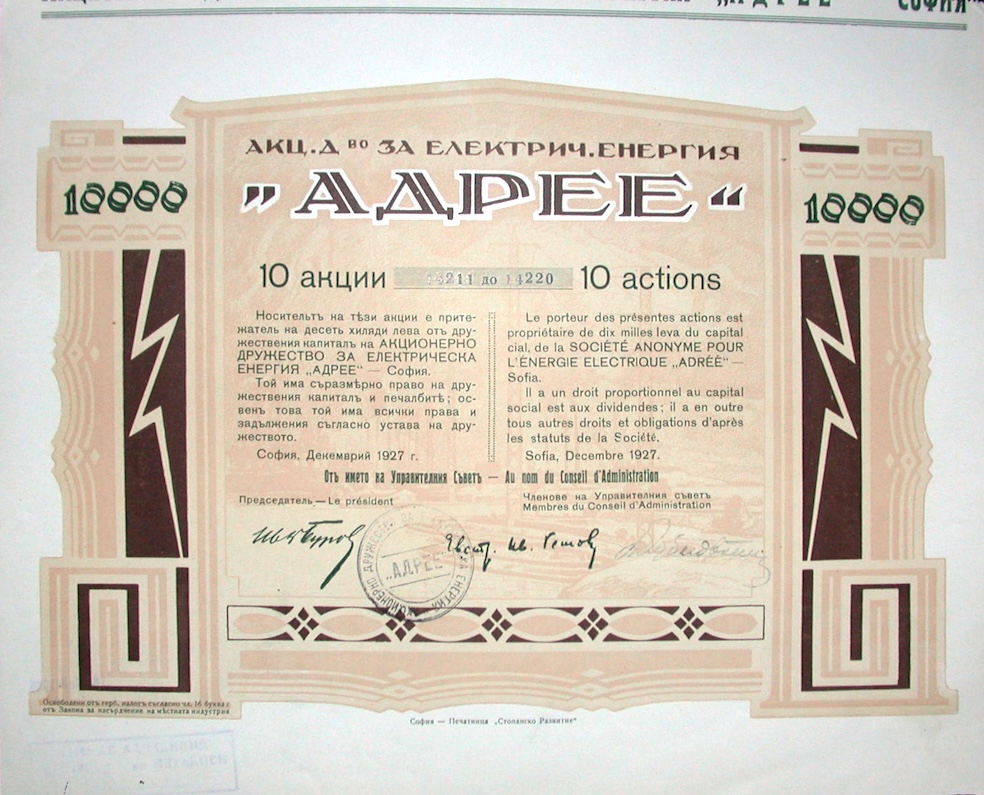
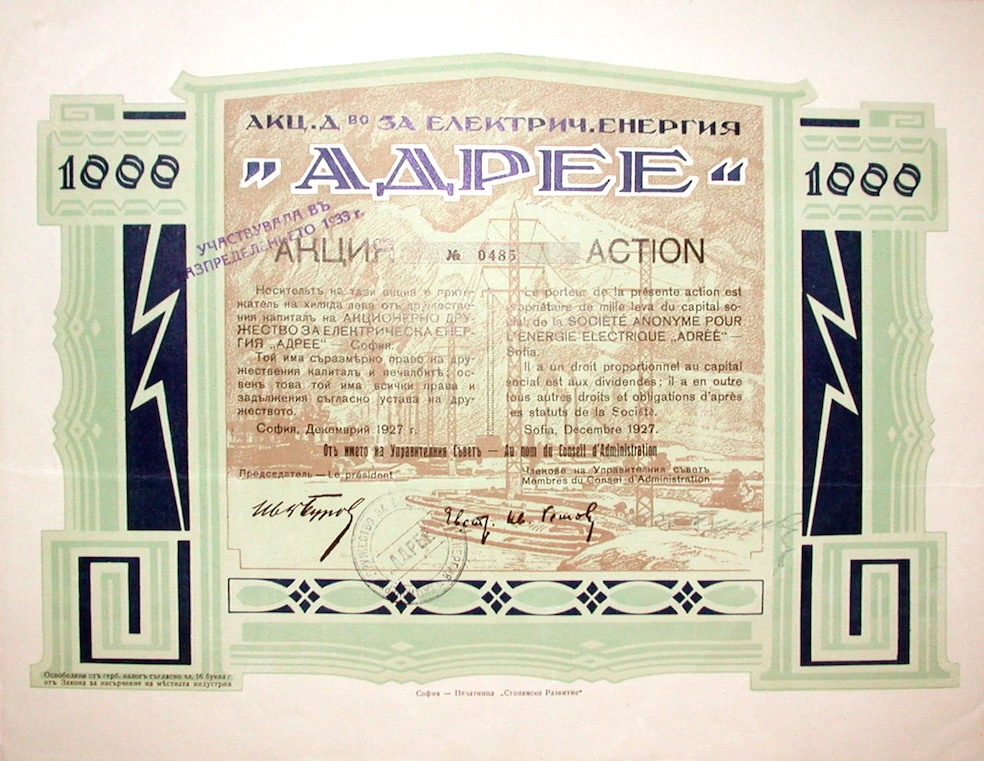
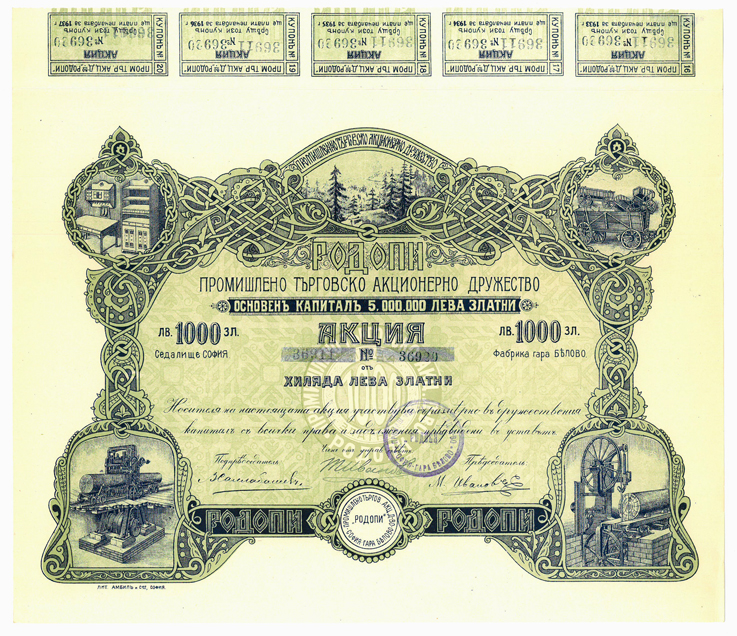
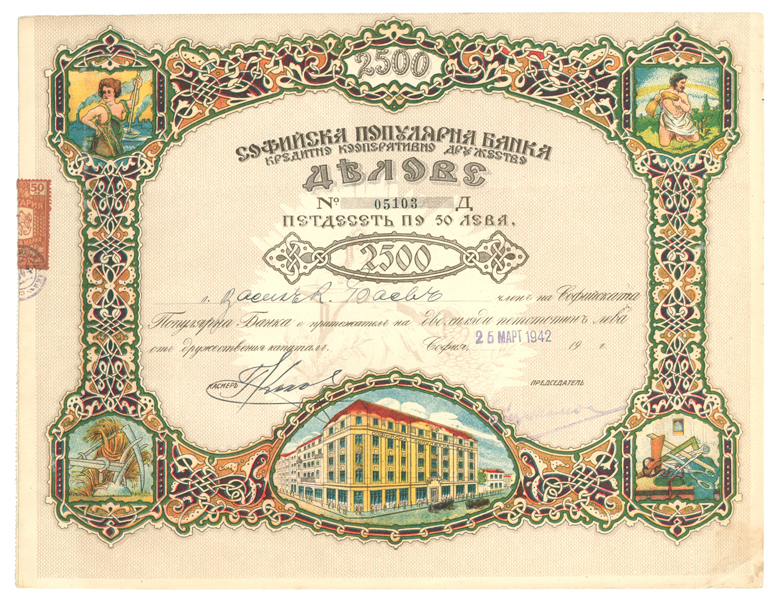
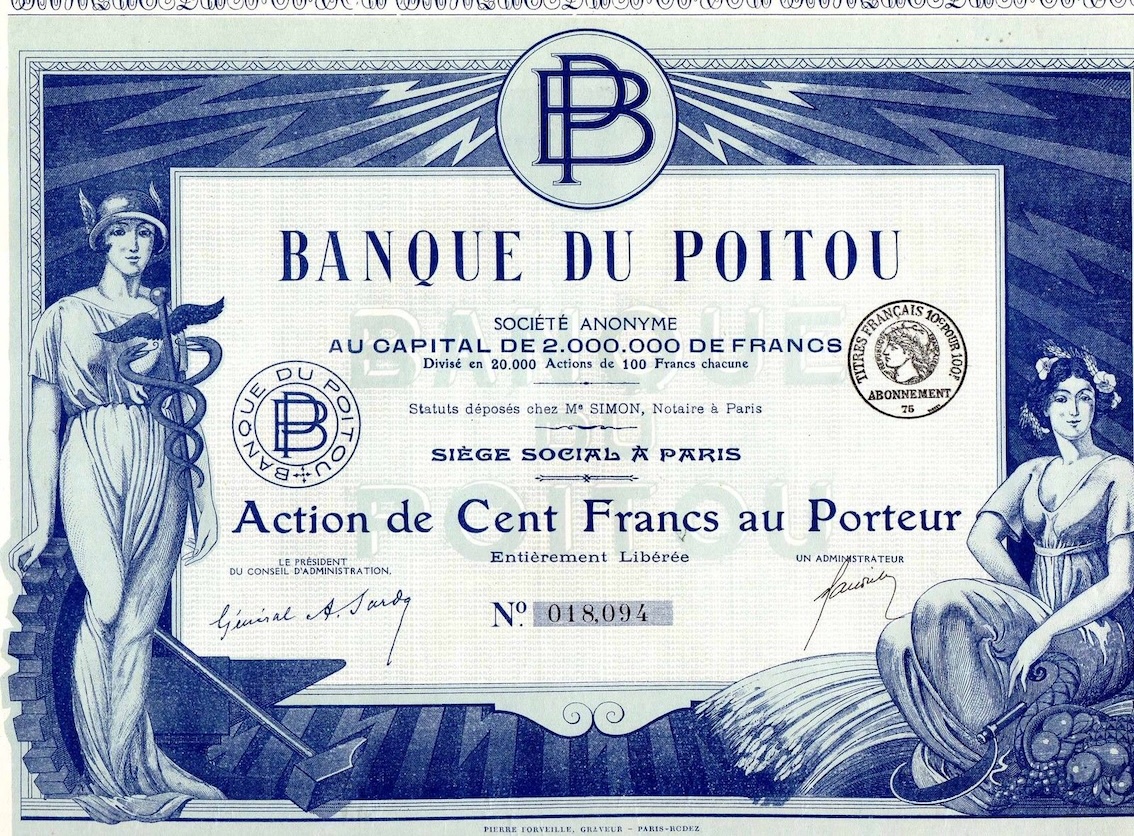
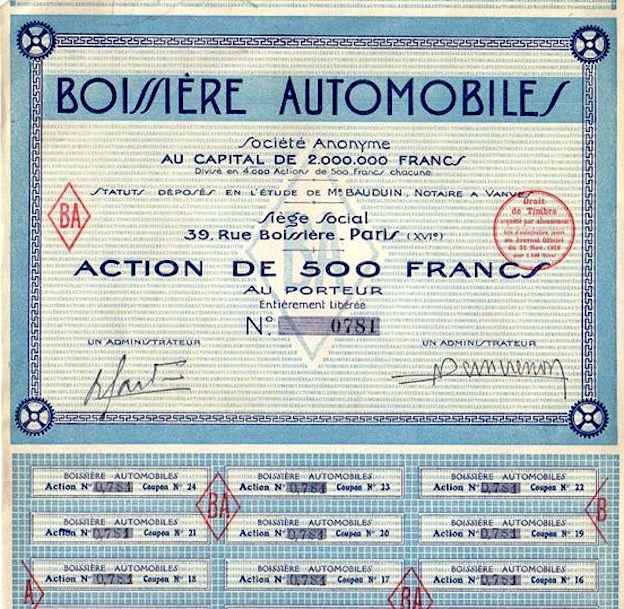
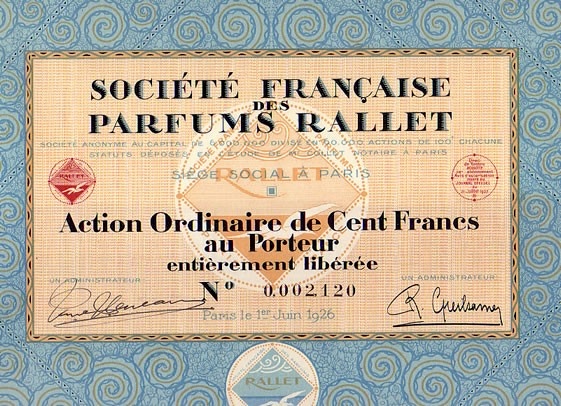
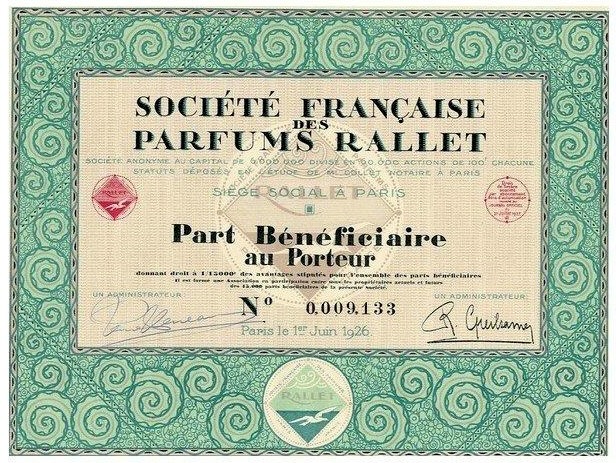
When we think of Art Deco today, we most often imagine interiors, architecture, lighting, furniture, or the finely crafted objects that defined the domestic and public environments of the interwar period. Yet the visual language of modernism was not confined to salons, theaters, and exhibition halls. It extended deeply into the administrative and commercial mechanisms that supported everyday economic life.
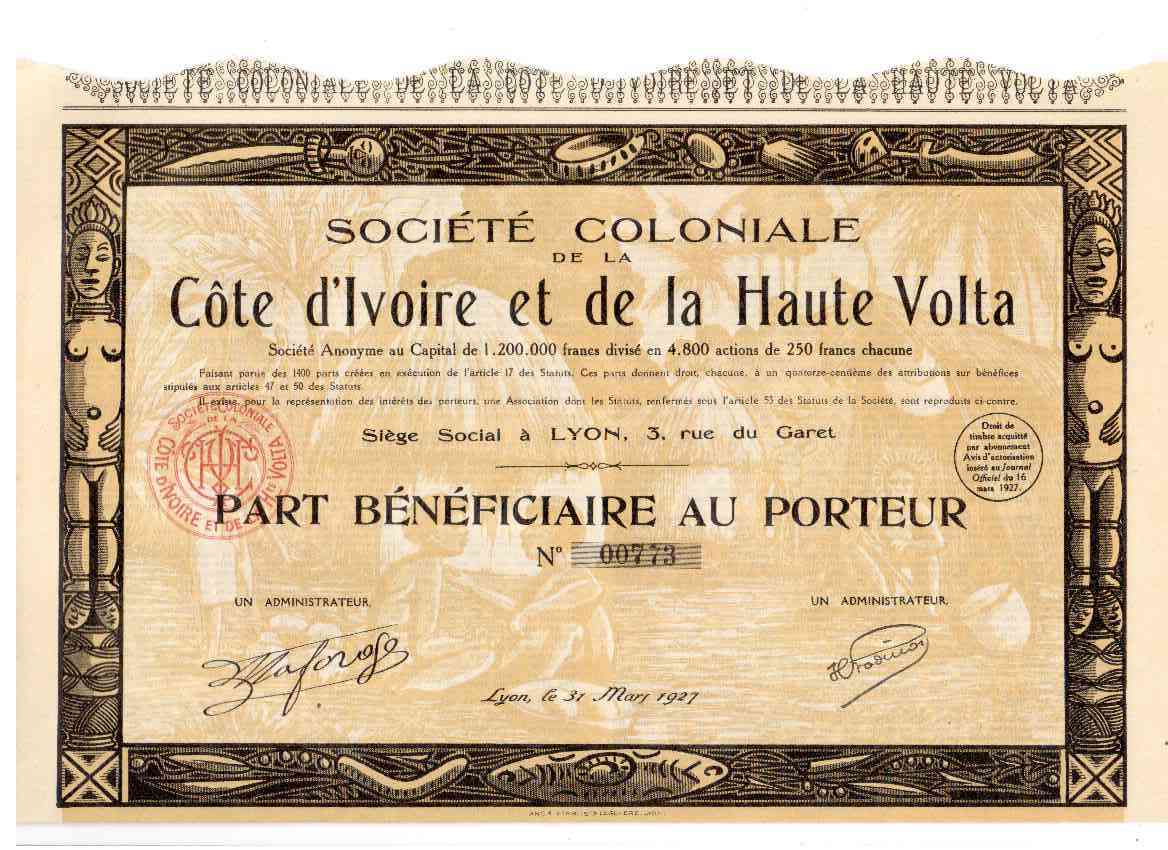
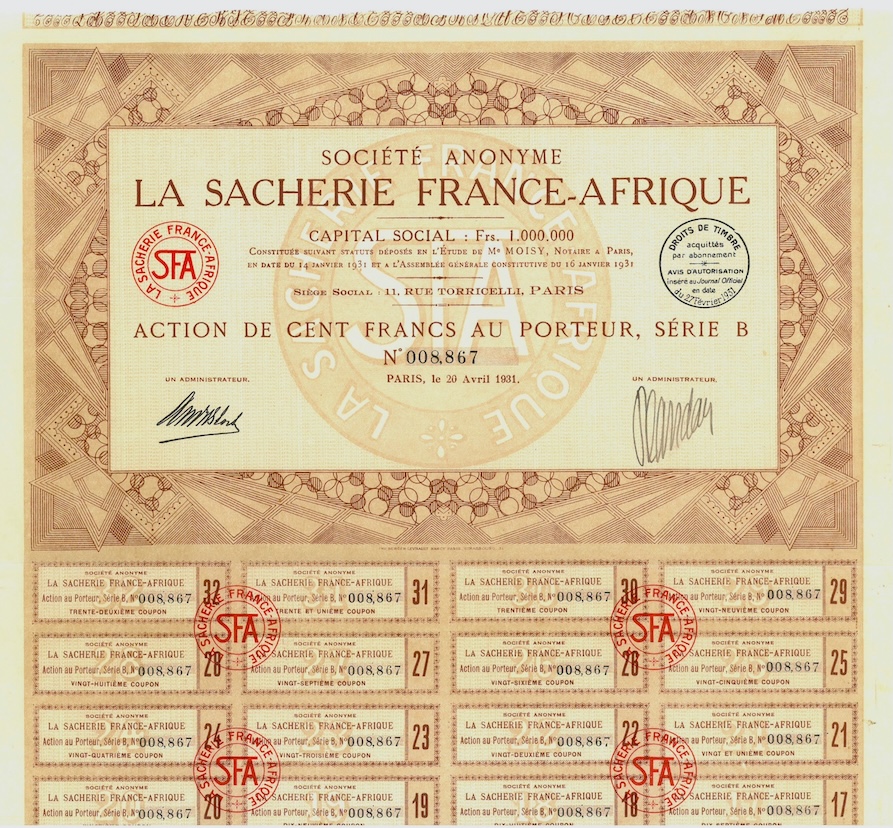
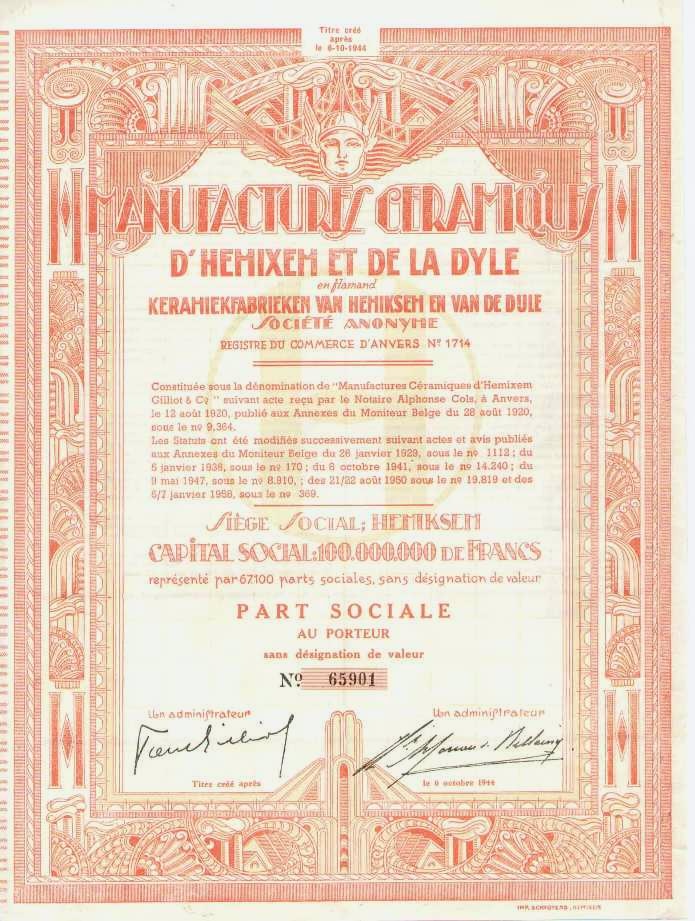
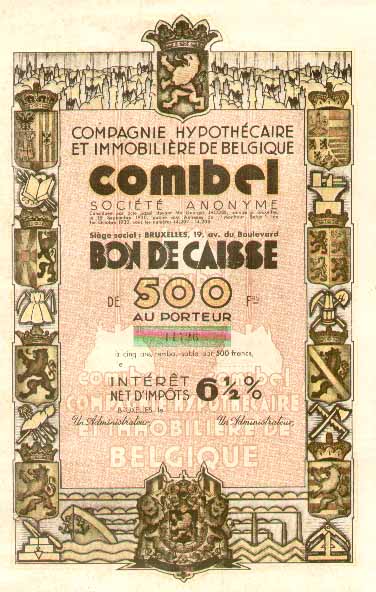
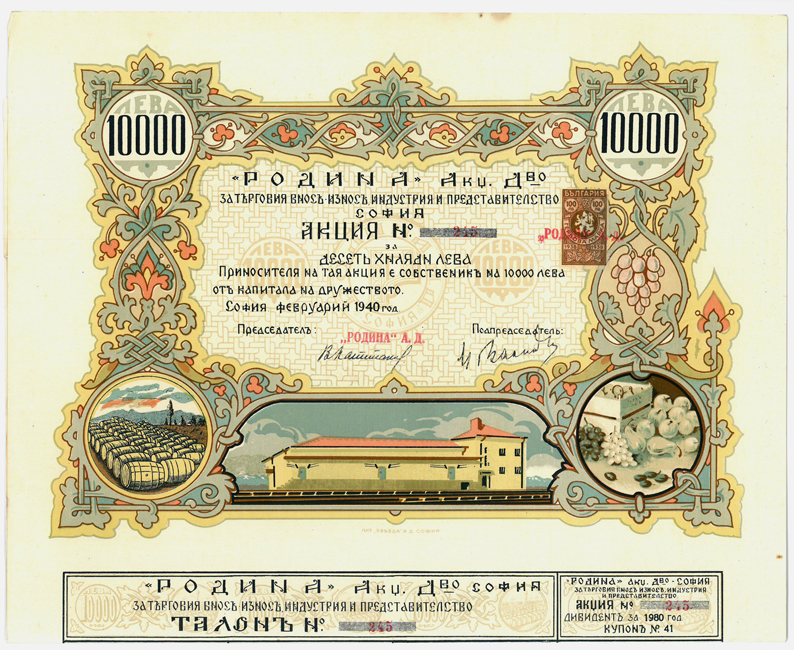
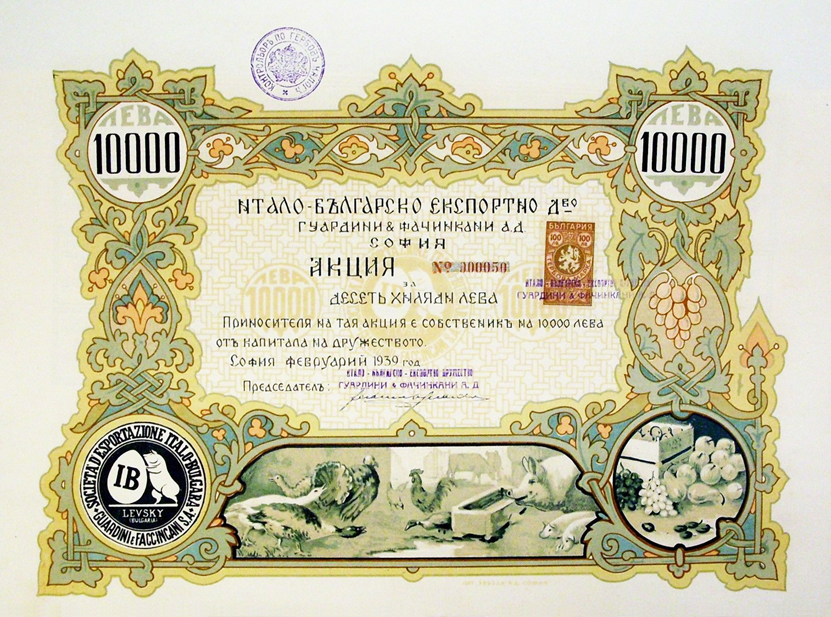
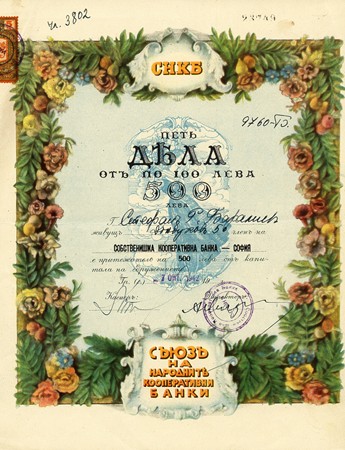
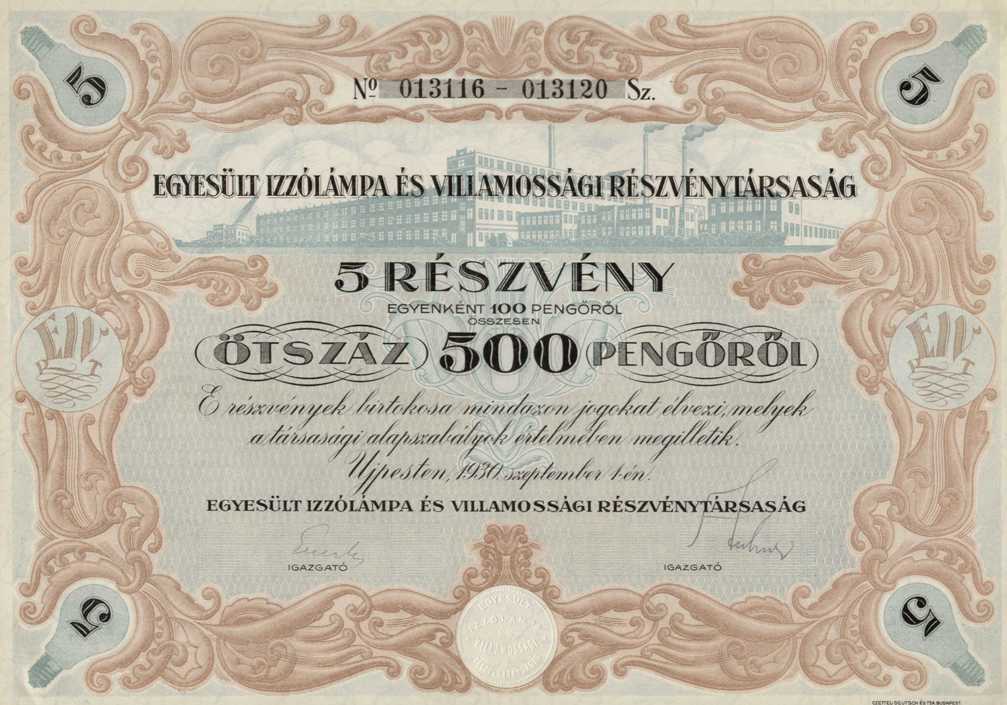
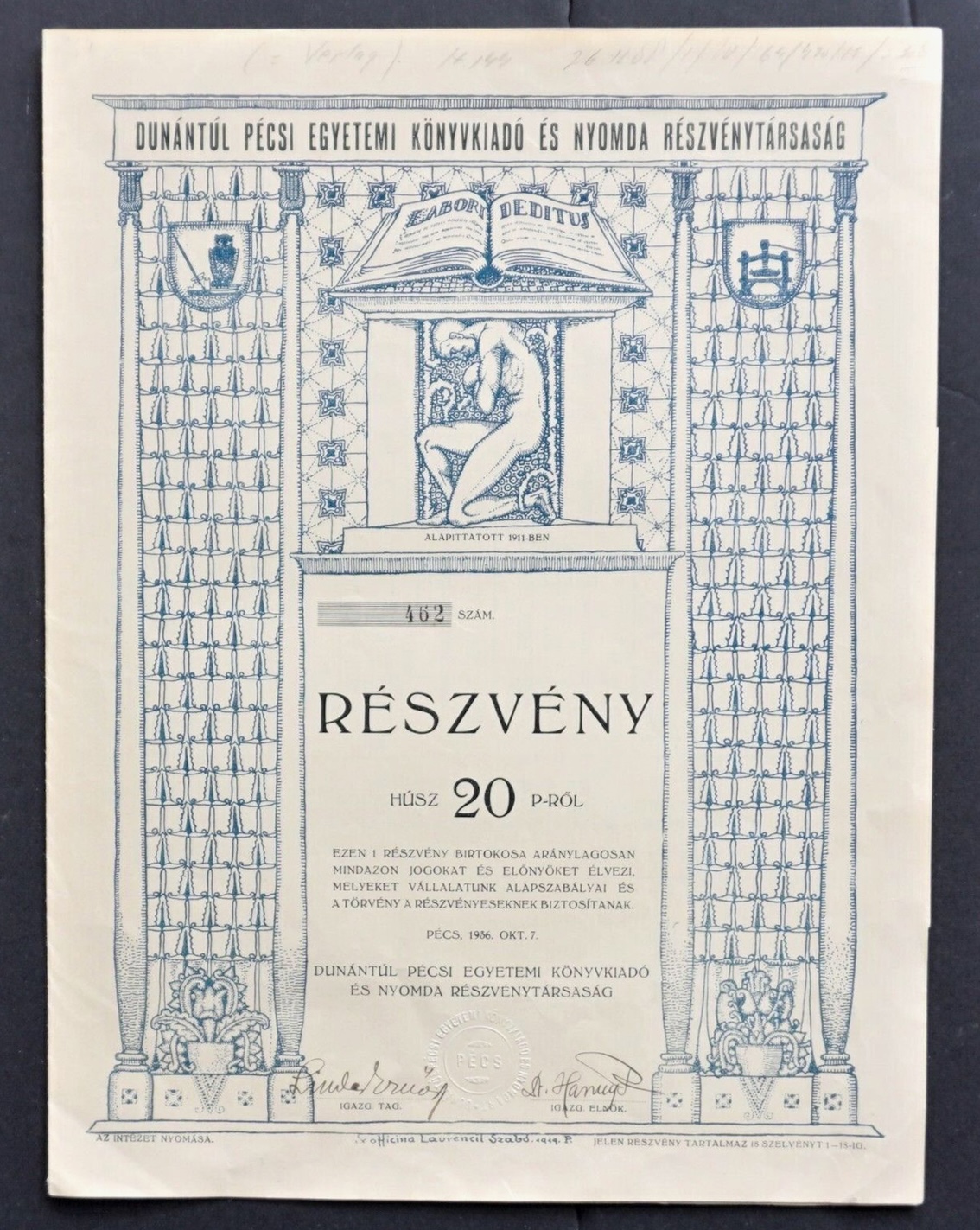
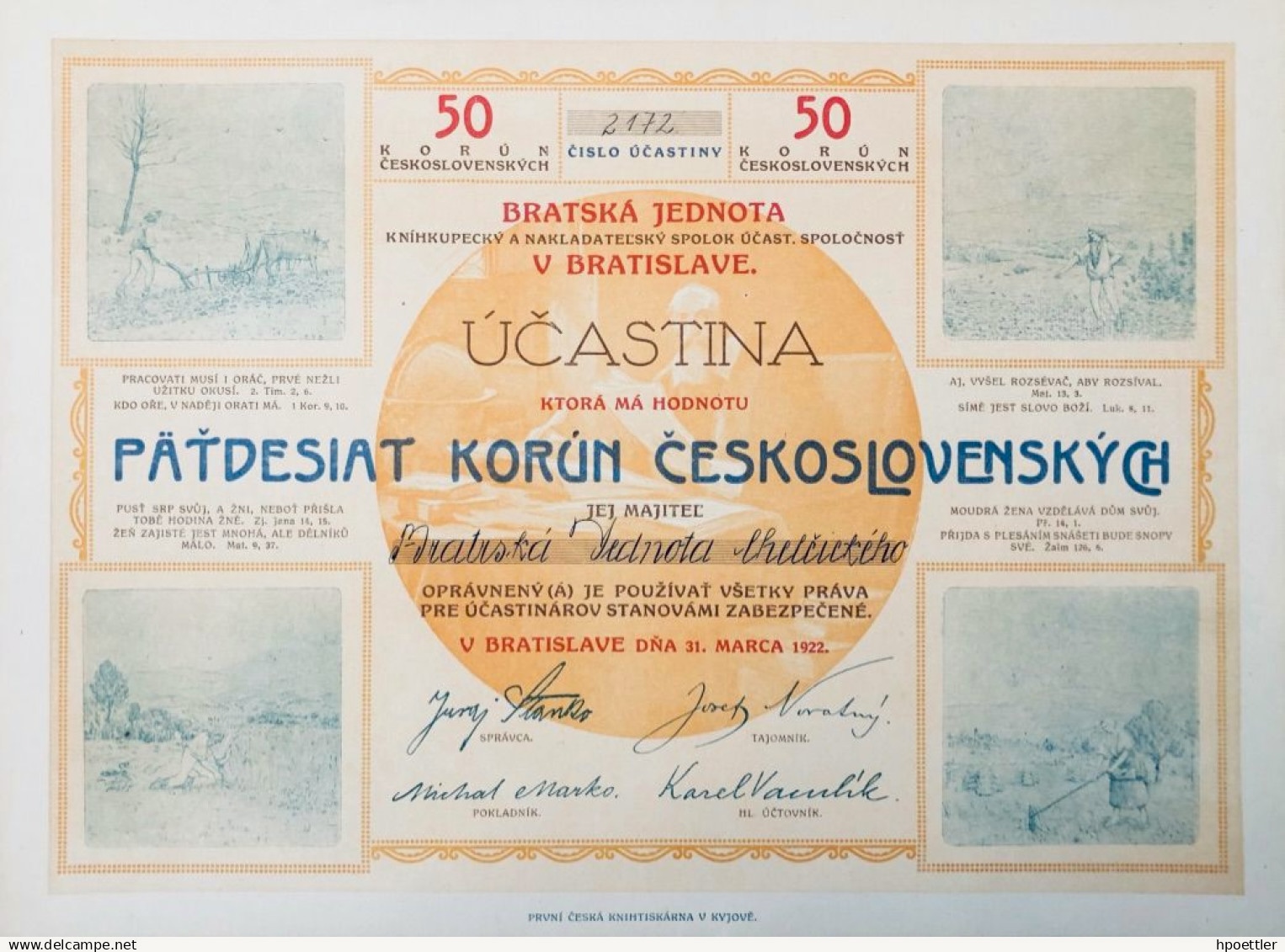
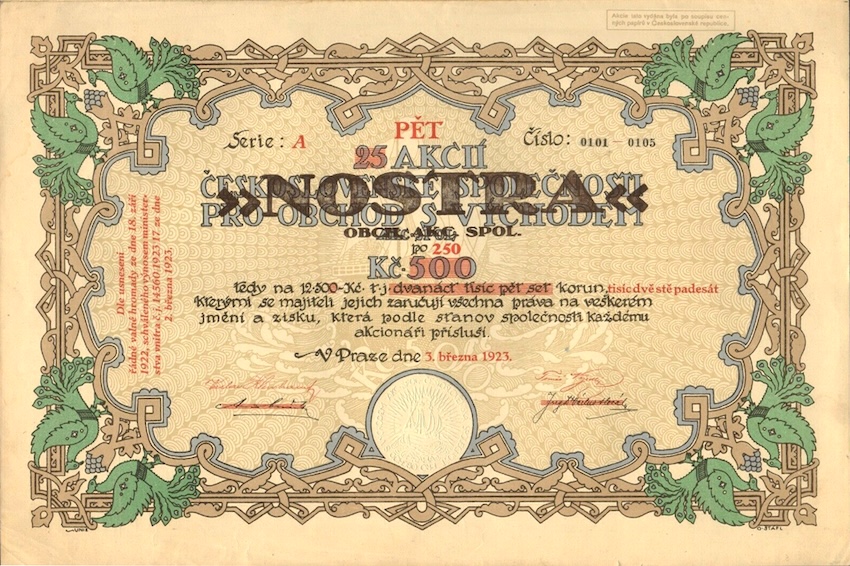
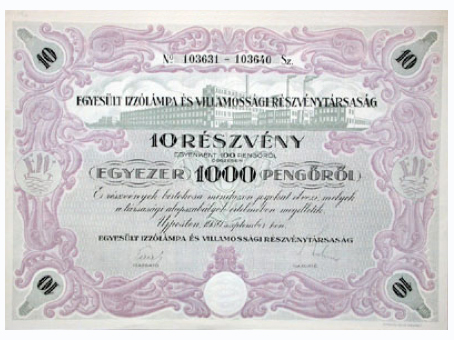
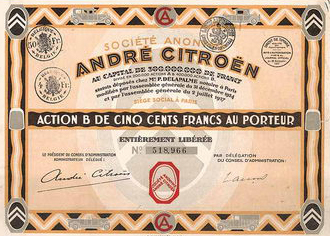
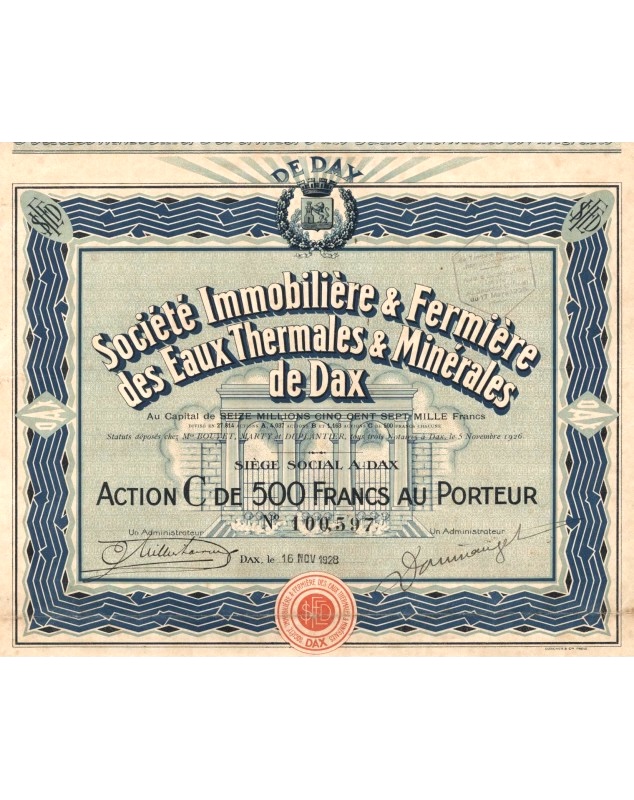
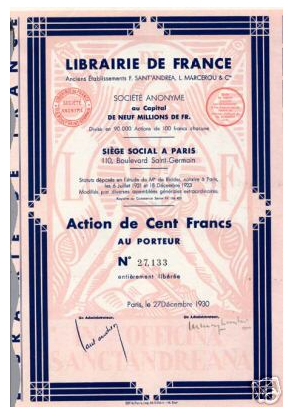
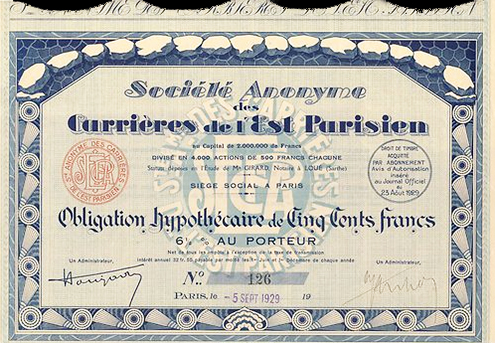
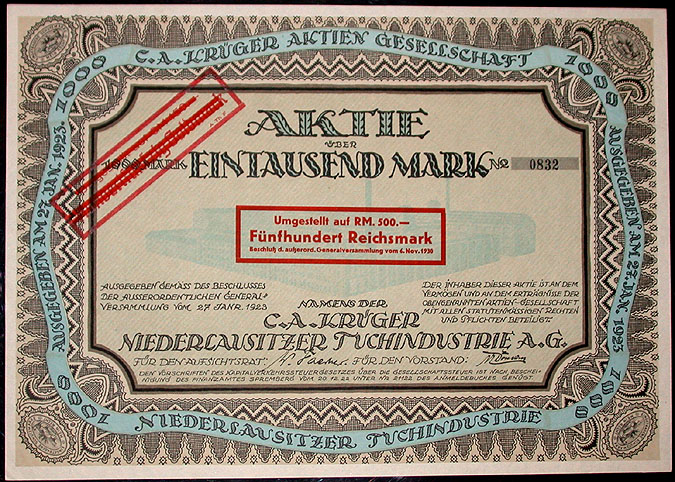
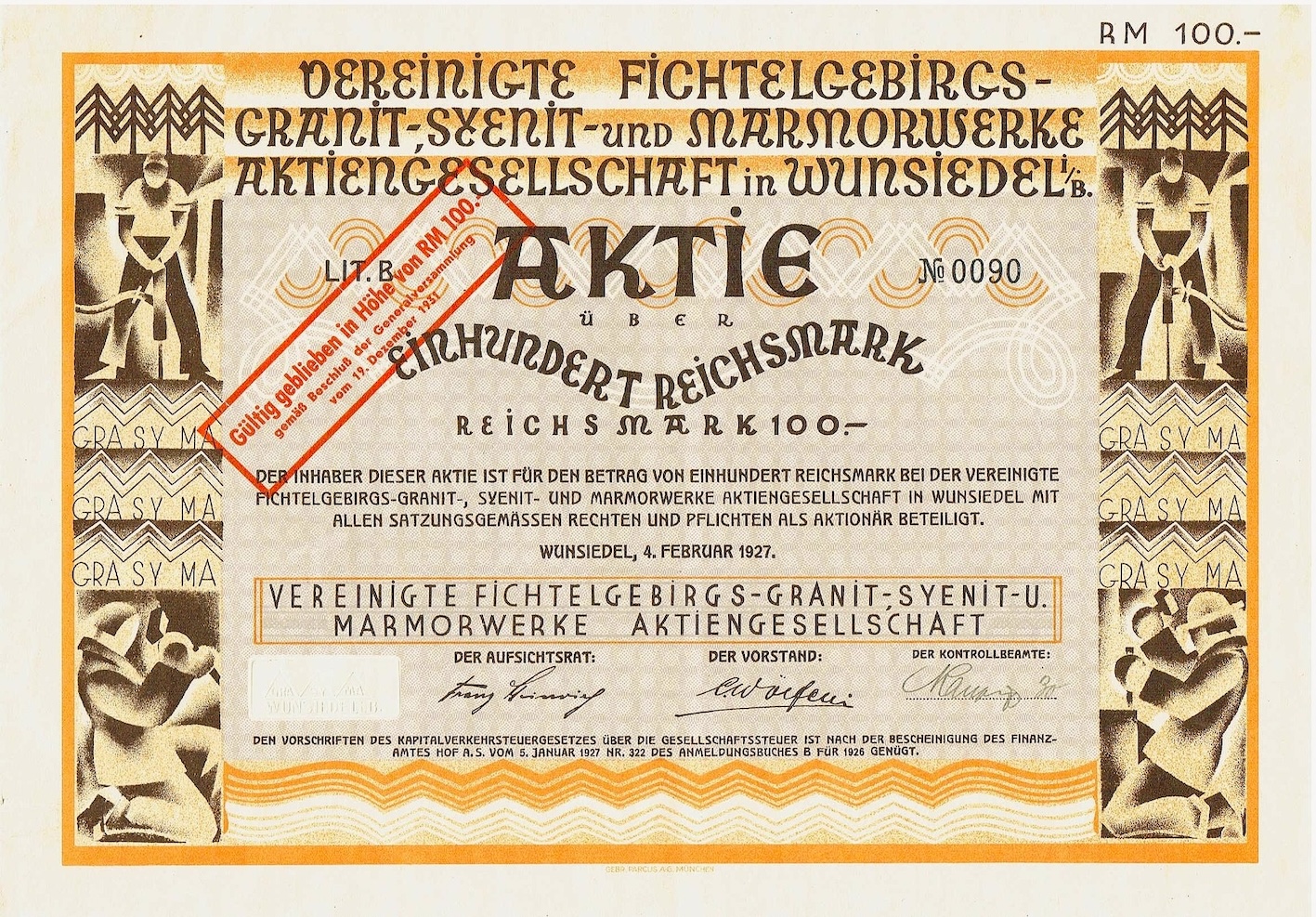
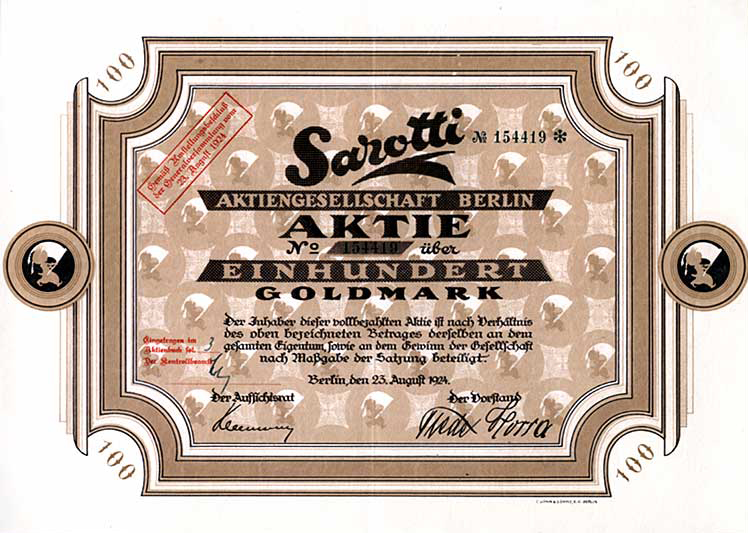
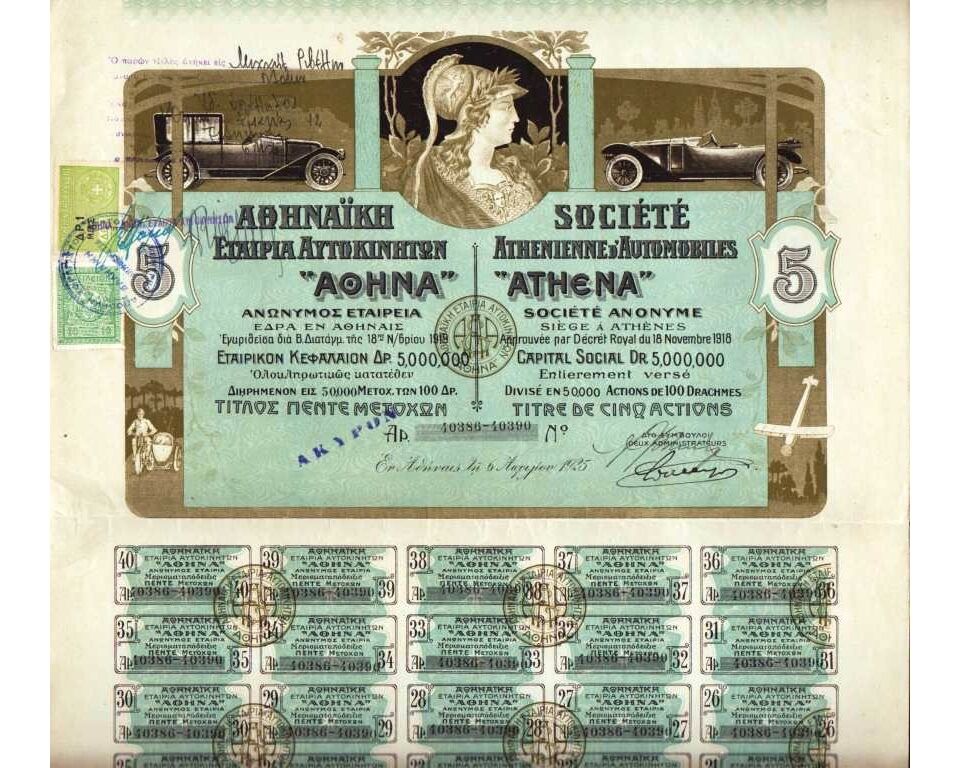
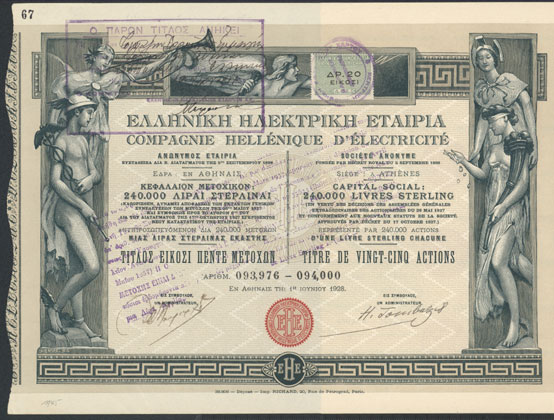
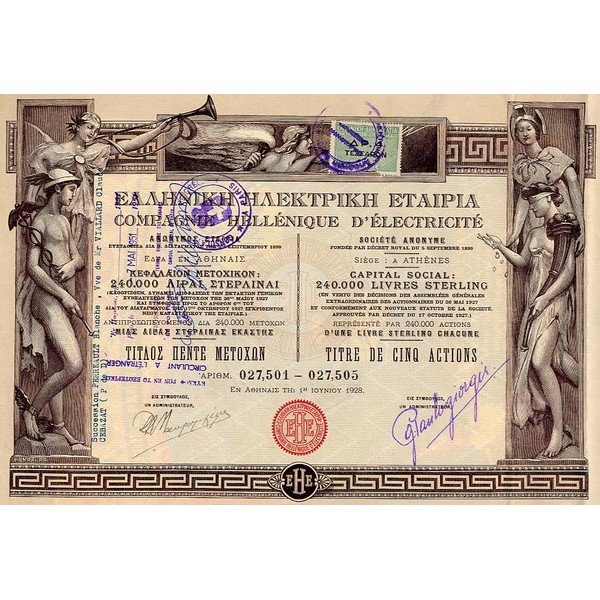
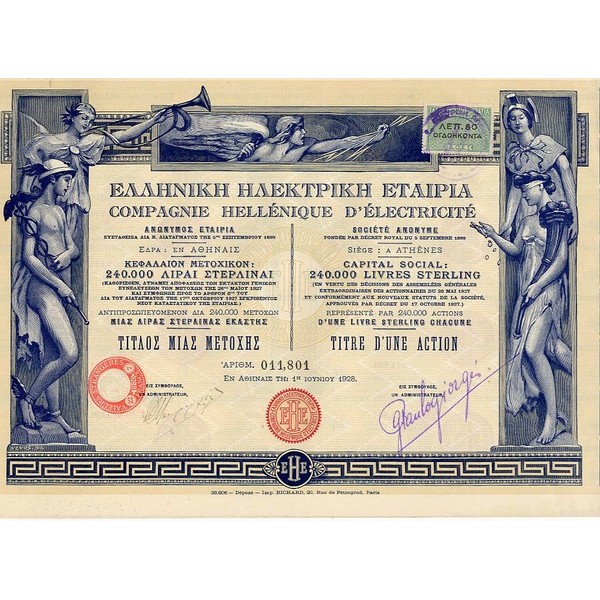
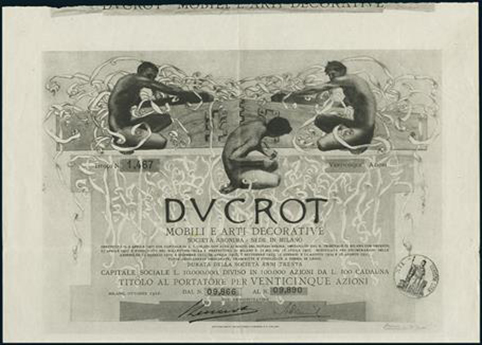
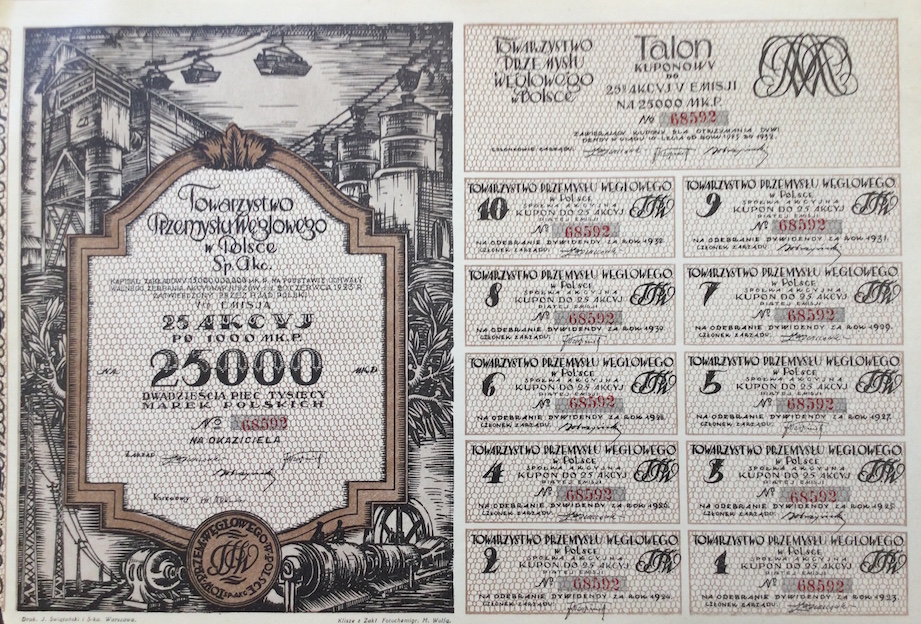
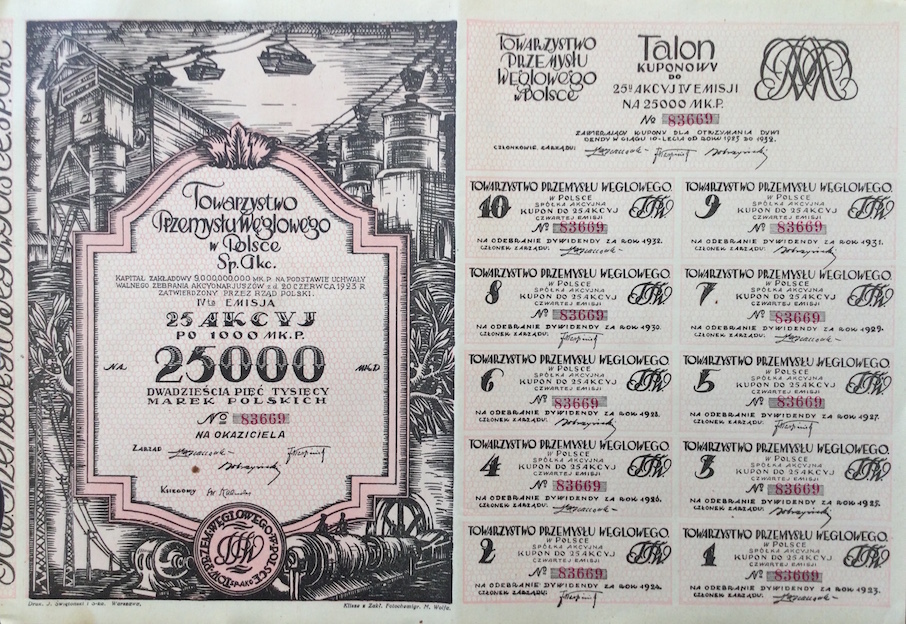
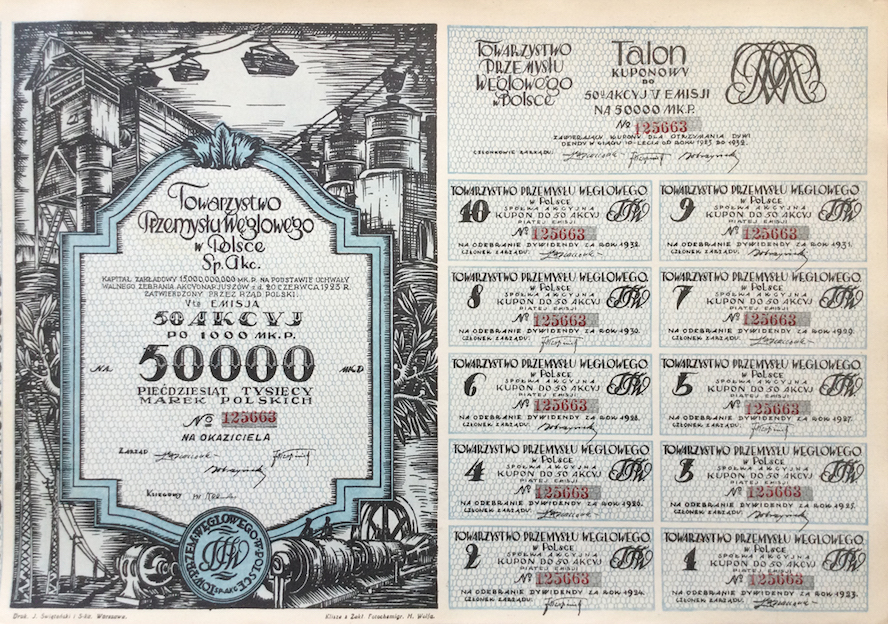
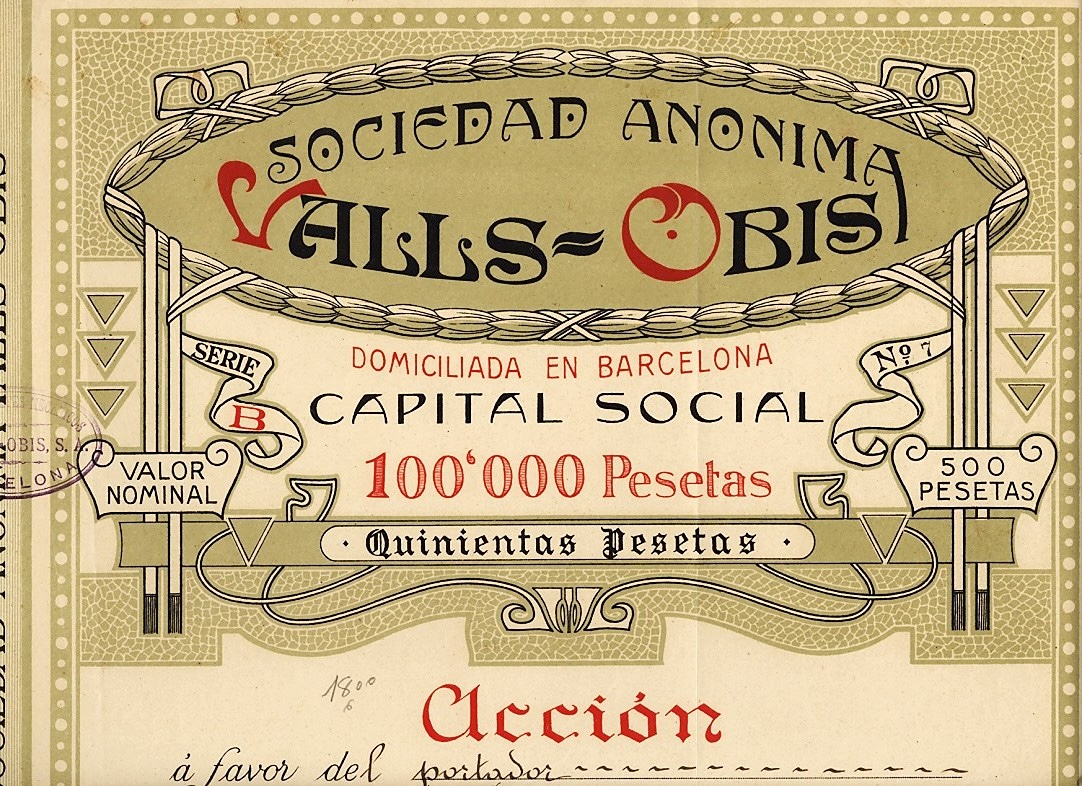
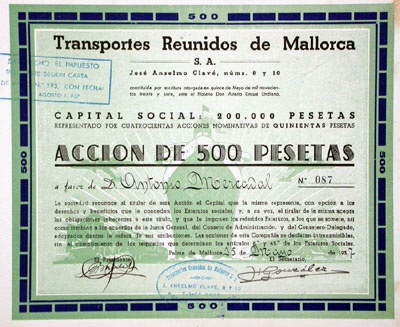
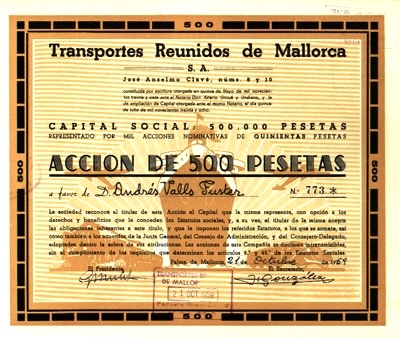
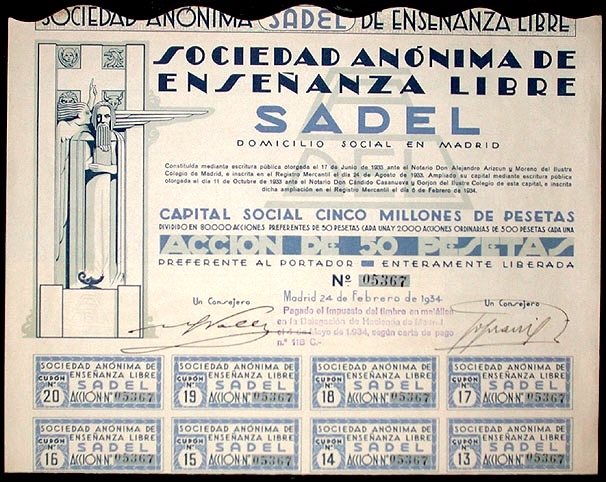
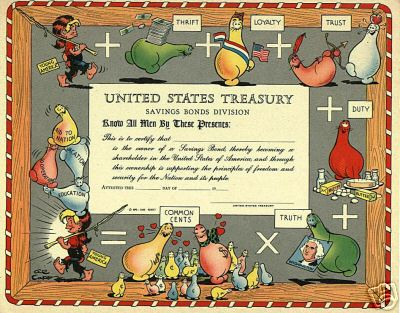
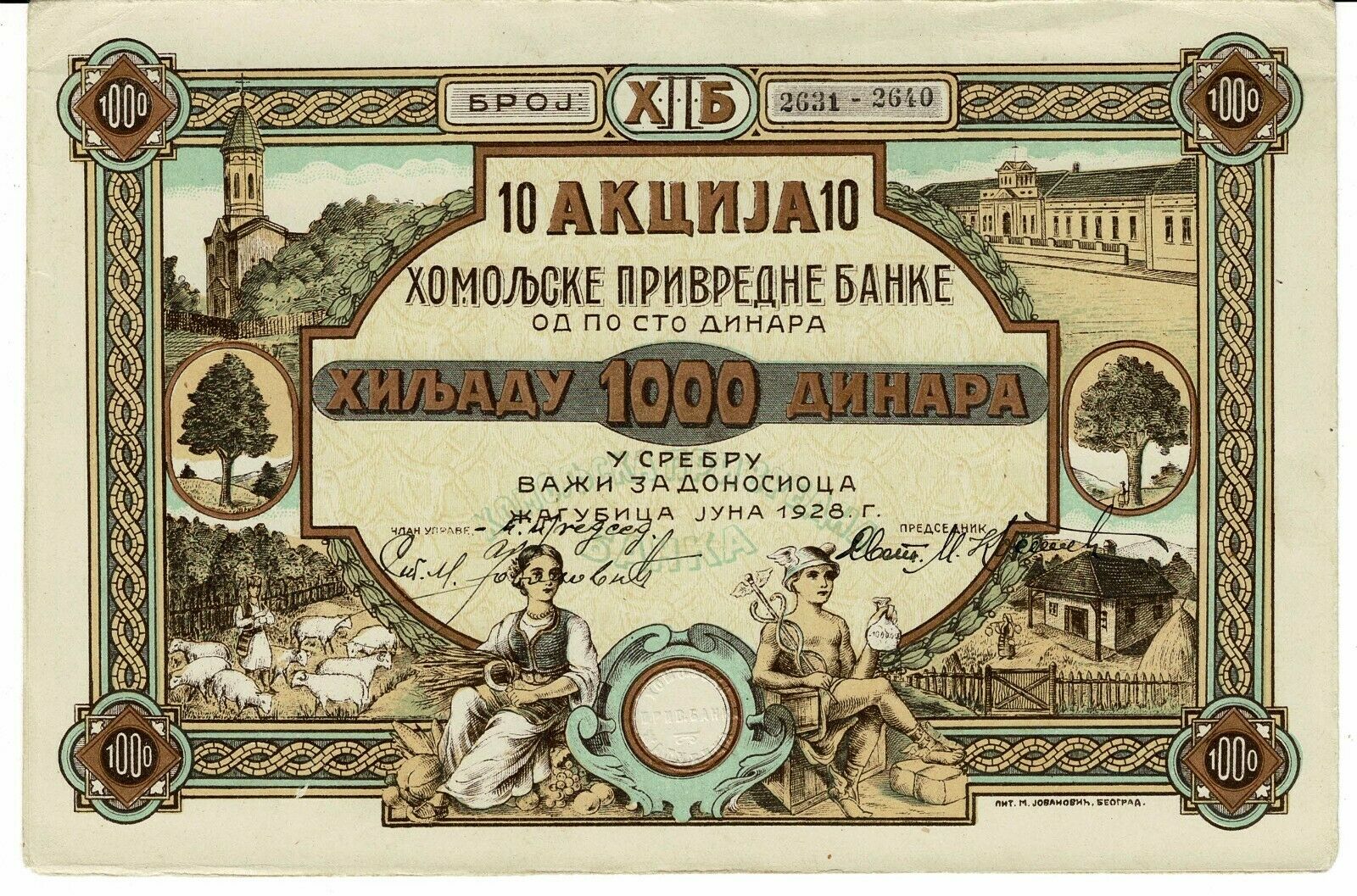
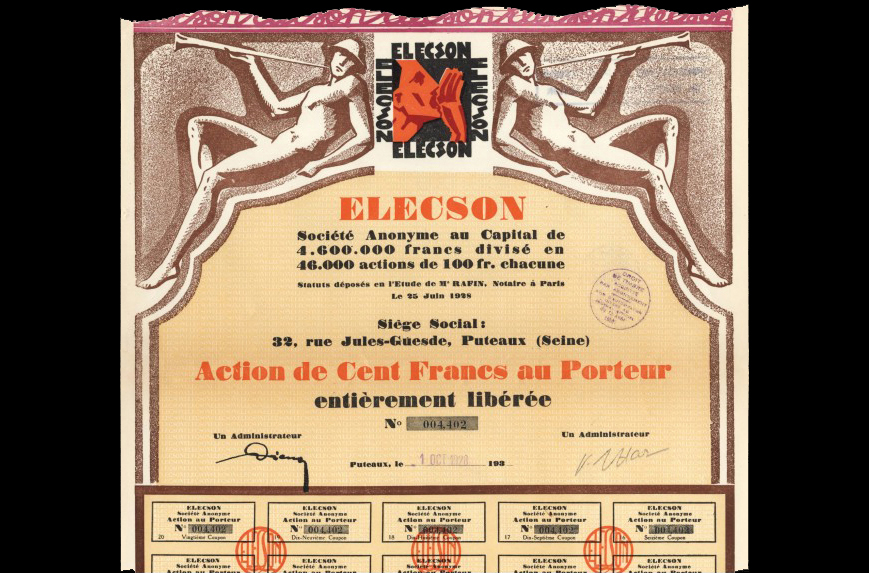
During the early decades of the twentieth century, bonds, share certificates, and other financial instruments were issued in vast numbers by corporations, municipalities, transportation companies, banks, and industrial enterprises throughout Europe and beyond. Intended primarily as legal documents, these printed securities nonetheless became carriers of contemporary design. Often designed by an artist (indicated by “DEL delineavit” = drew it / “facit/fecit” = made it / “Inv. invenit”, Latin: invented, freely translated made/created/drawn it / pinxit “painted it” (pingere: to paint, decorate, depict), the image was then transferred to the stone or printing plate, engraved by an engraver (”grav., Grav.” engraved, engraving, engraving / ”Sc./SC.” sculpsit = engraved it) and thus, in the end, the securities were printed in a special printing house (“Imp. Imprimerie/Imprimeur” = printing house/printed by). These documents often featured the same geometric structures, stylized typography, allegorical figures, and industrial motifs that were also found in architecture …
In this way, financial documentation became an unlikely but revealing surface upon which the ideals of modernity were expressed. Industry, electrification, transportation, and technological progress were translated into pattern, composition, and ornament. What began as instruments of investment now survive as artifacts of graphic design history.