

The Streamlined Office 1930's-1940s
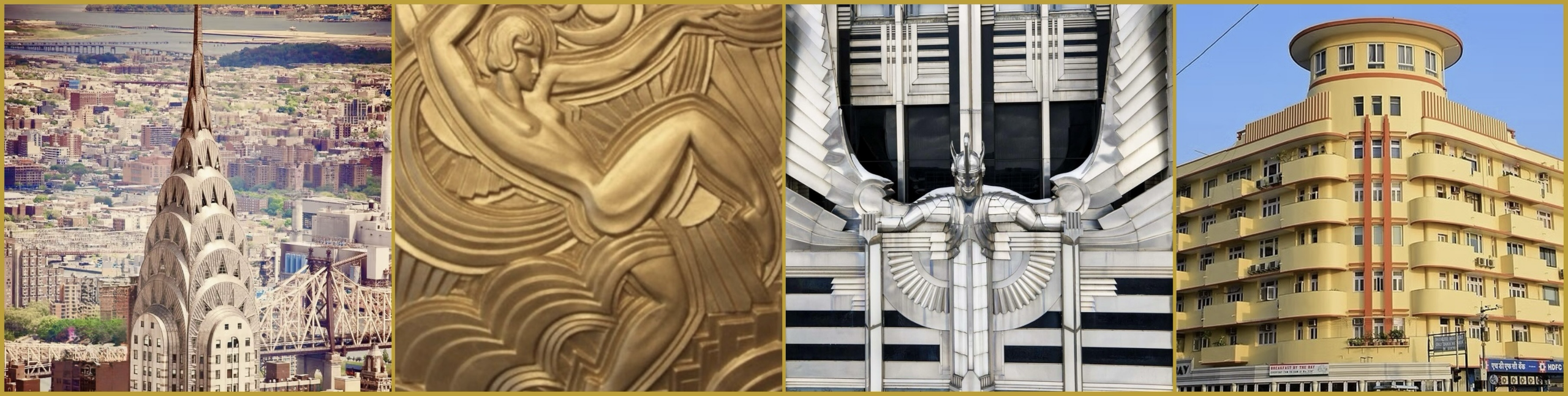
As the 19th century gave way to the 20th, artists, architects, and designers began searching for a new visual language that could break away from the heavy ornament of Victorian design and the flowing decorative richness of Art Nouveau. Visionaries such as Walter Gropius and the Bauhaus circle, along with Theo van Doesburg and the designers of De Stijl, helped lead this transformation by embracing simplicity, geometry, structure, and function. Their ideas helped prepare the ground for the emergence of Art Deco in France, where clean lines, polished surfaces, and elegant modern forms quickly captured the imagination. During the 1920s, Art Deco spread across Europe as a fresh and sophisticated alternative to the styles of the previous generation, reflecting a world increasingly fascinated by speed, industry, luxury, and modern life.
It was in the United States, however, that Art Deco took hold with particular force and confidence. America embraced the style with great gusto, transforming it into something bold, glamorous, and unmistakably modern. Supported by the country’s extraordinary advances in engineering, manufacturing, transportation, and communications, Art Deco in the United States rose to a remarkably high level of achievement. Skyscrapers, movie palaces, ocean liners, automobiles, appliances, lighting, furniture, and everyday objects were all touched by this new design spirit. American industry had the technological power to turn modern design into a national visual language, and in many ways it was this combination of style and innovation that gave Art Deco some of its most memorable and influential expression.
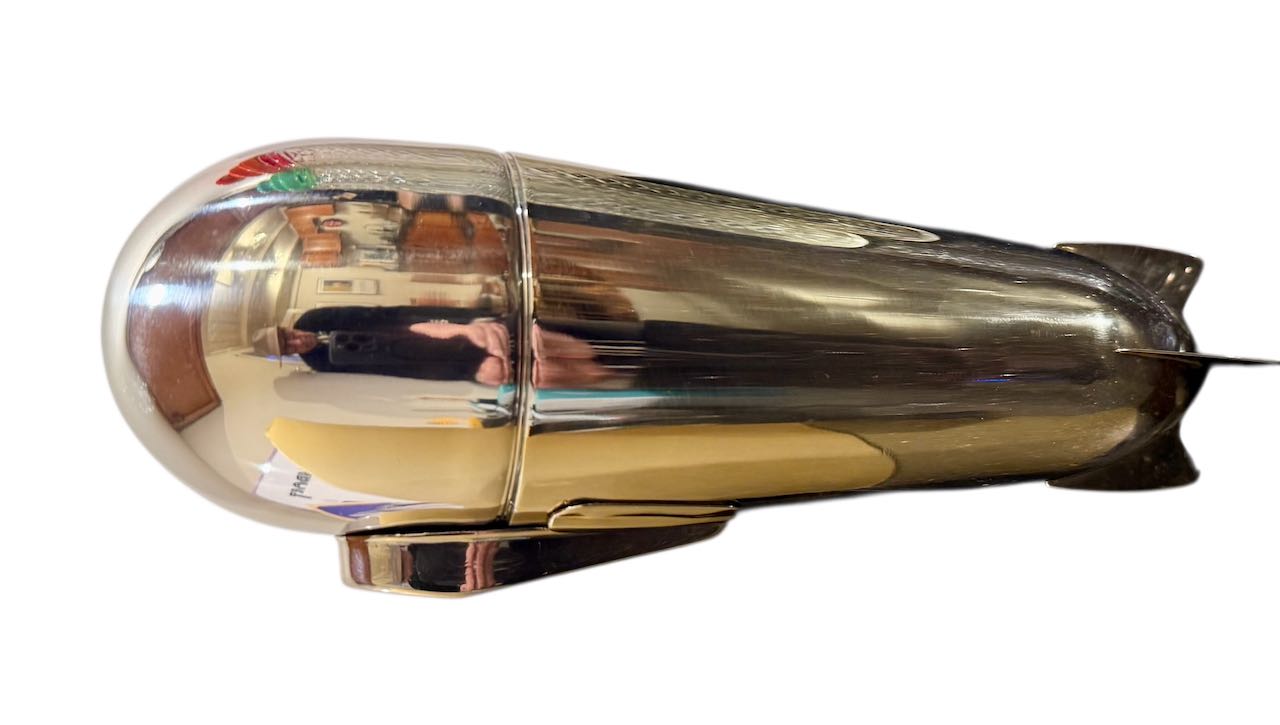
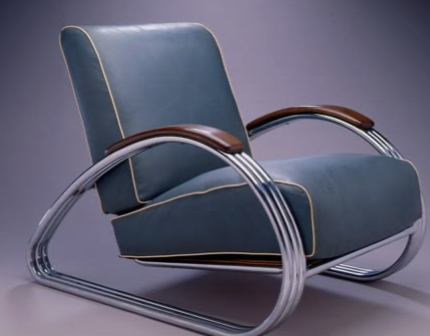
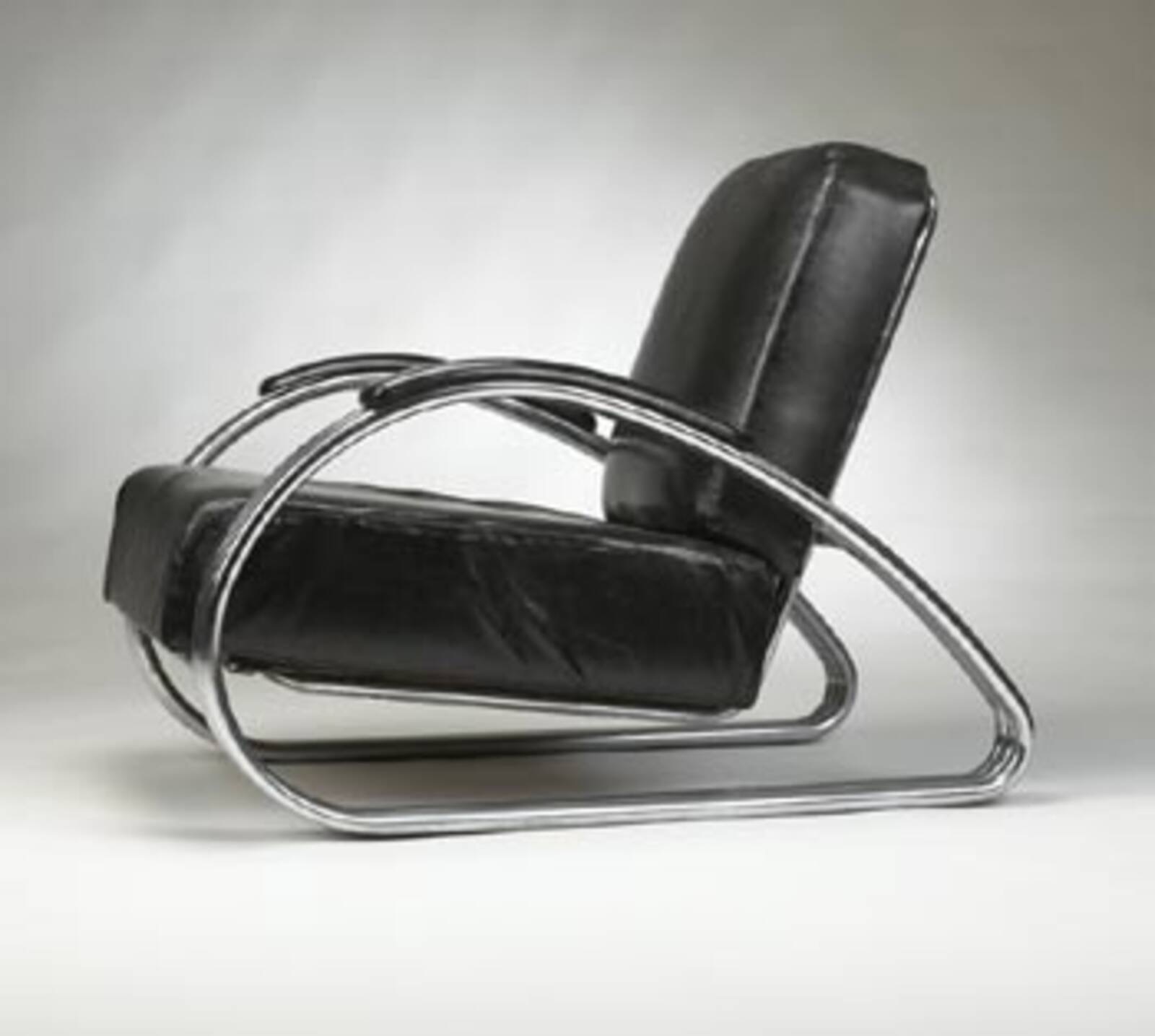
Yet the Great Depression inevitably changed the tone of design. In response to a more difficult economic climate, ornament was often reduced and forms became more restrained, practical, and aerodynamic. From this atmosphere emerged Streamline Moderne, a leaner and more efficient expression of Art Deco that retained the movement’s elegance while emphasizing smooth curves, horizontal lines, speed, and utility. Even in this more disciplined phase, the American talent for innovation continued to push the style forward, proving that modern design could still be visually striking while also reflecting the realities of a changing world.
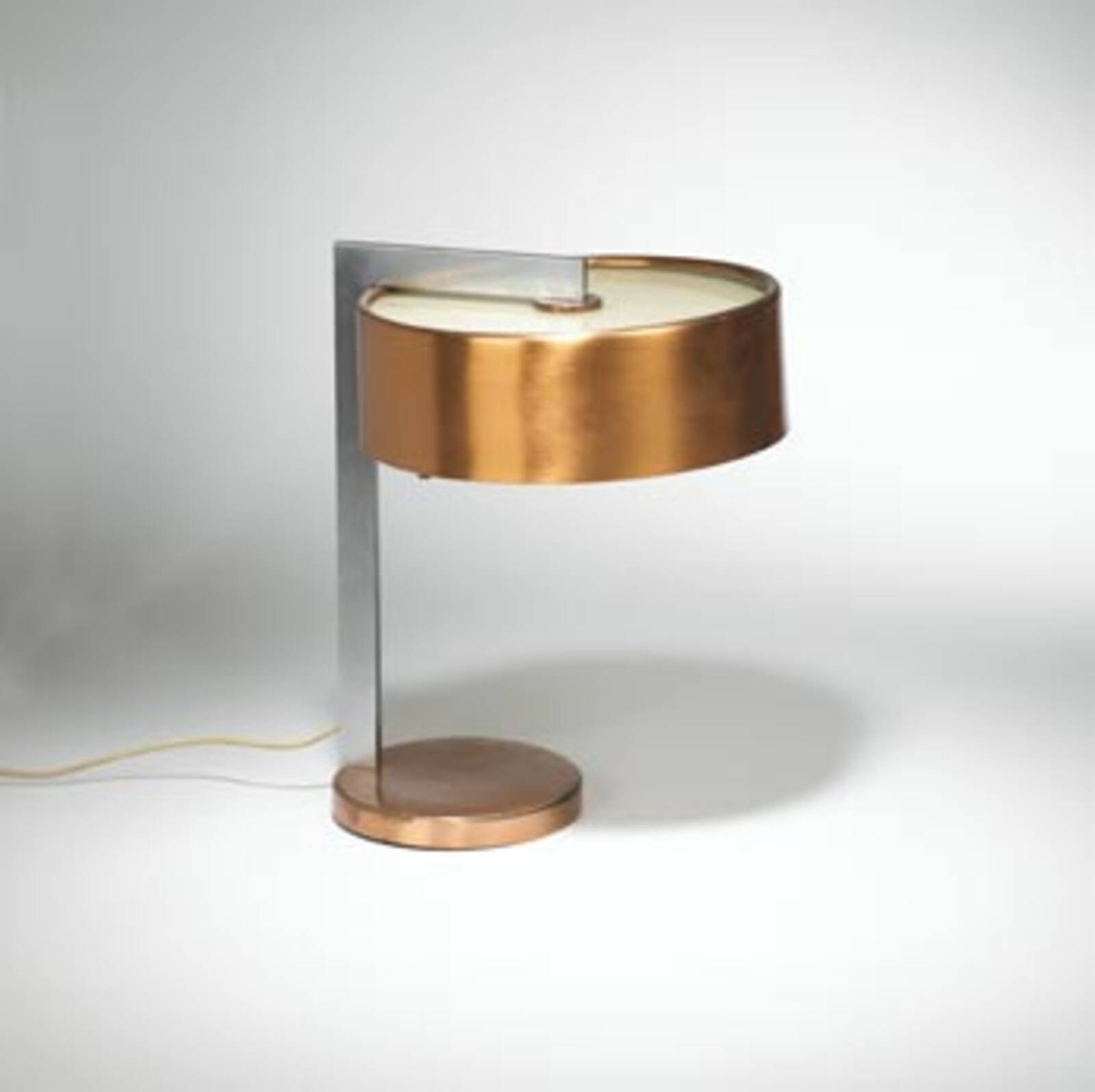
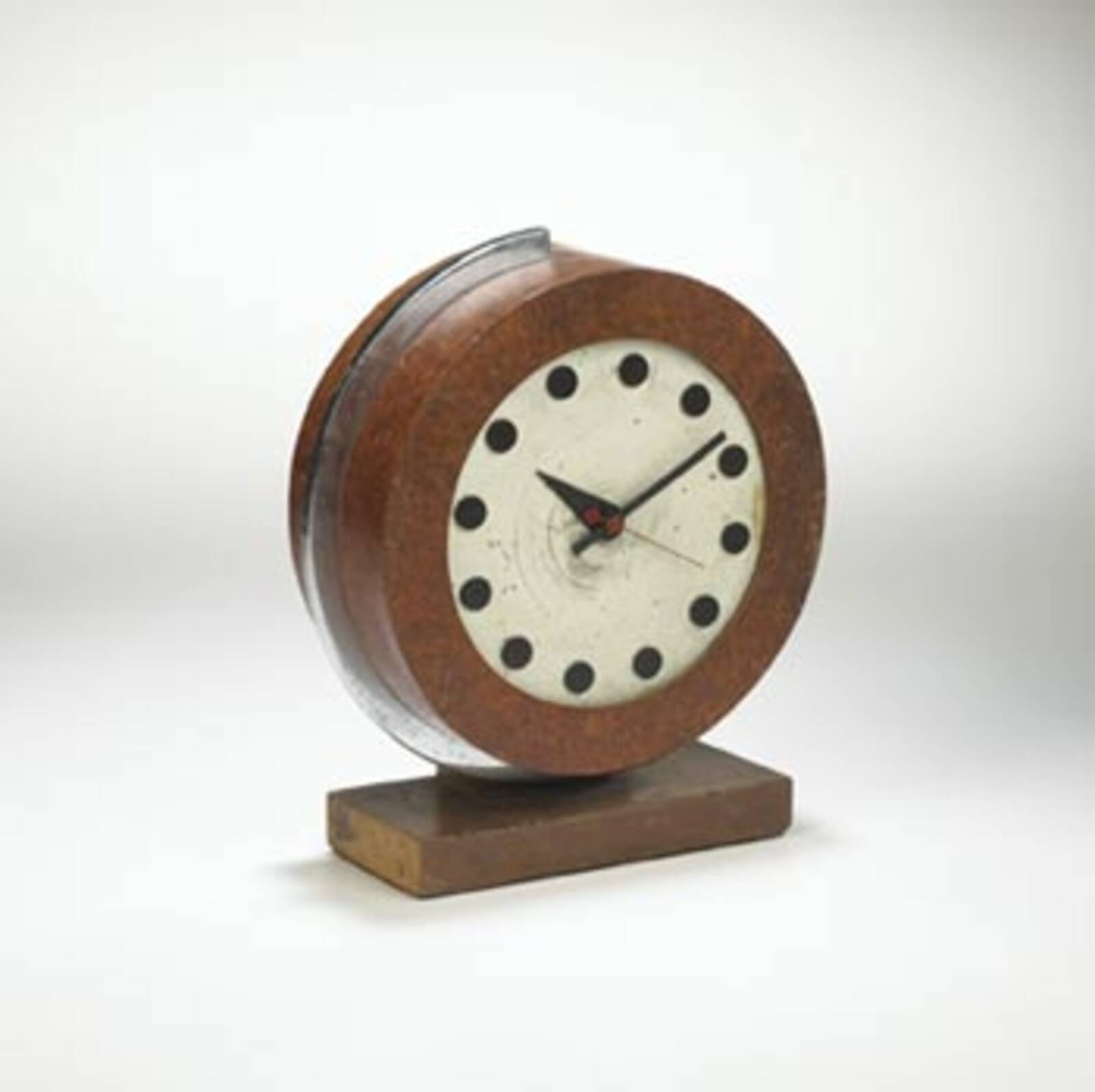
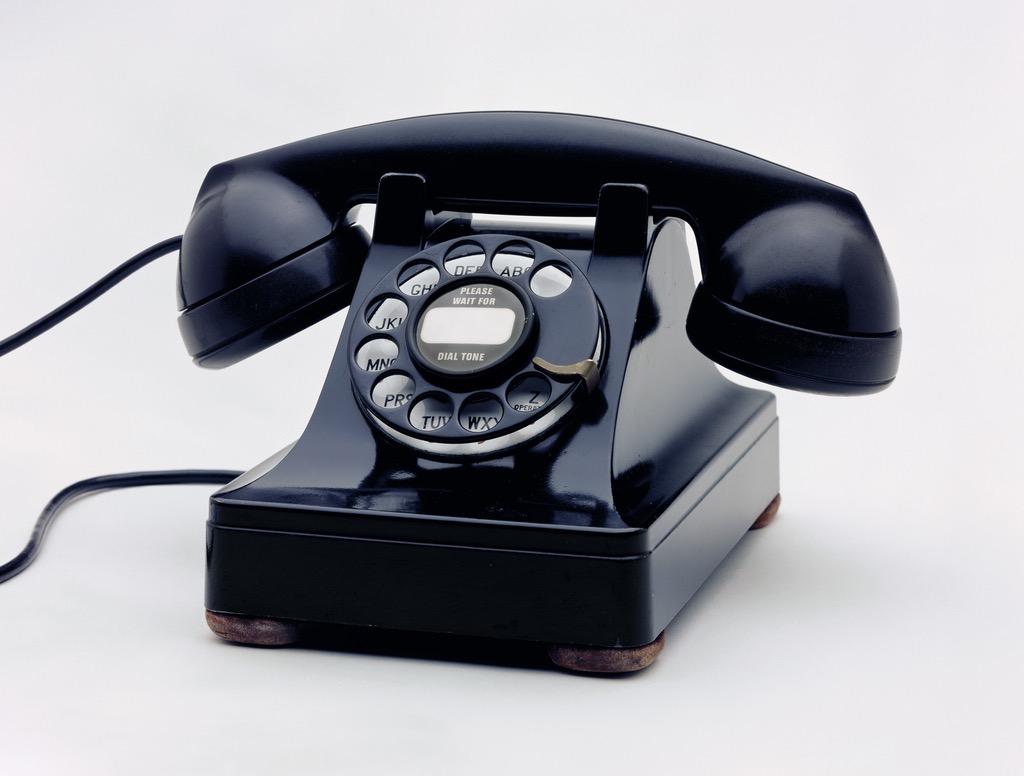
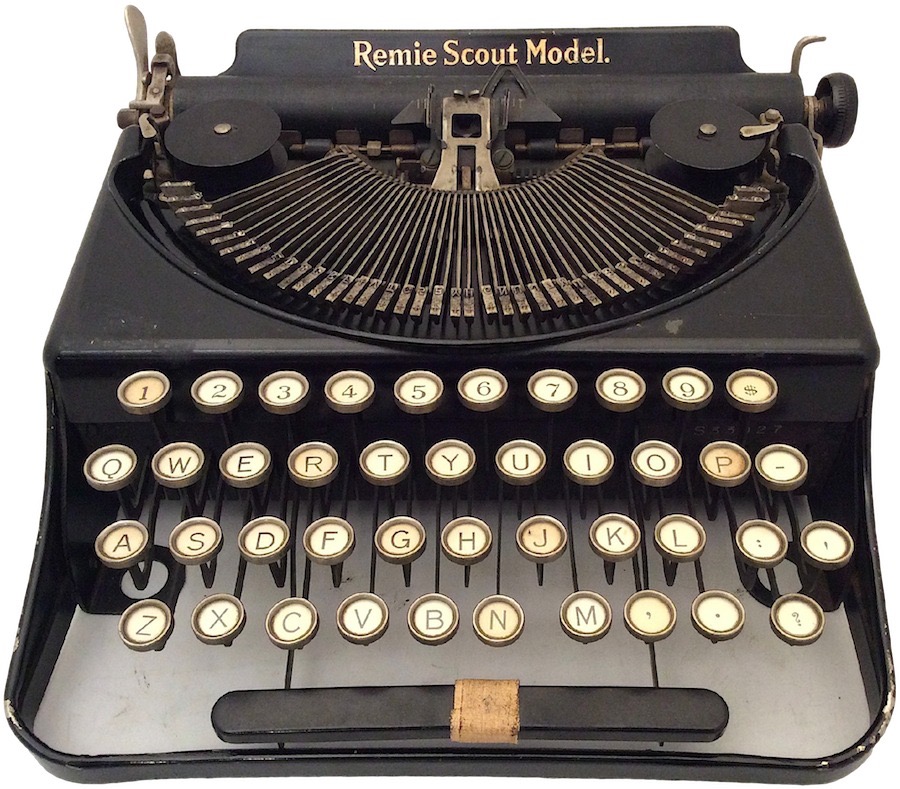
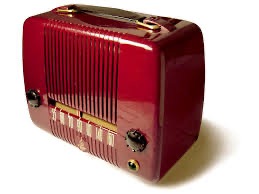
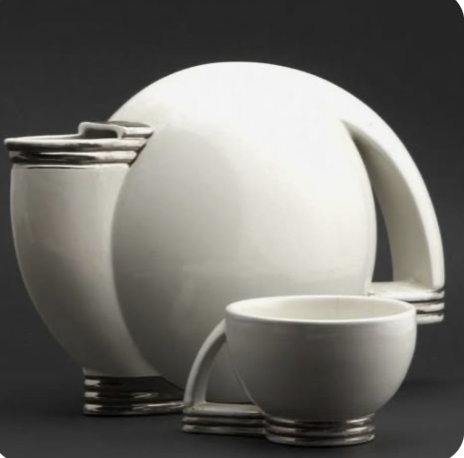
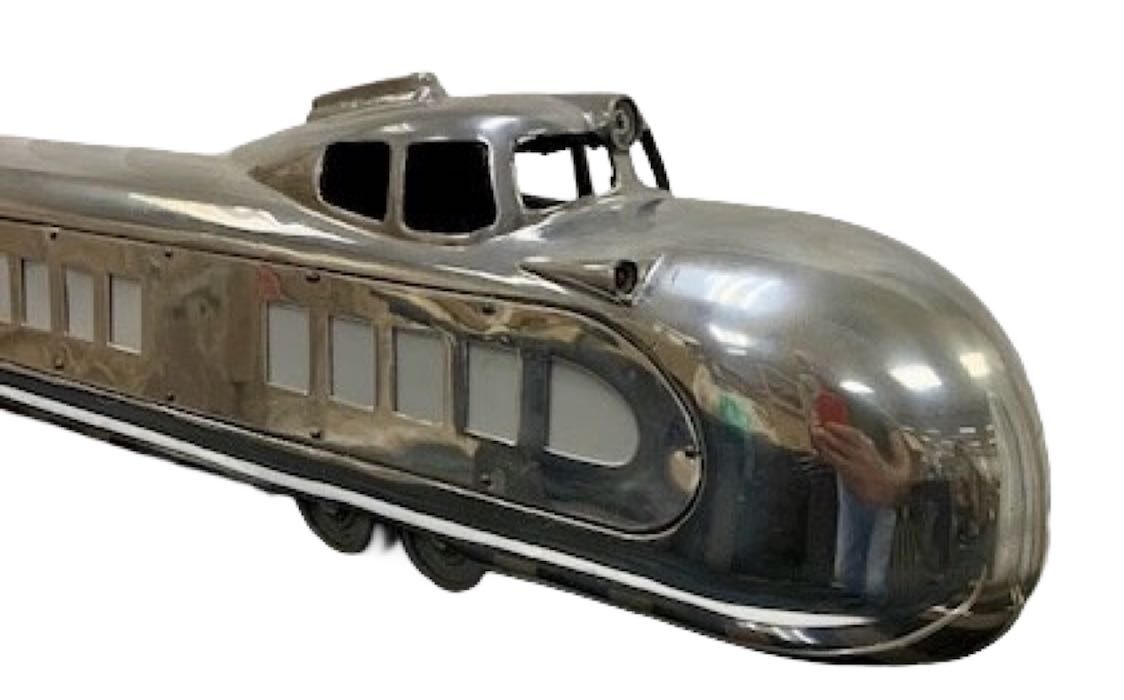
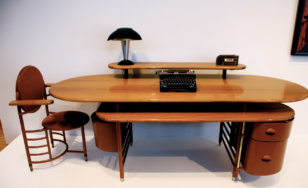
During the Art Deco period, cities reached upward with a new confidence as skyscrapers transformed the skyline and modern offices filled those towers with the tools of a changing world. Every desk required objects that reflected the spirit of progress, and office supplies became part of this new visual language. Streamline Moderne emerged from the broader Art Deco era as a more restrained and flowing expression of modern design, shaped in part by the economic realities of the Great Depression. Designers moved away from excessive ornament and embraced smooth contours, long horizontal lines, and a sense of motion. This machine age aesthetic appeared everywhere, from ocean liners and locomotives to radios and automobiles, and it also found a distinctive place in the workplace through objects that made even ordinary office routines feel modern and optimistic.
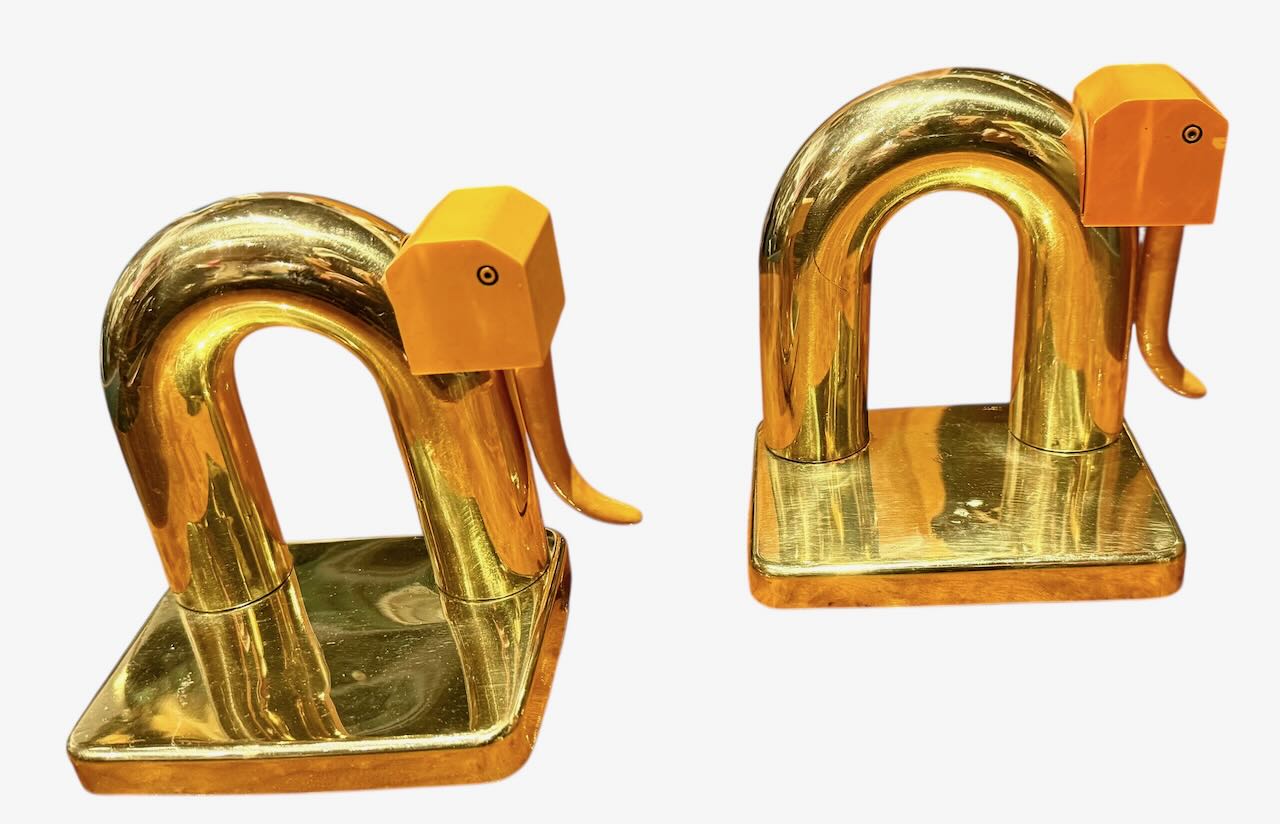
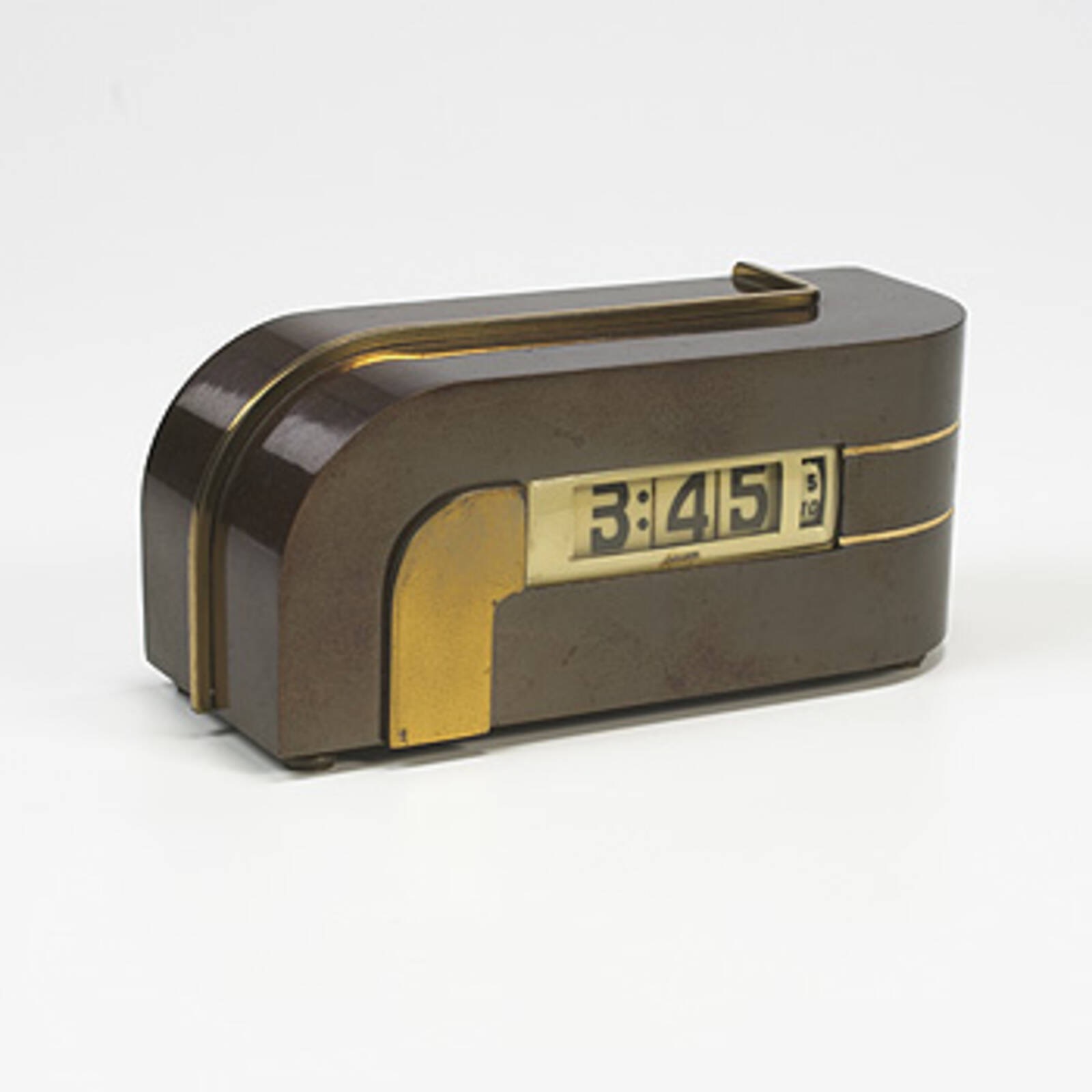
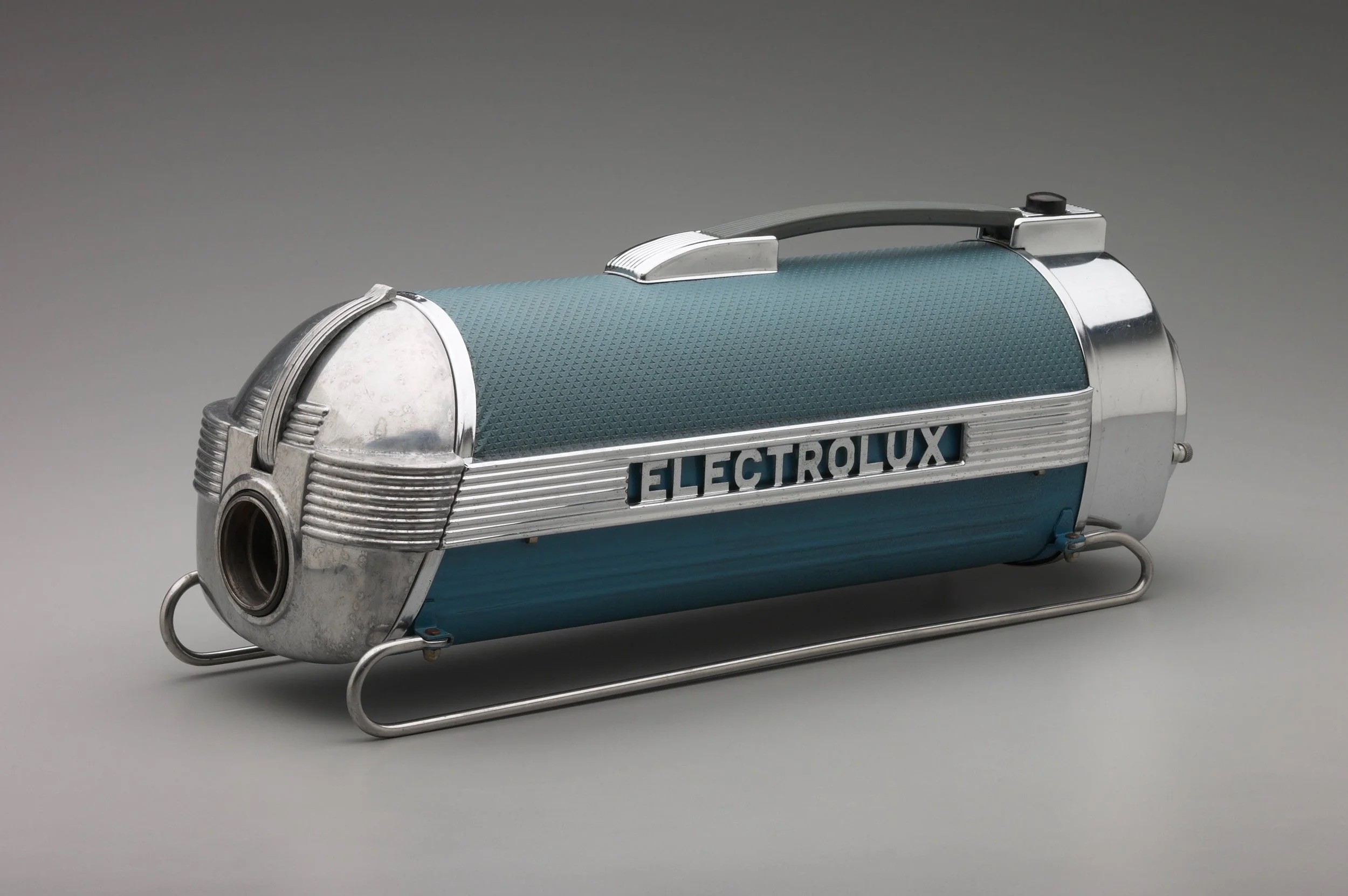
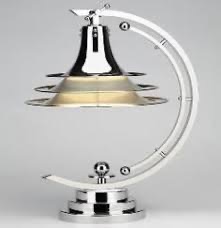
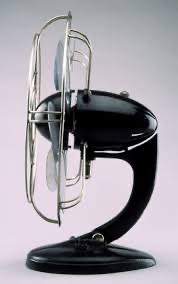
By the 1930s, industrial designers were reimagining the office through the use of new materials, especially Bakelite, which opened the door to forms that had once been difficult or costly to produce. Molded into sleek curves and softened silhouettes, Bakelite gave office accessories a futuristic quality that felt entirely in step with the age. Designers often paired these molded plastics with chrome or steel, creating a sophisticated contrast between warm sculptural surfaces and cool reflective metal. Pencil sharpeners, desk sets, clocks, lamps, telephones, and staplers were no longer seen as purely practical objects, but as expressions of speed, efficiency, and modern taste. In these streamlined forms, the office became a stage for design, where everyday tools embodied the promise of a cleaner, faster, and more elegant future.

If you are interested in further stories of ‘Art Deco Around the World’ history and global design.
Related Products