✕



ART & STATUES

CERAMICS + ART-GLASS
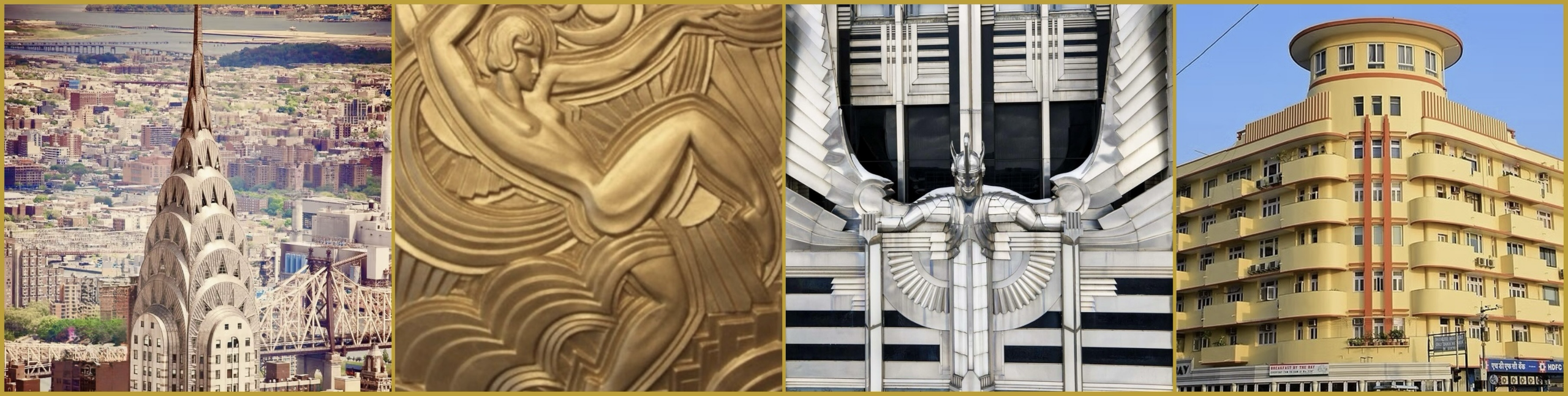
Art Deco Around The World
The Chrysler Building
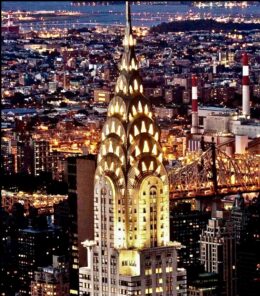
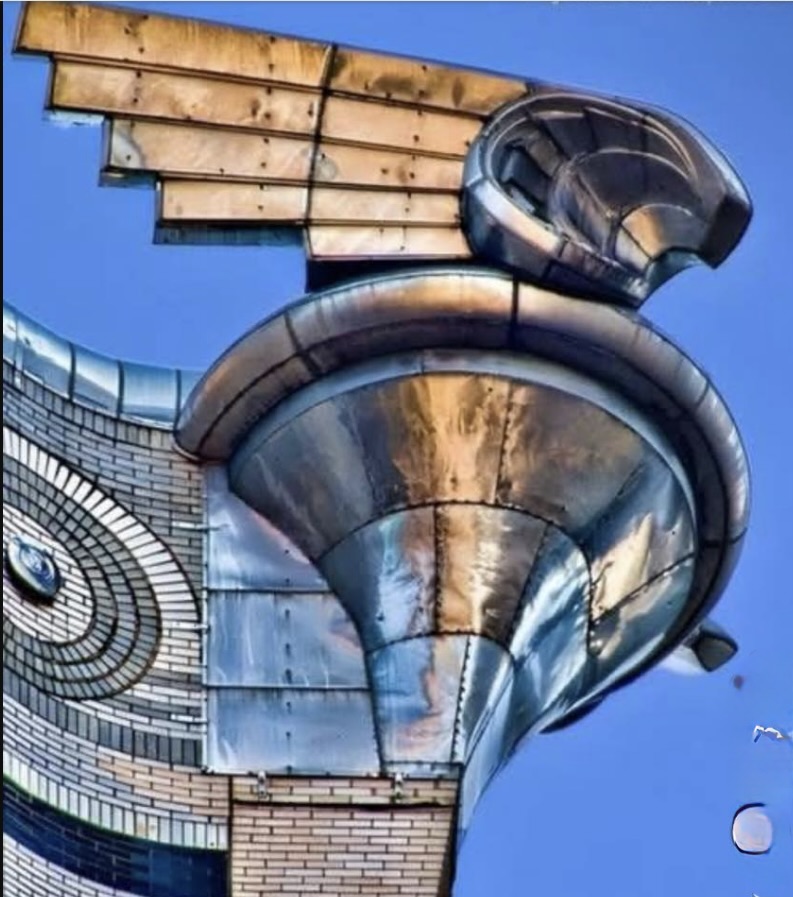
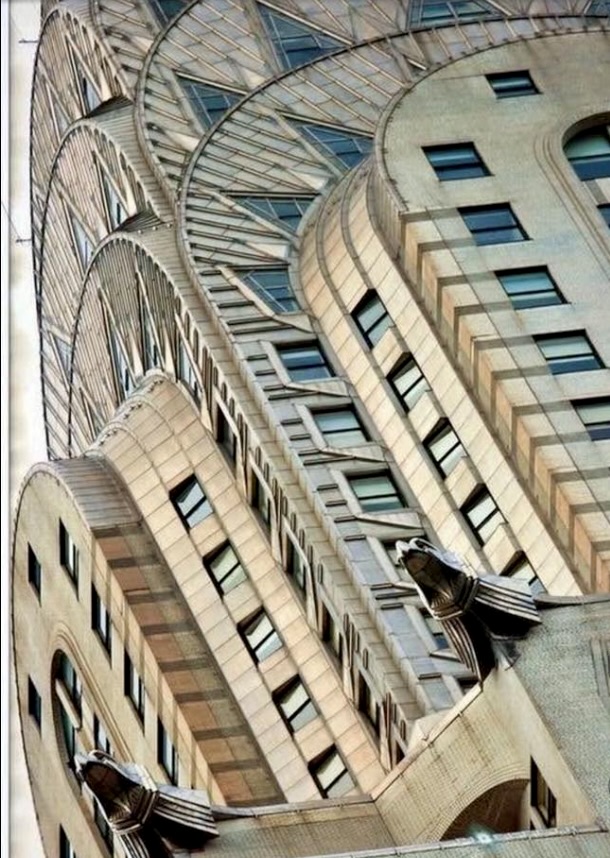
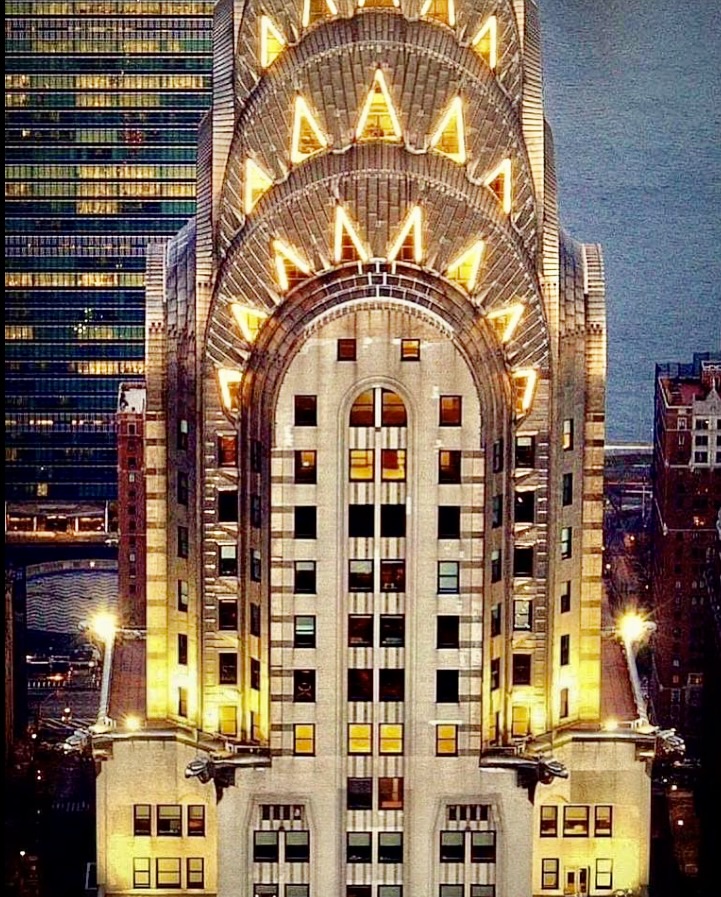
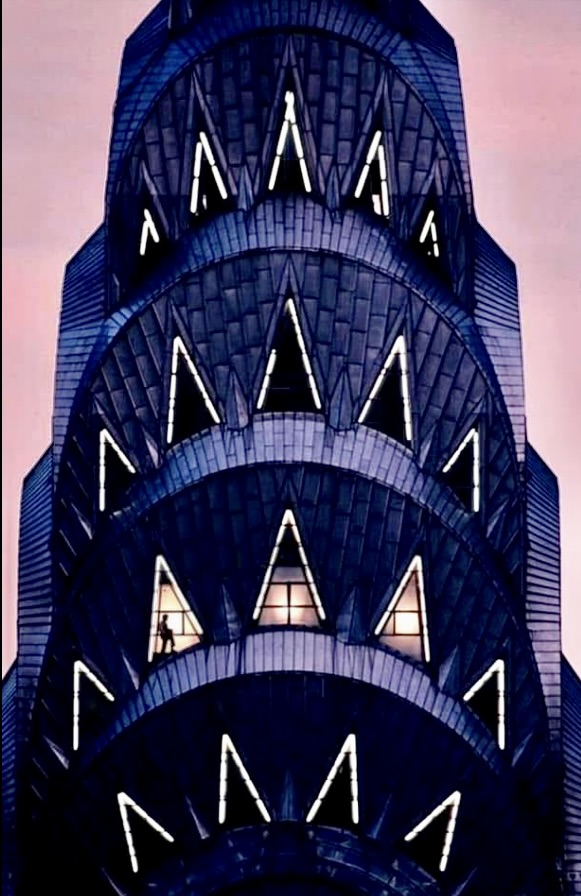
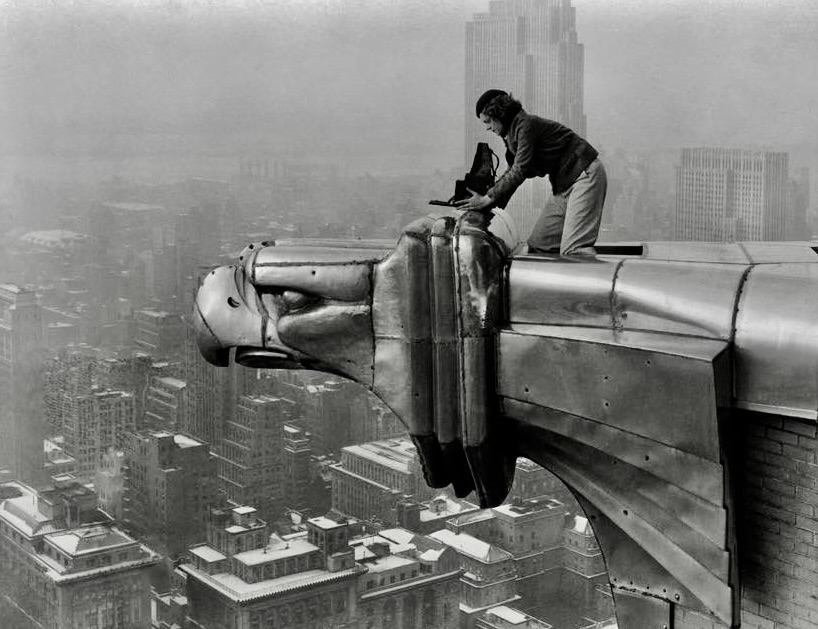
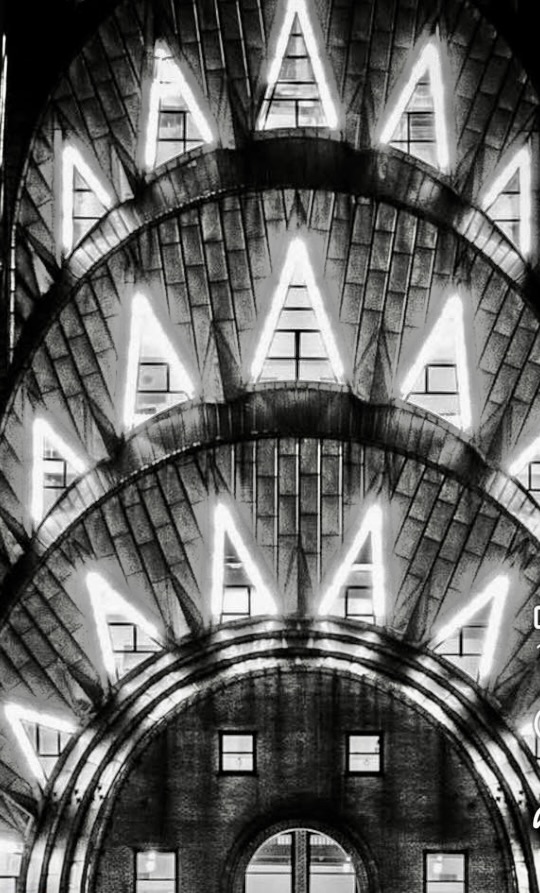
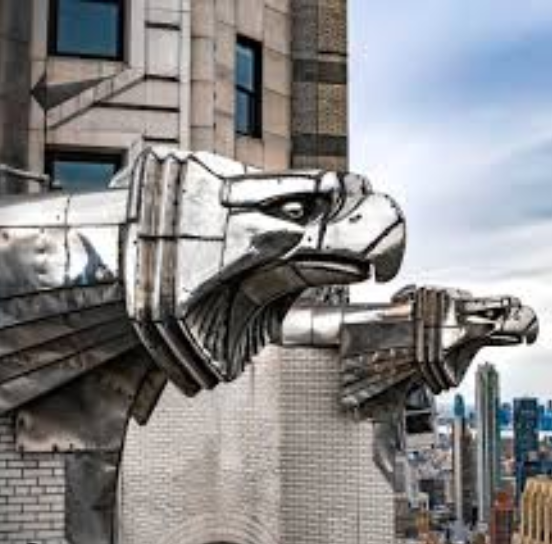
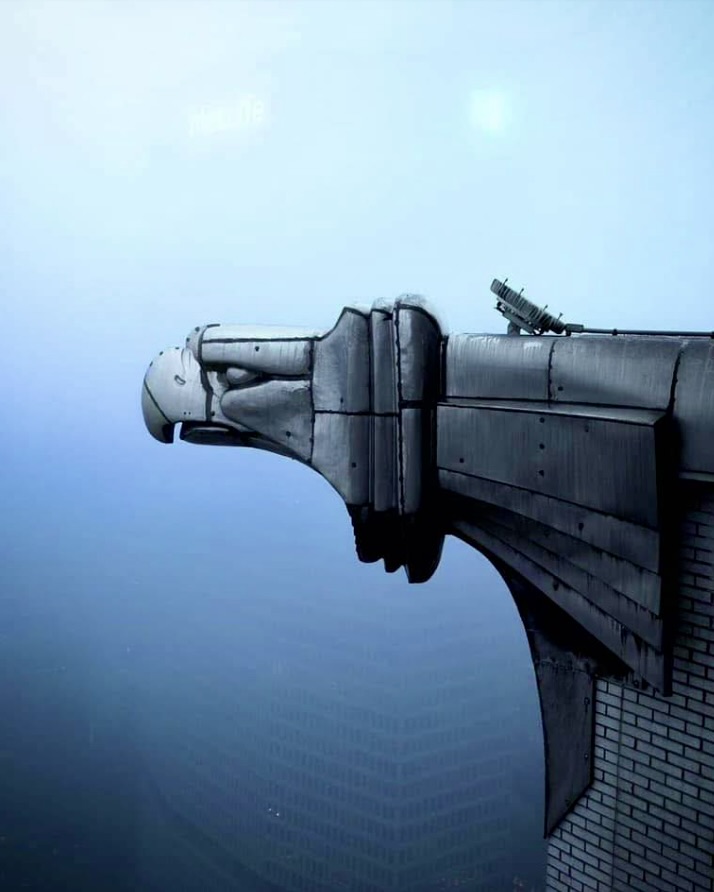
The Chrysler Building, designed by architect William Van Alen and completed in May 1930, remains one of the supreme achievements of the Art Deco age and one of the defining images of the New York skyline. Rising more than 1,000 feet, it still holds the distinction of being the tallest brick building in the world. Its vast scale is matched by remarkable technical ambition, with more than one million square feet of office space, 3,800 windows, and 36 elevators capable of traveling 900 feet per minute. Yet what makes the building unforgettable is not size alone, but the theatrical beauty of its design. The stainless steel crown, with its radiating triangular windows, transforms the tower into a beacon after dark. At the 61st floor, monumental steel eagles project from the corners, while the 31st floor is encircled by silver winged ornaments inspired by Chrysler automobile hubcaps, linking architecture directly to the modern machine age.
Commissioned by Walter P. Chrysler, the building was conceived not simply as an office tower, but as a bold statement of corporate identity, progress, and modern American style. It was among the first skyscrapers to feature a dramatic decorative crown whose purpose was visual distinction rather than practical use. That decision helped secure its place in the heated competition to claim the title of the tallest building in the world, a race that briefly defined New York in the late 1920s and early 1930s. The Chrysler Building, the Woolworth Building before it, and the Empire State Building soon after, all helped redefine what the modern skyline could be. Their stepped forms were also shaped by zoning laws intended to allow sunlight to reach the streets below. At the same time, advances in steel construction and elevator safety made ever greater height possible, giving architects and developers the confidence to build upward with unprecedented ambition.
Exterior Photos
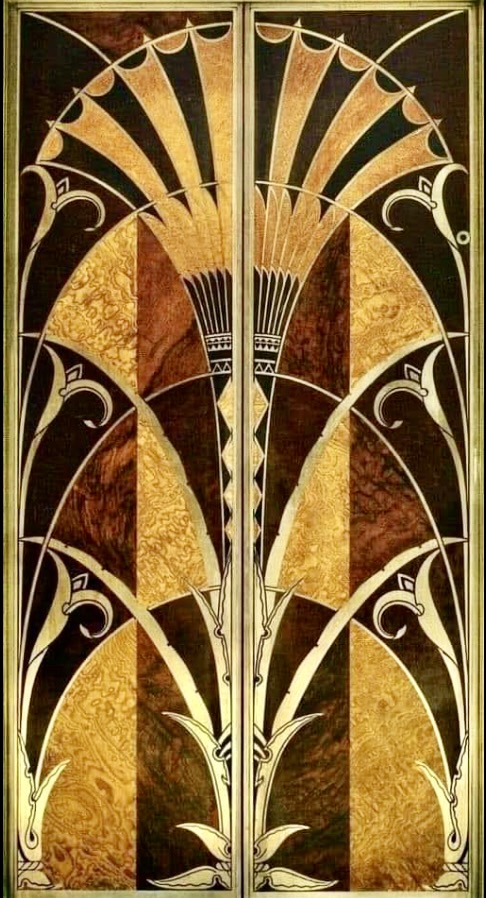
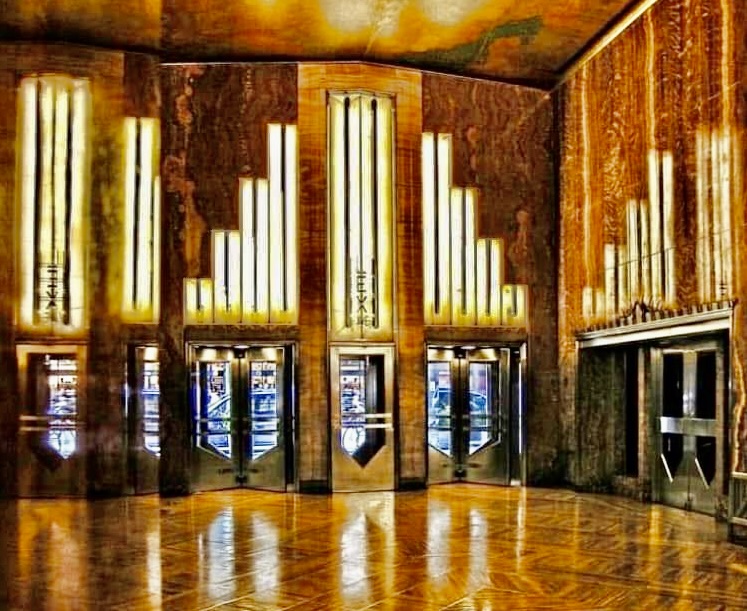
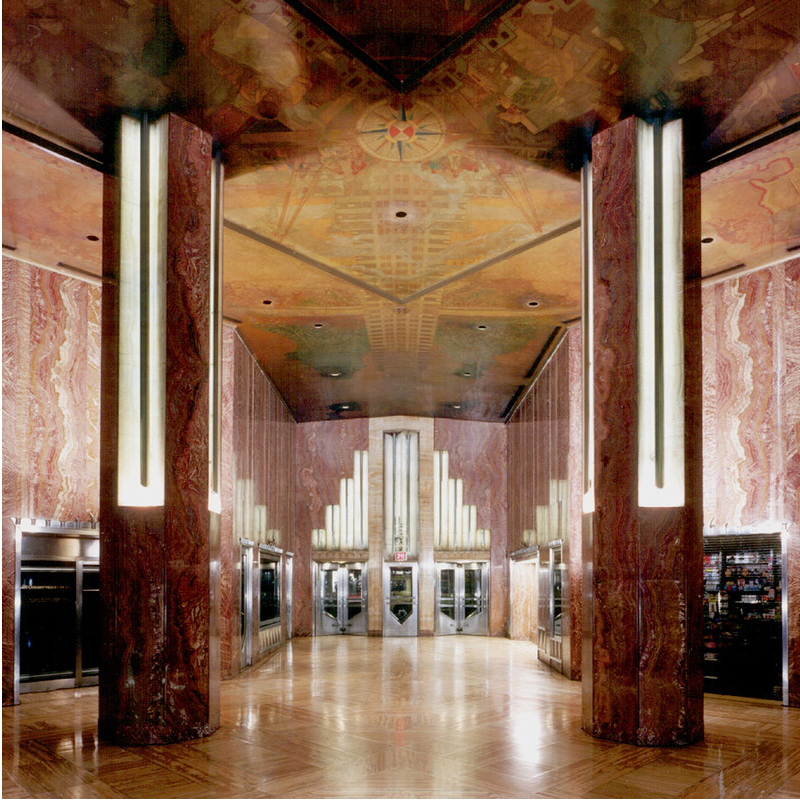
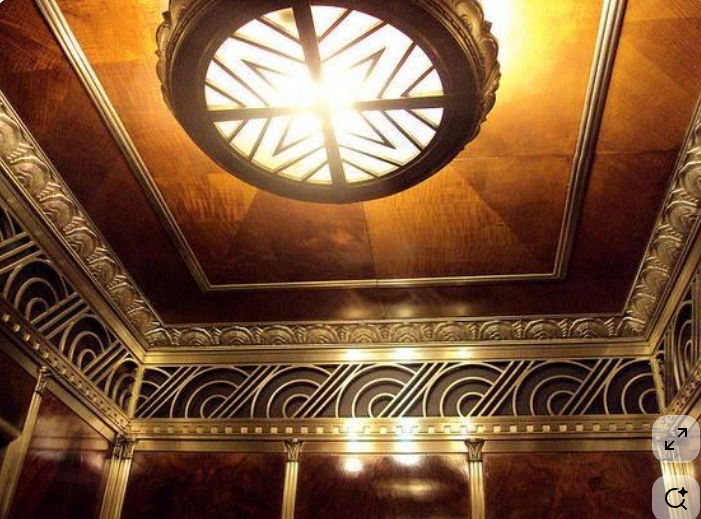
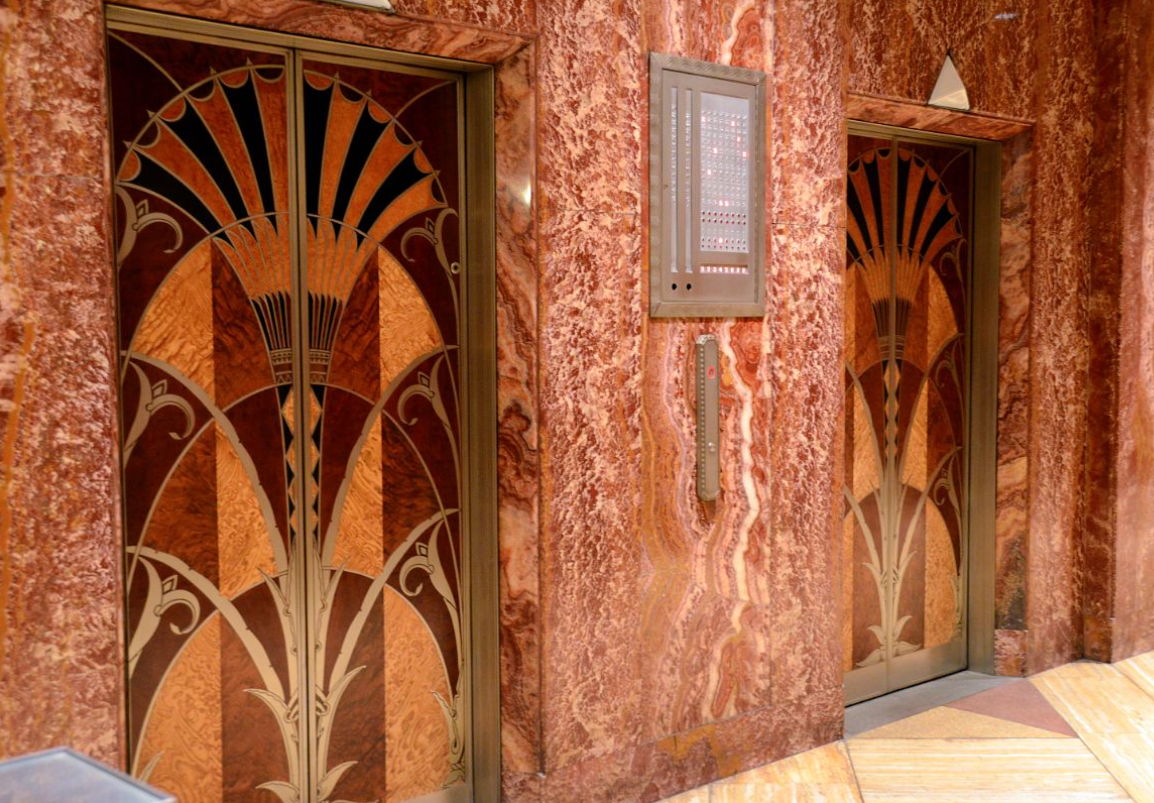
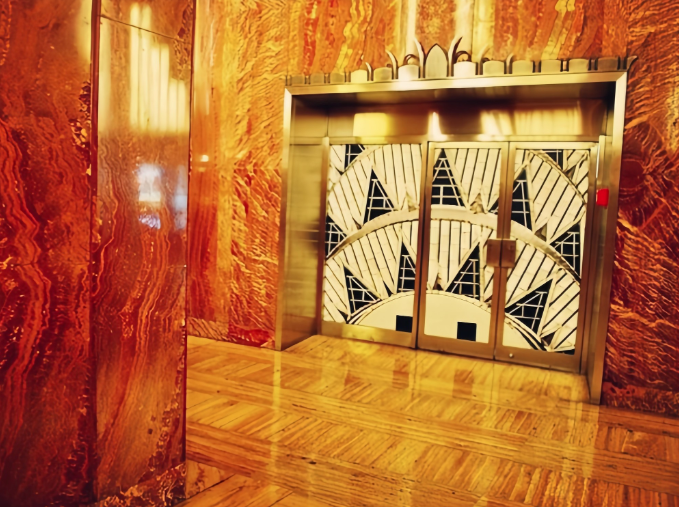
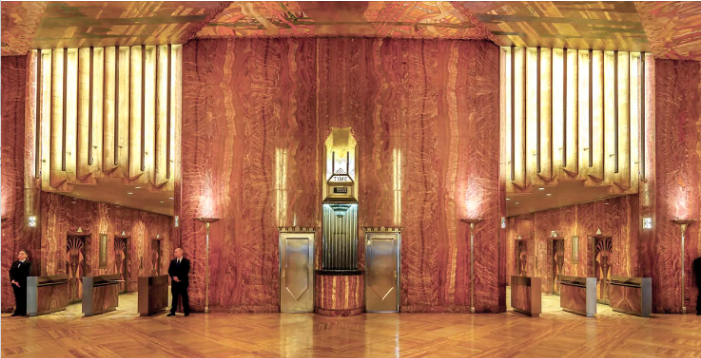
Inside, the Chrysler Building reveals the richness and refinement that make it one of the great total works of Art Deco design. The lobby is clad in warm amber Moroccan marble, illuminated by dramatic Deco lighting that heightens its sense of luxury and scale. Above, Edward Turnbull’s mural, Transport and Human Endeavor, celebrates industry, labor, and the streamlined future, depicting figures engaged in the creation of Chrysler automobiles with touches of gold leaf that animate the composition. At the time, it was considered the largest mural in the world. Equally impressive are the elevator doors, surfaced in exotic wood veneers arranged in the stylized form of an Egyptian papyrus plant. Their imagery reflects the fascination with Egyptian revival that swept through design after the discovery of Tutankhamun’s tomb. Crafted from an extraordinary range of woods, these doors turn a functional surface into a work of decorative art, fully in keeping with the building’s vision of modern elegance.
Interior Photos


ART & STATUES
CERAMICS + ART-GLASS
© Copyright Art Deco Collection. 2026 All rights reserved. Site Map