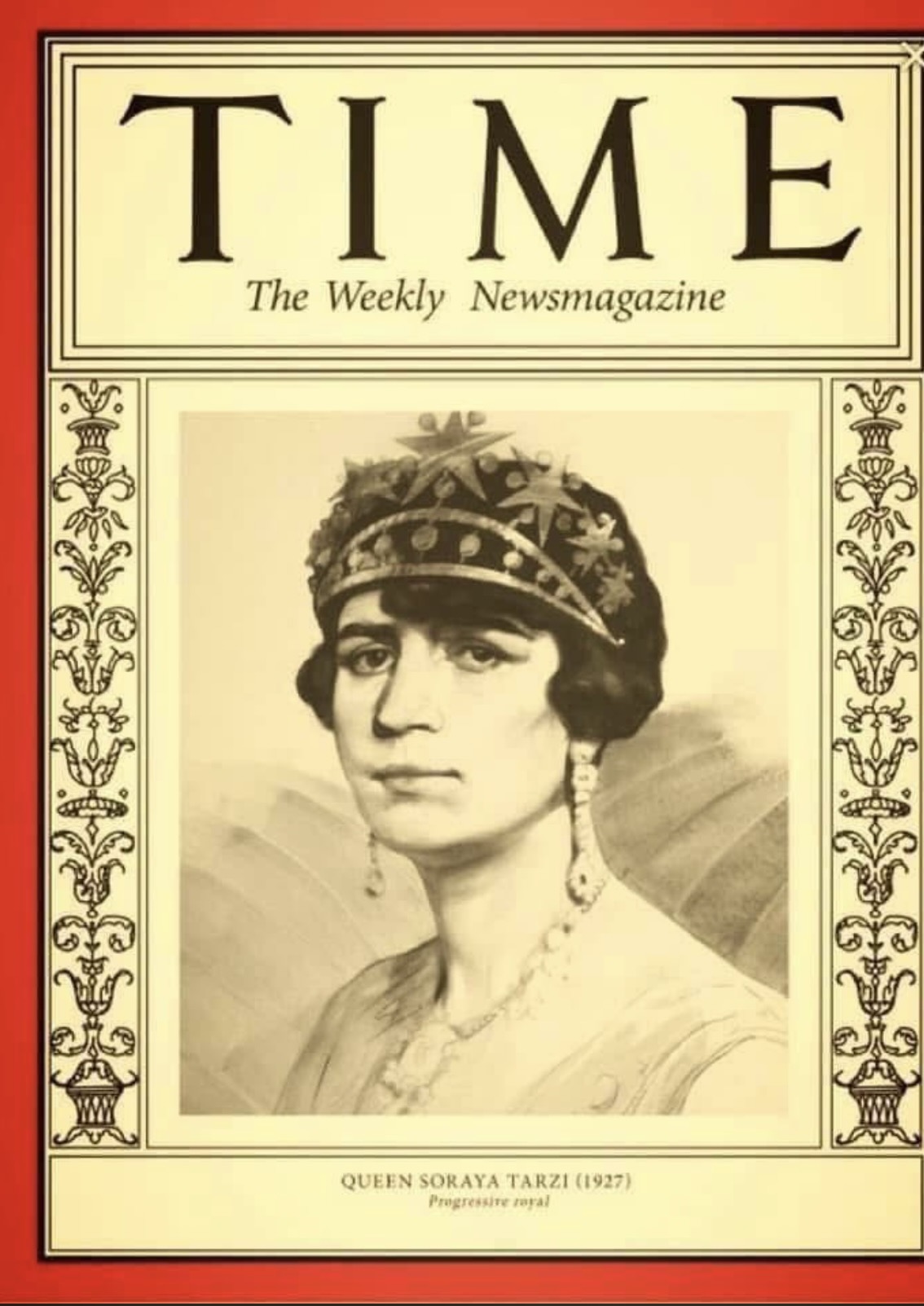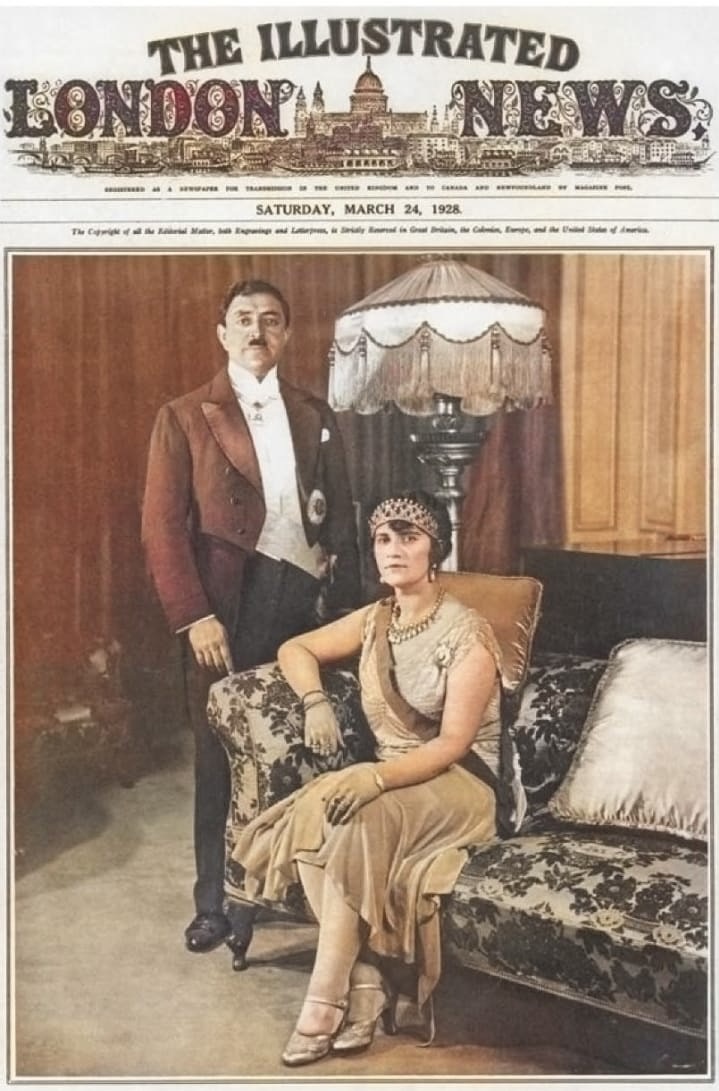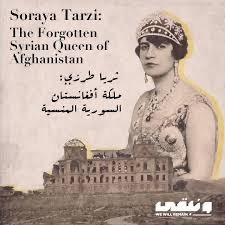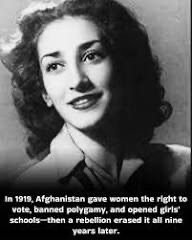


Queen Soraya of Afghanistan was one of the earliest and most courageous champions of women’s rights in the modern history of her country. As the wife and close political partner of King Amanullah Khan, she played a leading role in the reform movement of the 1920s, promoting education for girls, greater personal freedom, women’s participation in public life, and a broader vision of equality under a modern constitution. Appointed Minister of Education in 1926, she helped open schools for girls, encouraged advanced study abroad, supported women’s economic independence, and founded the women’s magazine Ershad i Niswan. Inspired by democratic models she observed in Europe, Soraya became a public symbol of modernization, but the reform movement collapsed in 1929 after a religious uprising forced the royal couple into exile in Italy. Although her work was cut short, her legacy endured as a powerful symbol of progress, courage, and the ongoing struggle for women’s freedom in Afghanistan.
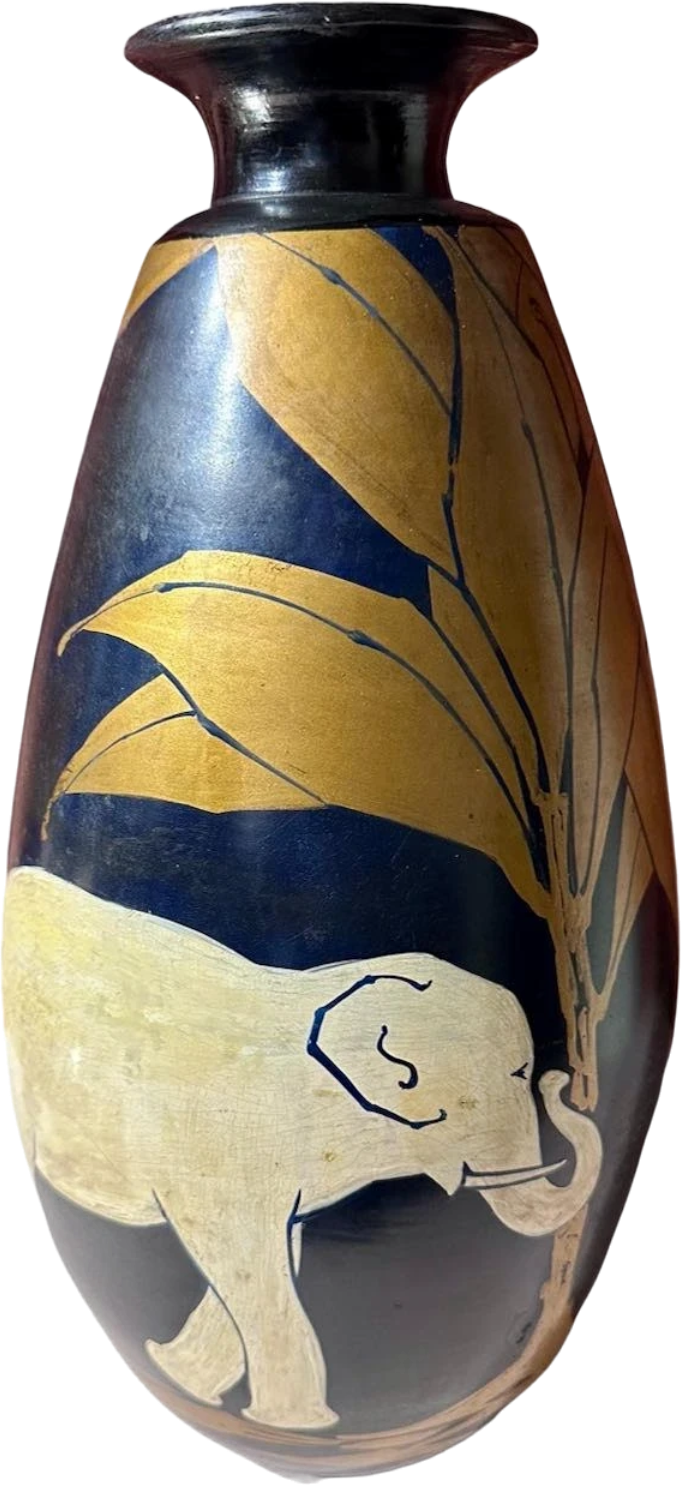
Art Deco Around The World
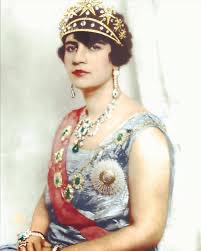
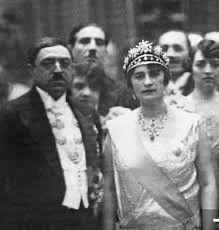
Soraya Tarzi Queen of Afghanistan, 1926
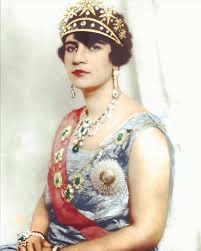
Soraya Tarzi, later Queen Soraya of Afghanistan, emerged in the early twentieth century as one of the most ambitious and visible advocates for women’s rights in her country. After marrying King Amanullah Khan in 1913, she became a central partner in his effort to modernize Afghanistan during the 1920s. In 1926, she was appointed Minister of Education, a remarkable role that made her one of the most influential women of her era. She helped promote a modern constitution built around equal rights and greater personal freedom, challenged strict dress codes, and worked to expand educational access for girls. Under her influence, schools for girls were opened in Kabul, and many young women were encouraged to continue their studies abroad. She also supported women’s economic independence, encouraged them to participate in public life, and founded a women’s magazine, Ershad i Niswan, to promote guidance, education, and a broader modern role for women in Afghan society.
Soraya also looked beyond Afghanistan, traveling in Europe and observing how democratic systems functioned in countries such as England, France, and Spain. She became a symbol of reform by adopting modern dress and publicly calling for women to stand beside men as equals in building the nation. In 1929, however, the reform movement collapsed after a powerful Islamic uprising challenged the monarchy. After returning from a European tour, Soraya and Amanullah found their modernization program under attack, and many of their reforms were reversed. The king abdicated to avoid civil war, and the royal couple went into exile in Italy, where Soraya spent the rest of her life and died in Rome in 1968. Though her efforts were cut short, her legacy endured as an early and courageous champion of women’s rights in Afghanistan, and she was later honored for that work, with her life continuing to inspire later generations of women seeking freedom and equality.