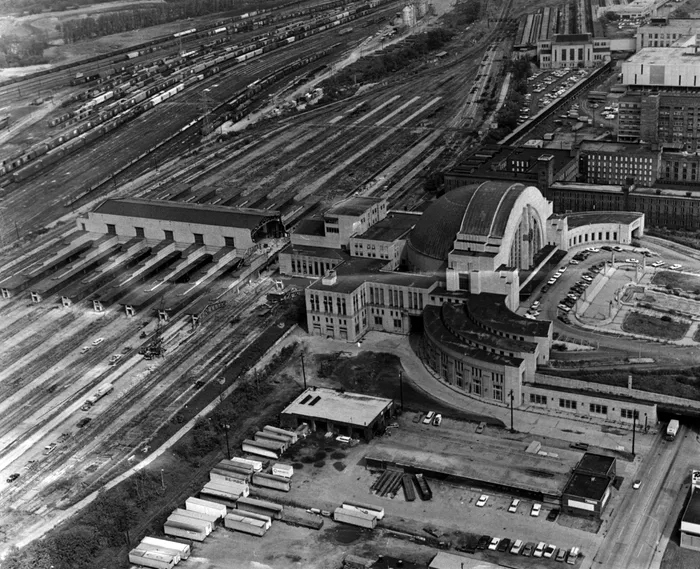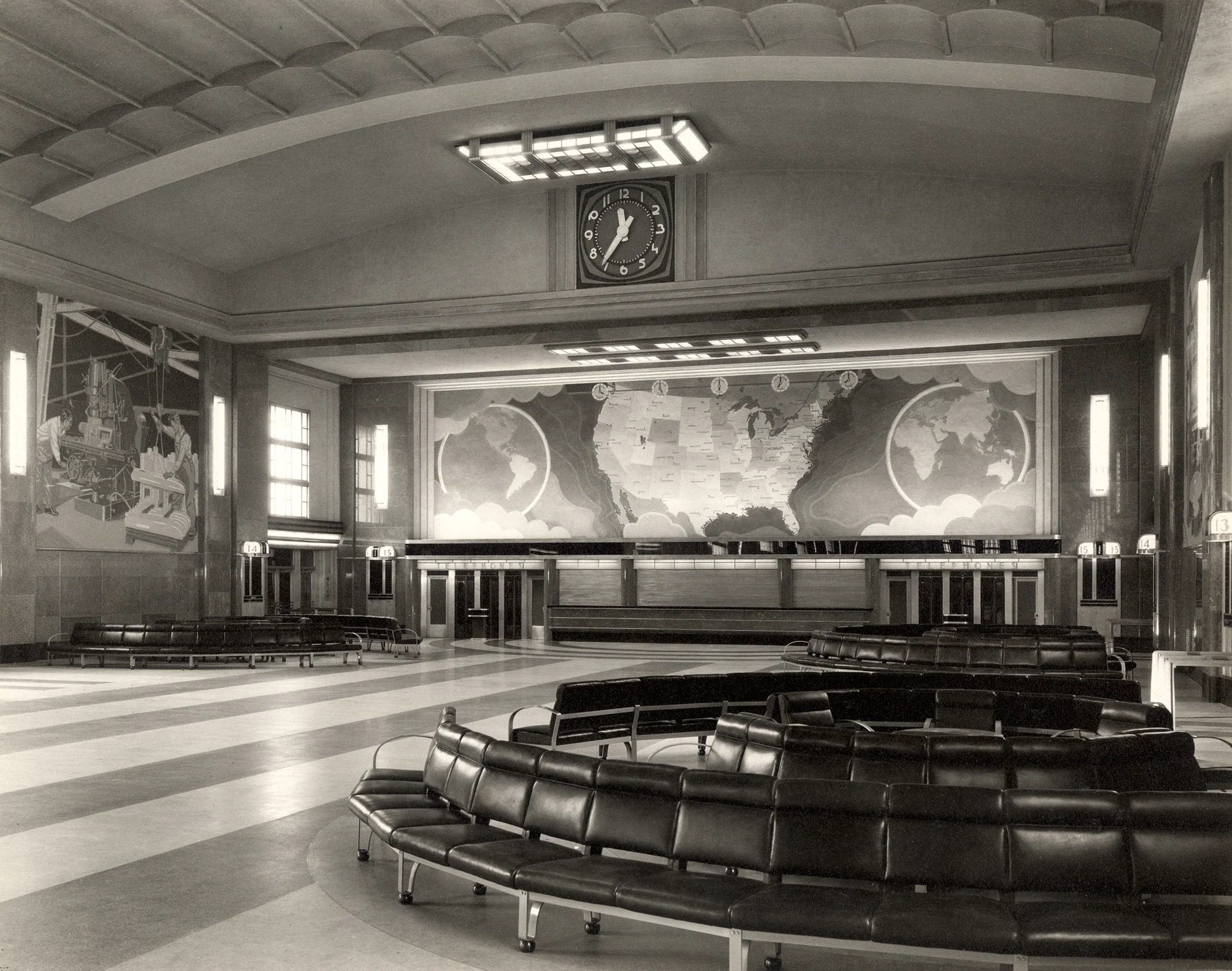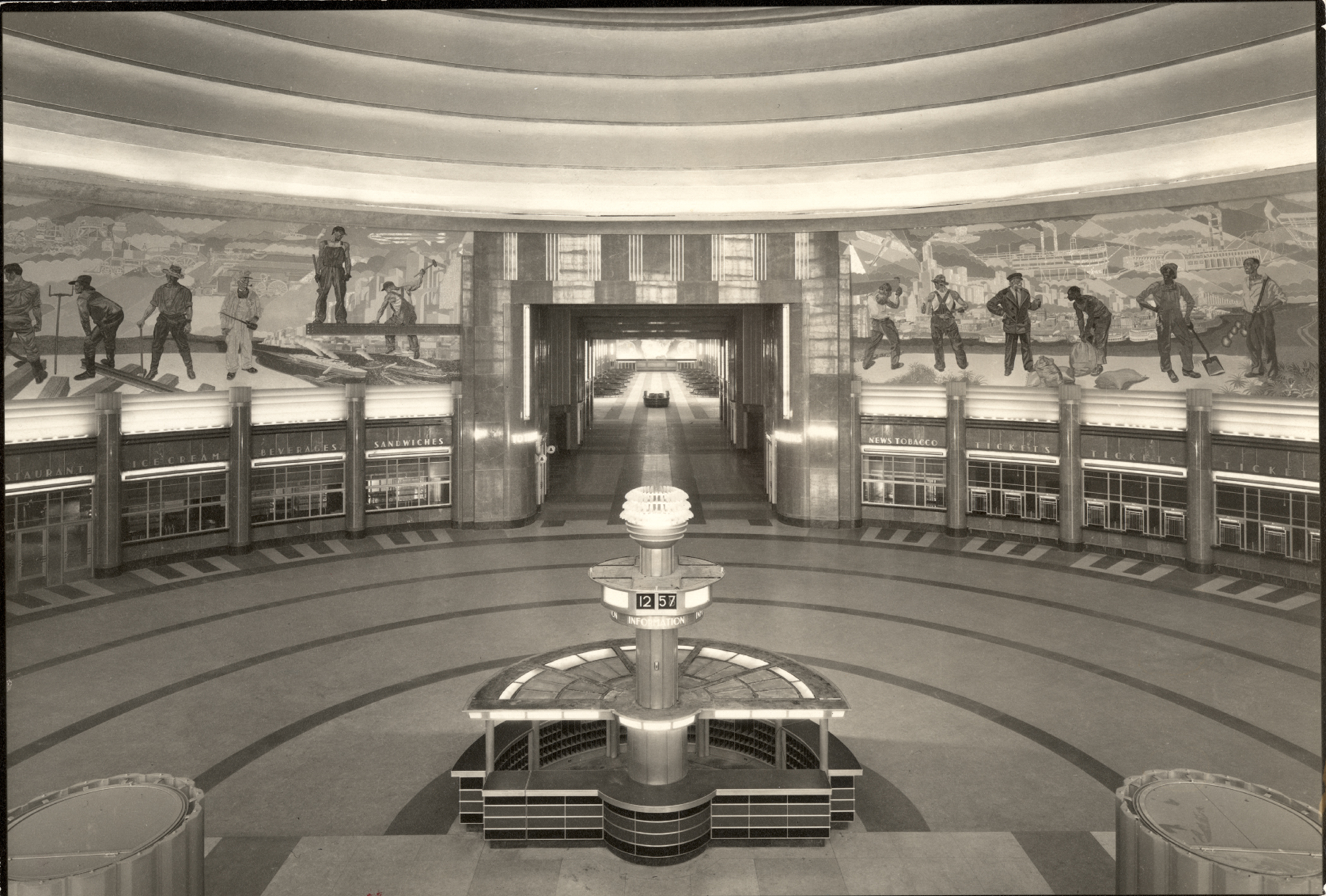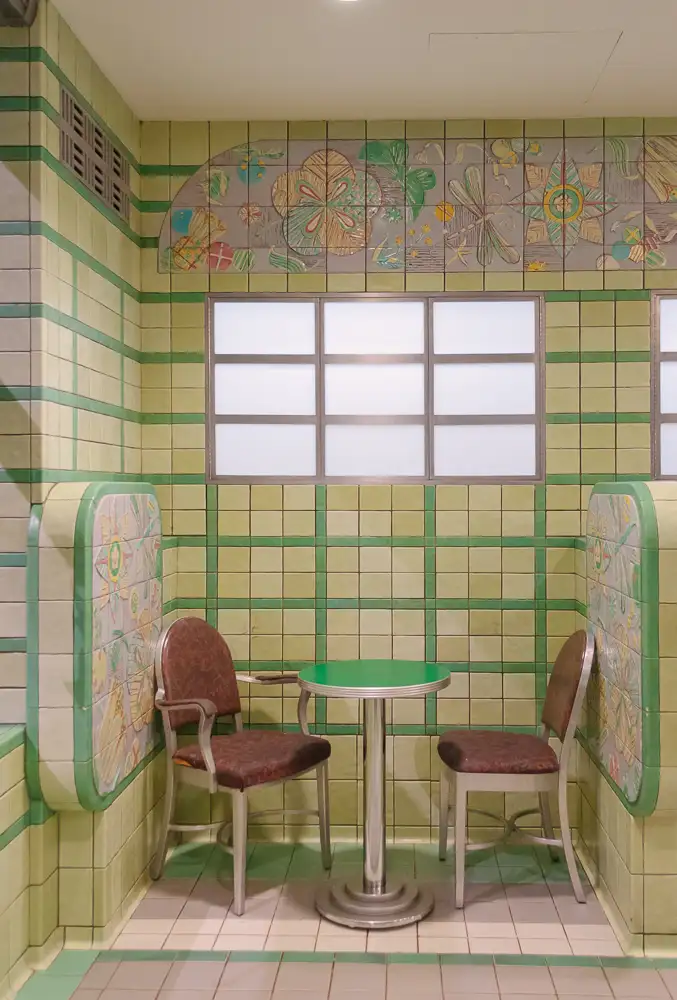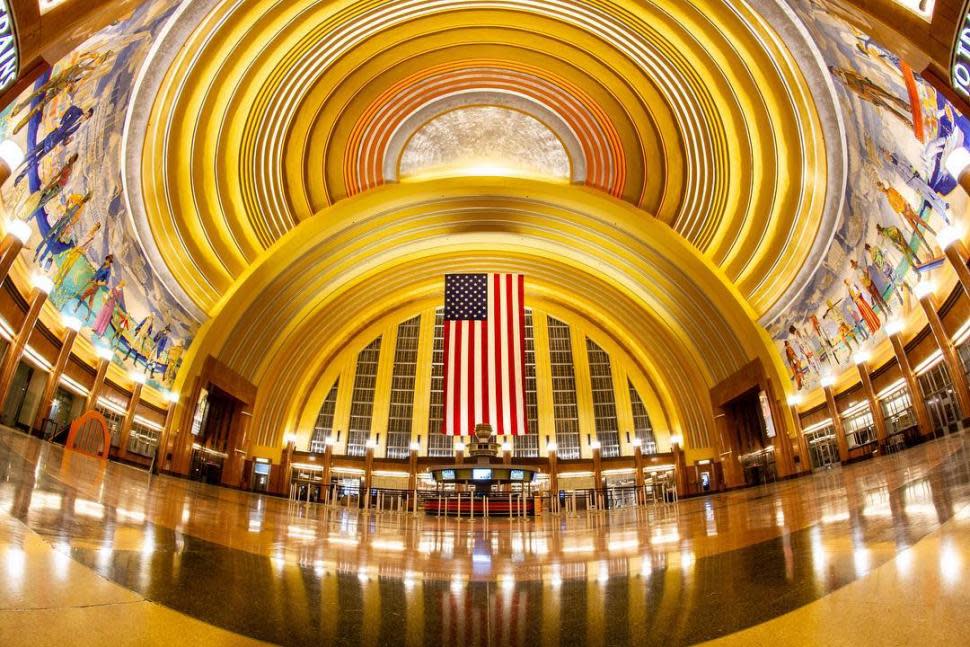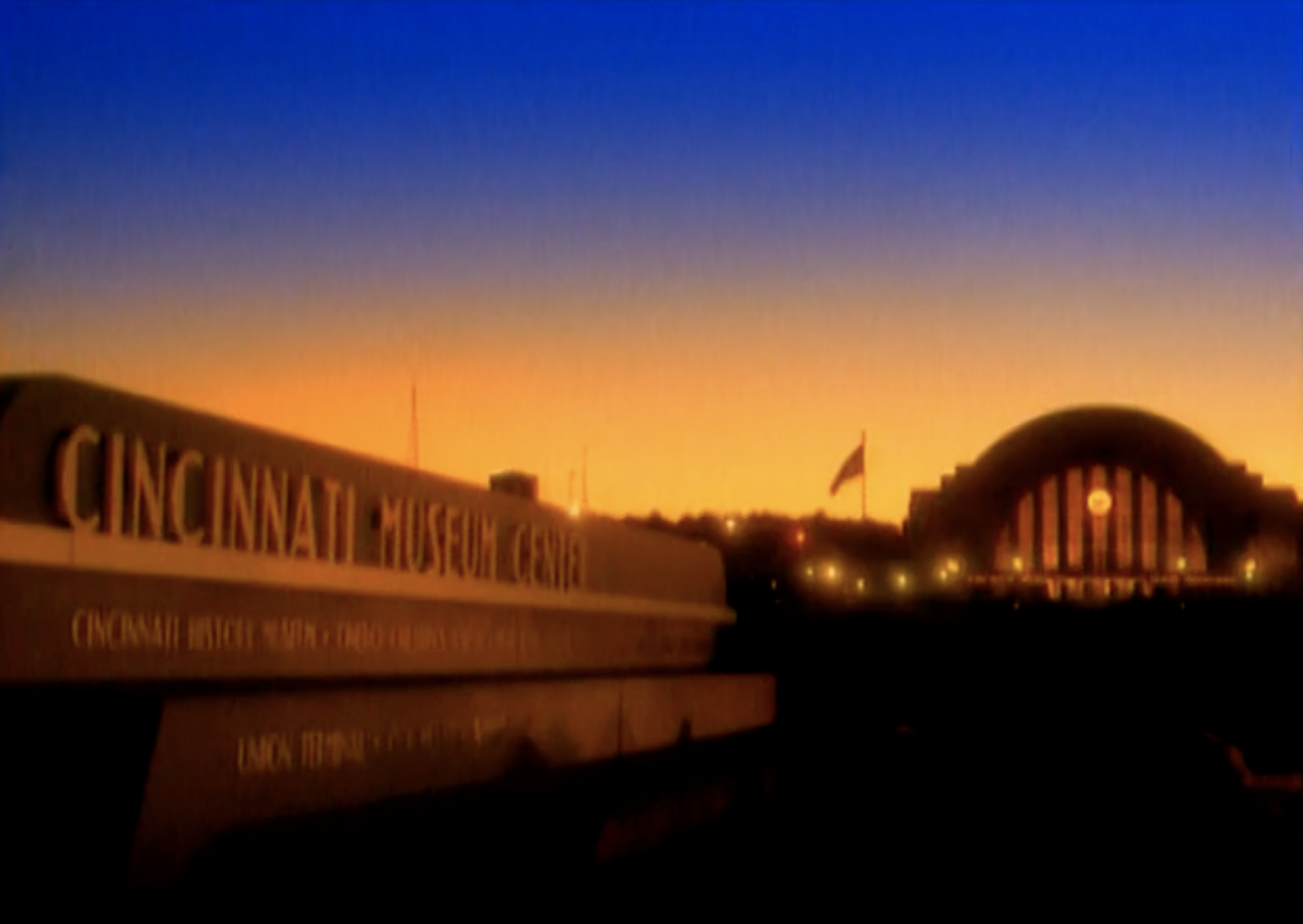

Everywhere the eye turns, the station feels bright, warm, and cheerful, drawing visitors upward to a ceiling that seems almost heavenly beneath a sweeping 180-foot gold-and-yellow rainbow. Beyond the great hall, the rail yards and supporting structures covered 280 acres, and the full complex required 8.5 million bricks and 45,000 tons of steel. The station officially opened on March 31, 1934, after four years of construction and a cost of more than 41 million dollars, and it was built to handle 17,000 passengers and more than 280 trains a day. During the early 1940s, it became the setting for emotional wartime departures, and in the years before shopping malls, people often spent entire days there because the complex included a post office, movie theater, dress shops, restaurants, a barbershop, and 22 buildings in all. In 1945, after the war ended, the city even held a New Year’s Eve celebration inside the terminal that drew more than 10,000 people. Yet by the 1950s passenger rail travel was declining sharply because of expanding interstate highways and growing airports, and by October 28, 1972, the last passenger train had departed, followed a few years later by the demolition of half the complex, though the great hall was spared. After years of failed reuse proposals, the building finally found new purpose as a museum complex, and a 228 million dollar restoration approved by voters in 2014 revived Union Terminal, which today houses several museums, an OMNIMAX Theater, and remains a preserved landmark on the National Register of Historic Places.
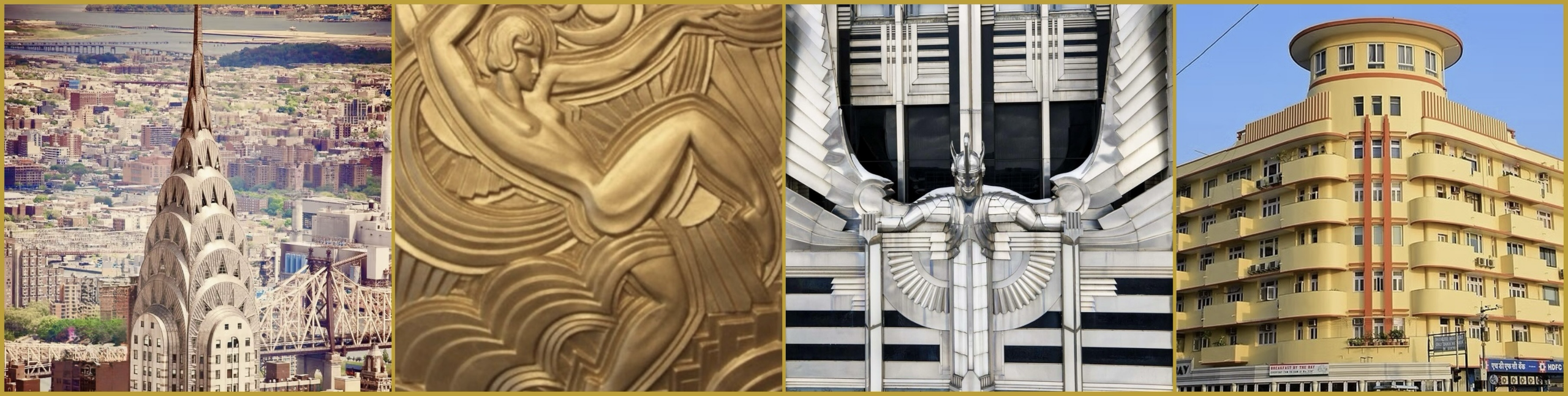
Cincinnati Union Terminal
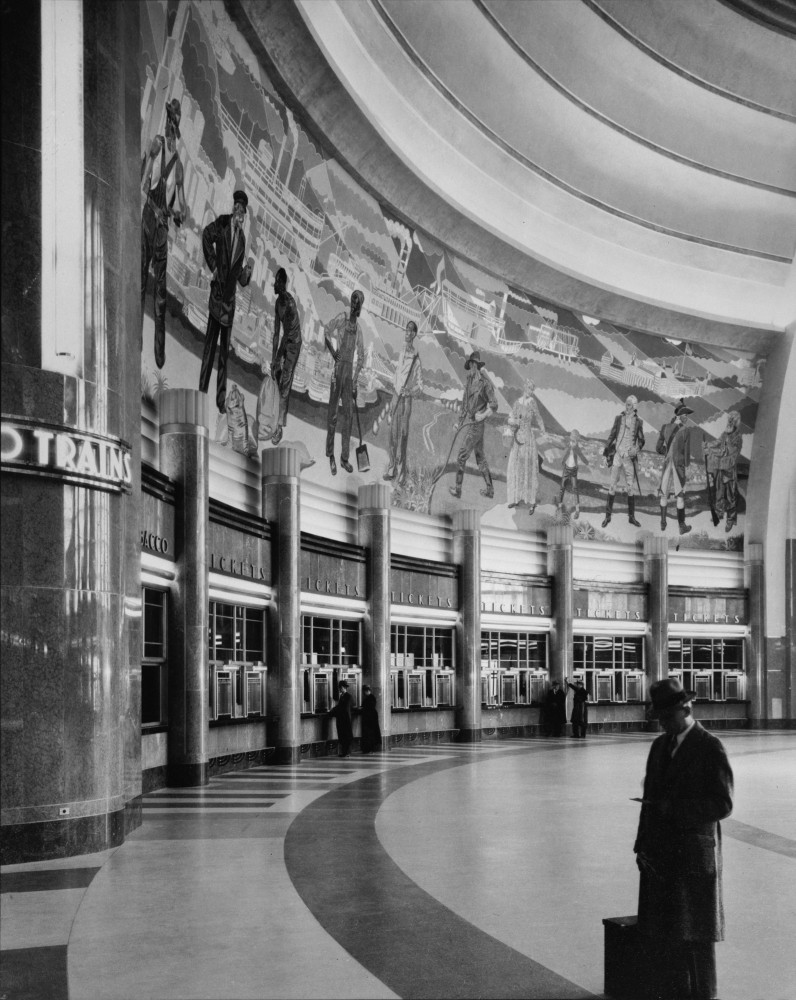
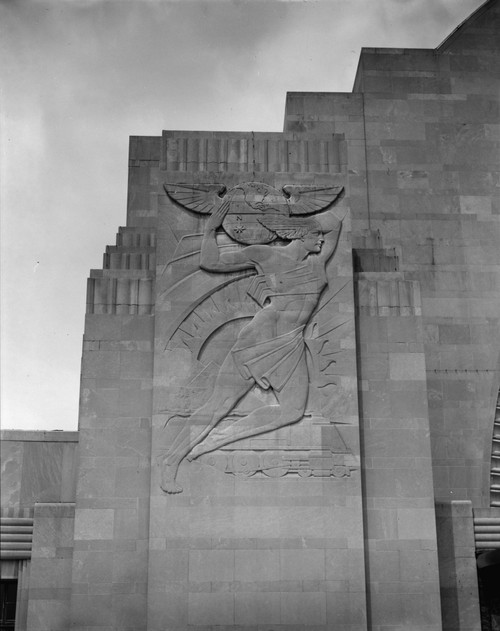
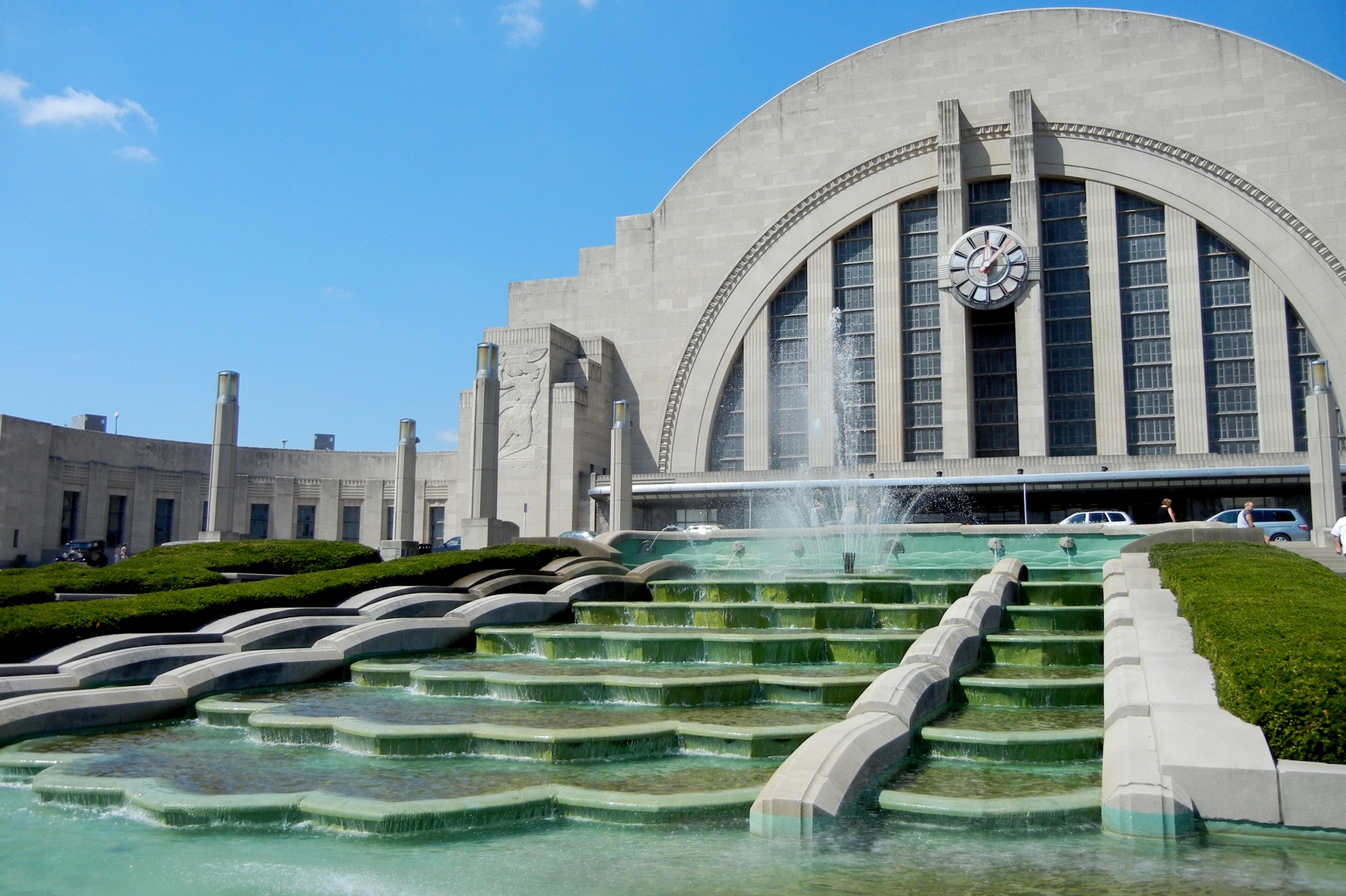
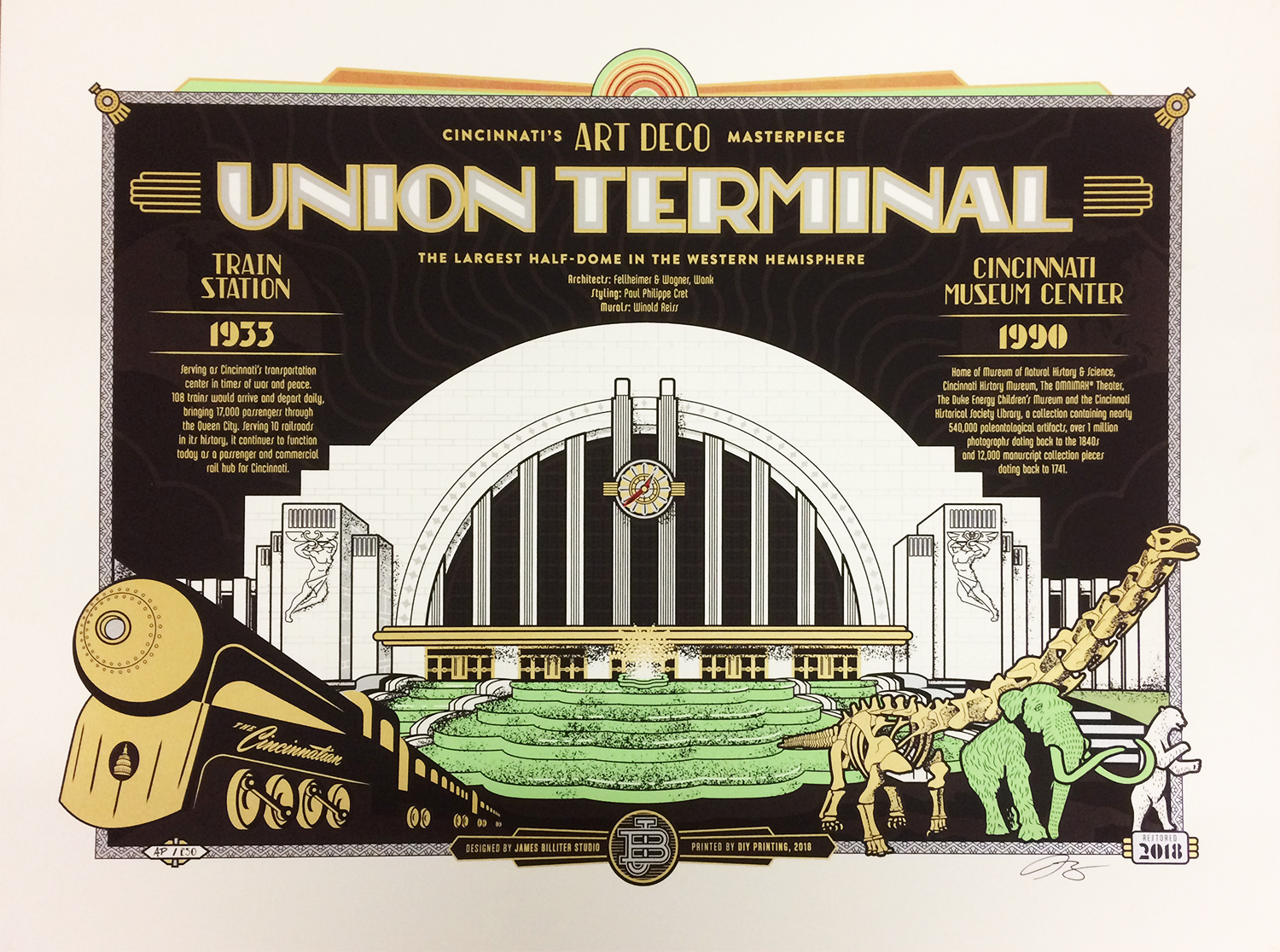
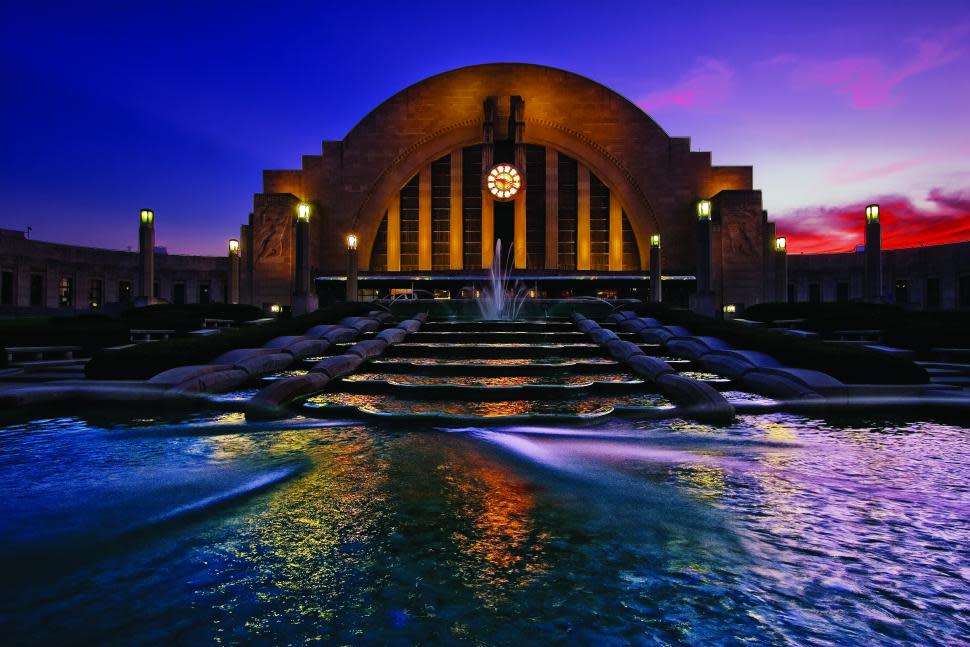
Cincinnati Union Terminal stands as a symbol of civic pride and remains the largest Art Deco train station in the United States. Designed by Paul Philippe Cret and completed in 1933, it marked a dramatic shift in his career, as he had previously been known for major neoclassical works such as the Detroit Institute of the Arts, the Indianapolis Public Library, the World War I Memorial, and the Federal Reserve Bank in Philadelphia. Union Terminal became his first major Art Deco structure, created at a moment when Cincinnati was still served by five separate railway stations, all troubled by flooding from the Ohio River. City leaders chose to replace them with one immense central terminal, and the scale of that challenge may help explain why Cret was selected for the commission. They needed a building that was not only functional but monumental, and what emerged was a vast structure meant to serve as both a transportation hub and a statement of civic ambition. Entering the 500,000-square-foot terminal, visitors are immediately struck by a space that feels almost like an enormous European cathedral, dominated by the second-largest half dome in the world. Its 100-foot front arch, filled with more than a thousand smaller windows, floods the hall with warm natural light, while Winold Reiss’s 23 giant mosaics, assembled over two years from more than a million specially colored pieces of glass, cover 12,000 square feet on the back wall as the largest non-religious mosaic in the world.