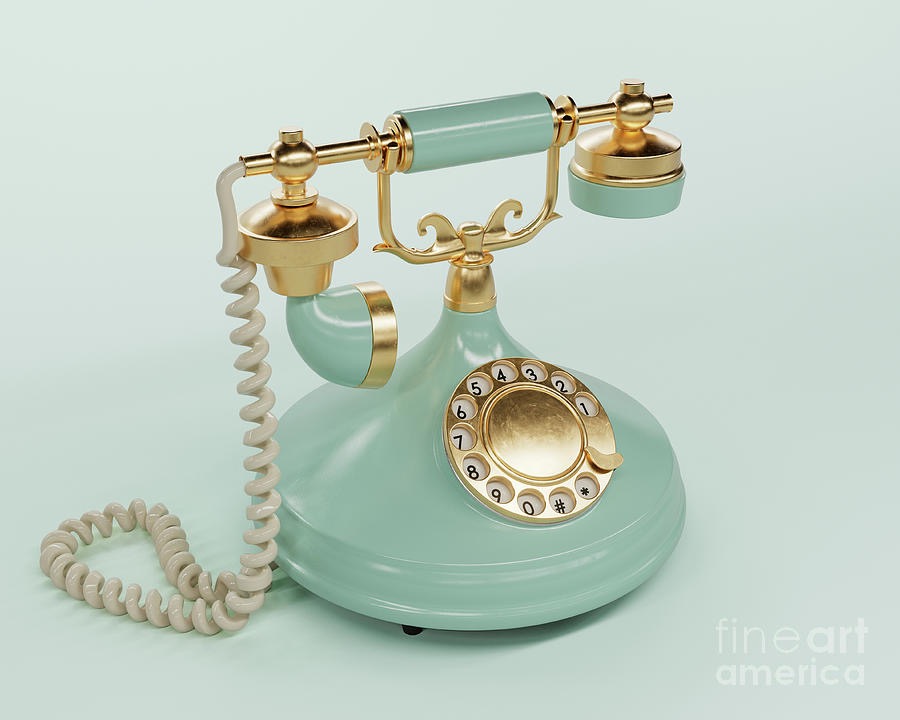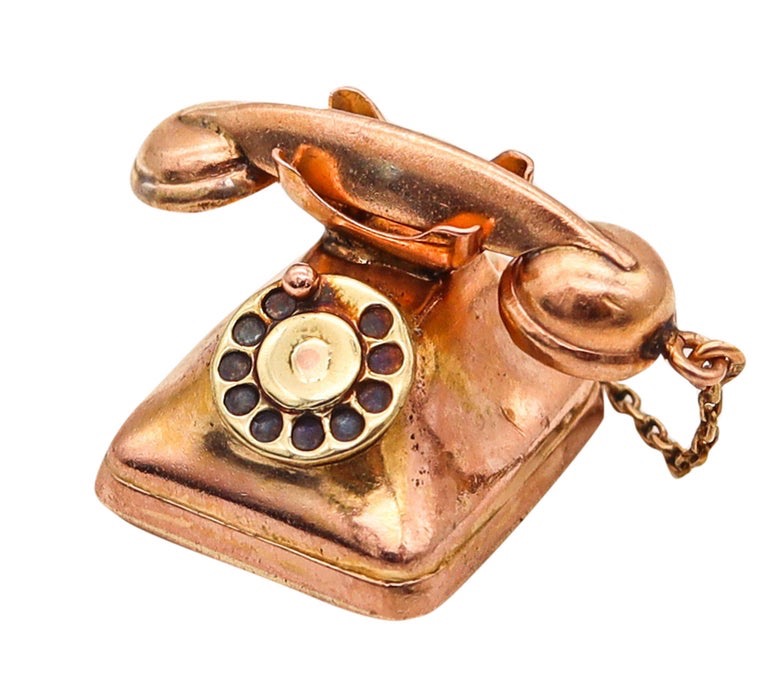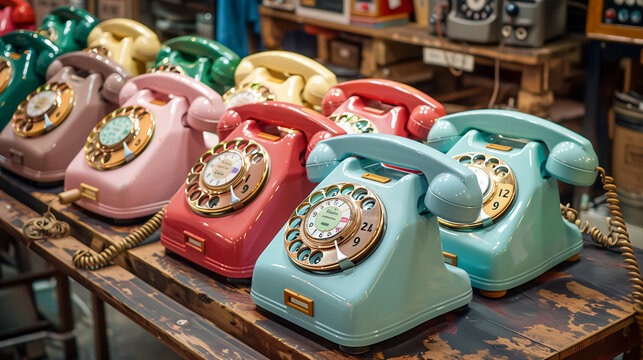


From the time telephones became part of everyday life, they transformed communication by making it possible to speak across distance with speed and directness never before imagined. Early mass use of the telephone changed both business and domestic life, allowing families to stay connected, merchants to conduct transactions more efficiently, and communities to respond more quickly in times of need. As telephone design evolved through the twentieth century, from wall models and rotary desk sets to push button and cordless versions, the device became an essential fixture in nearly every home and workplace. For decades, the telephone shaped the rhythm of modern communication by bringing voices together in real time. The arrival of the smart phone later marked an even greater shift, turning the telephone from a single purpose tool into an all in one device that reshaped how people speak, write, work, and interact with the world.


Art Deco Telephones
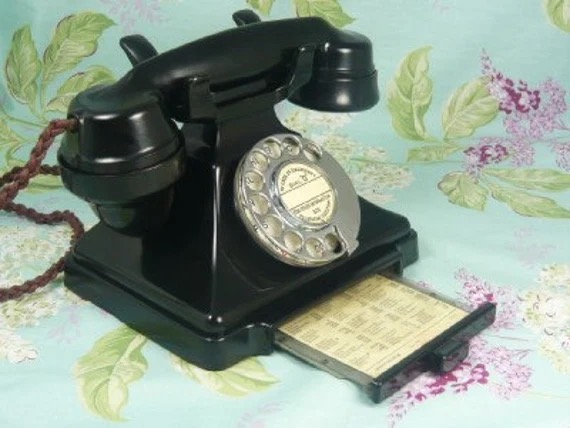
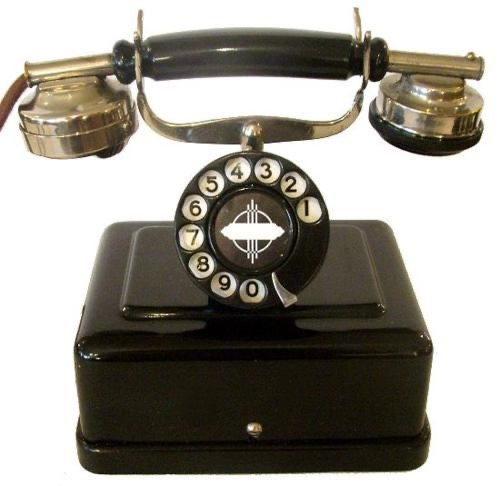
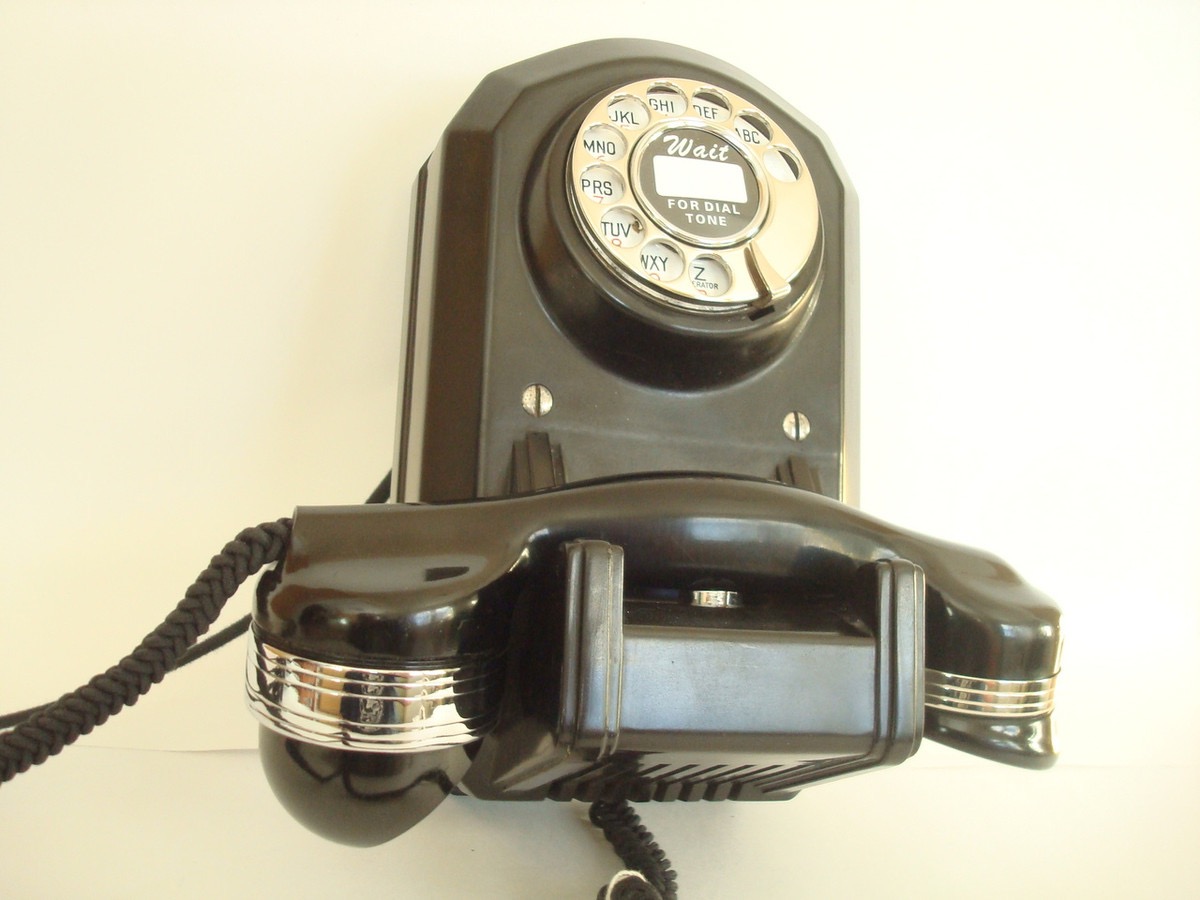
Art Deco brought style, geometry, and modern elegance into everyday life, transforming ordinary objects into expressions of progress and design. From architecture and furniture to automobiles, fashion, and household accessories, the movement gave the modern world a bold visual language that suggested refinement and confidence. Telephones offer a fascinating example of this shift. Few inventions changed daily life more completely, since nearly every communication device we use today began with the telephone. In the 1920s, having a phone in the home must have felt revolutionary, connecting people in a way earlier generations had never known. What makes these early telephones especially compelling today is their individuality. Many surviving examples are now eighty to one hundred years old, yet they still possess remarkable charm, character, and presence. Unlike today’s smart phones, which often look nearly identical and are quickly replaced, these earlier designs were built with personality and lasting visual appeal.
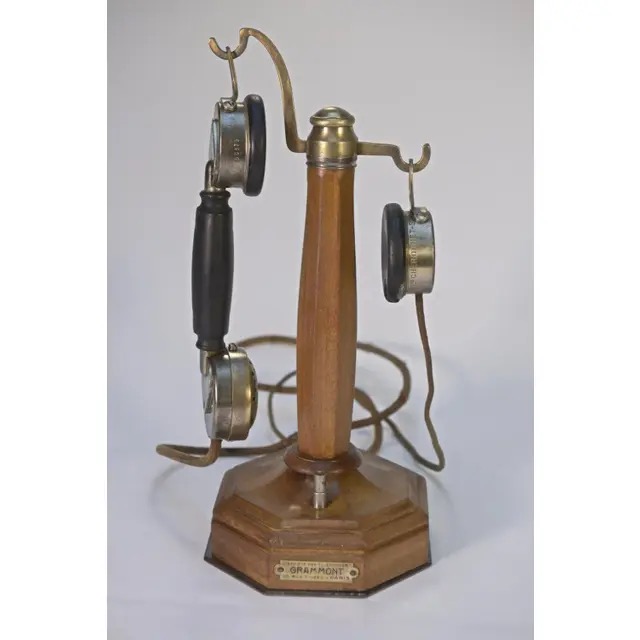
The story of the telephone began in 1876, when Alexander Graham Bell made the first successful telephone call to Thomas Watson, marking the beginning of a new age in communication. At first, Bell’s invention was more a scientific breakthrough than a practical consumer product, but its promise was clear enough for display at the Centennial Exposition in Philadelphia, where the nation celebrated innovation and looked toward the future. Early home telephones were simple wooden wall boxes, often fitted with a crank and small bells to signal calls. By 1905, the candlestick telephone, designed by Almon Strowger and popularized by Western Electric, introduced a more refined vertical form with a separate earpiece attached by cord. Calls often required an operator, and privacy could be limited. During the First World War, telephone development slowed as copper was diverted to wartime needs, but once the war ended, a new era of design and manufacturing quickly emerged.
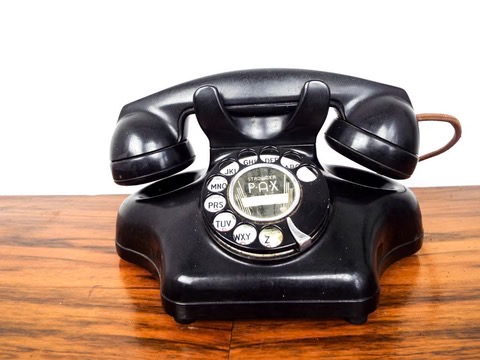
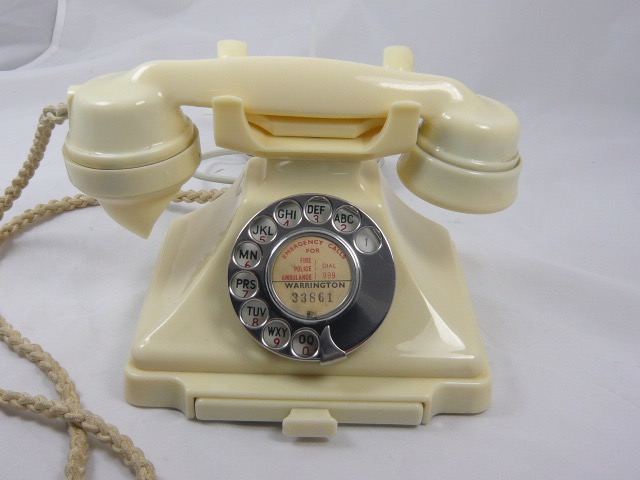
In the 1920s and 1930s, telephone design entered a far more expressive period, shaped by new materials and the rise of modern industrial styling. In 1922, Bakelite introduced a molded resin that allowed manufacturers to create bold, sculptural forms with smooth surfaces and strong silhouettes. In both Europe and the United States, telephones appeared in a wide range of Art Deco designs, some rounded and futuristic, others tall and dramatic, many looking as if they belonged in a vision of tomorrow. The rotary dial became the defining feature of the era, replacing operator assisted calling and establishing a new standard of convenience. That diversity narrowed in 1937 when Bell Telephone hired industrial designer Henry Dreyfuss to standardize the American telephone. His Model 302, compact, practical, and visually balanced, became the dominant household design for decades. It helped define the look of modern communication and remains one of the most important examples of twentieth century industrial design