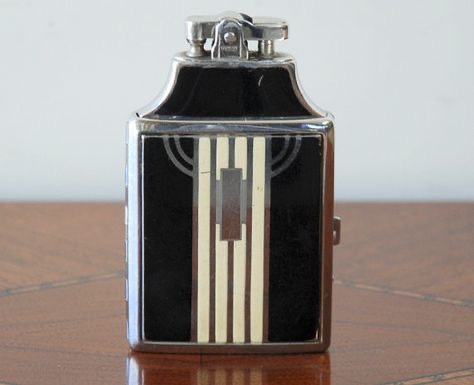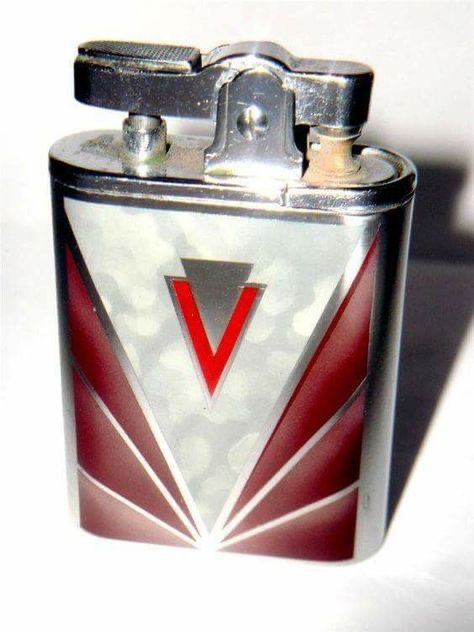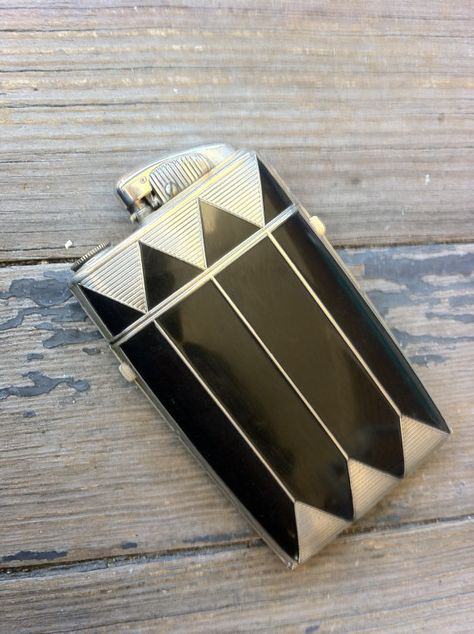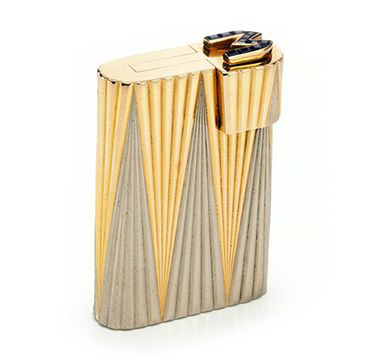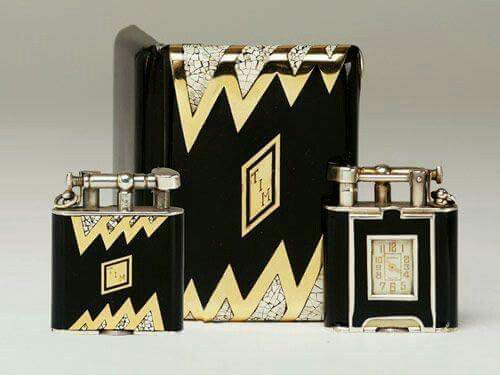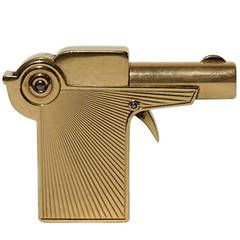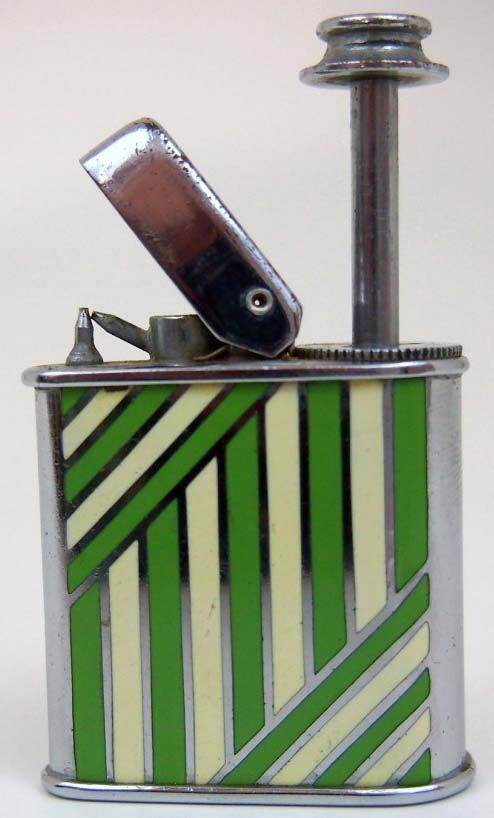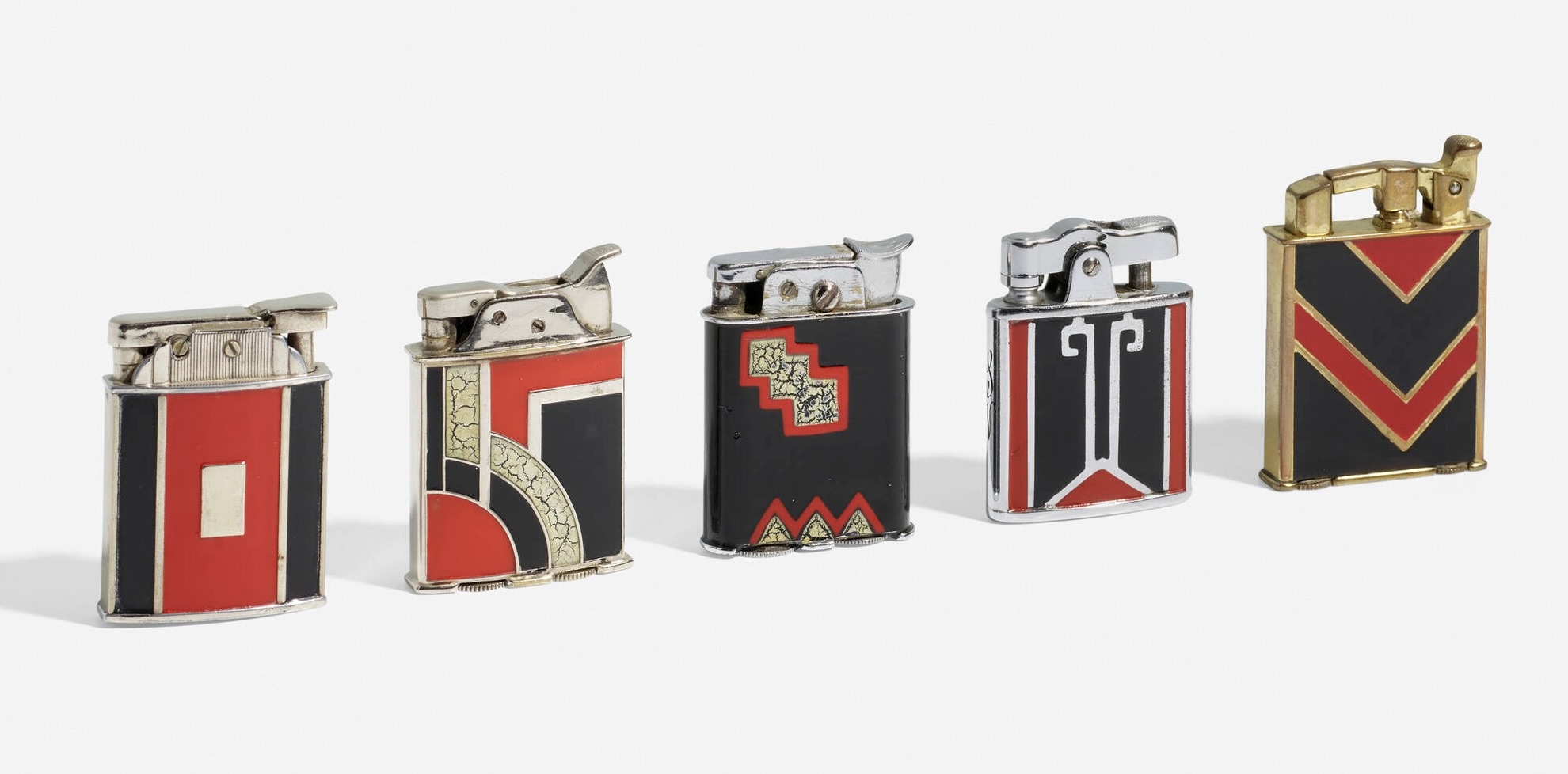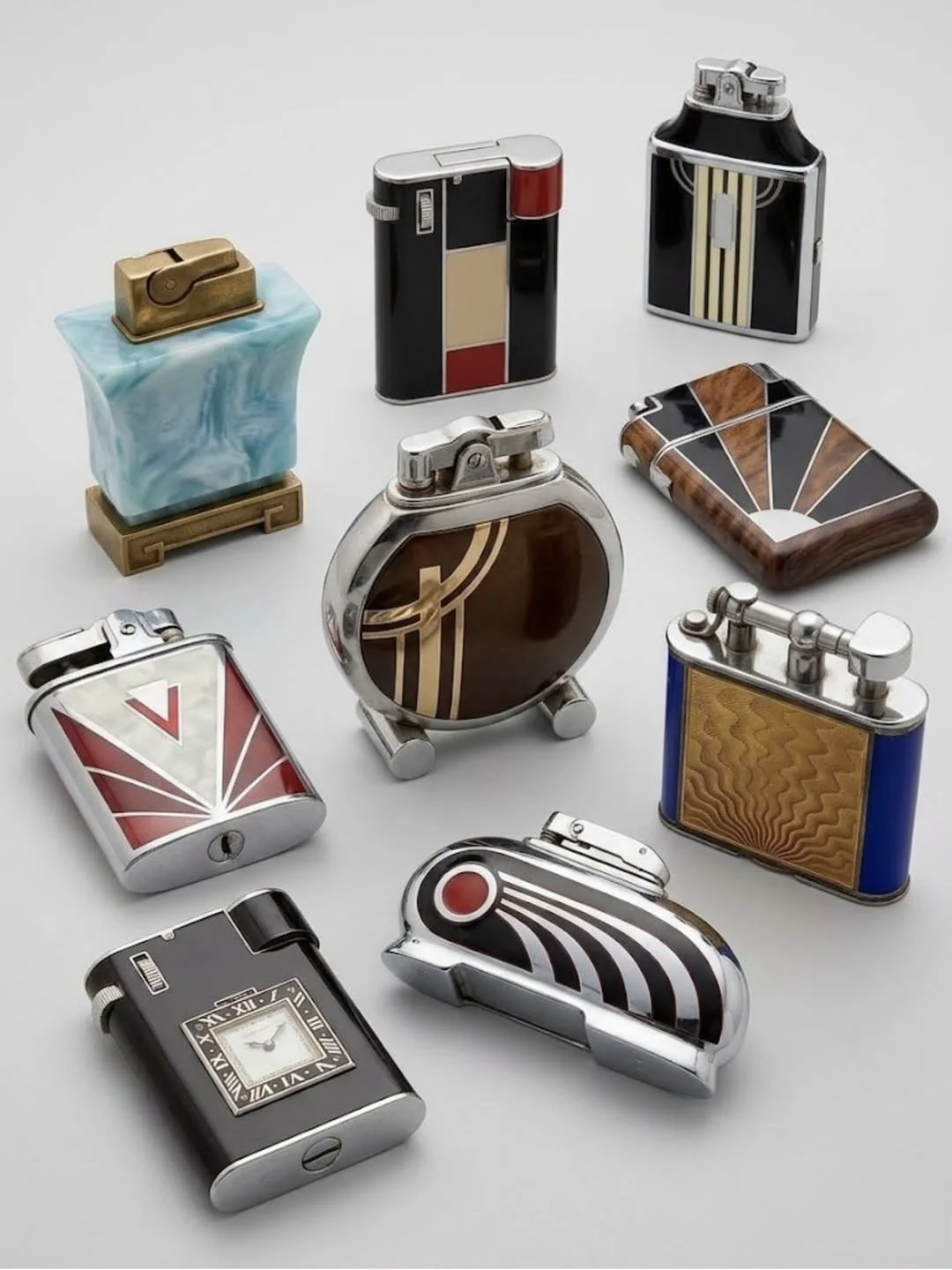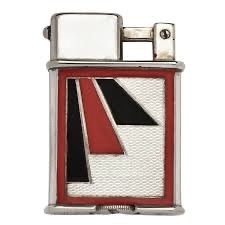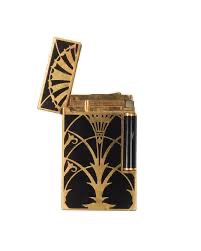

In the end, that is the quiet poetry of a vintage Art Deco lighter. Built to last, it often outlives the hand that once carried it, and it waits again, tucked among antique golf clubs, fine china, and jewelry, each piece holding its own private history. What it offers now is more than a flame. It is memory made tangible, the echo of European trips, birthday candles, and evenings by a stone fireplace where a small spark meant warmth, comfort, and intimacy. In a world of quick plastic replacements, choosing one of these lighters is a small decision with a bigger meaning, a return to objects that were designed to be kept. Art Deco gets that balance exactly right: the mechanism does its job, but the form makes a statement. These lighters may work in similar ways, yet each design says something distinct, that beauty matters, that craftsmanship matters, and that the person holding it understands the elegance of Art Deco style.
Art Deco Lighters
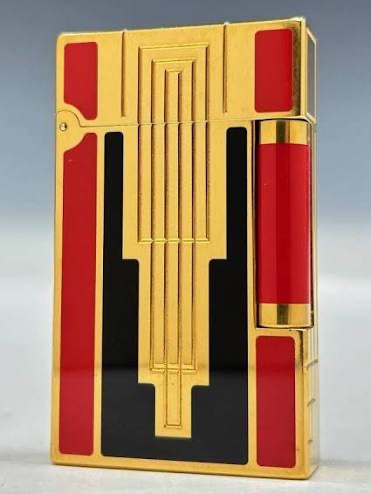
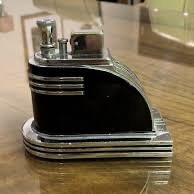
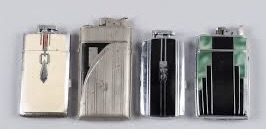
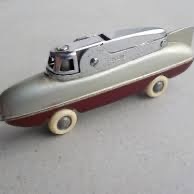
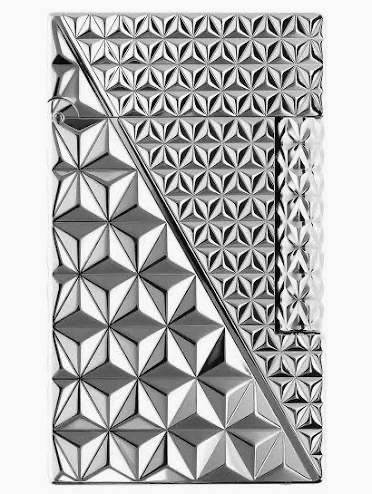
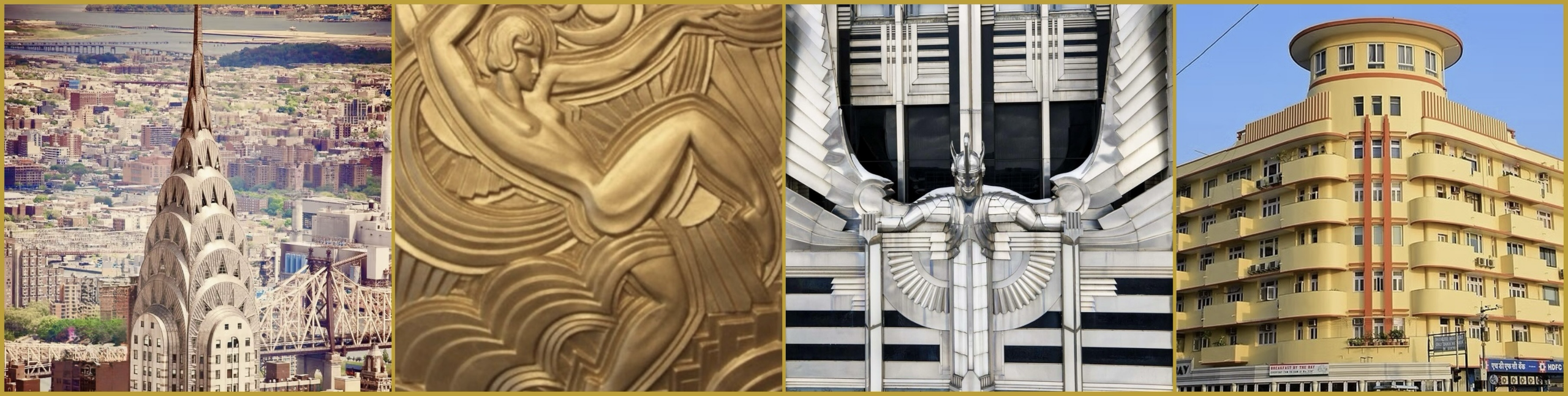
Art Deco is a design era defined by geometric patterns and the modernization of everyday objects. From cars and architecture to furniture, fashion, and household items, these designs told the world you had style. Here, I take one everyday object and explore how many Art Deco variations we can find. Today I chose lighters.Somewhere along the way, lighting a flame became buying a plastic disposable lighter at a gas station, then tossing it a few weeks later. No style, no chrome, no lasting quality, just another short life object. A vintage Art Deco lighter brings purpose back, refill it, care for it, and enjoy the weight and feel in your hand as its first owner did 90 years ago. It was chosen, used, and looked after for decades, and that idea still matters.
The first modern lighter is often credited to Louis Vincent Aronson, who in 1910 patented a finger pressed device that produced sparks using flint compounds, leading to the Ronson company. He refined the idea into more reliable models, and by the 1920s fine metalwork and top designers helped make luxury lighters a status object. In 1927, Alfred Dunhill introduced the one hand “Unique” lighter. As smoking culture broadened, lighters appeared as compacts and cosmetic accessories. In 1932, George Grant Blaisdell founded Zippo, rugged and affordable, later popular with WWII soldiers. Postwar demand made lighters ubiquitous, and in 1973 Marcel Bich’s disposable Bic helped define a new throwaway culture.Like your hat, glasses, and keys, a lighter belongs to the small group of objects that travel with you every day, leaving the rest at home to wait. It sits in your pocket until its moment, at the club, hotel lobby, dinner table, or late night bar, ready to appear with a quick flick. And when someone asks, “Does anyone have a light,” it gets its best moment, offering a flame and often earning the line it loves most, “Where did you find that beautiful lighter, it’s so unique.” The toothbrush and hair comb never hear that.