
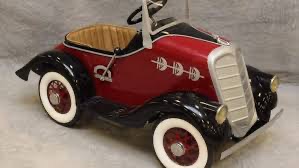
In the 1930s, the United States pushed pedal cars into a new golden age of color and Streamline styling. Glossy paint, rubber tires, mirrors, and even working headlights appeared, and manufacturers like American National, Murray, and Steelcraft, closely tied to Midwest steel and the Detroit auto industry, kept production going through the Depression by turning their skills toward toys. Designer Viktor Schreckengost helped elevate the Murray Steelcraft line with strong modern forms and careful detailing. Because these cars were heavy and expensive to ship, they sold best near rail lines, factories, and major retailers, with department stores like Macy’s and Gimbels offering them as Christmas showpieces, alongside iconic toy sellers like FAO Schwarz. After WWII, pedal cars followed the culture, shifting toward Mustangs, Thunderbirds, Cadillacs, and finned fantasies, then even Space Age rockets. By the 1960s they became lighter and faster, made from thinner imported metals and sometimes aluminum, expanding into tractors, fire engines, and pickup trucks, inspiring neighborhood races and a new wave of collectors who began restoring the bold, Depression era originals and preserving them as design objects in their own right.
Art Deco Era Pedal Cars
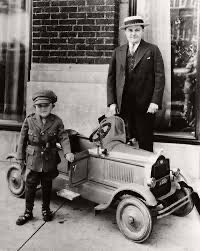
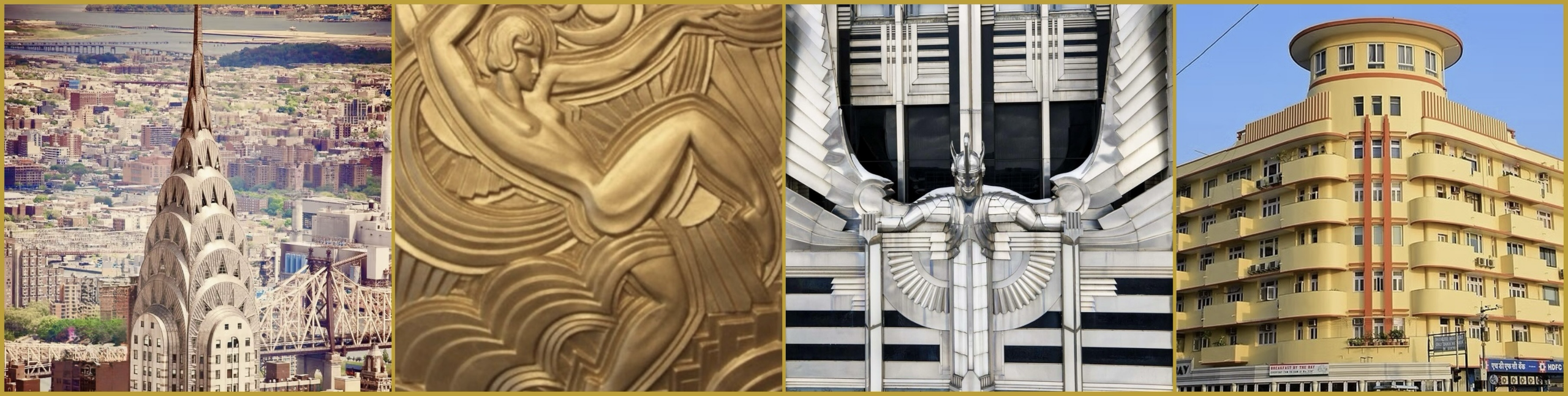
Art Deco Pedal Cars is a design era defined by geometric patterns and the modernization of everyday objects. From cars and architecture to furniture and fashion, these designs told the world you had style, even when the object was purely practical. So I thought I would take one everyday item and see how many designs of this era we can find. Pedal Cars are unique because few toys capture the romance of the road so perfectly in miniature form.
Few toys spark imagination like a pedal car. These tiny automobiles feel like a friend waiting at the curb, ready for adventure, and they offer that first taste of freedom at any age. Pedal cars were introduced in the late 1800s, and the best early examples were astonishingly serious objects, built of heavy steel with adjustable pedals, complex steering, and real upholstery. Brands like Mercedes, Bugatti, and Rolls Royce created child size versions for wealthy families, European royalty, and Hollywood stars, giving children a scaled down version of adult glamour, craftsmanship, and status.
Click any photo to open the gallery
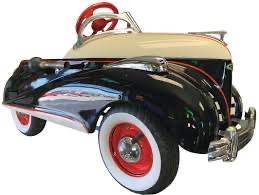
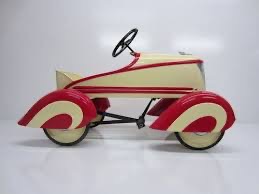
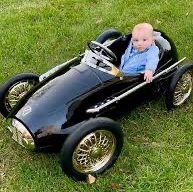
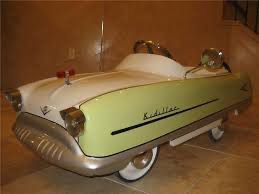
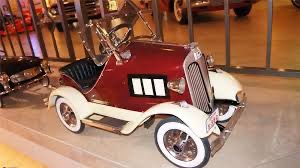
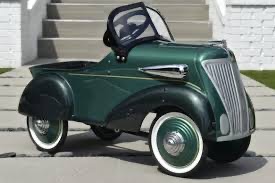
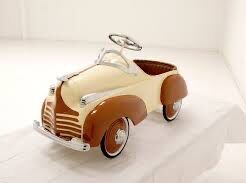
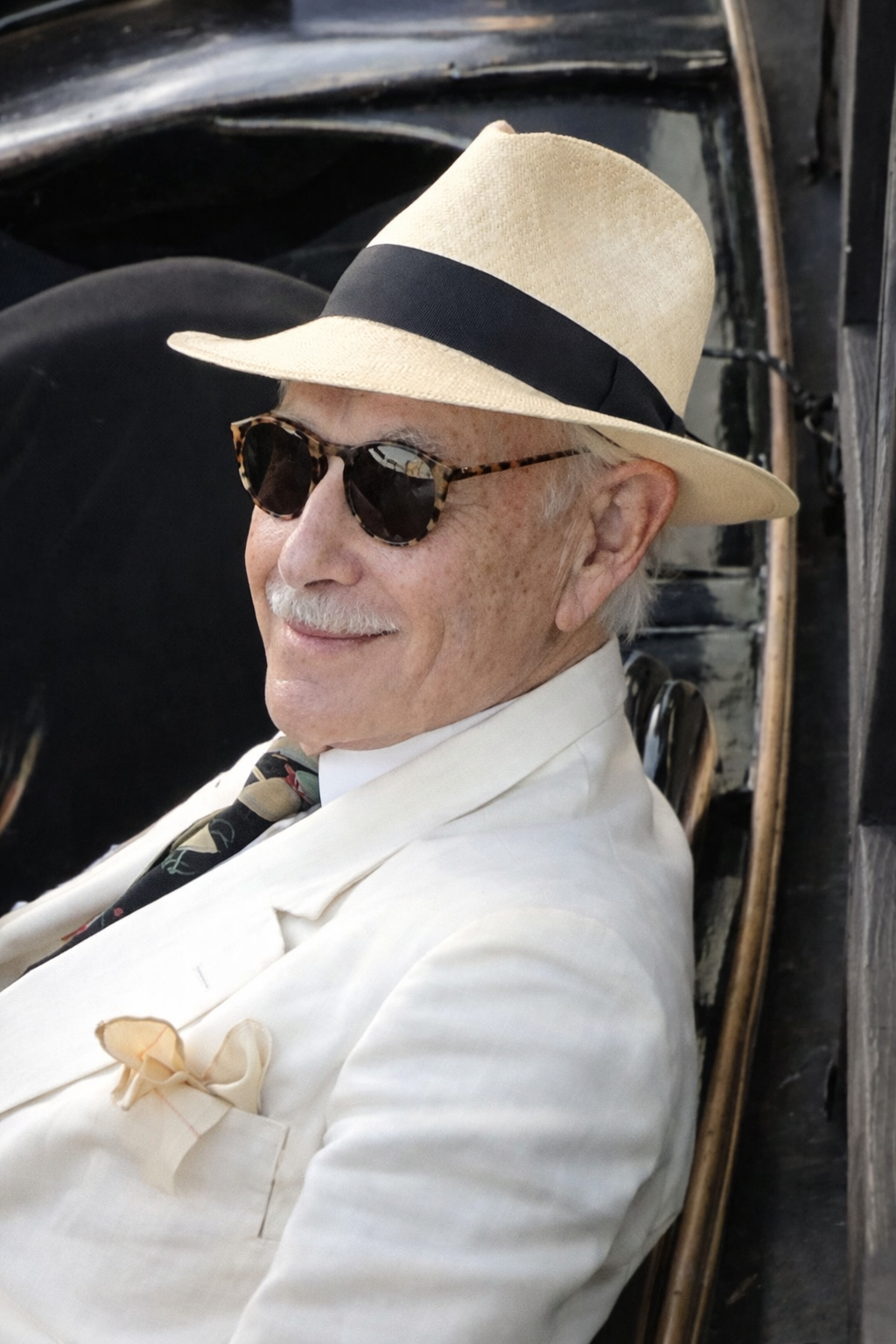
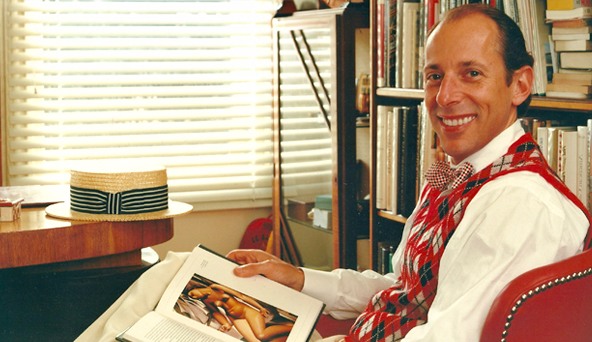
Michael Haimovitz is one of those rare individuals whose work reflects not only deep knowledge, but a genuine way of life. I have known Michael for more than thirty five years, and throughout that time I have admired his keen understanding of the Art Deco period, his artist’s eye, and his remarkable creative discipline. His appreciation for history is not casual or decorative. It comes from years of careful study, serious curiosity, and the patience required to truly understand how craftsmanship and design come together. What makes Michael especially compelling is that he does not merely collect inspiration from the past, he actively recreates it with sensitivity, intelligence, and a deep respect for period character.
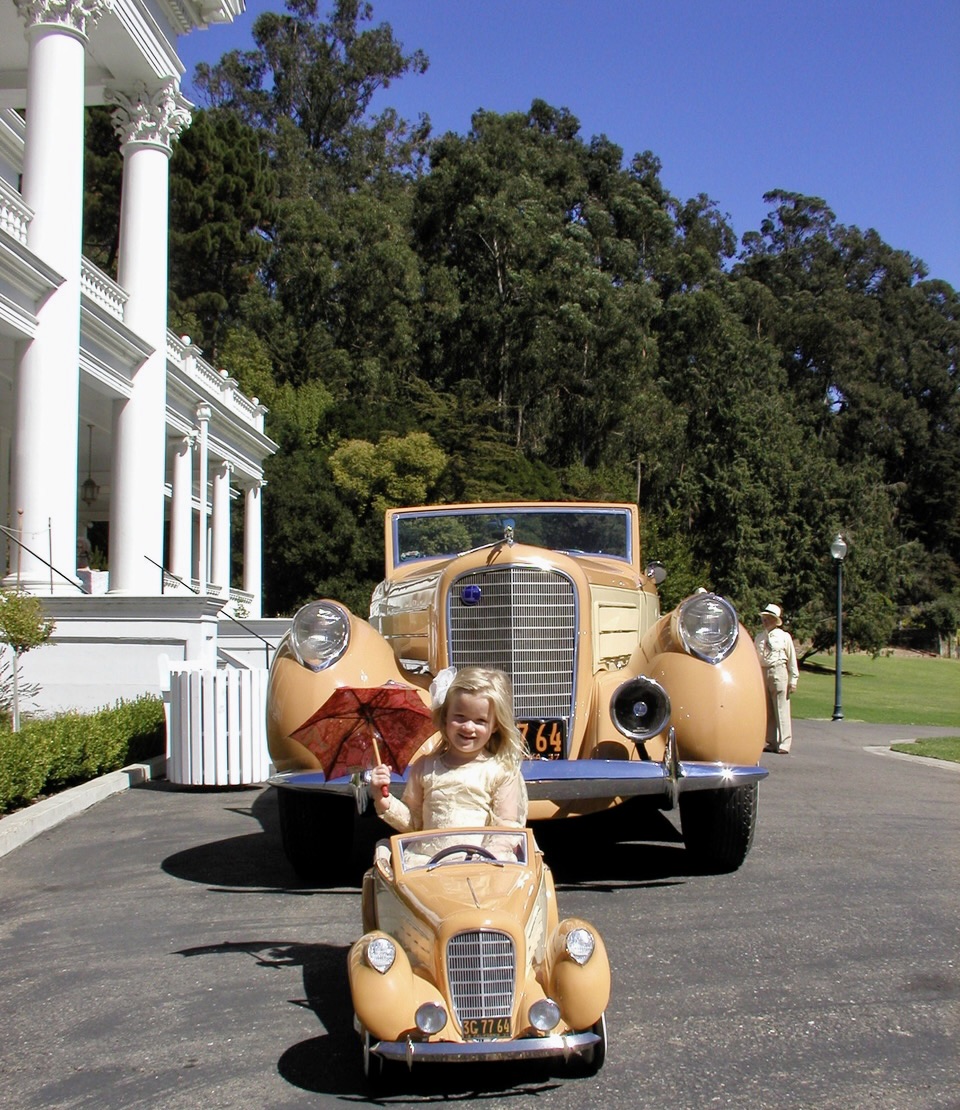
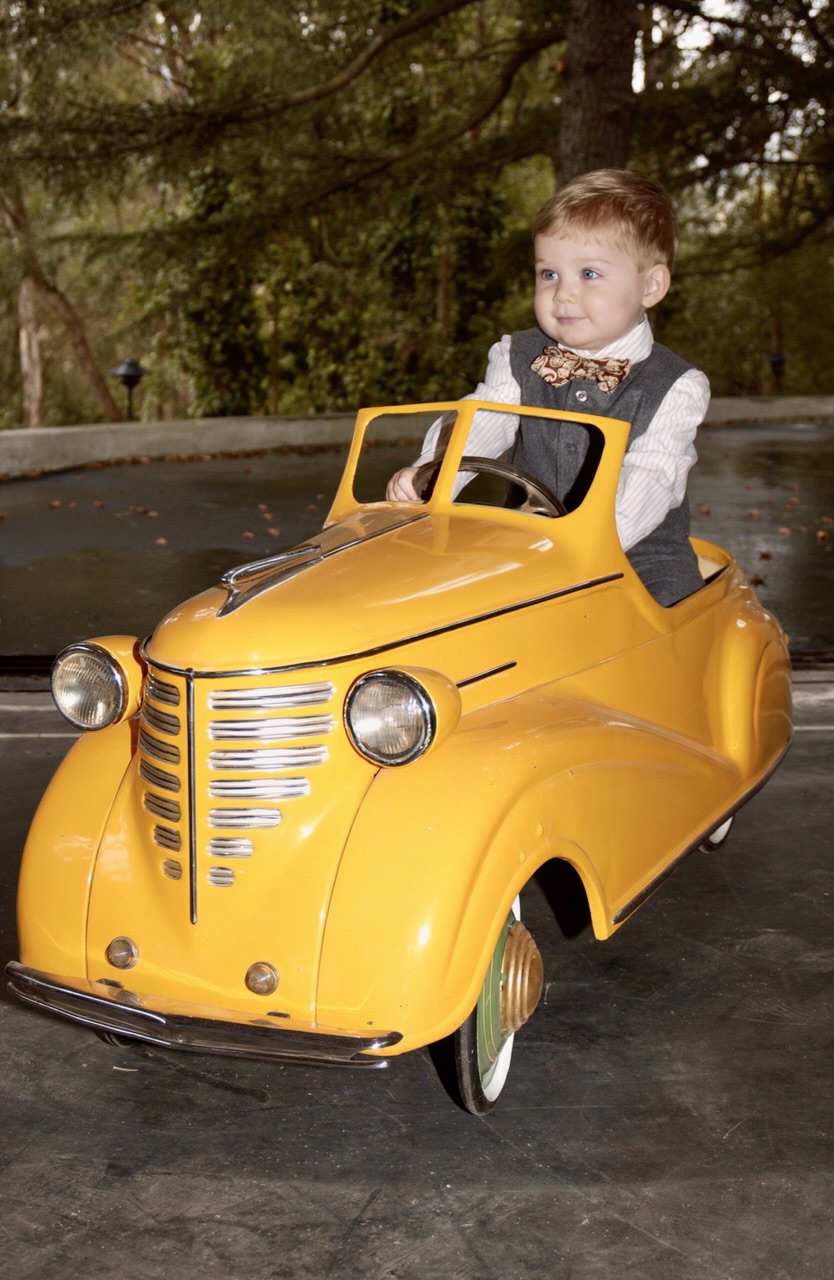
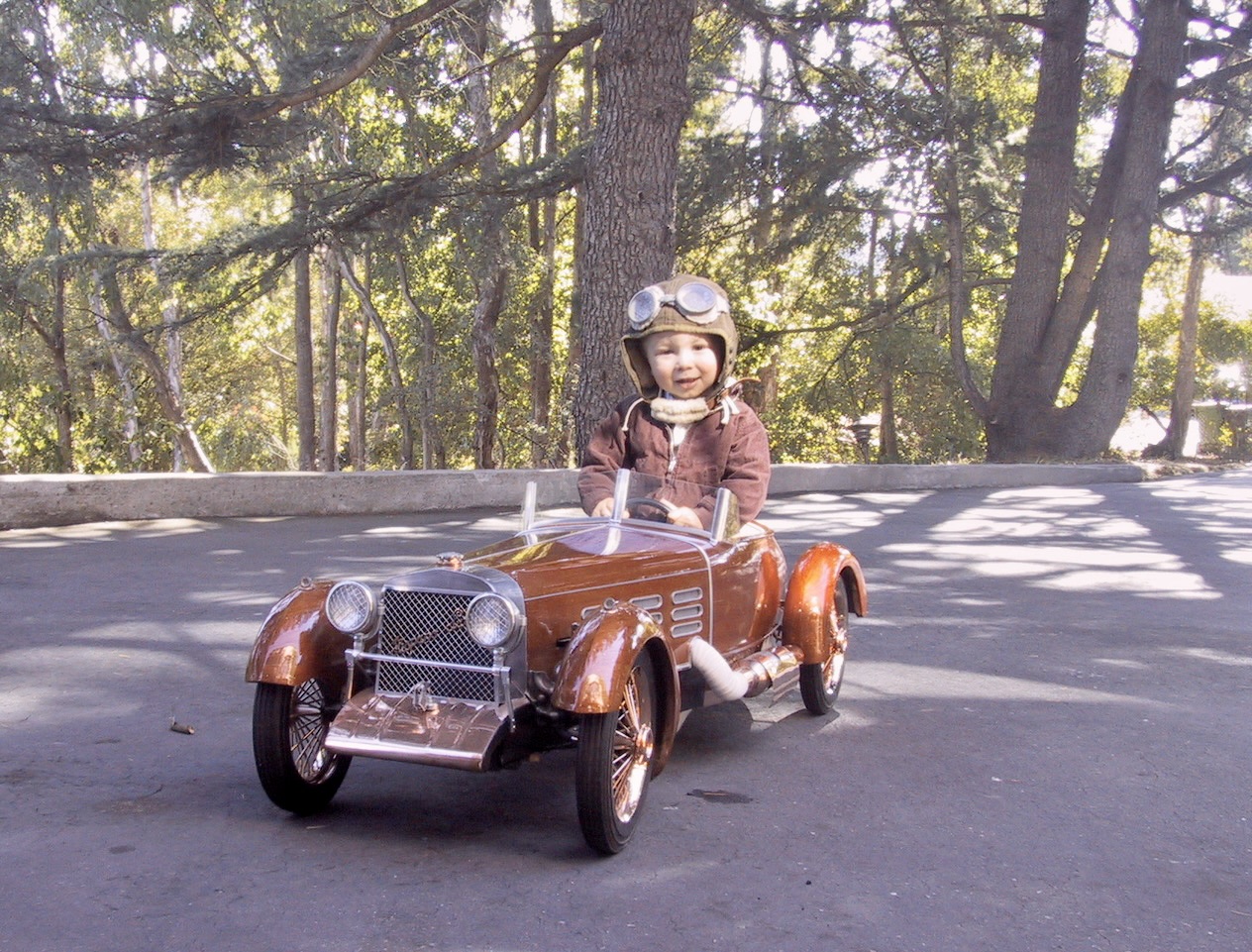
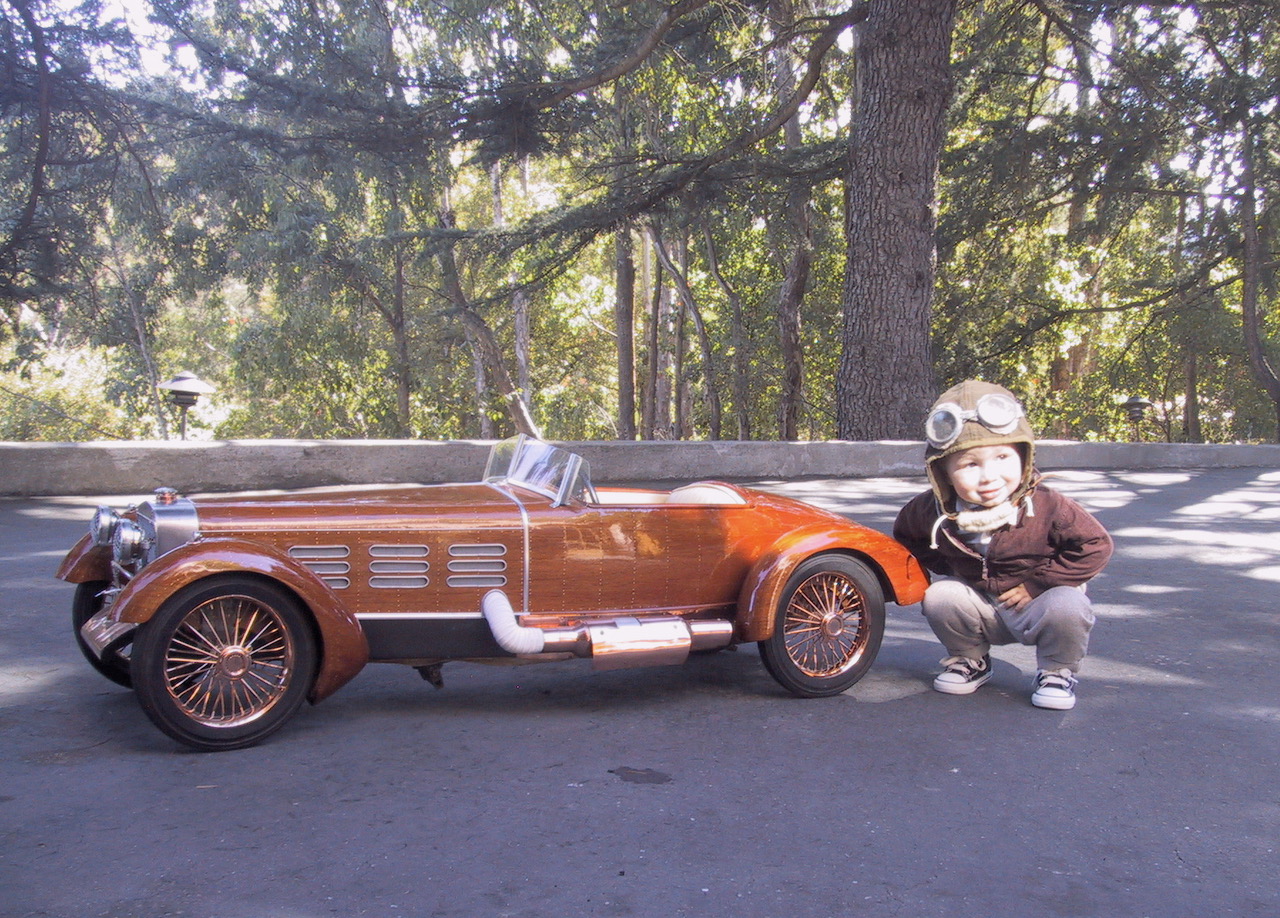
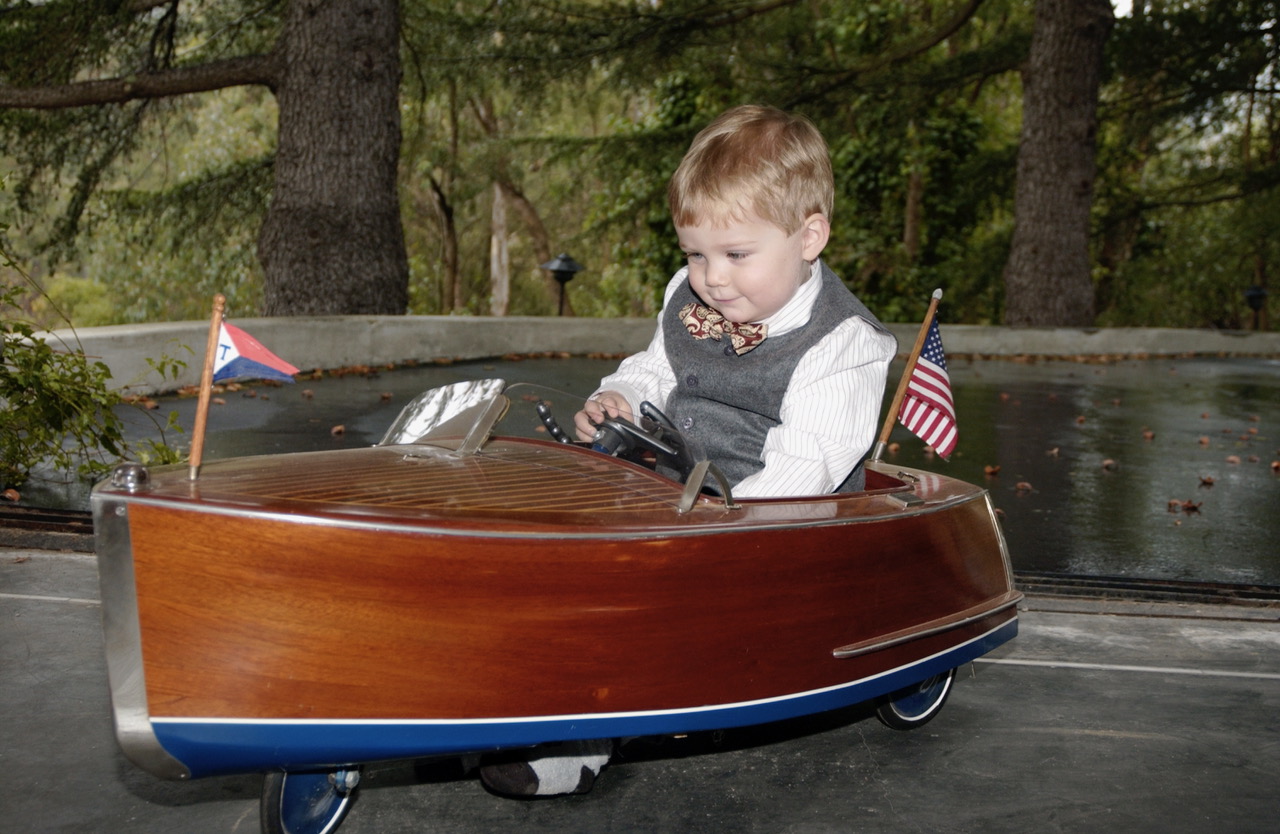
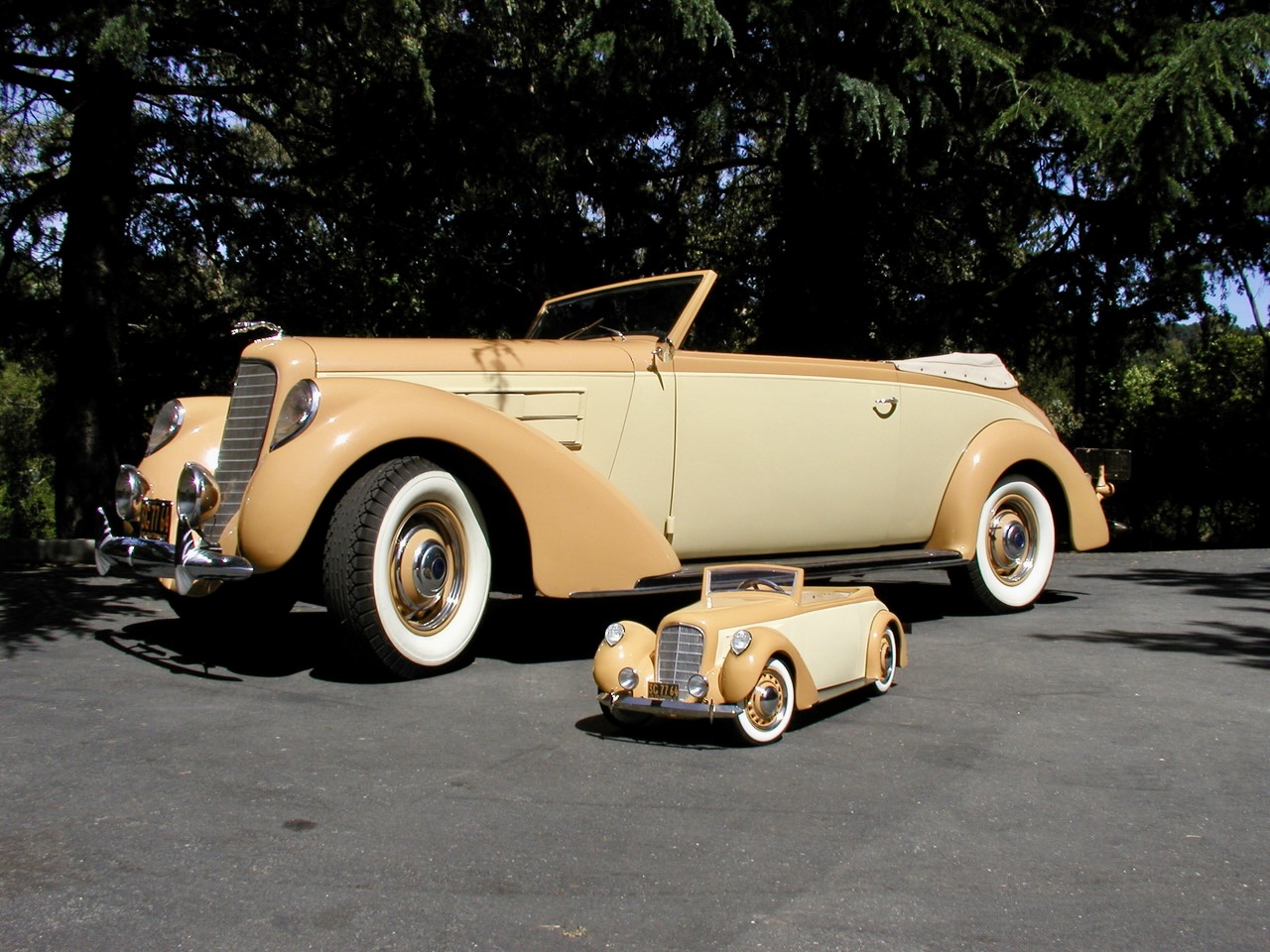
Featured here are several of Michael’s handmade custom pedal car creations, each one reflecting a personal vision rooted in historical design. These are far beyond the ordinary pedal cars that might have been familiar in their day. Michael fabricates parts, creates authentic details, and even builds working headlights, all with an extraordinary attention to accuracy and visual effect. He also extends his vision into clothing and costuming, an entirely separate creative endeavor that enriches the experience for viewers and for the fortunate children who have had the chance to ride in and participate in these imaginative recreations. The result is not simply a beautifully made object, but a fully realized evocation of another era, brought to life through design, craftsmanship, and theatrical presence.
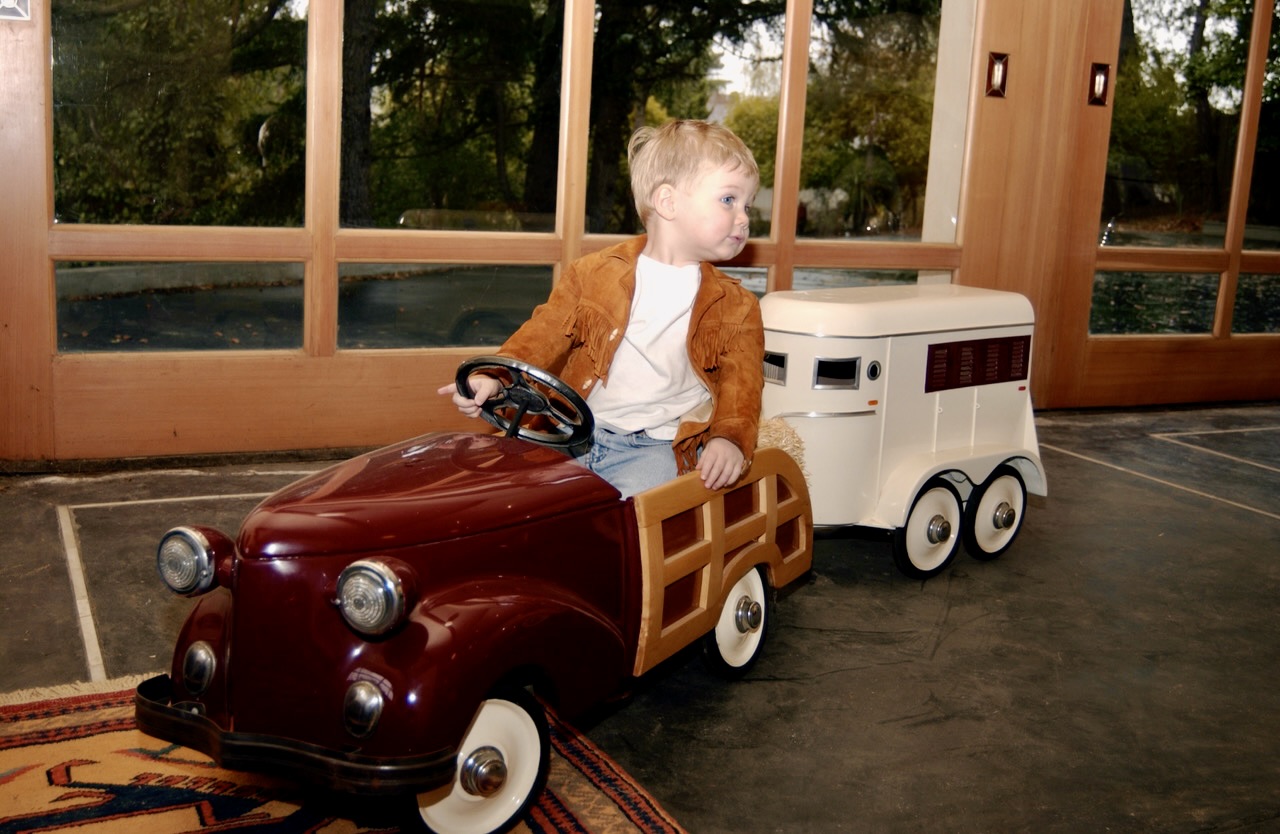
One of the true highlights is his interpretation of a 1937 Lincoln, a vintage automobile reimagined as an exacting pedal car with carefully observed color and distinctive automotive details. Equally impressive is his 1935 Hispano Suiza pedal car, inspired by the great racing machines of the period, along with a pedal boat fashioned after a 1940 Chris Craft, complete with a special Burgee pennant recalling the Lake Tahoe Yacht Club. He also created a trailer modeled after his own 1947 Miley horse trailer and restored a woody car with real wood trim. Taken together, these works reflect an exceptional dedication to the materials, style, elegance, and character of the period.
This is not a hobby for Michael, it is how he lives his life! — Rick Fishman
Click any photo to open the gallery