✕



ART & STATUES


CERAMICS + ART-GLASS



Art Deco Around The World
1939 Pan-American Clipper
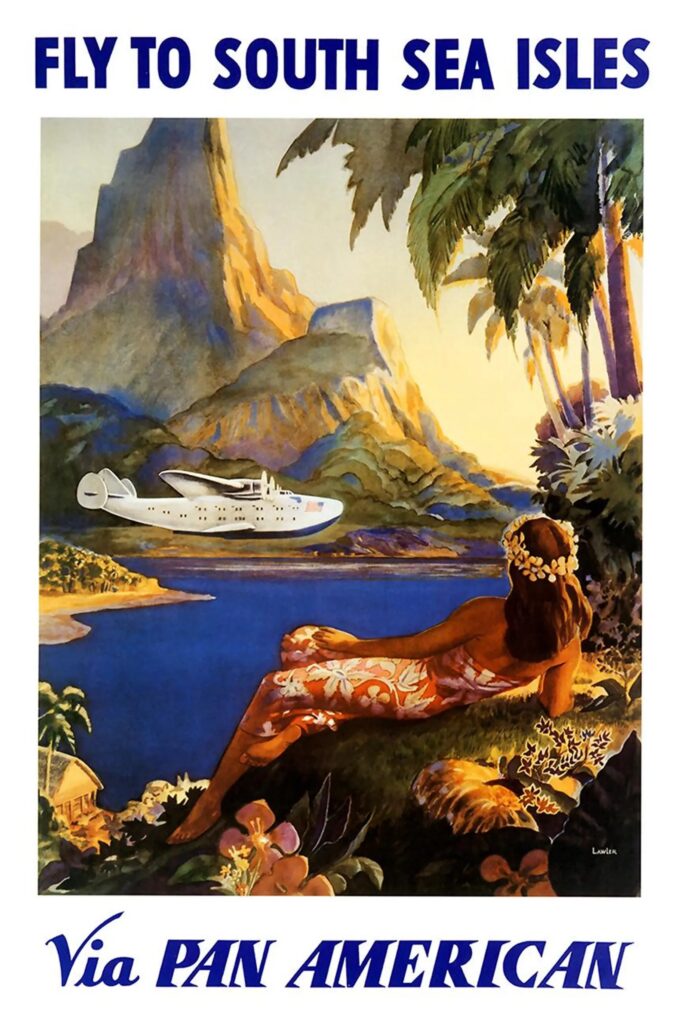
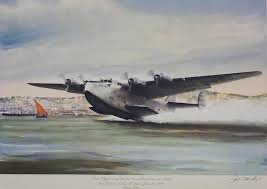
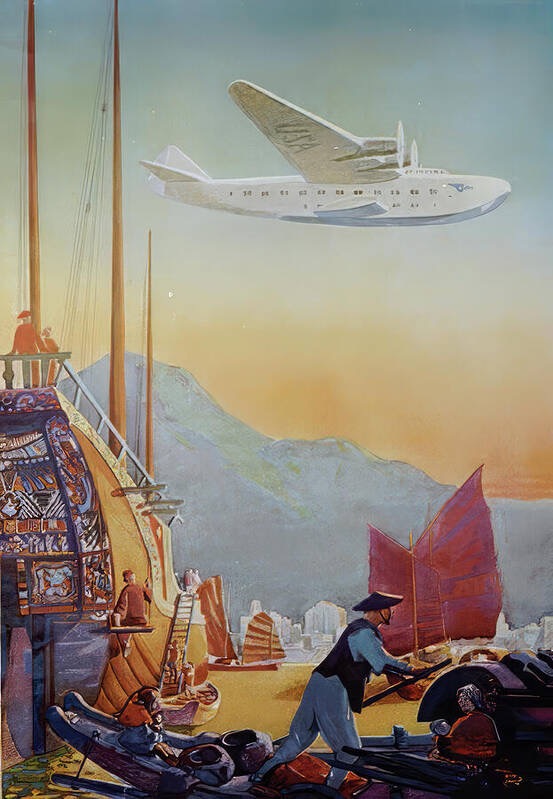
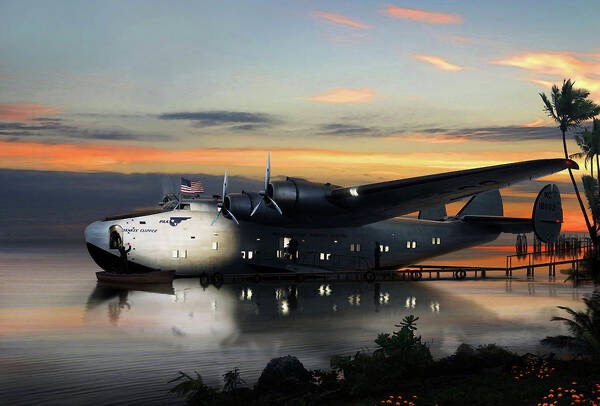
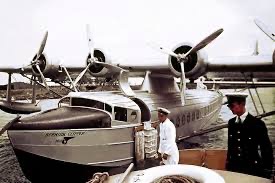
In the early days of aviation, runways were often little more than open fields, and large commercial airports did not yet exist. In the late 1930s, Boeing answered that limitation with the Model 314 “Yankee Clipper,” a flying boat designed to land on water, making long distance routes possible without the need to build airports around the globe. Pan American Airways pioneered its use for passengers and airmail, launching the first transatlantic service from Long Island to Southampton, England in 1939. Soon there were four versions of the 314 in service, reaching London, Honolulu, Sydney, Rio, Paris, and even Beijing. Carrying about 74 passengers and a 10 person crew for distances up to roughly 3,500 miles, the Clippers quickly outpaced ocean liners, shrinking journeys that once took weeks into trips that could be completed overnight.
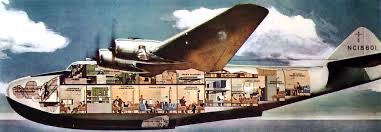
The Clippers were promoted as a five star hotel in the sky, offering an experience that was closer to luxury travel by sea than modern air service. Interiors featured couches instead of standard airline seating, sleeper cabins, a dining salon, dressing rooms, separate bathrooms for men and women, and even a honeymoon suite toward the rear of the aircraft. The journey itself was part of the allure, from boarding along a long dock at the water’s edge to enjoying a cocktail before a multi course meal and then retiring to a real bed. Unlike today’s tightly packed cabins, passengers could move around freely between the dining area, viewing spaces, and sleeping compartments. In today’s dollars, the most expensive long haul fares could reach around $13,000, though many routes cost notably less.

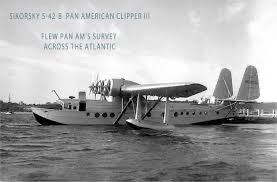
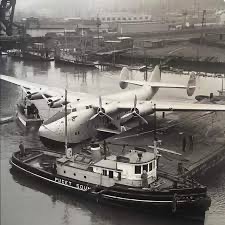
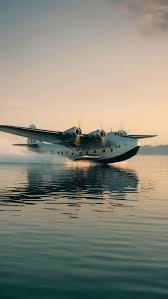
Everything changed with World War II. After the attack on Pearl Harbor, the US government took over Clippers for troop and logistics transport, but wartime advances soon made them obsolete. Faster aircraft, radar systems, and the rapid expansion of airports with long runways shifted aviation away from propeller driven seaplanes. After the war, newer airlines, modern aircraft, and a growing pool of trained pilots accelerated the move toward higher passenger volumes rather than floating luxury. Pan Am ultimately scrapped its fleet and replaced the Clippers with newer Boeing aircraft, and none of the original 314s were preserved. All but one, that is. In Limerick, Ireland, a former Pan Am stop, the last remaining Clipper 314 has been recreated and reassembled, with a museum built around it to preserve the memory of this extraordinary chapter in aviation history.



ART & STATUES
CERAMICS + ART-GLASS
© Copyright Art Deco Collection. 2026 All rights reserved. Site Map