



Warren McArthur
Warren McArthur Jr. was born in 1885 in Chicago, Illinois, to a successful businessman whose family was friendly with Frank Lloyd Wright, who designed the McArthur family home in 1892. He attended Cornell University, where he studied engineering, and shortly after graduating in 1912, received a patent for the short-globe lamp, which he sold to the Dietz Lantern Company for $2,000. He then moved to Phoenix, Arizona, with his brother Charles, where the two sold Dodge automobiles and founded KFAD, the first radio station in Arizona. A lifelong wanderer and inventor, McArthur also designed and patented the first recreational vehicle in 1931, a four-bed touring bus he called the Wonderbus. In the late 1920s, he began designing furniture for the Arizona Biltmore Hotel, conceived by his architect brother Albert Chase McArthur. The Wall Street Crash of 1929 brought the hotel venture to ruin, and the Biltmore was purchased in a foreclosure sale by chewing gum tycoon William Wrigley. McArthur subsequently relocated to Los Angeles to concentrate on manufacturing furniture based on his Biltmore designs. He died in New York City in 1961, largely forgotten, though his furniture was rediscovered in the 1990s and is now highly sought by collectors.
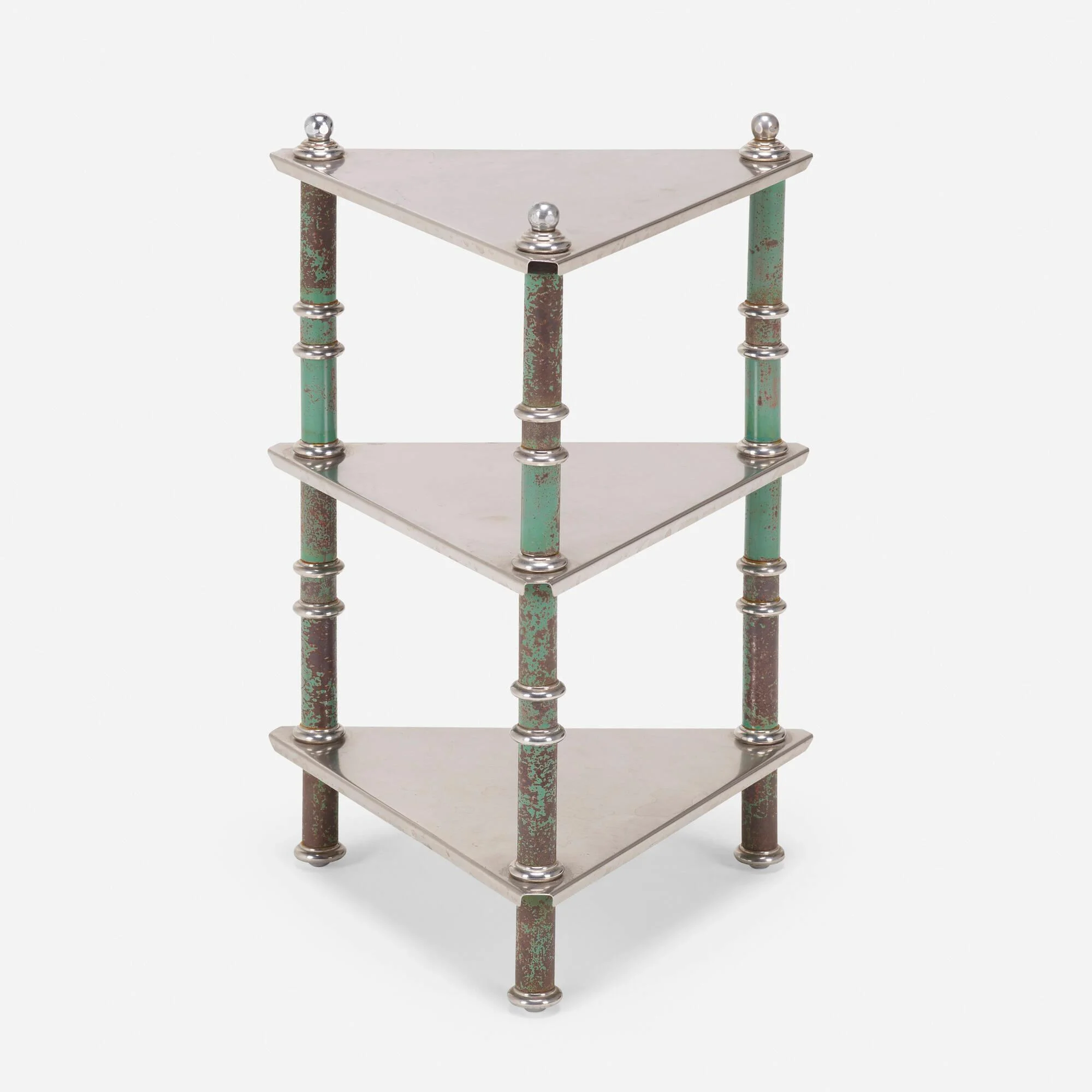
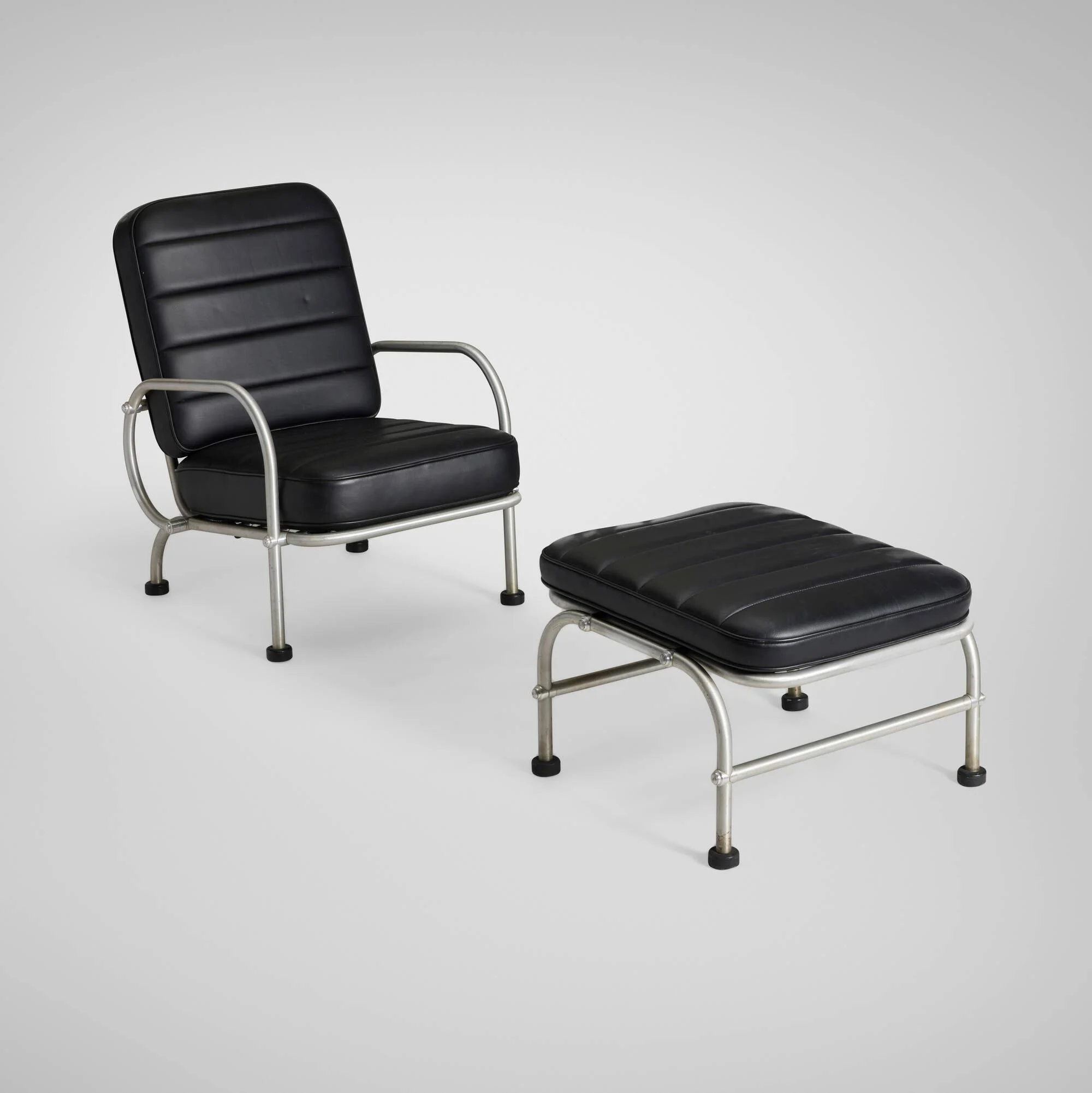
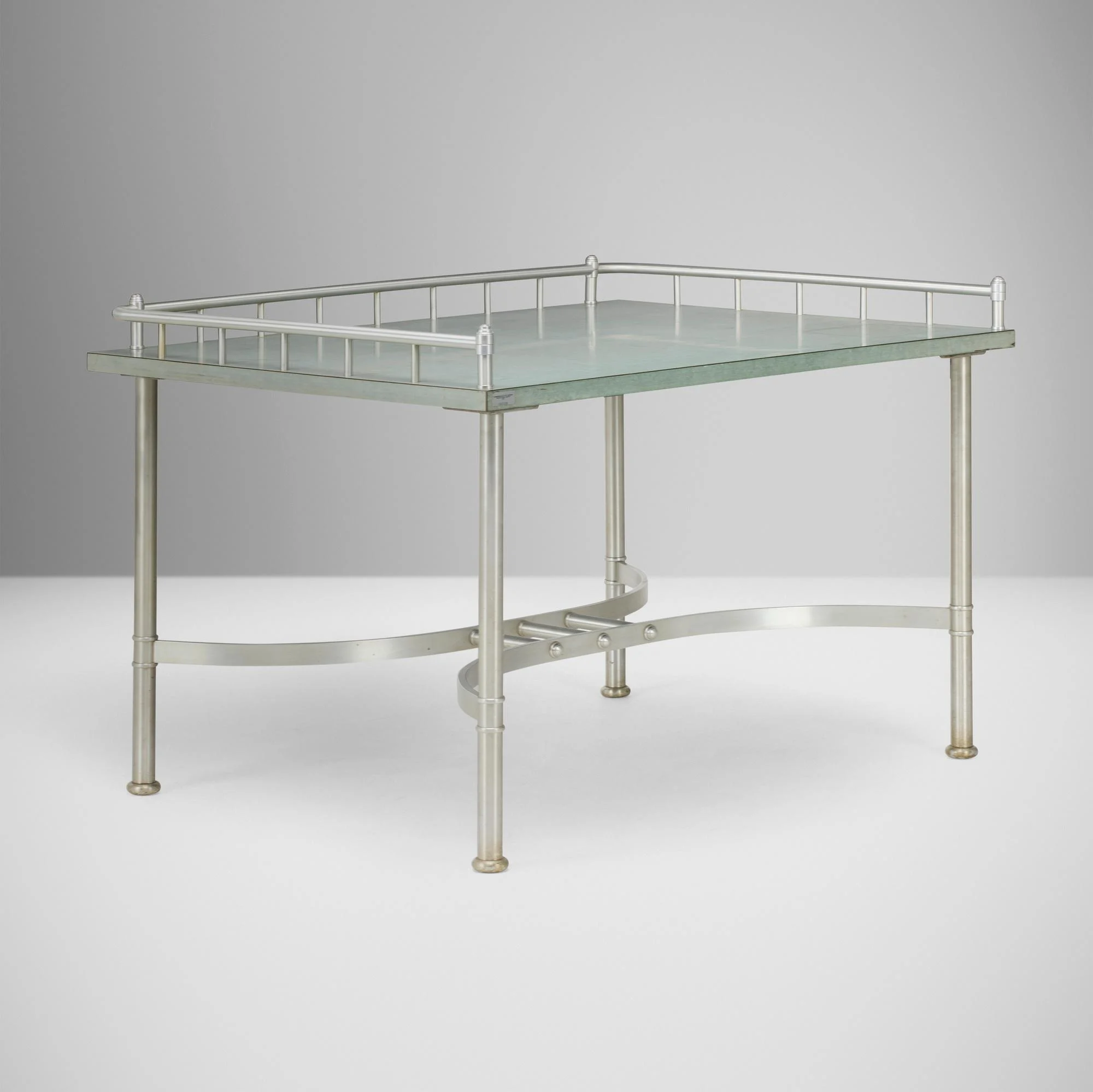
In the early 1930s, as aluminum became a popular industrial design material, McArthur developed a specialization in aluminum tubular furniture, producing chairs, tables, sofas, lamps, and ashtrays. He moved his company east to Rome, New York, in 1932 and established a sales office and showroom at 1 Park Avenue in New York City in 1933. His furniture quickly attracted prominent architects, with Paul R. Williams commissioning thirty pieces for the Cord automobile family and Rudolph Schindler commissioning work for his design of Sardi’s restaurant in Los Angeles. Hollywood’s smart set swooned over his work as well, with clients including Jack L. Warner, Marlene Dietrich, Fredric March, and Clark Gable. High-profile institutional commissions followed, including Union Pacific Railroad dining cars, Cunard passenger waiting lounges, Chrysler executive offices, and Marshall Field’s department store hair salons. In 1934, his furniture was exhibited at the Metropolitan Museum of Art’s Exhibition of Contemporary American Industrial Art. During World War II, the Warren McArthur Corp. produced between 75 and 85 percent of the seats used in U.S. military aircraft, making a key technological innovation by fabricating them from lightweight magnesium alloy tubing. After the war he founded Mayfair Industries in Yonkers, New York, producing institutional furniture, including a popular folding chair design, until his retirement in 1961.
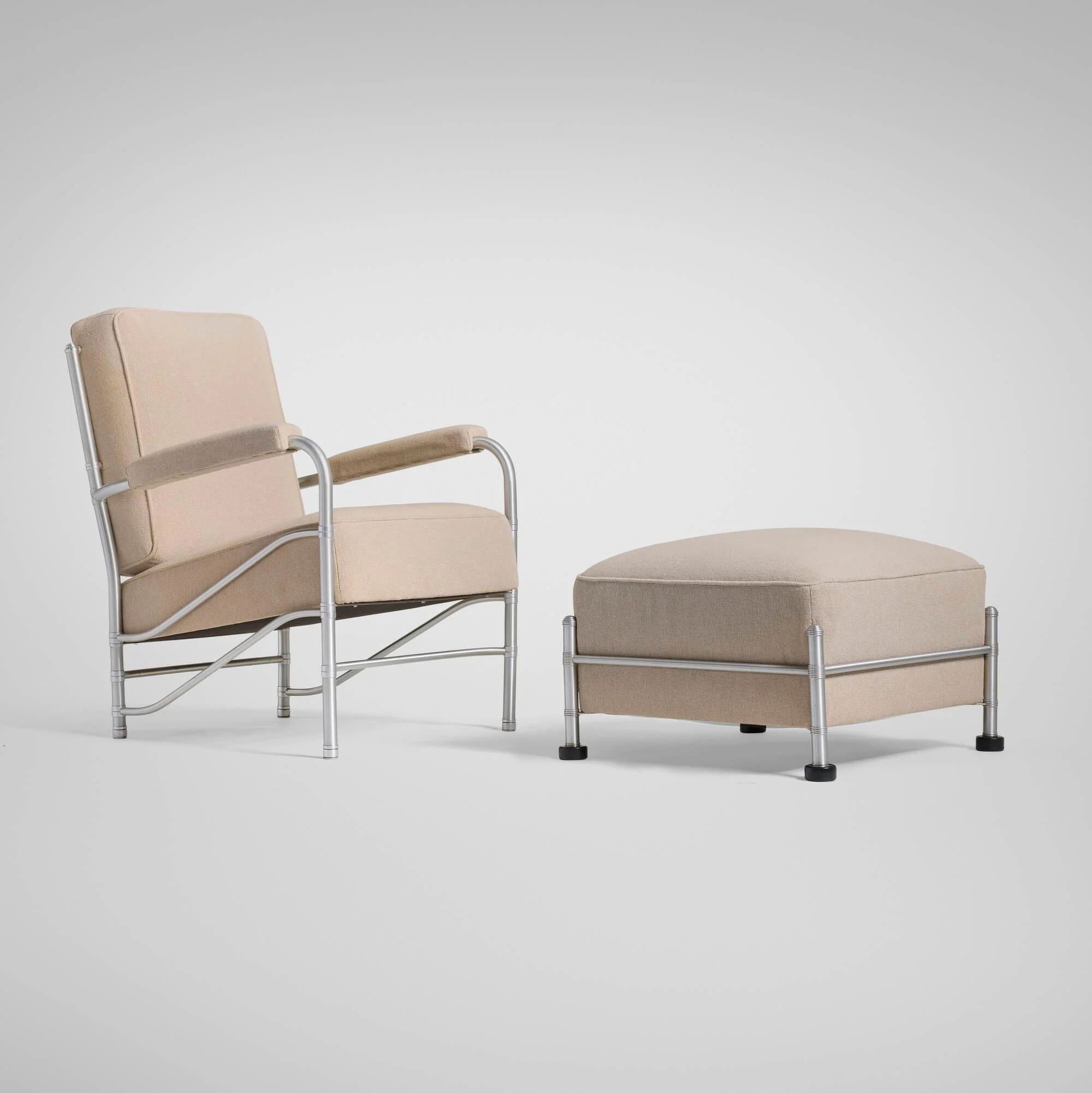
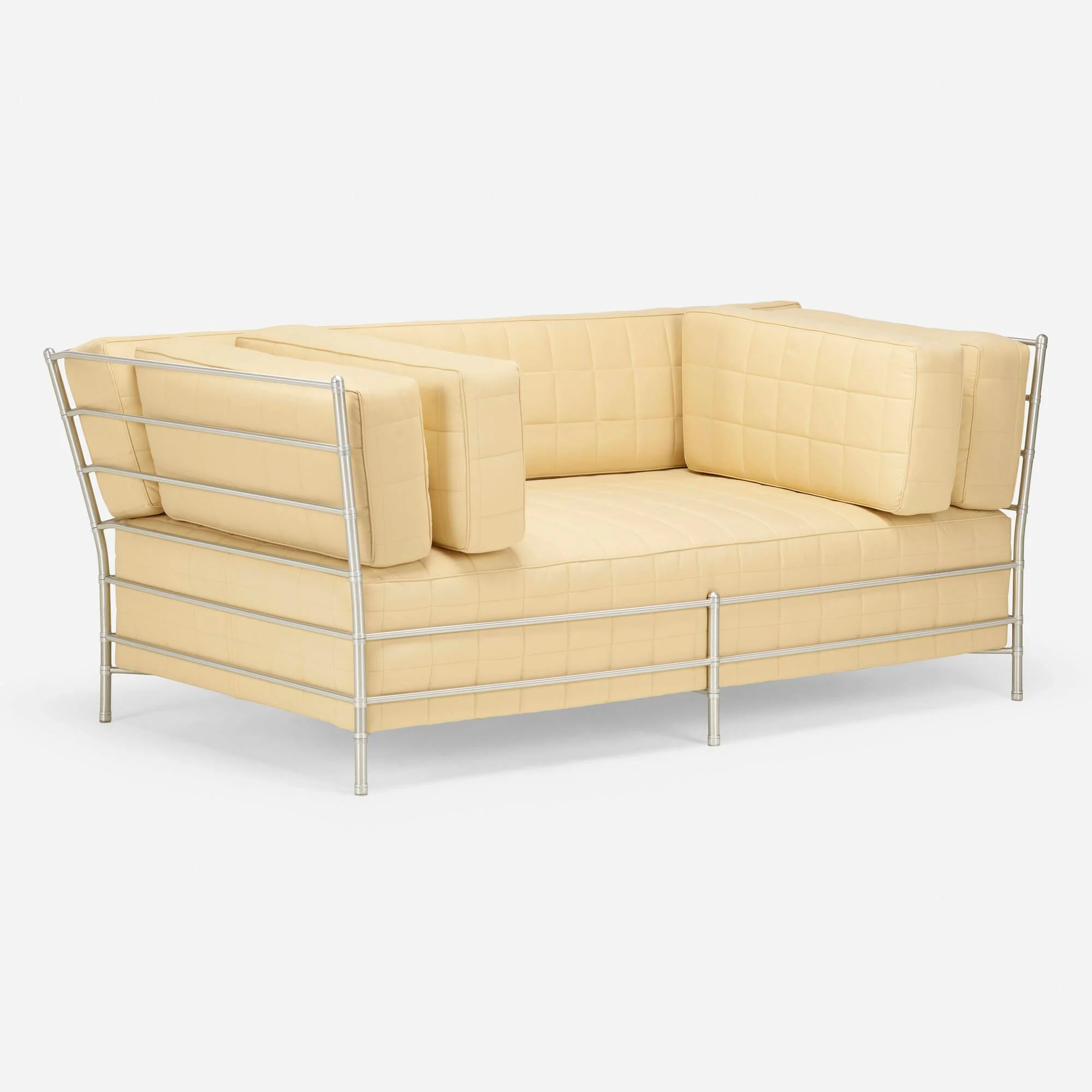
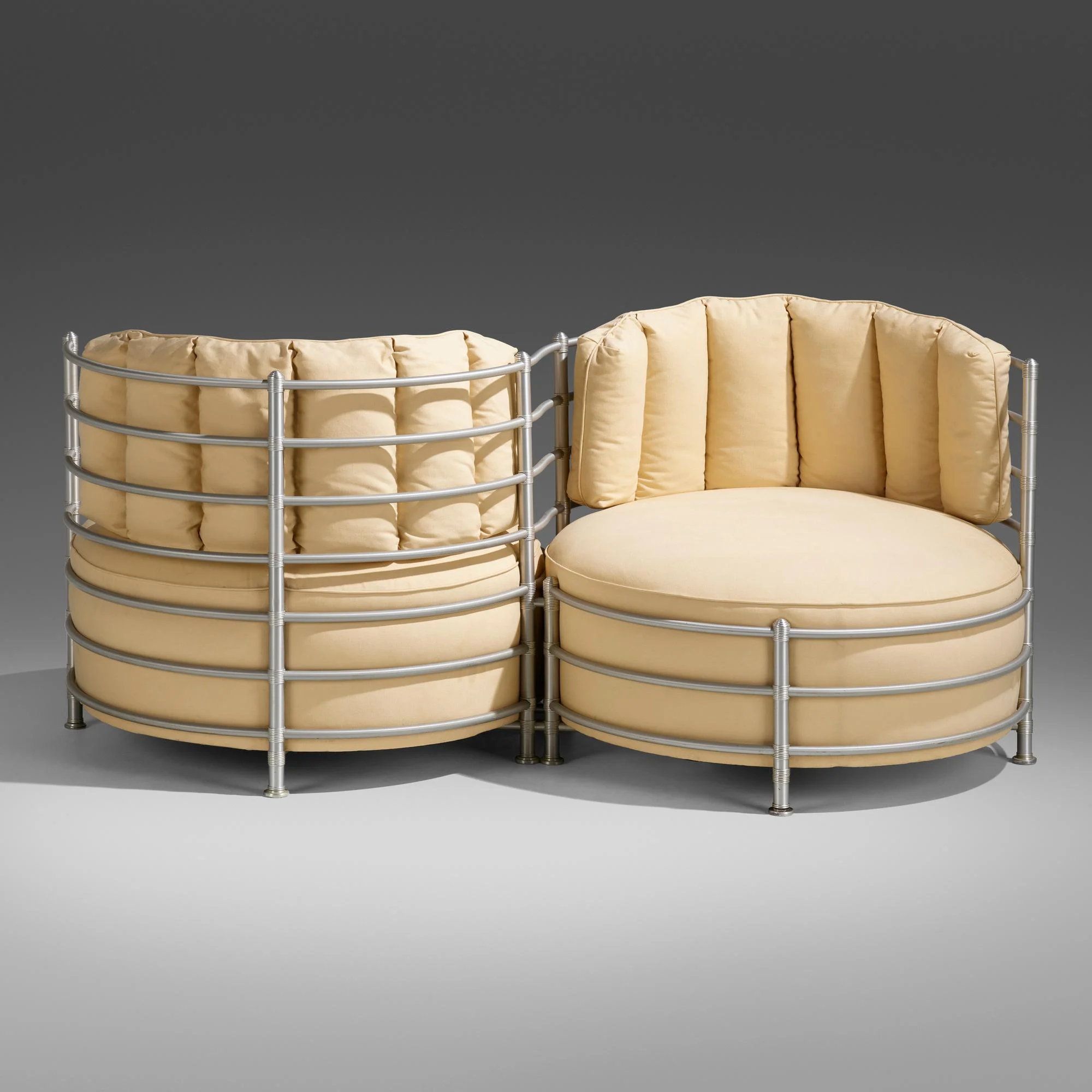
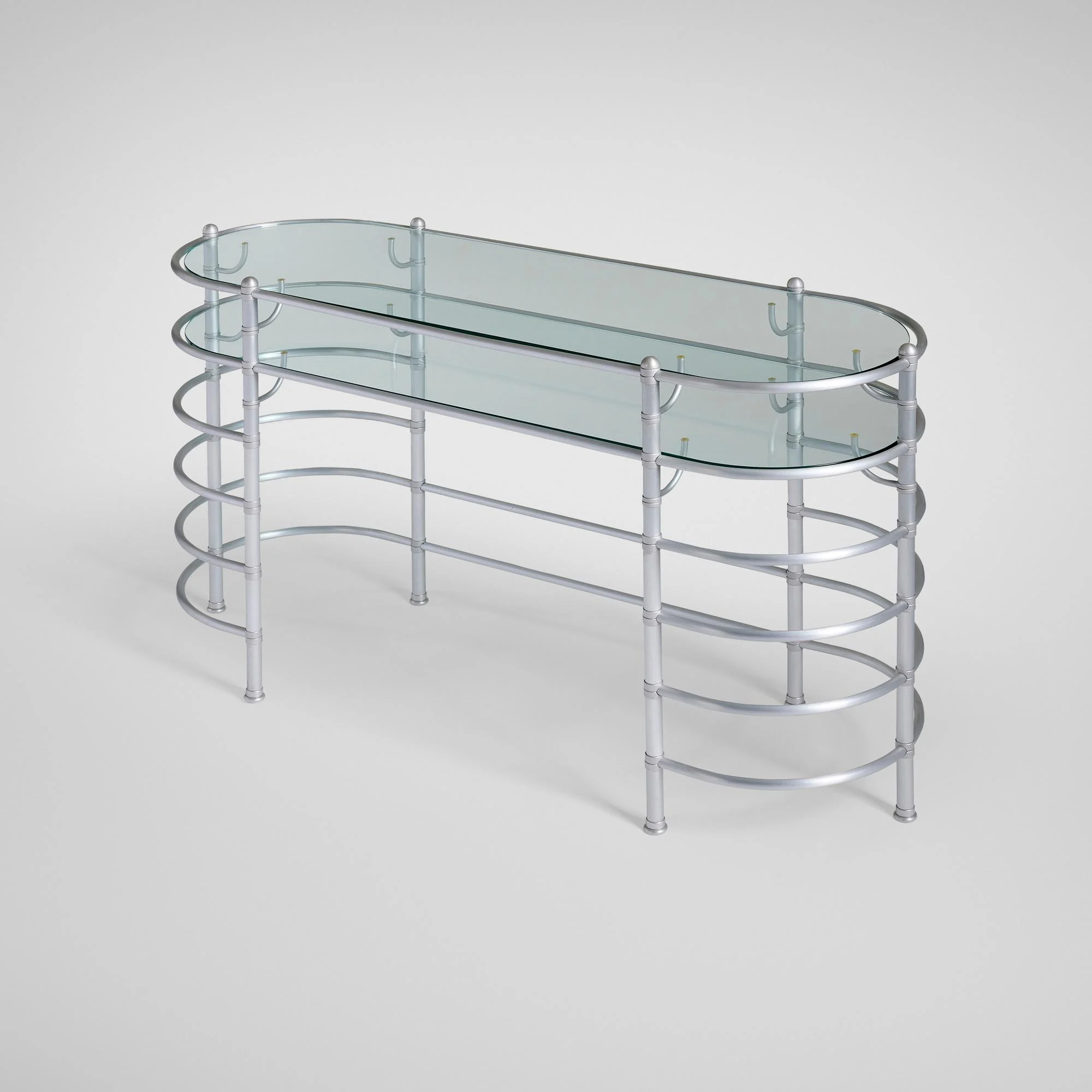
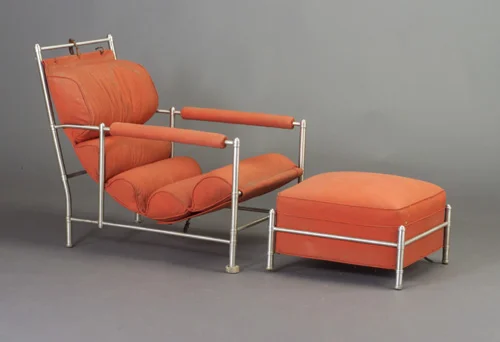
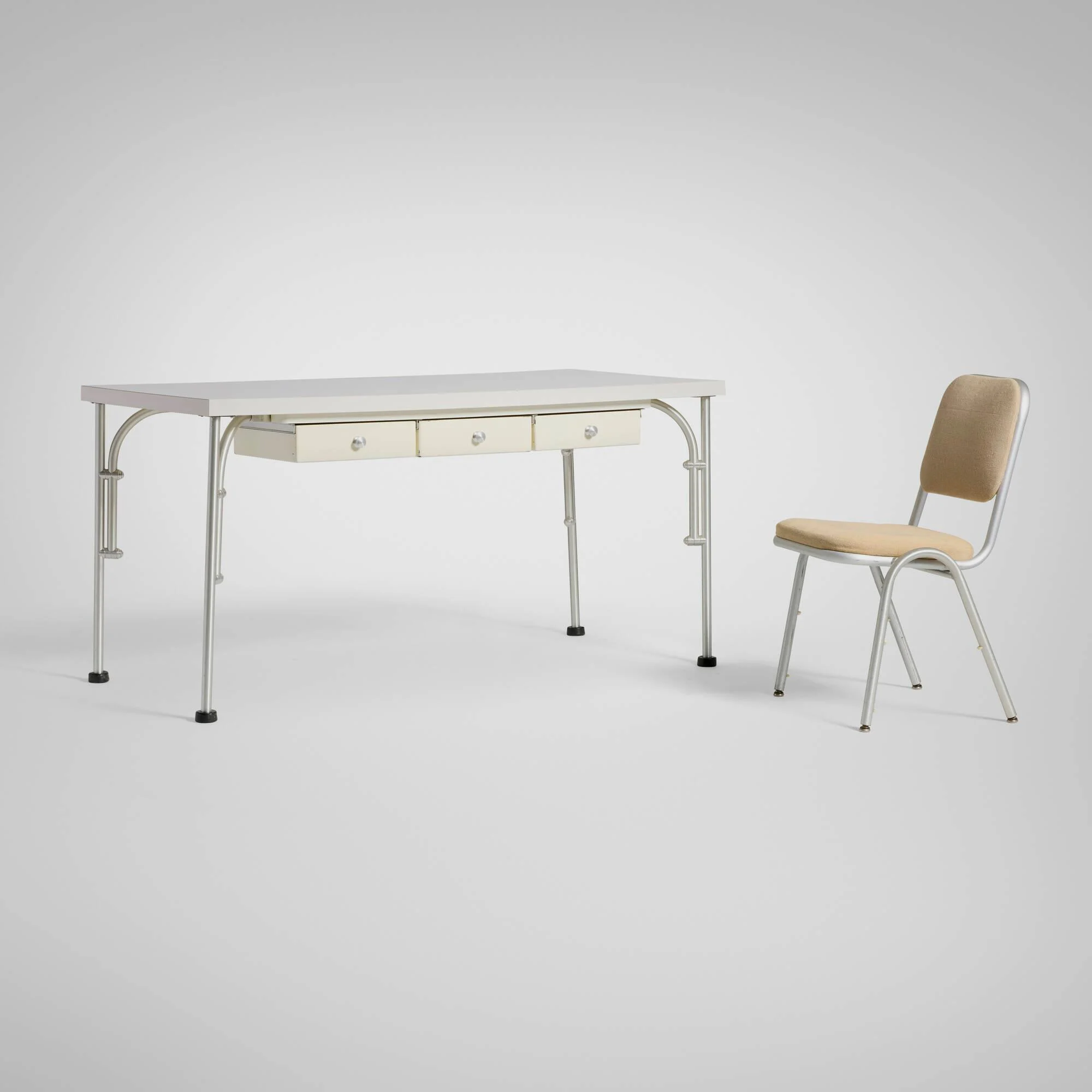
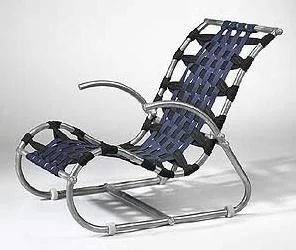

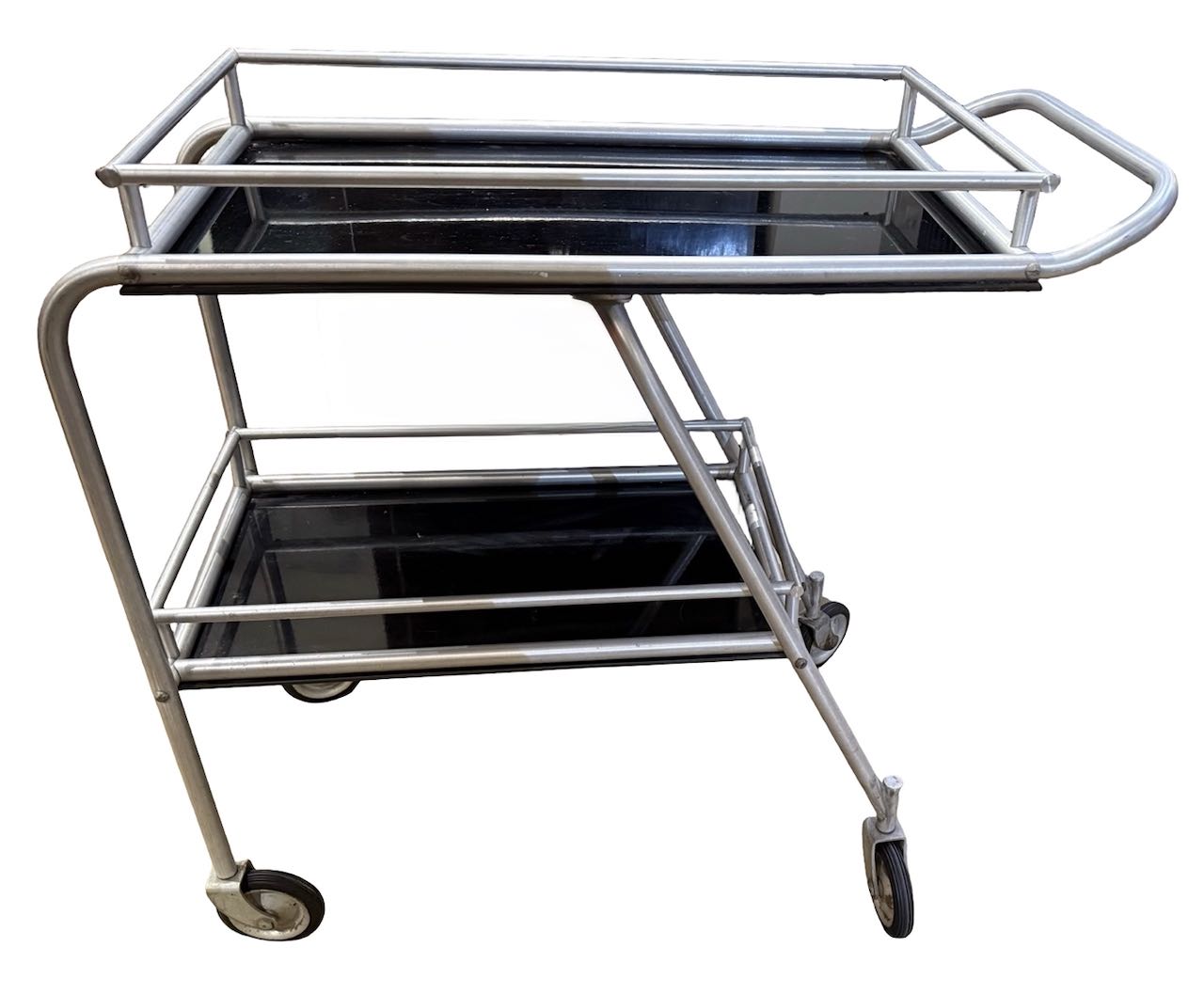
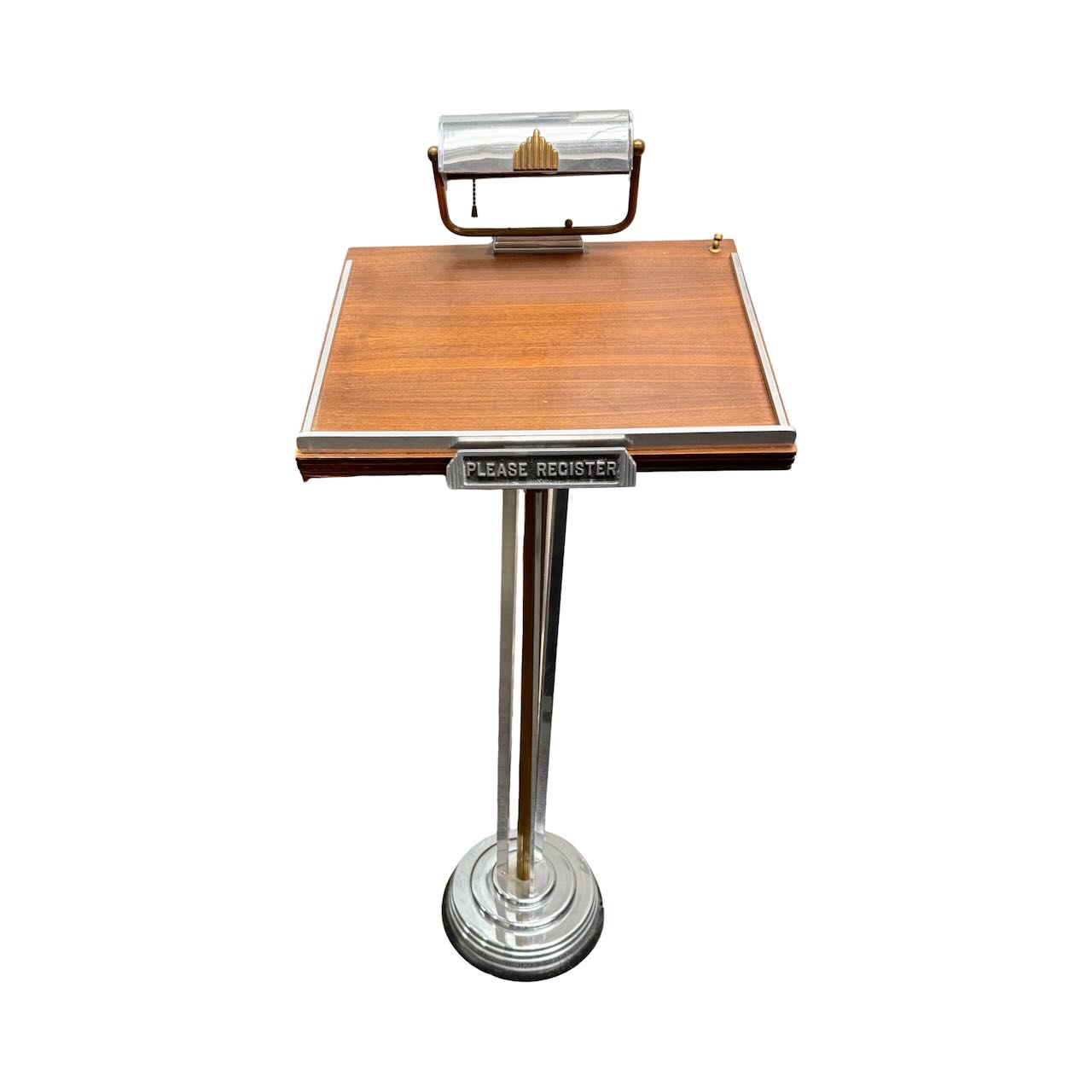
McArthur’s furniture was defined by its ingenious engineering, with supporting steel rods placed inside hollow aluminum tubes and attached with interchangeable joints and washers that were left visible, sometimes capped with smooth, round buttons. The finished pieces were polished to a matte silver finish, often with distinctive black rubber feet, combining industrial precision with a brawny, streamlined elegance that linked his work aesthetically to the automobiles and aircraft of the era. His furniture had what collectors describe as a capacity to transcend its environment while remaining quiet and comfortable, a quality that has made it as appealing to contemporary interiors as it was to the sophisticated homes and offices of the 1930s.
Key Influences
- Aluminum in American Design: His pioneering use of aluminum as the primary material for refined domestic furniture helped legitimize the metal as a medium for high-quality design beyond its industrial applications.
- Streamlined Modernism: His tubular furniture became one of the clearest American expressions of machine-age aesthetics, translating the visual language of automotive and aviation design into domestic interiors.
- Aviation Innovation: His wartime production of magnesium alloy aircraft seats, accounting for the majority of U.S. military aircraft seating, represented a significant technological contribution to aerospace materials engineering.
- Hollywood and Modern Living: His popularity among Hollywood’s elite helped associate modernist furniture with glamour and aspiration, shaping American consumer taste for sleek, functional interiors in the 1930s.
- Collector and Museum Culture: His rediscovery in the 1990s, and subsequent inclusion in the Brooklyn Museum, the Art Institute of Chicago, and Cooper Hewitt, among others, helped establish mid-century American industrial furniture as a serious collecting category.
If you are interested in further stories of the artists who shaped Art Deco, return to our artists page to browse the full directory.

Related Products from ArtDecoCollection.com