
Pierre Le Faguays (Fayral, Guerbe)
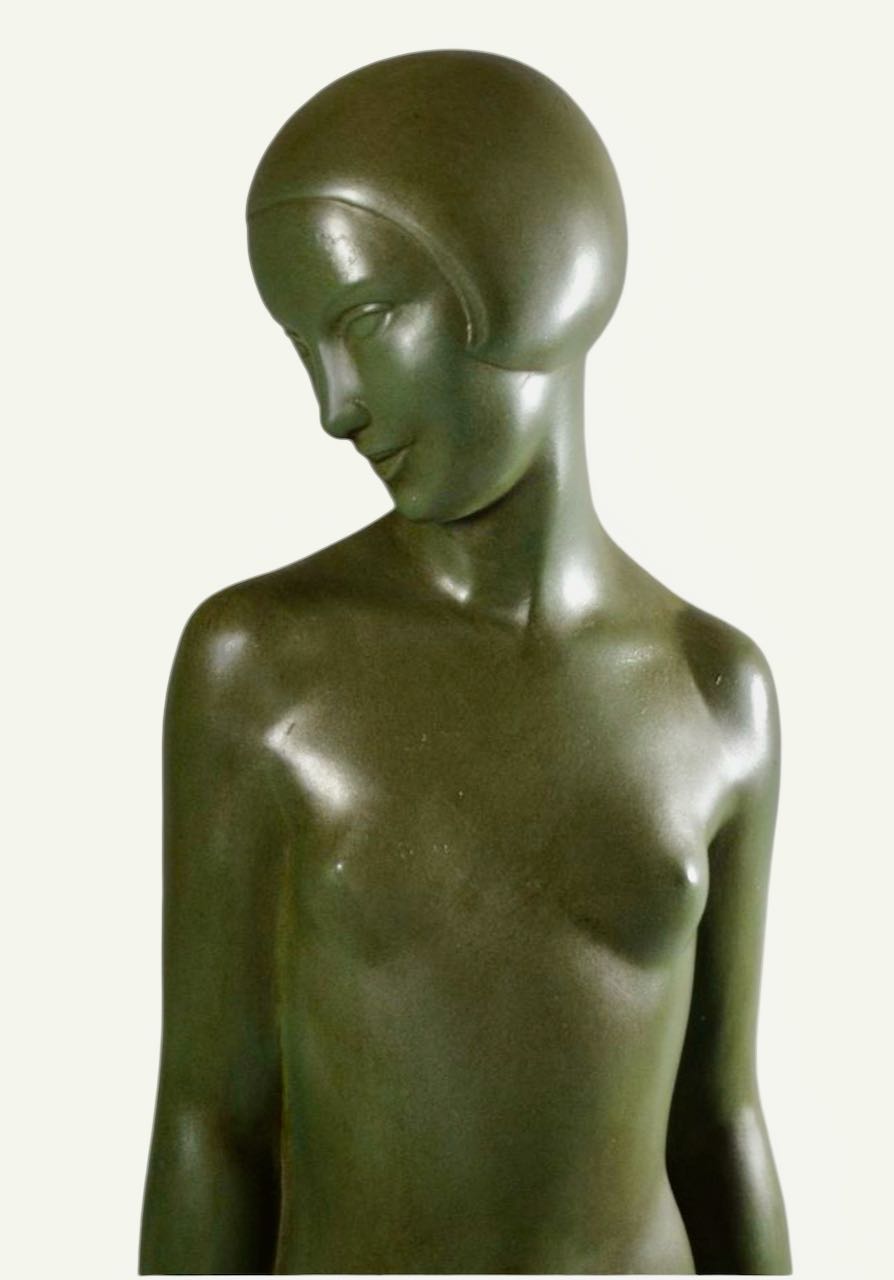
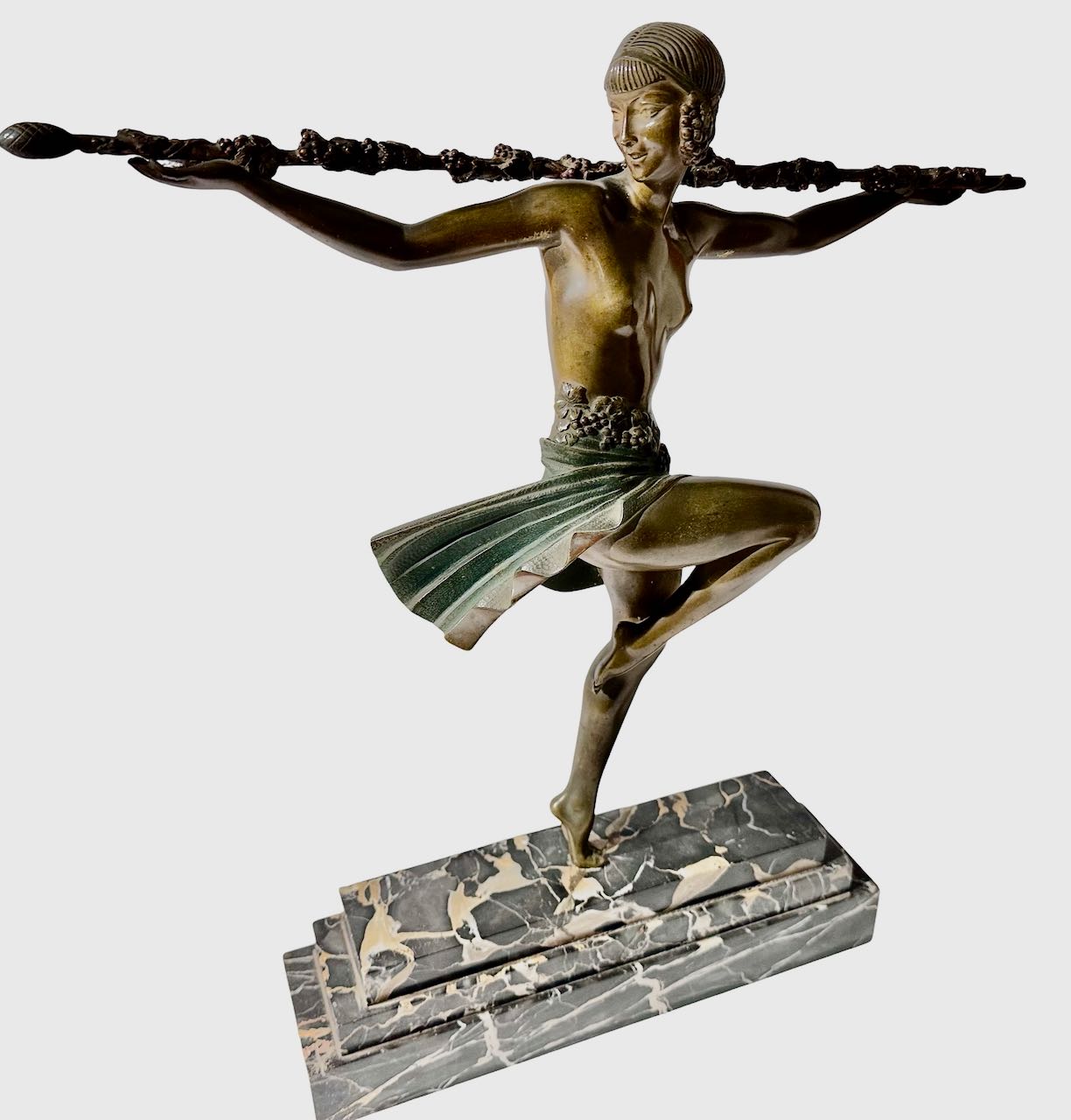
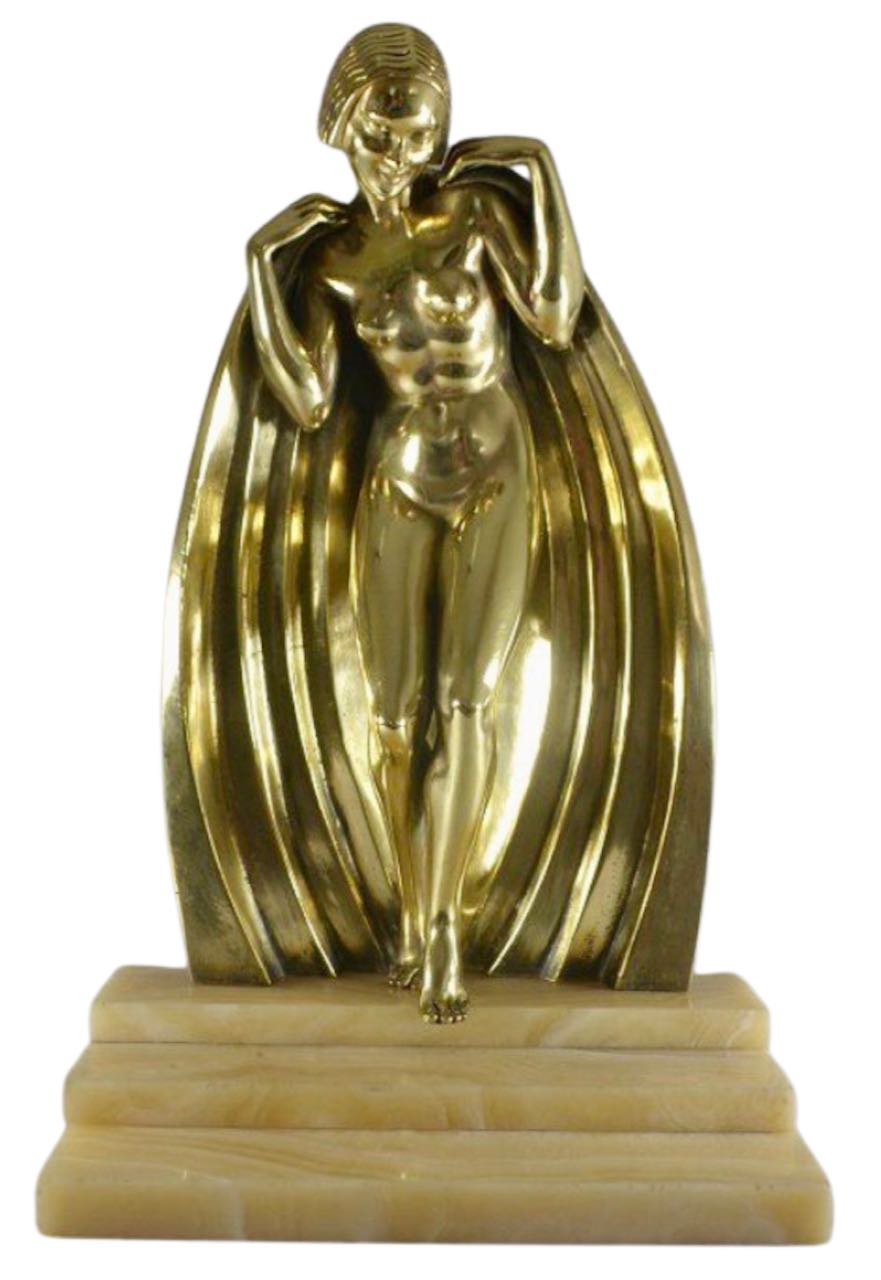
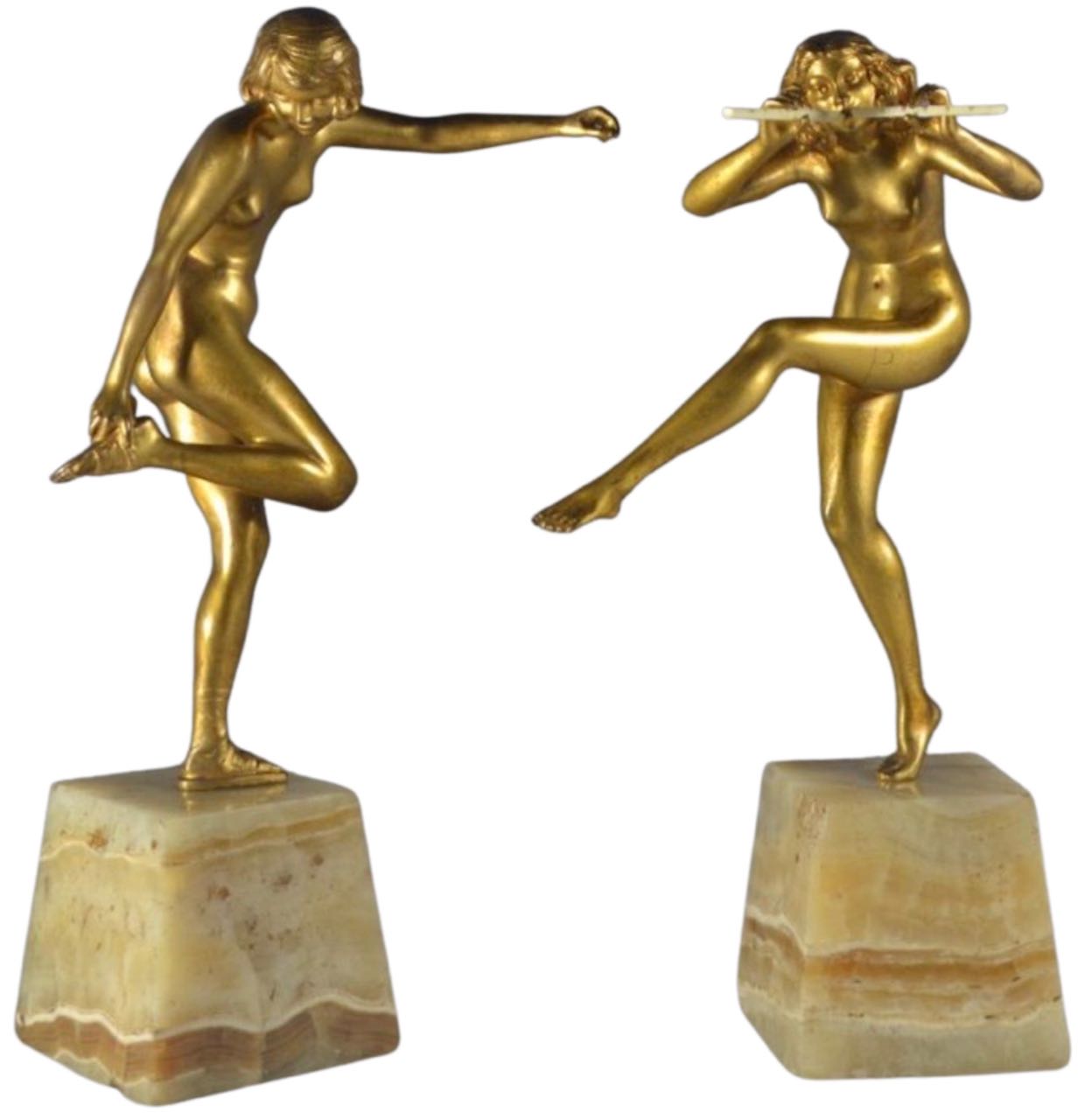
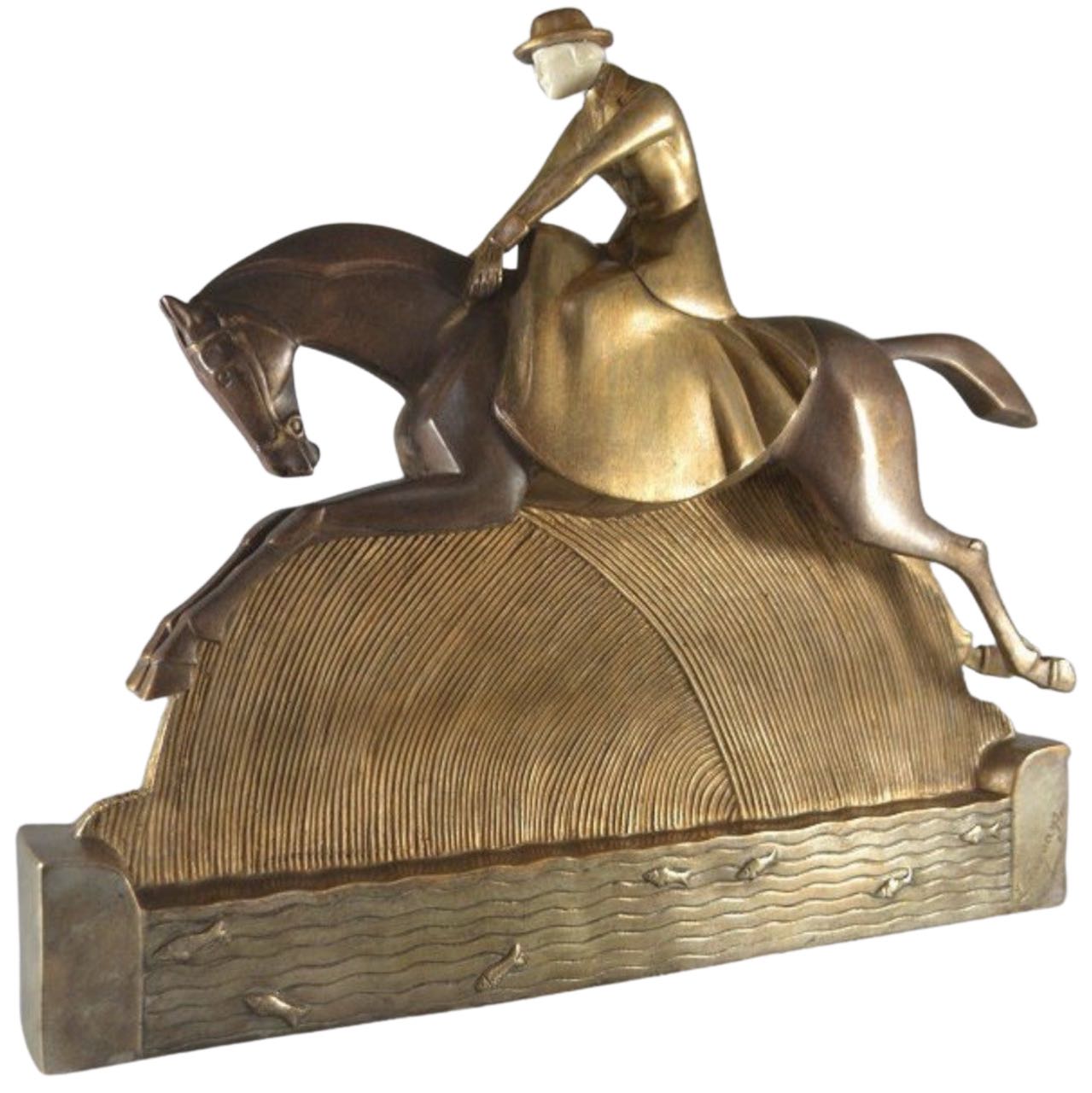
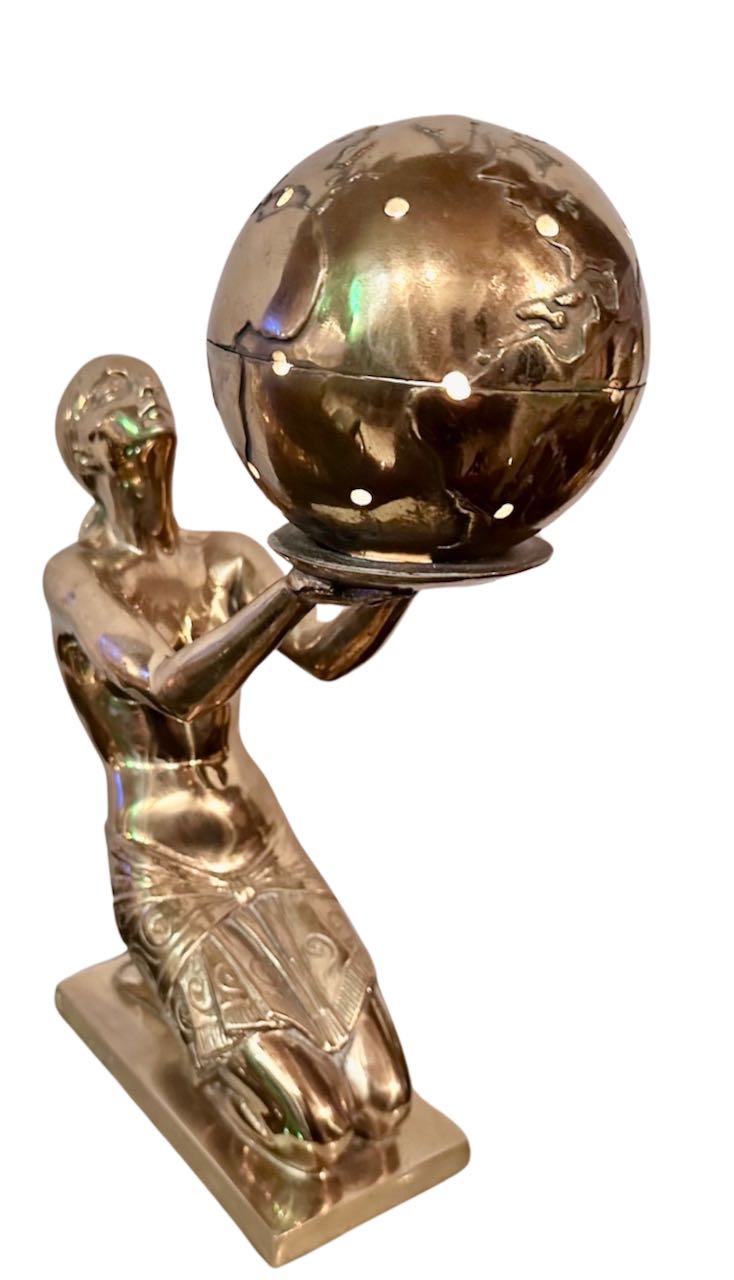
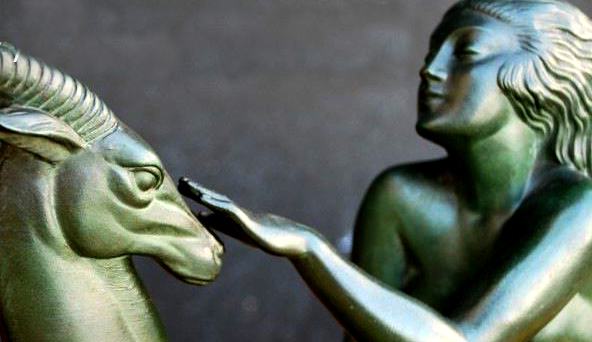
Pierre Le Faguays (1892–1962) was one of the most expressive sculptors of the Art Deco movement, celebrated for his dynamic depictions of motion and the human form. Born in Nantes, France, he studied under James Vibert at the École des Beaux-Arts in Geneva before emerging in the 1920s as a leading figure in modern decorative sculpture. Le Faguays captured the interwar fascination with vitality, rhythm, and grace, translating these qualities into bronze, spelter, and terracotta works that embodied the energy of the age. Often collaborating with esteemed foundries such as Susse Frères and Max Le Verrier, he produced editions that brought fine art into the homes of the modern middle class without sacrificing artistic refinement. His sculptures frequently depicted dancers, athletes, and allegorical figures whose sweeping gestures and fluid lines exemplified the Art Deco ideal of elegance in motion.
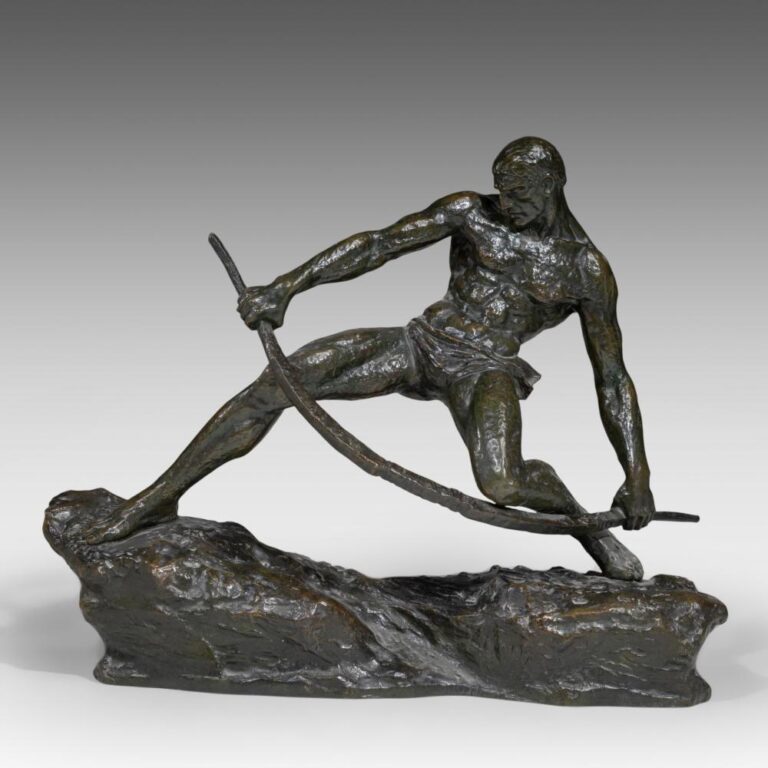
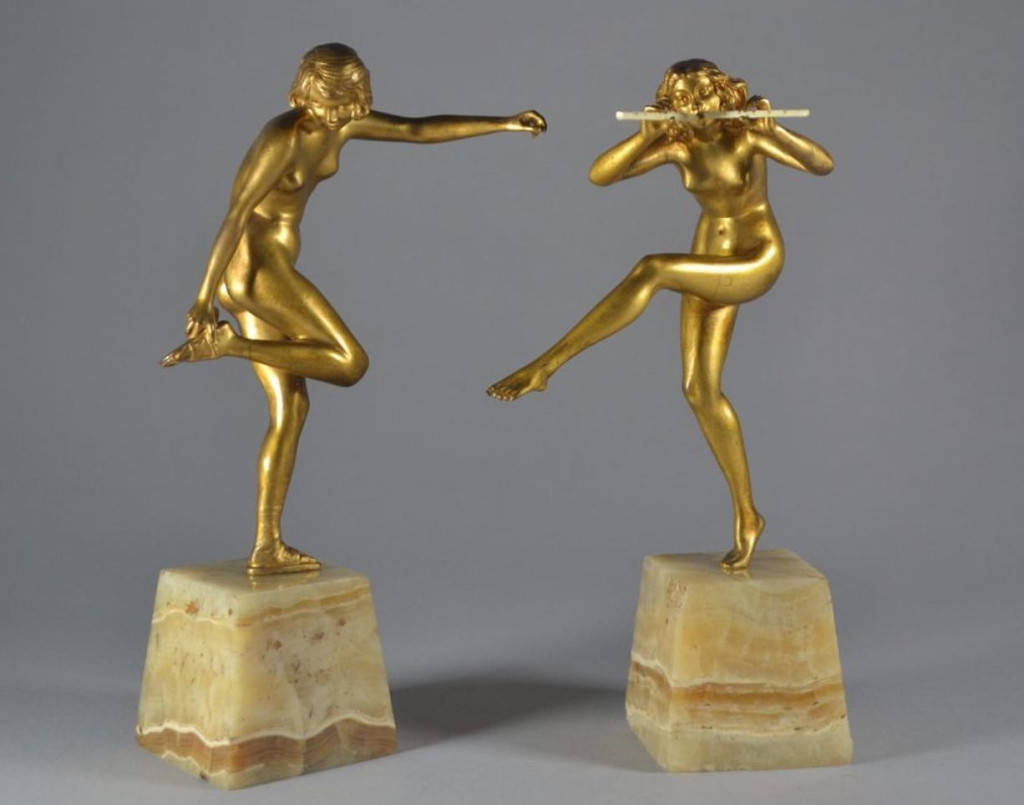
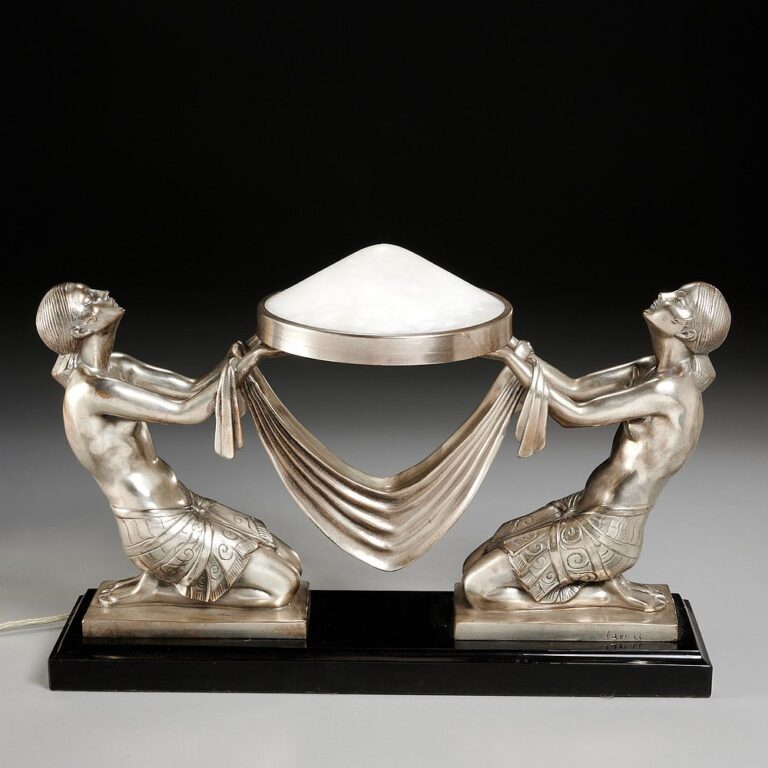
Throughout his career, Le Faguays blended classical composition with modern sensibility, creating works that balanced idealized form with expressive movement. His figures, often rendered with elongated limbs, angular poses, and stylized drapery, reflect both the influence of Greek antiquity and the aerodynamic aesthetics of the 1920s. Working under his own name as well as the pseudonyms “Raymond Guerbe” and “Laure,” he expanded his output to include architectural ornaments, lighting designs, and decorative bronzes that integrated art into the fabric of daily life. Le Faguays was closely associated with his contemporaries Max Le Verrier and Marcel Bouraine, with whom he shared both stylistic affinity and professional collaboration through the Société des Artistes Français. His works continue to define the sculptural essence of Art Deco, celebrated for their balance of dynamism, discipline, and sculptural purity that bridges classical tradition and modern design.
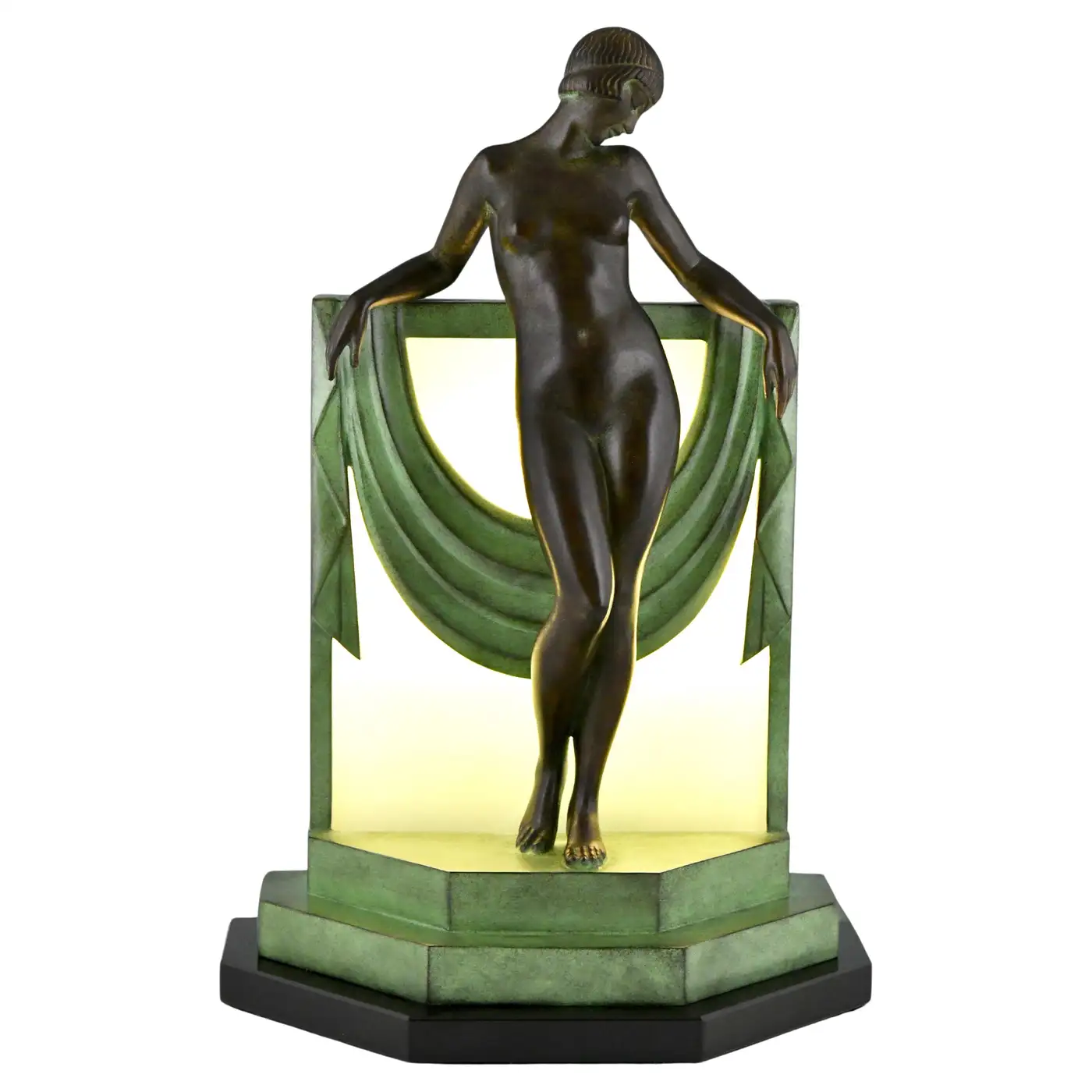
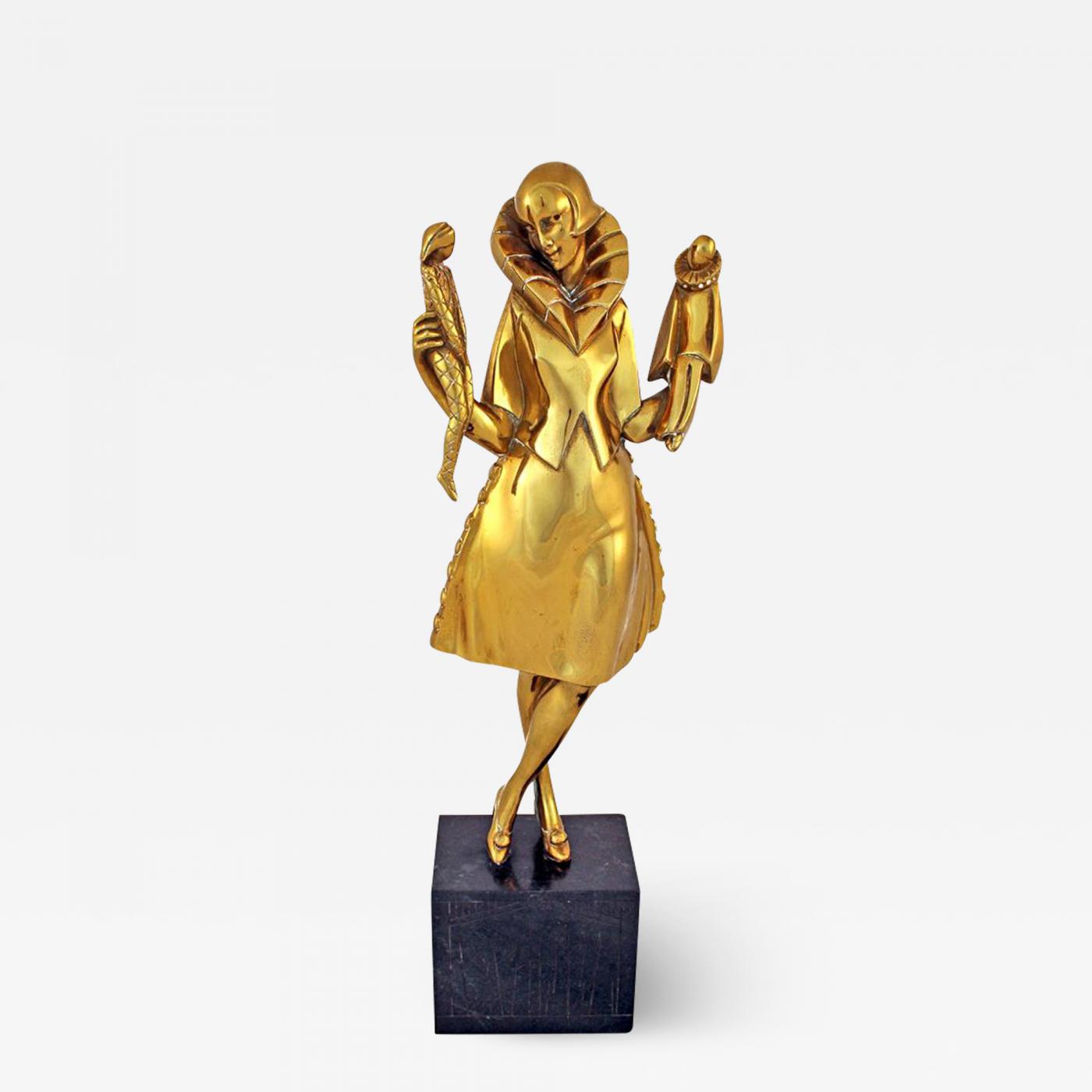
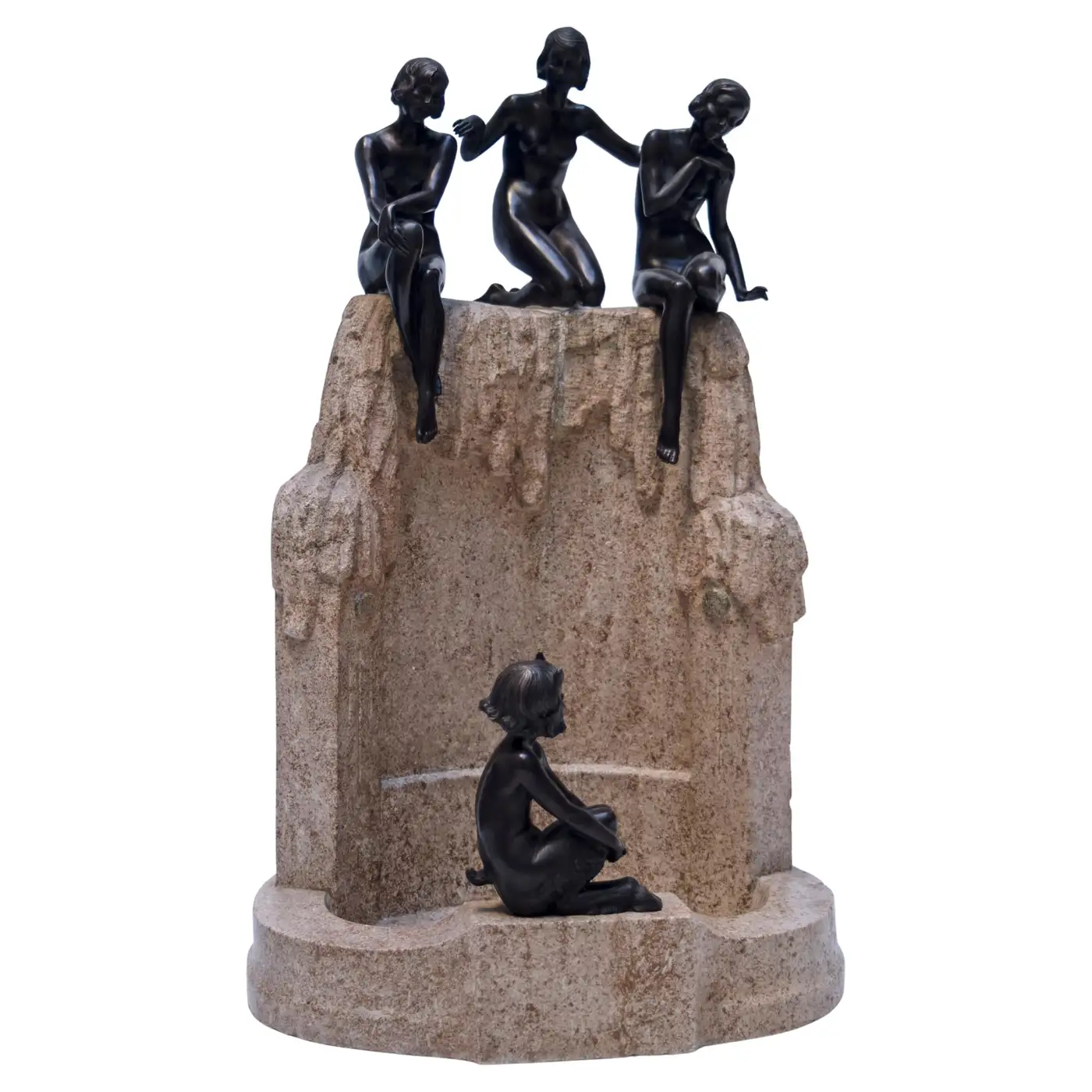
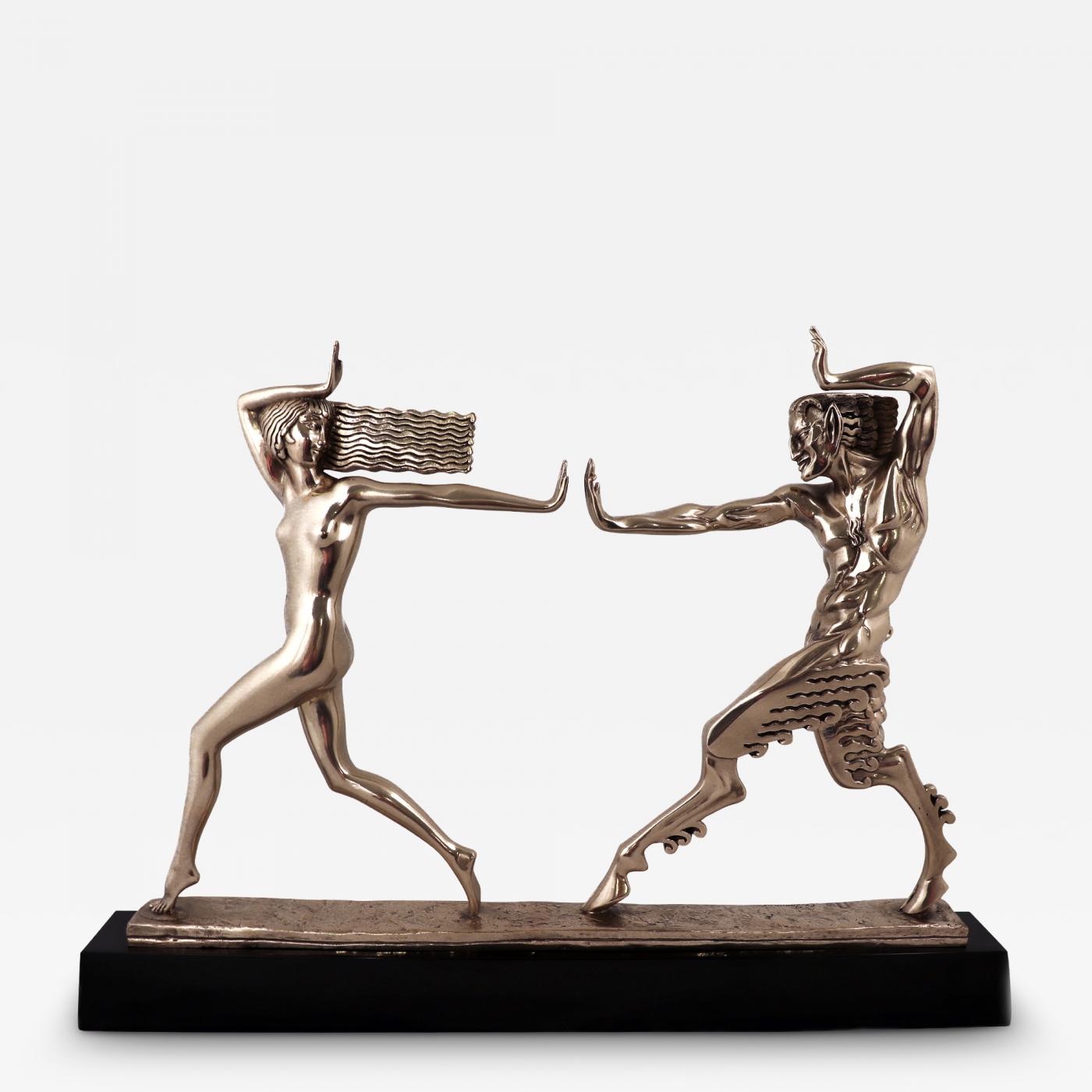
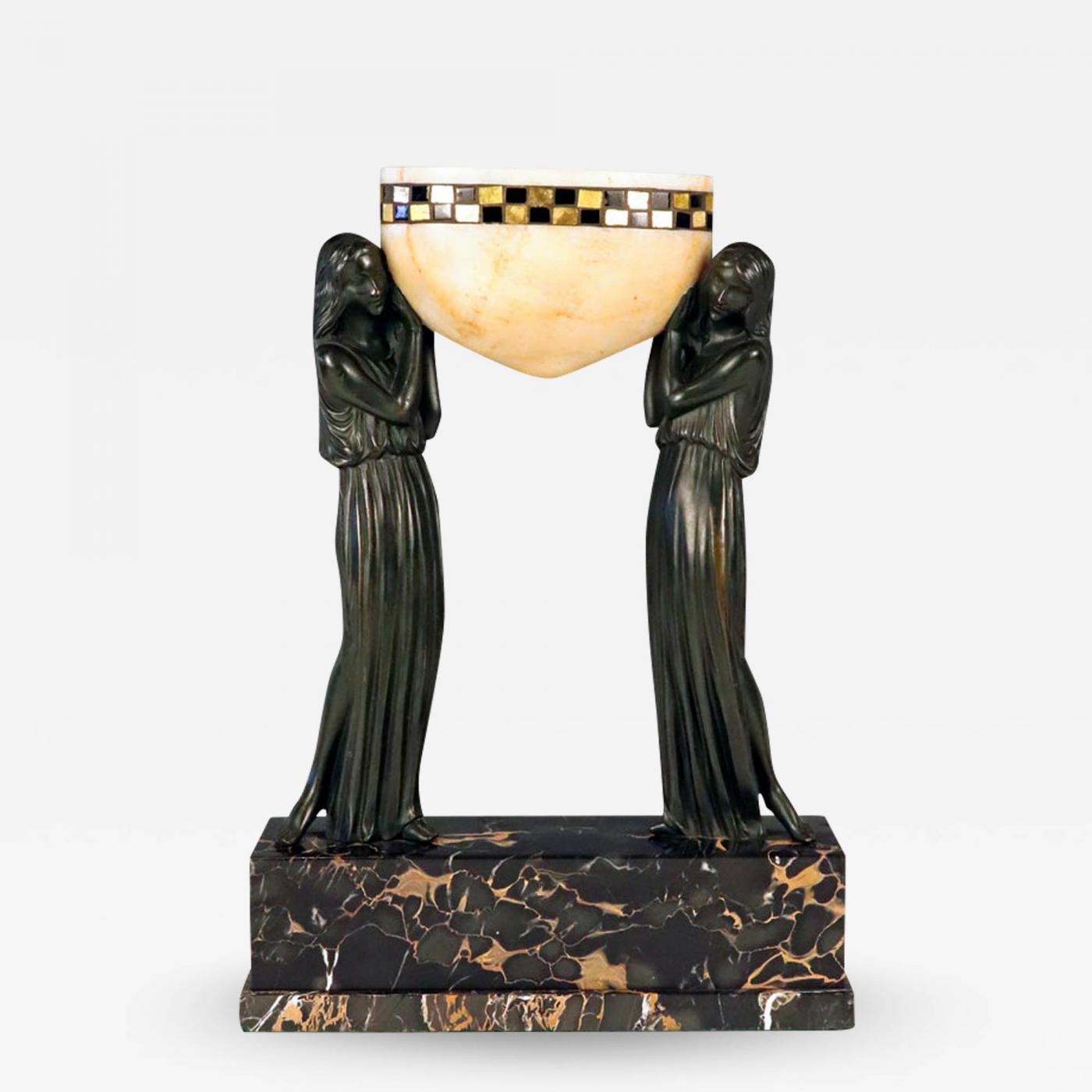

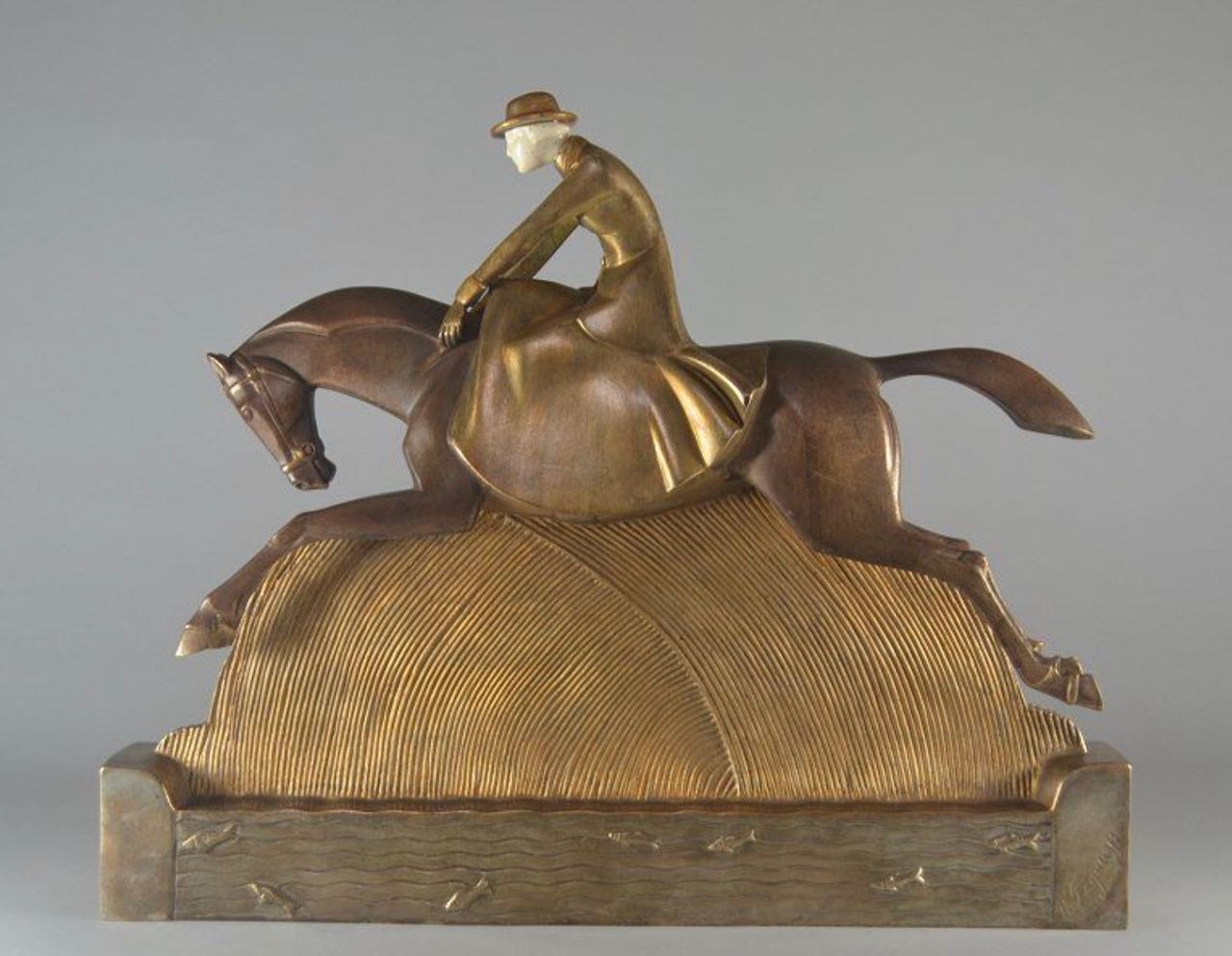
Le Faguayss sculpture represents the Art Deco fascination with energy and the idealized human body. His mastery of line and form translated into figures that seemed to move within stillness, capturing the spirit of dance, sport, and performance that dominated 1920s and 1930s culture. Often mounted on marble bases and finished in patinated bronze or ivory-toned spelter, his pieces remain icons of interwar design; graceful, precise, and unmistakably modern.
Key Influences (1920s-1940s):
Classical Antiquity: Inspiration from Greek athletic figures and mythological themes shaped his approach to anatomy and proportion.
Art Deco Movement: Streamlined form, stylization, and rhythm characterized his sculpture, aligning with the eras architecture and design.
Theatrical Modernism: Dance and performance, especially the Ballets Russes and modern dance, infused his work with kinetic energy.
Collaborative Foundries: Partnerships with Susse Freres, Max Le Verrier, and Etling ensured consistent quality and artistic reach.
Contemporary Sculpture: Shared artistic dialogue with Marcel Bouraine and Demetre Chiparus advanced the expressive vocabulary of Art Deco bronzes.
If you are interested in further stories of the artists who shaped Art Deco, return to our artists page to browse the full directory.
Related Products