


Pierre Chareau
Pierre Paul Constant Chareau was born in 1883 in Bordeaux into a family of Jewish shipbuilders. He began his design career at the age of 16 as a tracing draftsman for the Parisian office of the British furniture and interior design firm Waring and Gillow, while simultaneously attending the École des Beaux-Arts from 1900 to 1908. Although he never received a formal degree, he studied a wide variety of artistic disciplines, including painting, music, and architecture, before focusing on interior decoration. In 1904, Chareau married Dollie Dyte, a Londoner teaching English in Paris, a union that would prove critical to his career when one of Dollie’s students, Annie Bernheim, later became his most important patron. He rose to the rank of master draftsman at Waring and Gillow before being conscripted into the French army in 1914. Once discharged in 1918, he established his own design firm in Paris, with his first commission being the interiors and furniture for the apartment of Dr. Jean Dalsace and his new wife Annie. By the mid-1920s, he was well established within a group of designers known in Paris as ensembliers, who consciously resisted the separate categorization of architect, decorator, and furniture designer. In 1940, Chareau was forced into exile by the Nazi occupation of France, fleeing first to Morocco and then to New York, where he remained until his death in 1950.
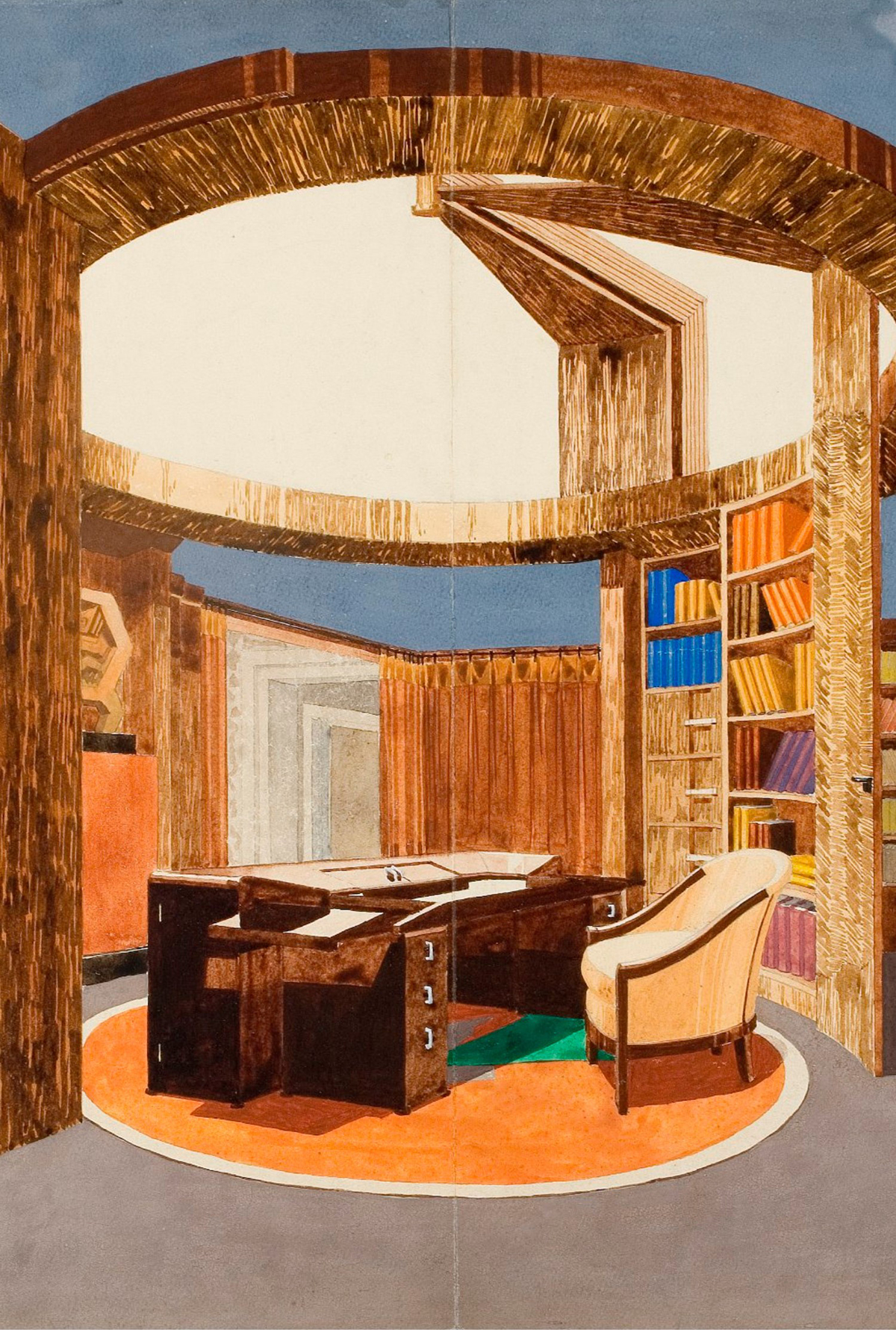
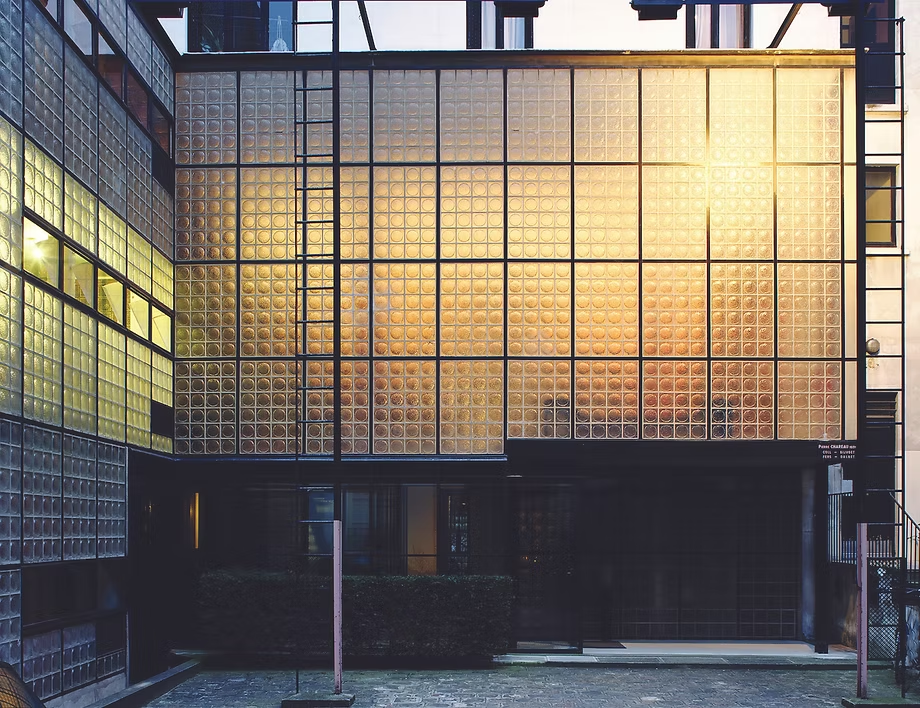

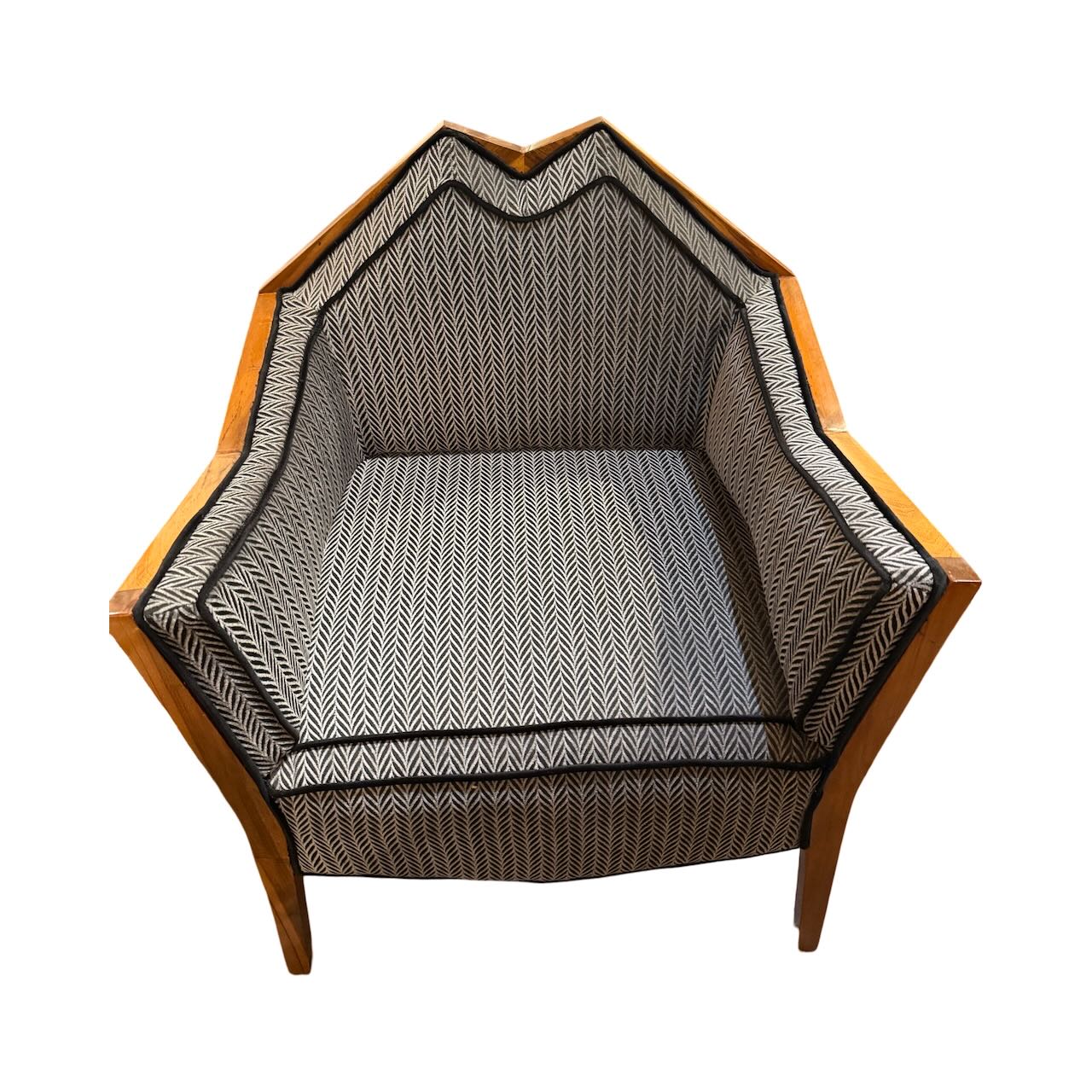
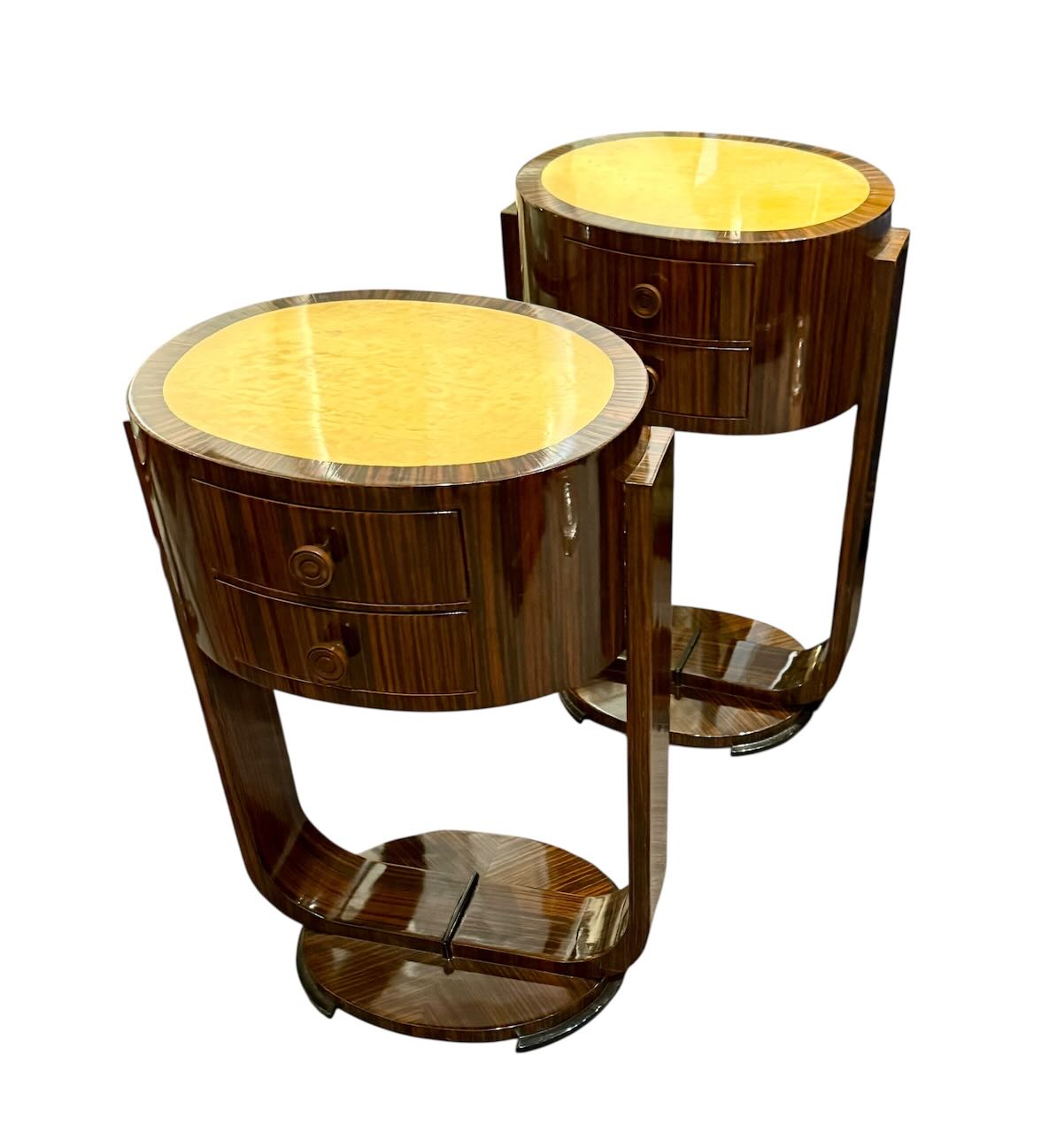
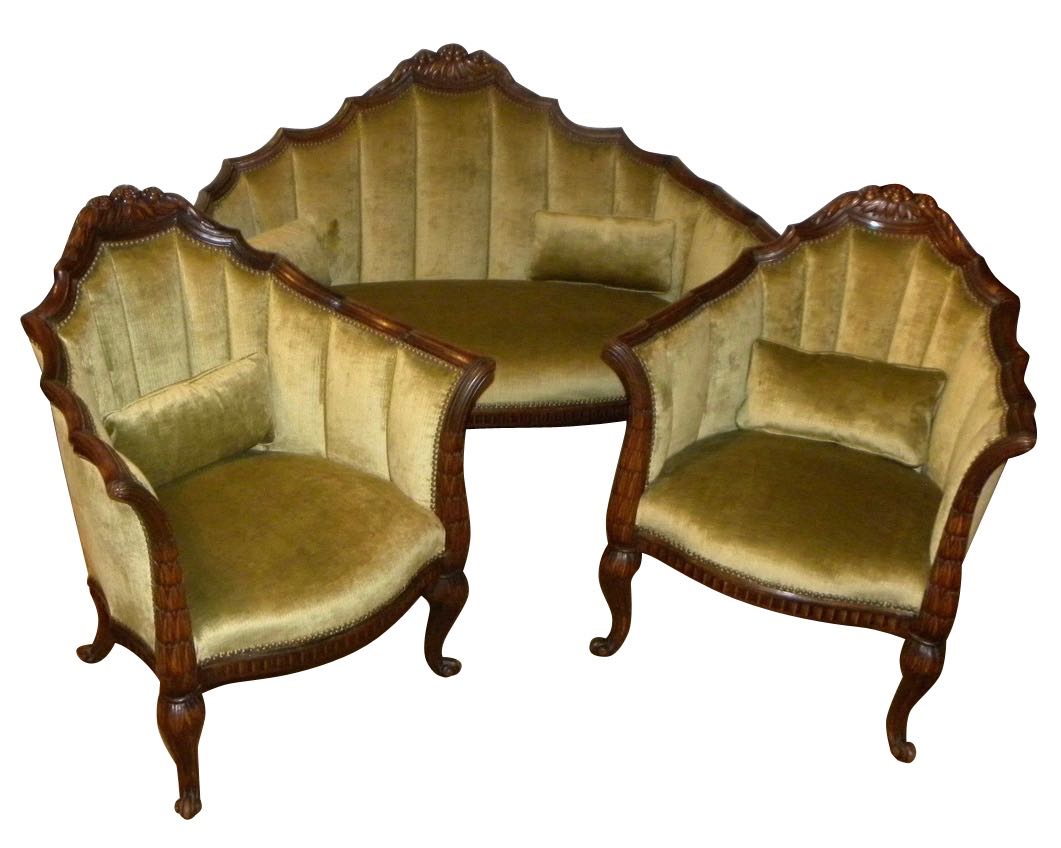
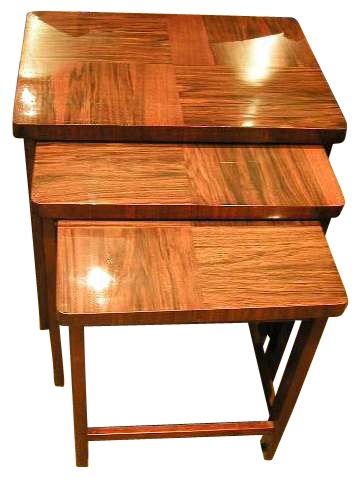
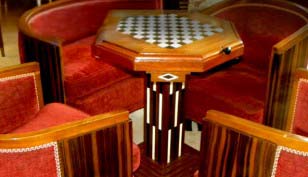
Chareau’s early furniture consisted of massive wood-framed pieces heavily influenced by the Art Deco style, but by 1924, he was designing much lighter furniture using metal frames and surfaces, often combining industrial materials such as wrought iron with exotic woods like Macassar ebony and amaranth. As a member of the Société des Artistes Décorateurs, he designed an “Office-Library in the French Embassy” for the group’s pavilion at the 1925 Exposition Internationale des Arts Décoratifs et Industriels Modernes, incorporating sliding fan-like partitions, concealed lighting, and movable furniture parts. He collaborated with French filmmakers on set designs for Marcel L’Herbier’s L’Inhumaine in 1924 and Le Vertige in 1926. His first architectural commission came in 1926 for a clubhouse in Beauvallon, France, designed for Annie Dalsace’s uncle. The Dalsaces commissioned him in 1928 to design their home together with the offices of Dr. Dalsace’s gynecological practice, resulting in the Maison de Verre, completed in 1932 in collaboration with Dutch architect Bernard Bijvoet and metalworker Louis Dalbet. The house used exposed steel framing, translucent glass blocks, and Pirelli rubber tile, and featured kinetic elements such as sliding soundproof doors, adjustable metal screens, retractable staircases, and a desk with a retractable top to decrease distance during sensitive medical consultations. The Maison de Verre won him wide recognition in the national and international press and earned him a position on the editorial board of the progressive journal L’Architecture d’Aujourd’hui. His final significant commission was a weekend house and studio for the artist Robert Motherwell in East Hampton in 1947, adapted from a surplus military Quonset hut.
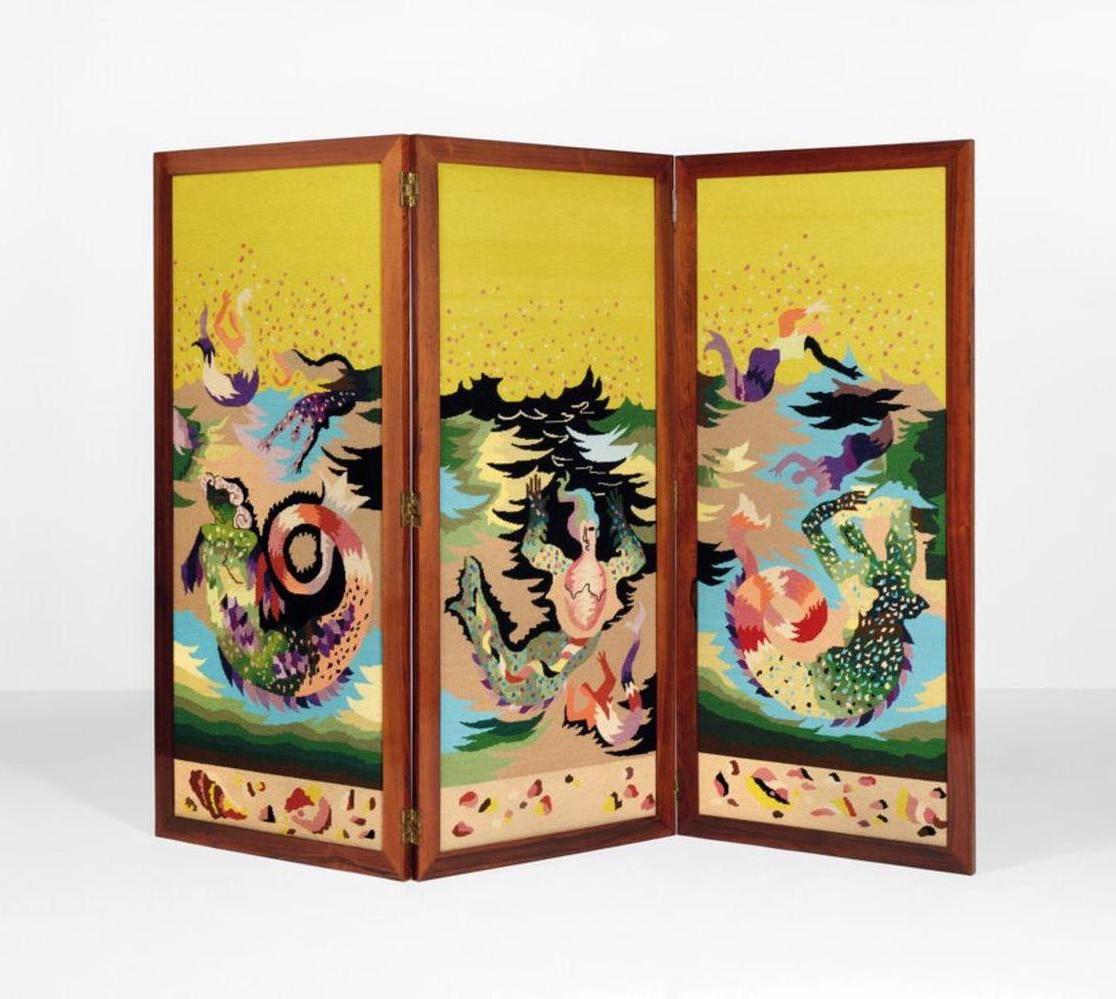
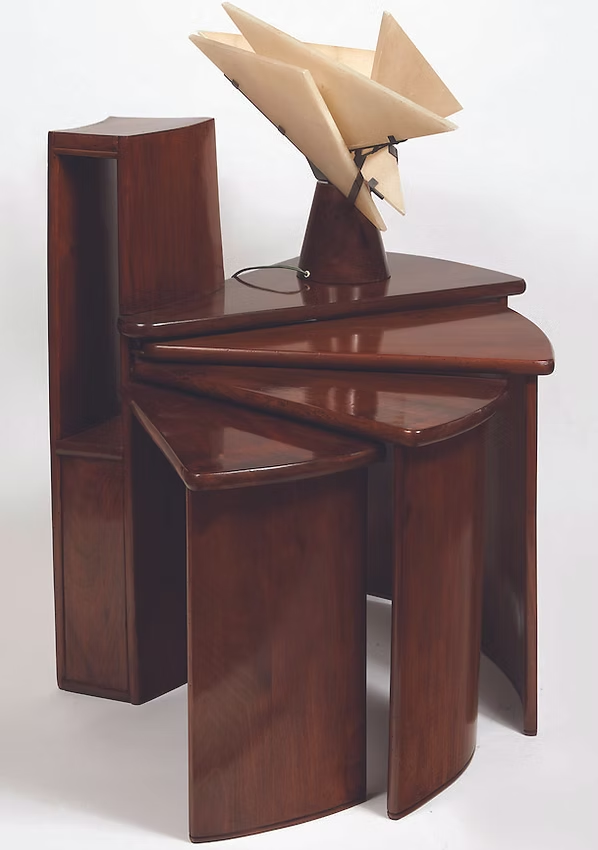
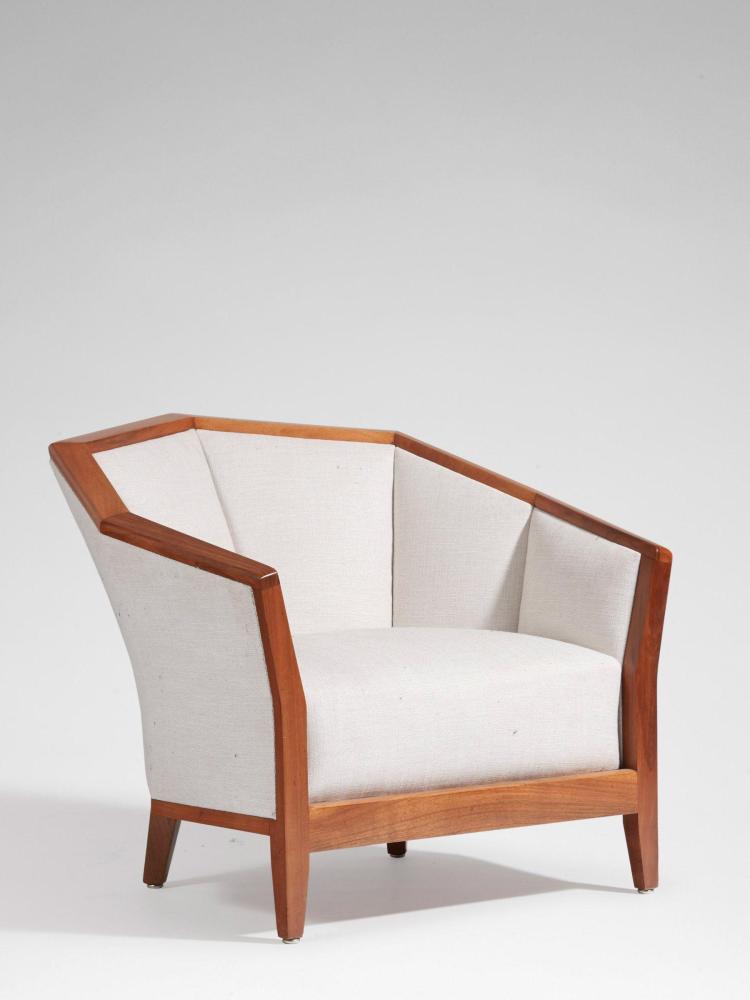
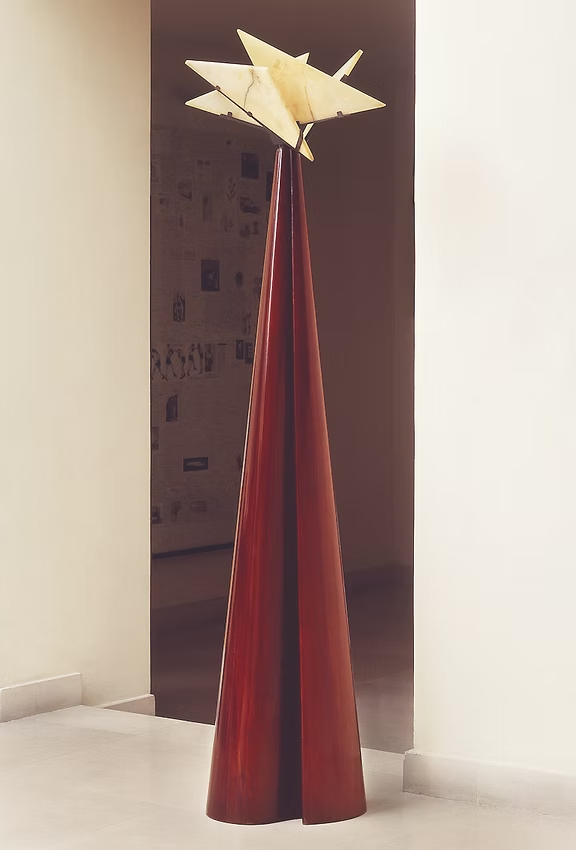

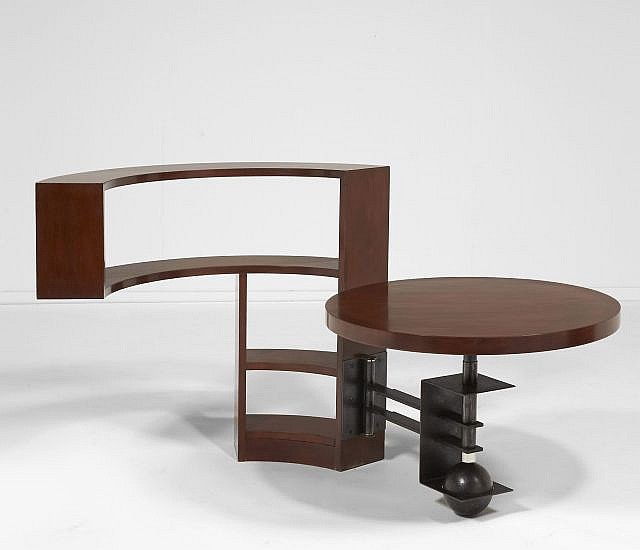
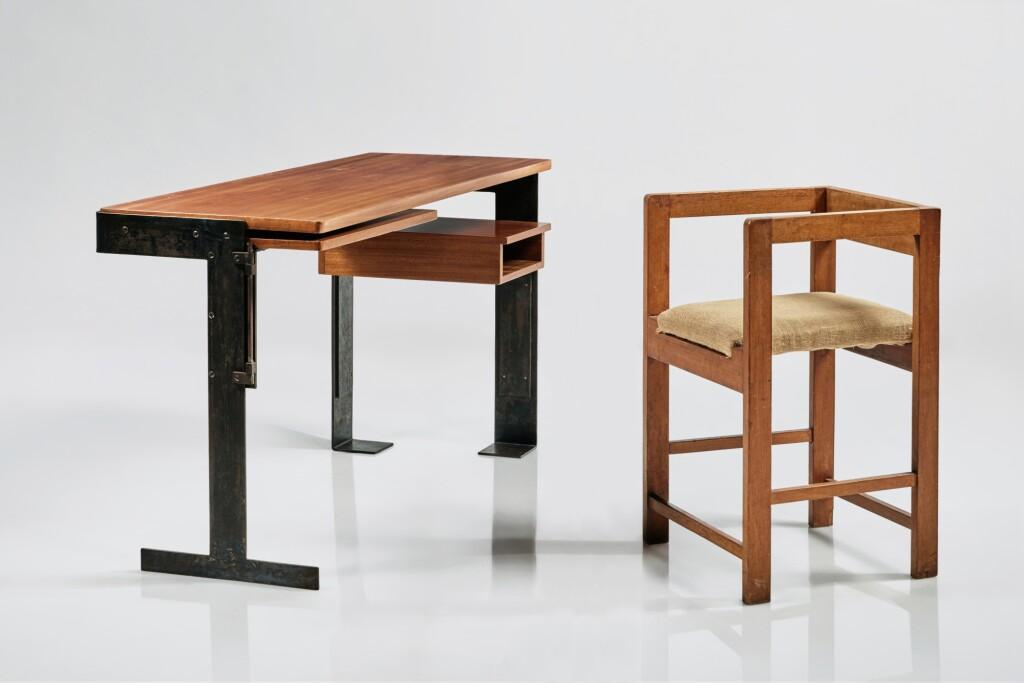
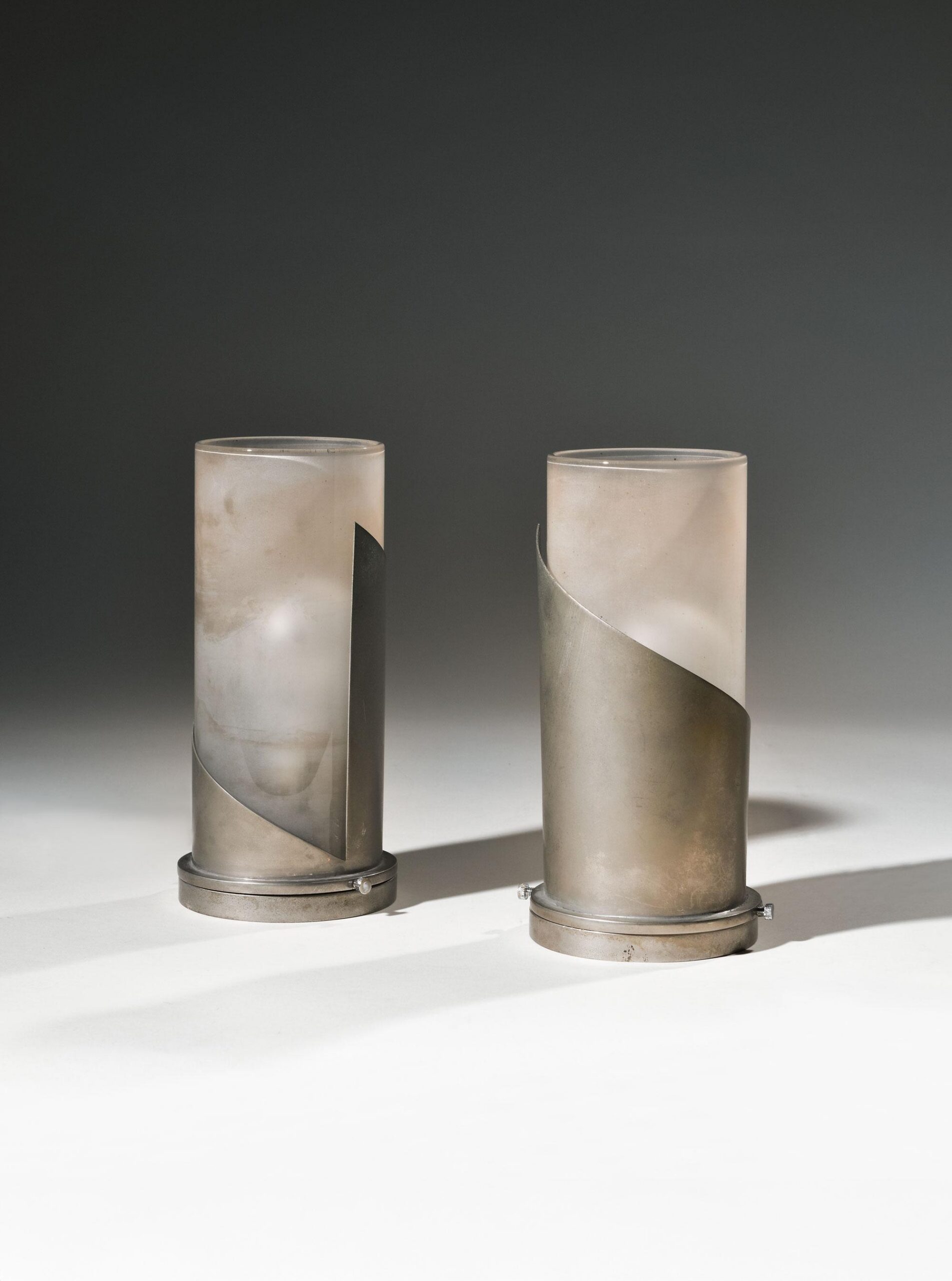
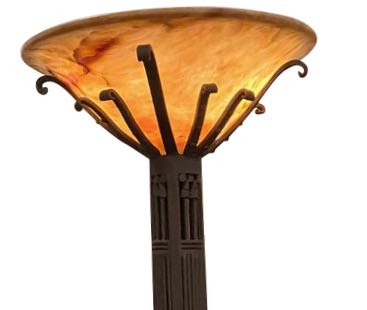
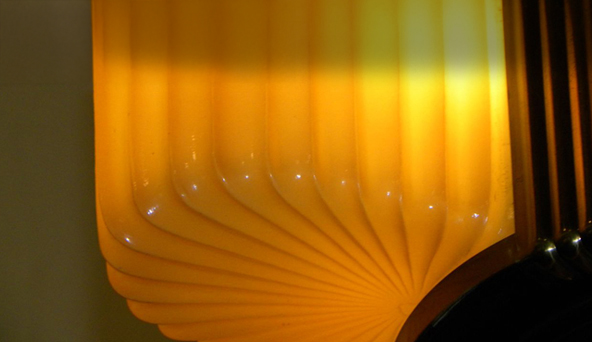
Chareau’s defining trait was his unusual combination of materials, juxtaposing an opulent French decorative arts sensibility with the industrial materials and clean lines of Modernism. He went beyond decorating surfaces by removing walls and traditional moldings to embody new modernist ideals of spatial fluidity, integrating fixed furniture with freestanding pieces in Cubist-inspired assemblages of volume, texture, and color. His signature pieces, including movable furniture, sliding partitions, and lamps such as La Religieuse with its alabaster cornette-like shade, could be combined in endless variations and adapted to rooms of different dimensions.
Key Influences
- Maison de Verre: His glass-block masterpiece remains one of the most important works of early modern architecture and continues to influence how architects approach industrial materials in residential settings.
- Ensemblier Practice: His refusal to separate architecture, interior design, and furniture making helped establish a holistic approach to design that influenced later generations of multidisciplinary practitioners.
- Industrial Materials in Domestic Space: His pioneering use of exposed steel, glass block, rubber tile, and perforated metal screens in residential contexts expanded the vocabulary of modernist architecture.
- Kinetic Architecture: His designs for movable walls, sliding partitions, and adaptable furniture introduced the idea that architecture itself could transform with the rhythms of daily life.
- Material Juxtaposition: His pairing of luxurious woods with industrial wrought iron and alabaster set a precedent for blending craft tradition with modernist aesthetics in furniture design.
If you are interested in further stories of the artists who shaped Art Deco, return to our artists page to browse the full directory.

Related Products from ArtDecoCollection.com