



Paul T. Frankl
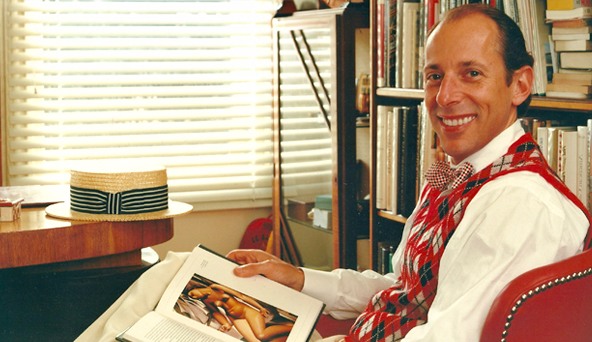
Paul T. Frankl was born in Vienna in 1886 and trained as an architect before making his name as a designer in the United States. He studied at the Technische Hochschule in Charlottenburg, then spent time in Berlin and Copenhagen before arriving in New York in 1914. That European training gave him a disciplined eye, but it was America that gave him his real subject. Frankl saw modern American life, especially New York, as something visually new and exciting. He believed the country needed a design language that matched its cities, energy, and confidence. Unlike many American decorators of the time, he was not tied to revival styles or historical imitation. He wanted furniture to look modern because modern life itself had changed. That belief made him one of the earliest and strongest voices for American Art Deco. He began as an architect and interior designer, but furniture soon became the field where his ideas found their clearest form. By the late 1920s, he had emerged as one of the key figures shaping the look of modern American interiors. More than most designers of his generation, Frankl understood how to turn the spirit of the city into furniture.
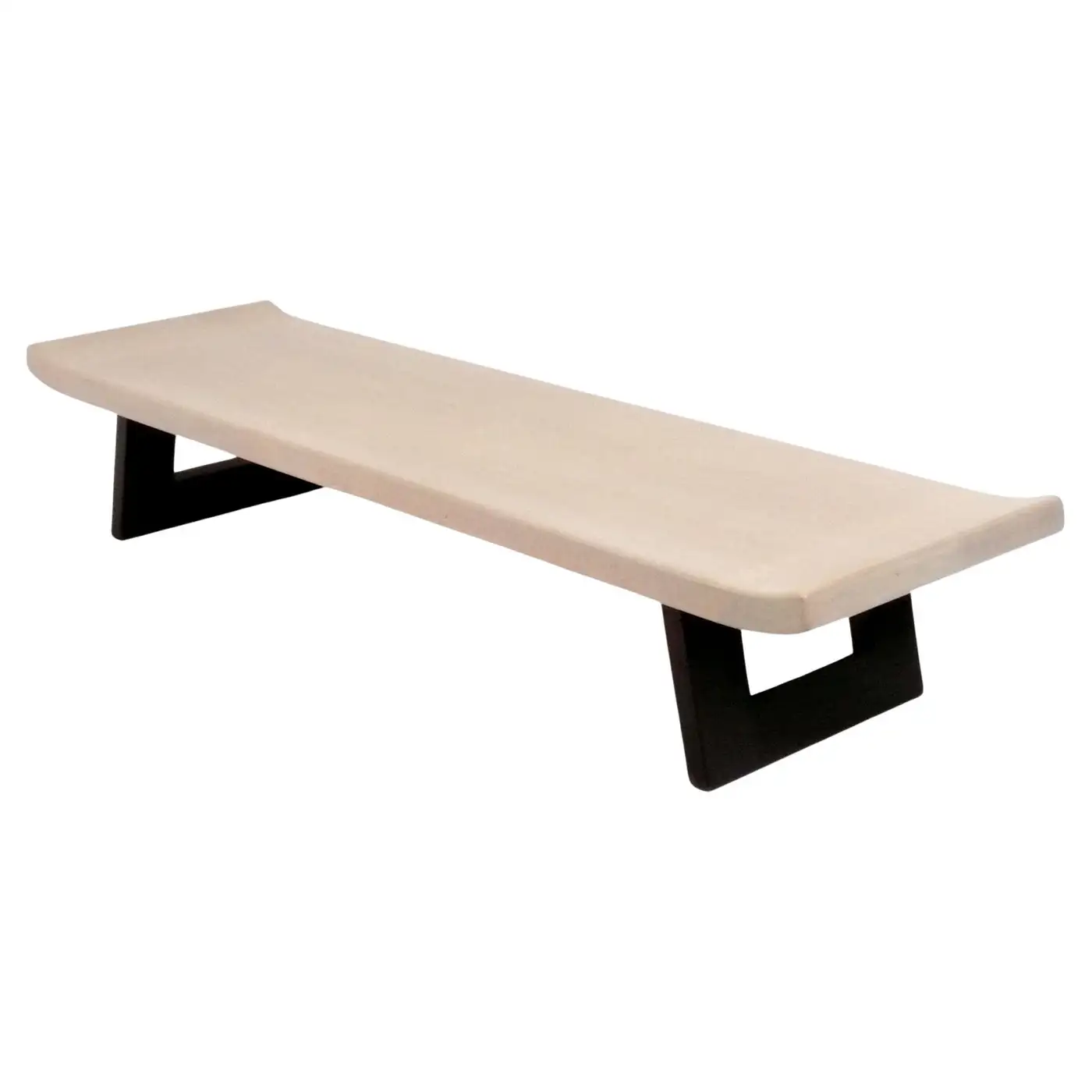
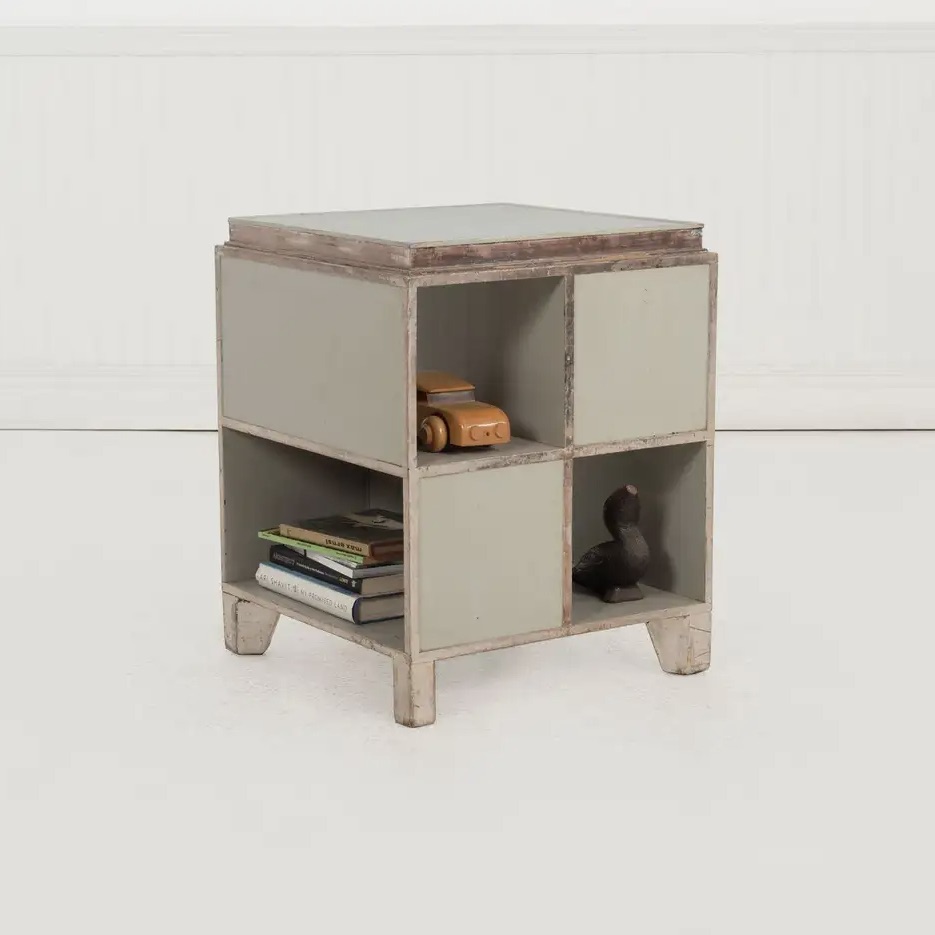
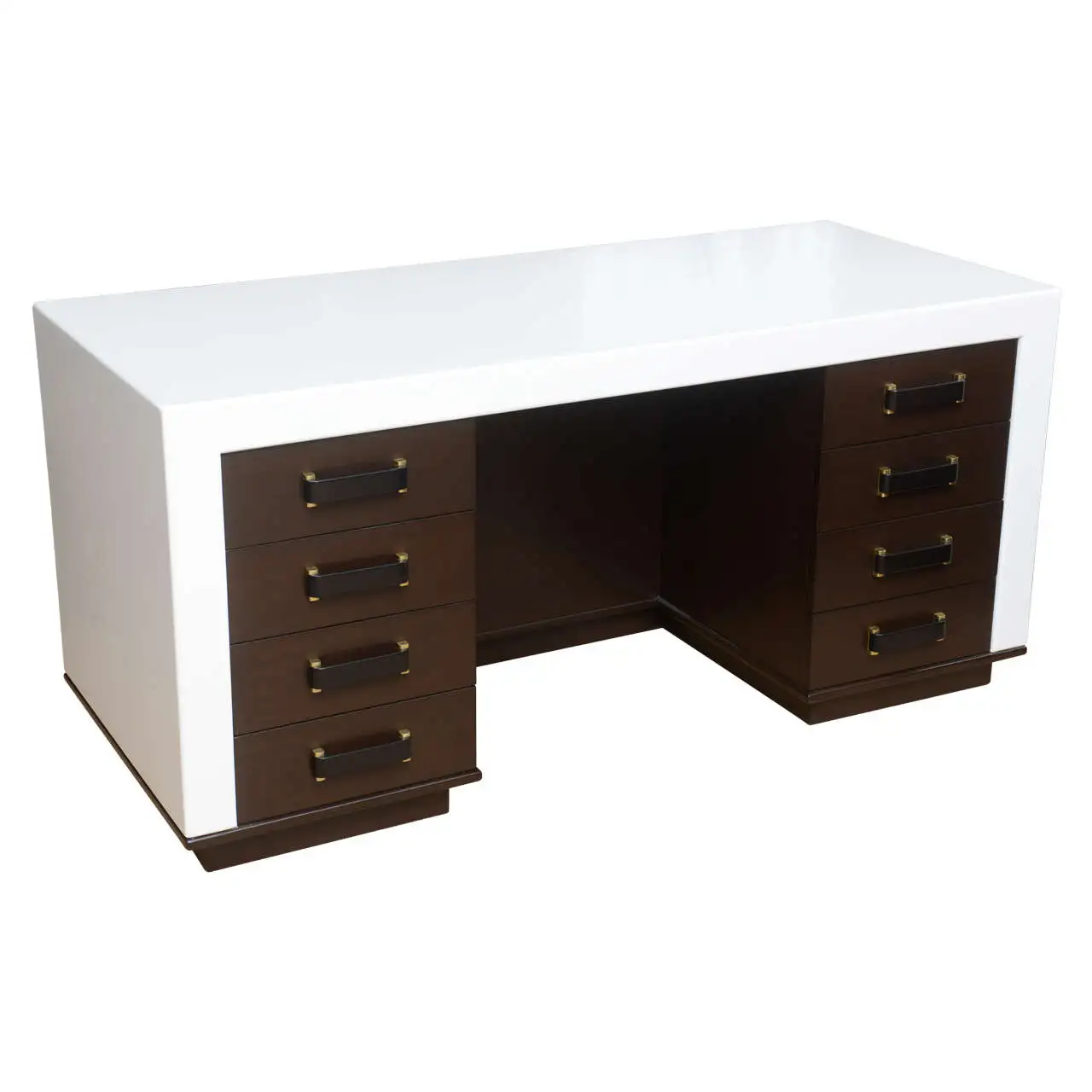
Frankl’s greatest Art Deco contribution was his celebrated Skyscraper furniture, introduced in the mid 1920s and developed through the later part of the decade. These bookcases, tables, and cabinets used stepped silhouettes and strong vertical forms to echo the towers rising across New York. Instead of borrowing from old European furniture types, Frankl looked to the skyline and made it the source of decoration. The result was furniture that felt distinctly American, bold, urban, and modern. He opened Frankl Galleries on East 48th Street in New York, where he sold his own work and promoted a complete modern interior. His showroom became an important center for progressive design, and his Skyscraper pieces quickly became his signature. Frankl was also a writer and advocate, publishing books such as New Dimensions in 1928 and Form and Re Form in 1930, both of which argued for a modern approach to interiors. In 1928, he helped found AUDAC, the American Union of Decorative Artists and Craftsmen, showing that he saw modern design as a larger movement, not just a personal style. During the 1930s, his furniture became lower, smoother, and more streamlined, but the Art Deco sense of silhouette and drama remained. After moving to Los Angeles in 1934, he adapted his work to a more relaxed California setting and gained celebrity clients, though his early New York pieces remained the clearest expression of his Art Deco vision. Even when his style evolved later, it was the Skyscraper furniture that secured his place in design history.
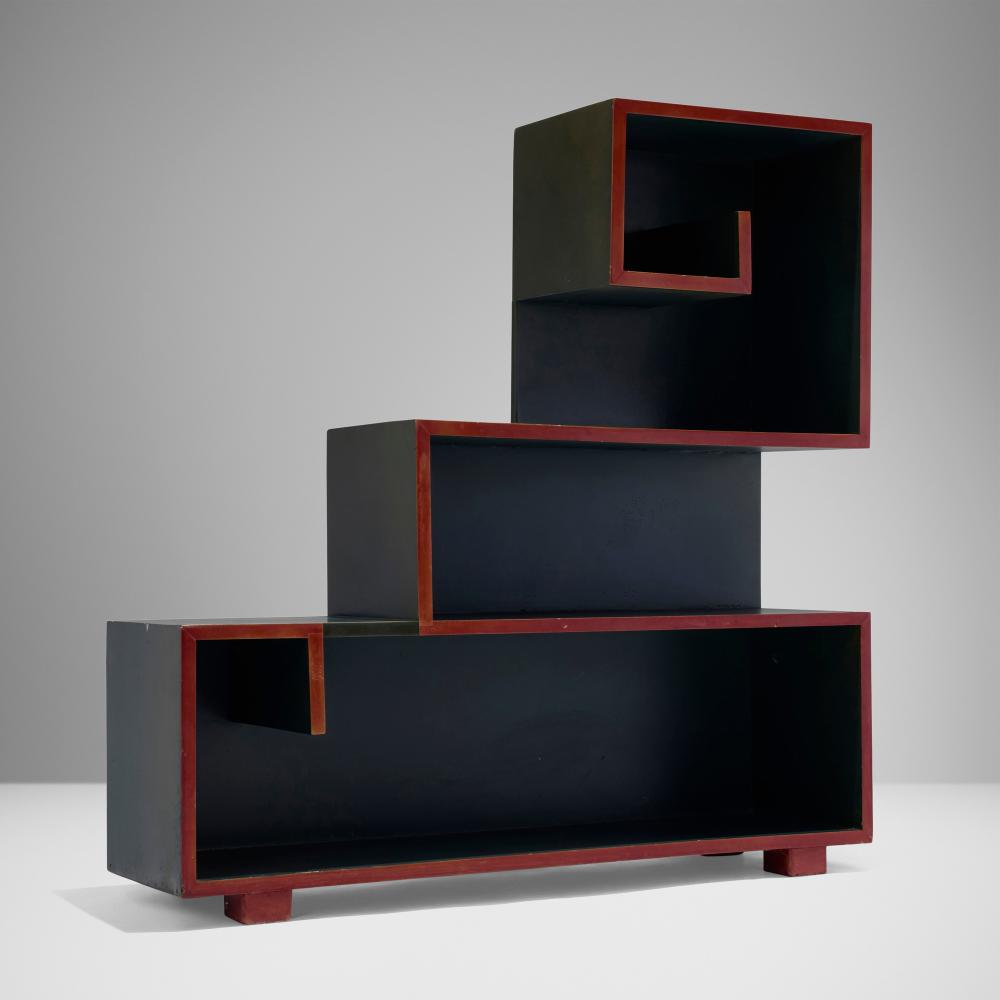
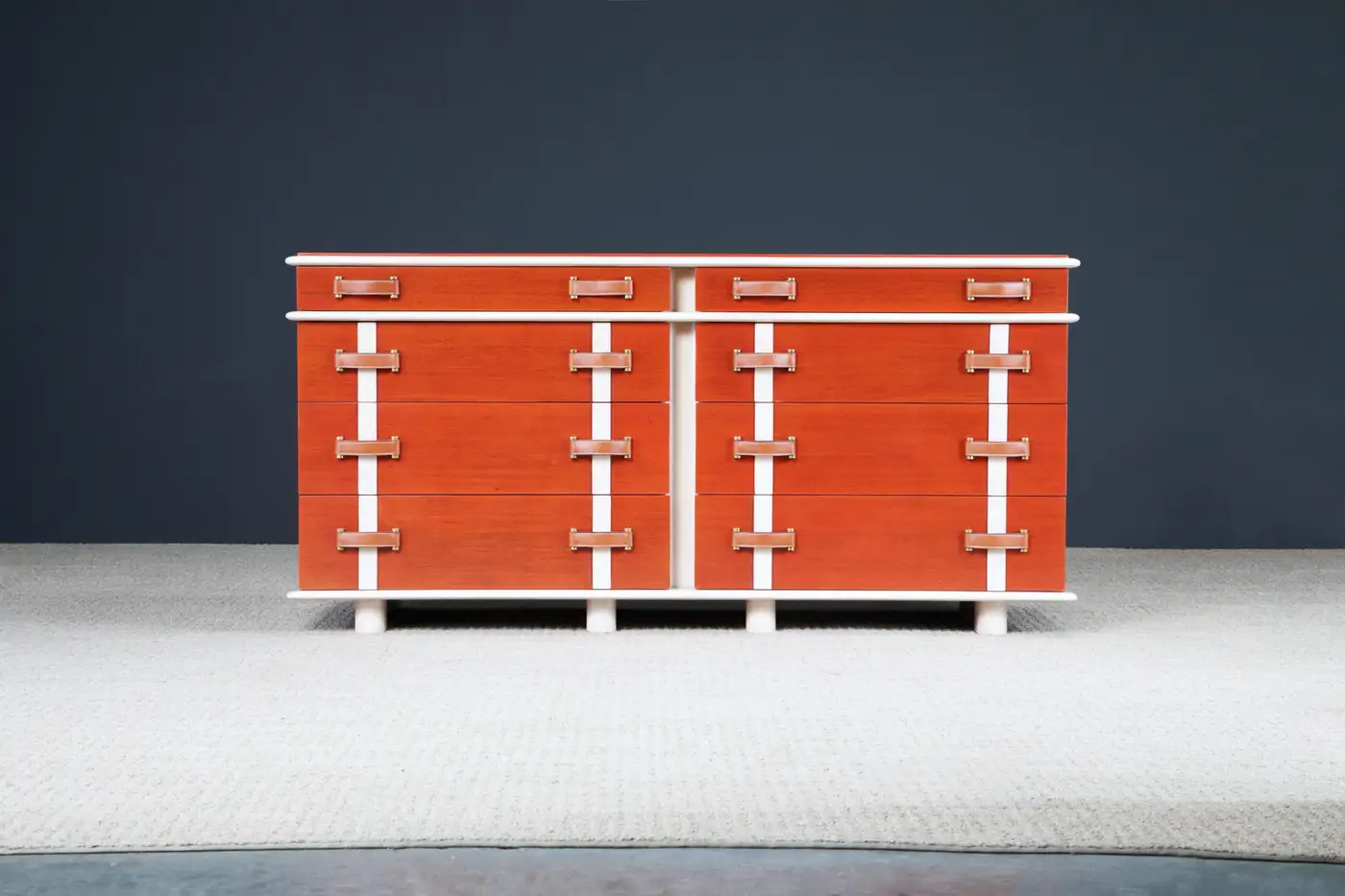
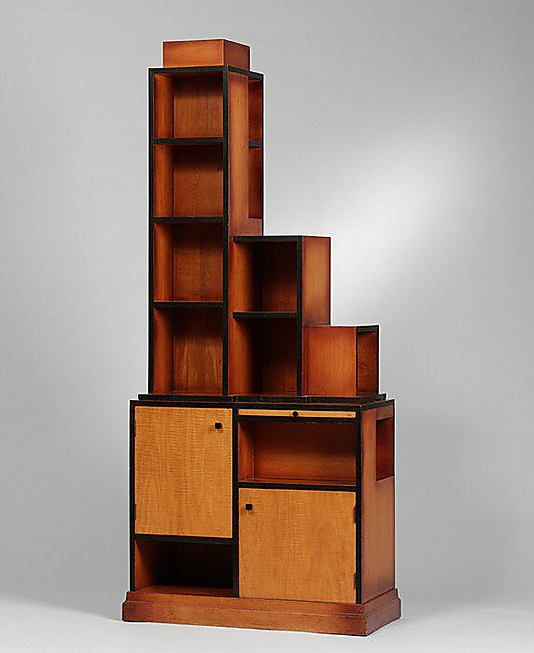
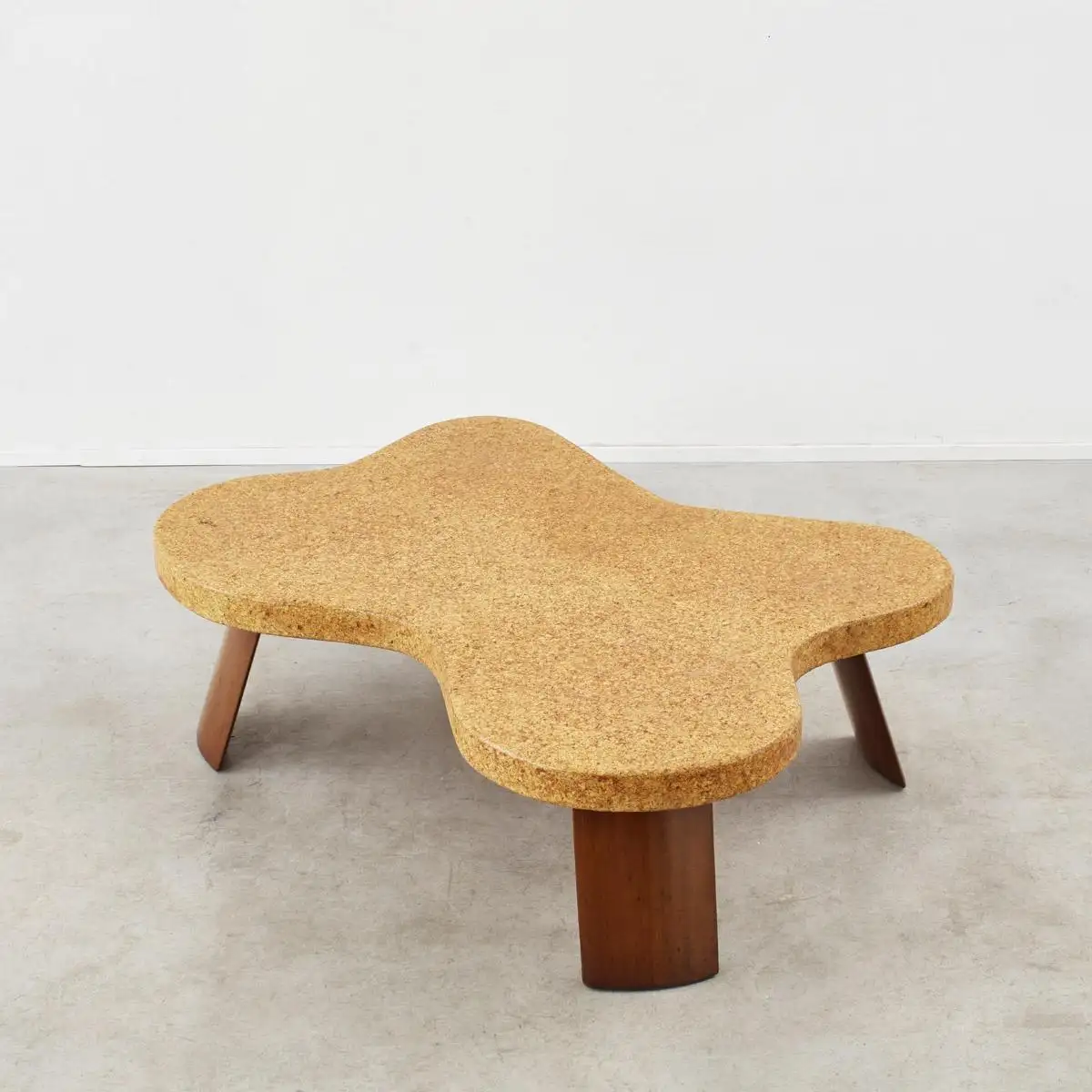
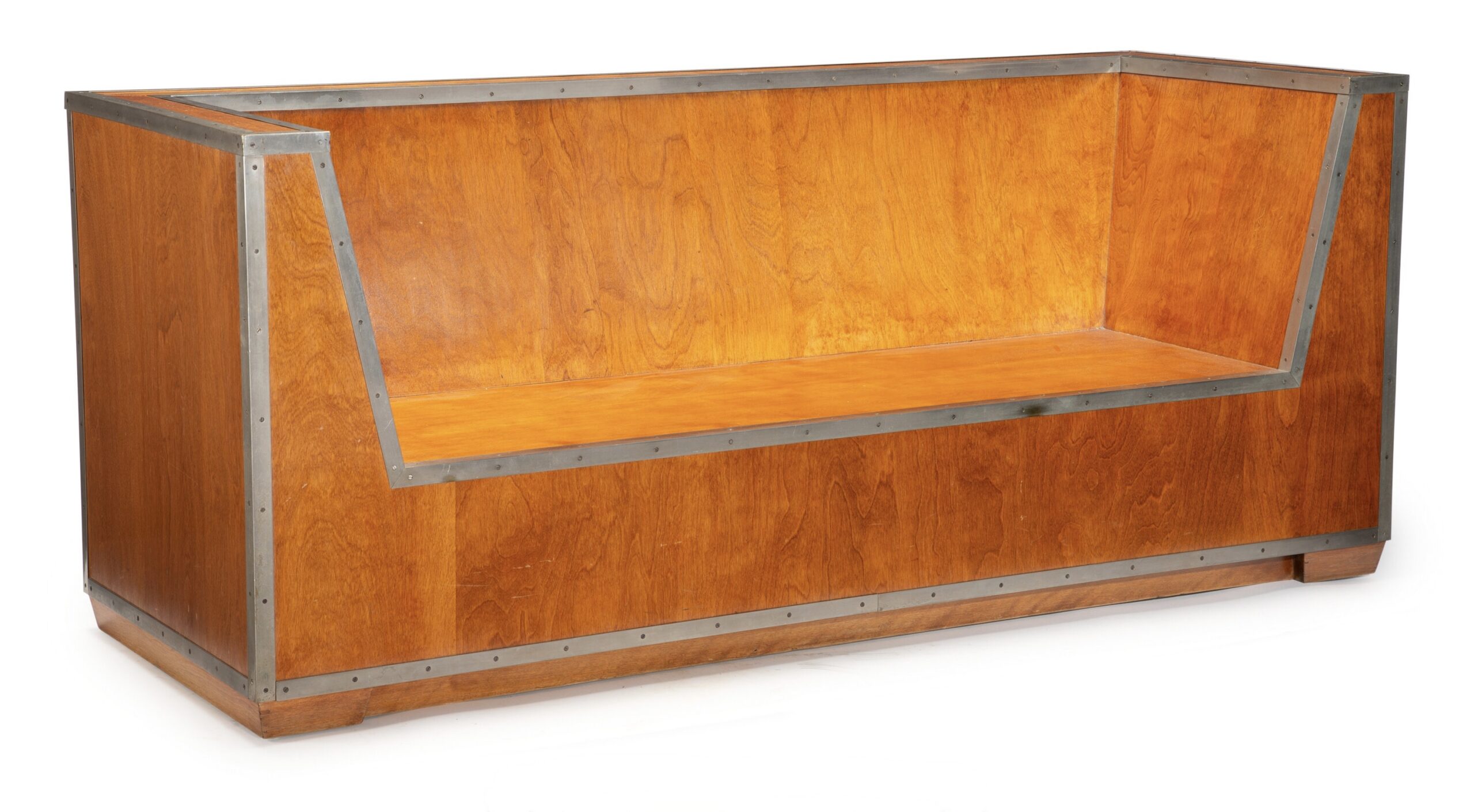
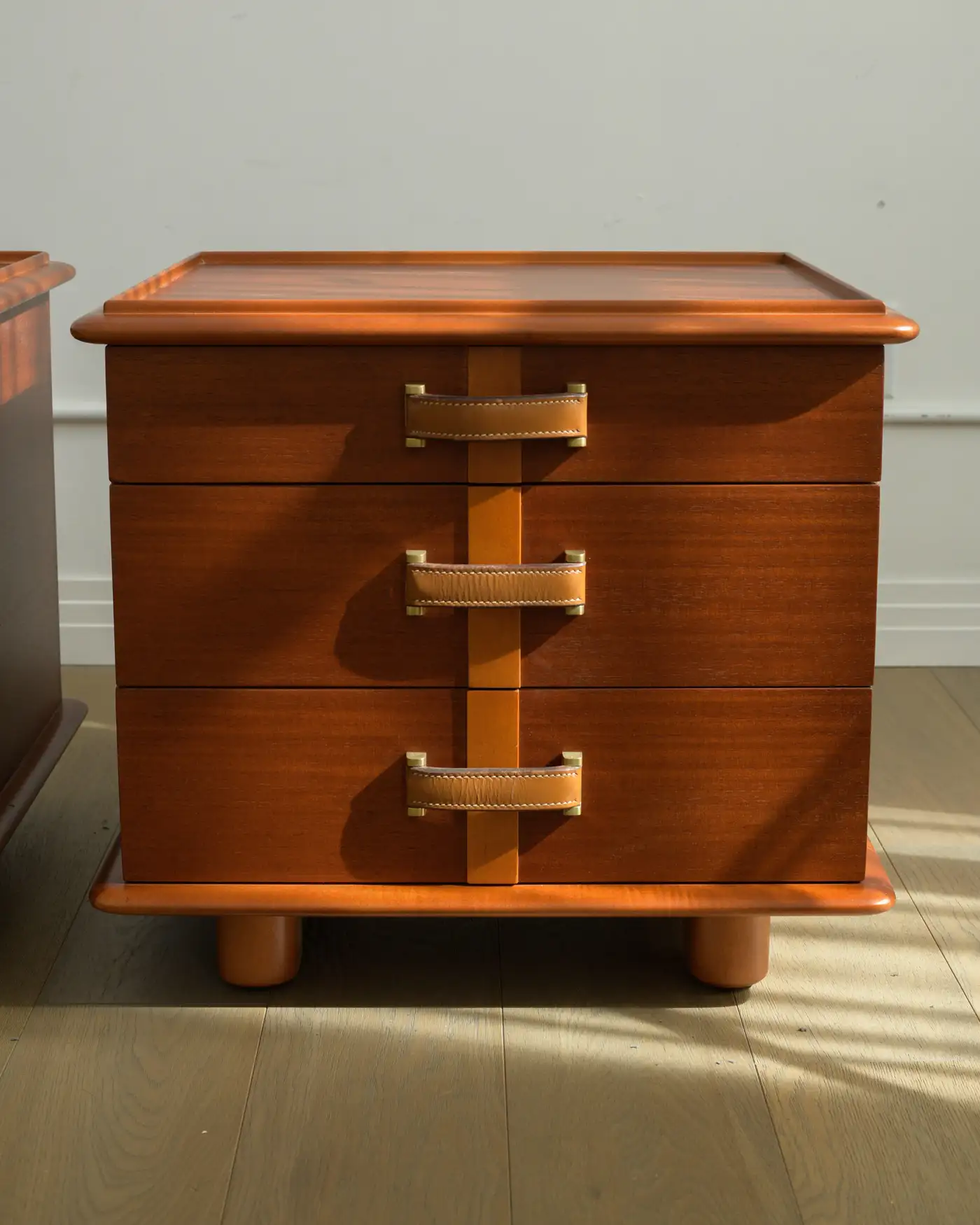
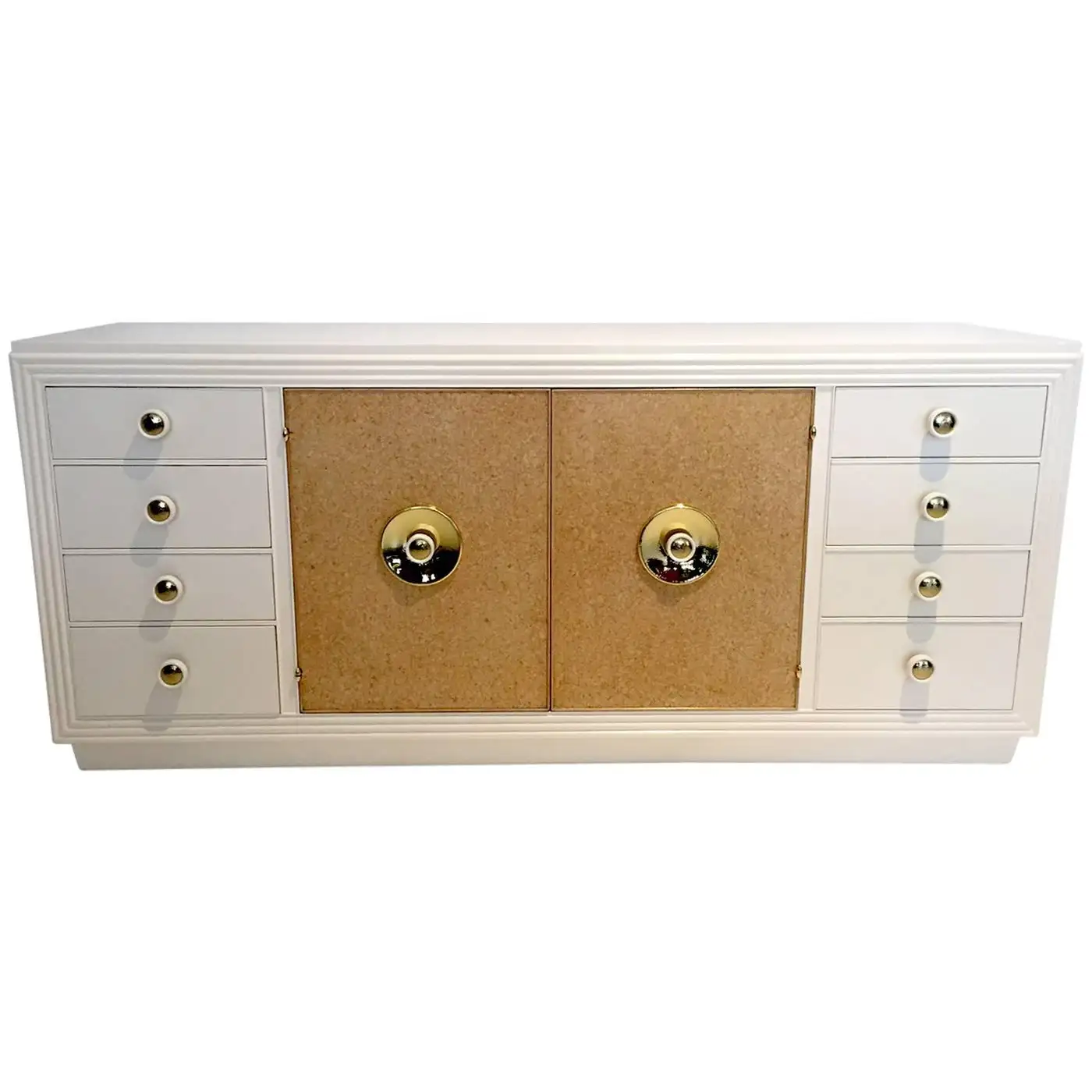
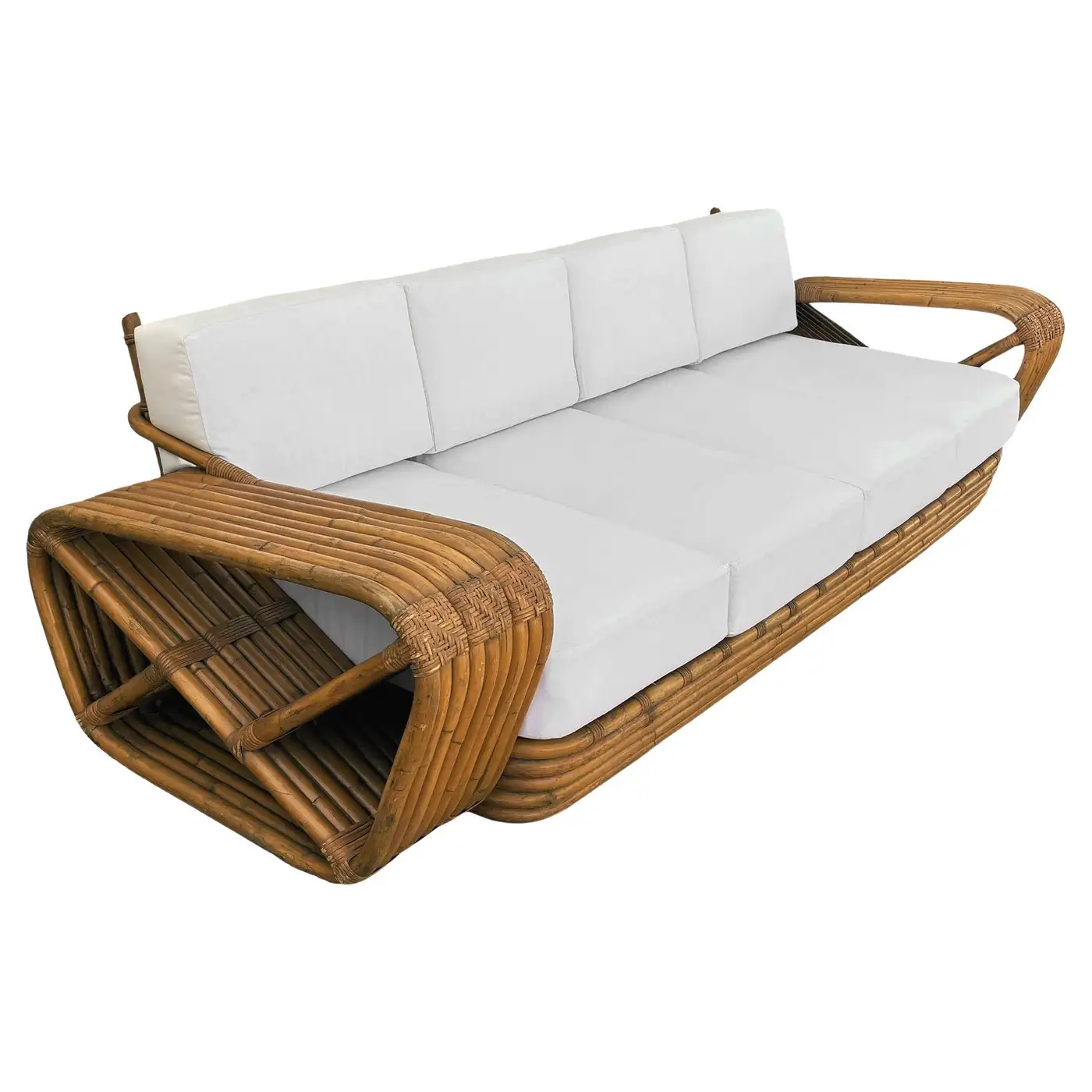
Frankl’s Art Deco style was architectural, graphic, and unmistakably urban. He favored stepped forms, sharp outlines, and strong vertical emphasis, especially in his New York work. His furniture often looks like a small-scale version of the city itself. Even when simplified, it carried a sense of drama and movement. Later pieces became softer and more relaxed, but his best-known work still stands as one of the clearest statements of American Art Deco.
Key Influences
If you are interested in further stories of the artists who shaped Art Deco, return to our artists page to browse the full directory.
Related Products