
Maison Desny
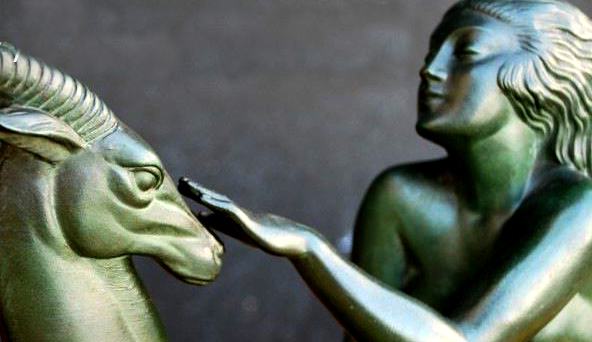
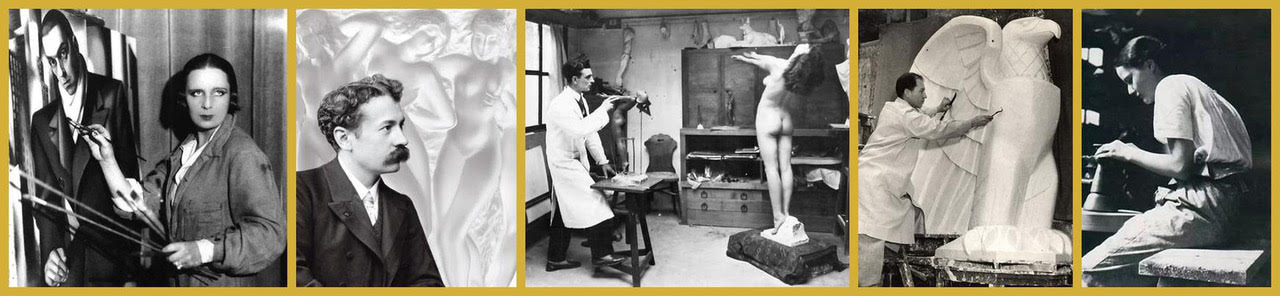
Desny was founded in Paris in the mid-1920s by the designers Desnet and René Nauny, whose combined names formed the now-famous label. Operating from a studio on the Champs Élysées, the firm quickly became known for its radical and forward looking approach to design during the height of the Art Deco movement. Their objects blended the crisp geometry of Cubism with the clean precision of early industrial design, which placed them at the forefront of avant garde French modernism. Early on the firm produced lighting, vases, tableware, and small furnishings that stood apart for their high polish surfaces and architectural forms. These works appealed to architects, tastemakers, and elite patrons who were drawn to their stripped down shapes and materials that felt both luxurious and mechanical. Desny also collaborated with important designers of the era, including Jean Michel Frank, Robert Mallet Stevens, André Masson, and the Giacometti brothers, which helped the studio expand its impact. Many pieces were created in limited editions, making them rare even at the time of their production. Although the company was short lived, it left a strong impression on the design world through its bold use of industrial techniques and sharply modern aesthetics.
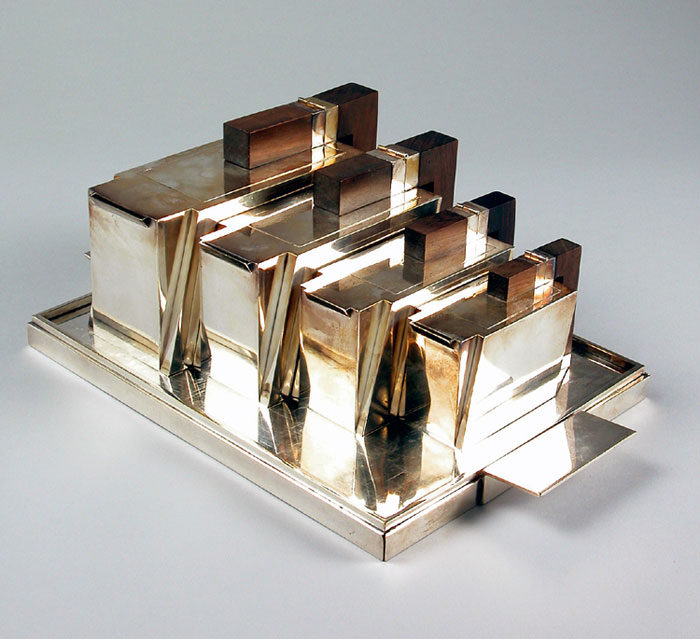

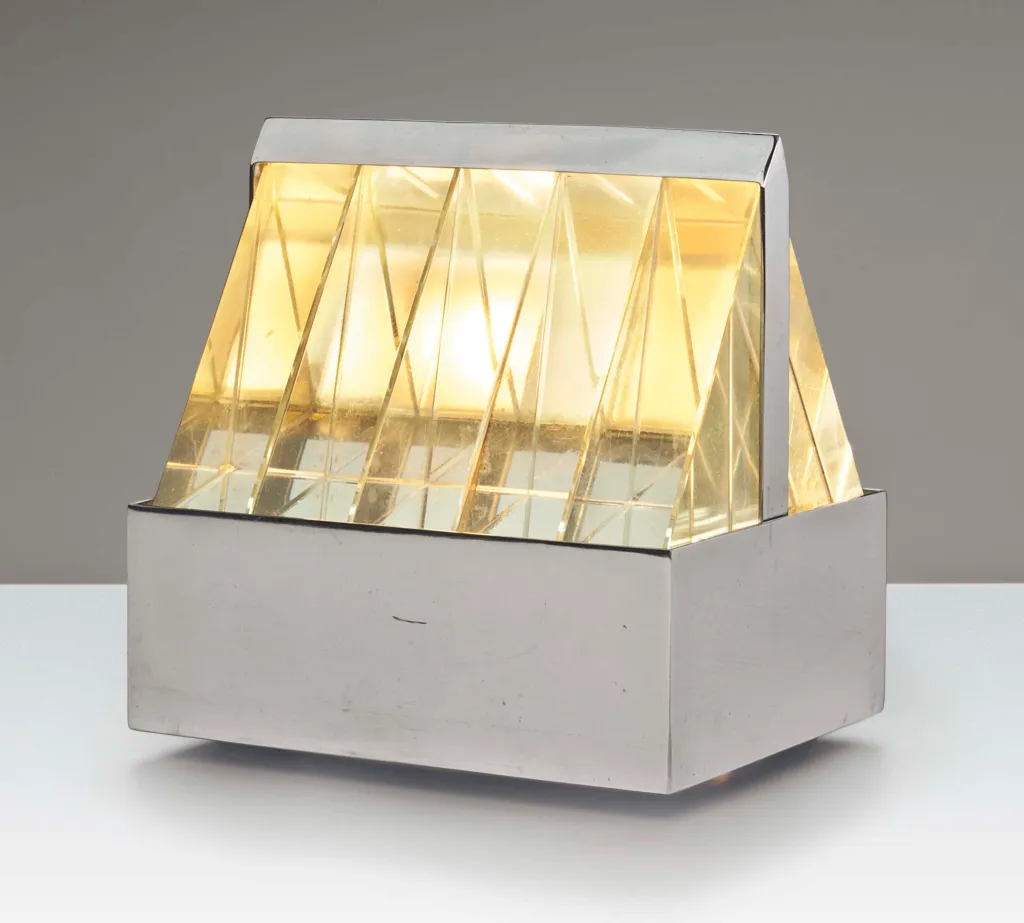
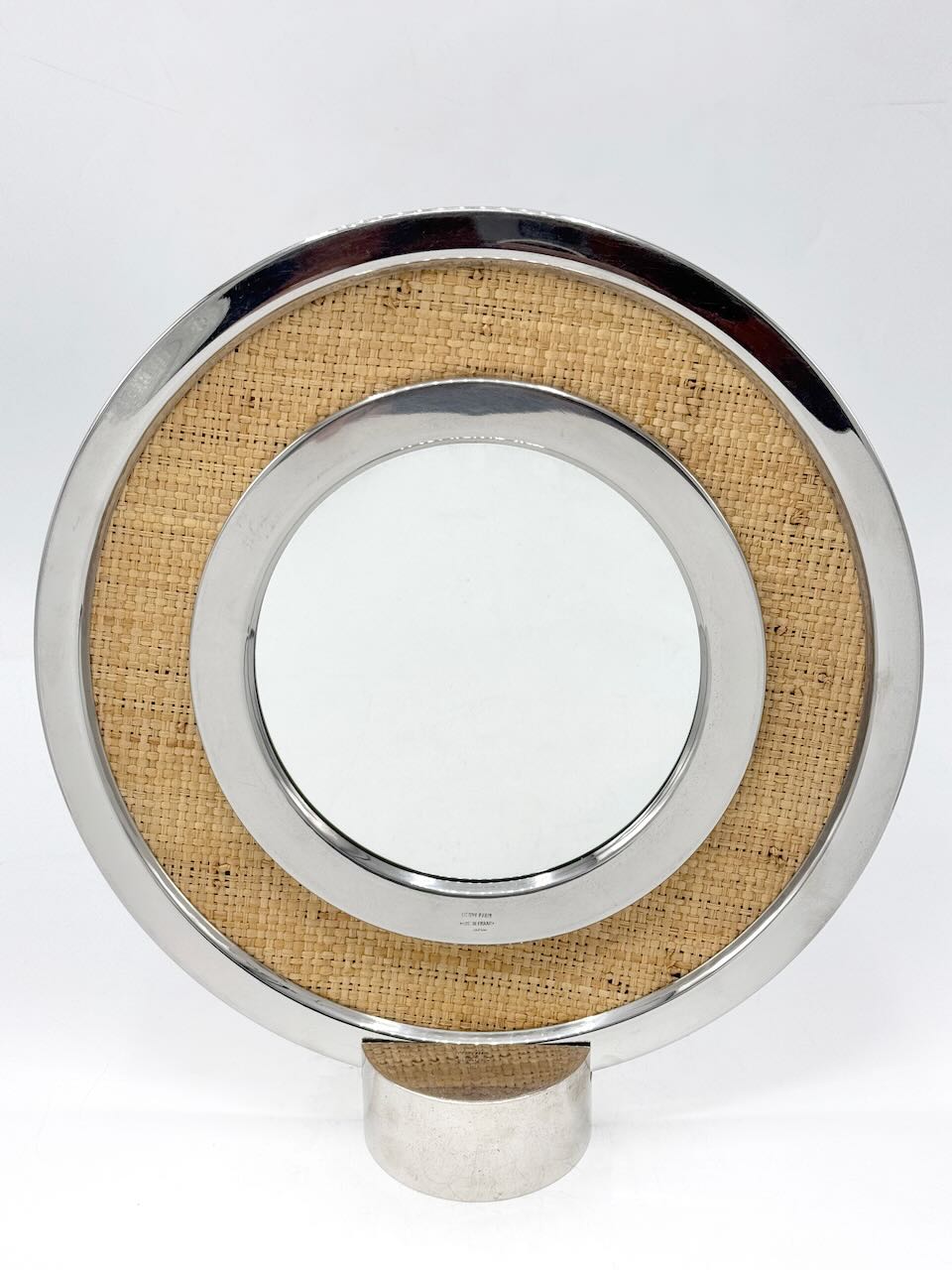
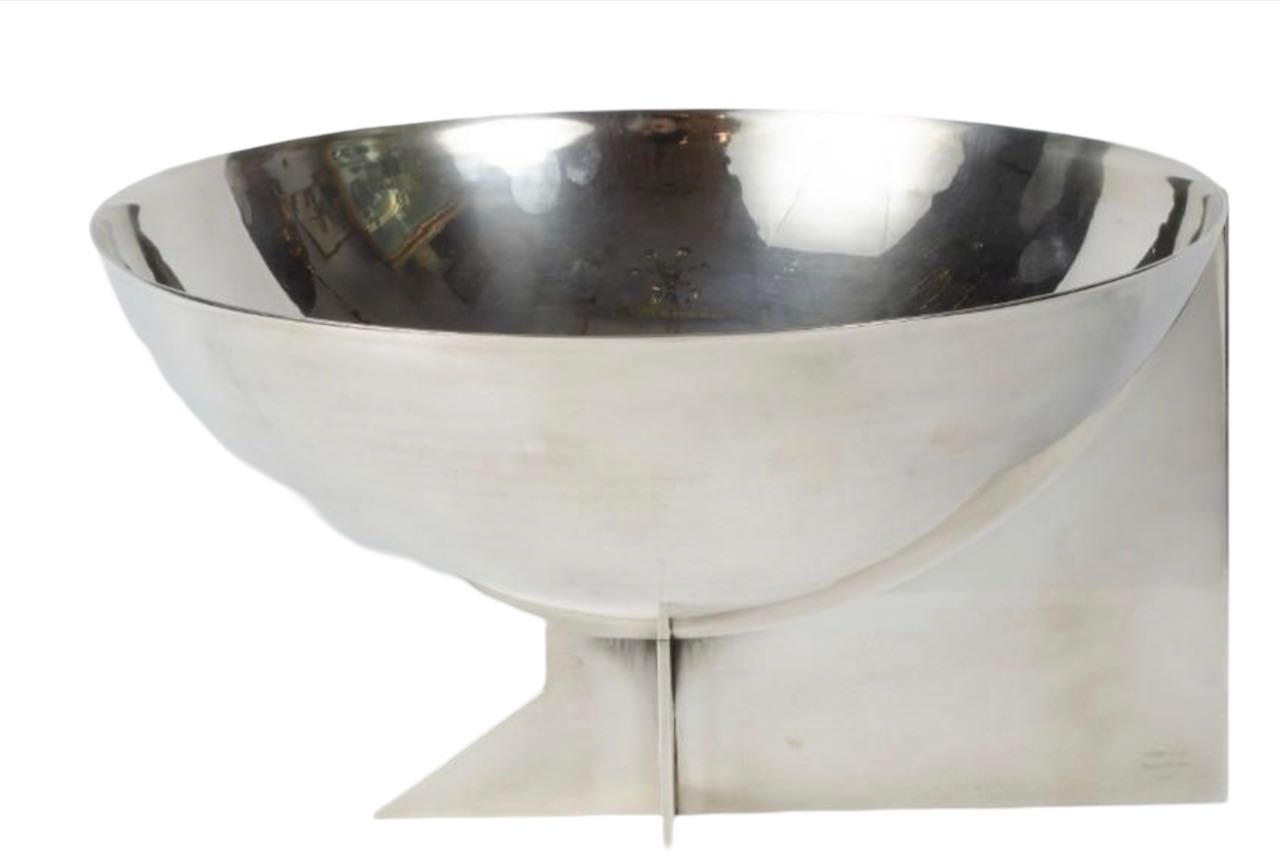
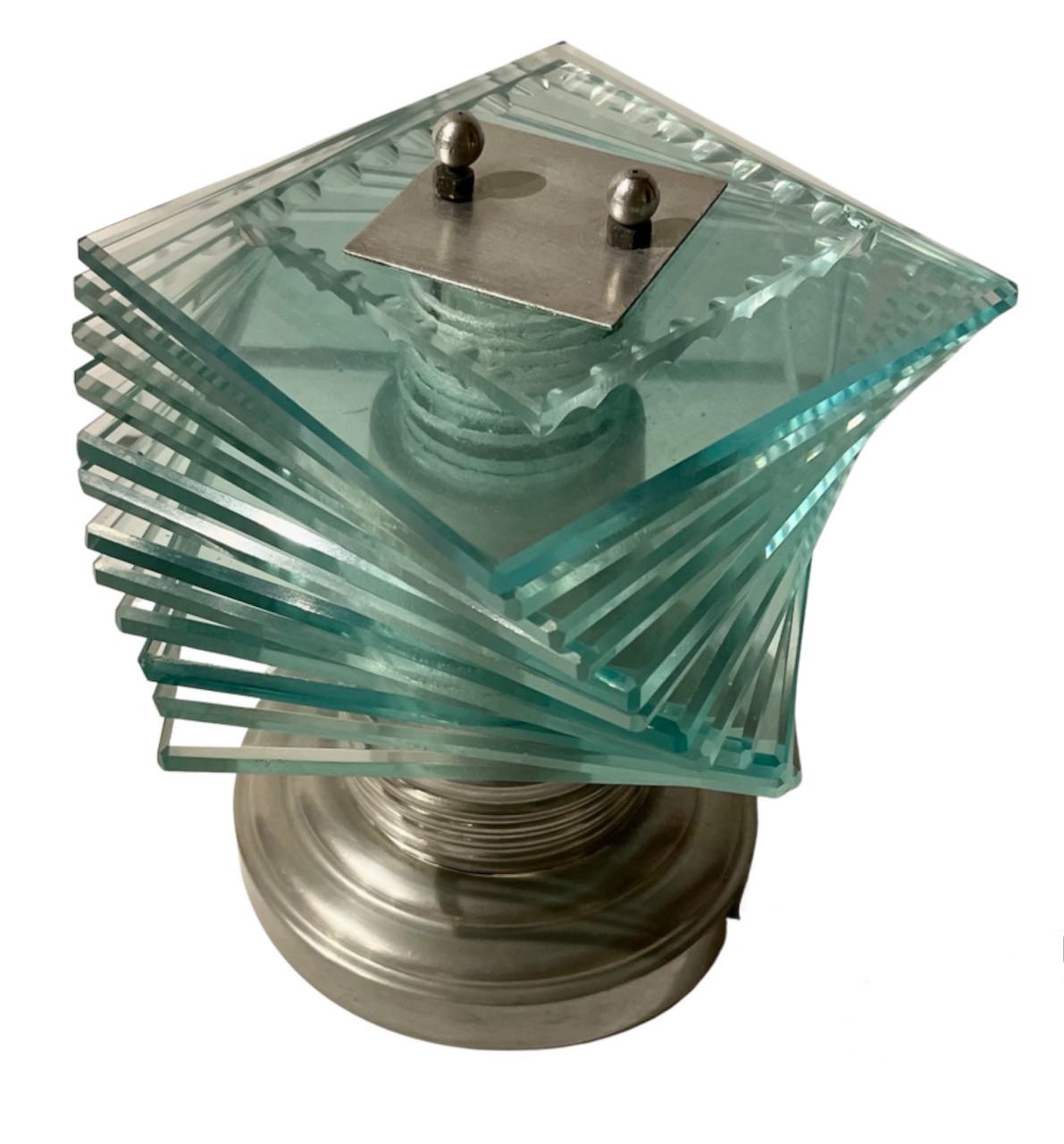
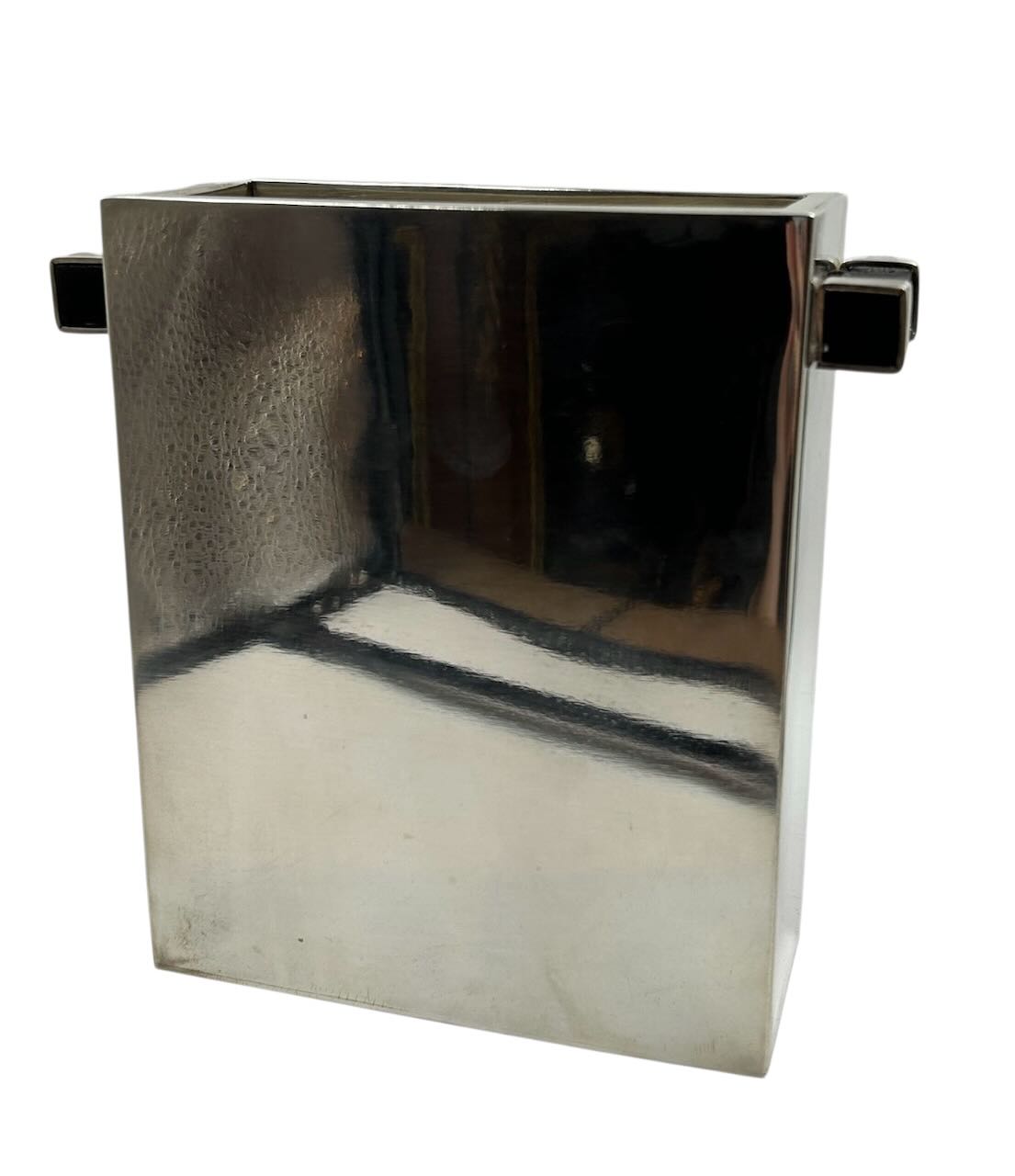
The firm continued to grow until the death of Desnet in 1933, an event that marked the beginning of the studio’s slow decline. While Nauny maintained operations for a time, the workshop never fully recovered, and its activity faded as political tensions in Europe intensified. During its most productive years Desny received important commissions for complete interior ensembles and created a wide range of decorative and utilitarian pieces. Their craftsmanship in silver plated and chromed metal was especially admired, often using seamless welds and mirrored finishes that gave the objects a futuristic clarity. Despite their modernist convictions, they were not afraid to pair metal with wood or glass, creating contrasts that highlighted the purity of each material. Their pieces were featured in exhibitions and gained a following among forward thinking collectors, though press coverage from the era remains rare. Because the firm closed before the late 1930s, surviving examples are extremely scarce and have become sought after by museums and collectors of early modern design. Today their objects represent a distinctive branch of French Art Deco that blended machine age ideals with an impeccable sense of craft.
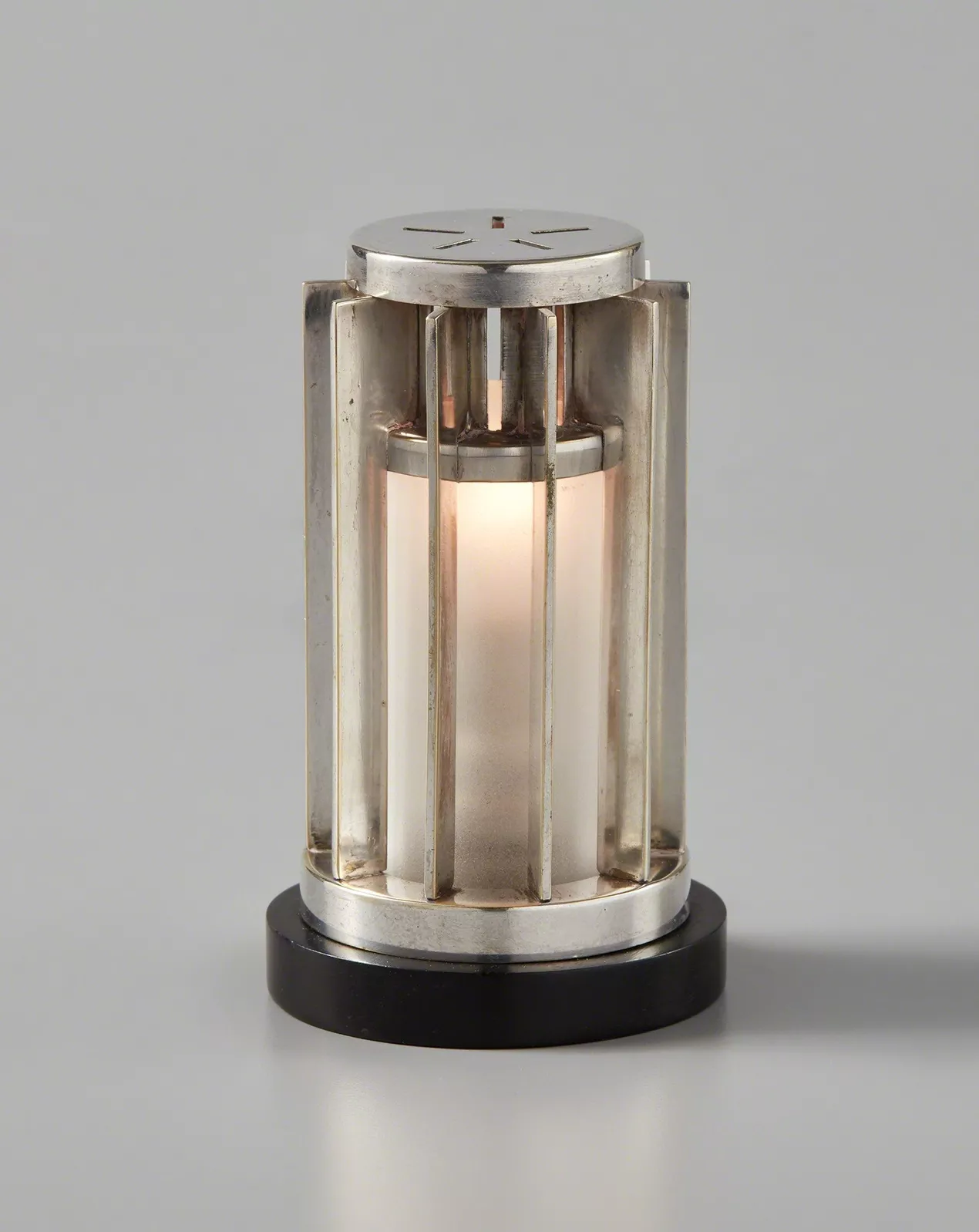

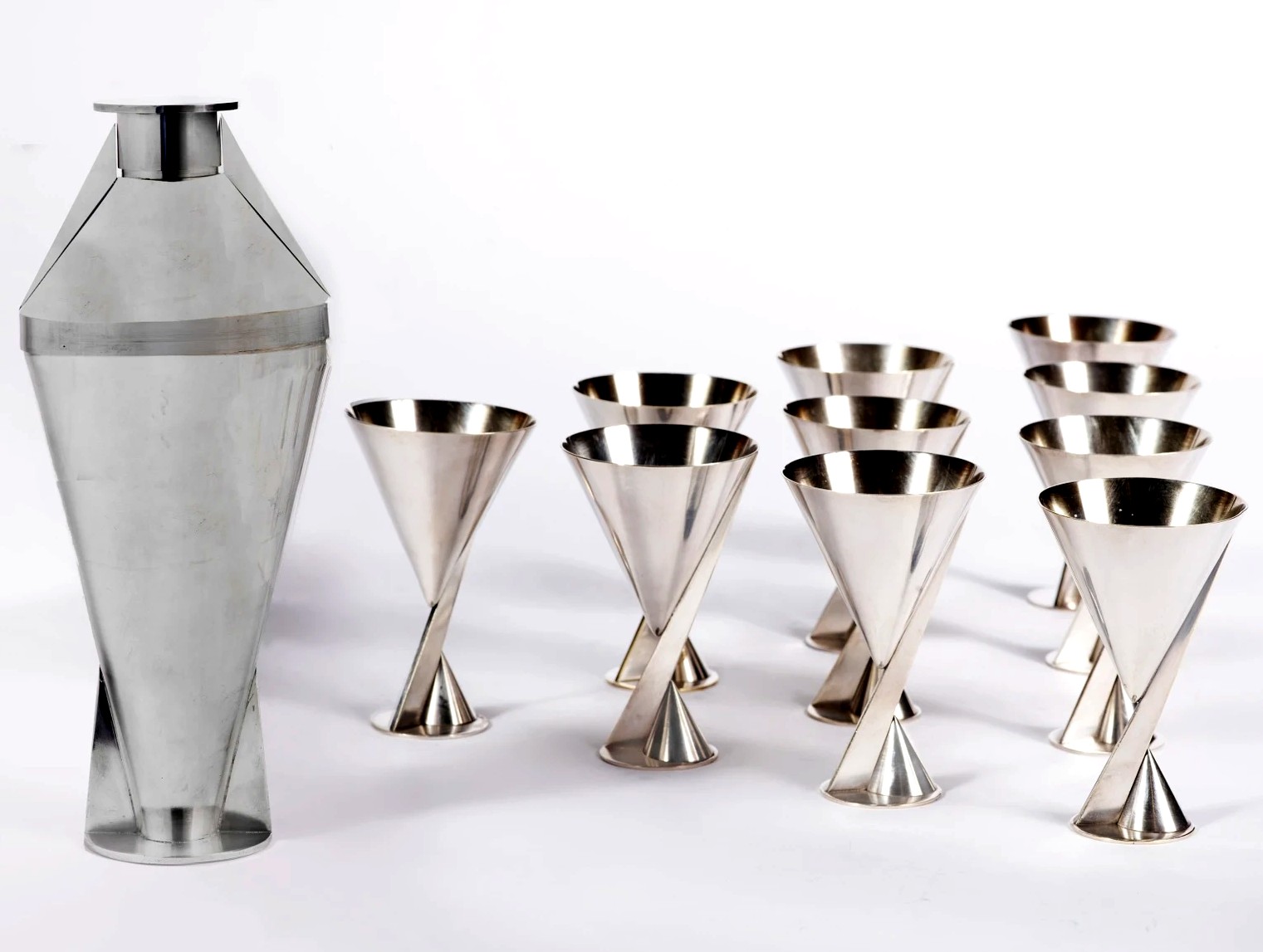
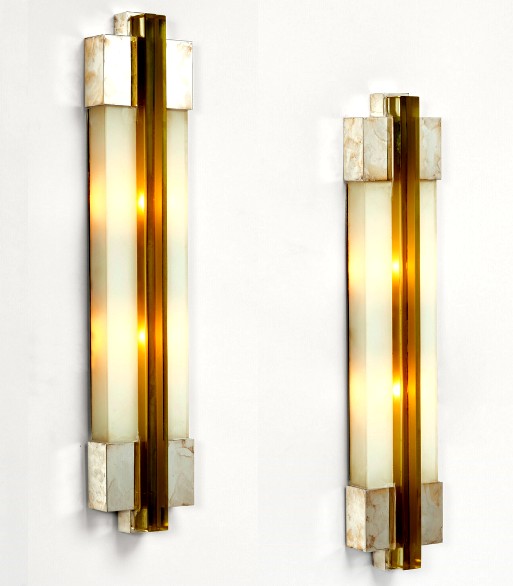

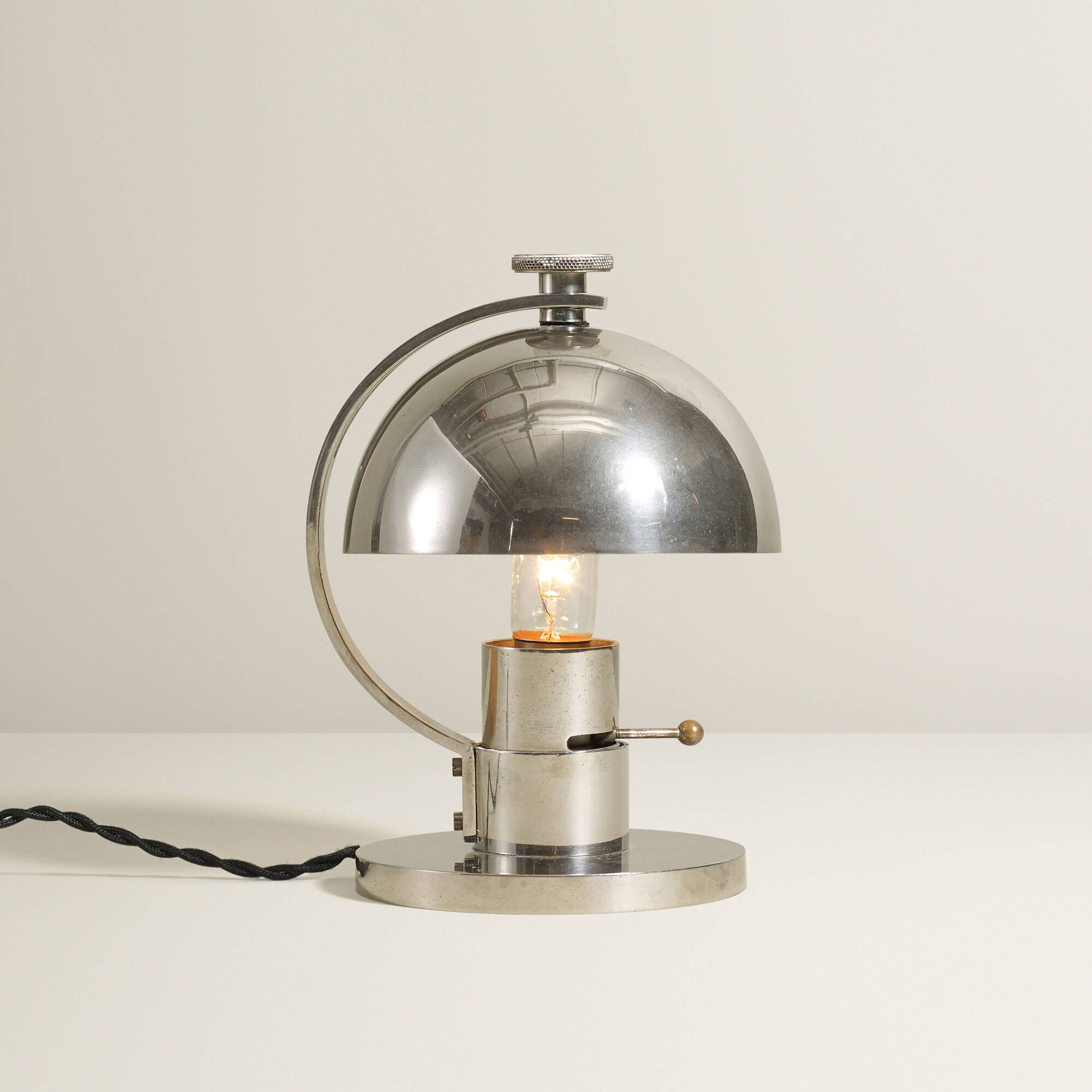

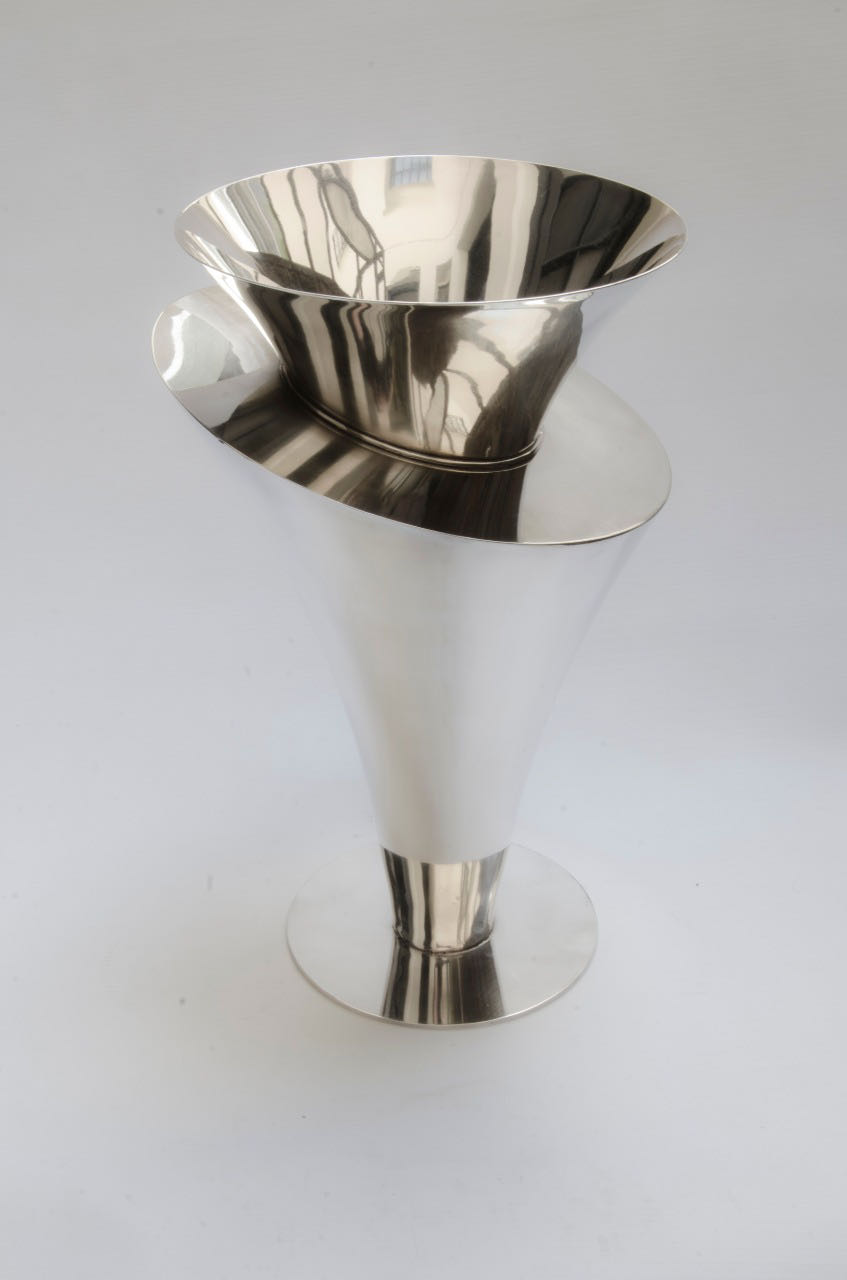
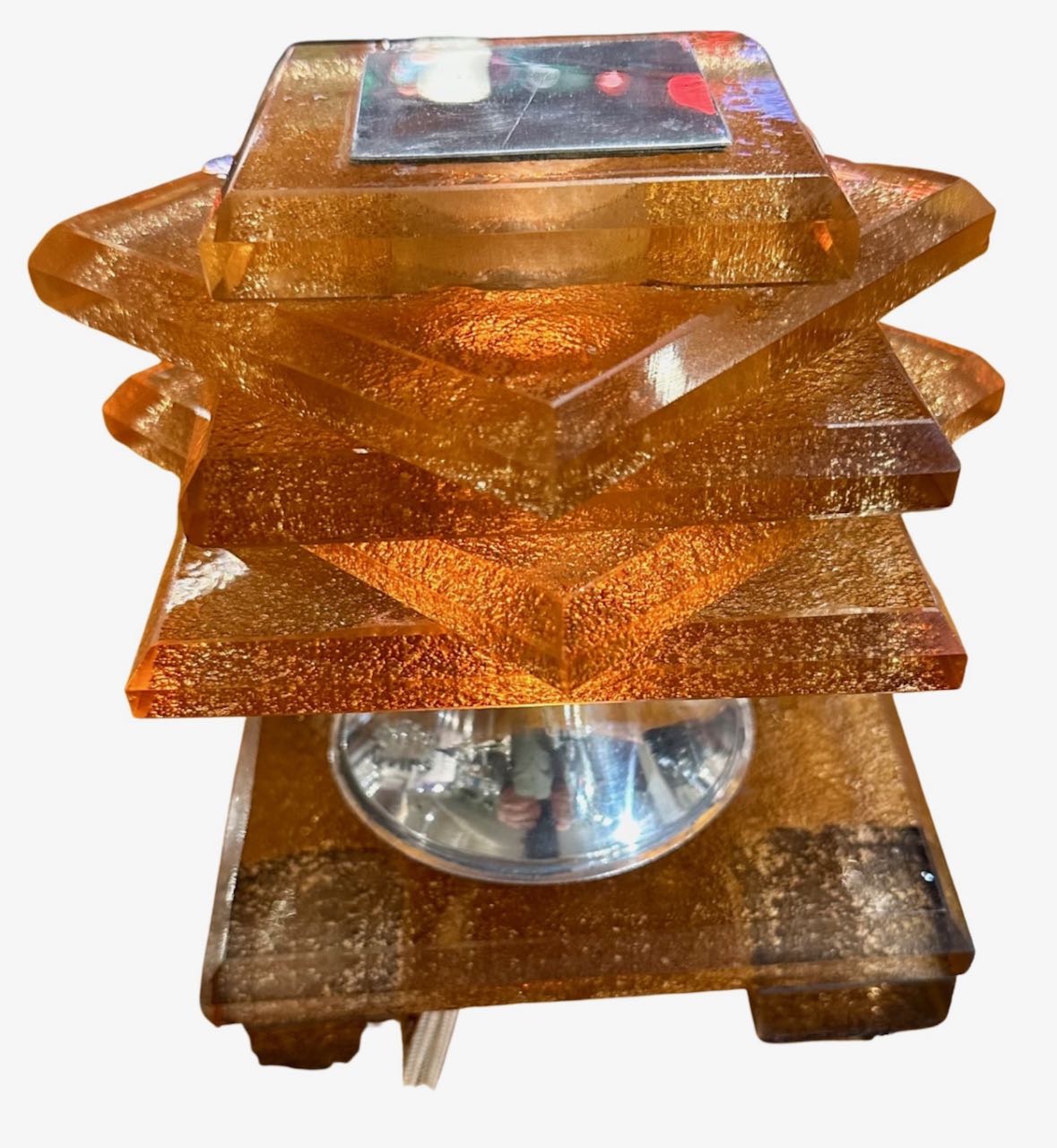
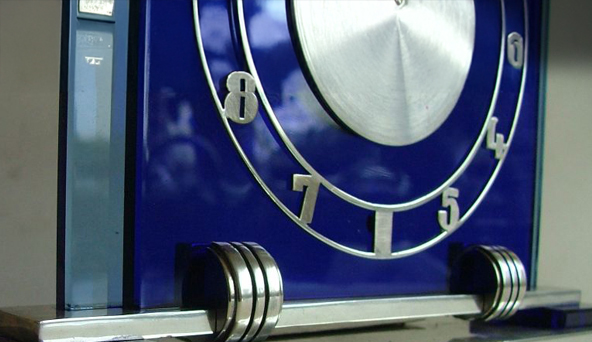
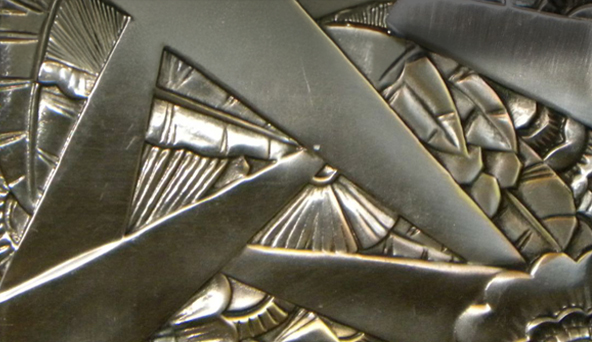
Desny’s work embraced pure geometric volumes and sharply defined forms that echoed early Cubism and functional modernism. Their pieces often used chromed metal or silver plate, polished to a mirror finish that heightened the clarity of each surface. Triangular bases, stepped profiles, and stacked cylinders gave their designs a sculptural architectural presence. They relied on industrial methods to achieve seamless construction and a refined sense of precision. The overall effect was minimal, futuristic, and strikingly modern for its time.
Key Influences
• Machine Age Design: Advanced the use of industrial materials and fabrication in luxury decorative arts.
• Modernist Geometry: Borrowed from Cubism to create objects defined by strict geometric shapes and clean volumes.
• Art Deco Innovation: Helped push the movement toward a more streamlined and architectural expression.
• Collaborative Networks: Worked with leading designers like Jean Michel Frank and Robert Mallet Stevens, broadening the studio’s aesthetic reach.
• Collector Culture: Produced limited edition pieces that shaped the early market for modernist metalwork and remain highly prized today.
If you are interested in further stories of the artists who shaped Art Deco, return to our artists page to browse the full directory.
Related Products