
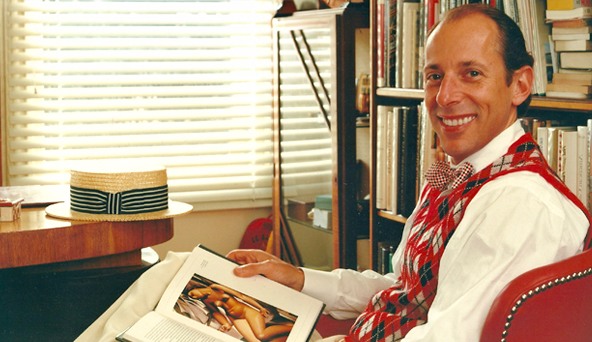
Lajos Kozma
Lajos Kozma was born in 1884 in Hungary and became one of the most distinctive figures in Central European modern design. Trained as an architect, he also worked fluently as a graphic artist, furniture designer, and interior designer. His early education in Budapest grounded him in academic architecture while encouraging artistic experimentation. A formative period in Paris exposed him to modern painting and broadened his visual vocabulary. Kozma belonged to a generation seeking to define a modern yet culturally rooted Hungarian design language. Folk art and vernacular architecture played an important role in shaping his outlook. He viewed architecture and interiors as inseparable parts of daily life. Teaching and publishing became central ways for him to articulate his ideas. He died in Budapest in 1948 after a career shaped by political upheaval and artistic independence.
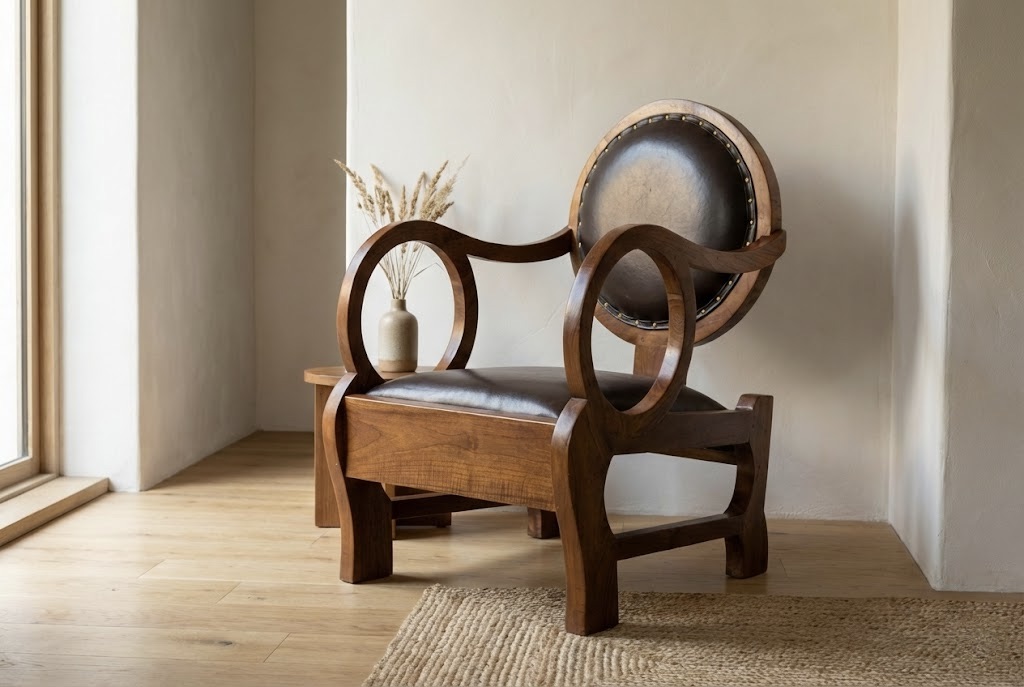
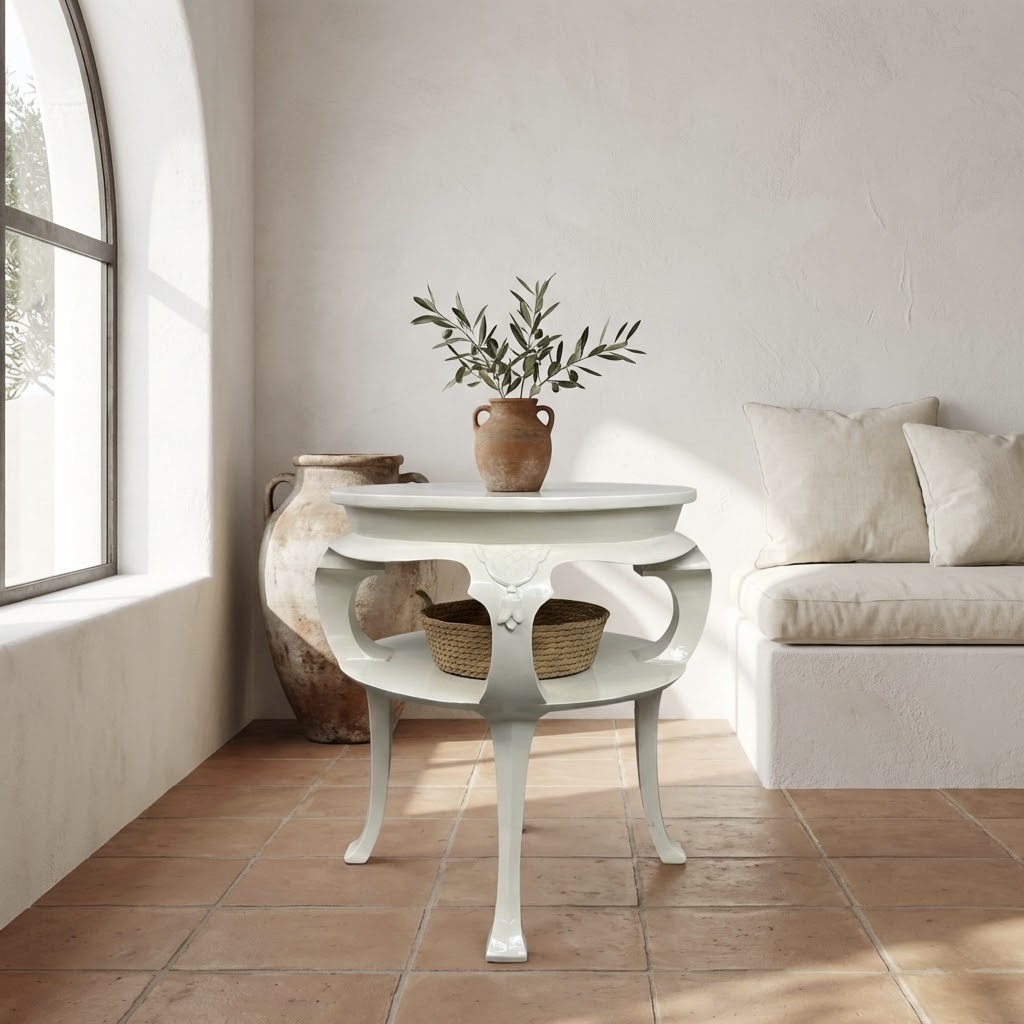
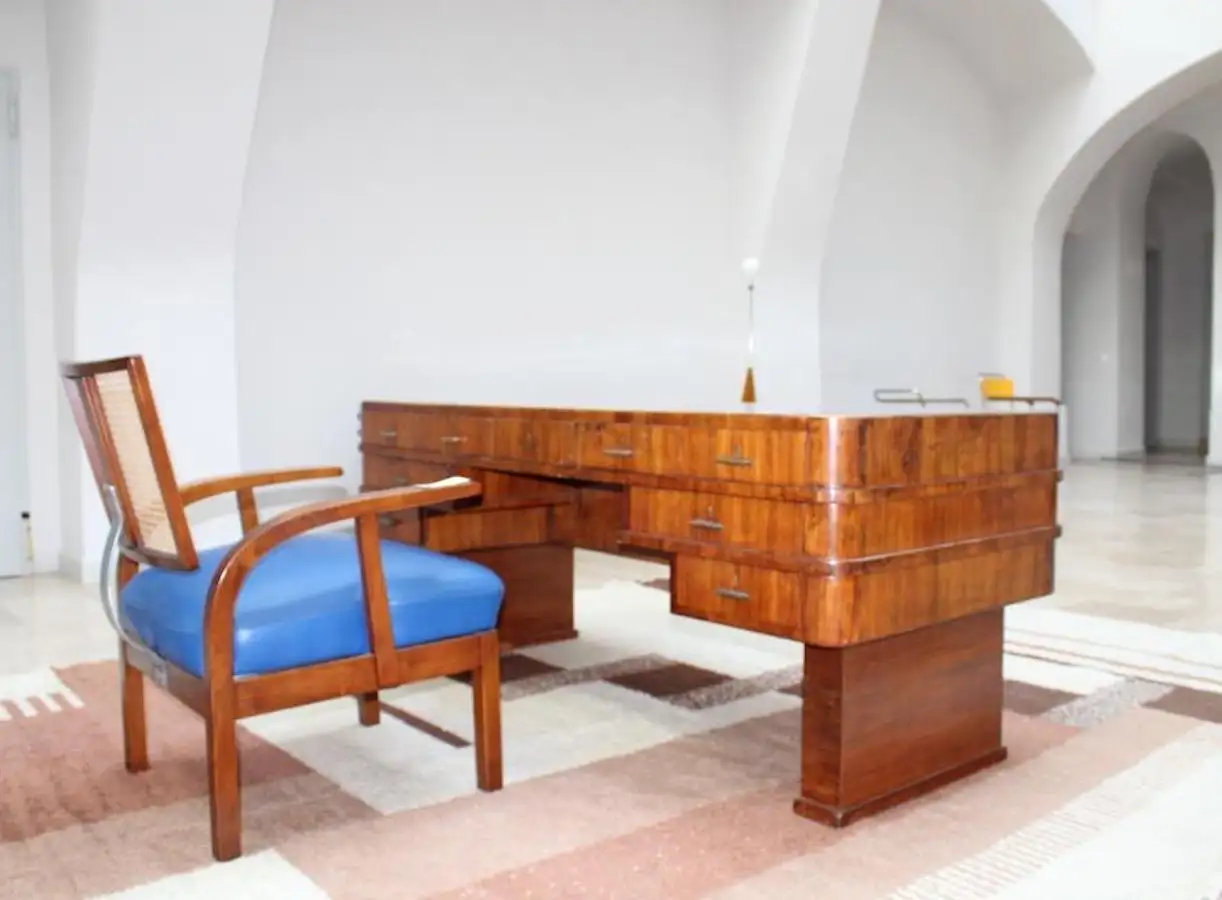
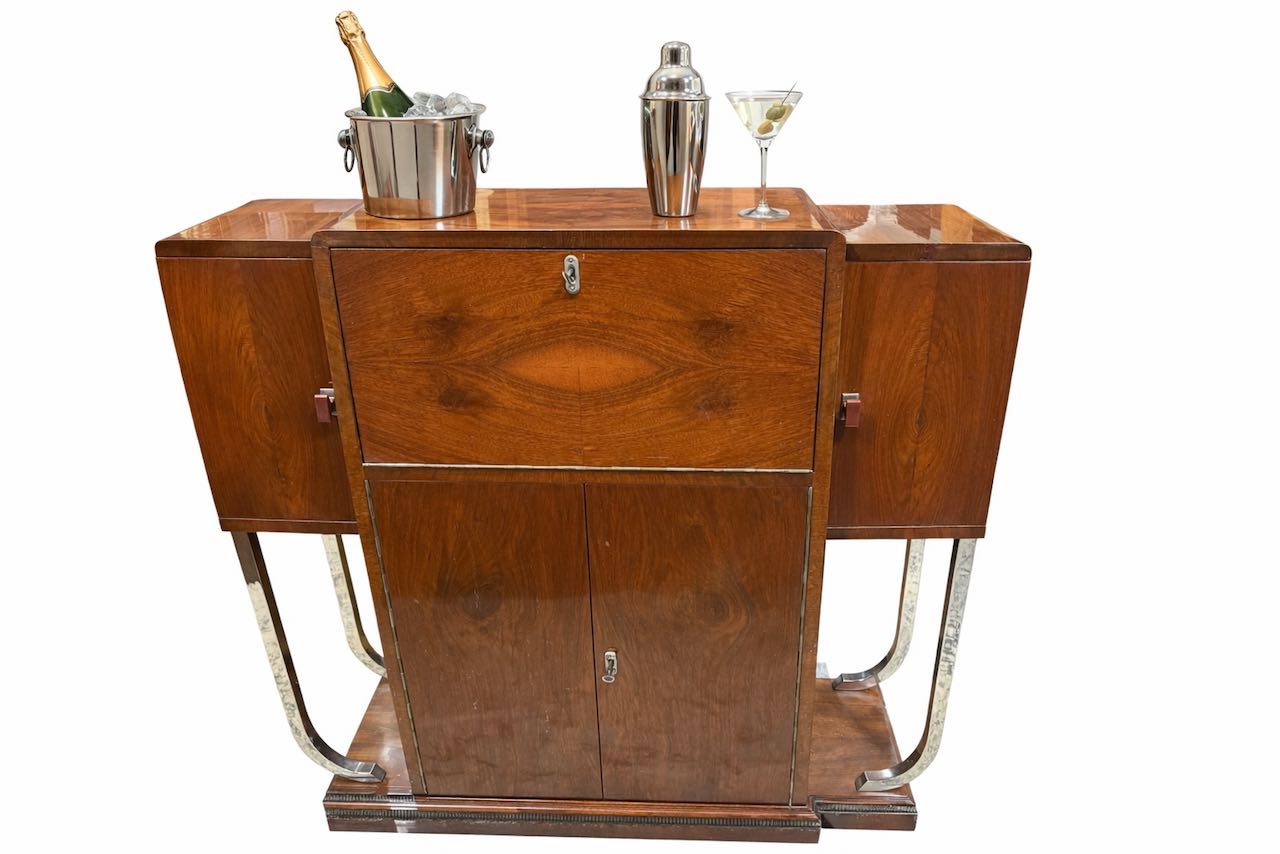
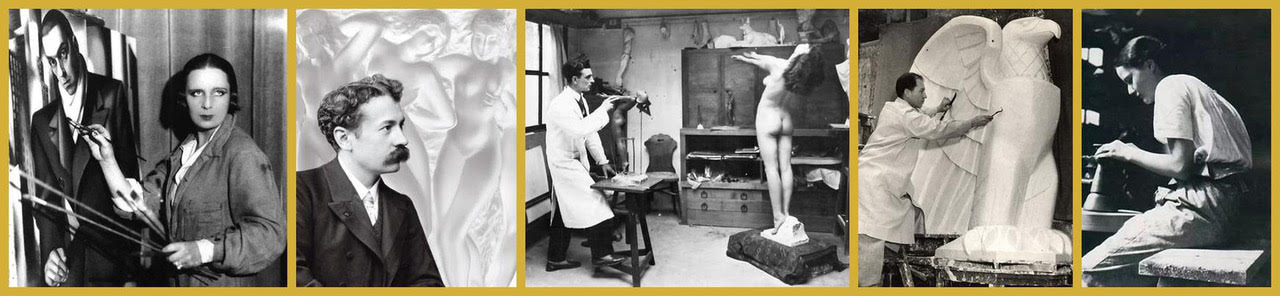
Kozma began his professional career working in the office of architect Béla Lajta, where he gained experience in interiors and decorative programs. Early recognition came through his graphic design, book illustrations, and furniture shown at applied arts exhibitions. In 1913, he founded the Budapesti Műhely, inspired by the Wiener Werkstätte, to reform domestic design. His furniture of the 1920s became known as Kozma baroque, blending historical references with modern form. By the mid 1920s, his work began to move decisively toward Art Deco geometry. He collaborated closely with printers, especially the Kner Press, producing influential book designs. In the 1930s, Kozma turned increasingly to architecture, designing villas and apartment buildings in Budapest. These buildings reveal a shift toward functional modernism influenced by the Bauhaus. His later career included writing, teaching, and pavilion design for international fairs.
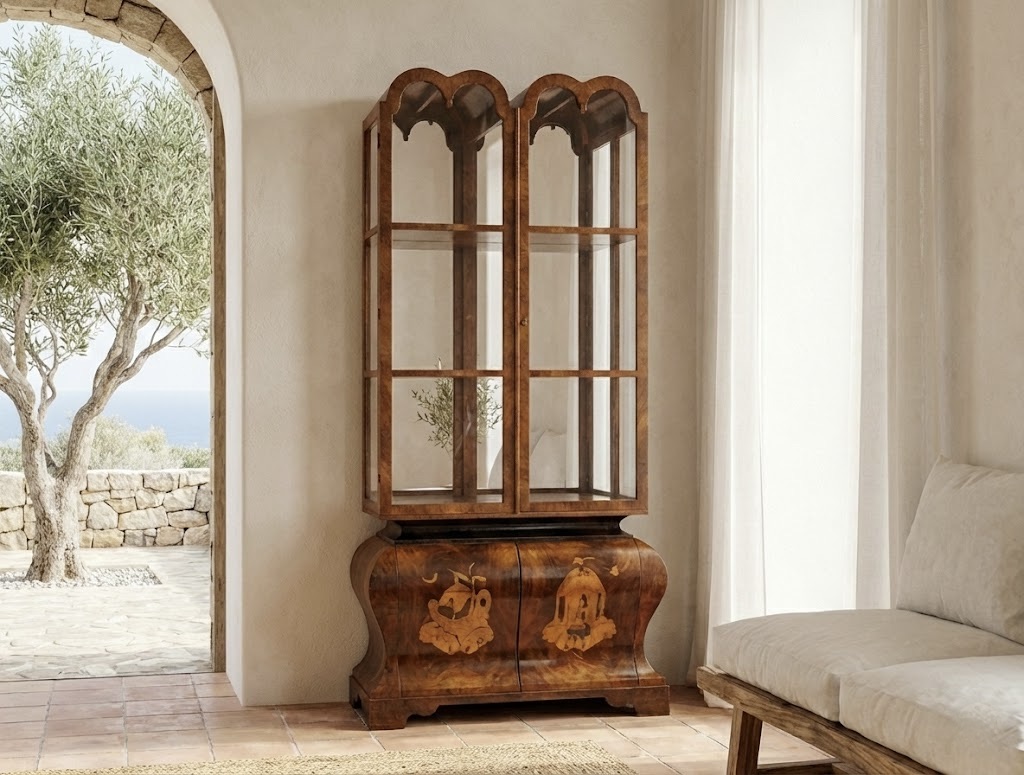
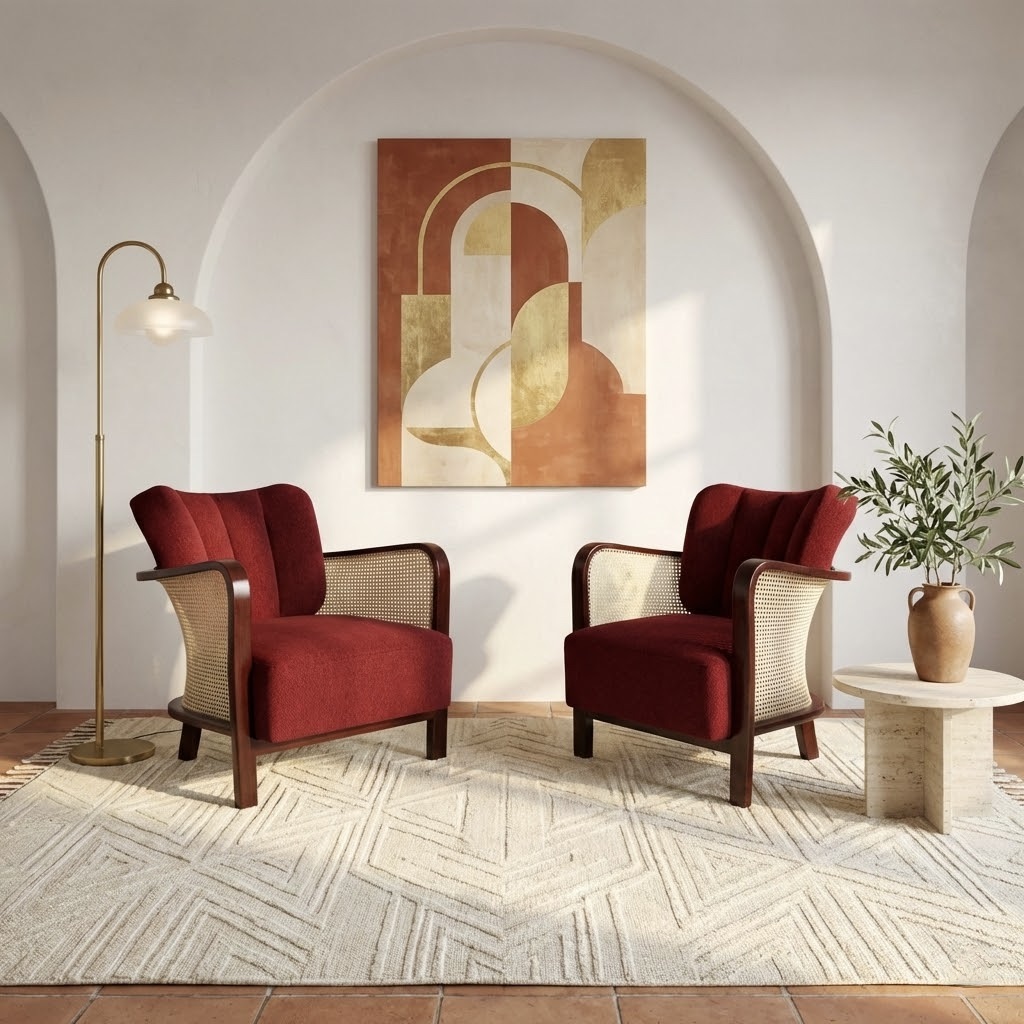
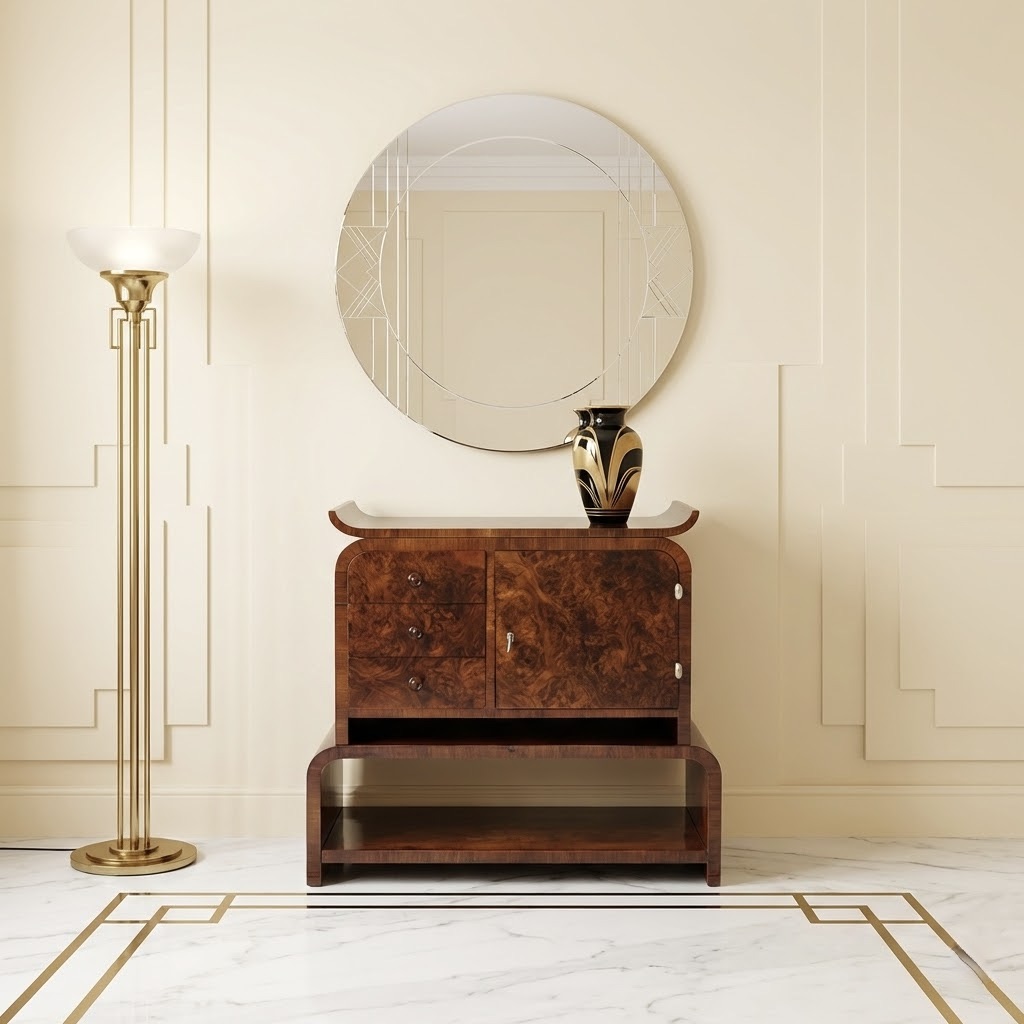
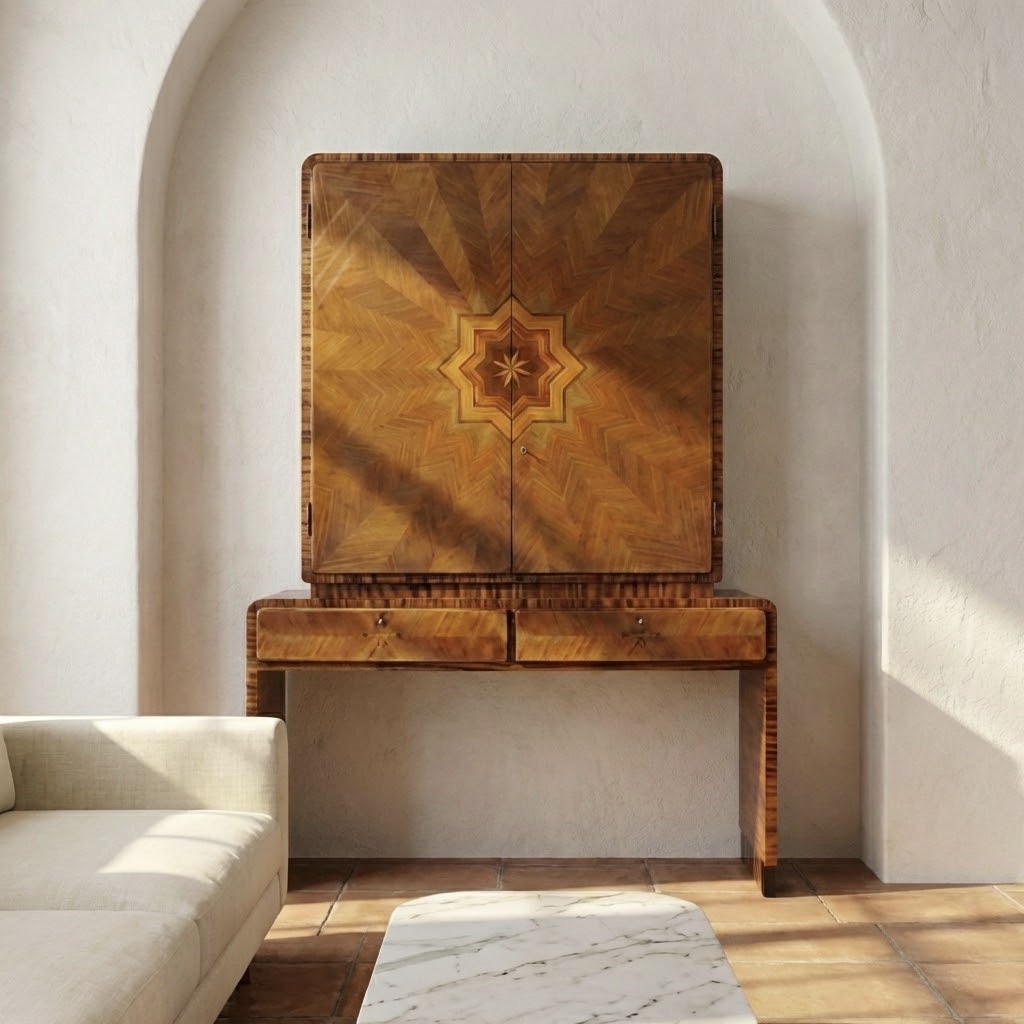
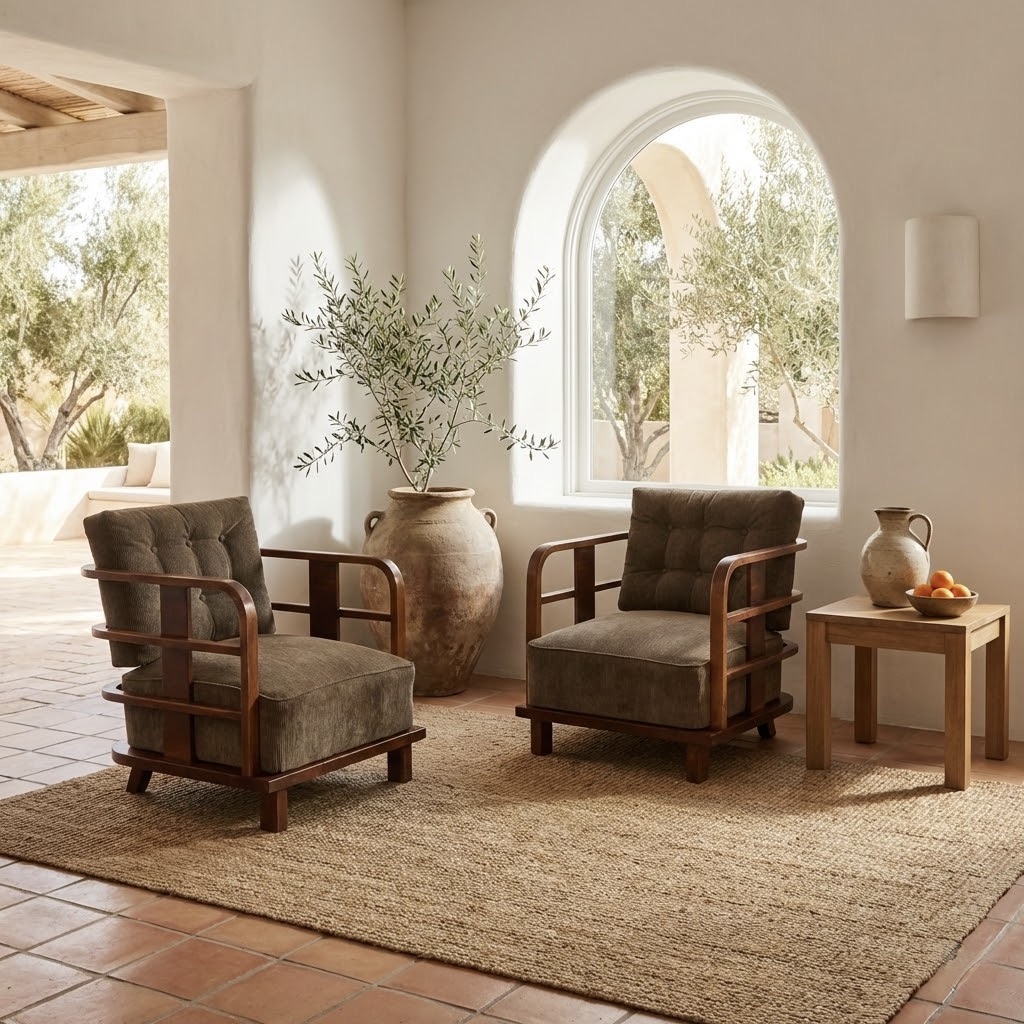
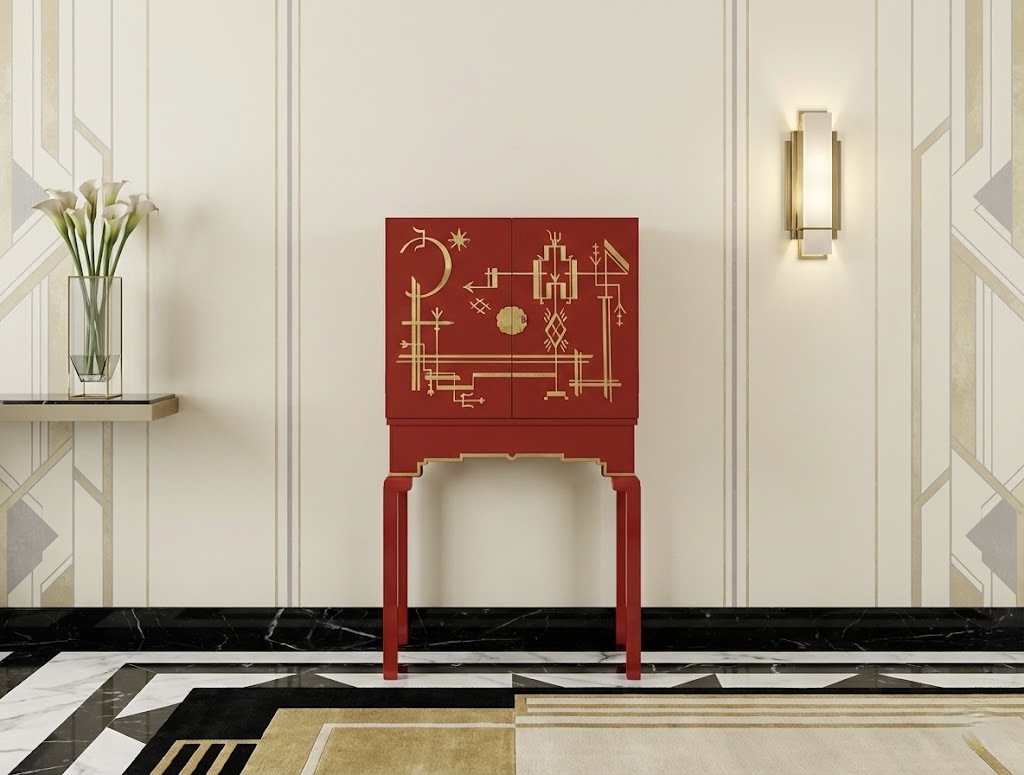
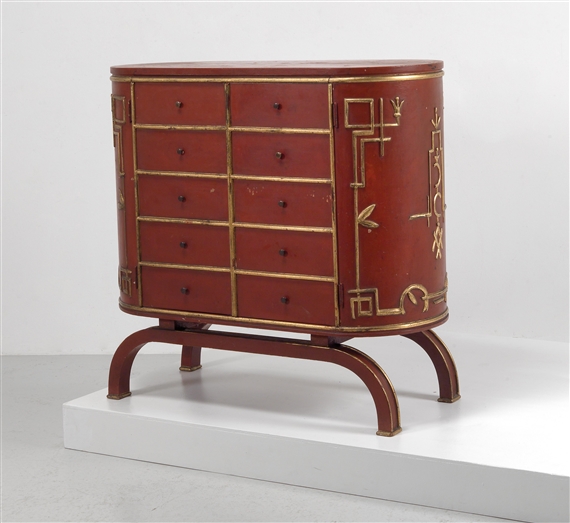
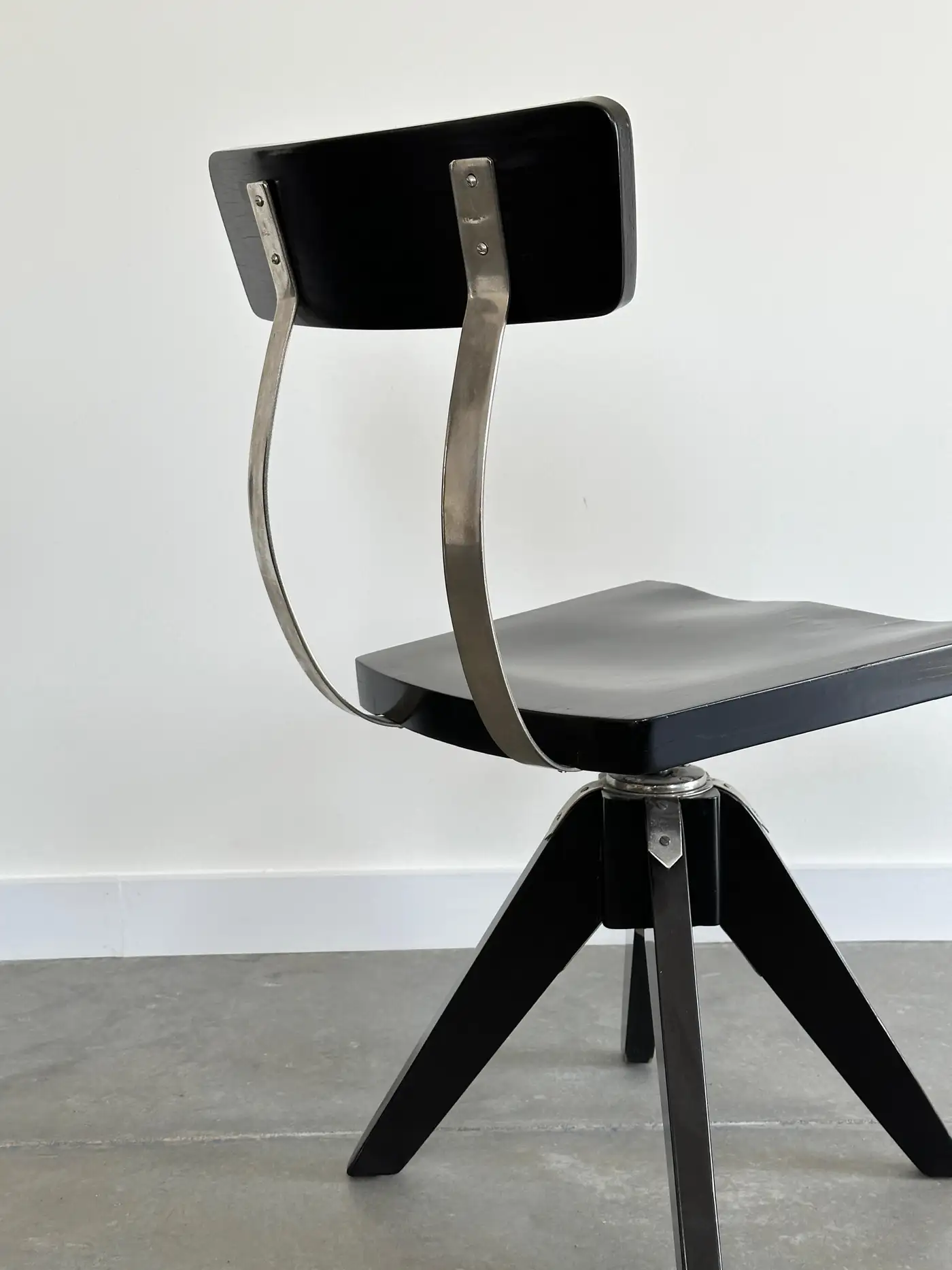
Kozma’s style is marked by a constant dialogue between tradition and modernity. Early works combine folk motifs with refined Art Nouveau ornament. His furniture often reinterprets baroque forms with deliberate exaggeration and abstraction. In the 1920s, his designs adopted clearer geometry and smoother surfaces aligned with Art Deco. Later architectural work favors restraint, clarity, and functional planning.
Key Influences
- Hungarian Folk Art: Vernacular architecture and carving informed his early decorative language.
- Vienna Secession: Reformist ideas encouraged unity between architecture and applied arts.
- Paris Modernism: Exposure to contemporary painting expanded his approach to form and color.
- Wiener Werkstätte Model: Integrated design workshops shaped his approach to interiors and furniture.
- Bauhaus Functionalism: Later buildings reflect a shift toward rational modern architecture.
If you are interested in further stories of the artists who shaped Art Deco, return to our artists page to browse the full directory.
Related Products