
Kem Weber
Kem Weber was born Karl Emanuel Martin Weber in Berlin in 1889 and trained in the rigorous traditions of German applied arts before emigrating to the United States. He apprenticed under royal cabinetmaker Eduard Schultz in Potsdam, gaining a deep respect for craftsmanship and material discipline. In 1908, he enrolled at the Kunstgewerbeschule in Berlin, studying under Bruno Paul, one of the key figures bridging traditional craftsmanship and modern design. Weber graduated in 1912 and briefly worked in Paul’s office, assisting on international exhibition projects that exposed him to large-scale, forward-looking design. In 1915, he was sent to supervise the German pavilion at the Panama Pacific International Exposition in San Francisco. The outbreak of the First World War prevented his return to Germany, effectively stranding him in California. Choosing opportunity over return, he remained in the United States and later became a citizen in 1924. Around this time, he adopted the name Kem, distancing himself from German identity and signaling a new professional chapter.

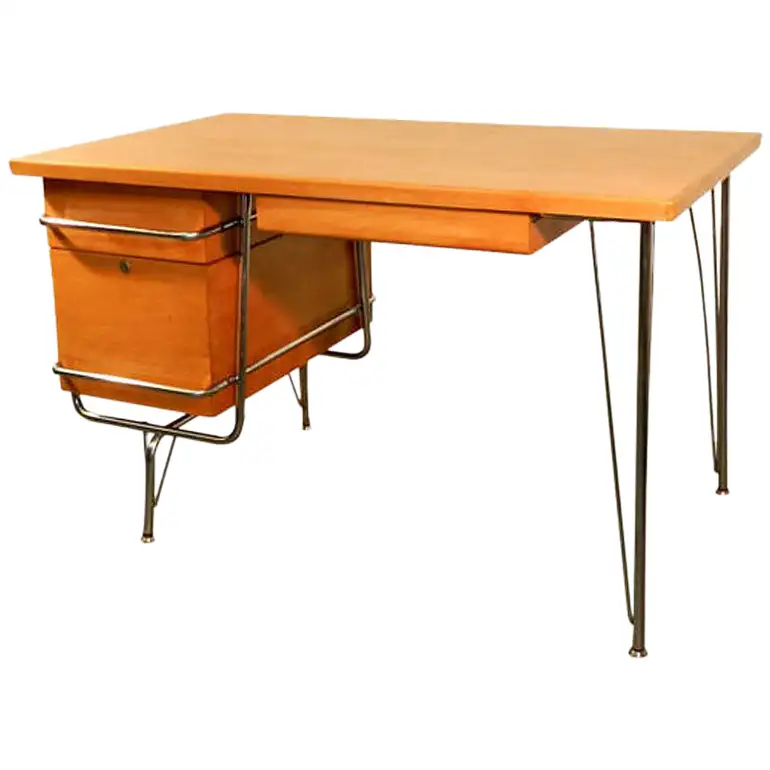
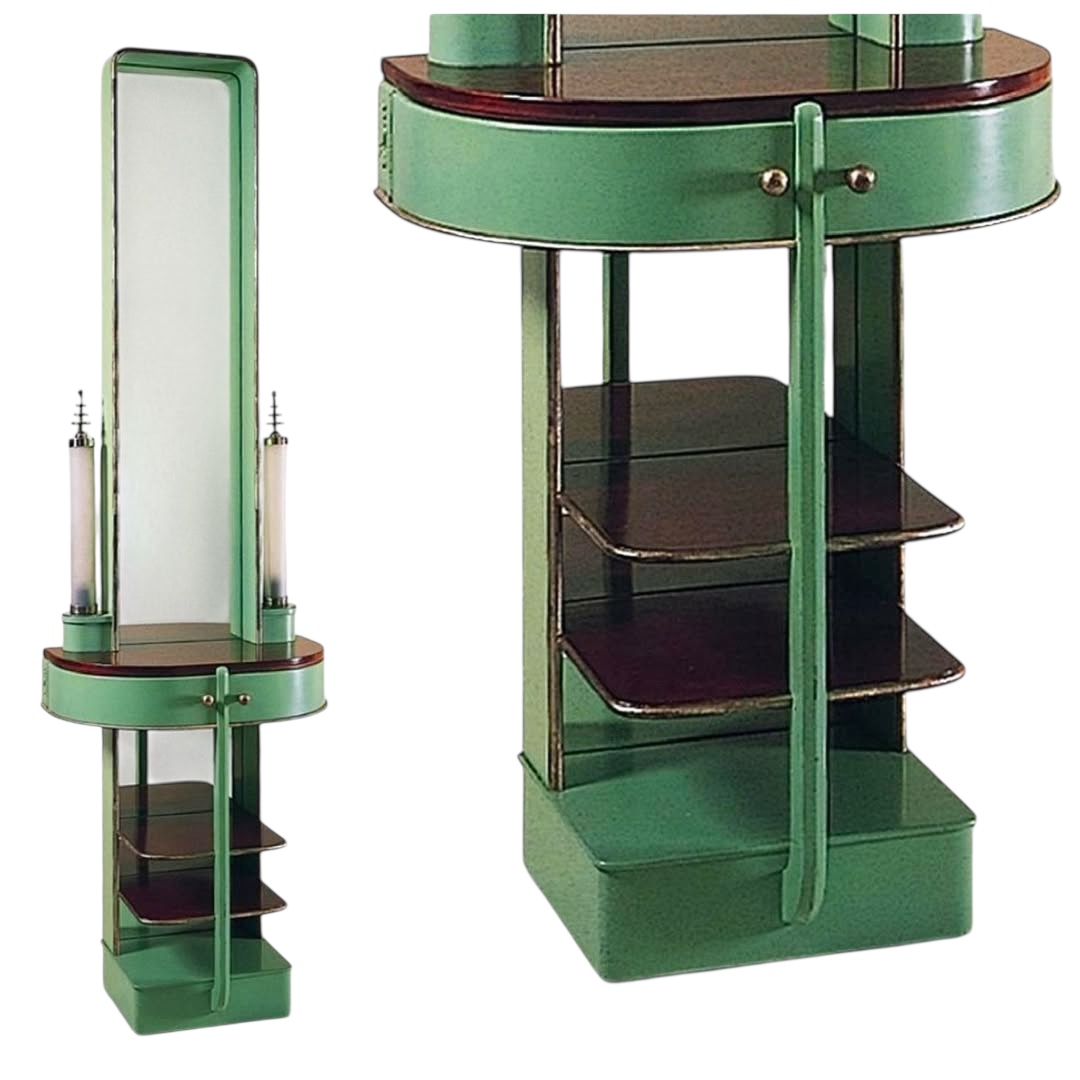
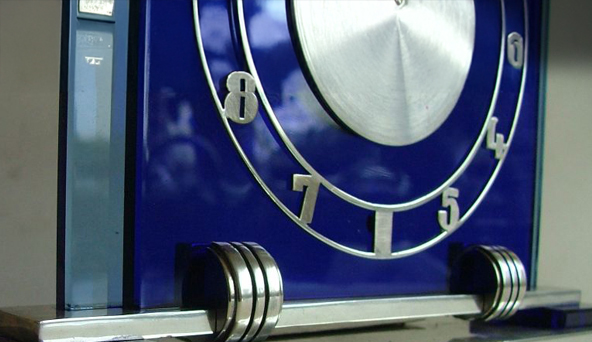
After the war, Weber settled on the West Coast and quickly became a central figure in American modern design. He first worked in Santa Barbara, designing interiors and buildings influenced by Spanish Colonial forms as well as ancient Mayan, Egyptian, and Mediterranean architecture. By 1921, he moved to Los Angeles and began focusing on furniture, interiors, and industrial design. From 1921 to 1924, he served as art director for Barker Brothers, designing furniture, displays, and packaging in a distinctly modern idiom. He later opened an independent studio in Hollywood, producing furniture, film sets, and private interiors. His work gained national attention after inclusion in the 1928 International Exposition of Art in Industry at Macy’s in New York. Weber went on to design products for numerous manufacturers, including clocks, lighting, furniture, and metal objects that embodied Streamline Moderne. His most famous designs include the Airline chair and the Zephyr clock, both icons of American Art Deco modernity. He also served as the principal architect and interior designer for the Walt Disney Studios in Burbank, a project that cemented his legacy.


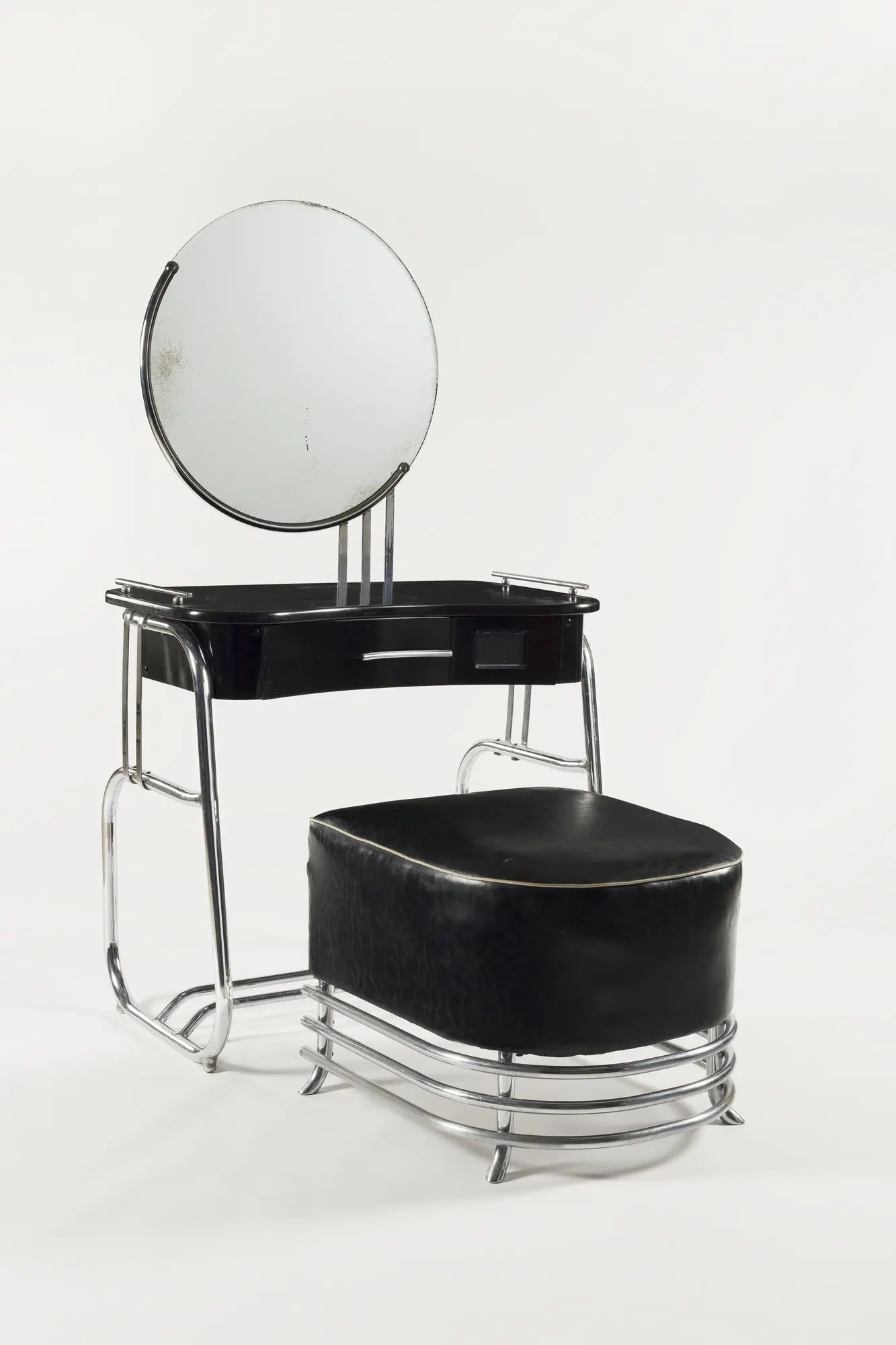


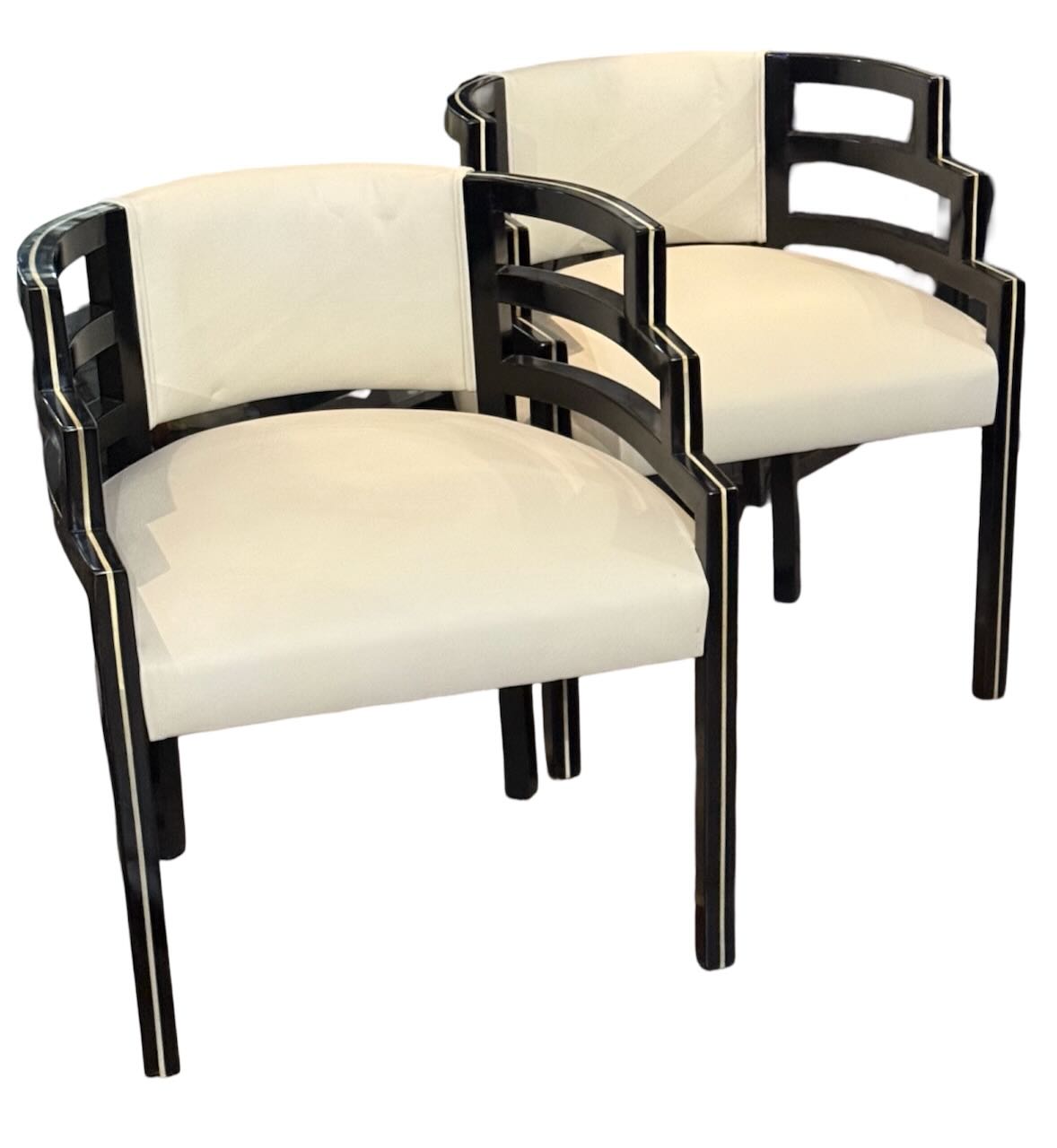
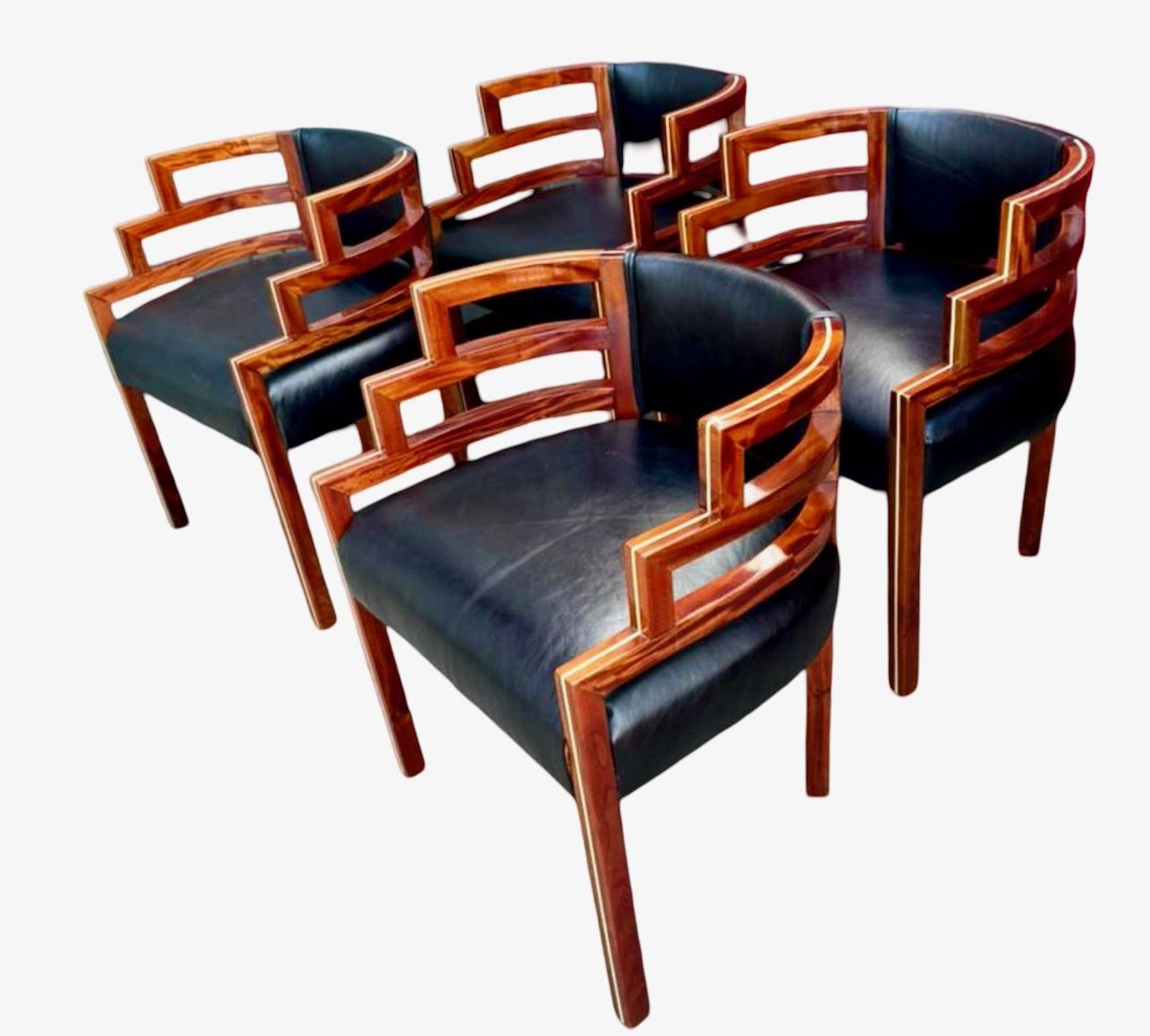
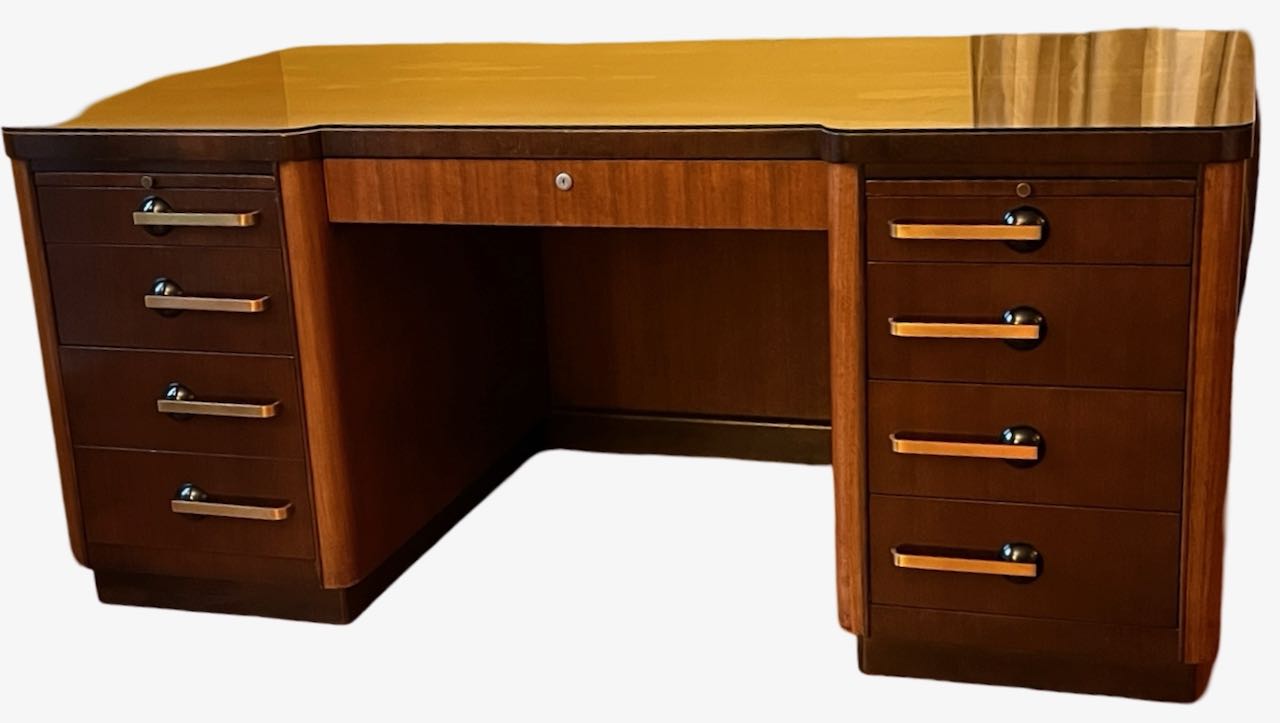
Kem Weber’s style sits at the intersection of Art Deco and Streamline Moderne, defined by aerodynamic forms and functional clarity. He favored long horizontal lines, smooth curves, and an absence of unnecessary ornament. Industrial materials such as tubular steel, chrome, copper, bakelite, and molded wood were central to his visual language. His designs often referenced transportation and technology, borrowing cues from aircraft, trains, and modern machinery. The result is work that feels optimistic, efficient, and distinctly American in spirit.
Key Influences
- German Applied Arts Training: Early apprenticeship and education instilled discipline, precision, and respect for materials.
- Streamline Moderne Aesthetics: Emphasis on speed, motion, and aerodynamic form shaped his most iconic designs.
- Industrial Materials and Technology: Steel tubing, bakelite, and modern manufacturing methods informed both form and function.
- American Consumer Culture: Department stores, mass production, and accessibility influenced his democratic design outlook.
- Architecture and Transportation: Aircraft, ocean liners, and modern buildings inspired furniture that echoed structural engineering principles.
If you are interested in further stories of the artists who shaped Art Deco, return to our artists page to browse the full directory.
Related Products