
Jacques Adnet
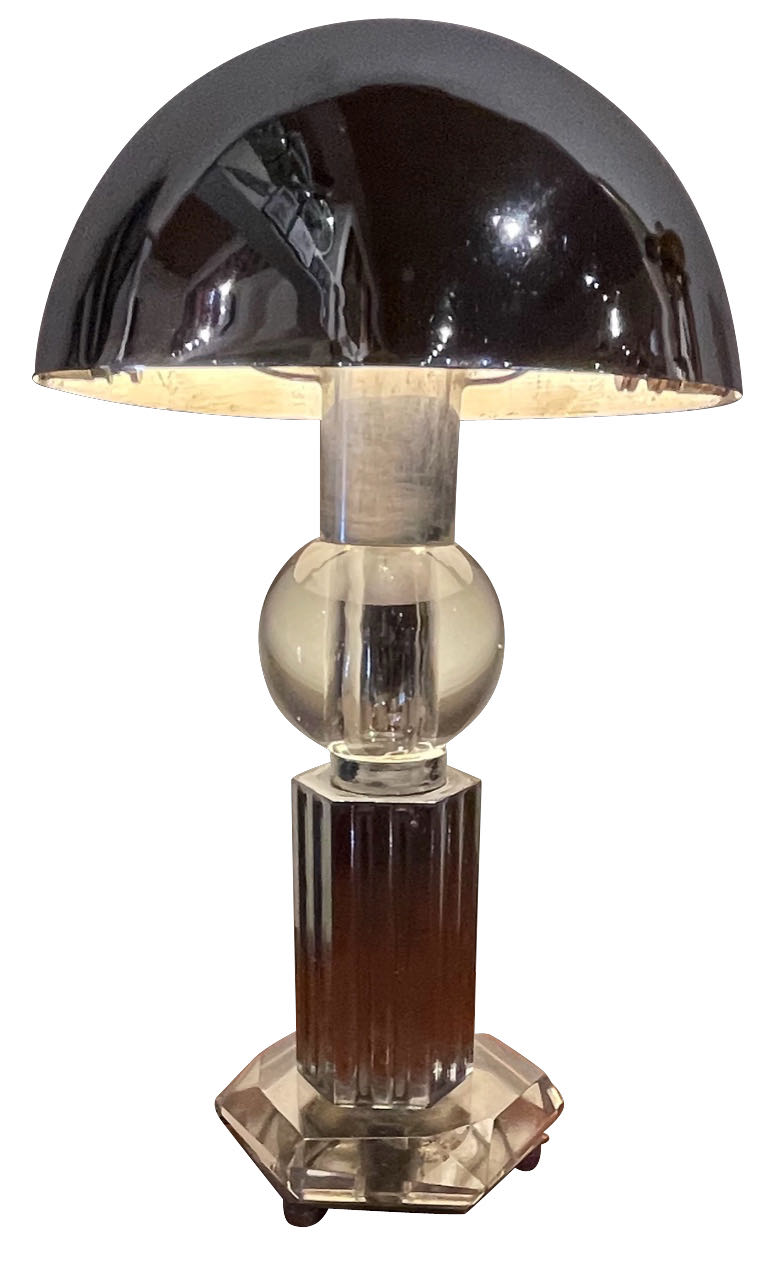
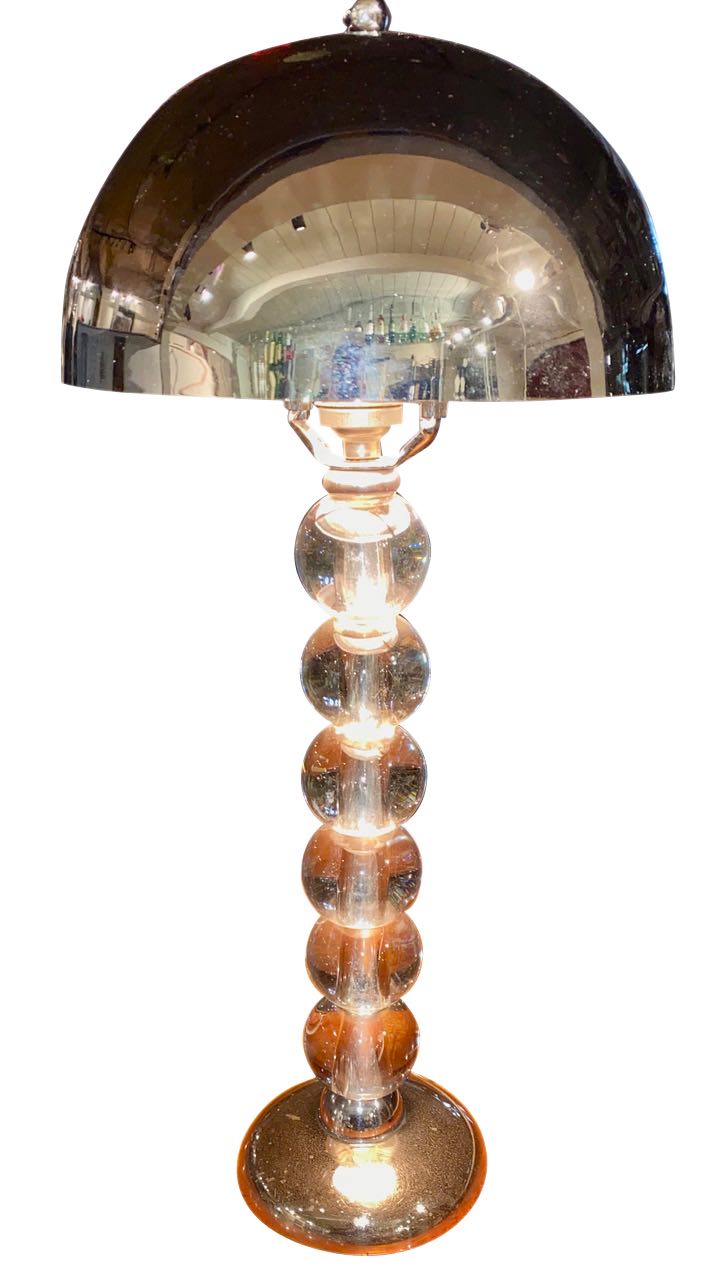
Jacques Adnet was one of the most imaginative figures in twentieth-century French design, known for bringing a crisp, modern rigor to the lingering elegance of Art Deco. Born in Châtillon-Coligny in 1900, he trained first with his twin brother Jean at the Municipal School of Design in Auxerre before moving to Paris in 1916 to study architecture at the École des Beaux Arts. Early work for architect Tony Selmersheim introduced him to cabinetmaking, and his time at La Maîtrise, the decorative arts studio of Printemps, helped refine his approach to structure, material, and proportion. Between 1923 and 1928 the Adnet brothers exhibited under the name J J Adnet, earning recognition at the 1925 Exposition Internationale des Arts Décoratifs et Industriels Modernes. Jacques soon distinguished himself through his ability to combine modern geometry with a restrained classical sensibility, leading to commissions like the salle commune aboard the ocean liner Île de France. In 1928 he became director of the Compagnie des Arts Français, where he shaped the studio into a laboratory for progressive design. His tenure there marked the beginning of his characteristic use of glass, metal, parchment, and leather, often applied in ways that felt both practical and luxurious. By the 1930s he had become one of the central voices in French modernism and an important figure in the shift away from ornate Art Deco toward a cleaner and more functional aesthetic.


Adnet spent the 1930s and 1940s working with a wide circle of collaborators at the Compagnie des Arts Français, including Charlotte Perriand, Georges Jouve, Raoul Dufy, and Claudius Linossier. His approach grew increasingly modern, embracing tubular steel, smoked glass, and lean silhouettes while still grounding each piece in fine craftsmanship. He earned major commissions such as the private apartments of President Vincent Auriol at the Palais de l’Élysée, interiors for UNESCO, and projects for luxury ocean liners that showcased his ability to balance utility with refinement. His work at the Salon des Artistes Décorateurs, where he served as president, cemented his reputation as a leading advocate for modern French design. In the late 1940s, he partnered with Hermès and created the leather-wrapped furniture that would become synonymous with his name, including the circular leather mirror that remains a design icon. After the Compagnie des Arts Français closed in 1959, Adnet became director of the École Nationale Supérieure des Beaux Arts, shaping the next generation of designers. Throughout his career, he believed that simplicity did not mean austerity but clarity, insisting that furniture should serve real life while still expressing beauty. His influence endures as a bridge between the rich expressiveness of early Art Deco and the confident restraint of postwar modernism.


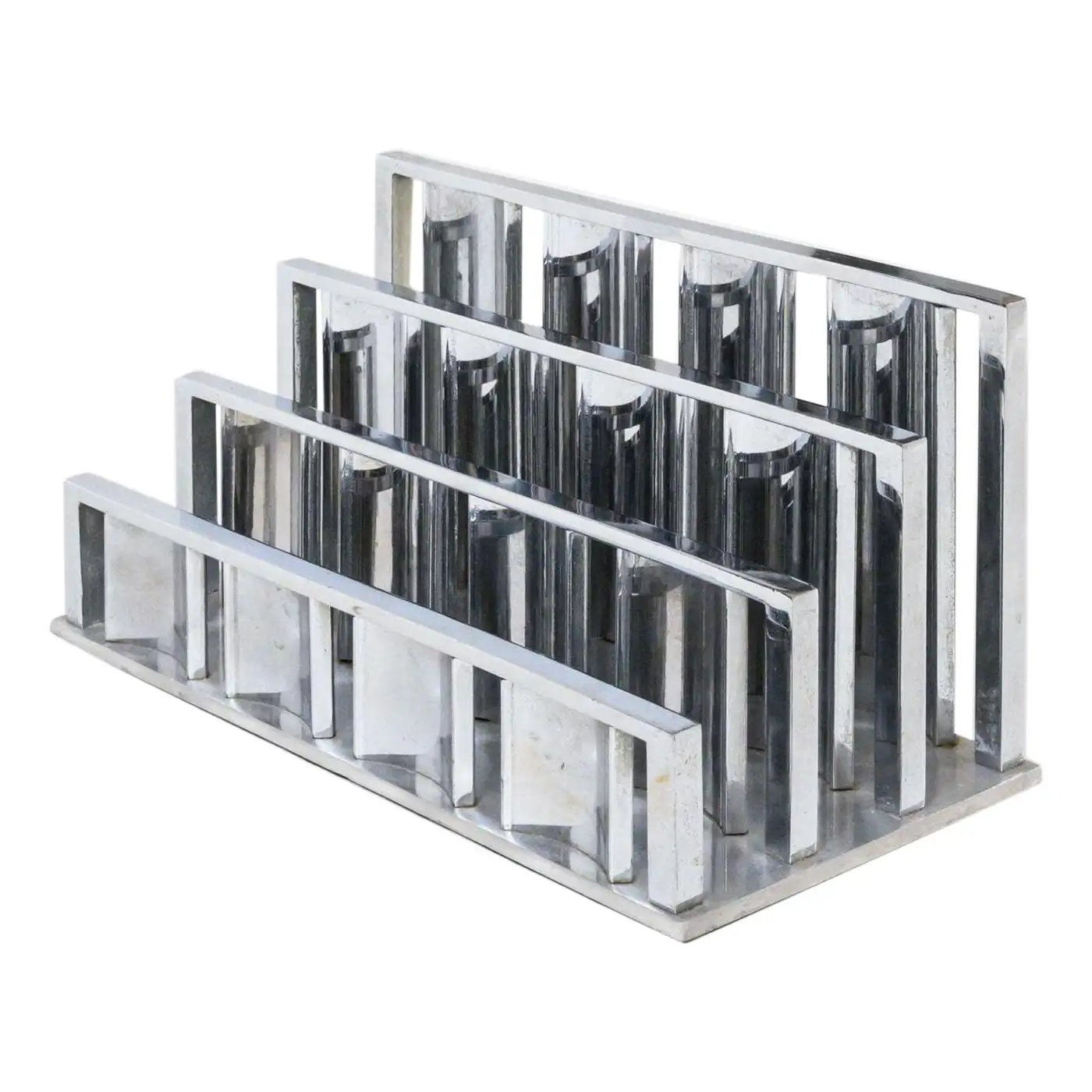


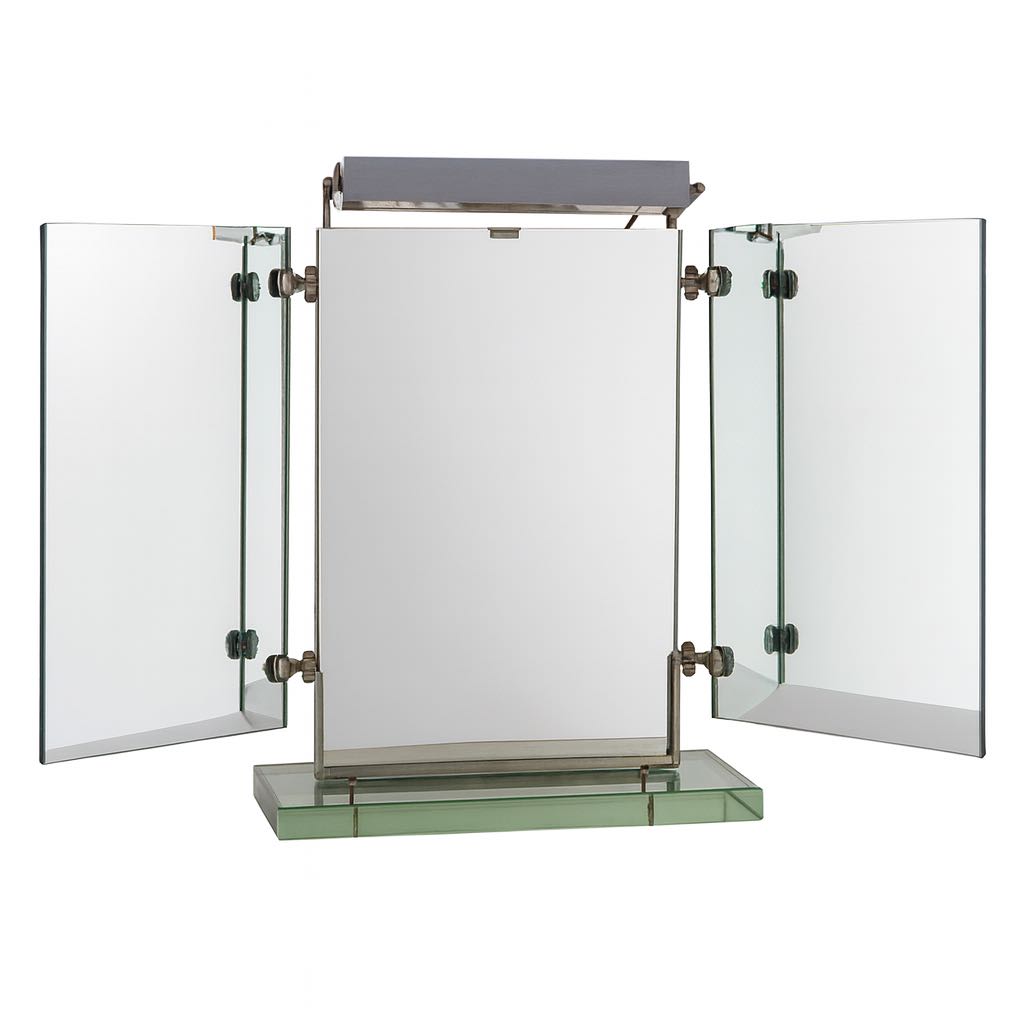
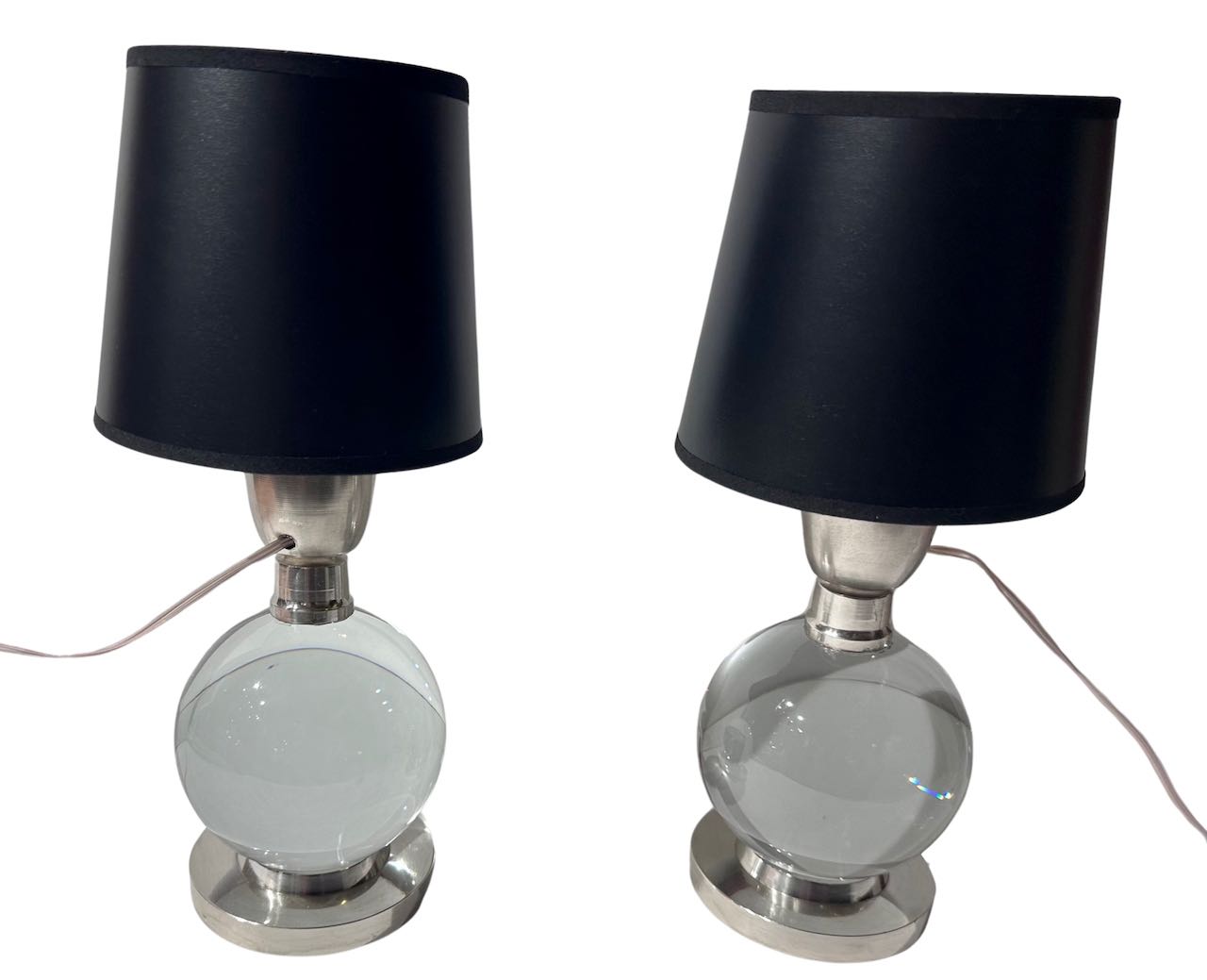
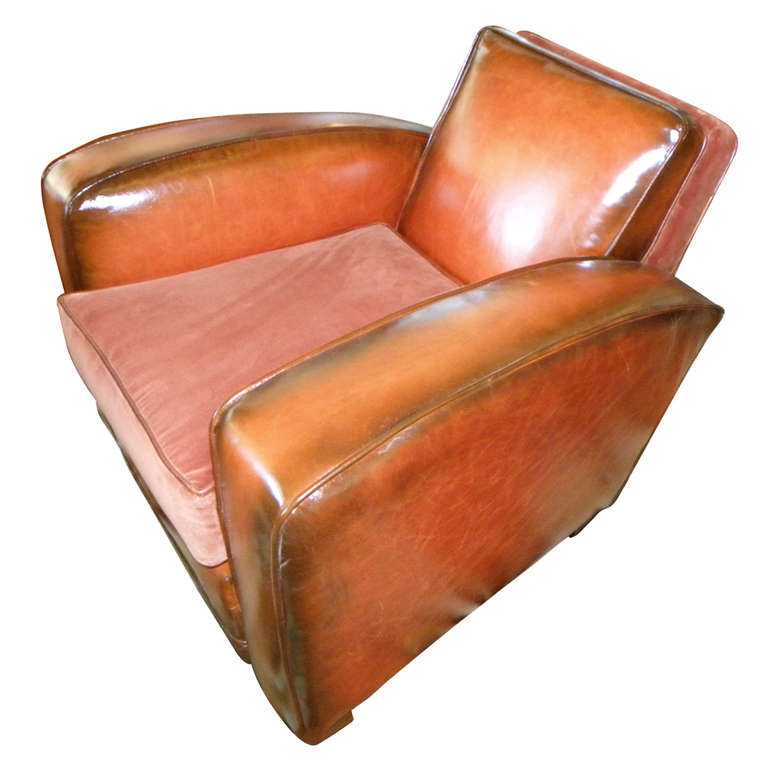
Adnet’s style combined strict geometry with subtle luxury, resulting in pieces that felt modern without losing warmth. He frequently paired materials like leather, glass, parchment, and metal to create contrast while keeping the forms clean. His furniture often relied on slender profiles and lightly accented details rather than heavy ornament. Even when using exotic woods or high end finishes, he favored balance over extravagance. Every design was guided by the belief that clarity, function, and proportion mattered more than decoration.
Key Influences
• Material Innovation: Pushed French design forward by combining leather, glass, metal, and parchment in functional furniture.
• Modern French Interiors: Shaped major cultural buildings, including the Palais de l’Élysée and UNESCO headquarters.
• Collaboration: Worked with and influenced artists, architects, and craftspeople across multiple disciplines.
• Design Education: Guided the École Nationale Supérieure des Beaux Arts and helped shape mid century design training.
• Art Deco to Modernism: Played a major role in transitioning French decorative arts from ornate Art Deco to refined modern simplicity.
If you are interested in further stories of the artists who shaped Art Deco, return to our artists page to browse the full directory.
Related Products