

Gilbert Rohde
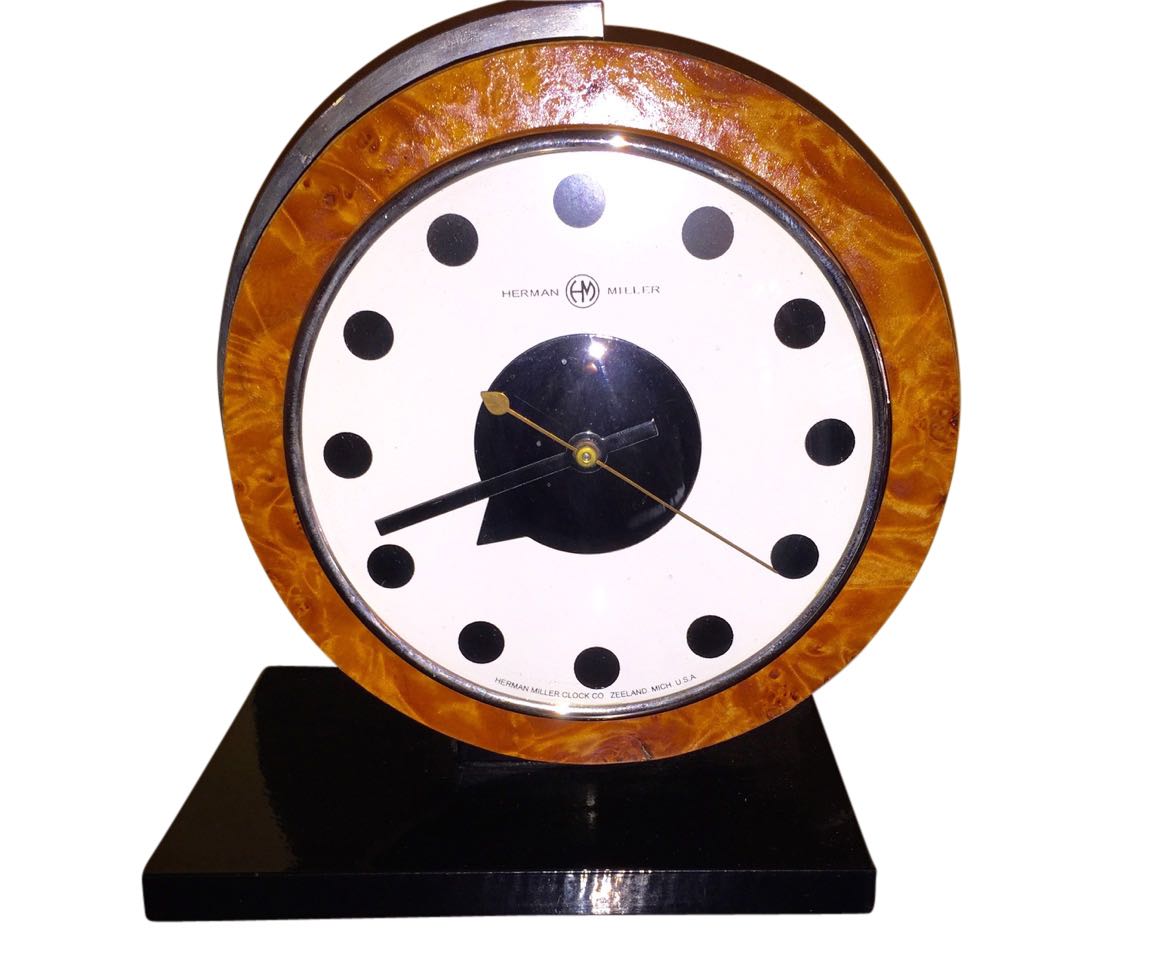
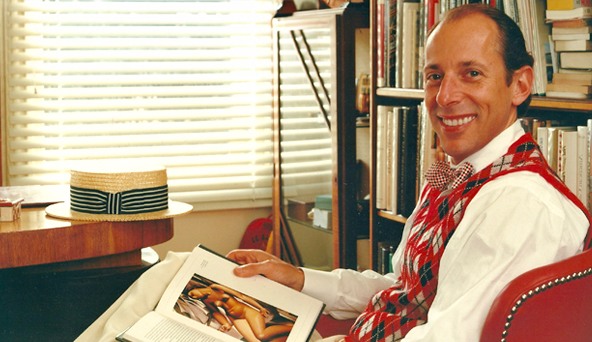
Gilbert Rohde was born in New York in 1894 and raised in a city undergoing rapid change and innovation. He studied at Stuyvesant High School and then at the Art Students League and Grand Central School of Art, at first working as a cartoonist, fashion illustrator and commercial artist. In 1927 a trip to Europe exposed him to the modern movements in France and Germany and inspired his shift from illustration to furniture and interior design. That same year he opened his own design studio in New York and began consulting with manufacturers on furniture, lighting and interiors. In 1932 he became design director at Herman Miller, helping the company move away from traditional furniture and toward a modern-design vision. At Herman Miller he not only designed furniture but also re-imagined the business of selling furniture, including showrooms, catalogues and marketing strategies. His work during the 1930s and early 1940s helped define what we now call Mid-Century Modern in America. He died in 1944, leaving behind a legacy that linked industrial design, mass-market furniture and high modernism.
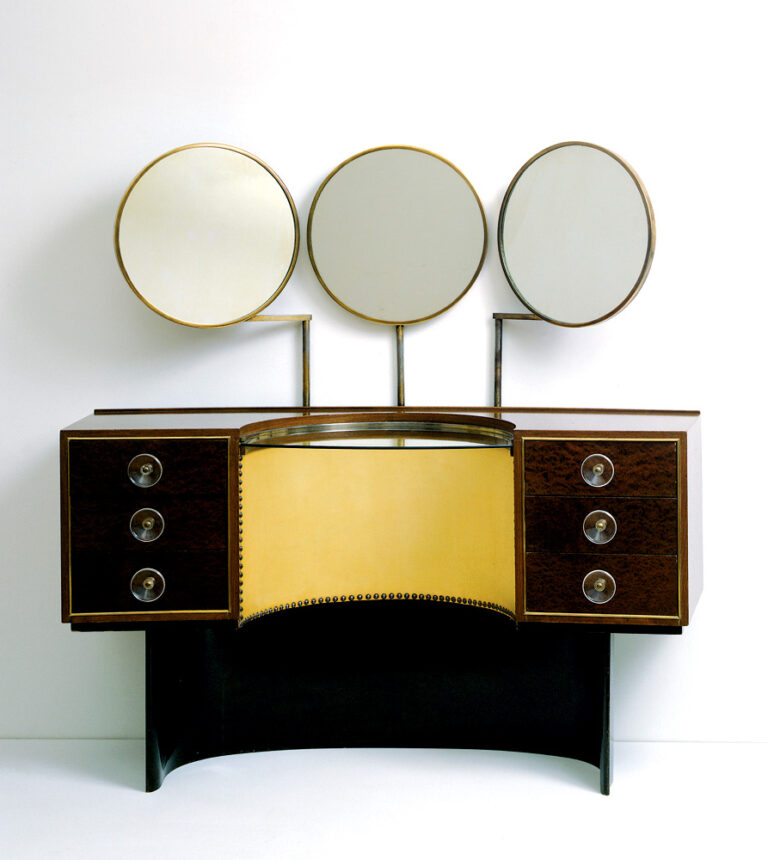

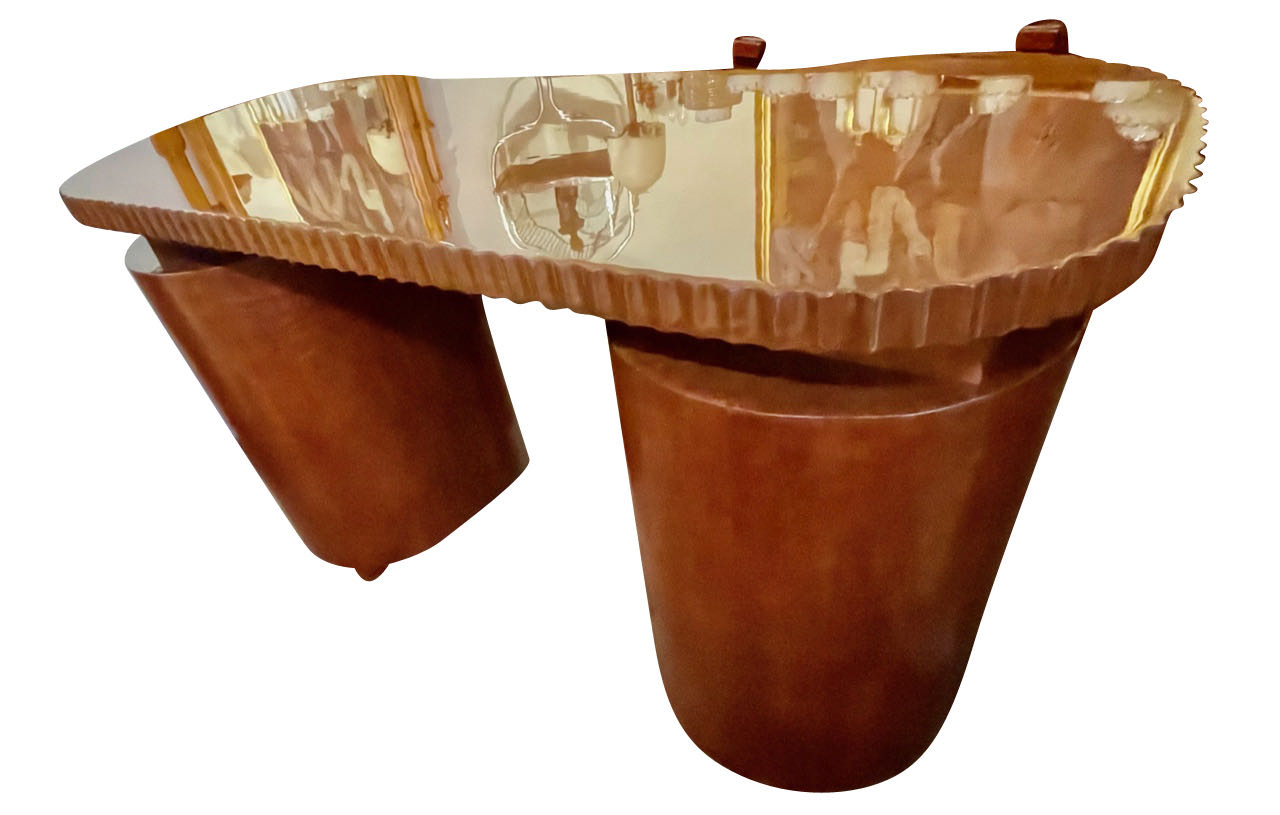
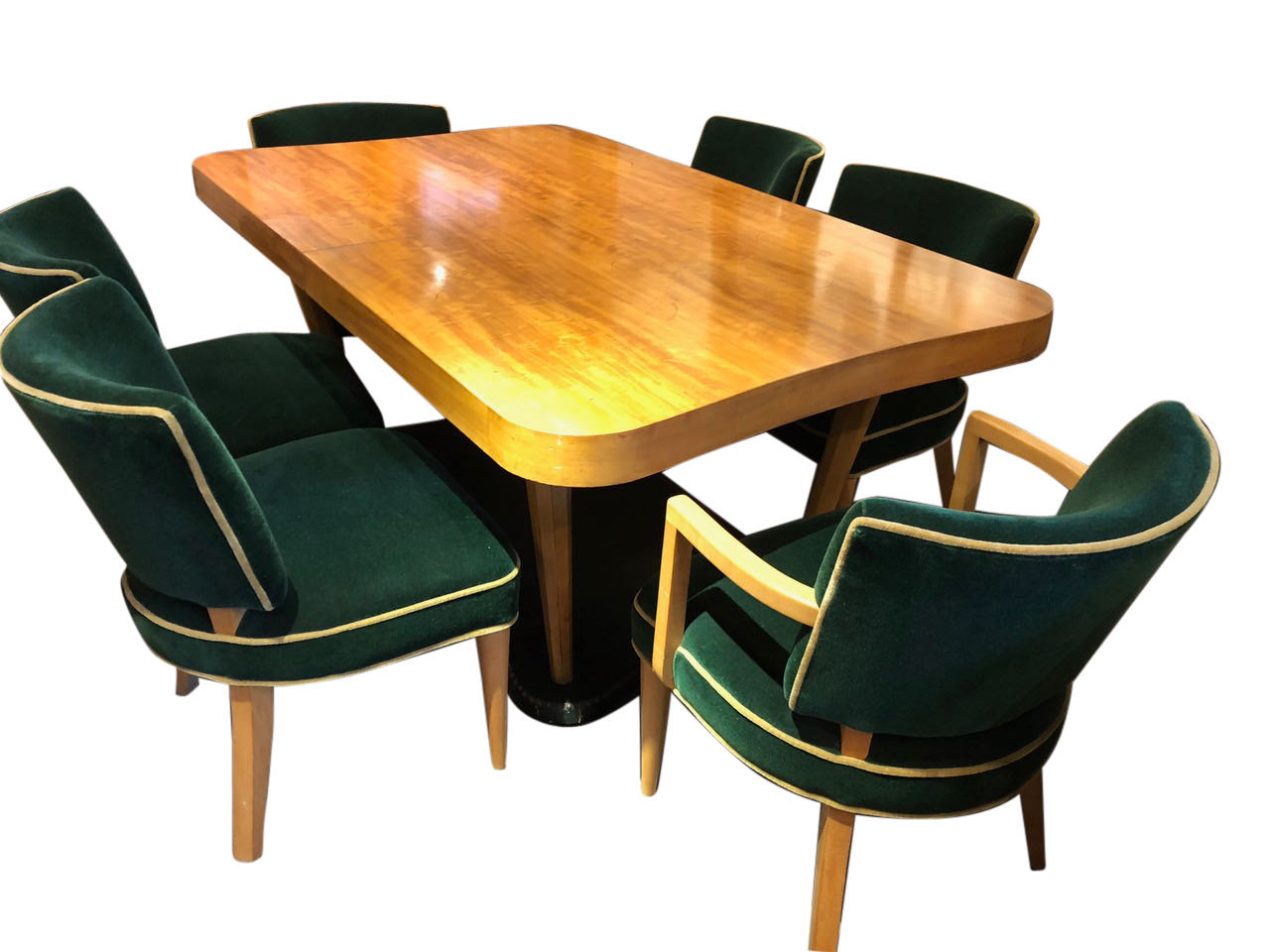
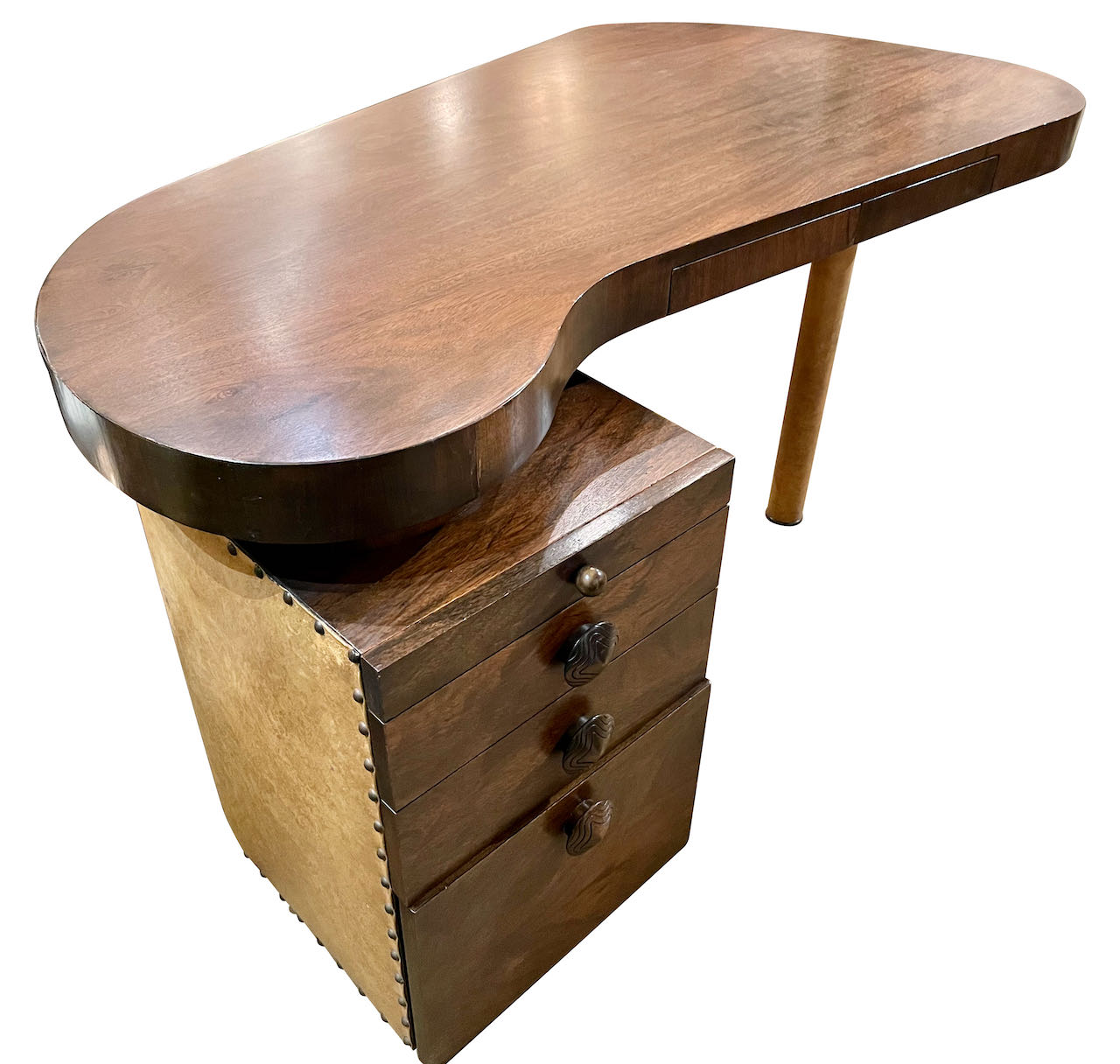
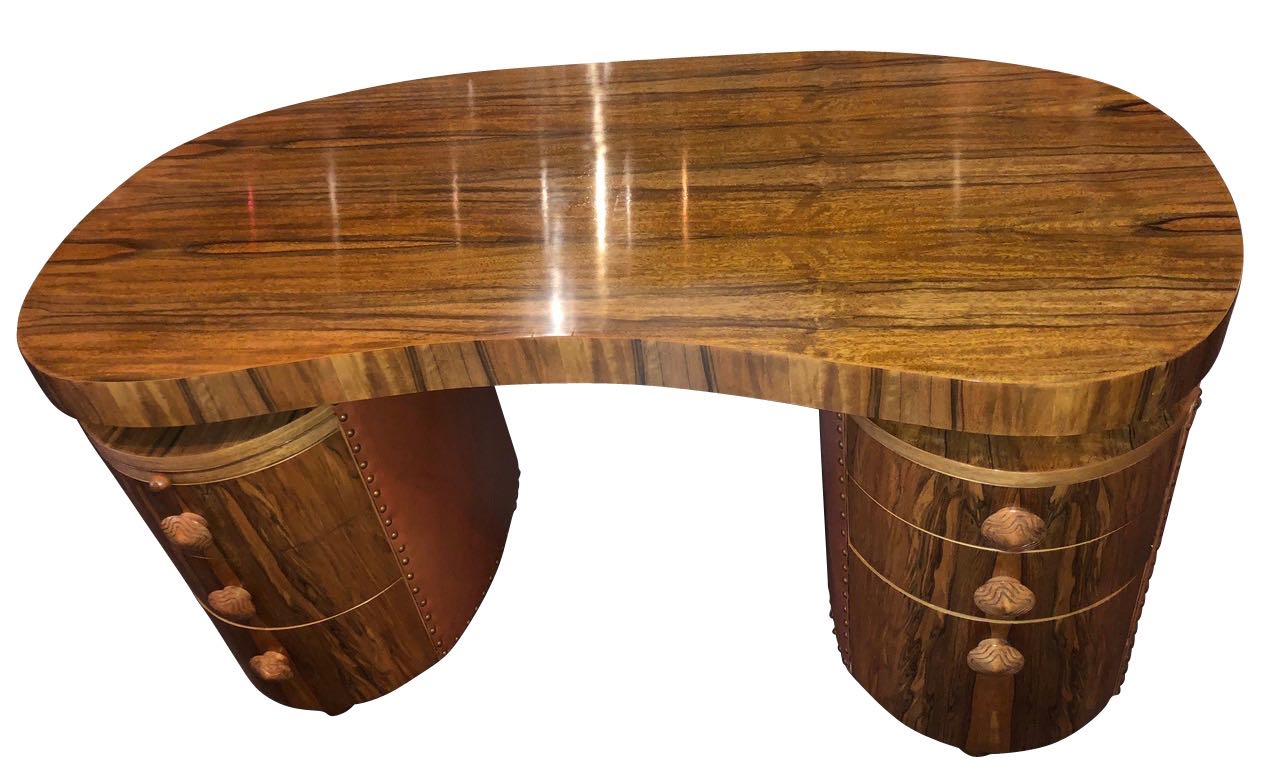
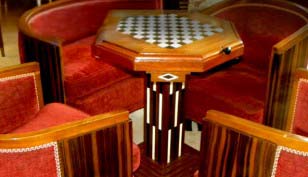
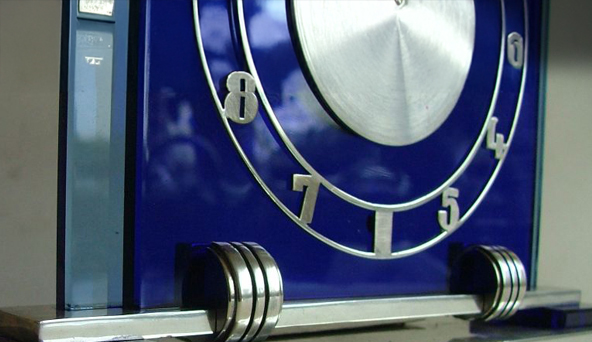
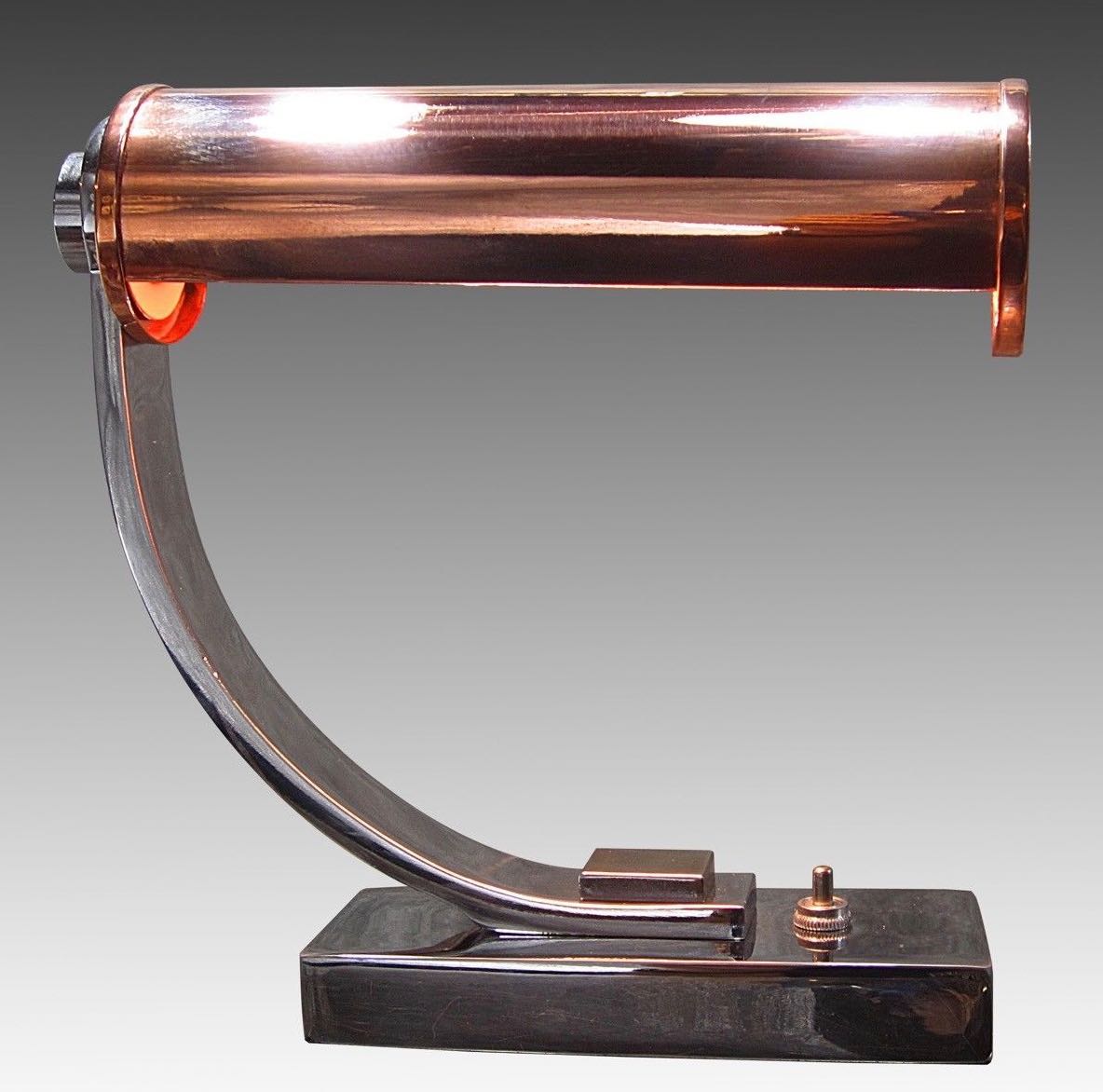
Rohde’s furniture and interiors combined forward-looking form with the practicalities of everyday living. He believed that modern design should serve people first, and that furniture should reflect contemporary architecture and lifestyles, not just mimic past styles. He introduced modular systems and flexible-use pieces suitable for smaller homes and evolving needs. His designs incorporated new materials like bentwood, chrome, Bakelite, and Plexiglas, bridging craftsmanship and industrial production. The “Paldao” line, for example, used exotic wood surfaces and stylised details for a rich yet modern aesthetic. His furniture often featured clean lines, curved surfaces and a subtle elegance that made modernism approachable in the home. Through his design for Herman Miller and other manufacturers he helped elevate American furniture to global standing. His impact is still visible today in modern furniture brands, interiors and the way we think about design for living.




 |
 |
.
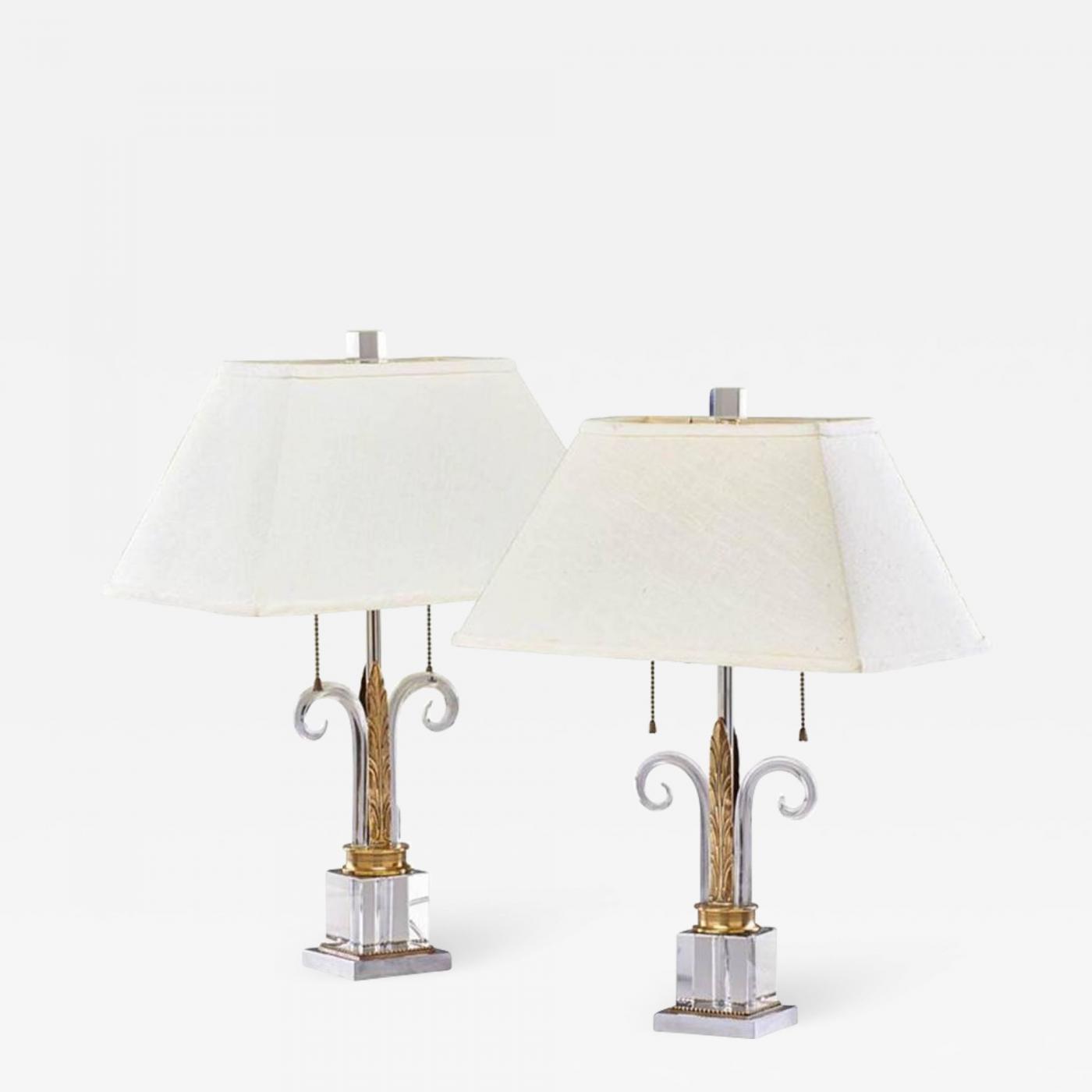
Rohdes furniture captured the optimism of early American modernism; functional, efficient, and progressive in both form and purpose. His designs reflected an understanding that modern living required flexibility and that beauty could emerge from utility itself. With their simple geometries, curved surfaces, and thoughtful proportions, his furnishings embodied the forward-thinking spirit that came to define Herman Millers identity and the broader mid-century movement.
Key Influences:
European Modernism: The Bauhaus, De Stijl, and Le Corbusier shaped Rohdes belief in rational design and form following function.
Machine Age Aesthetics: Industrial processes and new materials inspired his pursuit of efficiency and visual clarity.
American Functionalism: Depression-era pragmatism led to designs that emphasized affordability without sacrificing style.
Herman Miller Collaboration: His partnership with the company redefined American furniture manufacturing and design direction.
Modern Architecture: Engagement with contemporary architects reinforced his holistic approach to interiors and structural design.