
Eugène Printz
Eugène Printz was born in Paris in 1889 into a family rooted in the cabinetmaking traditions of the Faubourg Saint-Antoine. He received no formal academic training and instead learned his craft entirely within his father’s workshop. From a young age, he absorbed historical techniques by reproducing antique furniture and studying museum masterpieces. This early exposure instilled a reverence for craftsmanship and material excellence. After his father’s death, Printz assumed control of the workshop and began refining his own artistic voice. By the end of the First World War, he was already recognized as a highly skilled technician. Around 1920, he shifted decisively toward modern design research while maintaining traditional standards of construction. His intellectual curiosity pushed him to rethink furniture as both functional and sculptural. He viewed furniture as an object worthy of luxury treatment rather than simple utility. This philosophy would define his entire career.
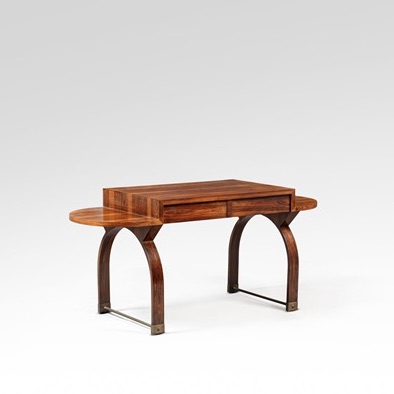
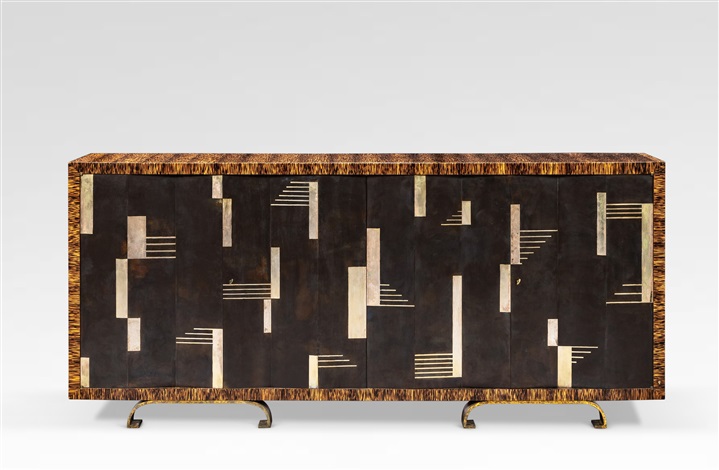

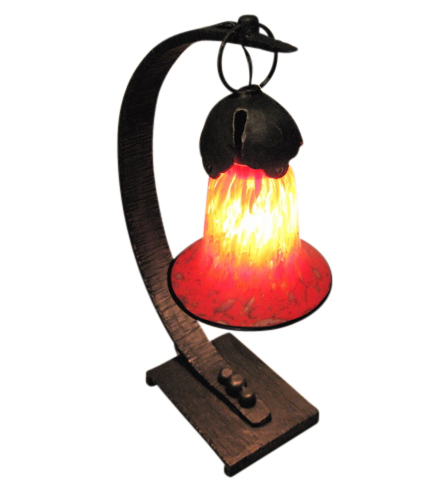
Printz first presented his personal modern works at the 1925 International Exhibition of Decorative Arts, exhibiting alongside Pierre Chareau. From that point forward, he became a regular presence at major Parisian salons throughout the 1920s and 1930s. His commissions ranged from government institutions to elite private clients in Europe and the Americas. He designed interiors for figures such as Jeanne Lanvin and created major state furnishings for exhibitions and public spaces. Printz was deeply invested in lighting and treated illumination as an architectural element rather than an accessory. He collaborated closely with artists such as Jean Dunand and Jean Serrière, integrating metal, lacquer, enamel, and bronze into his furniture. His works often combined rare exotic woods with complex mechanical features and refined metal bases. Every piece began as a full-scale prototype personally designed by Printz before execution by his workshop. He also conceived complete interior layouts to house his furniture, reinforcing unity between object and space. By the time of his death in 1948, he was regarded as one of the great masters of Art Deco furniture.


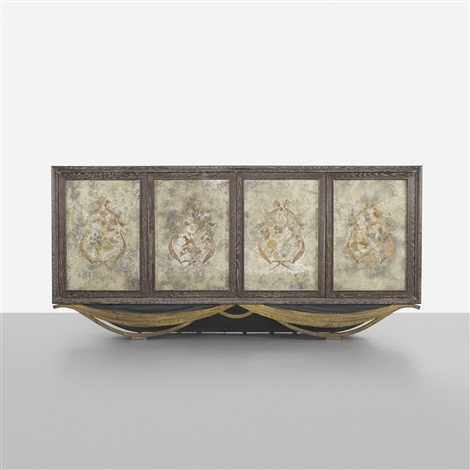
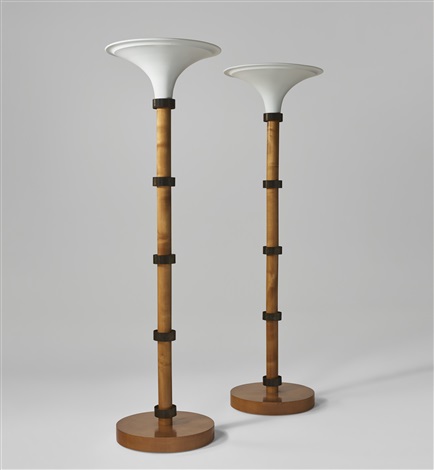
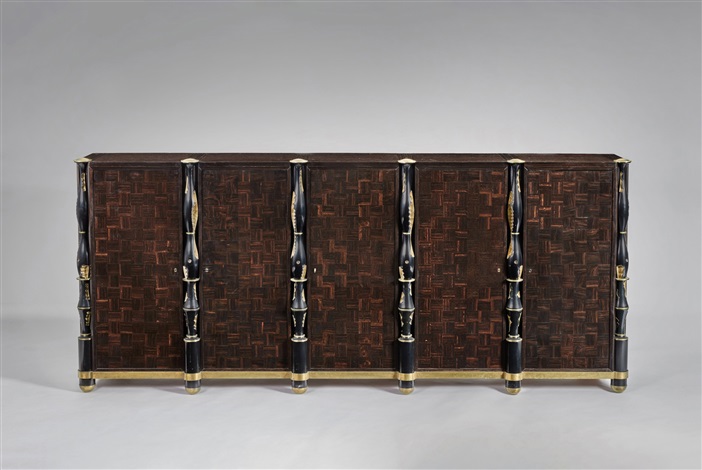
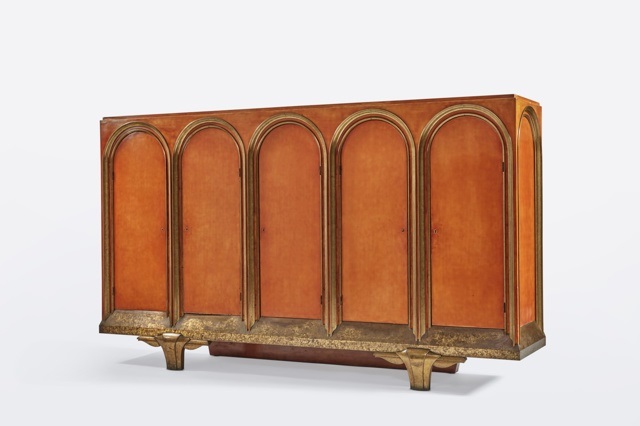

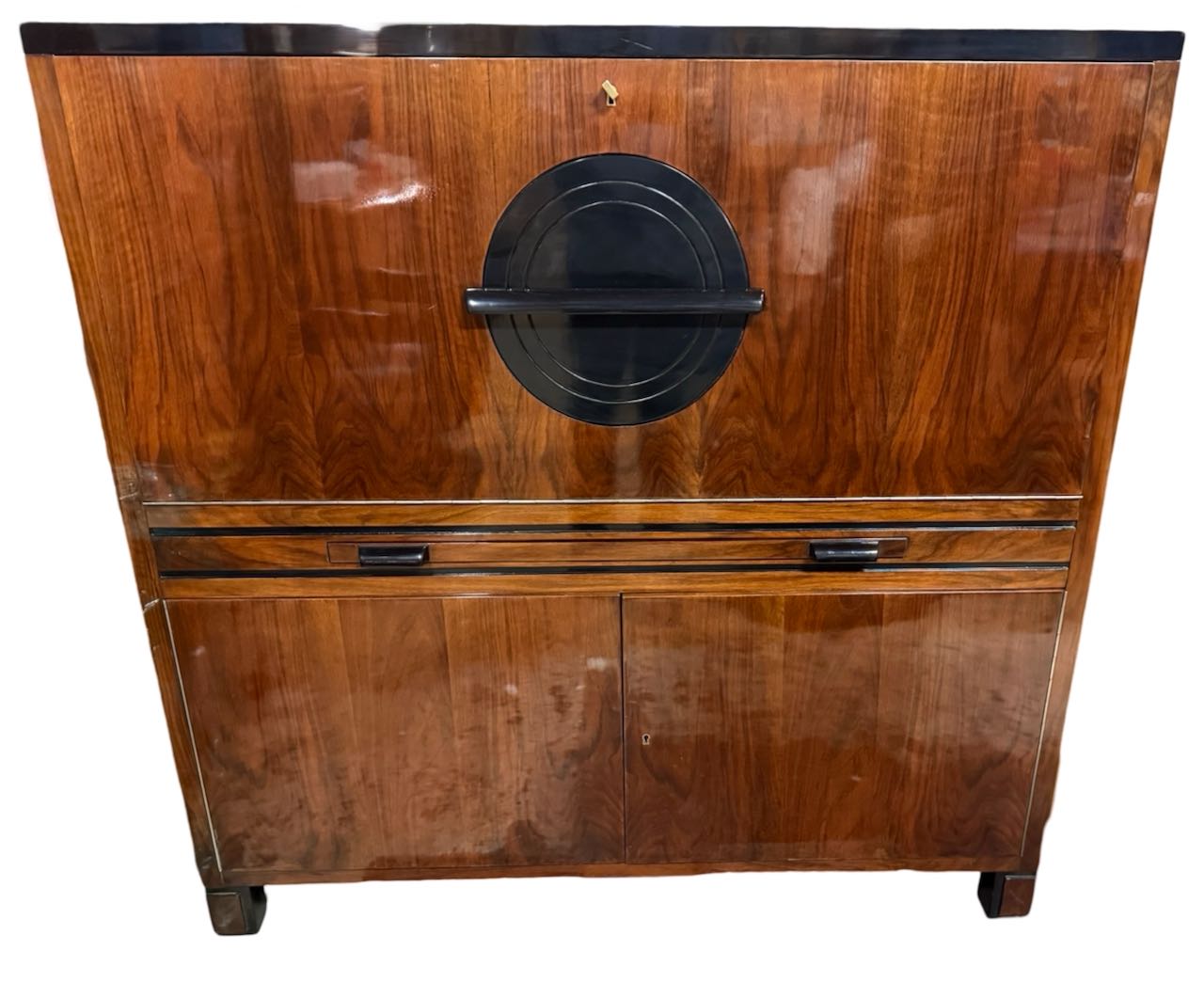
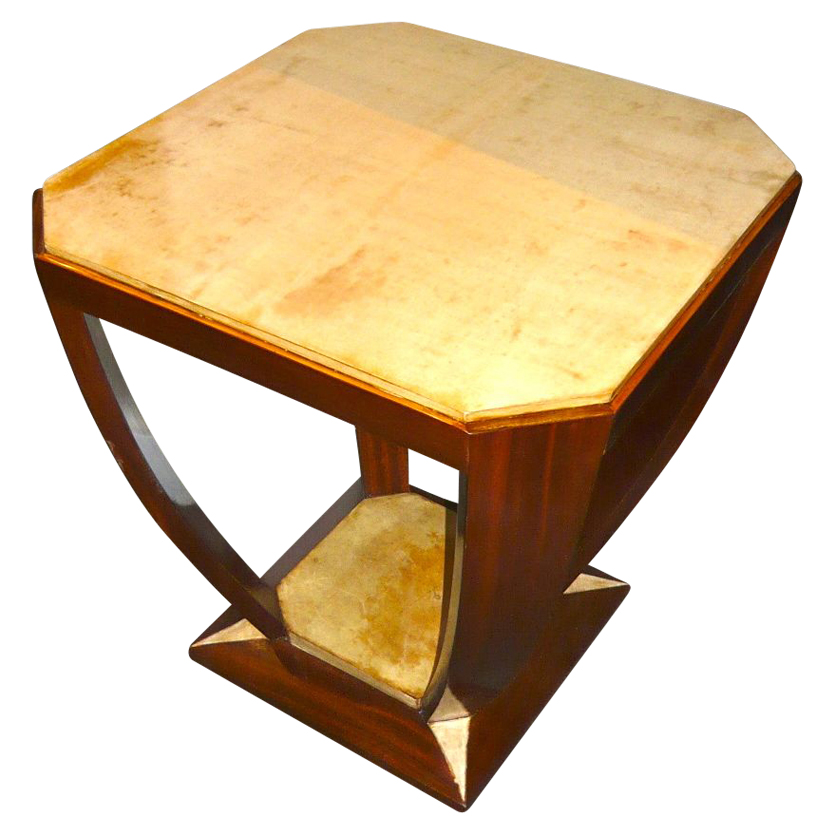
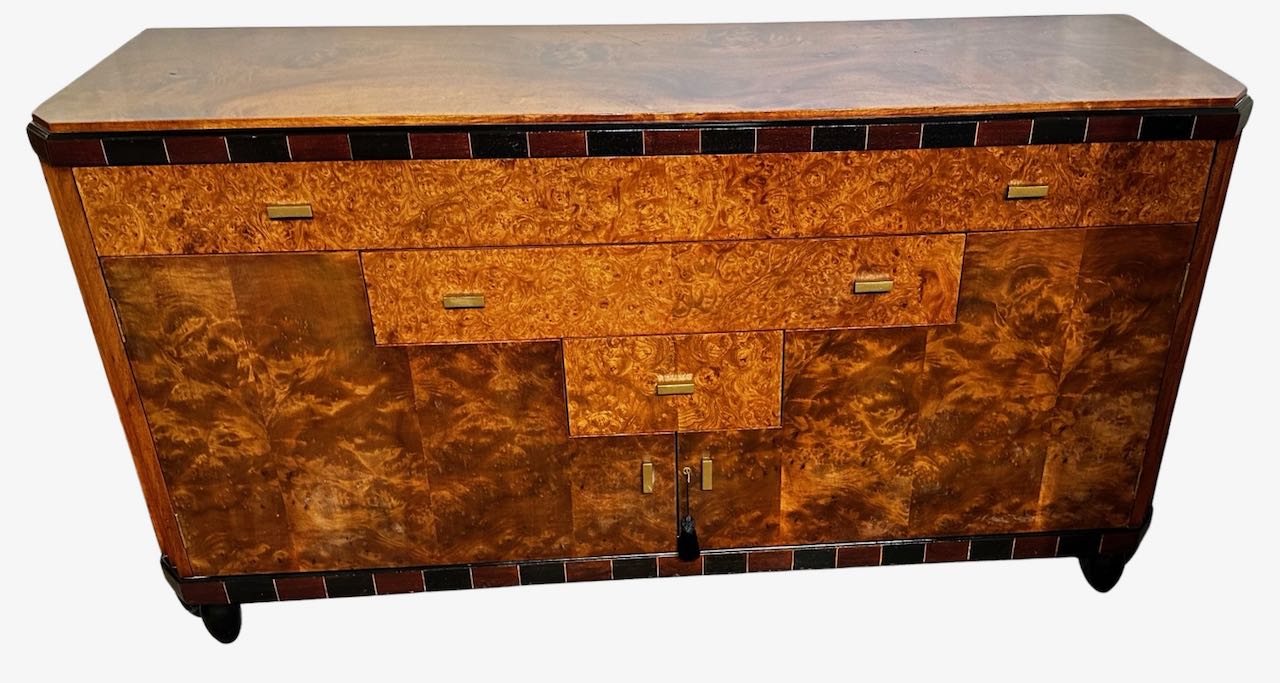
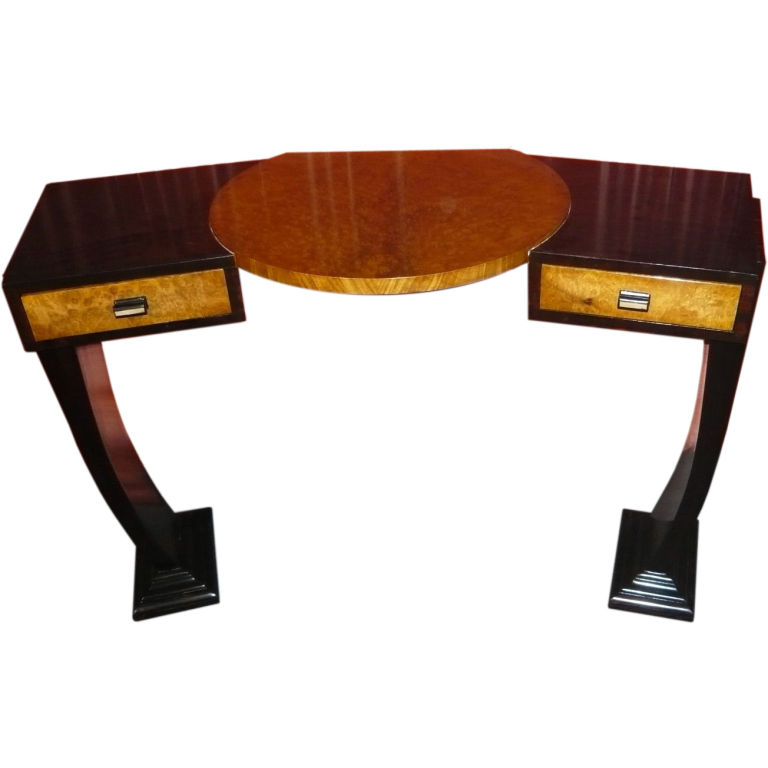
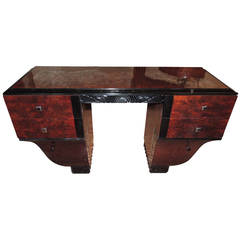
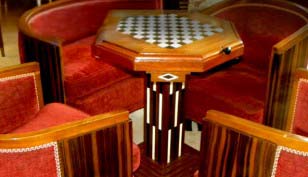
Eugène Printz’s style combines traditional cabinetmaking discipline with the elegance and innovation of Art Deco modernism. His furniture emphasizes sculptural volume, refined proportions, and luxurious surfaces. Exotic woods and precious materials are balanced by restrained forms and meticulous craftsmanship. Functional ingenuity is concealed within elegant silhouettes and subtle mechanisms. His work represents a synthesis of technical mastery and decorative sophistication.
Key Influences
- Faubourg Saint-Antoine Craft Tradition: Early training rooted his work in historic cabinetmaking excellence and precision.
- Art Deco Modernism: The movement encouraged his exploration of clean volumes, rich materials, and total interior design.
- Collaboration with Artists: Partnerships with lacquer, metal, and enamel specialists expanded his material vocabulary.
- Exhibition Culture: Major international fairs shaped his approach to monumental furniture and cohesive interiors.
- Luxury Materials: Rare woods, bronze, lacquer, and metal defined his vision of furniture as a refined art object.
If you are interested in further stories of the artists who shaped Art Deco, return to our artists page to browse the full directory.
Related Products