
Émile-Jacques Ruhlmann
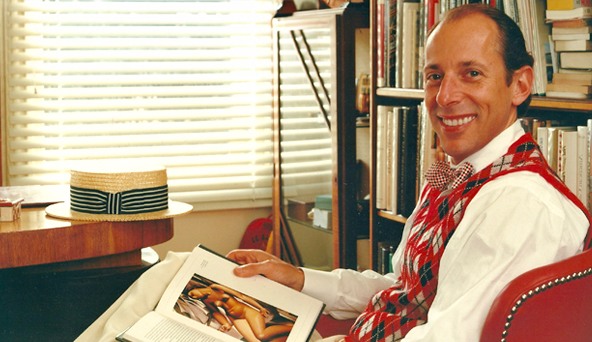
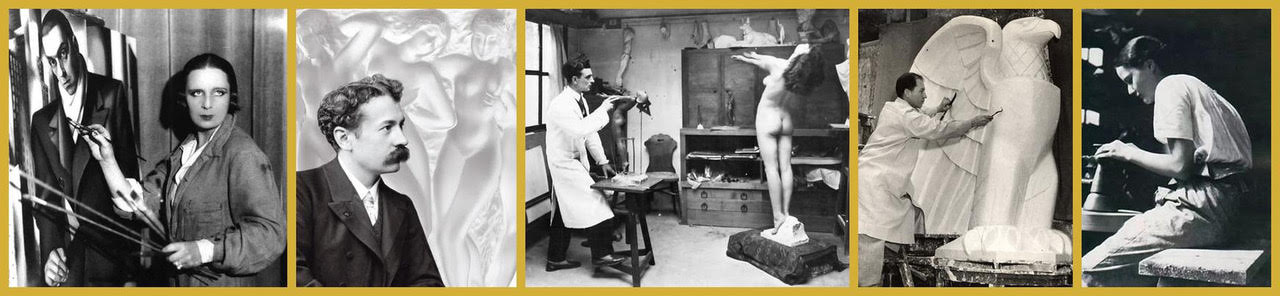
Born in Paris on August 28, 1879, Jacques-Émile Ruhlmann was the son of Alsatian parents who ran a successful painting and contracting business. After his father’s death in 1907, Ruhlmann inherited the family firm and expanded it into a comprehensive interior design enterprise. In 1919, he co-founded Ruhlmann et Laurent, a company that employed up to twenty young designers at a time. Ruhlmann’s early works were influenced by Art Nouveau and the Arts and Crafts movements, but by the 1910s, he had developed a distinctive style characterized by refined craftsmanship and luxurious materials. His participation in exhibitions such as the Salon d’Automne positioned him among the foremost designers redefining modern luxury in pre-war Paris. Ruhlmann’s designs attracted a clientele that included prominent figures like the Rothschild and Worms banking families, Eugène Schueller of L’Oréal, and fashion designer Jeanne Paquin. Despite the economic challenges of the Great Depression, Ruhlmann continued to produce high-quality, expensive furniture, often at a financial loss, driven by his commitment to excellence. He passed away on November 15, 1933, leaving behind a legacy that would be celebrated in exhibitions such as the 2004 retrospective at the Metropolitan Museum of Art.
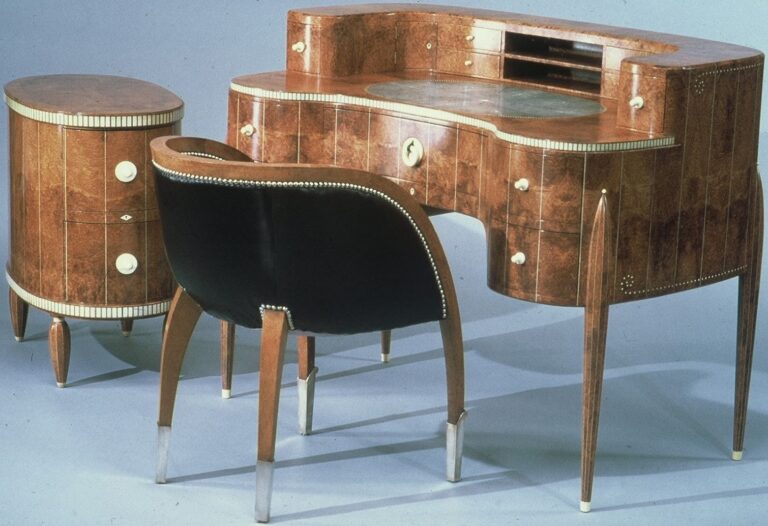
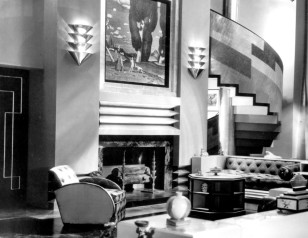
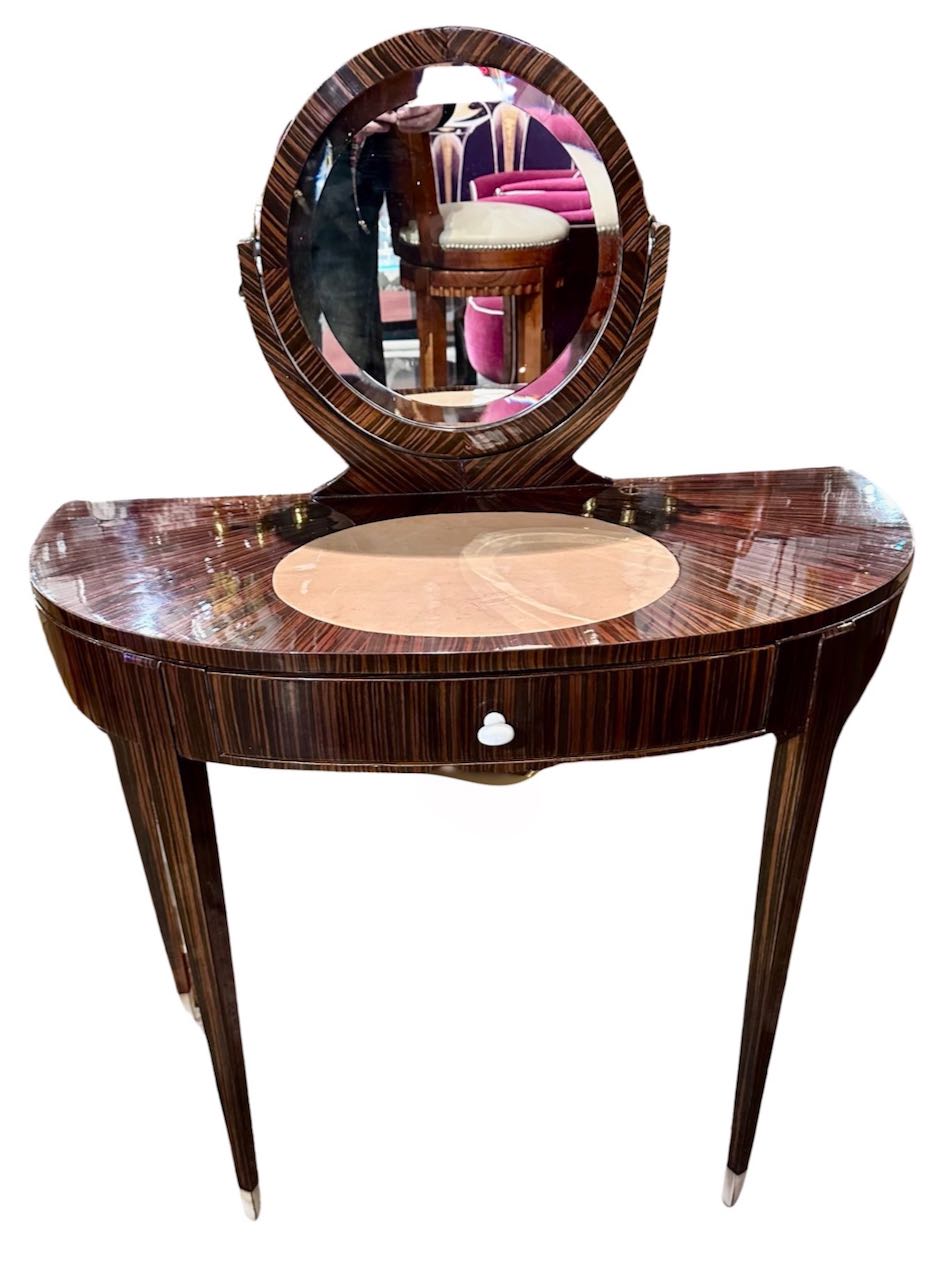
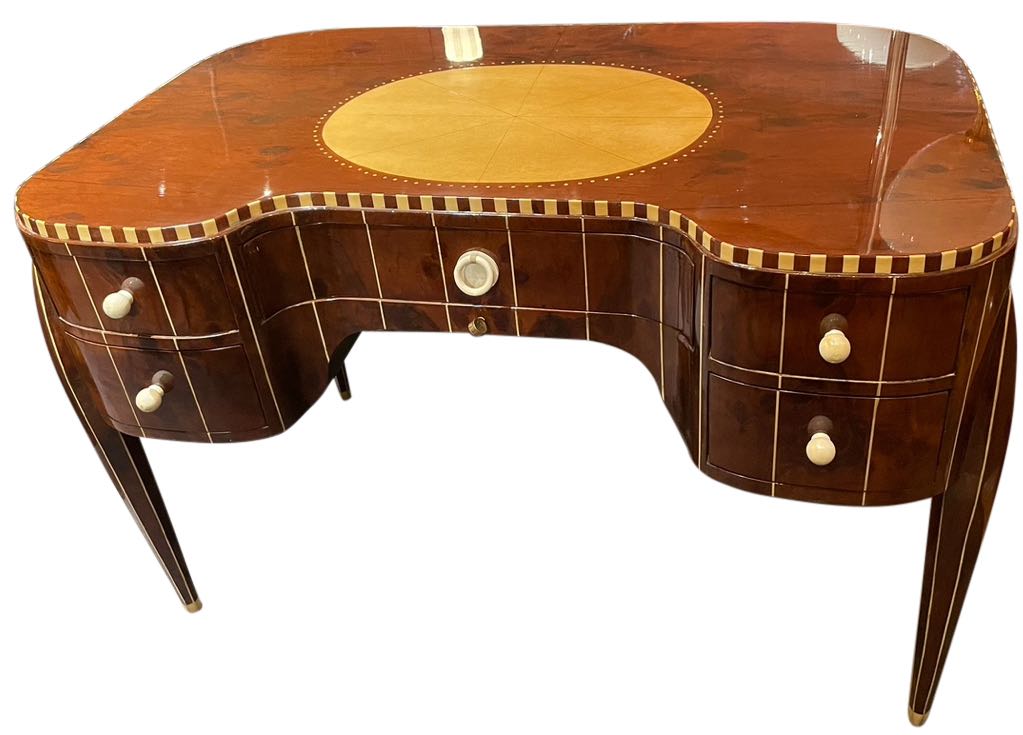
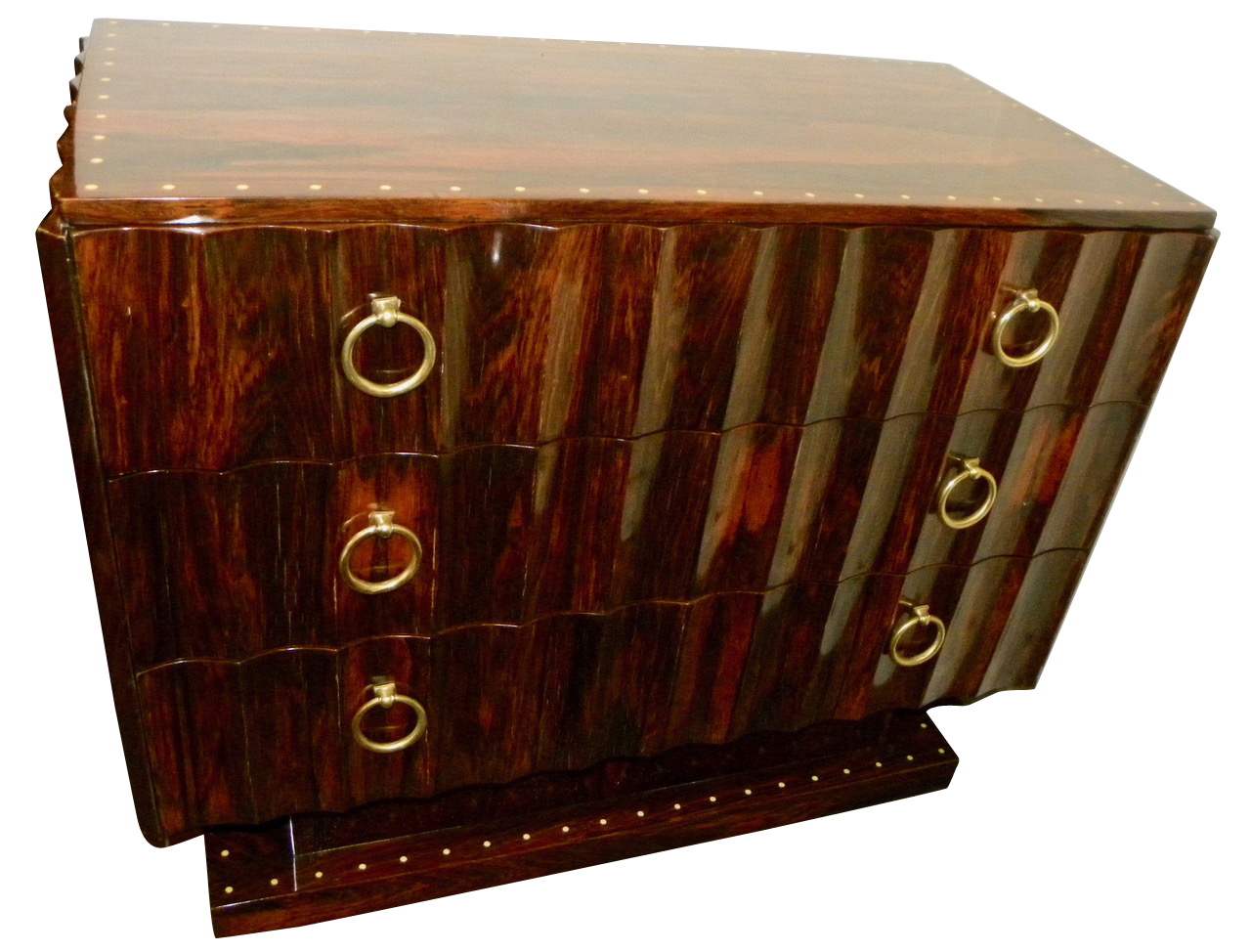
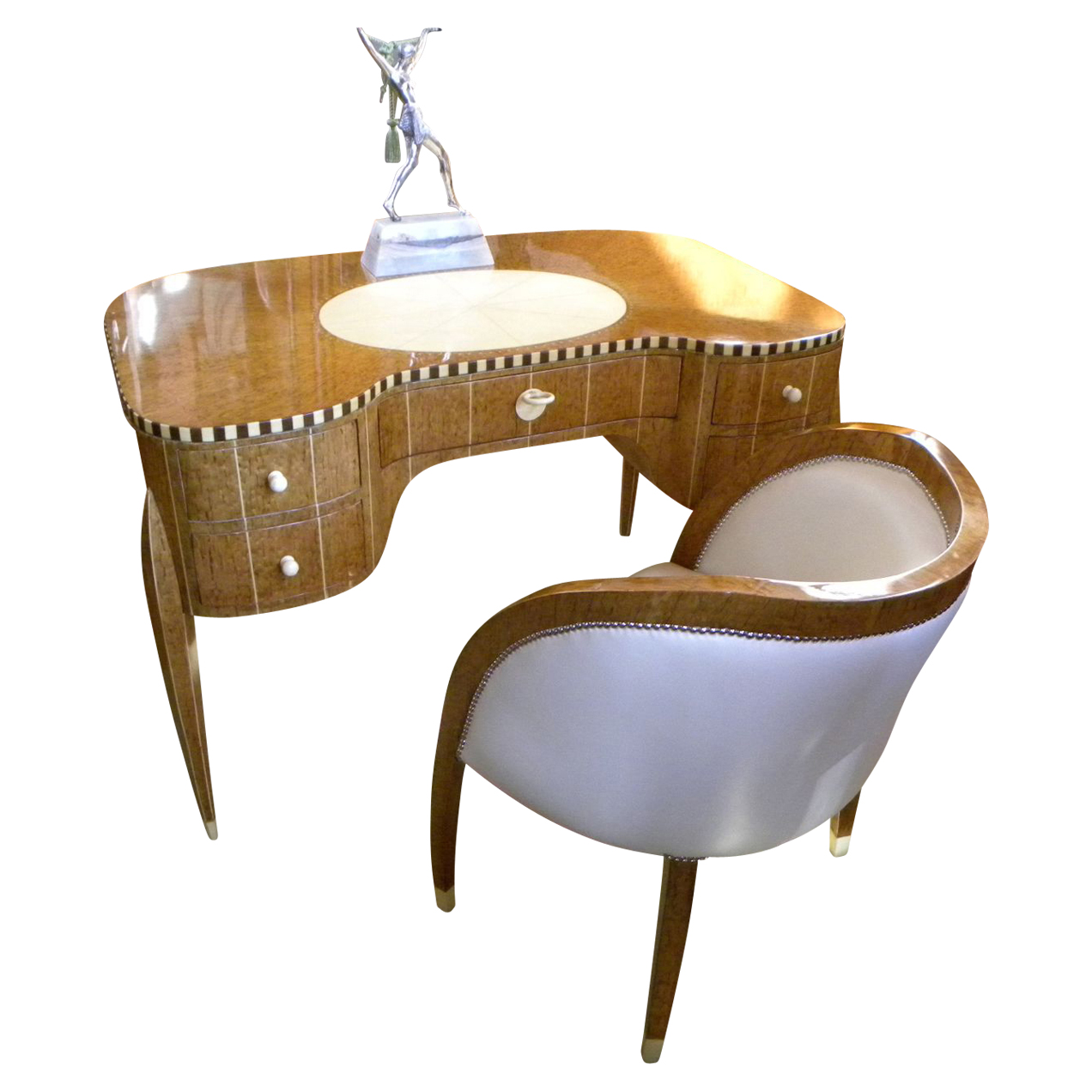
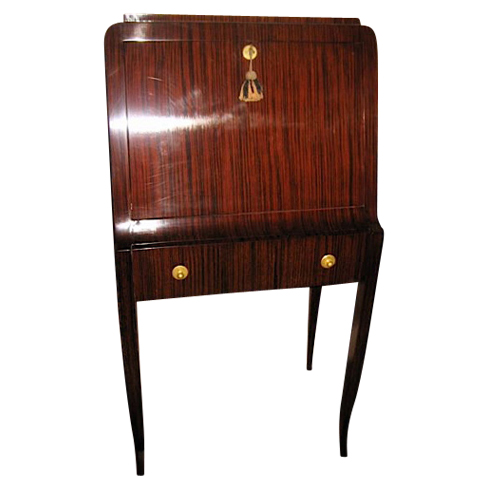
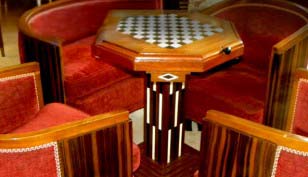
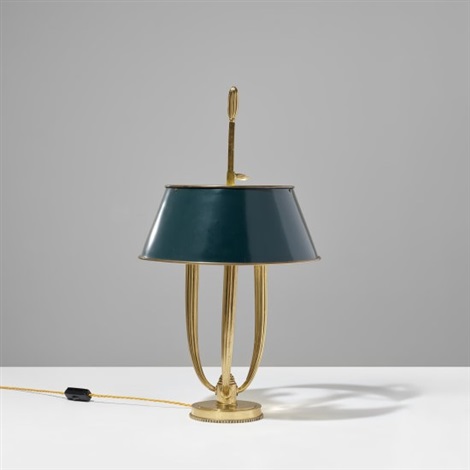
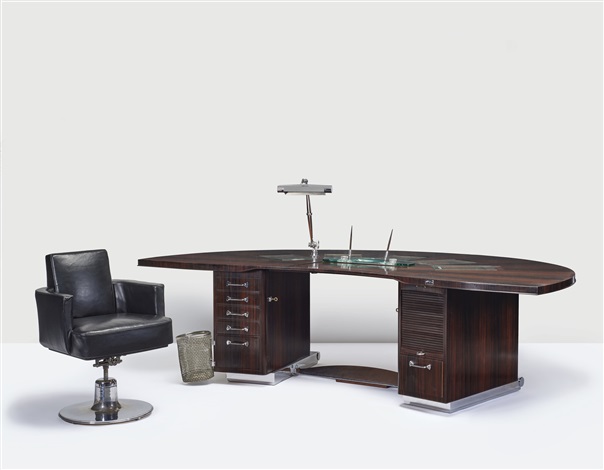
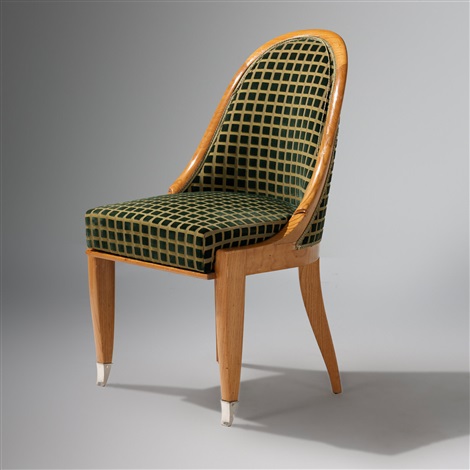
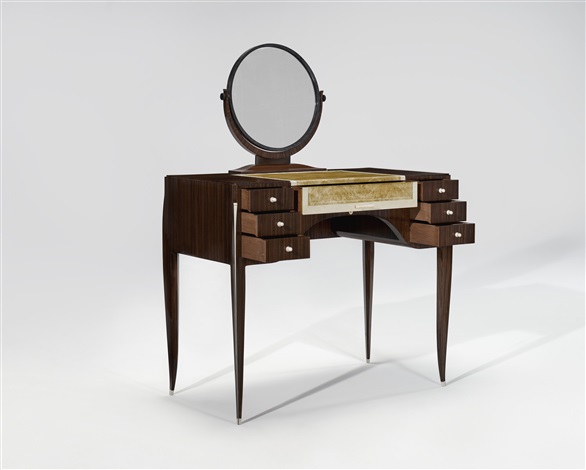
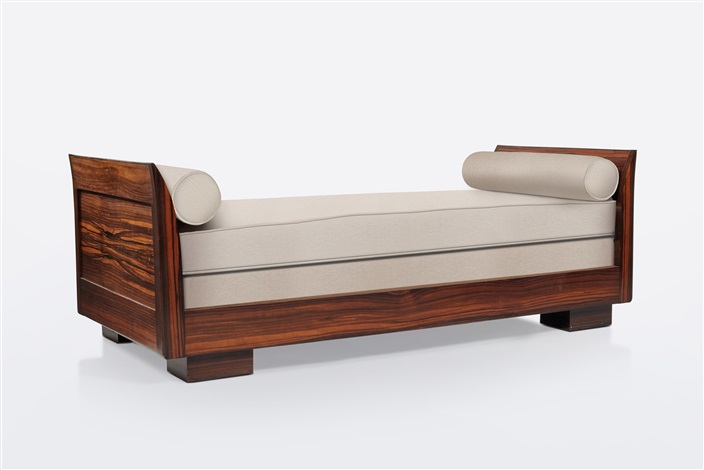
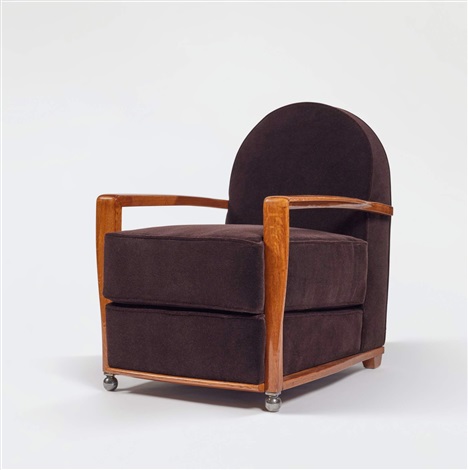
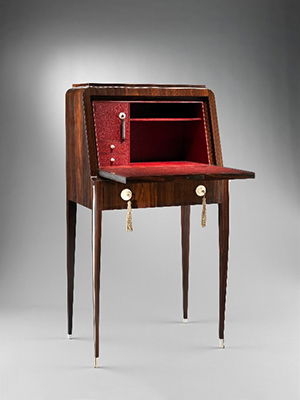
Ruhlmann’s furniture epitomized the Art Deco movement, blending traditional French cabinetmaking with modern aesthetics. He favored simple, elegant forms, often incorporating exotic materials like Macassar ebony, rosewood, and ivory. His pieces were characterized by meticulous craftsmanship and a harmonious balance between functionality and opulence. At the 1925 Exposition Internationale des Arts Décoratifs, Ruhlmann’s pavilion, “L’Hôtel du Collectionneur,” showcased his ability to integrate furniture, architecture, and decoration into a cohesive aesthetic vision. This exhibition played a pivotal role in defining the Art Deco style and solidifying Ruhlmann’s reputation as a leading designer. His insistence on quality and artistic integrity set a benchmark for luxury design and influenced generations of decorators. Even after his death, his designs continued to shape French decorative arts, securing his legacy as one of the foremost interpreters of twentieth-century elegance.
 |
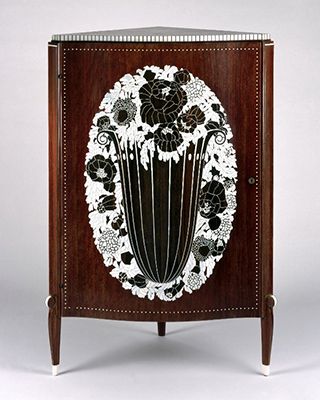 |
Ruhlmann’s designs were marked by a commitment to elegance and simplicity. He often utilized rare materials, allowing their natural beauty to define the piece. His furniture featured clean lines and subtle curves, emphasizing proportion and balance. The integration of ivory inlays and lacquered surfaces added a touch of refinement to his creations. Ruhlmann’s work exemplified the Art Deco ethos of combining luxury with modernity, creating pieces that were both functional and aesthetically pleasing.
Key Influences (1910s-1930s):
Paris 1925 Exposition: Ruhlmanns pavilion “L’Hotel du Collectionneur” defined Art Deco luxury, uniting architecture, furniture, and decoration into a cohesive aesthetic vision.
Modern Classicism: Blended neoclassical restraint with contemporary innovation, shaping the visual language of high Art Deco.
Viennese Modernism: Introduced him to innovative approaches to furniture design, influencing his clean lines and modern simplicity.
Art Nouveau: Early inspiration for subtle decorative motifs and natural forms, which Ruhlmann adapted into a more restrained Art Deco style.
Collaborations with Other Designers: Encouraged a holistic approach to interiors, integrating rugs, wallpaper, and lighting with furniture for cohesive spaces.
If you are interested in further stories of the artists who shaped Art Deco, return to our artists page to browse the full directory.
Related Products