



Charles and Ray Eames
Charles and Ray Eames were one of the most important design partnerships of the twentieth century. Charles Eames was born in 1907 and first studied architecture, though he left Washington University before completing his degree. He was deeply interested in modern design and admired the work of Frank Lloyd Wright, which helped shape his early thinking. Ray Eames, born Ray Kaiser in 1912, was trained as a painter and studied in New York under Hans Hofmann. Her background gave her a sharp eye for composition, color, and abstraction. A key turning point came at the Cranbrook Academy of Art in Michigan, where Charles arrived on a fellowship and soon became an instructor. Ray came to Cranbrook as a student, expanding her earlier art training and exploring new directions in design. Cranbrook was not just where they met; it was where their partnership truly began to take shape. It also placed them in the middle of a remarkable creative environment shaped by Eliel Saarinen and connected to figures such as Eero Saarinen. At Cranbrook, ideas about architecture, furniture, craft, and modern living were all being tested in real time. Charles and Ray married in 1941 and soon moved to Los Angeles, where their shared vision would grow into one of the most influential design practices in modern history.
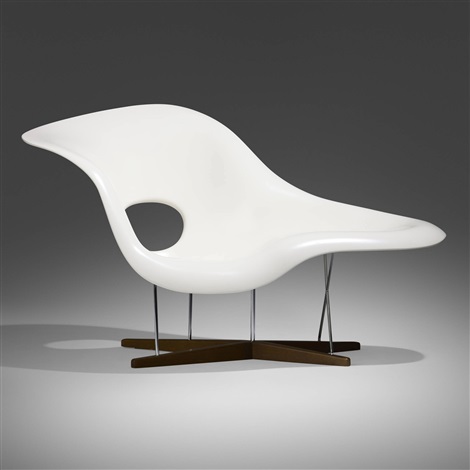
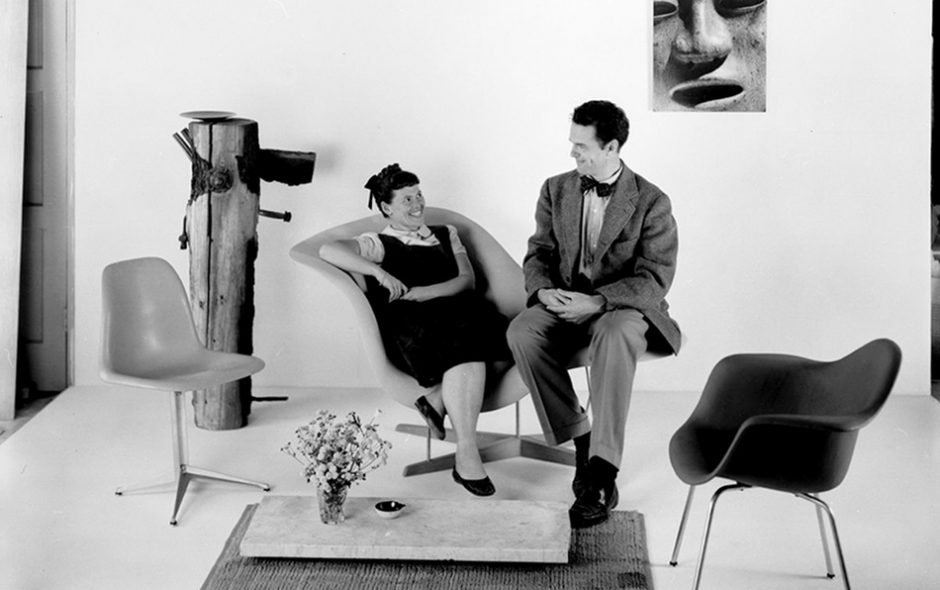
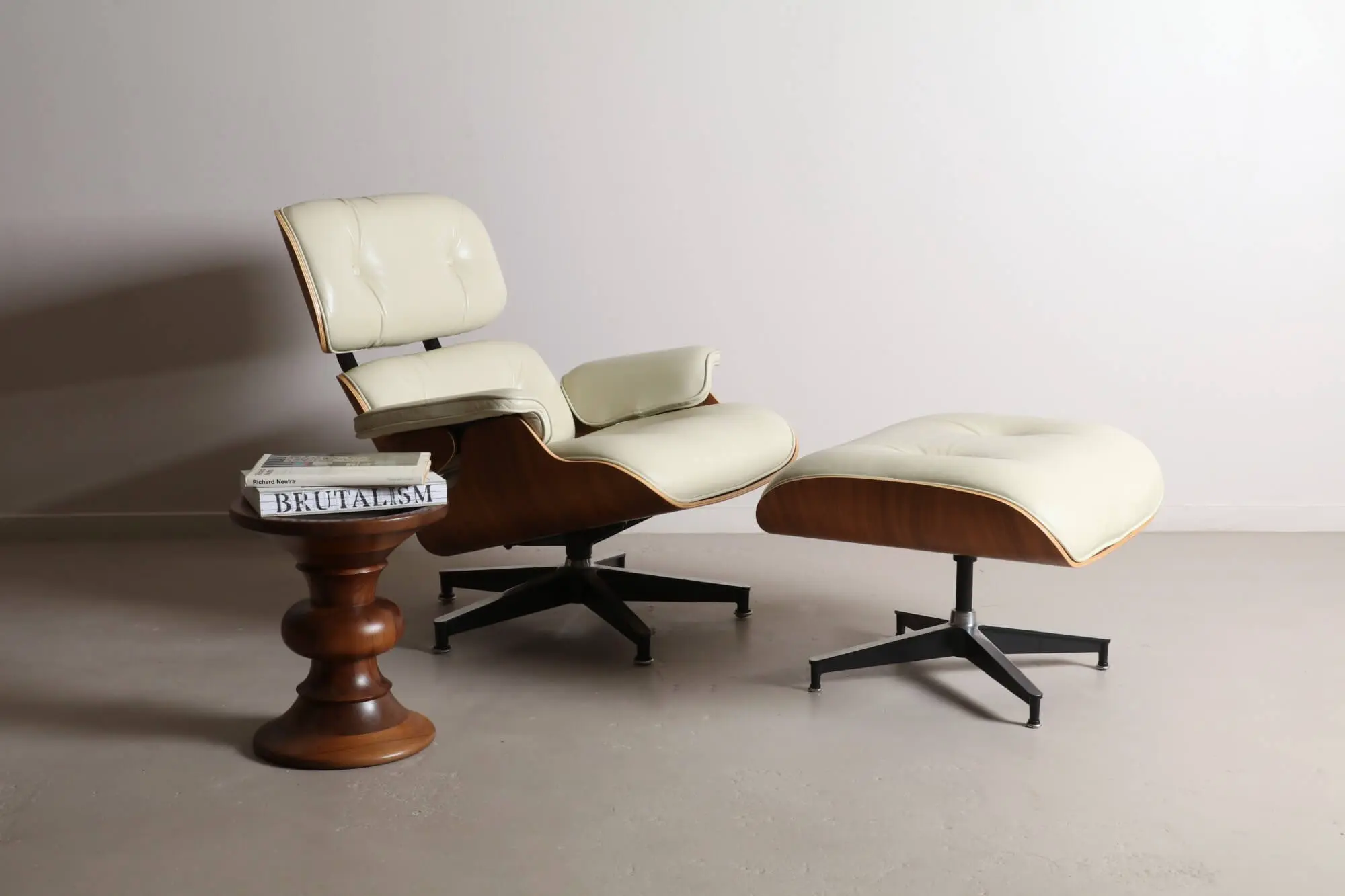
Before they became known for their most famous furniture, Charles and Ray began by experimenting with molded plywood and trying to solve practical design problems in new ways. Their early work at Cranbrook included the now famous Organic Chair competition entry developed with Eero Saarinen, an important step even though it could not yet be mass produced. After moving to California, they continued testing plywood in their apartment and later in workshop spaces that became the foundation of the Eames Office. During the Second World War, they developed molded plywood leg splints for the U.S. Navy, and that project helped fund their deeper experiments with form, structure, and mass production. Out of this research came some of the defining furniture of modern design, including the DCW, DCM, molded plastic and fiberglass chairs, Aluminum Group seating, and the Eames Lounge Chair and Ottoman. Their work was produced through Herman Miller in the United States and later through Vitra in Europe, allowing their designs to reach a huge international audience. They also created the Eames House, one of the great landmarks of modern architecture, along with exhibitions, films, toys, graphics, and educational projects. Their office operated as a true studio of ideas, where design was treated as a process of testing, refining, and learning by doing. Charles was often the more public face, but Ray was equally central to the work, especially in shaping its visual clarity, warmth, and sense of order. Together they made modern design feel intelligent, useful, and inviting rather than cold or severe. Their career helped define how furniture, architecture, media, and daily life could all be connected through thoughtful design.


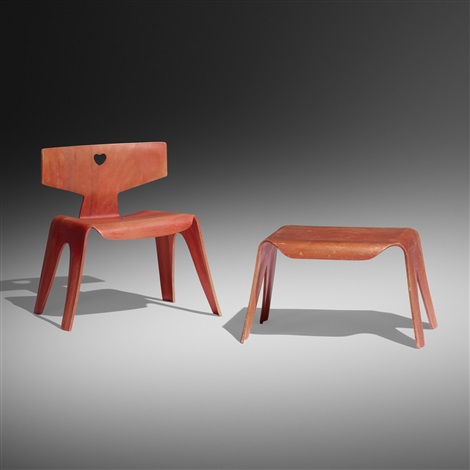
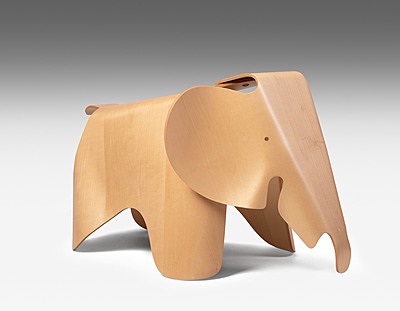
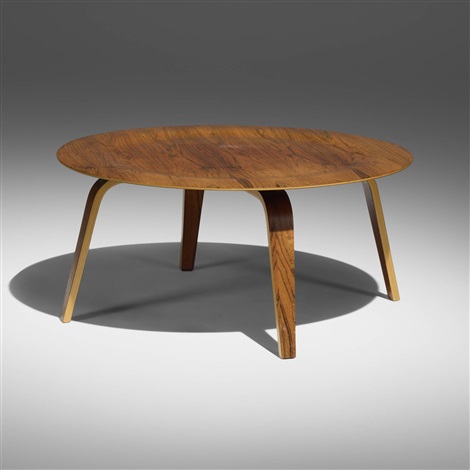
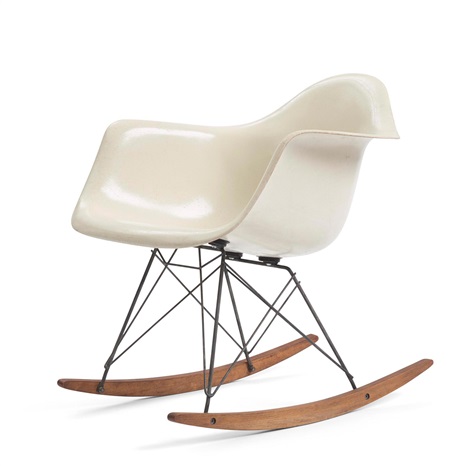
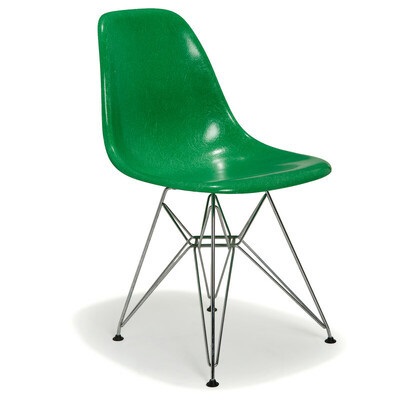
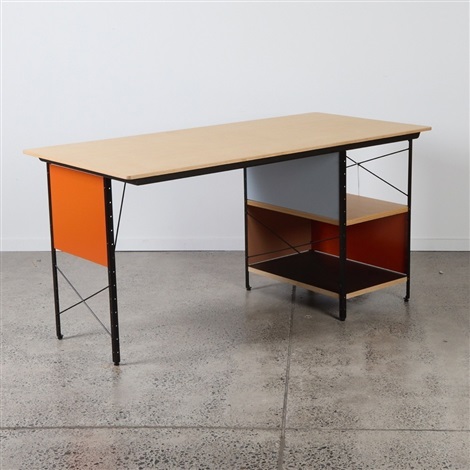
The Eames style combines clarity, playfulness, and practical intelligence. Their work often uses clean modern lines, but it never feels stiff or purely mechanical. They were interested in how new materials such as plywood, fiberglass, and aluminum could create forms suited to modern life. Ray’s painterly sense of color and arrangement gave warmth and personality to their interiors, objects, and exhibitions. Even when their designs were highly industrial, they still felt humane, flexible, and visually alive.
Key Influences
- Cranbrook Academy of Art: Cranbrook gave them the creative setting where they met, collaborated, and developed their design philosophy.
- Modern Materials: Their work explored how plywood, fiberglass, metal, and plastic could reshape furniture and everyday objects.
- Art and Architecture Together: They treated design as a complete environment where structure, image, furniture, and space all belonged together.
- Learning by Doing: Experiment, testing, and hands-on problem solving were central to how they worked.
- Human Centered Modernism: Their goal was not just modern form, but comfort, usability, and a better everyday life.
If you are interested in further stories of the artists who shaped Art Deco, return to our artists page to browse the full directory.
Related Products