



Betty Joel
Betty Joel was born Mary Stewart Lockhart in Hong Kong in 1894, the daughter of British diplomat Colonel James Stewart Lockhart. Although her family roots were in London, her childhood in Asia exposed her early to Chinese and East Asian design traditions. She traveled frequently in China with her parents and developed a strong visual memory for simplified forms, balanced proportions, and restrained decoration. From a young age, she kept sketchbooks filled with patterns and shapes drawn from Asian objects and architecture. Alongside her artistic interests, she was deeply engaged in cooking, entertaining, and the social rituals of diplomatic life. These experiences gave her an intuitive understanding of interiors as lived environments rather than abstract compositions. She met David Joel, a British naval officer, while living abroad, and they married in 1918. At the time, she had no formal training in design, architecture, or furniture making. Her creative confidence developed independently, shaped by observation rather than education. This independence would later define both her work and her career trajectory. Joel’s background placed her outside traditional artistic institutions, which contributed to the originality of her vision.
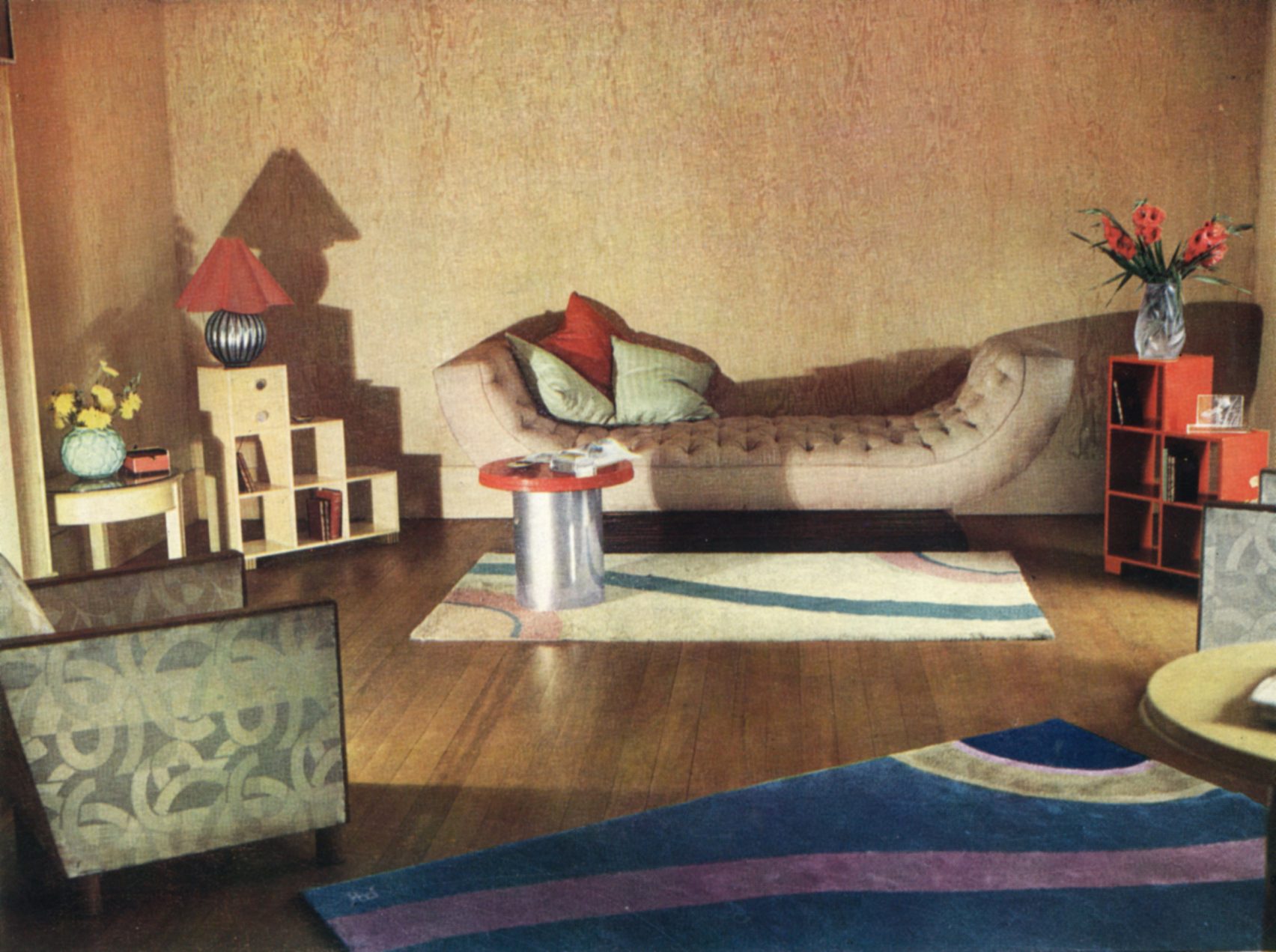
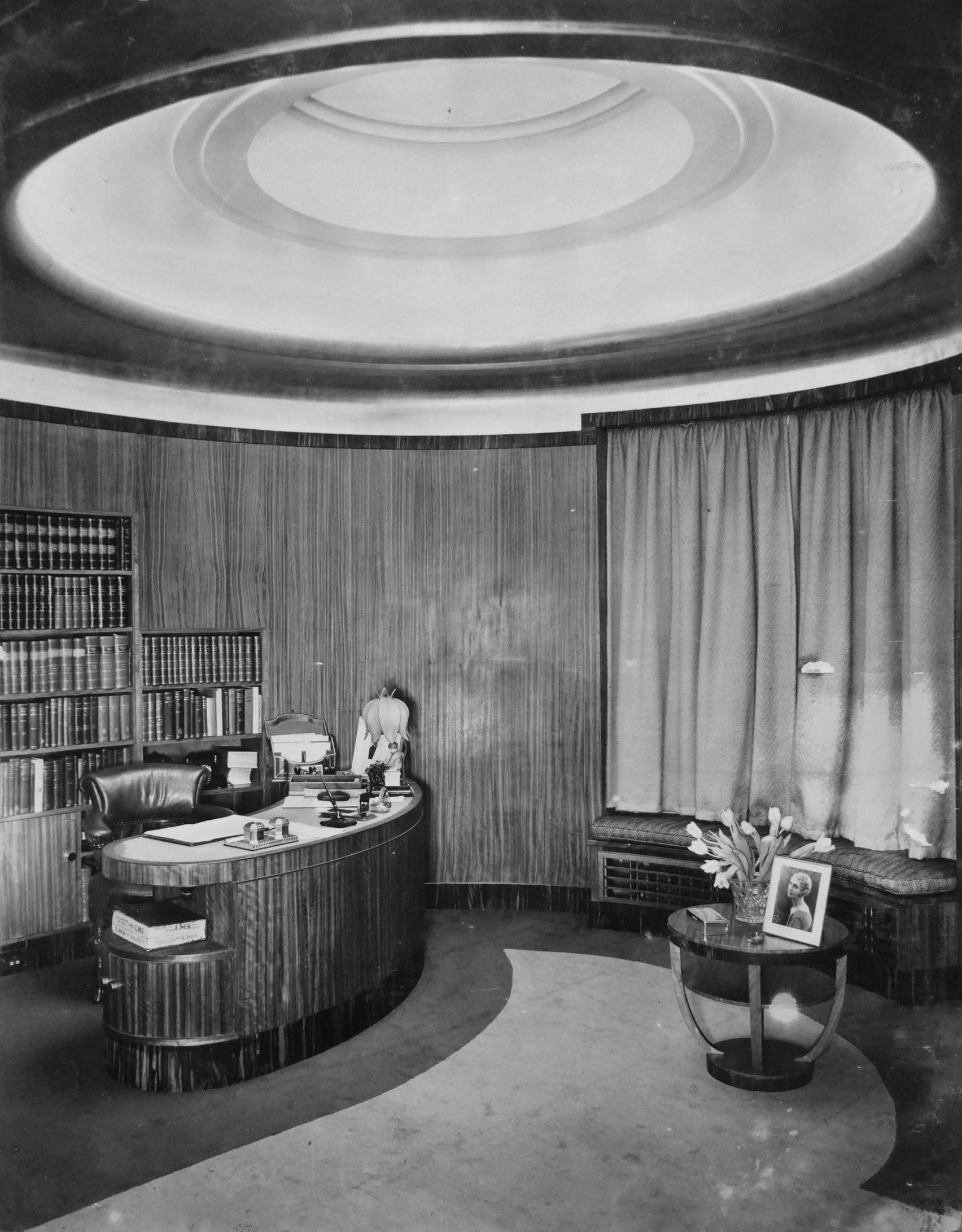
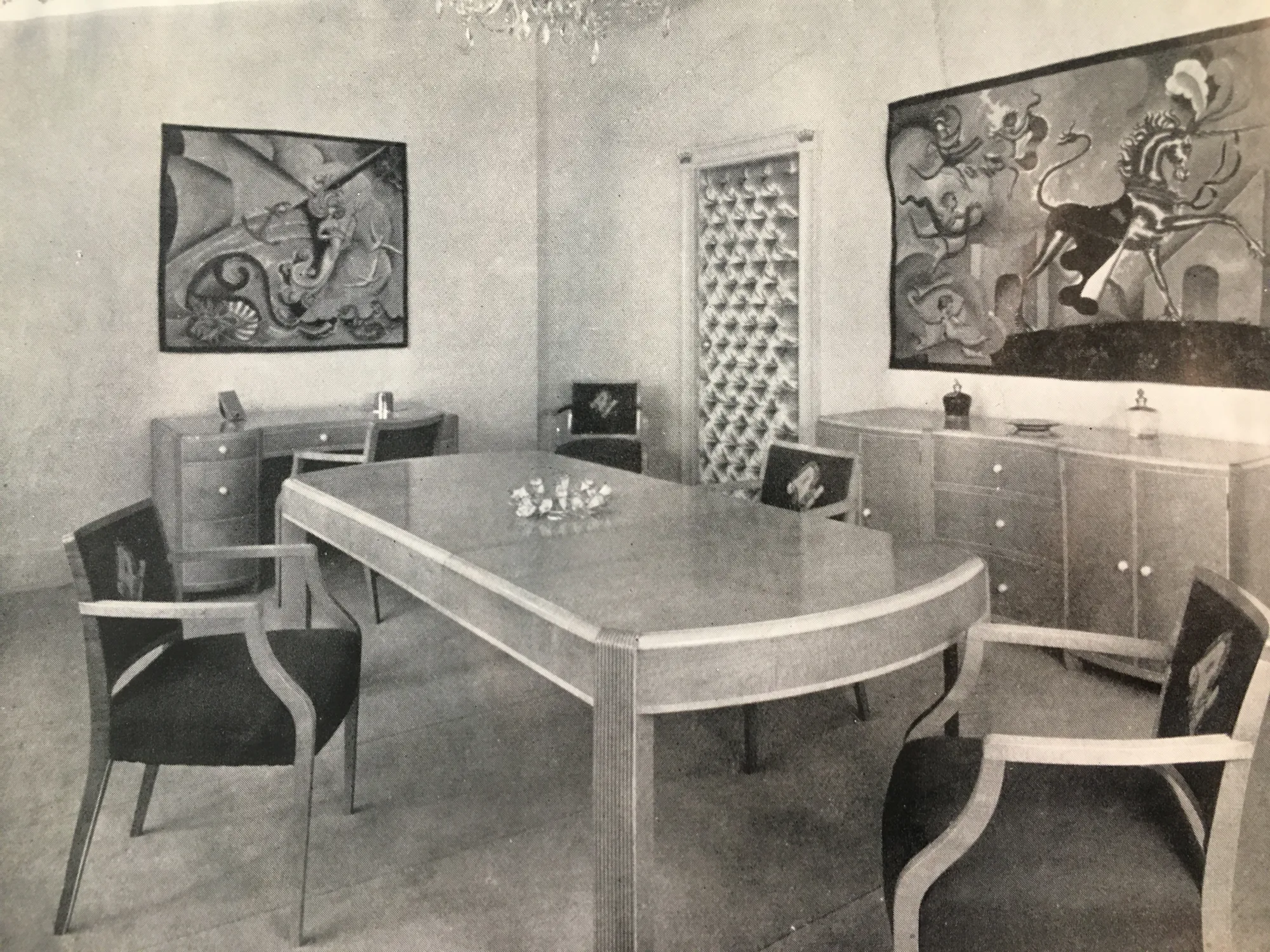
After returning to England following the First World War, Betty Joel struggled to find furniture that suited her modern sensibility. Instead of adapting existing pieces, she began designing and building furniture for her own home. Working without professional training, she created tables, chairs, beds, and rugs that reflected a streamlined modern aesthetic. Friends admired her work and encouraged her to produce pieces for a wider audience. In 1921, she founded Betty Joel Ltd, opening a showroom at 177 Sloane Street in London. She employed highly skilled craftsmen who had previously worked as yacht fitters, bringing precision woodworking techniques into her furniture. Each piece was carefully constructed using advanced joinery and finished to exacting standards. Joel expanded her business in 1927 by relocating to a large showroom and factory at 25 Knightsbridge. The space functioned as both a retail environment and a production workshop, employing more than eighty people at its peak. Her work was widely exhibited and attracted elite clients, including aristocrats, hotels, and ocean liners. In 1939, following the collapse of her marriage, she abruptly left the business and never returned to design.
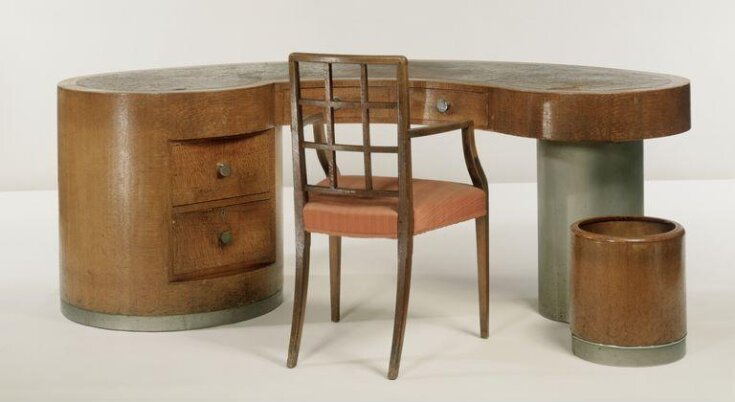
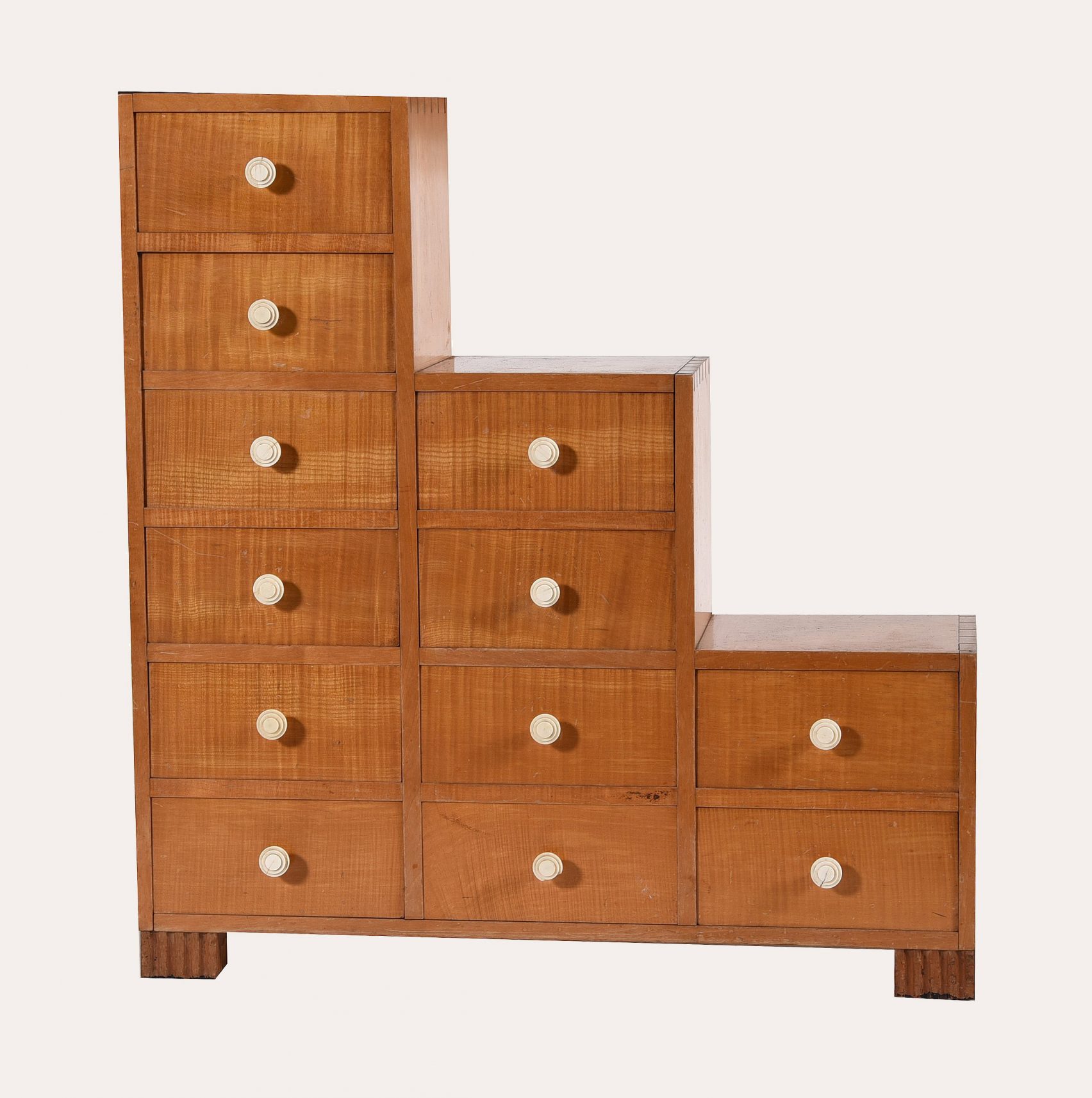
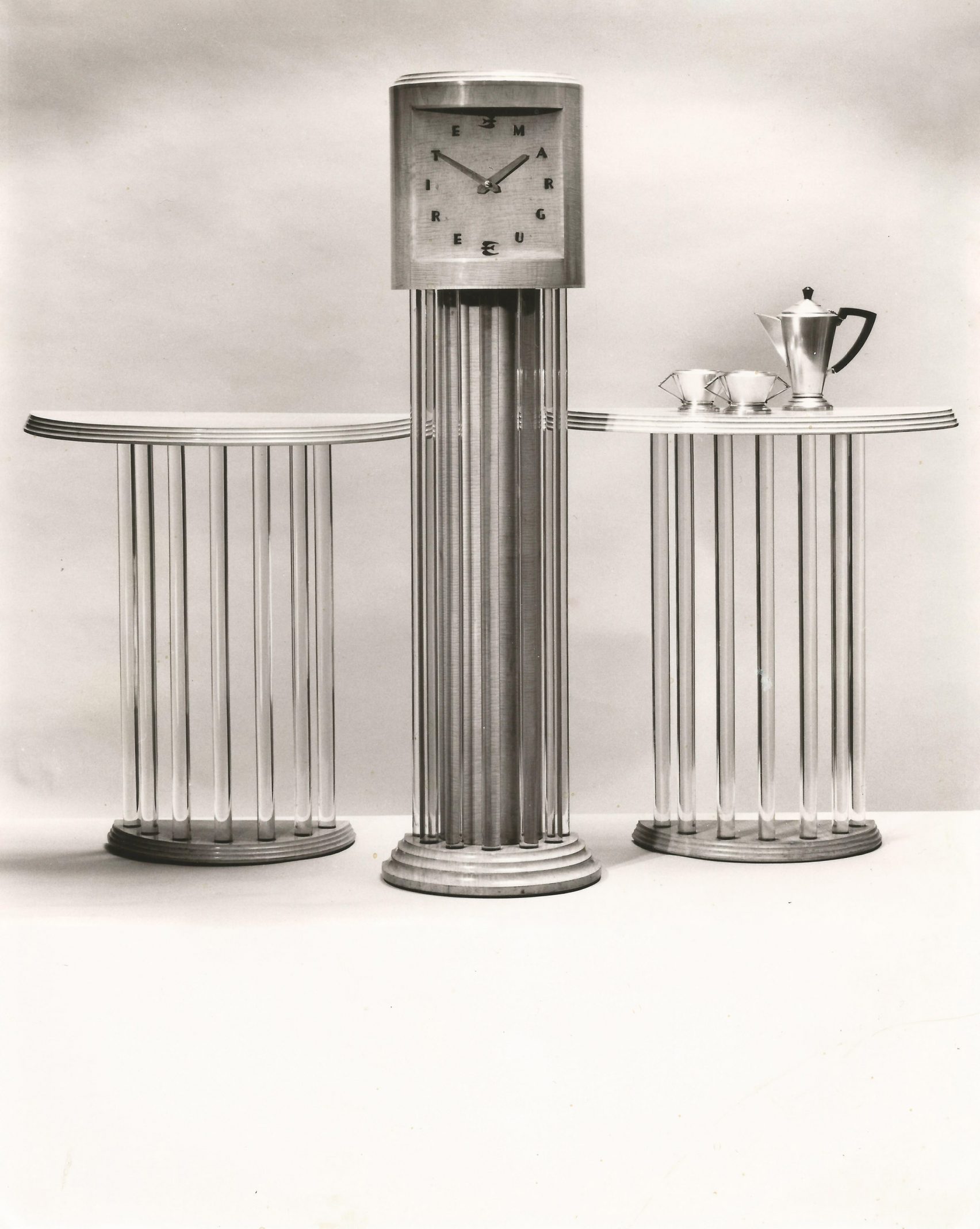
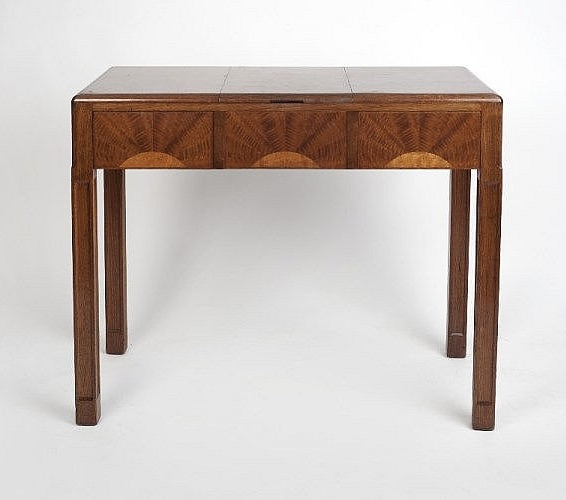
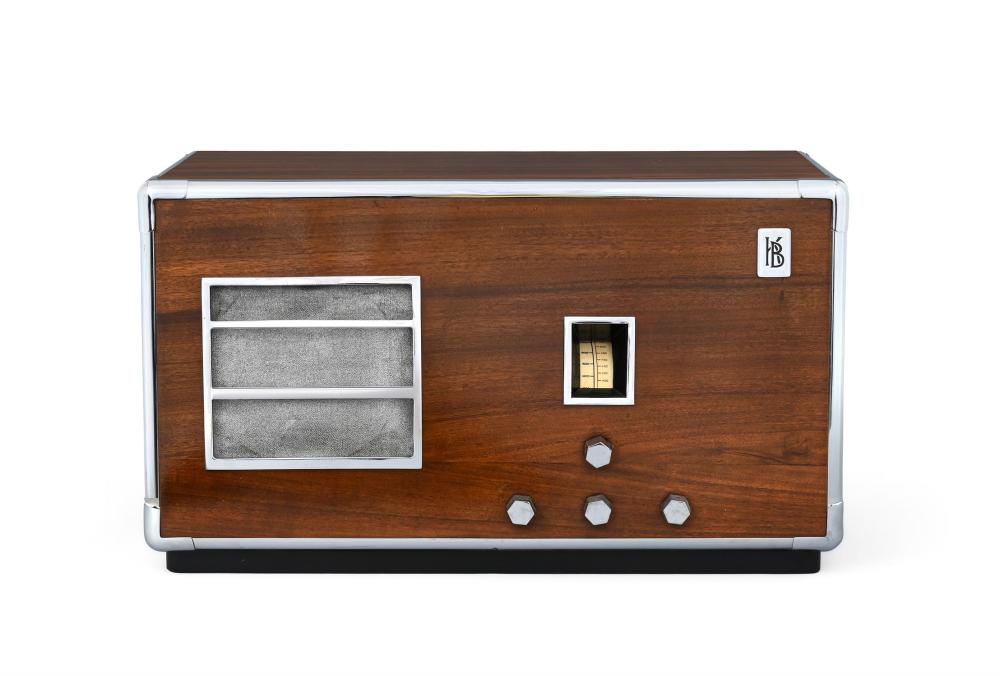
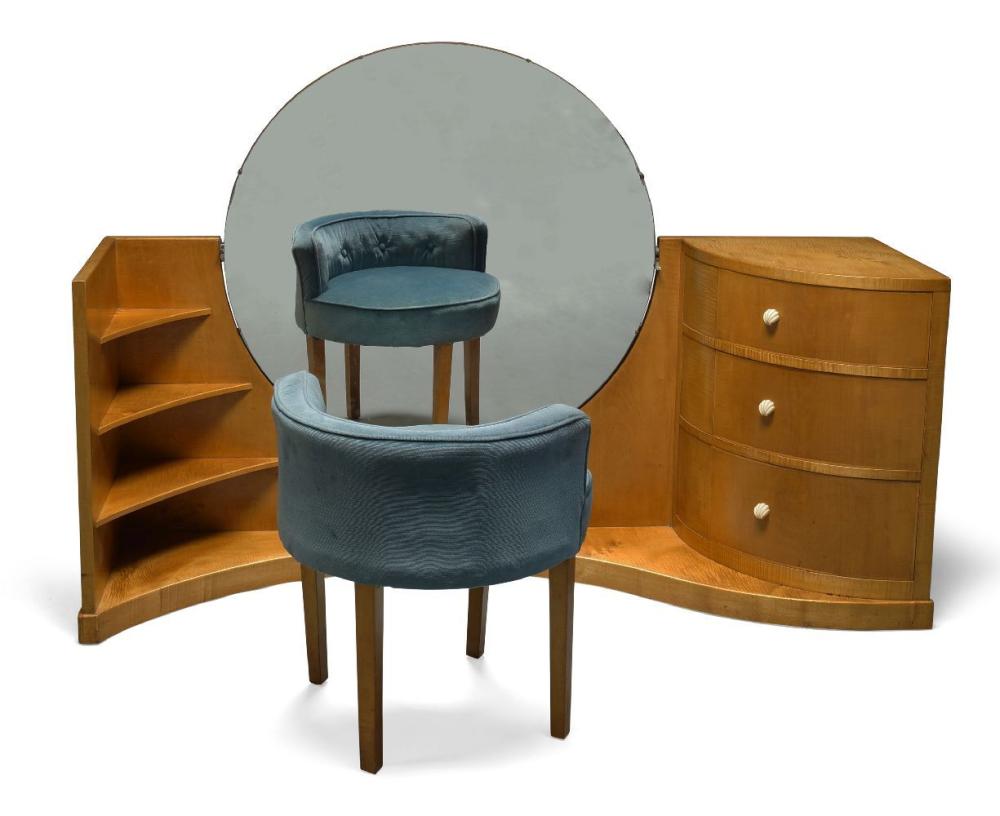
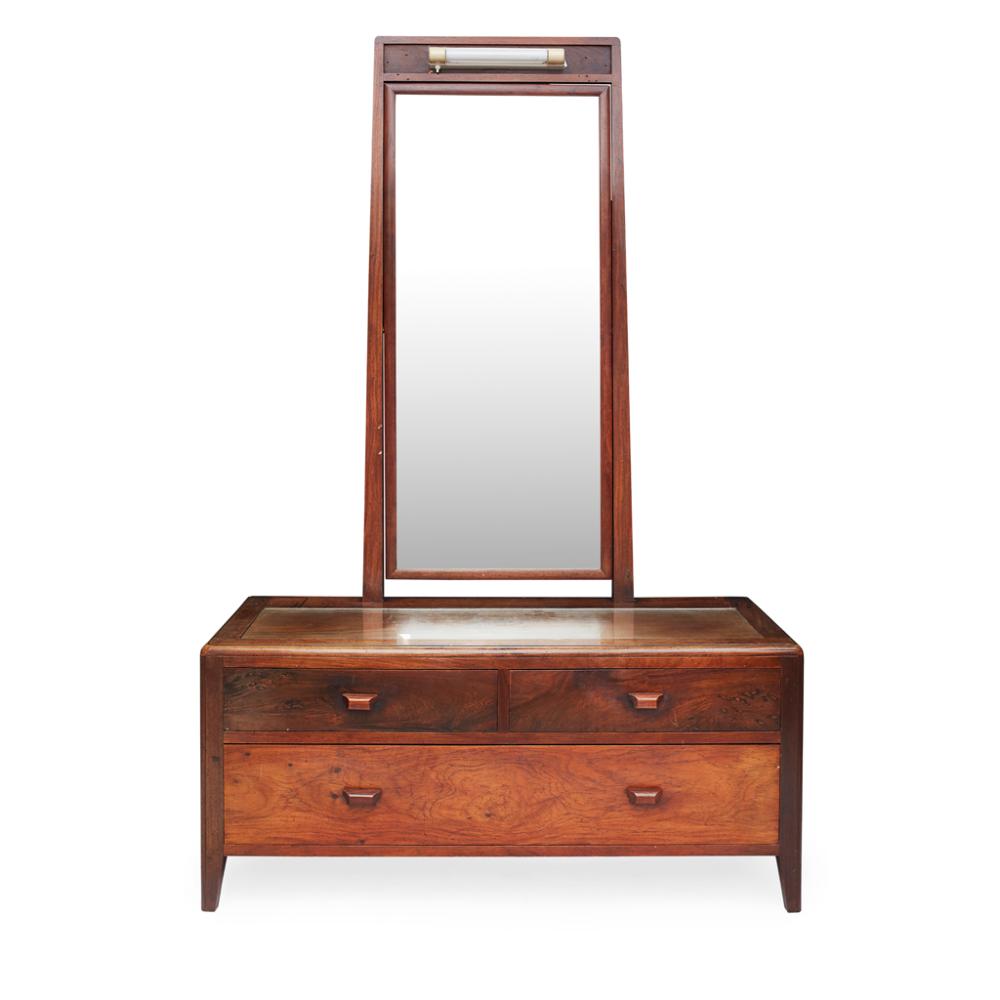
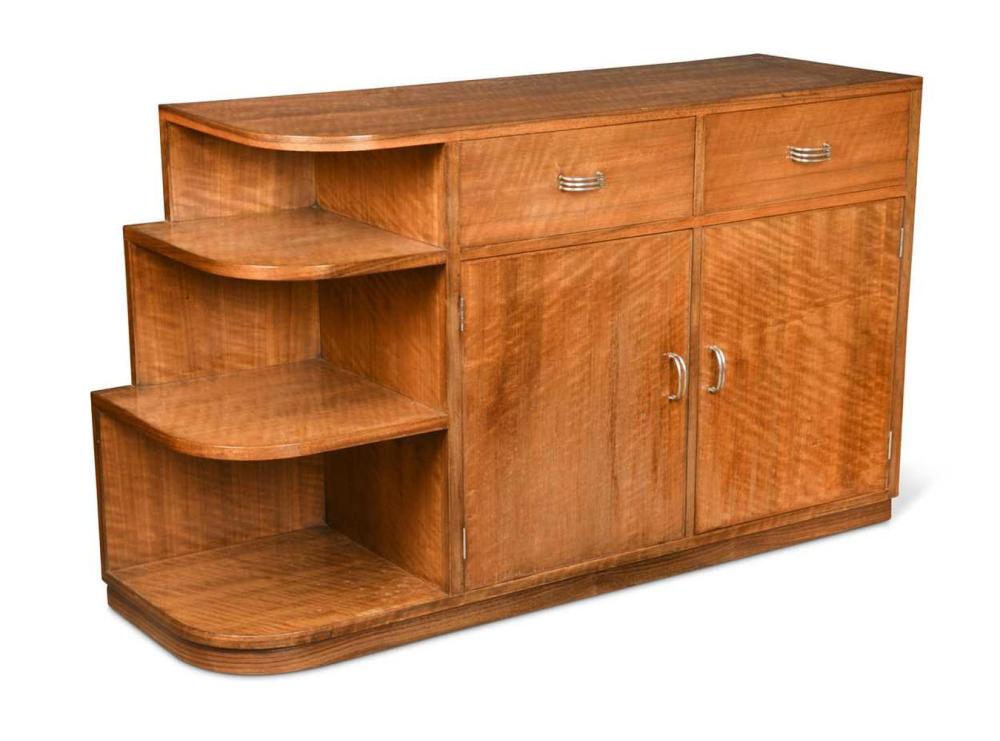
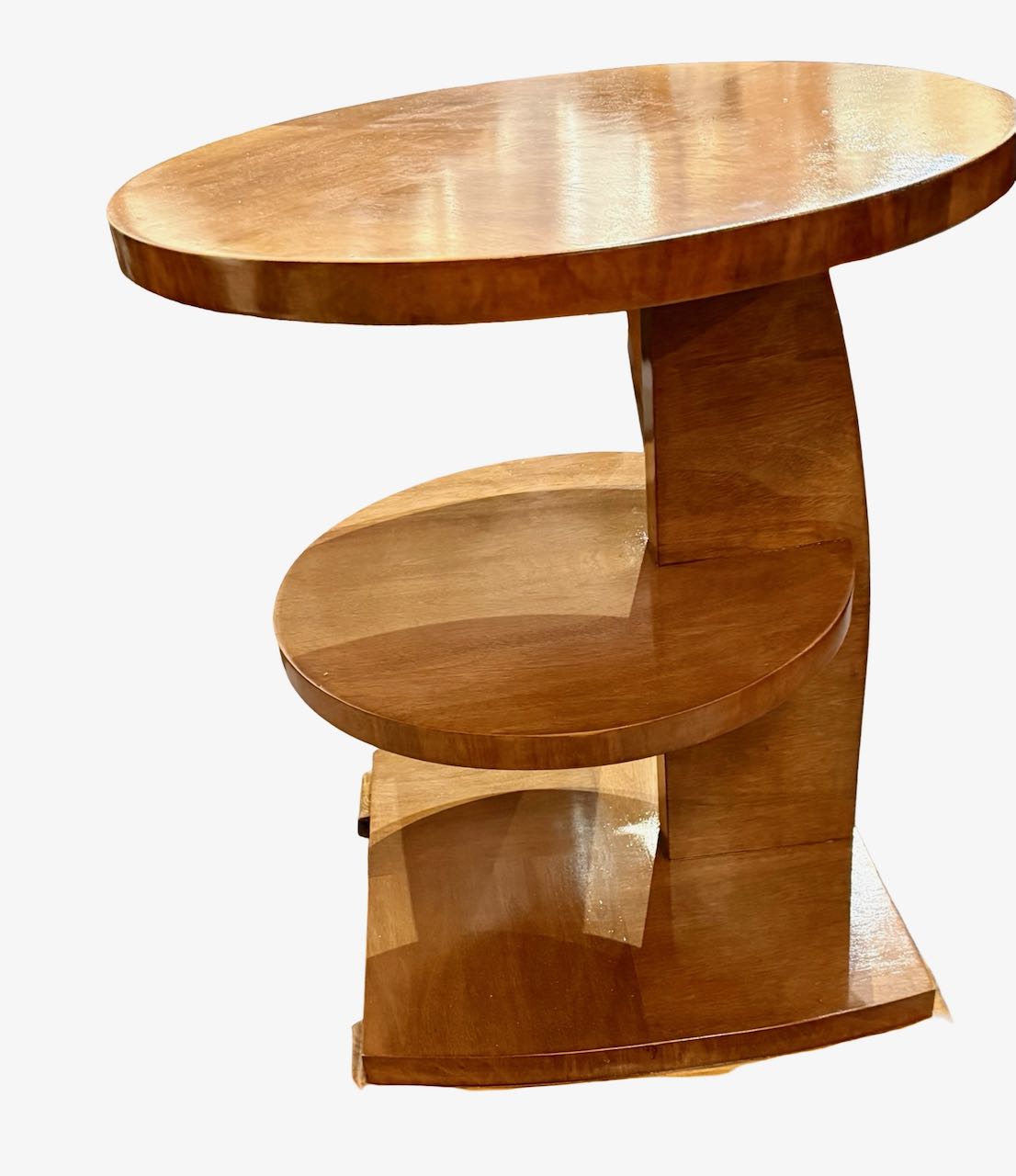
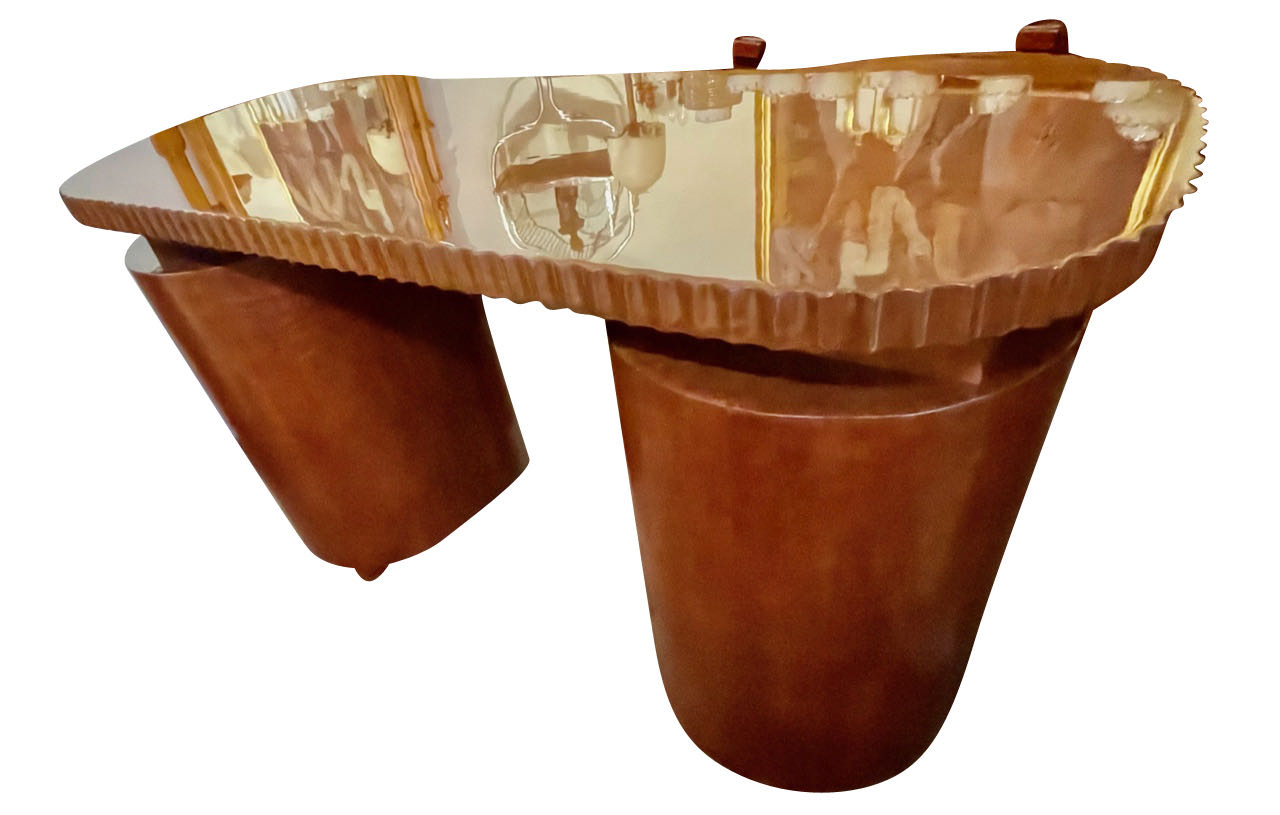
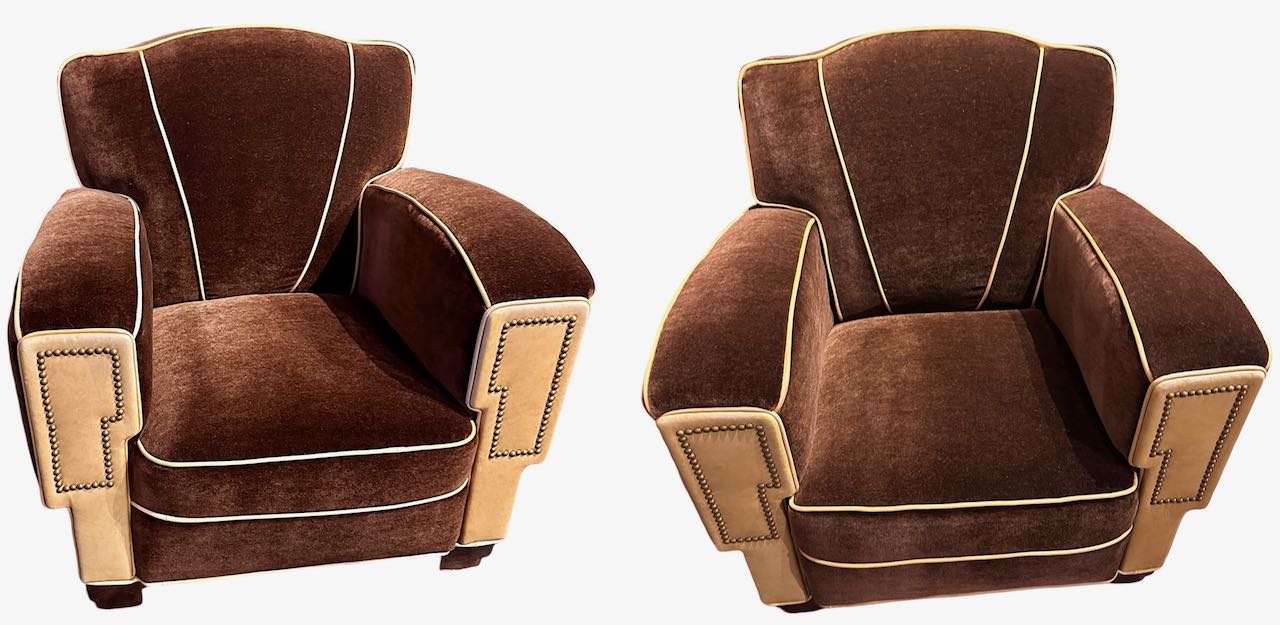
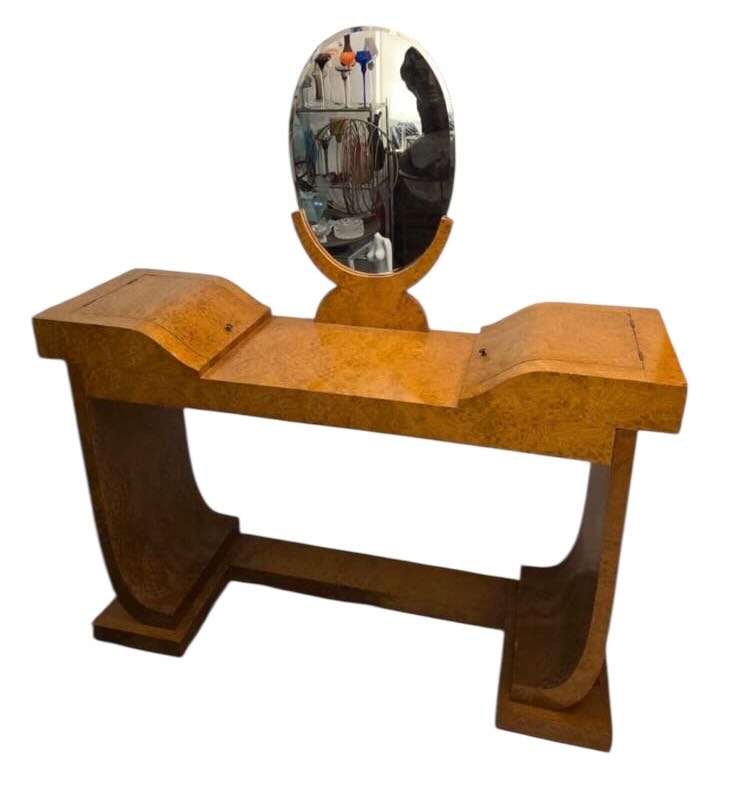
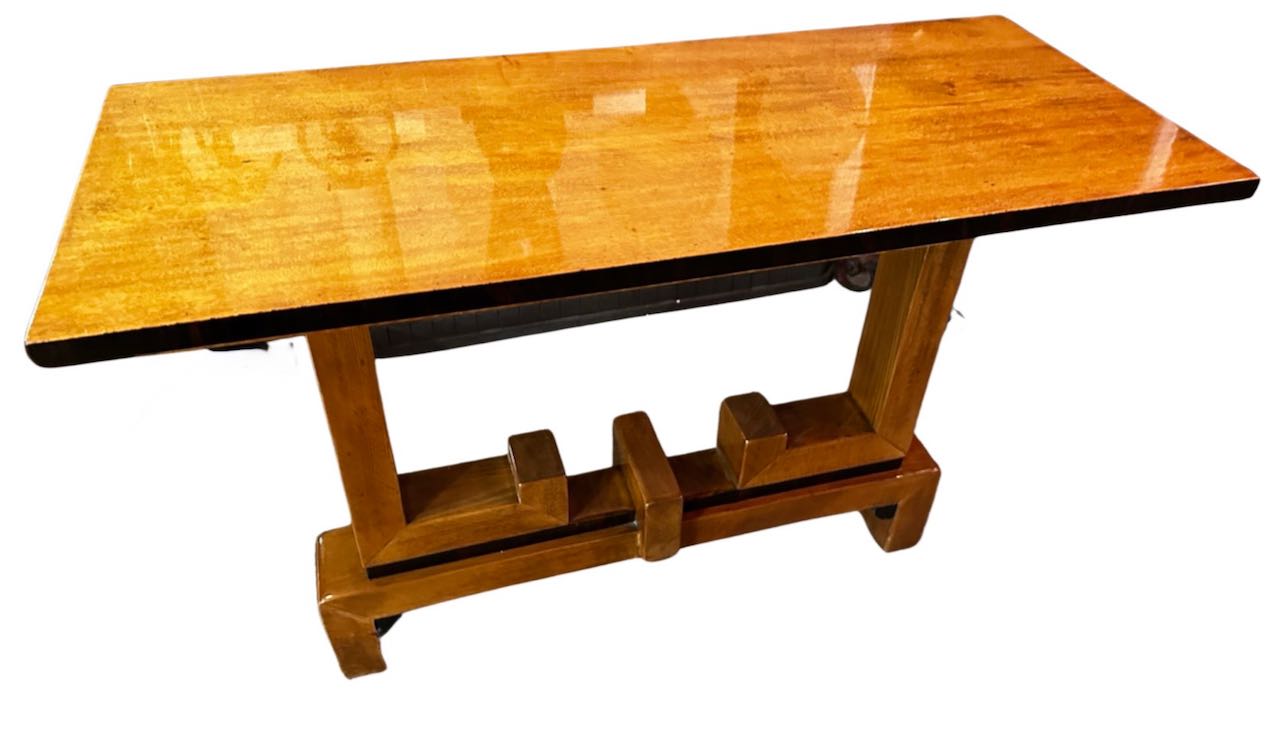
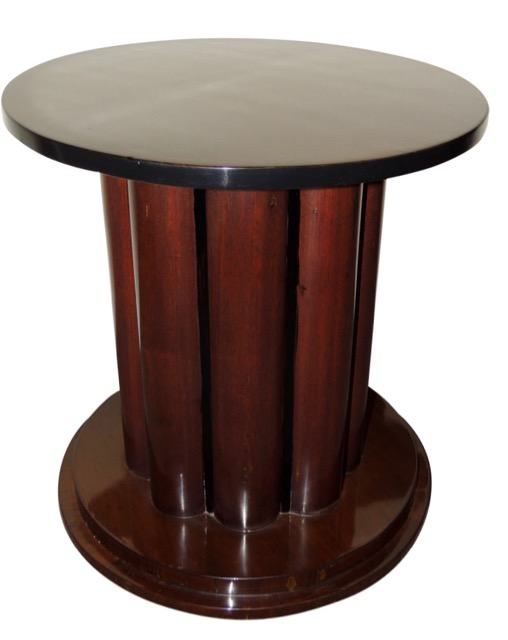
Betty Joel’s style balanced modern simplicity with warmth and domestic usability. Her furniture avoided extreme formal statements in favor of cohesive interior harmony. She favored smooth curves, strong silhouettes, and carefully proportioned volumes. Joel made unconventional material choices, often combining multiple hardwoods within a single piece. Her work reflected a designer thinking in terms of rooms and lived spaces rather than isolated objects.
Key Influences
- East Asian Design Traditions: Early exposure to Chinese and Asian forms shaped her preference for clarity, balance, and restraint.
- Craft Boatbuilding Techniques: Yacht fitters brought precision joinery and material knowledge into her furniture production.
- Interior Design Thinking: Furniture was conceived as part of a complete environment rather than as standalone statements.
- Art Deco Modernity: Streamlined forms and bold geometry aligned her work with the broader Art Deco era.
- Independent Practice: Her self-taught approach freed her from academic rules and stylistic dogma.
If you are interested in further stories of the artists who shaped Art Deco, return to our artists page to browse the full directory.
Related Products