


Art & Statues
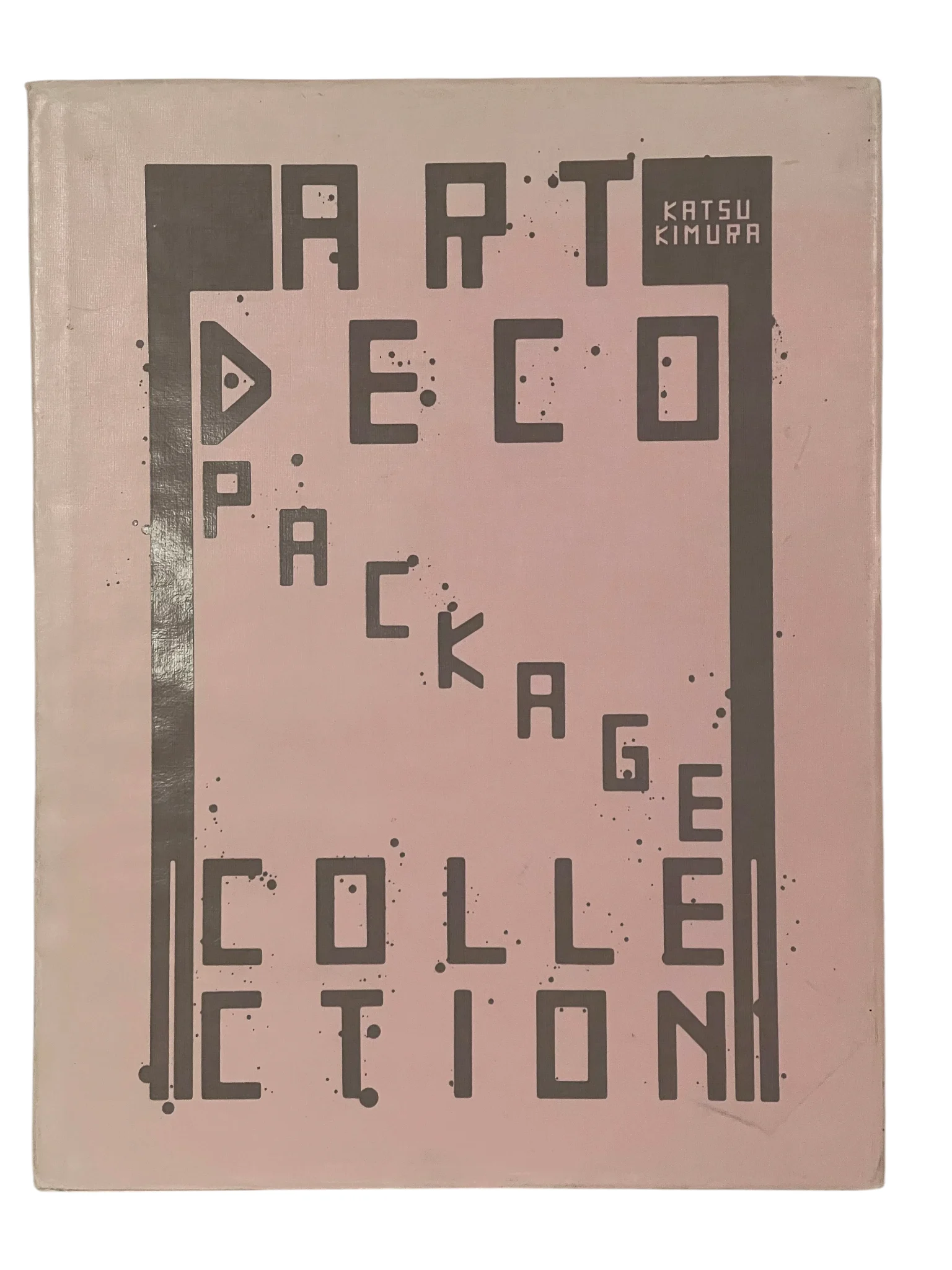
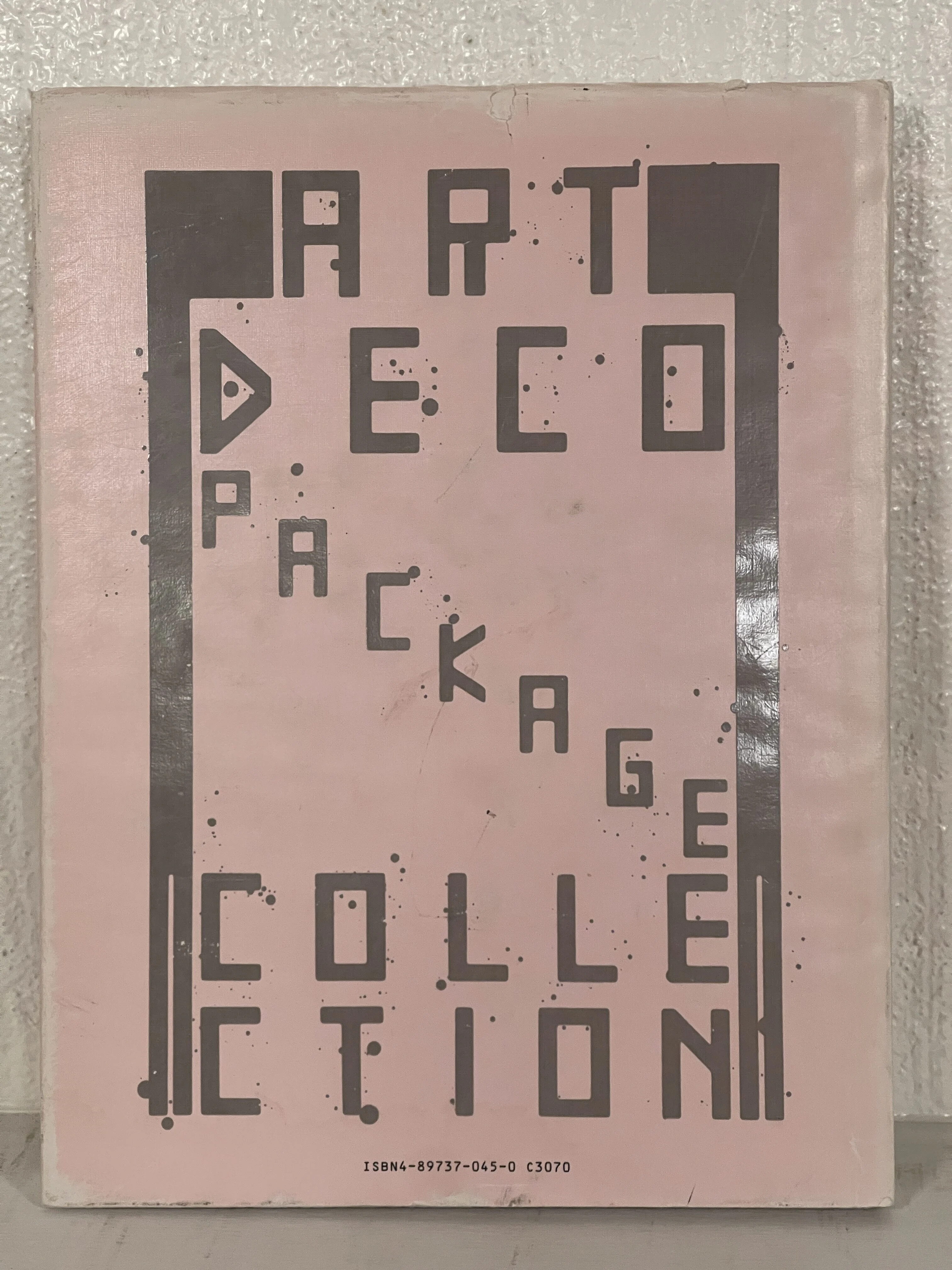

Art Deco Package Collection
Art Deco Package Collection
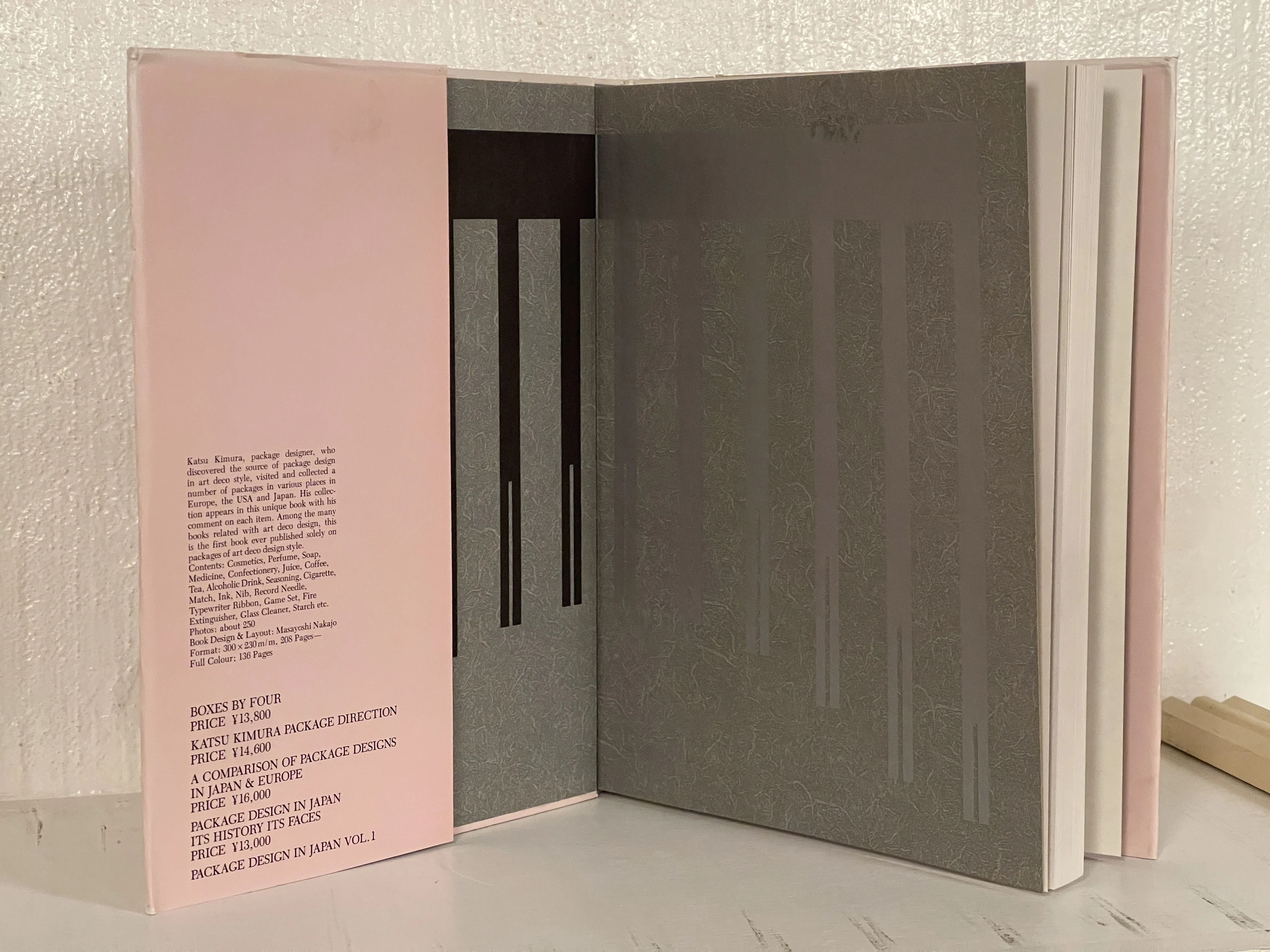
Compiled by Japanese package designer Katsu Kimura and published by Rikuyo-sha in 1985, this book documents original Art Deco packaging gathered from Europe, the United States, and Japan. Spanning 208 pages with 136 in full color, it covers roughly 250 photographed items across categories from cosmetics and perfume to confectionery, cigarettes, and household goods. Kimura assembled the collection himself while researching the roots of package design, making this the first book published solely on Art Deco style packaging.
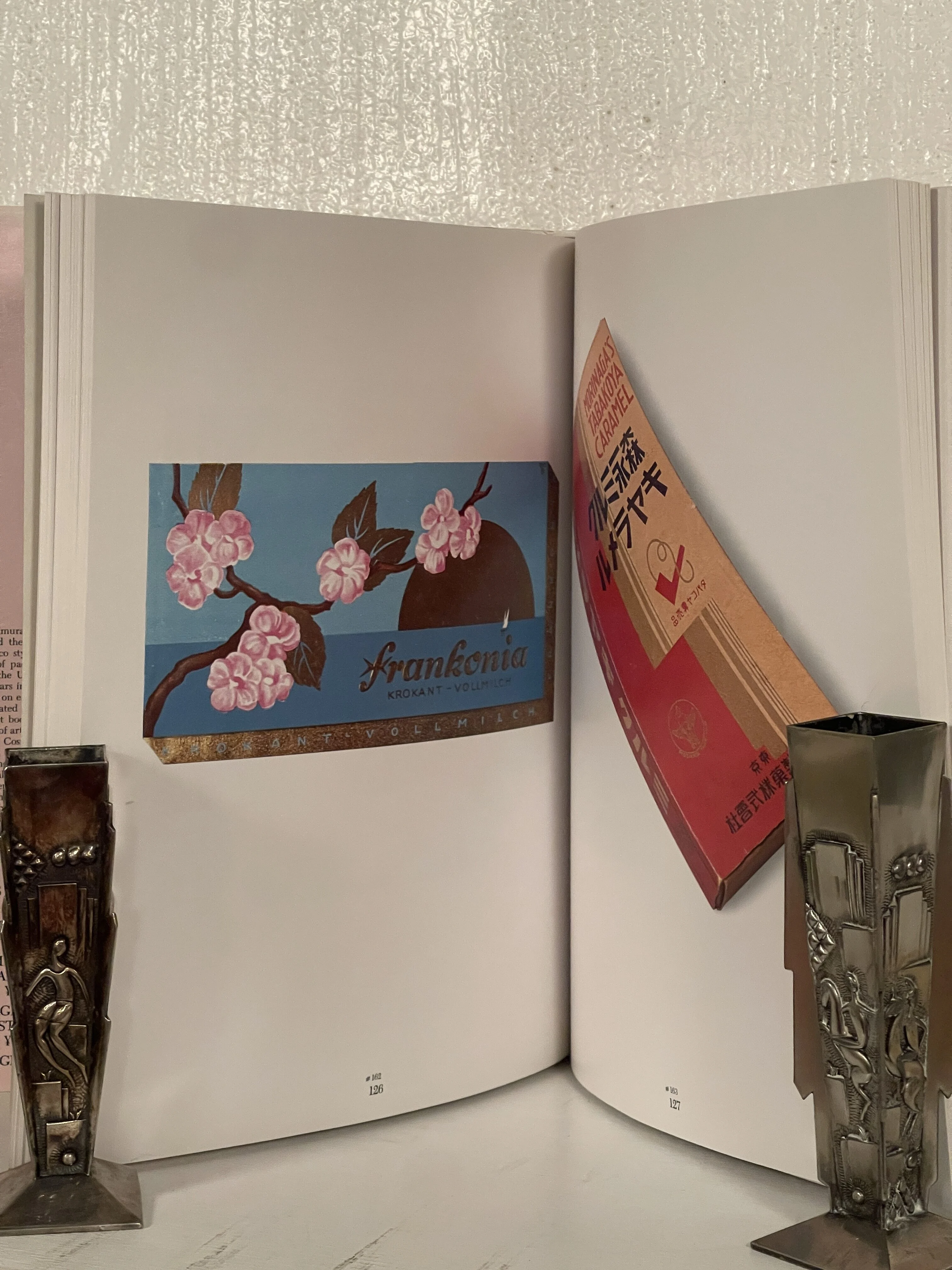
Katsu Kimura approached this book from the perspective of a working designer rather than an academic historian, having traced the origins of package design back to the Art Deco period through years of personal collecting. The book presents his own holdings, gathered from across three continents, organized by product category rather than by country or maker. This structure lets readers compare how similar geometric and streamlined design principles were applied across cosmetics, medicine, food, and stationery packaging during the 1920s and 1930s.
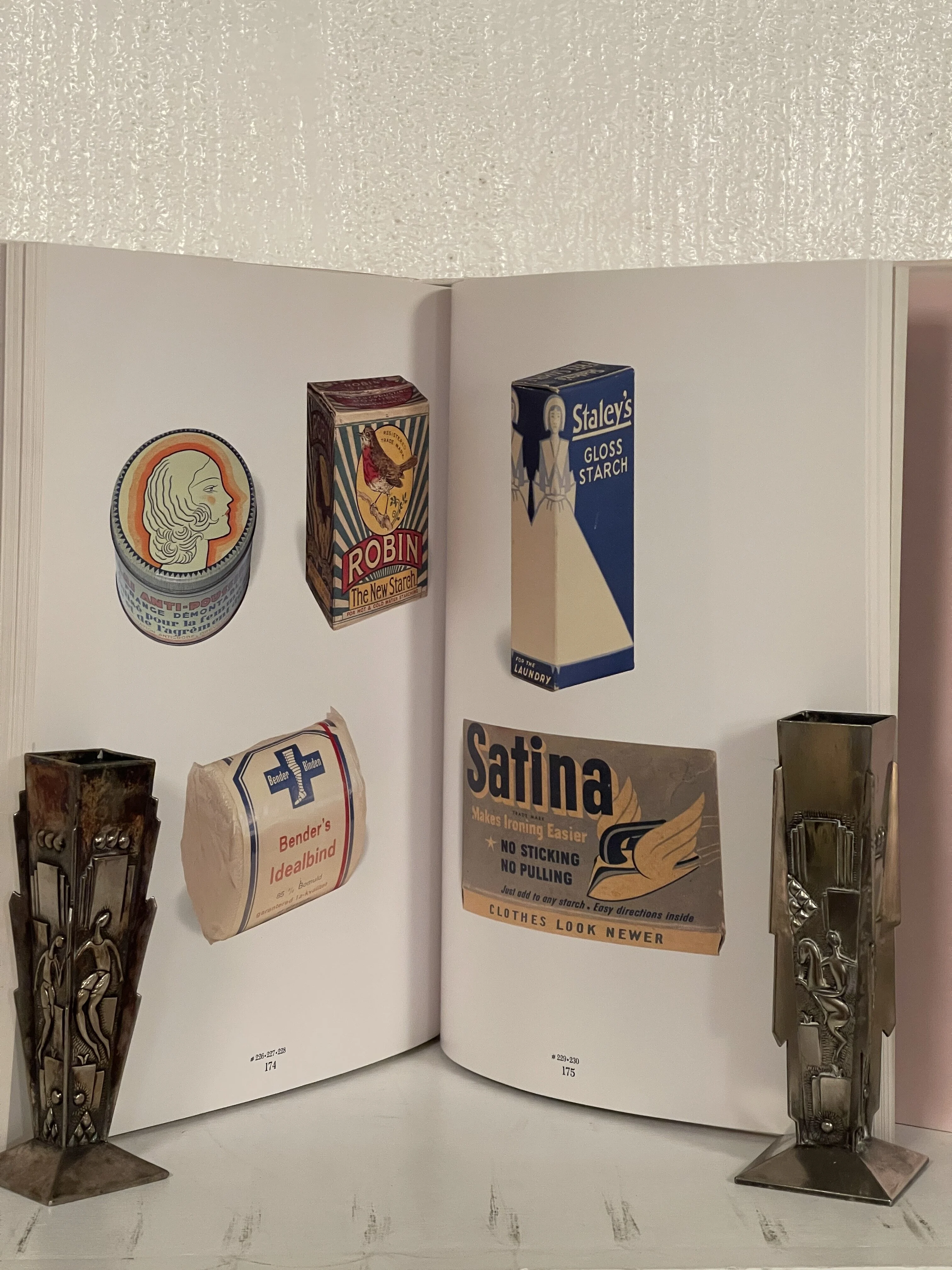
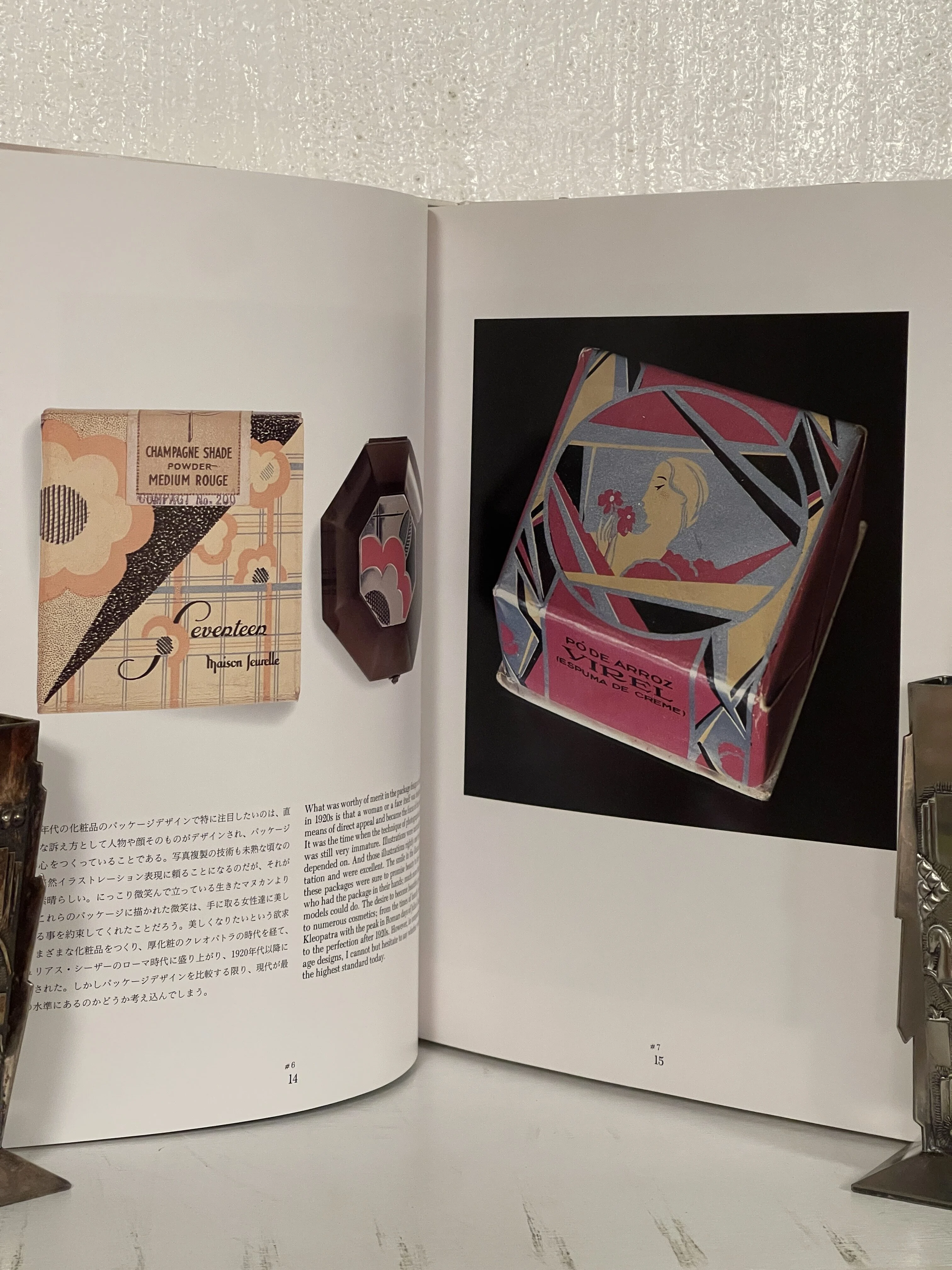
The photography captures fine detail on each package, from foil stamped perfume boxes to printed cardboard starch containers, showing how manufacturers used bold color and angular composition to catch the eye on store shelves. Kimura's commentary accompanies many of the items, offering a designer's perspective on what made certain packages successful within the constraints of early printing and manufacturing technology. The scope of the collection, spanning items from cosmetics to typewriter ribbon and record needle boxes, illustrates just how thoroughly Art Deco design permeated commercial packaging of the period.
As the first book dedicated entirely to this narrow but visually rich category, Art Deco Package Collection fills a gap left by broader design histories that tend to focus on furniture, architecture, and fine art. For collectors of ephemera and graphic design history, it offers a rare concentrated look at packaging as its own decorative art form. The book remains a useful reference for understanding how Art Deco's visual language reached consumers through everyday purchases.