

Art & Statues
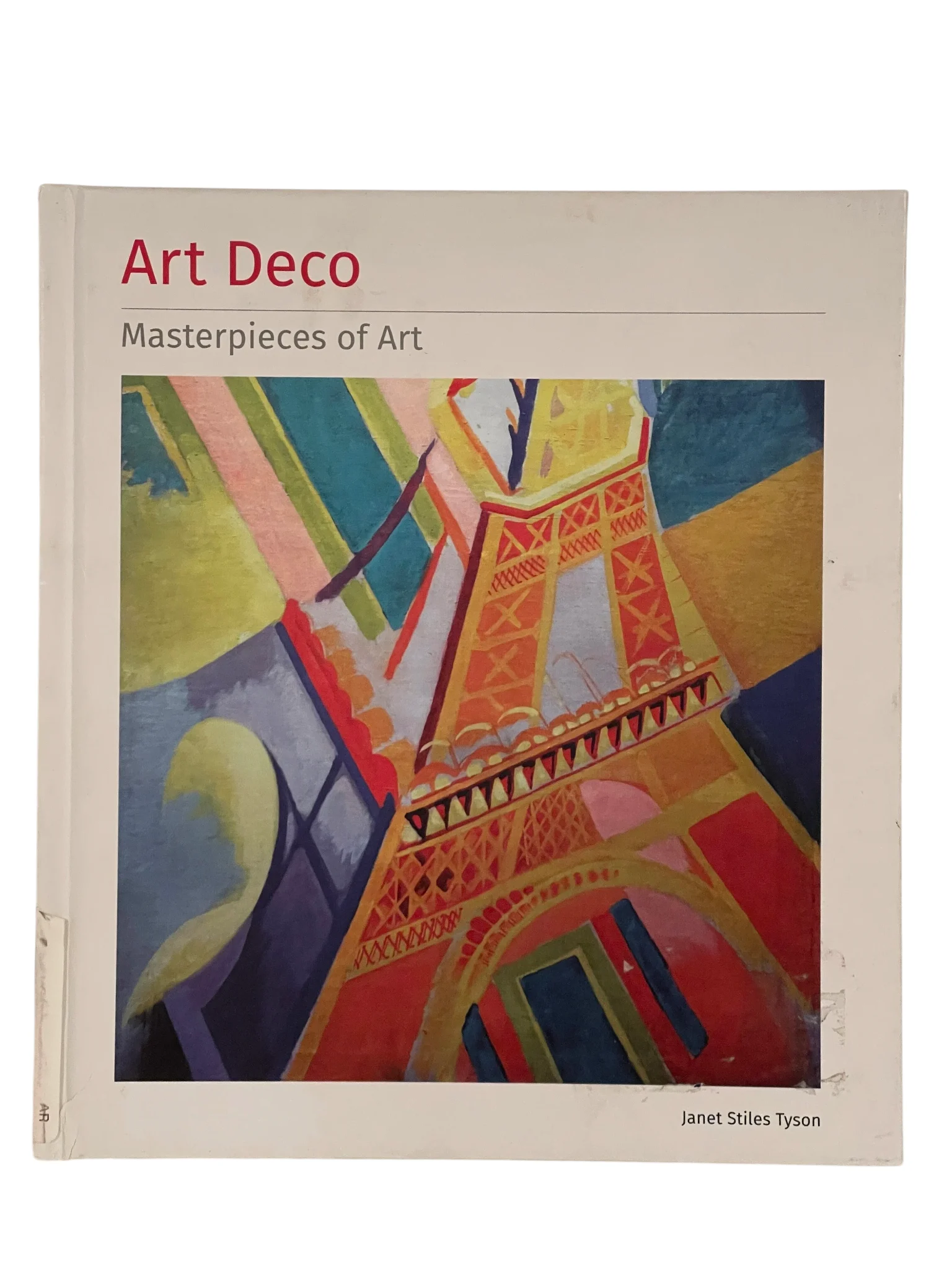


Art Deco: Masterpieces of Art
Art Deco: Masterpieces of Art
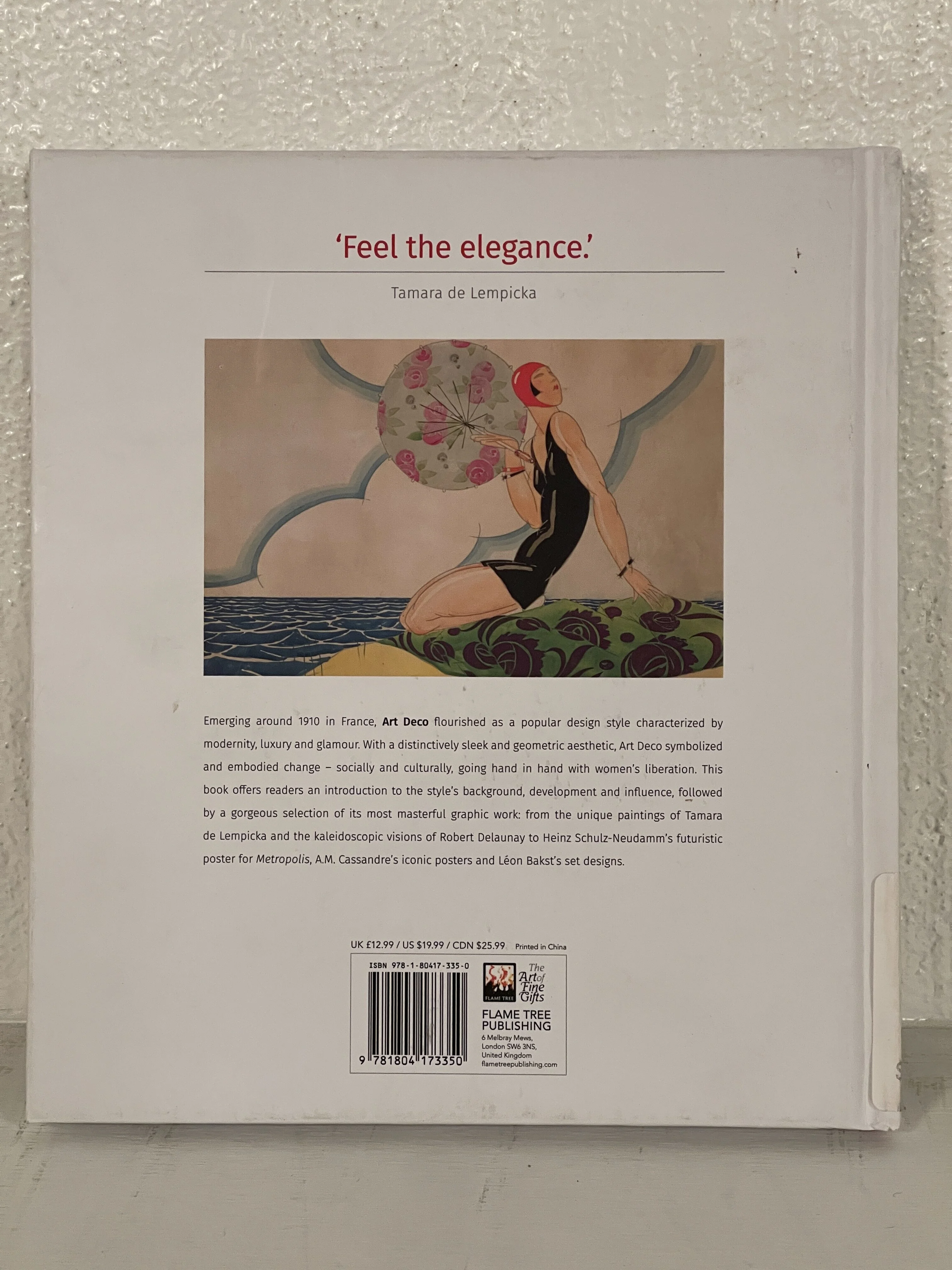
Written by Janet Stiles Tyson and published by Flame Tree in 2023, this survey focuses on the graphic and fine art side of Art Deco rather than its furniture or architecture. Across 128 pages and 84 illustrations, it brings together the movement's most striking paintings, posters, and fashion illustrations, from Tamara de Lempicka's portraits to A.M. Cassandre's travel posters and Georges Barbier's fashion plates. The book pairs an introduction to the style's origins with a rich visual selection organized by medium.
Art Deco emerged around 1910 in France and quickly became associated with modernity, luxury, and glamour, qualities that Janet Stiles Tyson traces through the movement's most accomplished graphic artists in this book. Rather than covering the full range of Art Deco decorative objects, the book concentrates on painting, posters, and illustration, giving readers a focused look at how the style's geometric confidence and bold color translated onto paper and canvas. Robert Delaunay's kaleidoscopic Eiffel Tower paintings appear alongside Tamara de Lempicka's sharply modeled portraits, showing two very different approaches within the same visual language.
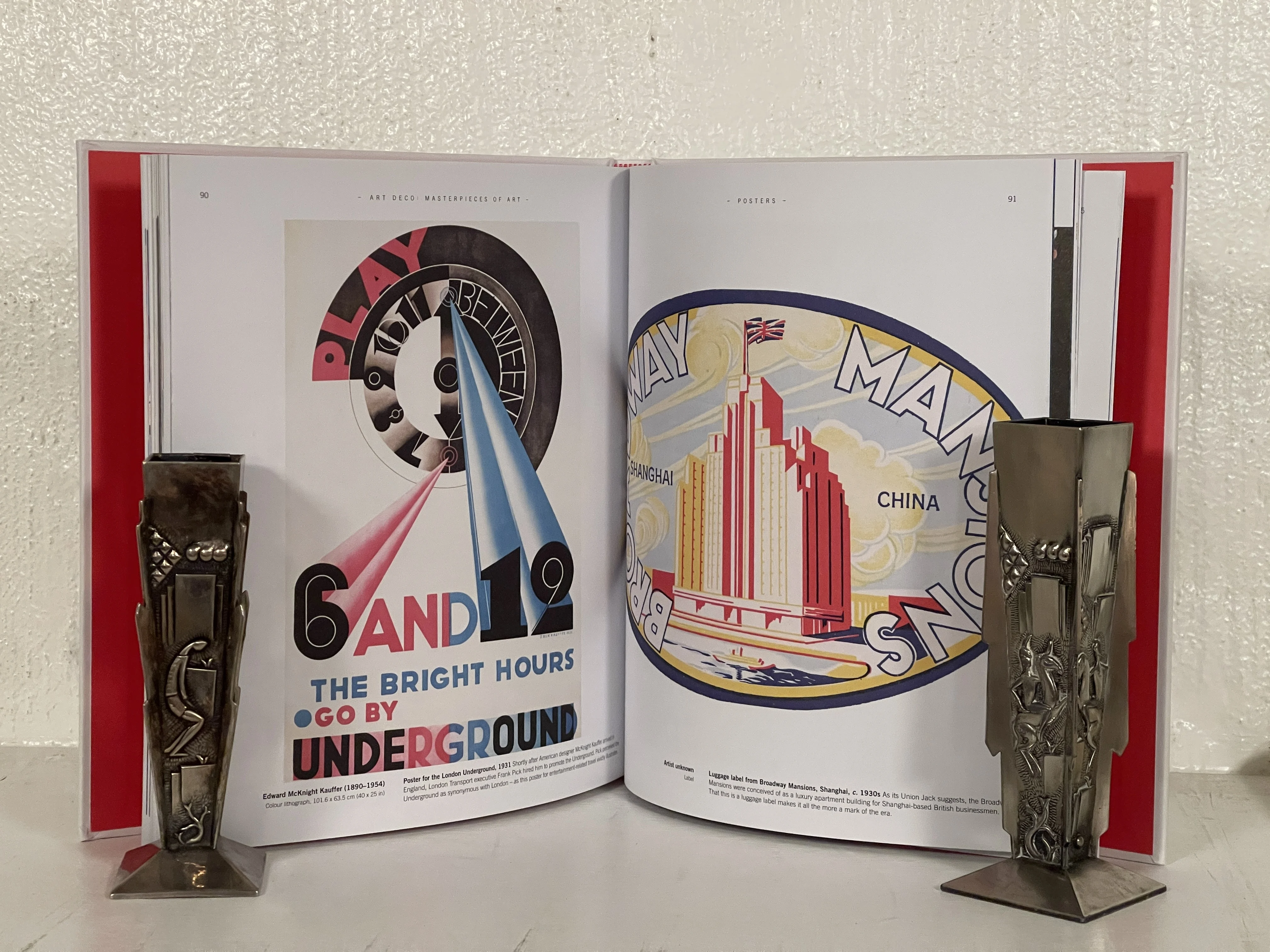
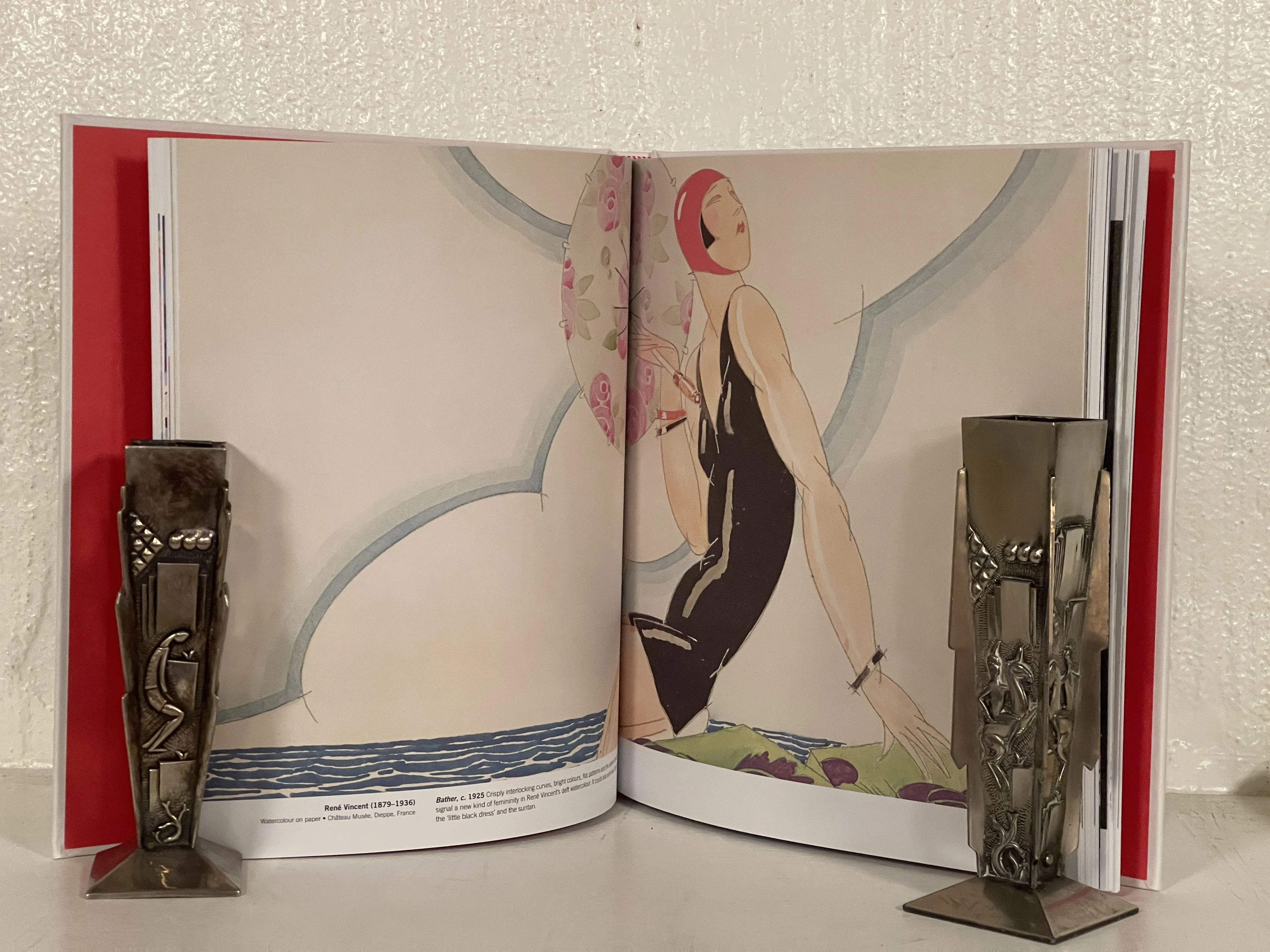
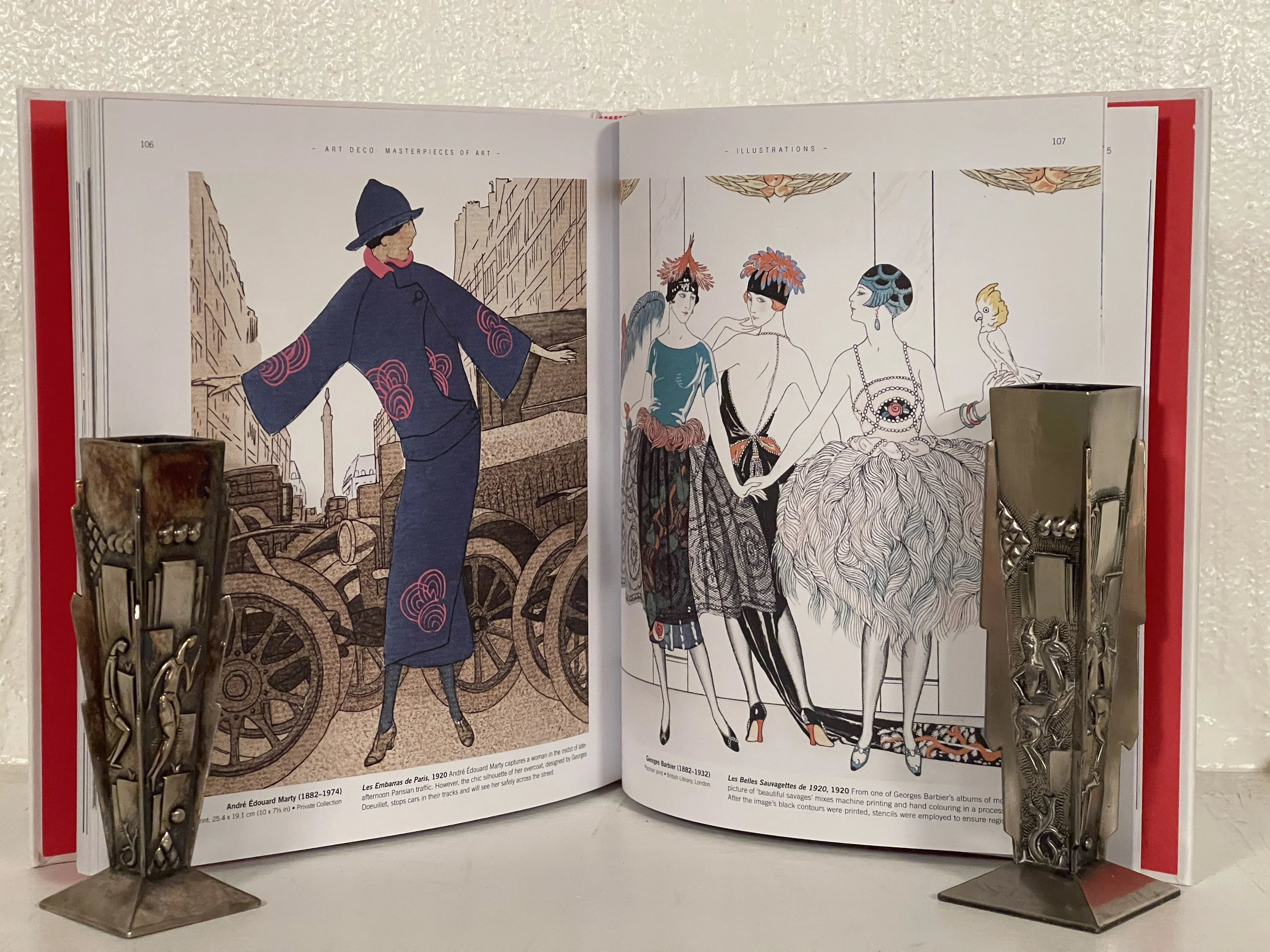
The book gives significant space to poster design, including Edward McKnight Kauffer's work for the London Underground and A.M. Cassandre's instantly recognizable travel advertisements, both of which used Deco's flattened perspective and dramatic angles to sell transportation and destinations. Fashion illustration receives similar attention, with plates from Georges Barbier and René Vincent capturing the era's changing ideals around femininity, from cropped hair and bathing costumes to the newly popular little black dress. Each image is paired with brief context on the artist and the piece, giving readers enough background to understand the work's place within the wider movement.
Tyson's approach makes this a useful entry point for readers more familiar with Art Deco's furniture and architecture than its graphic art, filling in a side of the movement that shaped magazine covers, advertising, and fashion just as thoroughly as it shaped skyscrapers and interiors. For collectors focused on posters, illustration, and painting from the period, the book offers a concentrated visual reference organized clearly by medium.