
Art & Statues
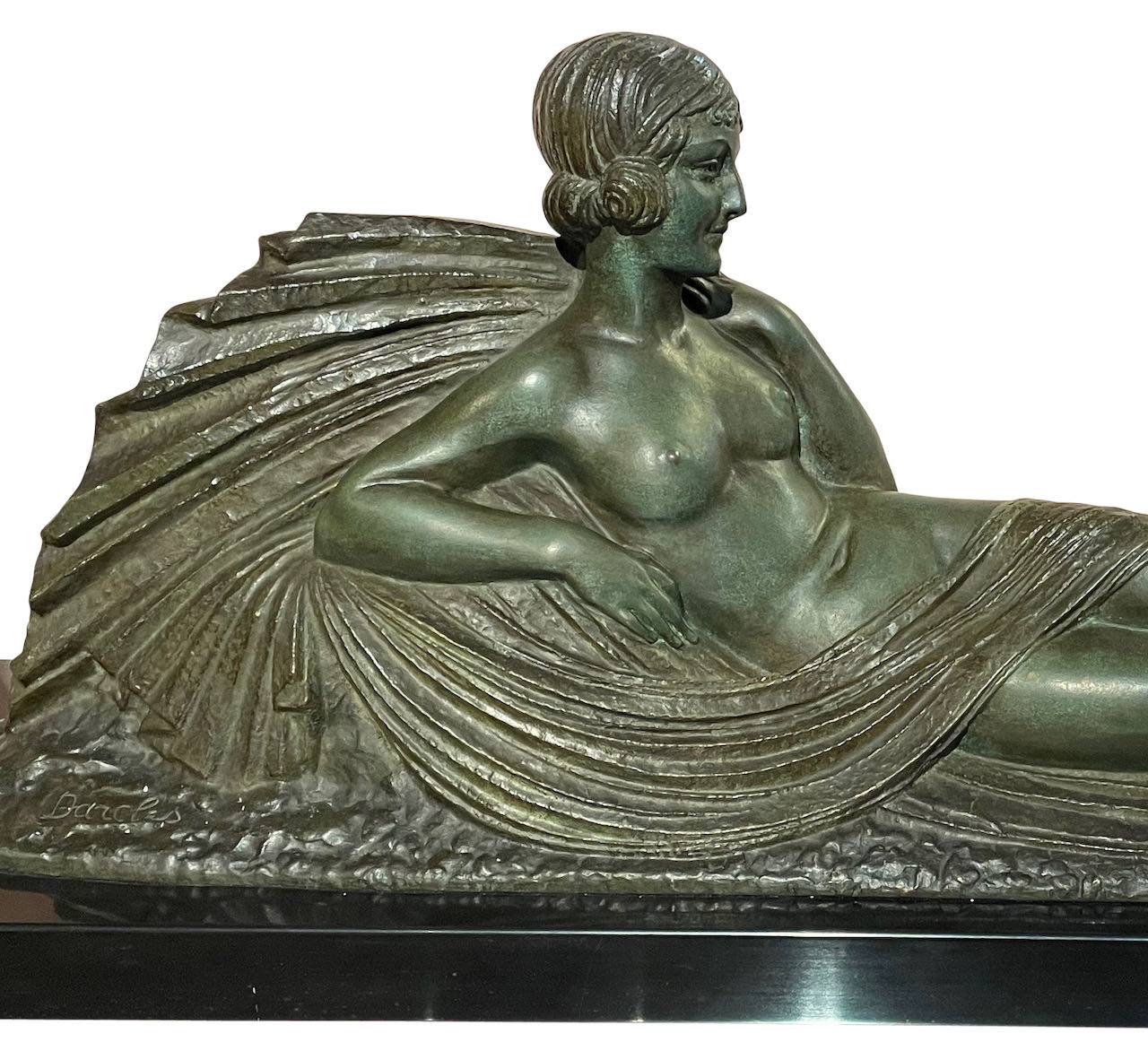

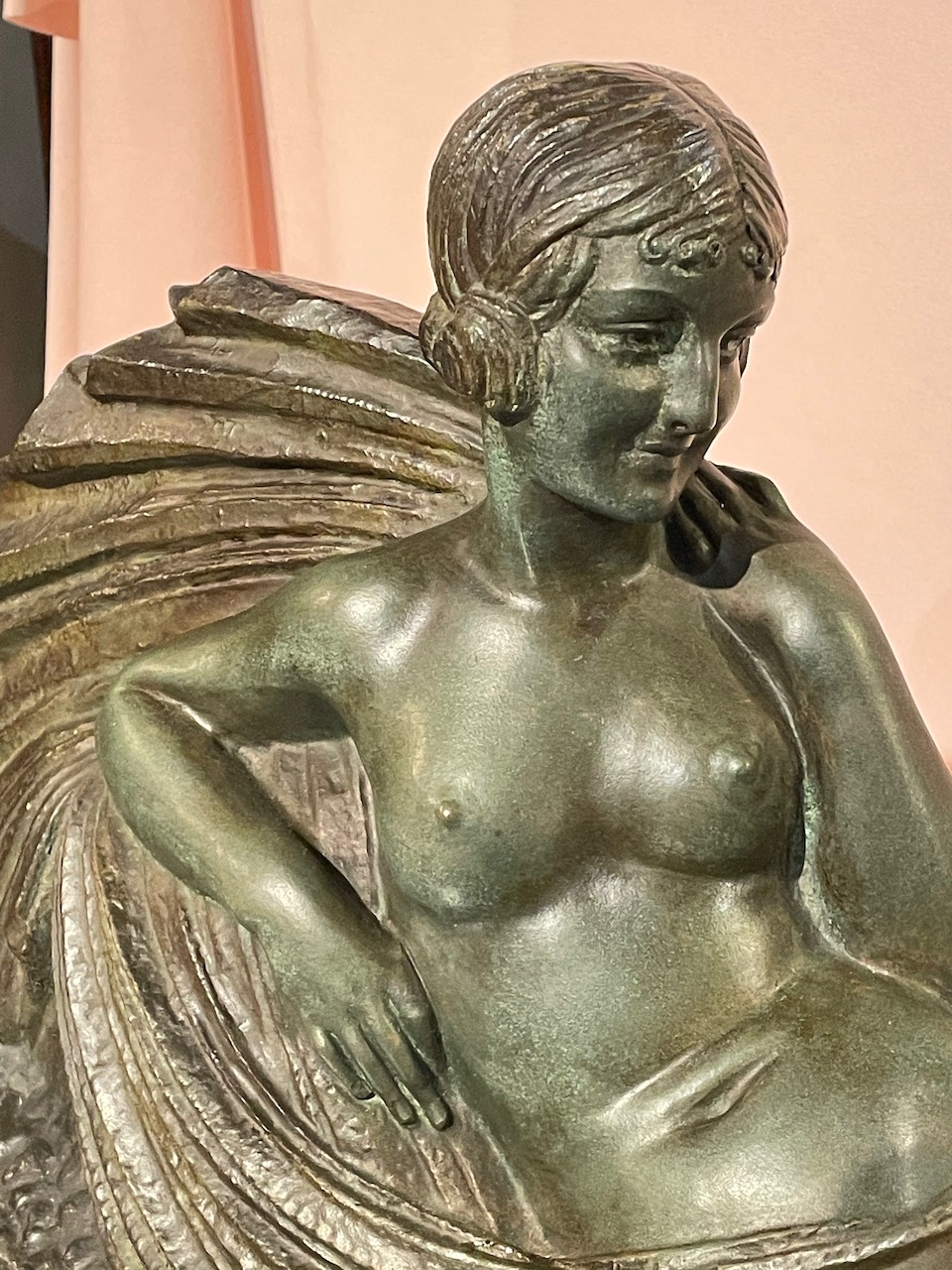


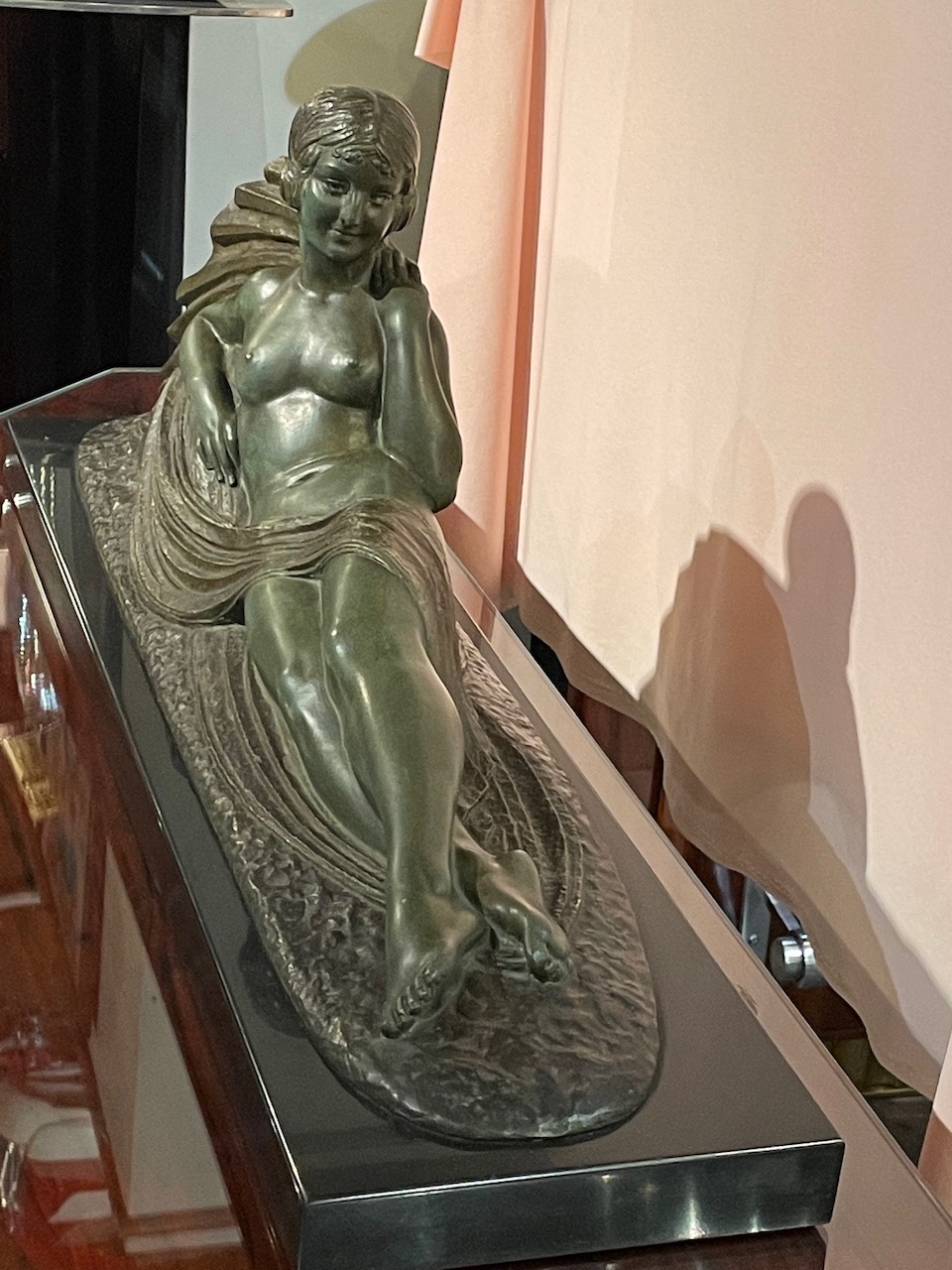

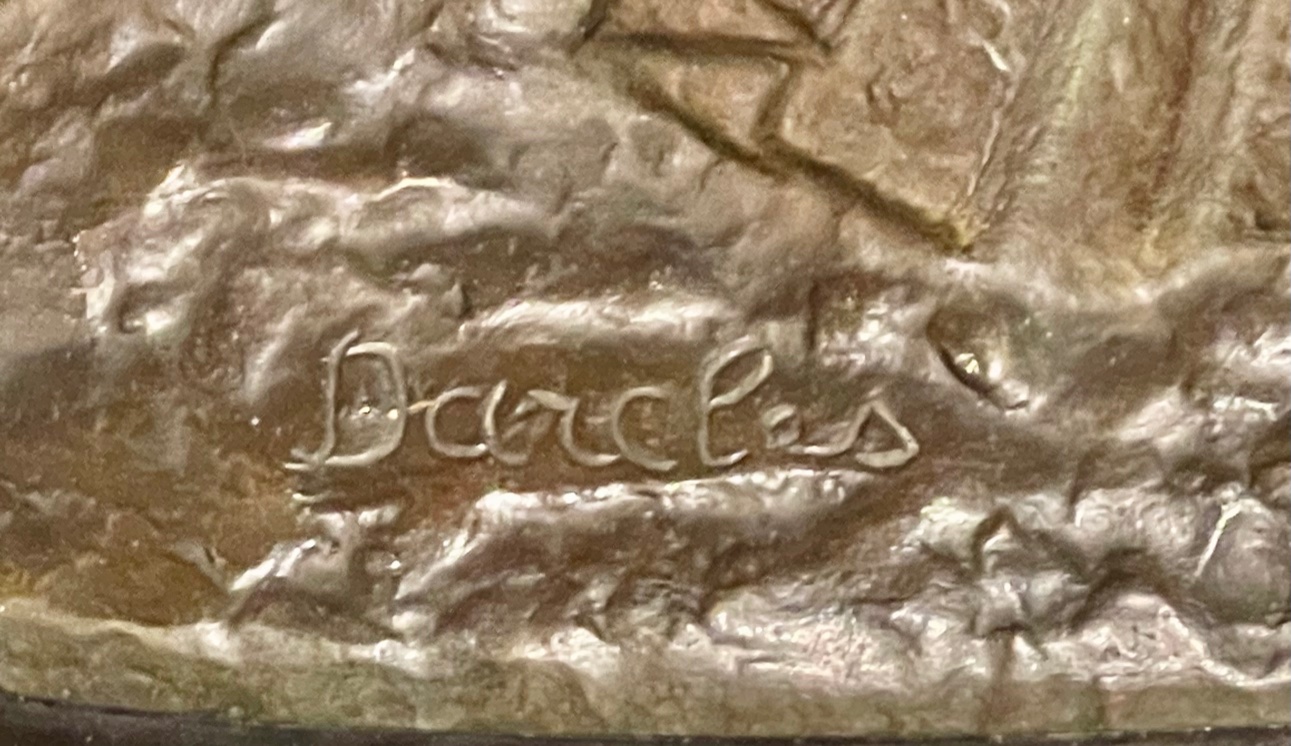
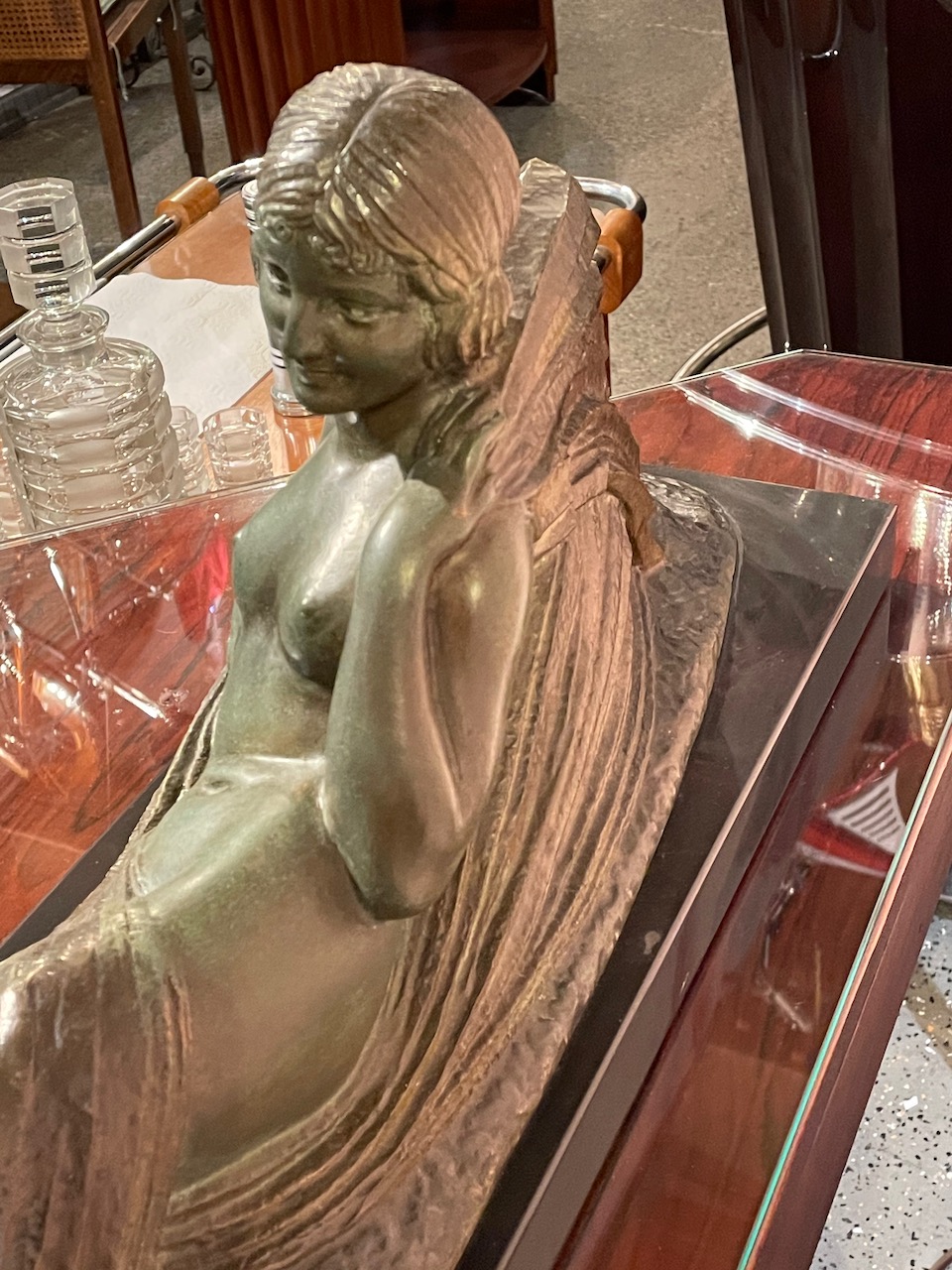
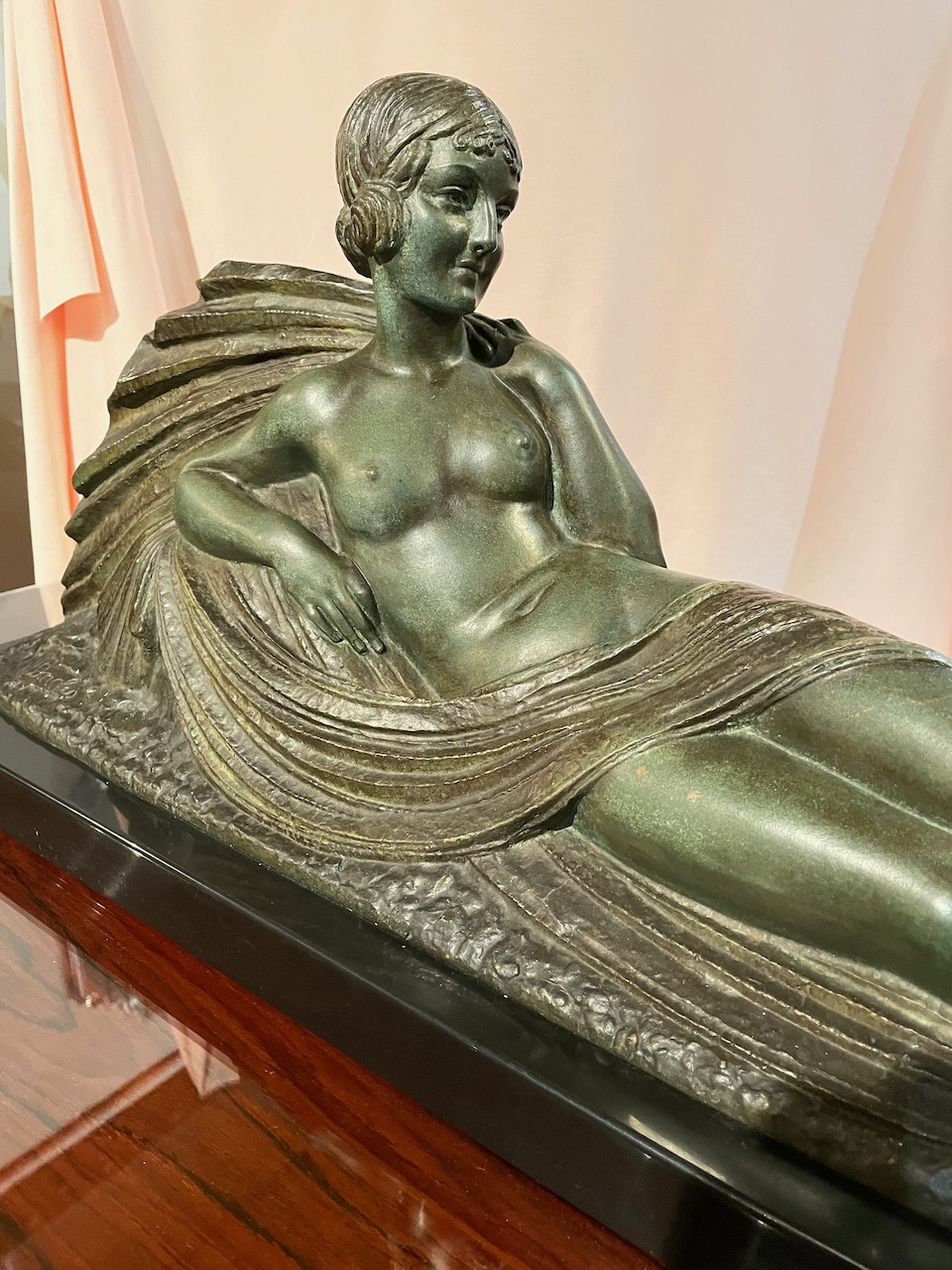
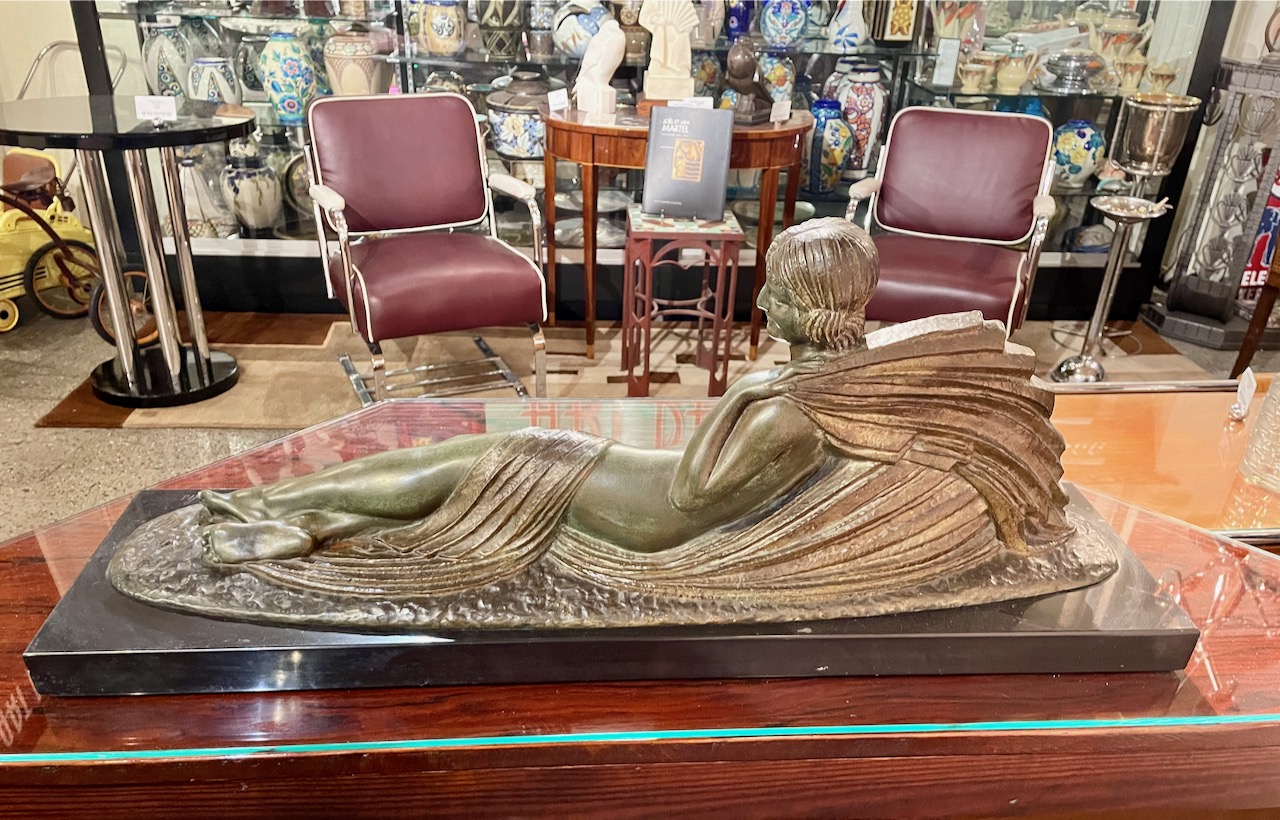

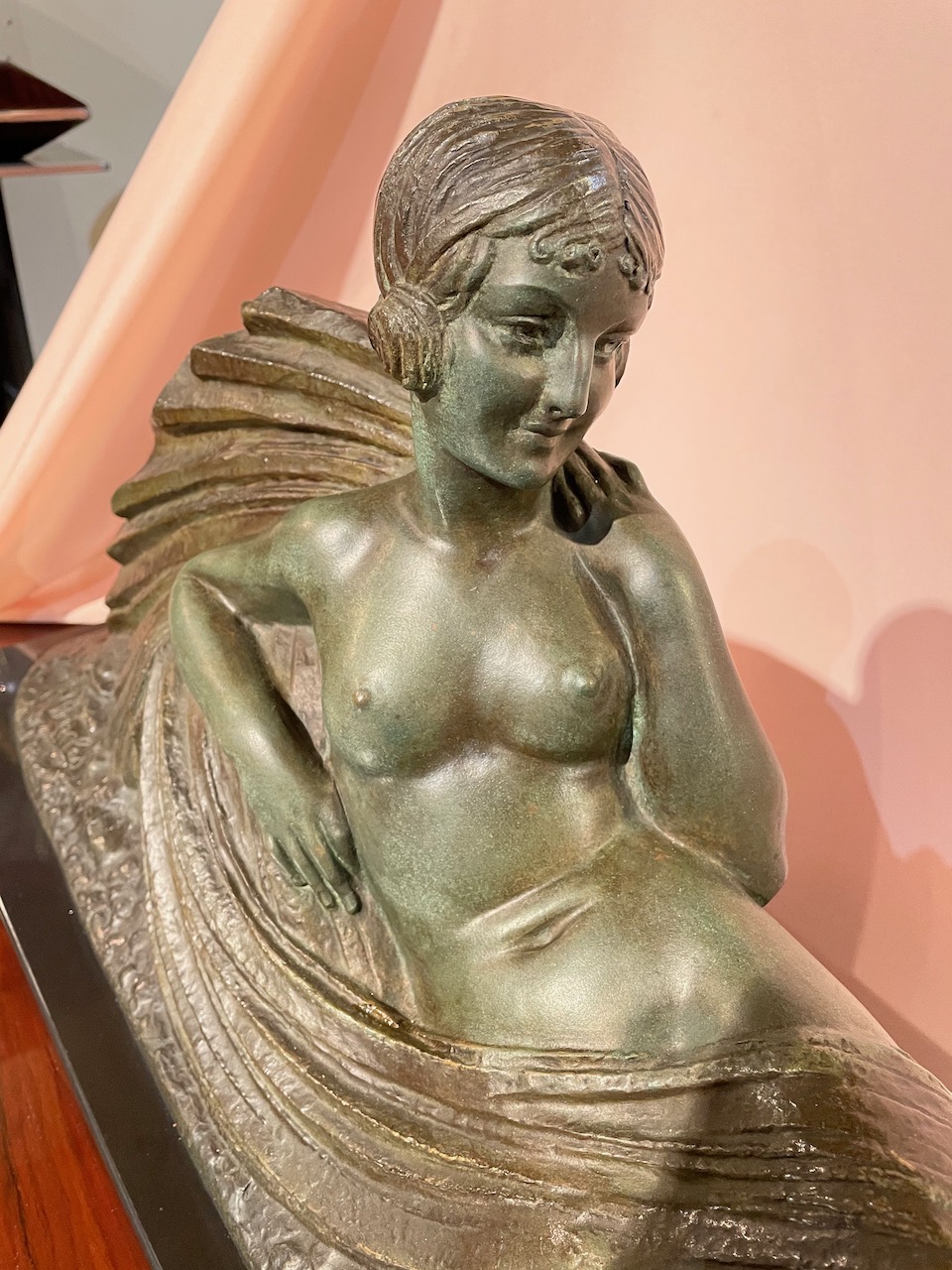


Demetre Chiparus “Nu Allongé” Art Deco Bronze Sculpture, Signed Darclès, 1925
Demetre Chiparus “Nu Allongé” Art Deco Bronze Sculpture, Signed Darclès, 1925
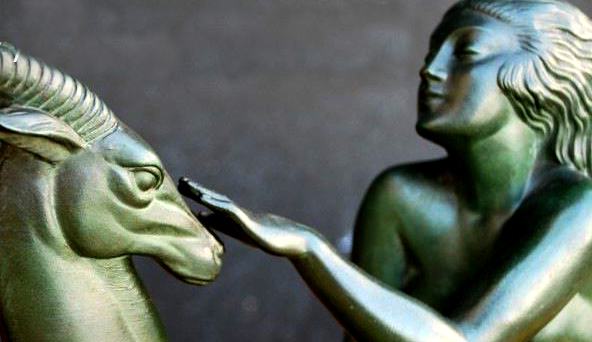
An important Art Deco bronze sculpture by Demetre Chiparus entitled Nu Allongé, or Reclining Nude, created in 1925 and presented on a polished black marble base. The sculpture is signed “Darclès,” one of the names associated with works by Chiparus.
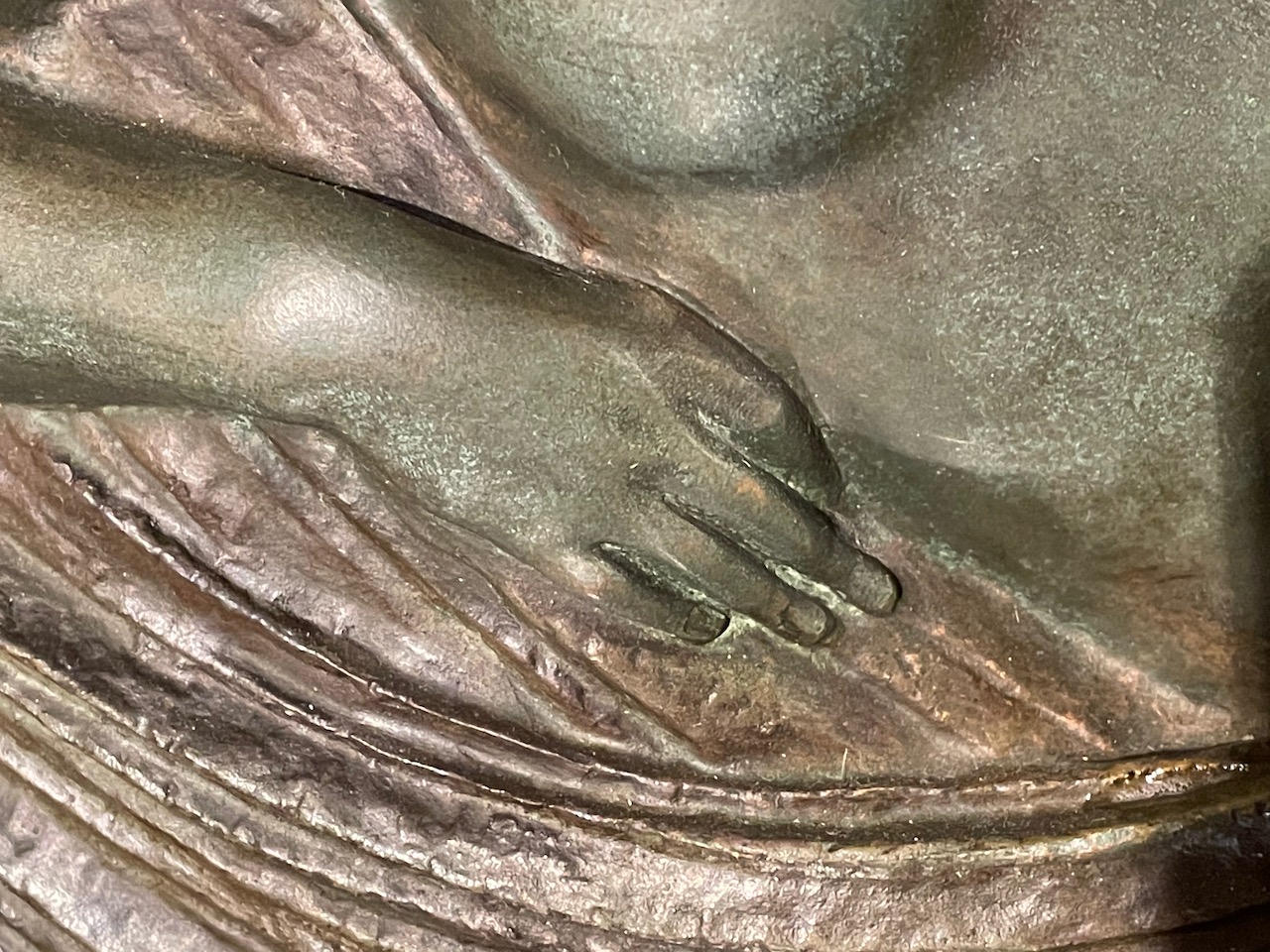
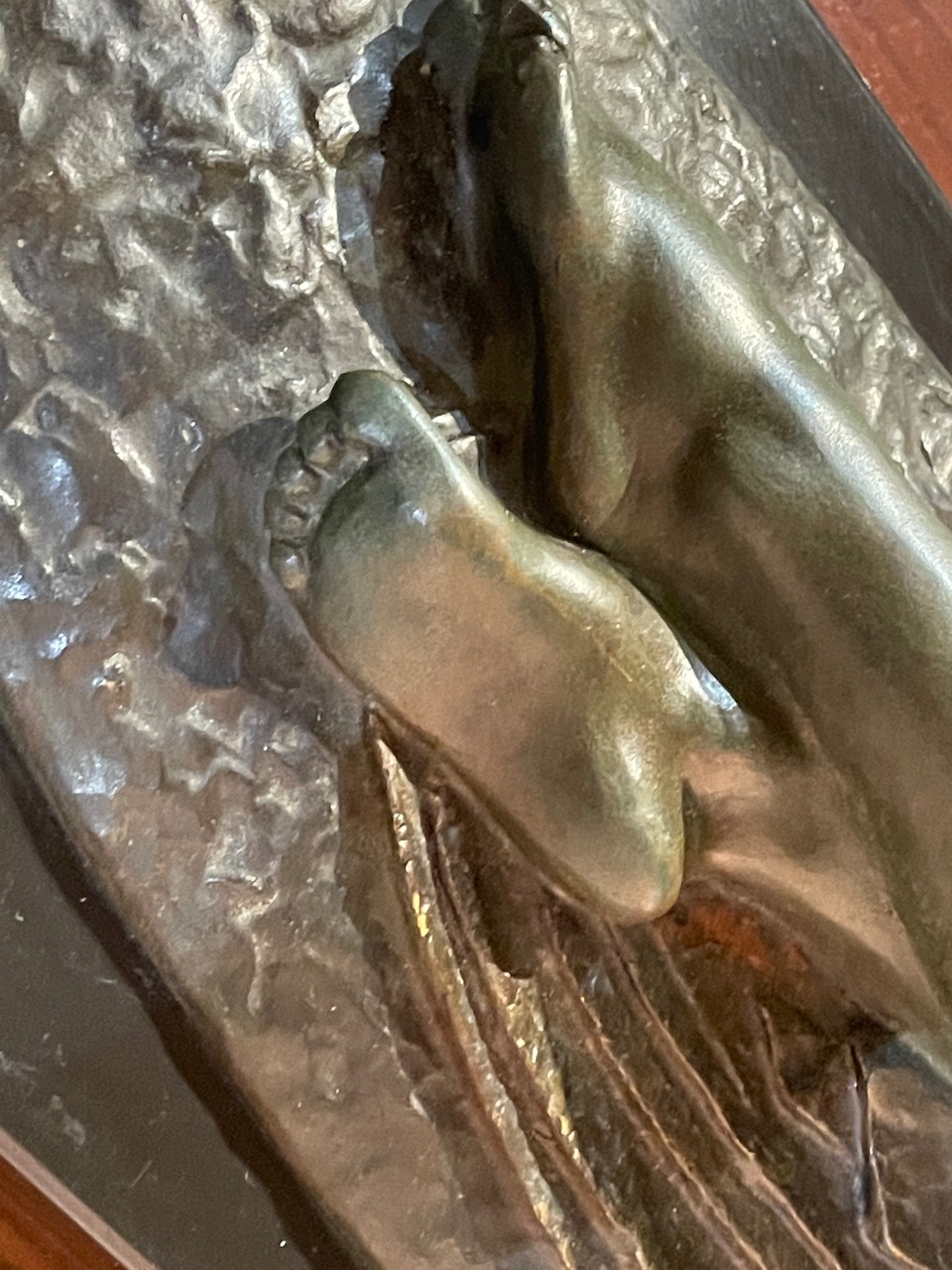
This elegant reclining figure embodies many of the defining elements of the Art Deco era. Her fashionable hairstyle is arranged in sculptural rolls and curls, while the elaborate drapery opens behind her like a fan. The beautifully modeled face, hands, and feet demonstrate the refined attention to detail for which Chiparus became internationally recognized.
The patina is exceptional, with delicate variations in color separating the figure’s skin from the deeply modeled folds of the fabric. The darker bronze platform and polished black marble base provide further contrast, giving the sculpture a strong and beautifully balanced presentation.
Demetre Chiparus was born in Romania in 1886. As a young man, he traveled to Italy to study with sculptor Raffaello Romanelli before moving to Paris and continuing his education at the École des Beaux Arts. He became best known for his sculptures of elegant women and dancers inspired by the French and Russian ballet, as well as the glamorous stars of theater and early cinema.
Although especially celebrated for his chryselephantine sculptures combining bronze and ivory, Chiparus worked in a variety of materials. Nu Allongé demonstrates his ability to achieve the same refinement, sensuality, and theatrical presence entirely in bronze.
Demetre Chiparus was born in Romania in 1886 and in his early 20s traveled to Italy to study with Rafaello Romanelli and later moved to Paris to study at the Ecole des Beaux-Arts. He is best known for his sculptures of beautiful women often posed as dancers and he took inspiration from French and Russian Ballet. He also captured the look of film and theatre stars of the era. He developed a special technique of mixing ivory elements with bronze called chryselephantine but he worked in many materials in creating his sculptures.
As was prevalent in the 1920s and 30s, Sculptors often used a variety of names (pseudonyms) for their work as this enabled them to work for many different foundries and produce editions in a range of prices -sometimes producing the same design in different materials (plaster, shelter, art metal or bronze) . Chiparus was extremely prolific, working with Etling et cie, Lehman Foundry and others.
Using pseudonyms gave the artist more control over their commissions and profits, expanding their ability to sell and show their work. Pieces marked with the name " Darcles "are quite rare and this is an especially spectacular example.
info@artdecocollection.com