✕


ART & STATUES
CERAMICS & GLASS

Art Deco Around The World
The Guardian Building: Detroit's Cathedral of Art Deco
An Architectural Masterpiece of Color, Design, and American Ingenuity
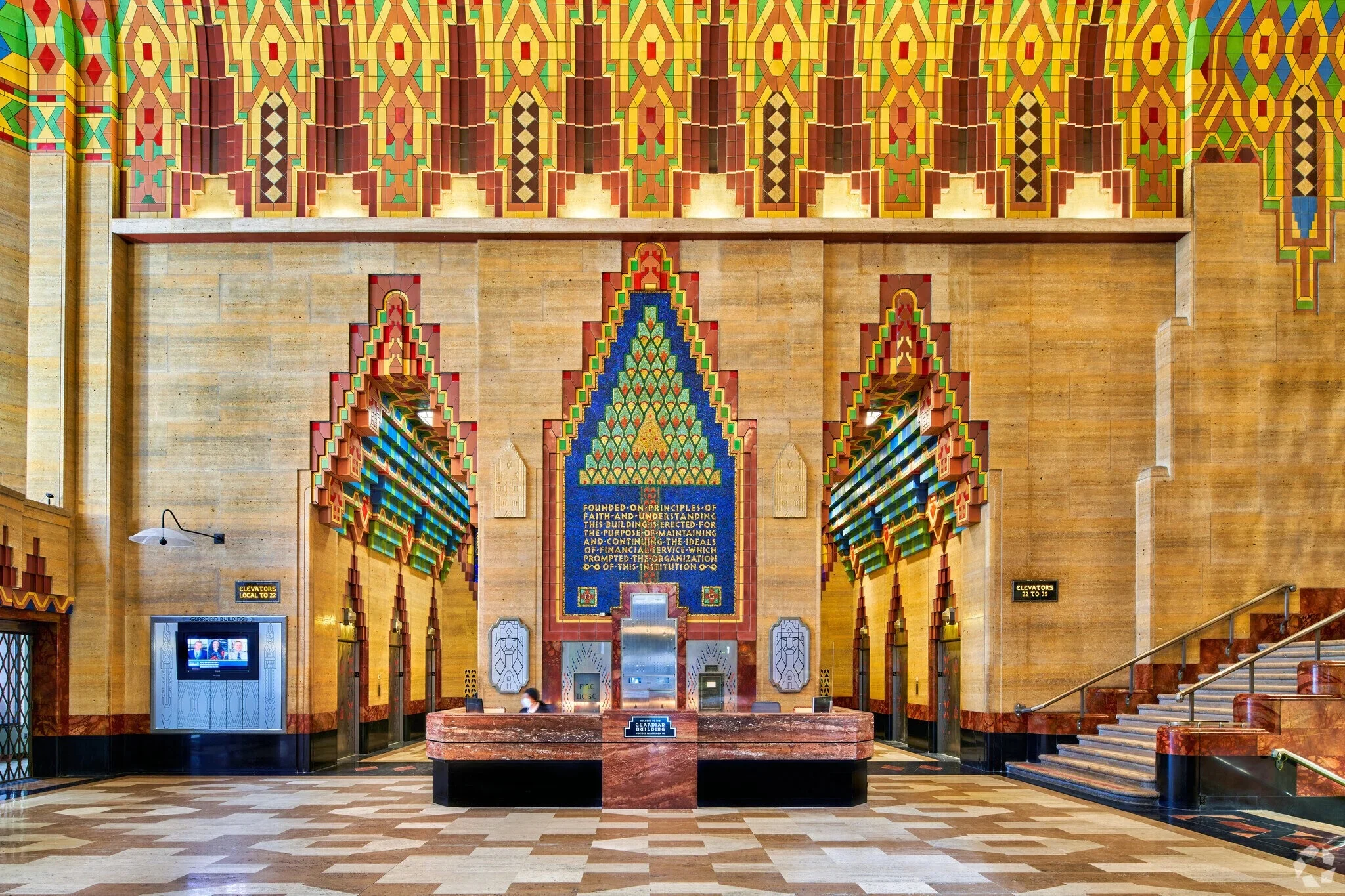

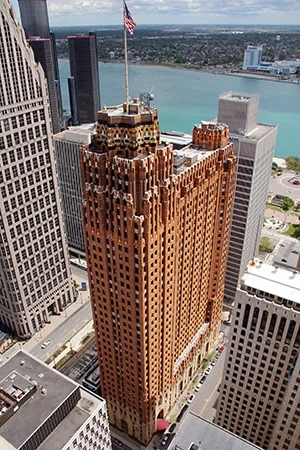
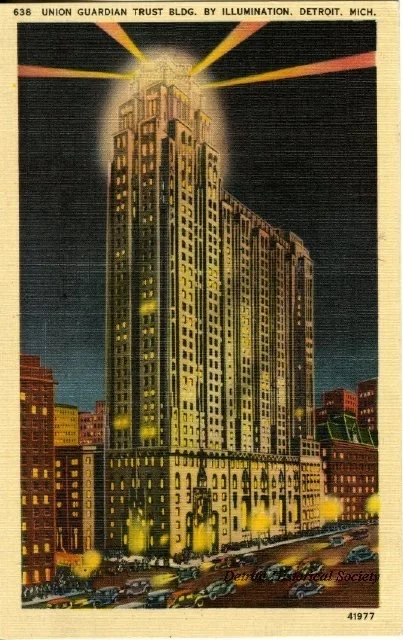
In the heart of downtown Detroit’s historic Financial District stands one of America’s most extraordinary Art Deco skyscrapers, the Guardian Building. Completed in 1929, this remarkable architectural landmark represents the artistic ambition, industrial wealth, and boundless optimism that characterized Detroit during the Roaring Twenties. Originally constructed as the Union Trust Building, it was designed by architect Wirt C. Rowland of the prestigious Detroit firm Smith, Hinchman & Grylls. Rising approximately 500 feet above Griswold Street, the building became an immediate symbol of the city’s economic power and architectural creativity. Often called the “Cathedral of Finance,” the Guardian Building is distinguished not simply by its impressive height, but by its extraordinary integration of architecture, decorative arts, and craftsmanship. Unlike the more restrained commercial skyscrapers of its era, the Guardian was conceived as an architectural work of art, expressing the full possibilities of the emerging Art Deco movement. Its bold geometry, brilliant colors, and lavish ornamental details made it one of the most distinctive additions to the American skyline.
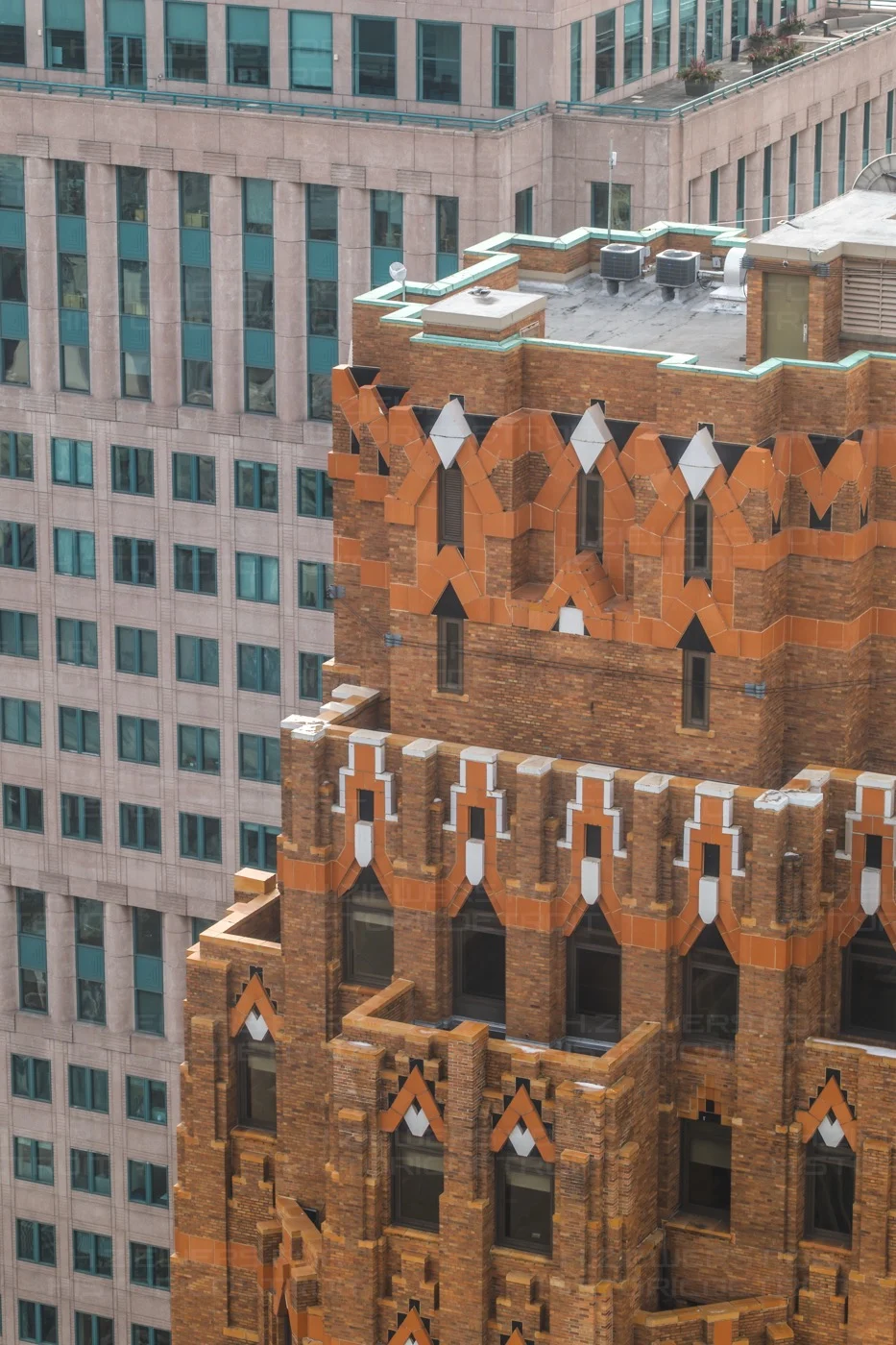
The exterior is an expression of Art Deco architecture, combining modern skyscraper engineering with an imaginative use of color and pattern. Rowland rejected the conventional gray stone facades associated with earlier office buildings, selecting instead a distinctive warm orange brick specially developed for the project and later marketed as “Guardian Brick.” Rising from a substantial granite and stone base, the building’s dramatic vertical composition incorporates setbacks, geometric terra cotta decoration, and two asymmetrical towers that create a striking silhouette against the Detroit skyline. Brilliantly colored ceramic ornament emphasizes the upper stories, while intricate patterns introduce influences from Native American and Mesoamerican art. At the Griswold Street entrance, sculptural reliefs representing Safety and Security by the celebrated Detroit artist Corrado Parducci flank the doorway. Above the entrance, a magnificent semicircular arch is decorated with colorful tiles produced by Detroit’s Pewabic Pottery. Every architectural element was carefully considered, creating a unified design in which structural mass, decorative detail, and vibrant color work together to produce an unmistakable Art Deco identity.

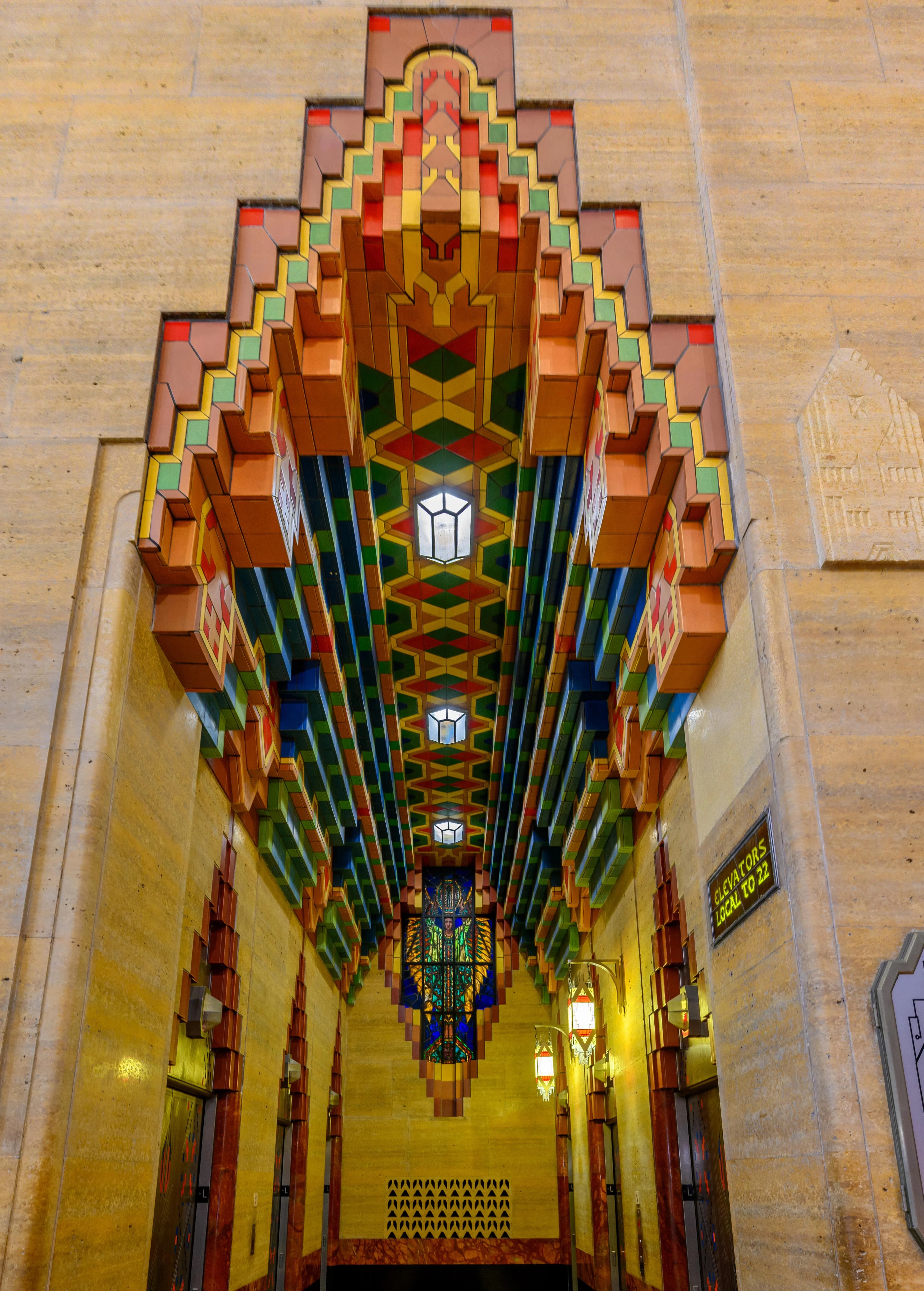

If the exterior is impressive, the interior is nothing short of spectacular. Entering the Guardian Building reveals a soaring three-story lobby that remains among the finest Art Deco interiors in the United States. Its vaulted ceiling is covered with an extraordinary arrangement of multicolored geometric tiles, predominantly in shades of orange, red, turquoise, blue, green, and gold. The patterns are inspired by Native American and Mesoamerican decorative traditions, transformed into the bold, angular vocabulary of the Art Deco period. Detroit’s Pewabic Pottery, founded by Mary Chase Perry Stratton, contributed important ceramic elements, while the renowned Rookwood Pottery of Cincinnati supplied much of the colorful tilework. Richly veined marble, polished stone, ornamental metalwork, and dramatic architectural lighting complete the interior. The effect is both monumental and remarkably intimate, with every surface offering another example of exceptional craftsmanship. The Guardian demonstrates how Art Deco architects could transform a commercial building into an environment of artistic expression, creating a memorable public space where architecture and decorative arts become inseparable.

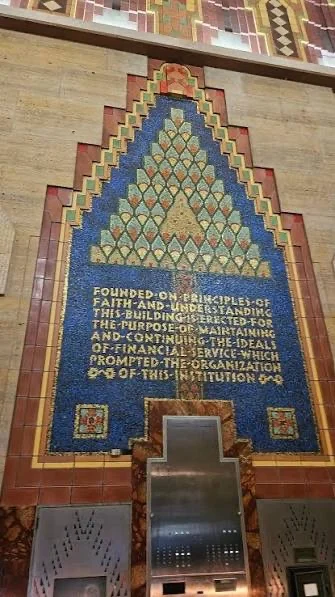
Beyond the main lobby, the original banking hall continues this remarkable visual experience. A magnificent ornamental screen of Monel metal, a durable nickel alloy, separates the spaces and incorporates a decorative clock associated with Tiffany. The banking hall features an extraordinary mural by artist Ezra Winter, depicting Michigan’s geography and principal industries, including automobile manufacturing, agriculture, and mining. Winter also designed the monumental glass mosaic in the main lobby, reinforcing the building’s connection to Michigan’s commercial achievements. Rowland’s attention extended far beyond the architecture itself. Specially designed furnishings, metal fixtures, ceramic ornament, and decorative treatments were coordinated to achieve a complete artistic environment. The building also introduced innovative elevator technology and made extensive use of modern materials, reflecting the close relationship between industrial progress and Art Deco design. In many respects, the Guardian embodies the idea of the Gesamtkunstwerk, a total work of art in which architecture, furnishings, sculpture, and decoration are conceived as parts of a single unified composition. It remains an outstanding example of how American Modernism could embrace elaborate ornament while celebrating the technology and optimism of a new industrial age.





Laurie Gordon enjoying a coffee during our visit at the Guardian Building

The Guardian Building’s history is inseparable from the dramatic fortunes of Detroit itself. Opening in April 1929, only months before the stock market crash that marked the beginning of the Great Depression, it represented the peak of the city’s pre-Depression prosperity. The financial crisis brought difficulties to the original banking institution, and the building subsequently became known as the Union Guardian Building before receiving its present name. During World War II, it served as an important administrative center for American wartime production, reflecting Detroit’s transformation into the Arsenal of Democracy. In the decades that followed, changes in ownership and occupancy accompanied the city’s evolving economic landscape. Major restoration efforts helped preserve its extraordinary decorative interiors, and in 1989 the building was designated a National Historic Landmark in recognition of its architectural significance. Today, the Guardian Building remains an important part of Detroit’s civic and architectural identity. More than a remarkable surviving skyscraper, it stands as a lasting expression of the period when Detroit was among the world’s most innovative cities. For students, collectors, and admirers of Art Deco, the Guardian Building is an essential American landmark, a place where the architecture, color, craftsmanship, and creative spirit of the 1920s remain magnificently alive.

Related Products from ArtDecoCollection.com
Custom Art Deco Iron and Tile End Table

Pair of Custom Art Deco Style Tile and Fer Forge Side Tables

Custom Art Deco Iron and Tile End Tables

Custom Cubist Modernist French style Table with parchment top.
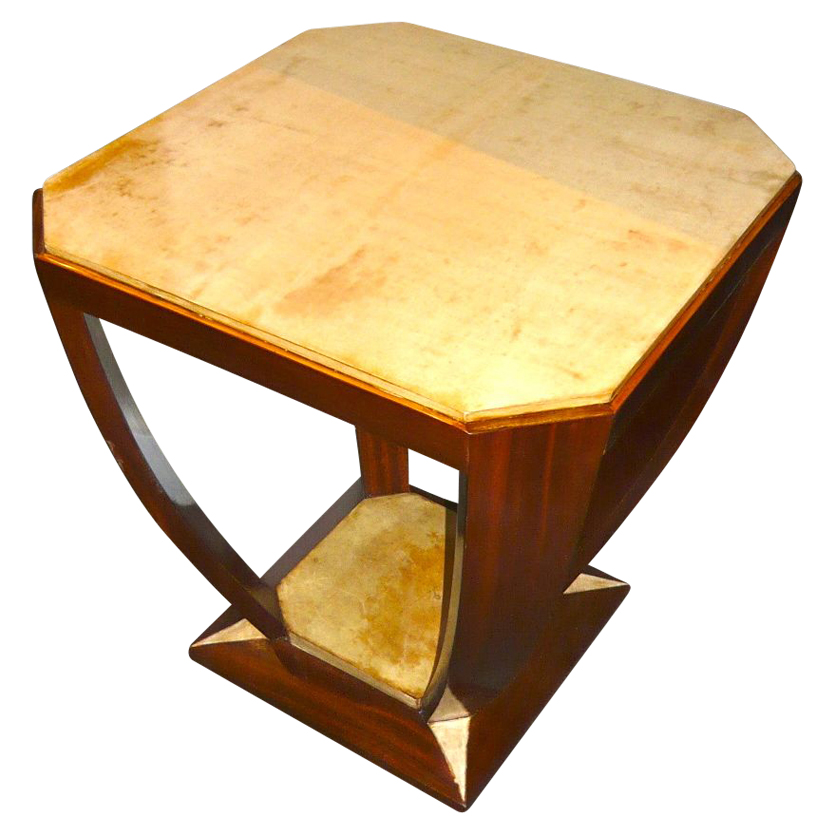
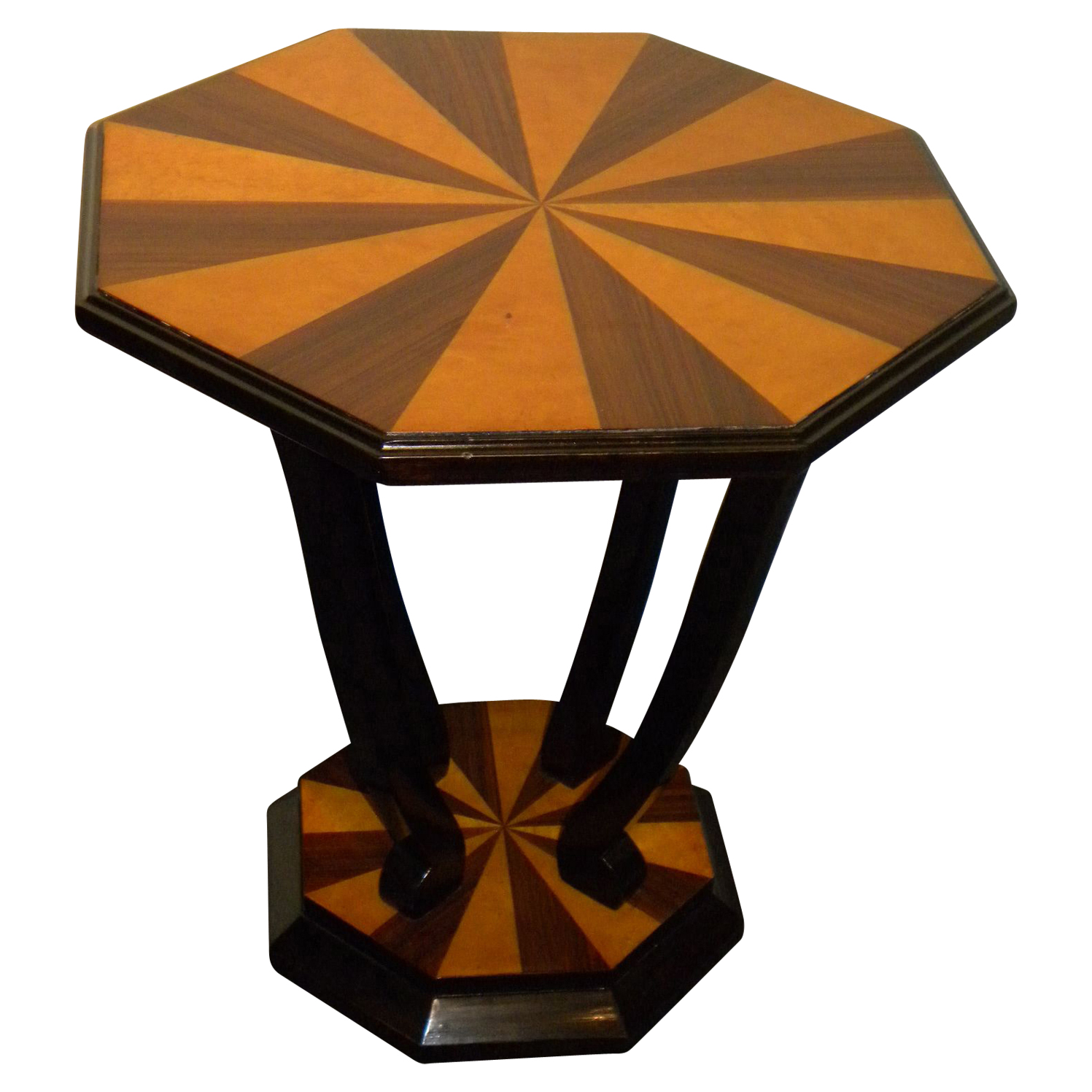
Vintage Art Deco Tile and Iron Occasional Tables

ART & STATUES
CERAMICS & GLASS
© Copyright Art Deco Collection. 2026 All rights reserved. Site Map