✕


ART & STATUES


CERAMICS & GLASS



Art Deco Around The World
Biedermeier Furniture, the Middle Class's Answer to Imperial Excess
How a modest, middle-class furniture movement in early-19th-century Vienna and Berlin laid groundwork the Art Deco era would later build on.
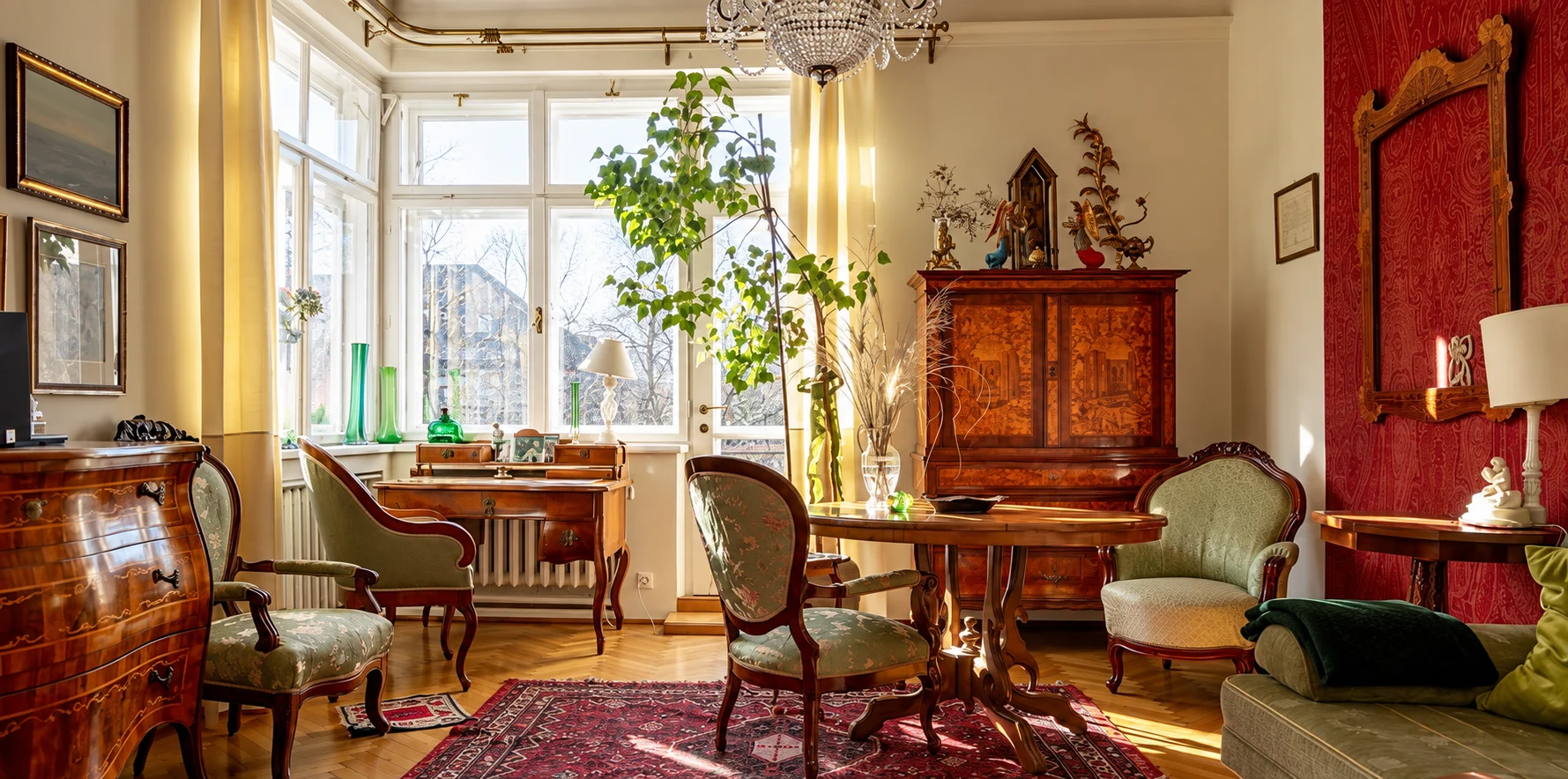
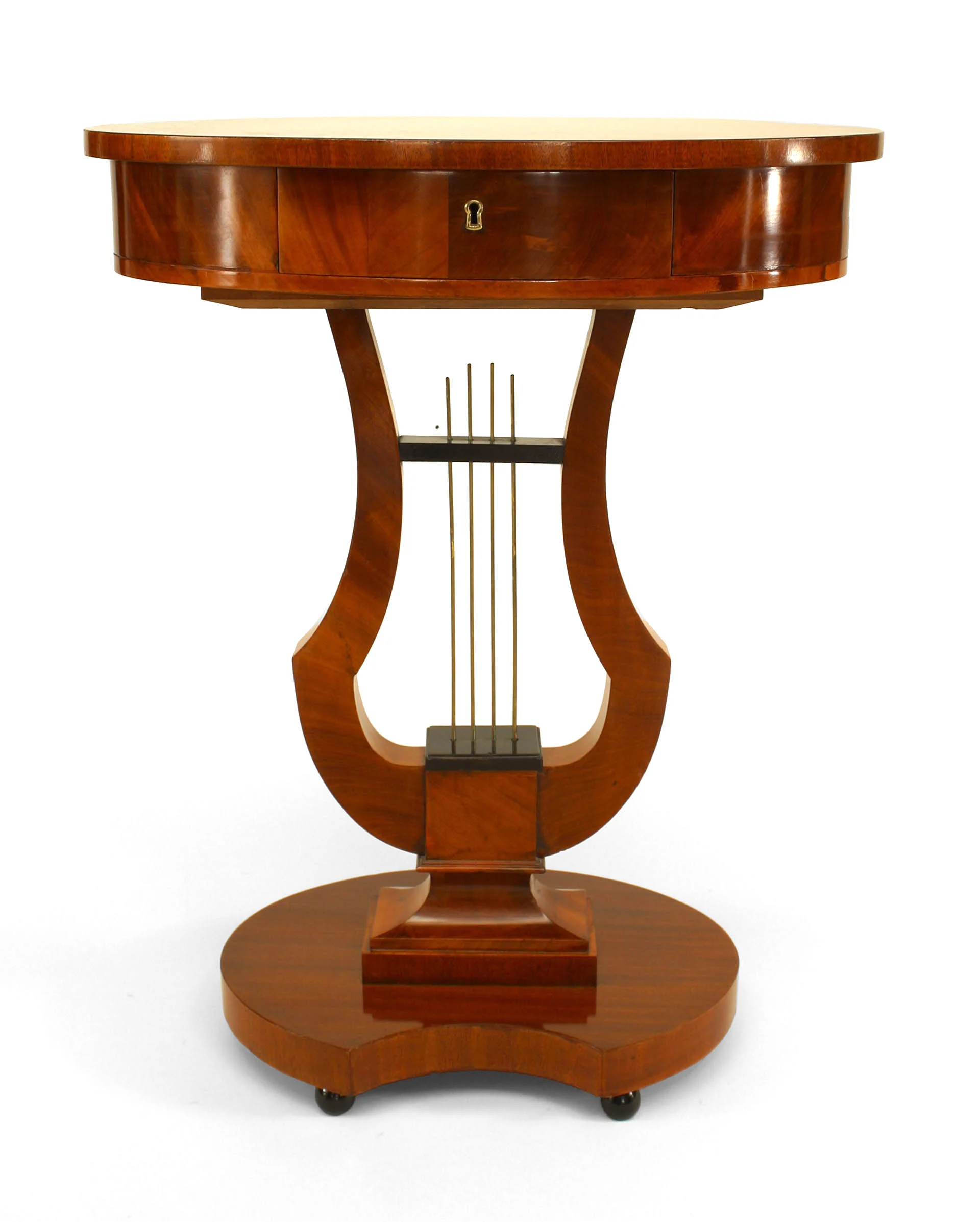 Biedermeier furniture emerged in the German-speaking world between 1815 and 1848, in the calm that followed the Napoleonic Wars. As Europe’s newly prosperous middle class (merchants, doctors, lawyers, civil servants) began furnishing homes of their own, they wanted none of the gilded grandeur that had defined furniture for the aristocracy. What they wanted instead was comfort, warmth, and a sense that a room belonged to the people who lived in it. Furniture makers in Vienna and Berlin answered with pieces that were clean-lined, well-proportioned, and unmistakably domestic: sofas built for actual sitting, writing desks sized for a real correspondence, and chairs shaped to the body rather than to ceremony. The name itself came later and was not a compliment: critics coined “Biedermeier” around 1850 as a gentle jab at bourgeois plainness, combining “bieder” (plain, unpretentious) with “Maier,” a stand-in for an ordinary surname. The label stuck, but time has been kinder to the furniture than the joke ever was to its owners.
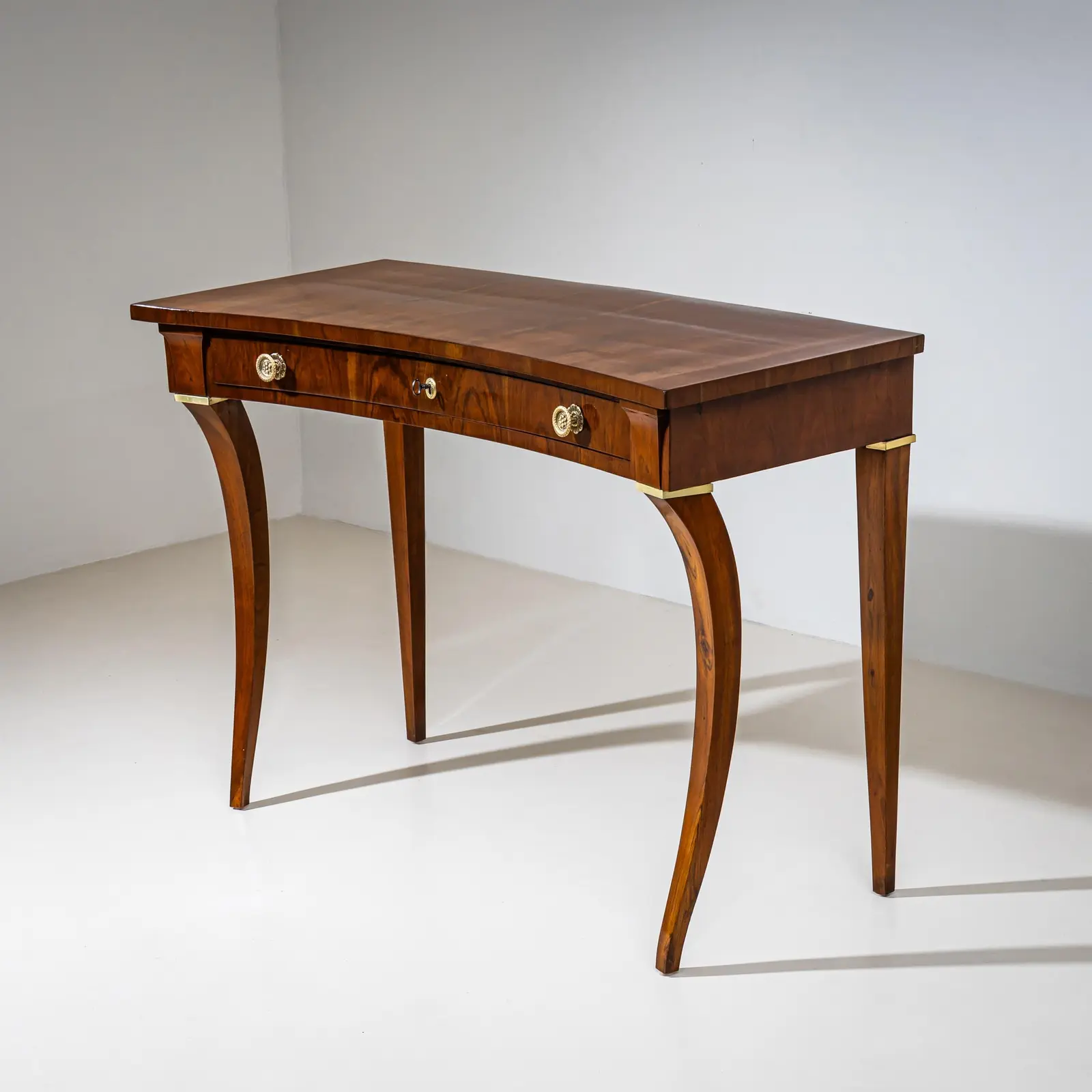
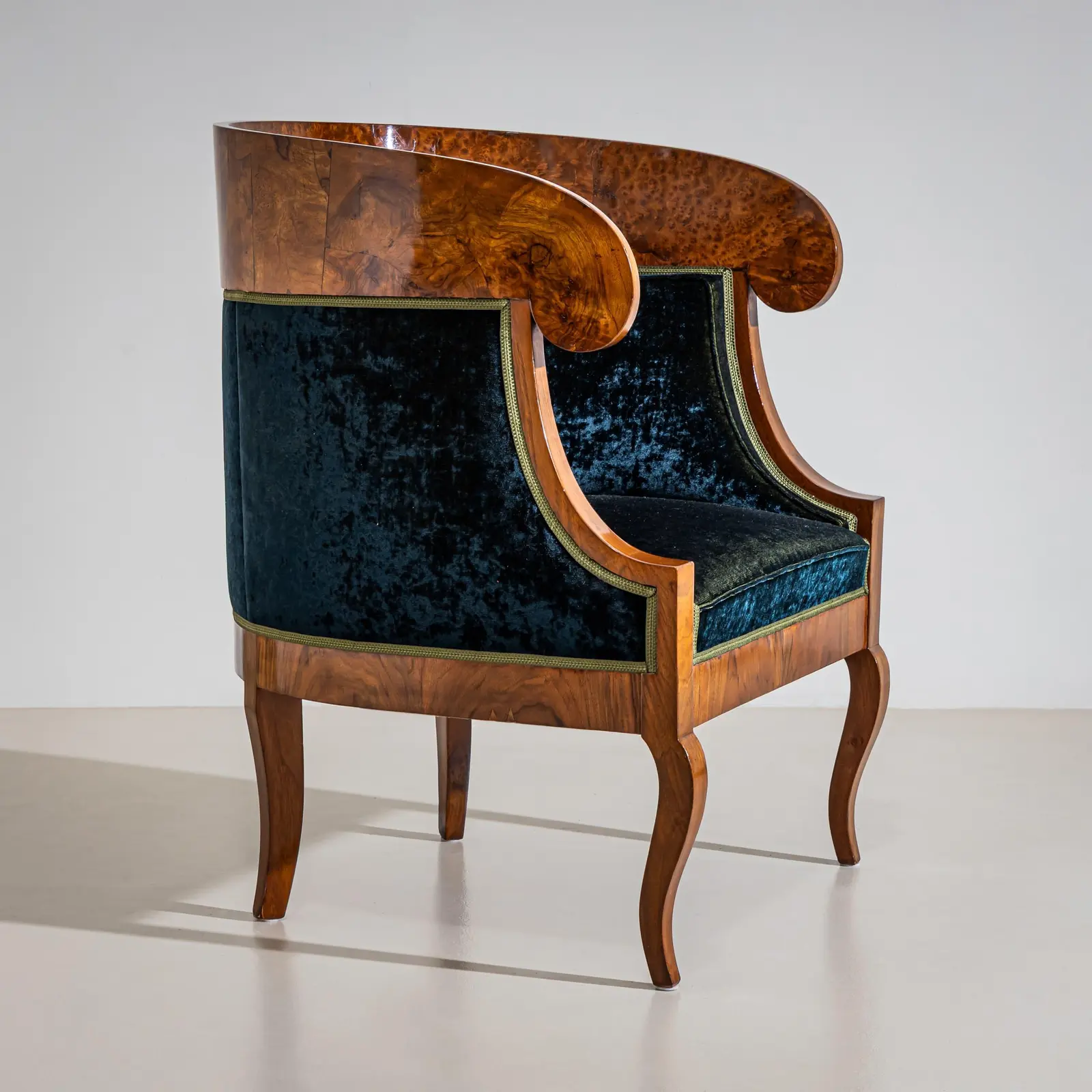
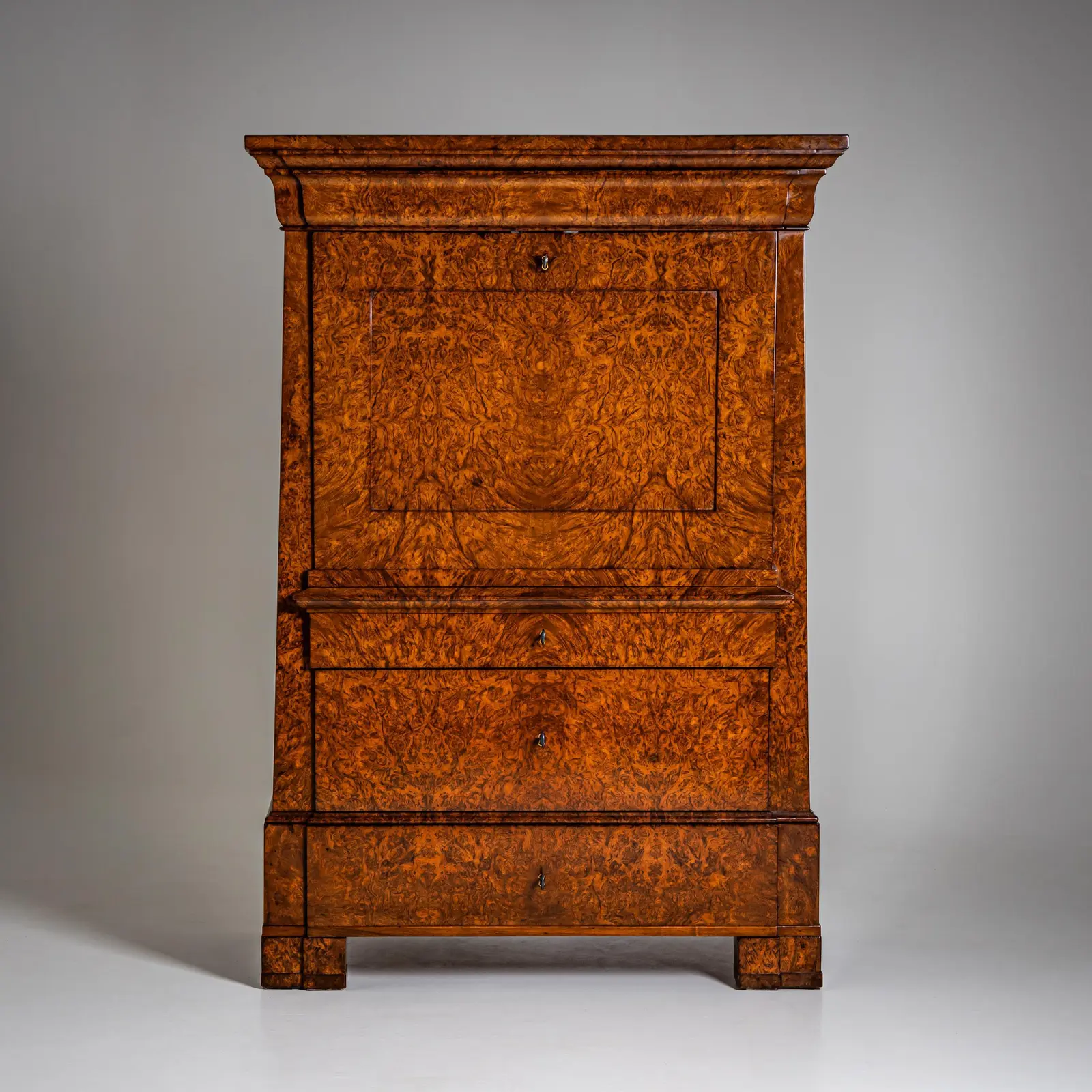
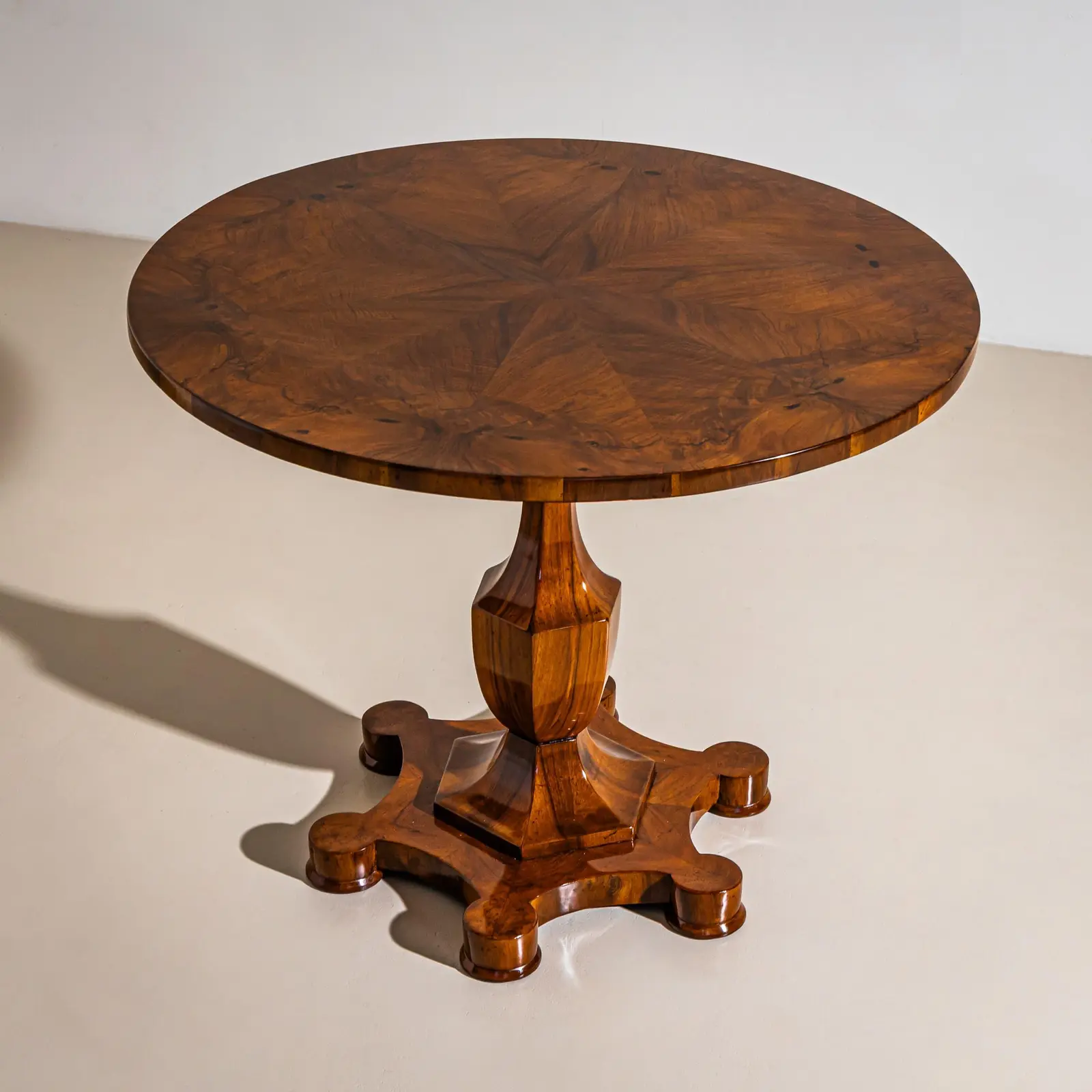
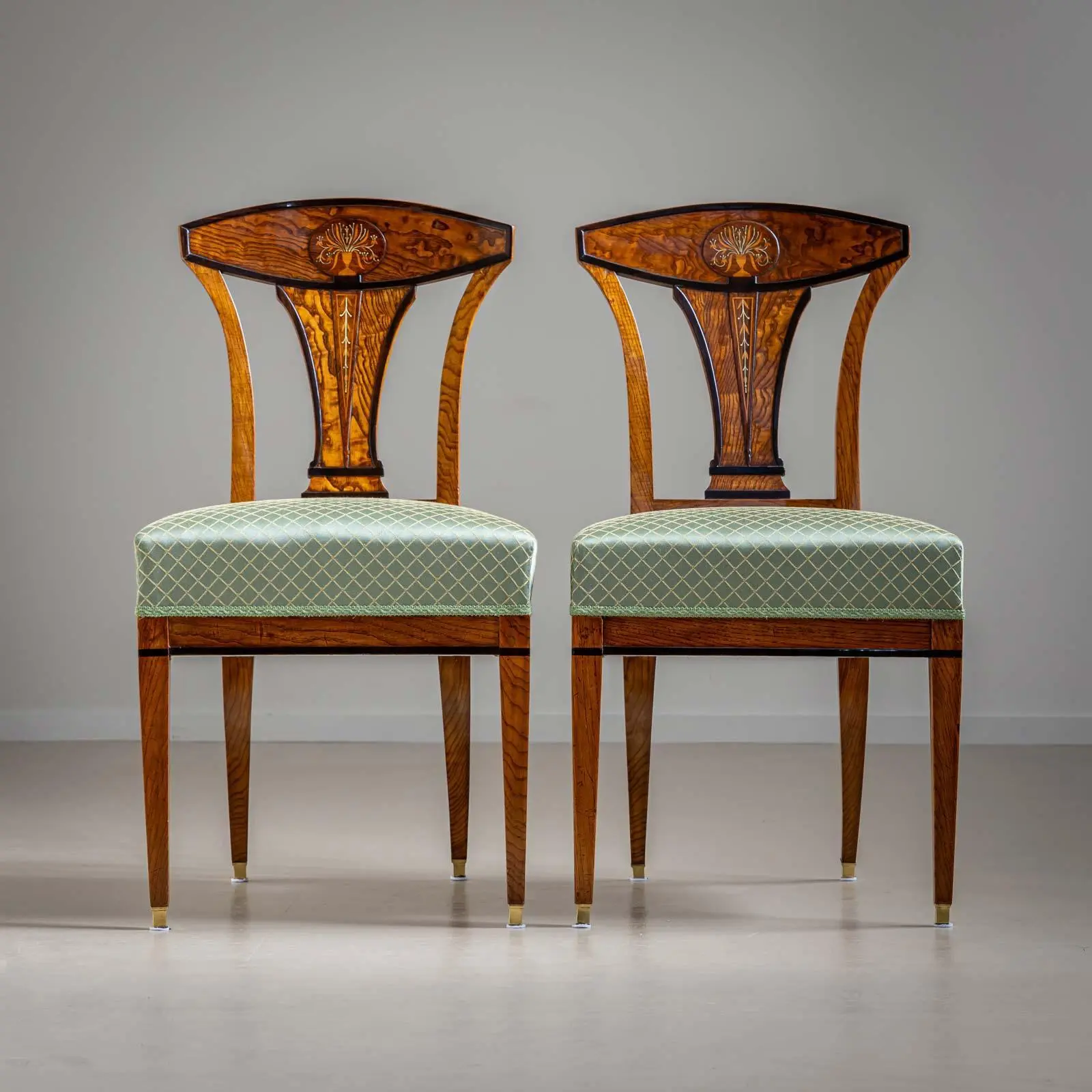
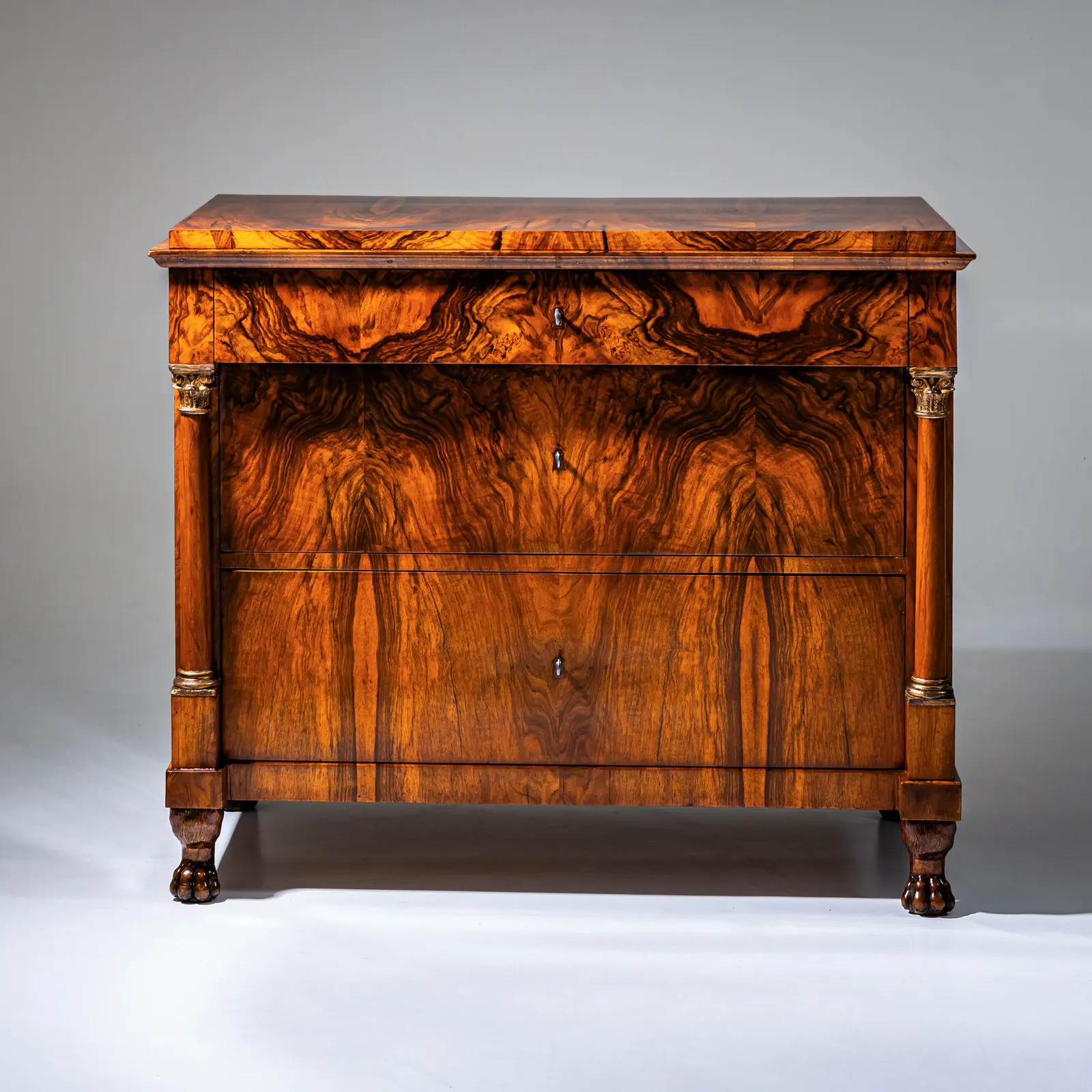
 What made Biedermeier furniture distinctive was less its shape than its honesty about materials. Rather than importing costly mahogany, cabinetmakers turned to local woods (cherry, birch, ash, pear, and elm) and let their natural grain do the decorating. A well-chosen sheet of flame walnut or figured birch veneer, laid over a solid fruitwood carcass, did more visual work than a carved cornice ever could. Ornament, when it appeared, was disciplined: a thin line of ebony stringing, a brass pull, a gently scrolled armrest. The best workshops treated restraint as a discipline in itself. In Vienna, Josef Danhauser ran the era’s most influential furniture workshop, producing pieces admired for their proportion and finish; in Berlin, the architect Karl Friedrich Schinkel brought an architect’s sense of structure to furniture design, while designers like Carl Leistler pushed Biedermeier’s decorative range further with richly veneered tables set on lyre- and melon-shaped pedestals, occasionally borrowing Egyptian motifs and lion’s-paw feet from the Empire style it was quietly replacing.
Biedermeier was never a single, uniform look; it shifted by region and by household budget. Viennese pieces tended toward lightness: pale cherry and maple, gentle curves, and a refinement that made them the style’s most sought-after expression, the kind of furniture that furnished the drawing rooms of Vienna’s rising professional class, where a lawyer or a physician wanted his parlor to look prosperous without looking like a palace. German workshops in Berlin and Hamburg took a different approach, building heavier, more architectural furniture, with darker veneers, stronger proportions, and a more solid, four-square presence suited to a more formal household and a colder northern climate. Even within a single city, a family’s means shaped what its cabinetmaker could offer: a modest household might settle for simple cherry and honest joinery, while a wealthier one commissioned mahogany or rosewood veneers with inlaid ebony detailing and pressed brass hardware.
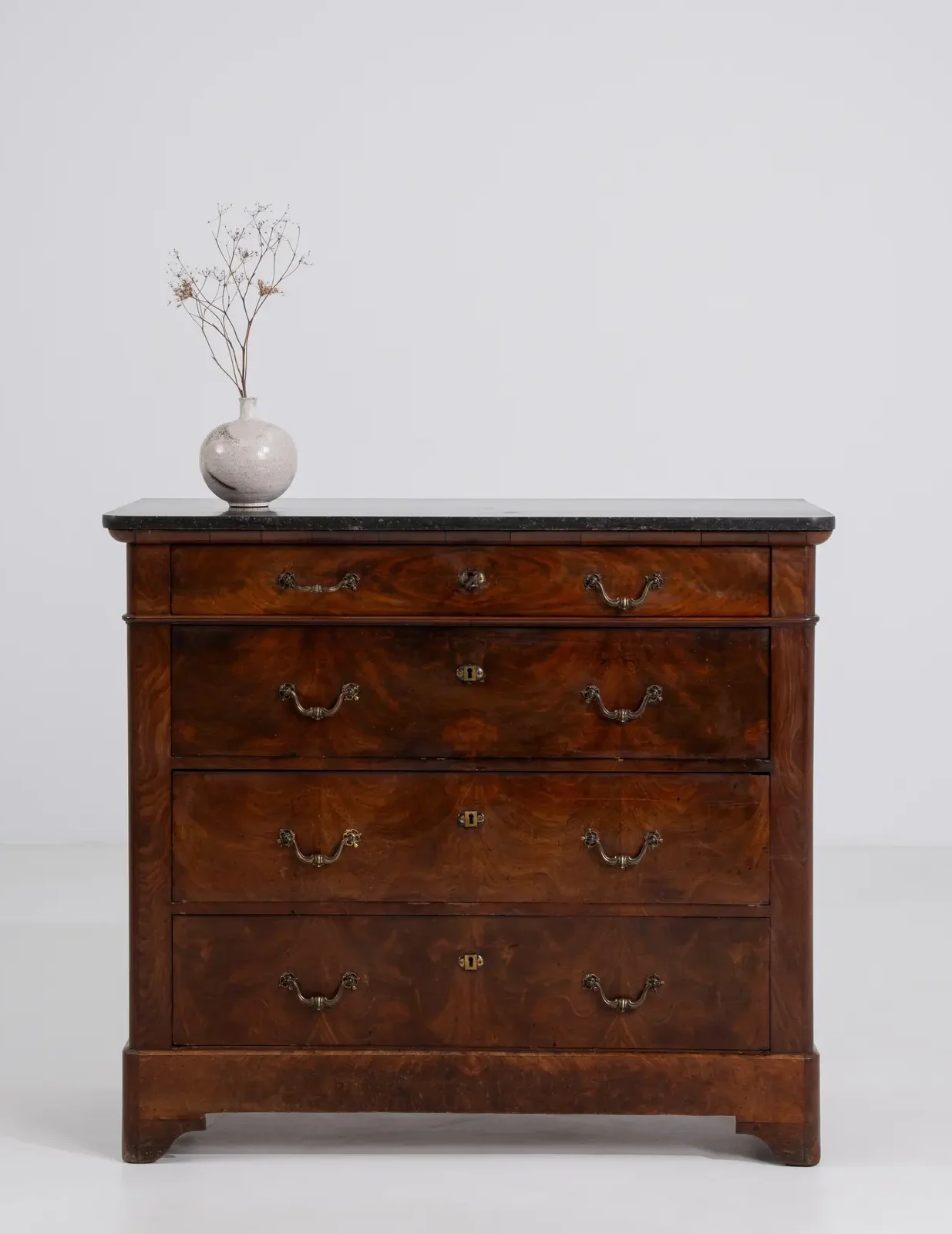
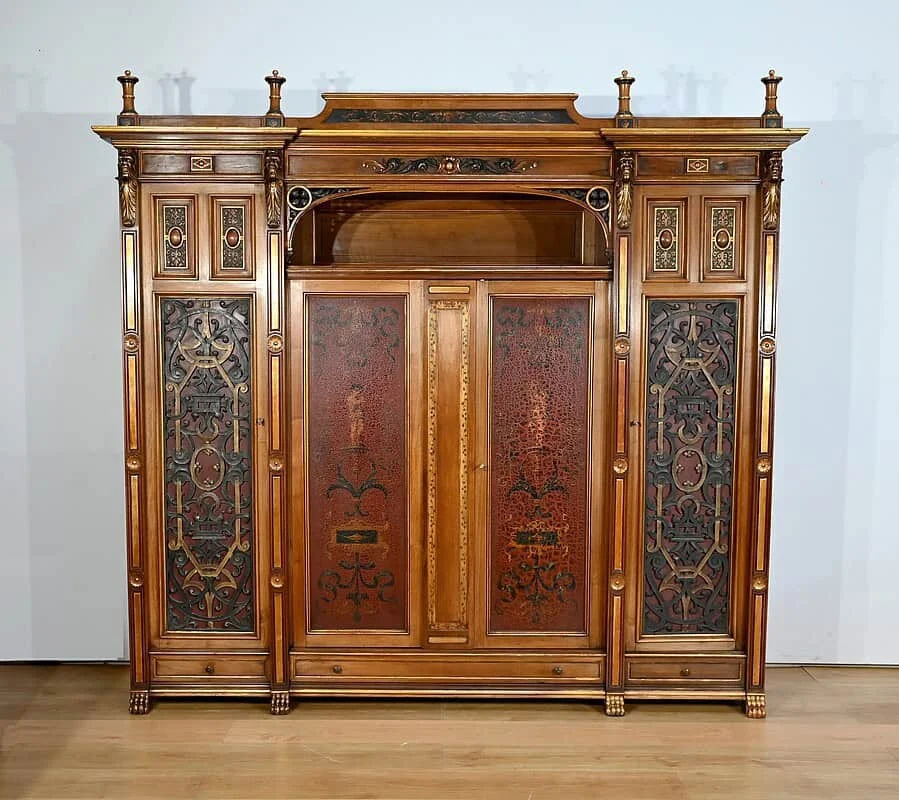
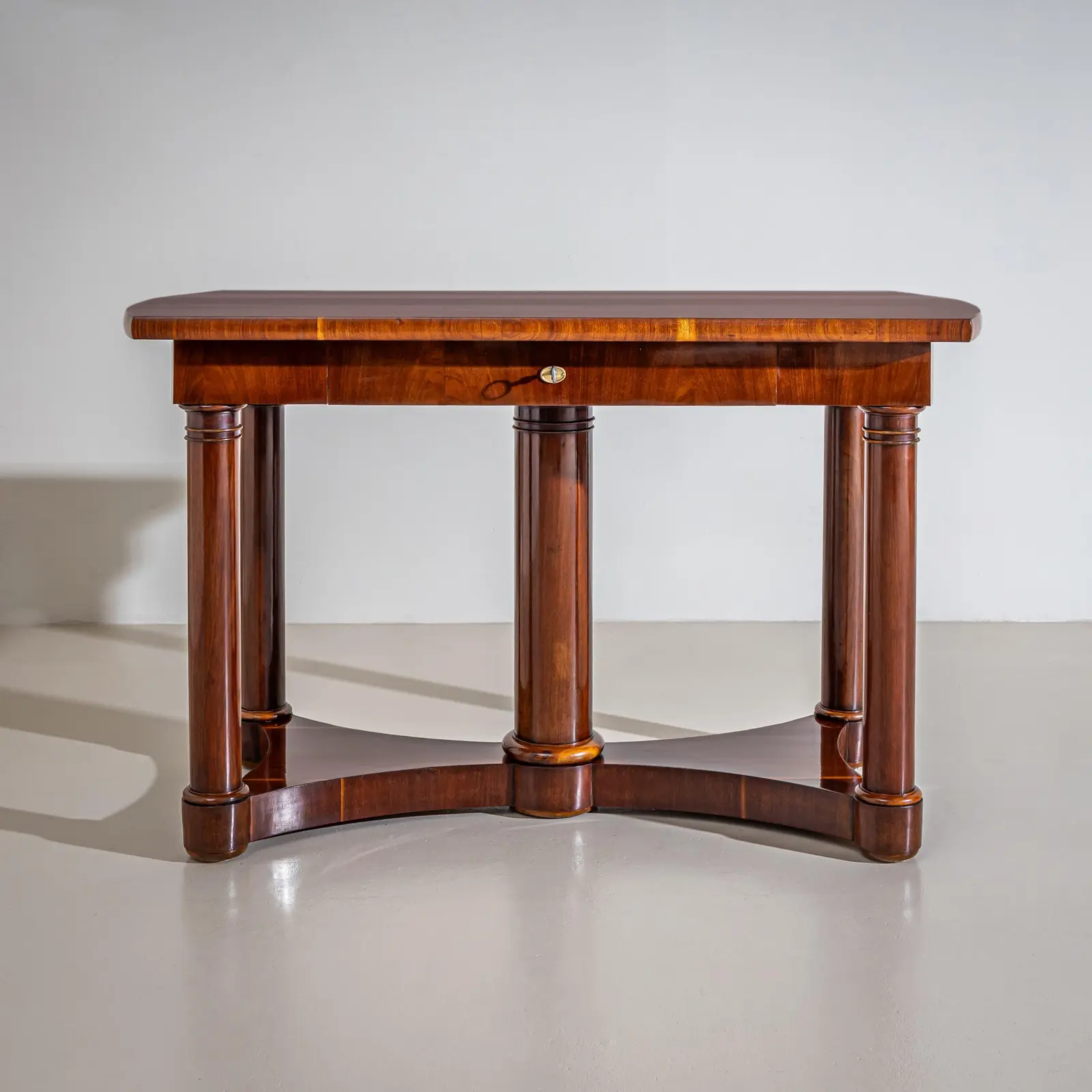
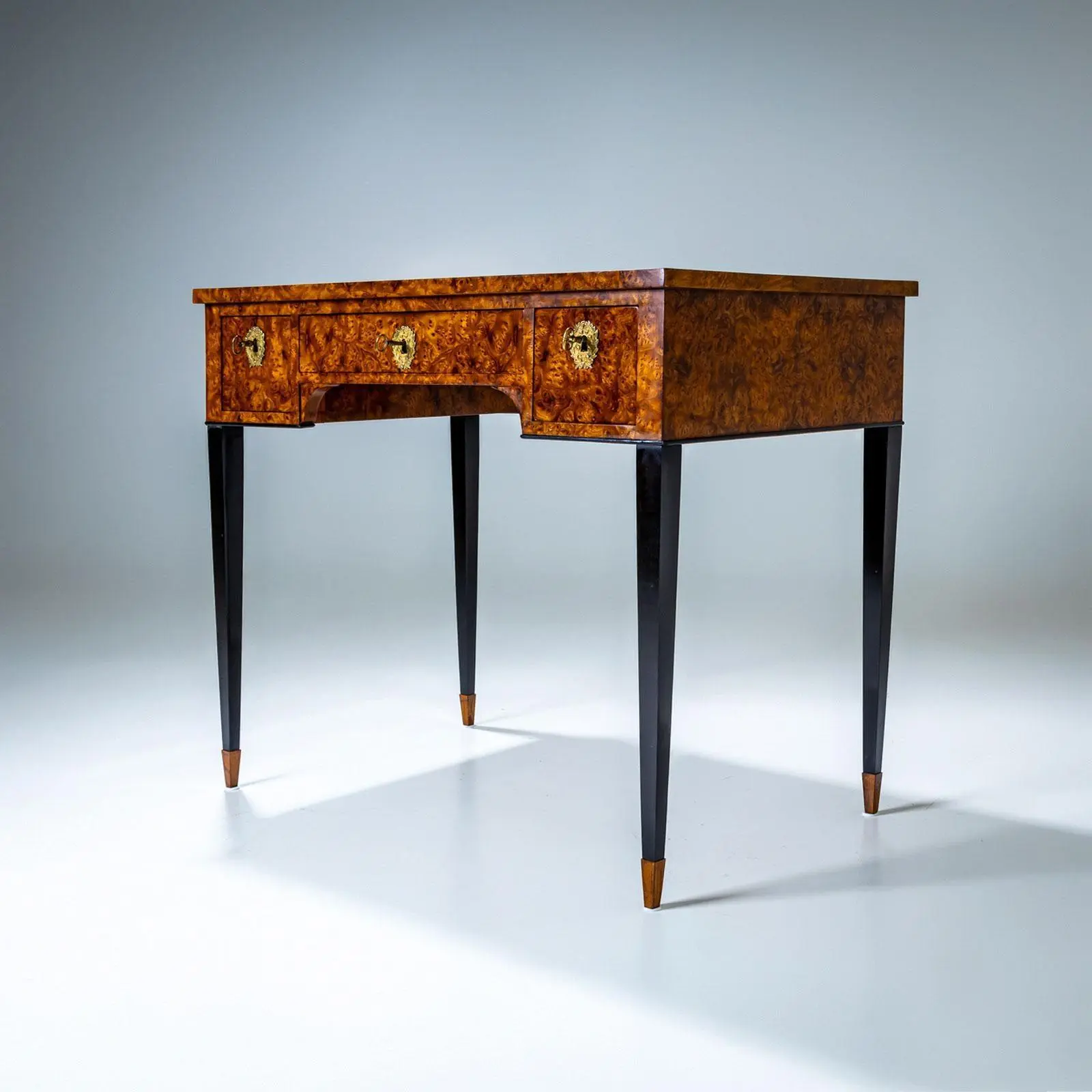
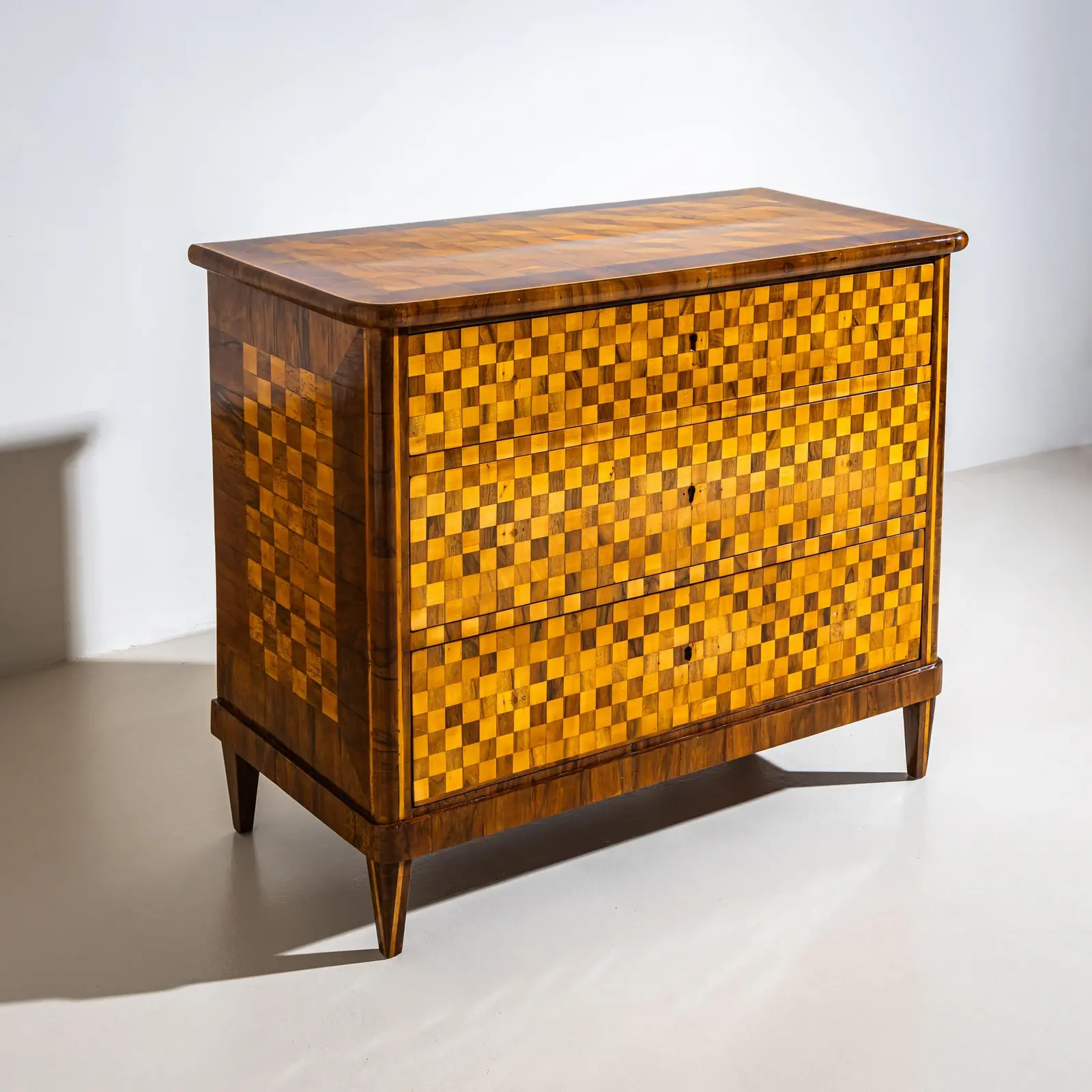
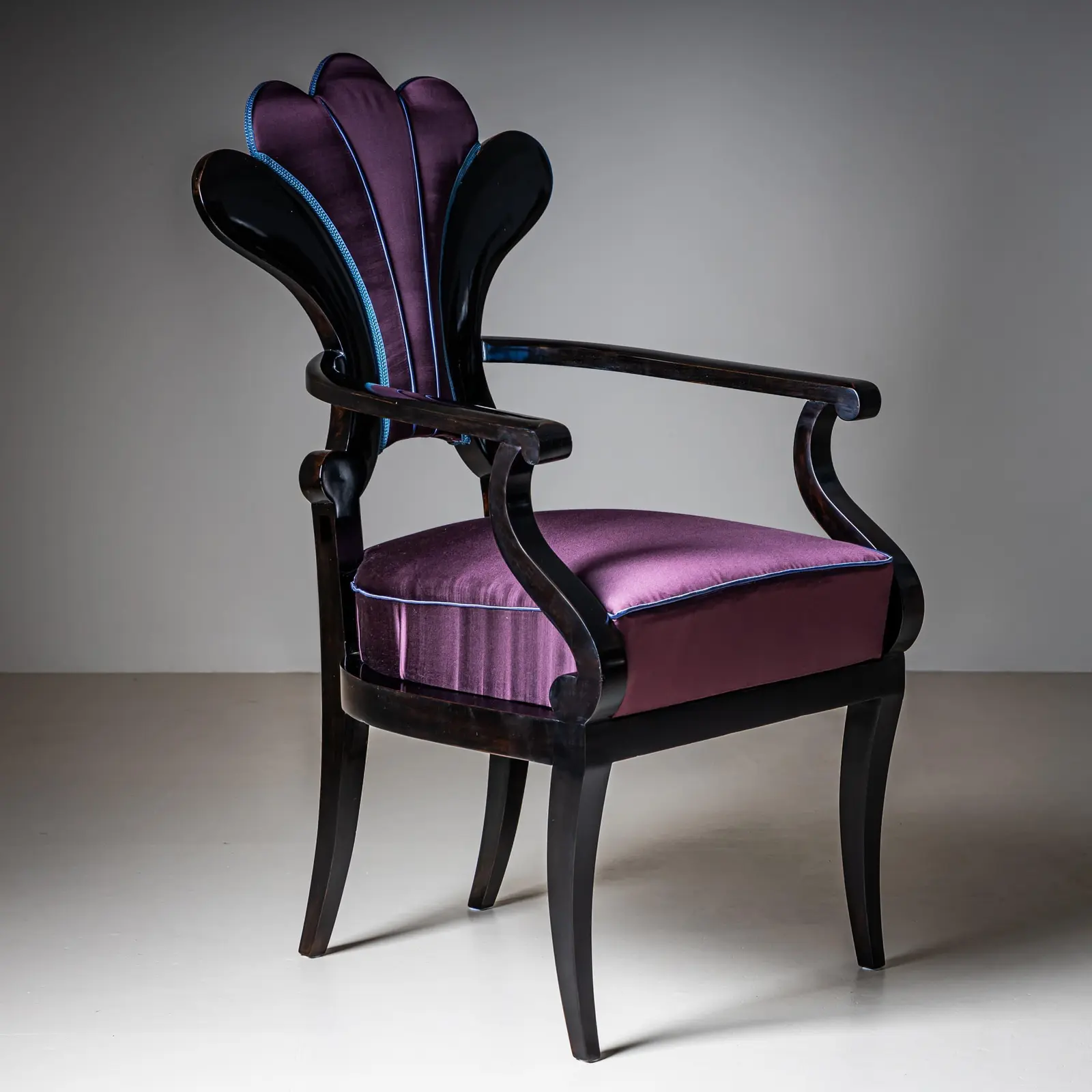
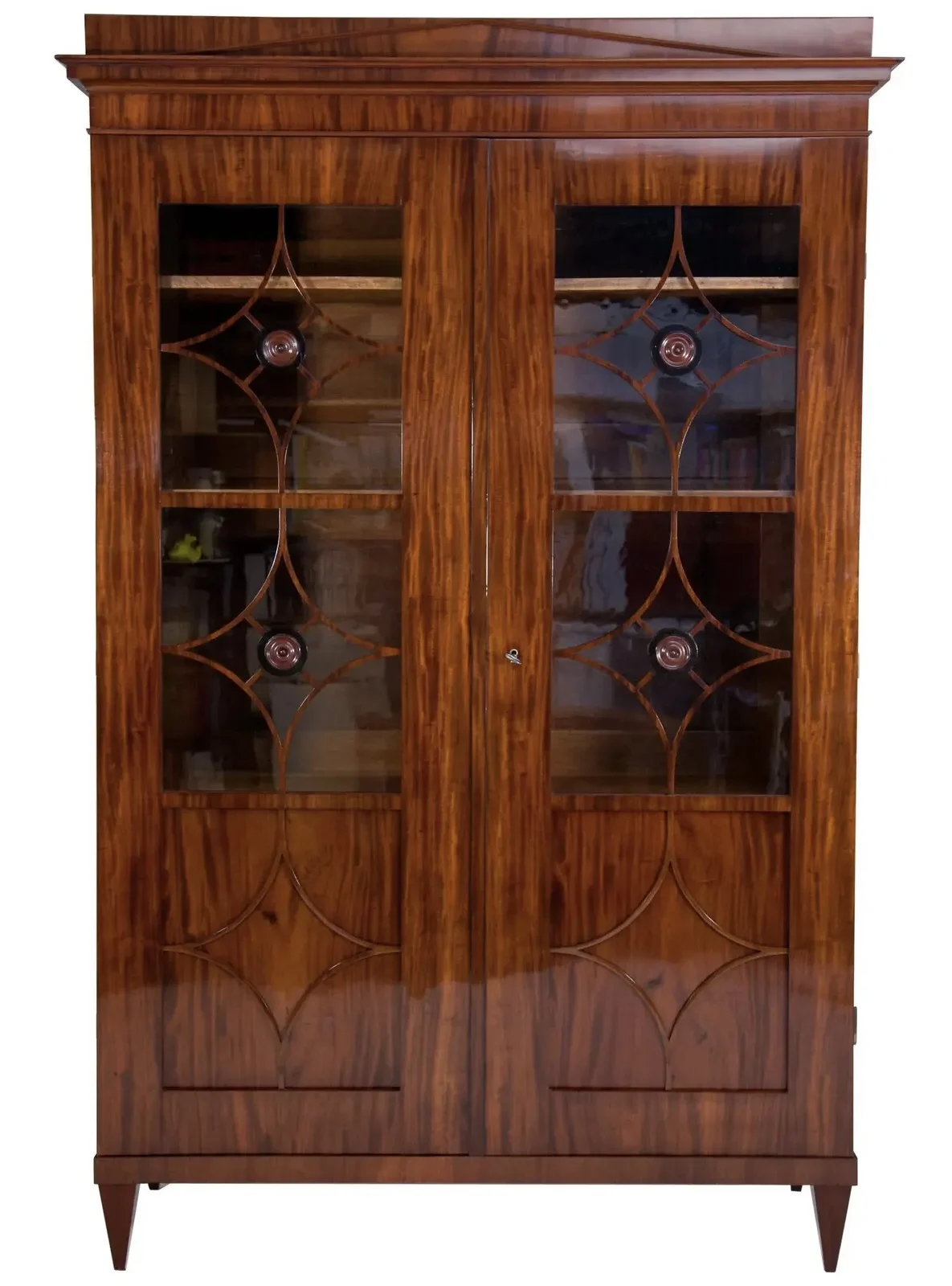 In Sweden, the related Karl Johan style stripped things down even further, favoring pale birch and a severity of line that, in hindsight, looks like an early rehearsal for Scandinavian modernism a century on, decades before that movement had a name of its own. Poland took its own version of the style into architecture as well as furniture, giving rise to the Świdermajer building tradition, which borrowed Biedermeier’s plain, functional sensibility for entire houses rather than single rooms, dotting the countryside around Warsaw with modest, symmetrical villas. What tied all these regional variations together was a shared instinct that ran deeper than any one wood or silhouette: let the furniture serve the room and the people who lived in it, not the other way around, and let the quality of material and proportion carry the design rather than applied ornament ever could.
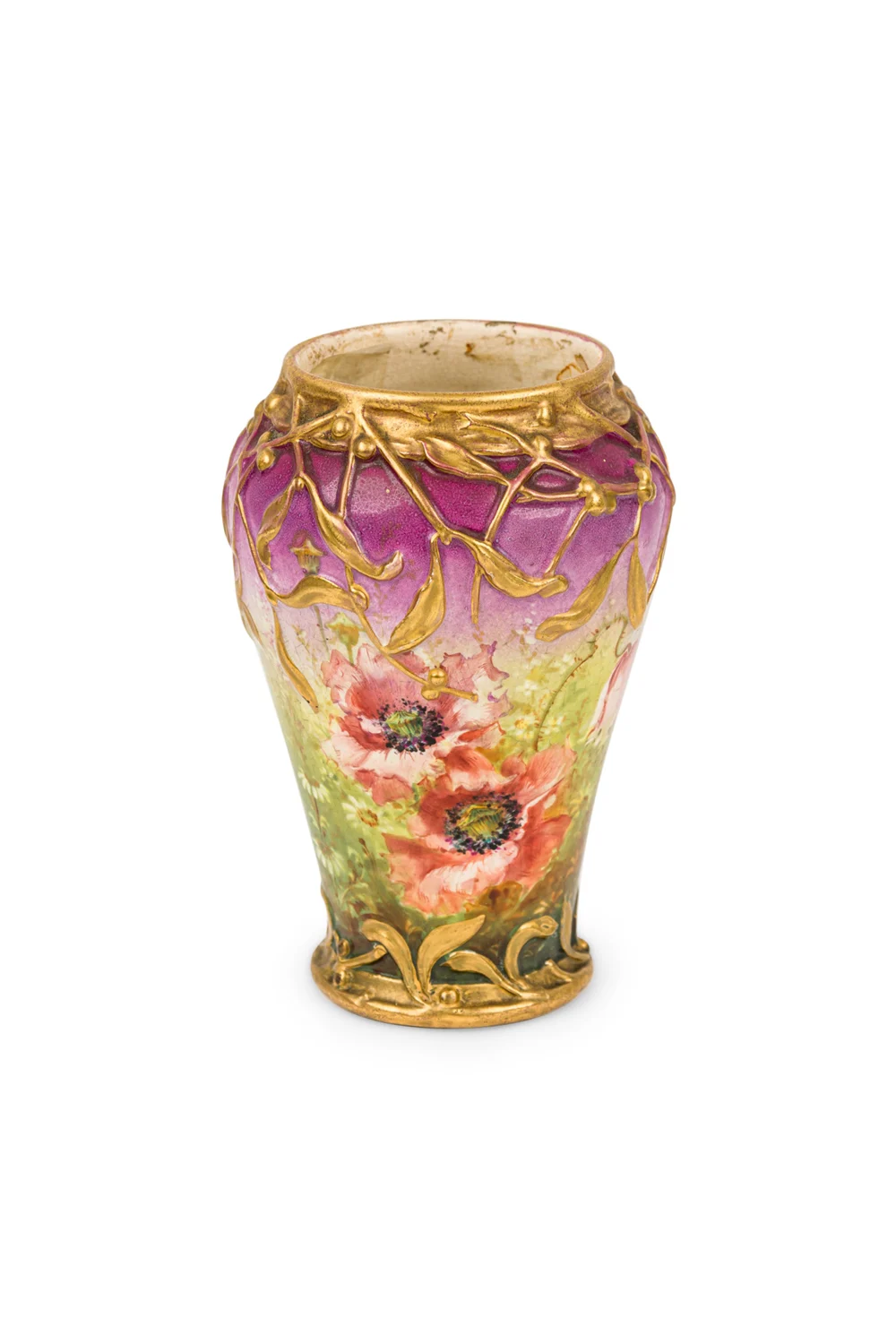
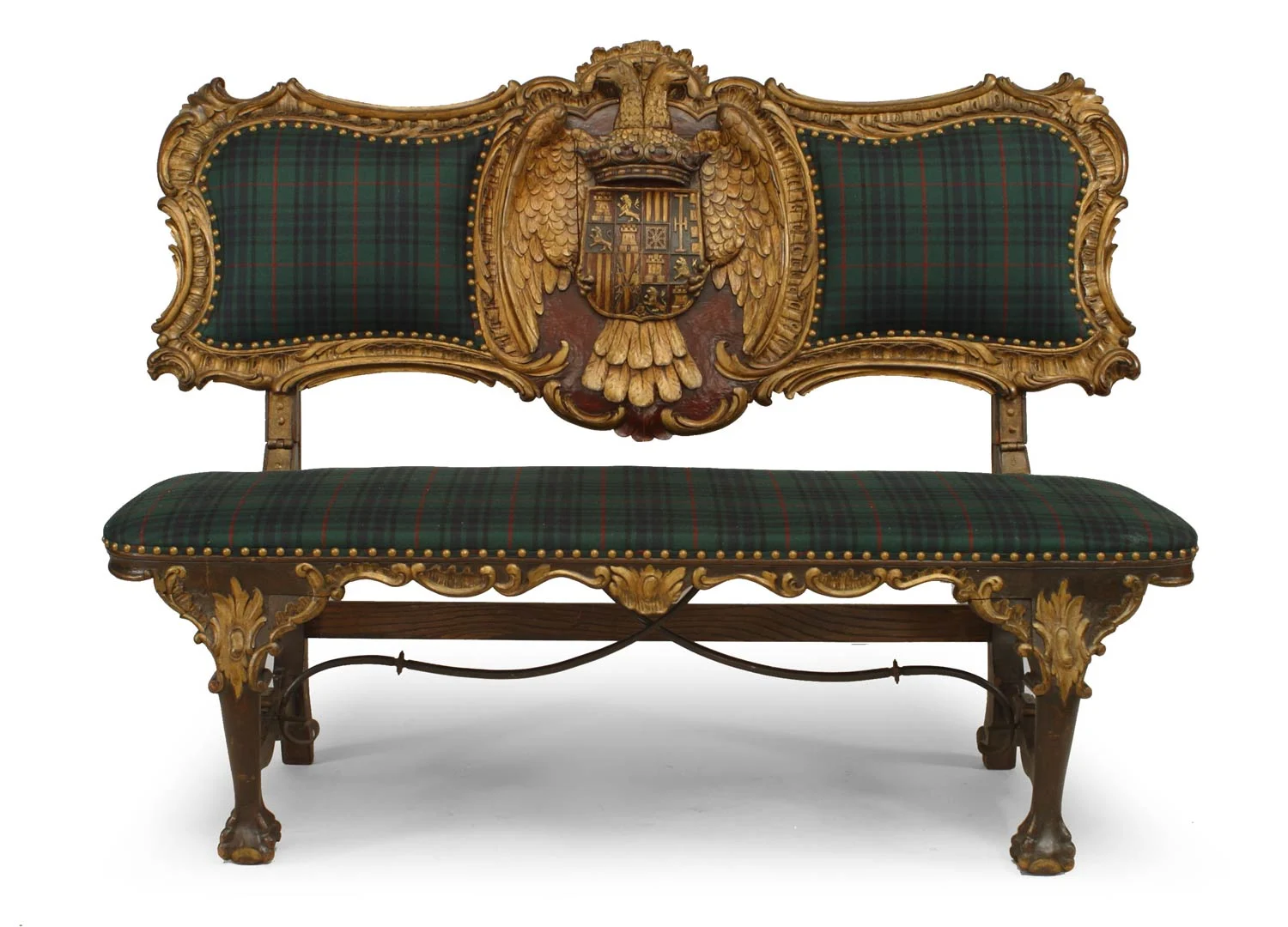
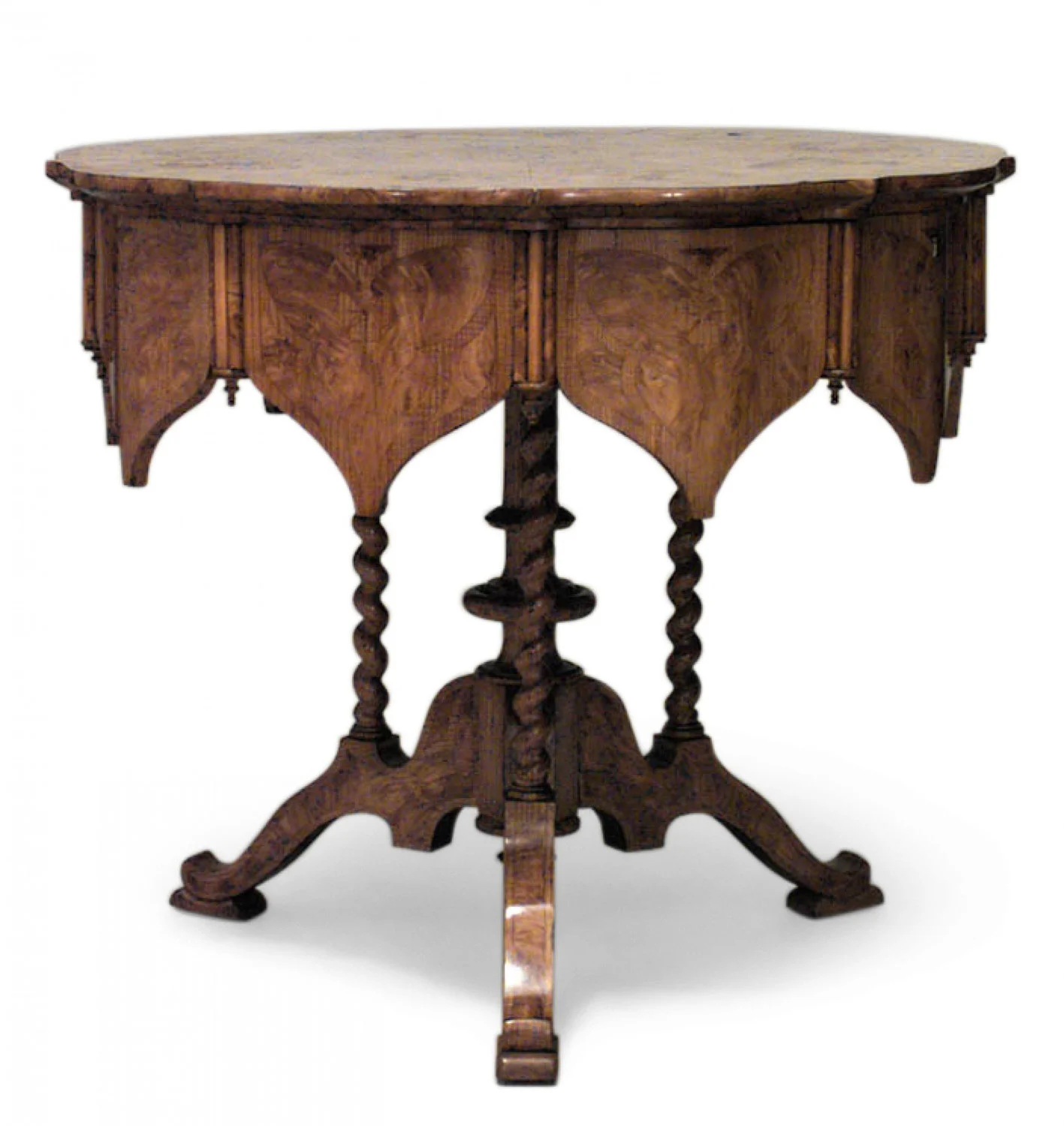
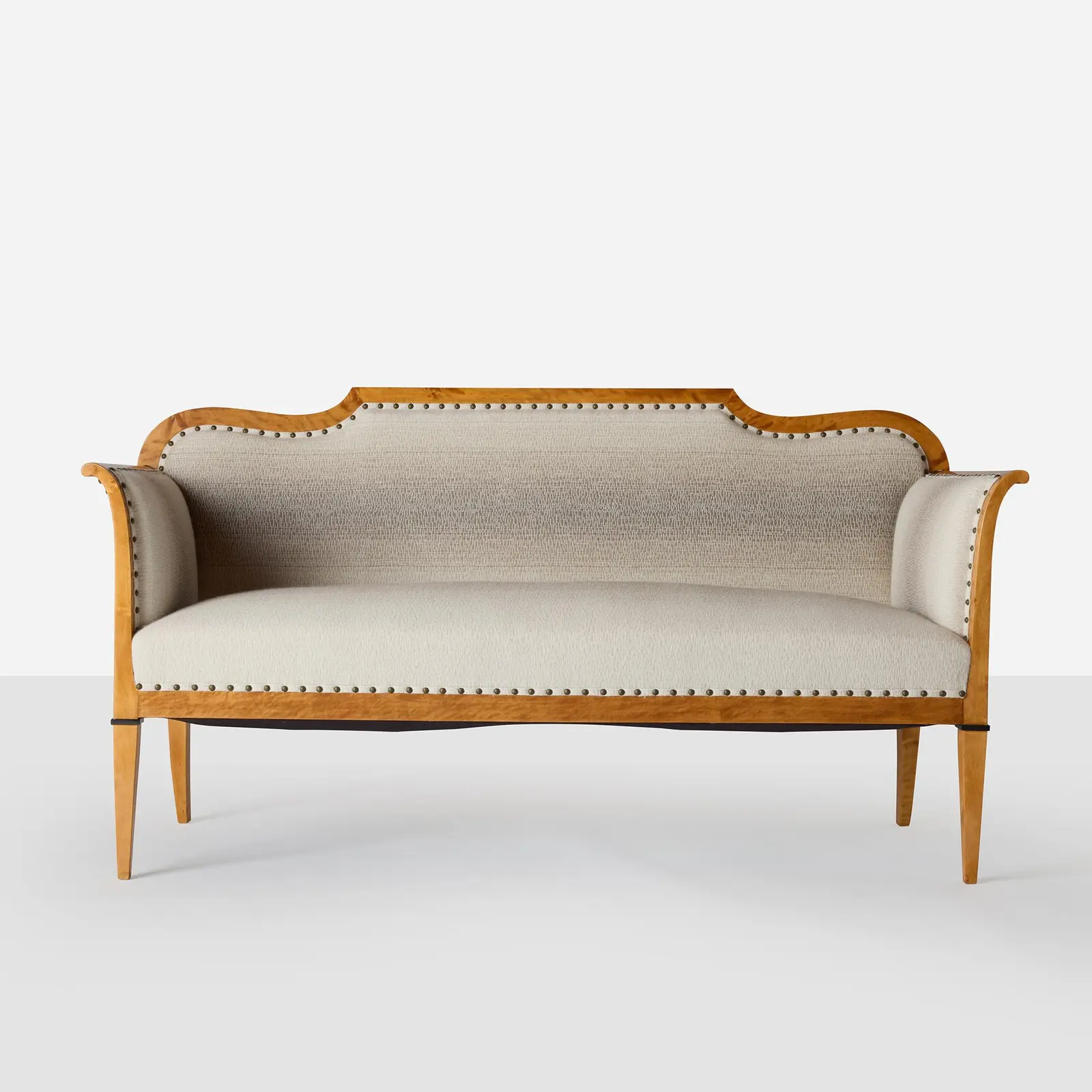
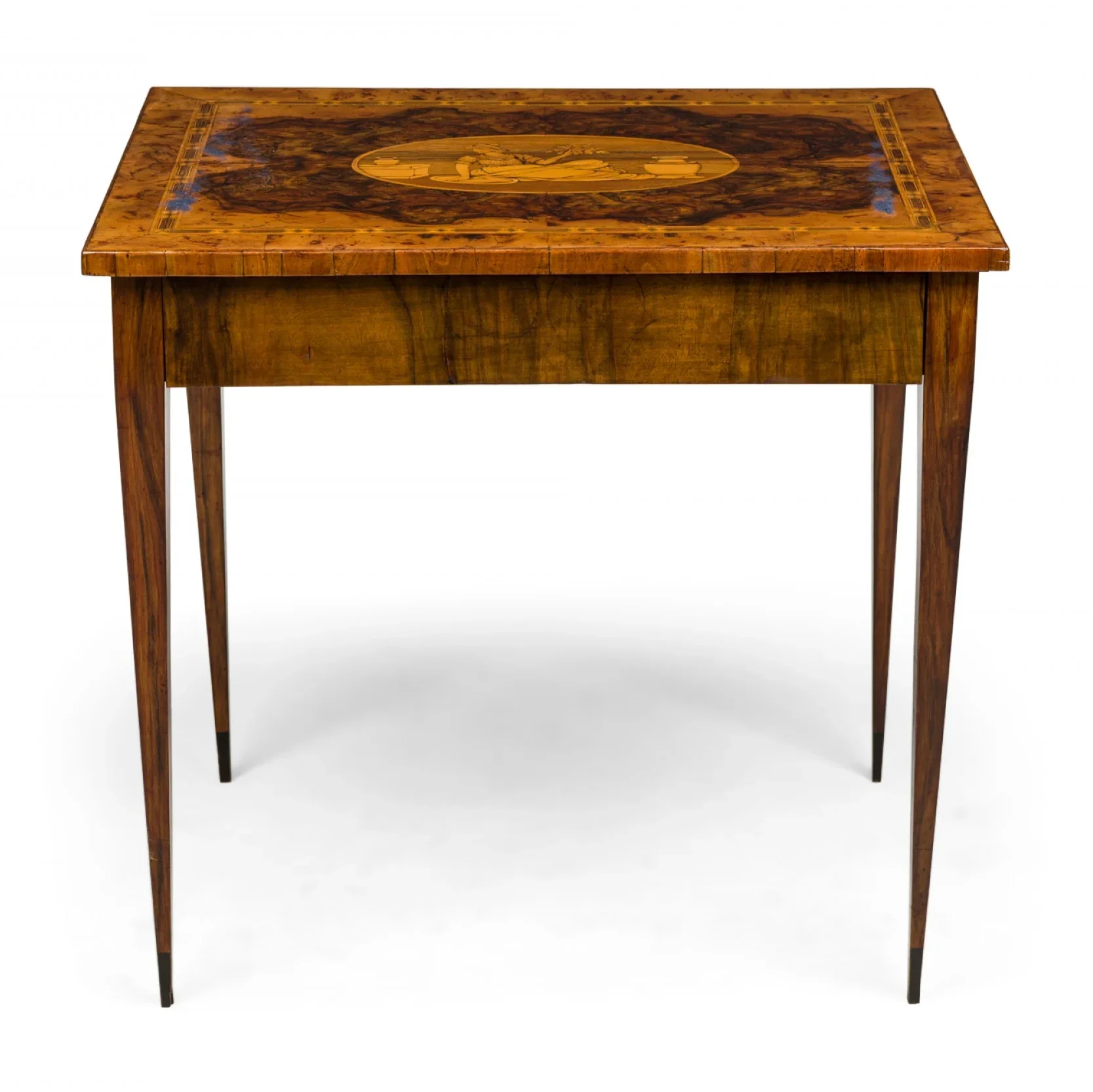
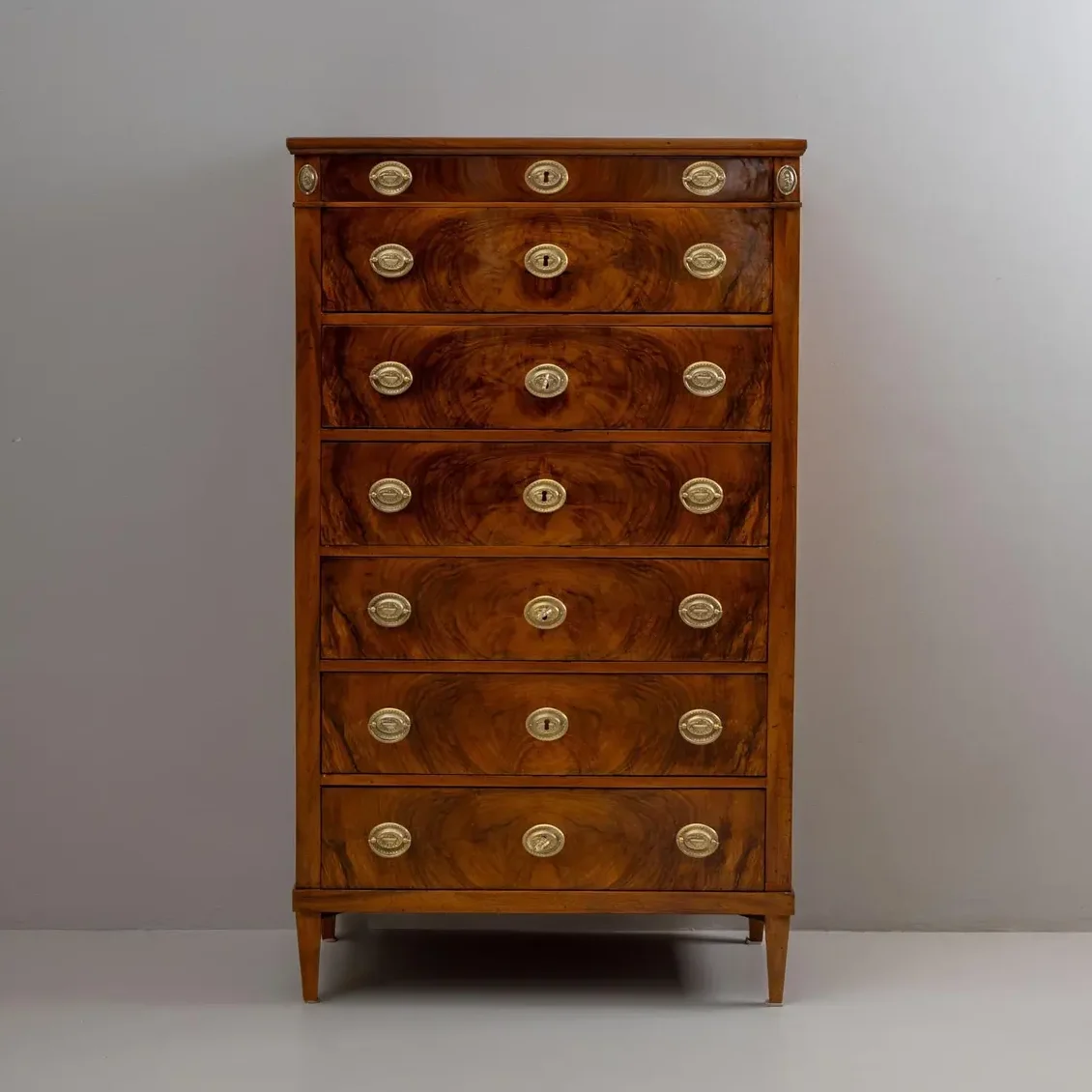
By 1848, revolution and shifting taste had moved fashion on, but Biedermeier never entirely disappeared. A revival following an 1896 Vienna exhibition kept the style in circulation for decades, and its underlying values, honest materials, disciplined ornament, furniture built for how people actually lived, resurfaced in design movements that followed. The Bauhaus, with its own insistence on truth to materials, owed Biedermeier a quiet debt, and the broader early-20th-century turn back toward clean-lined, finely veneered furniture that helped shape Art Deco’s own cabinetmaking tradition wasn’t working in a vacuum either.

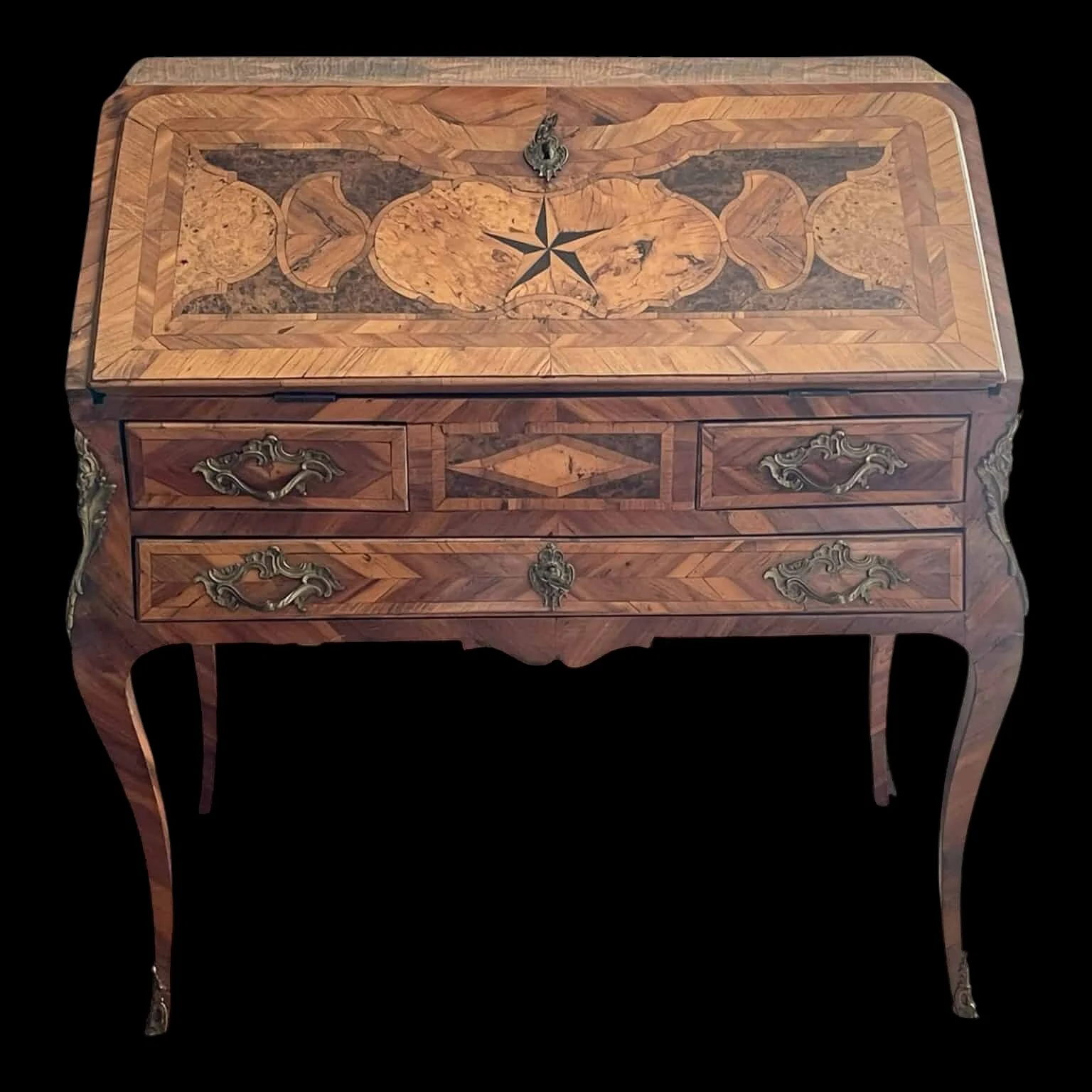
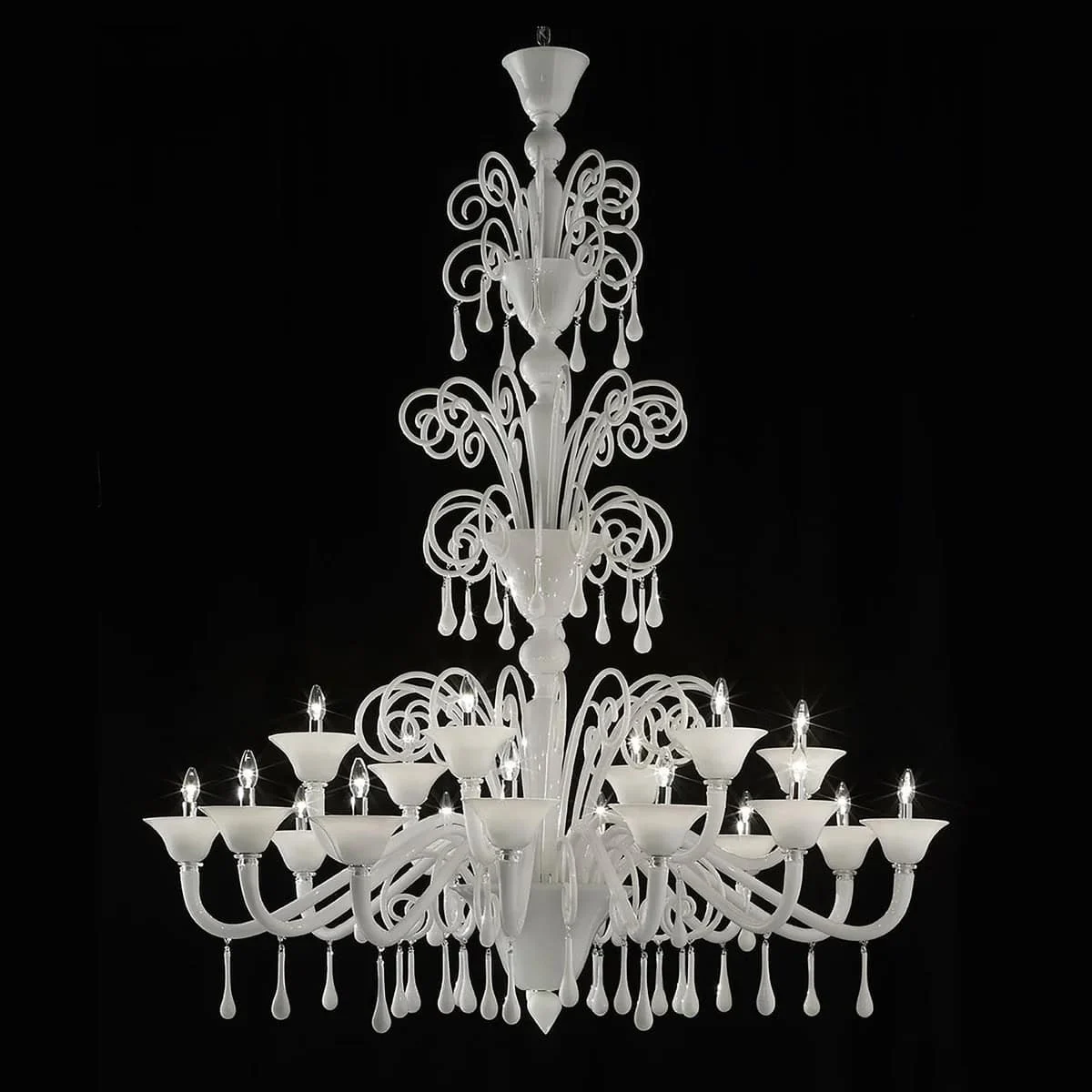

Related Products from ArtDecoCollection.com
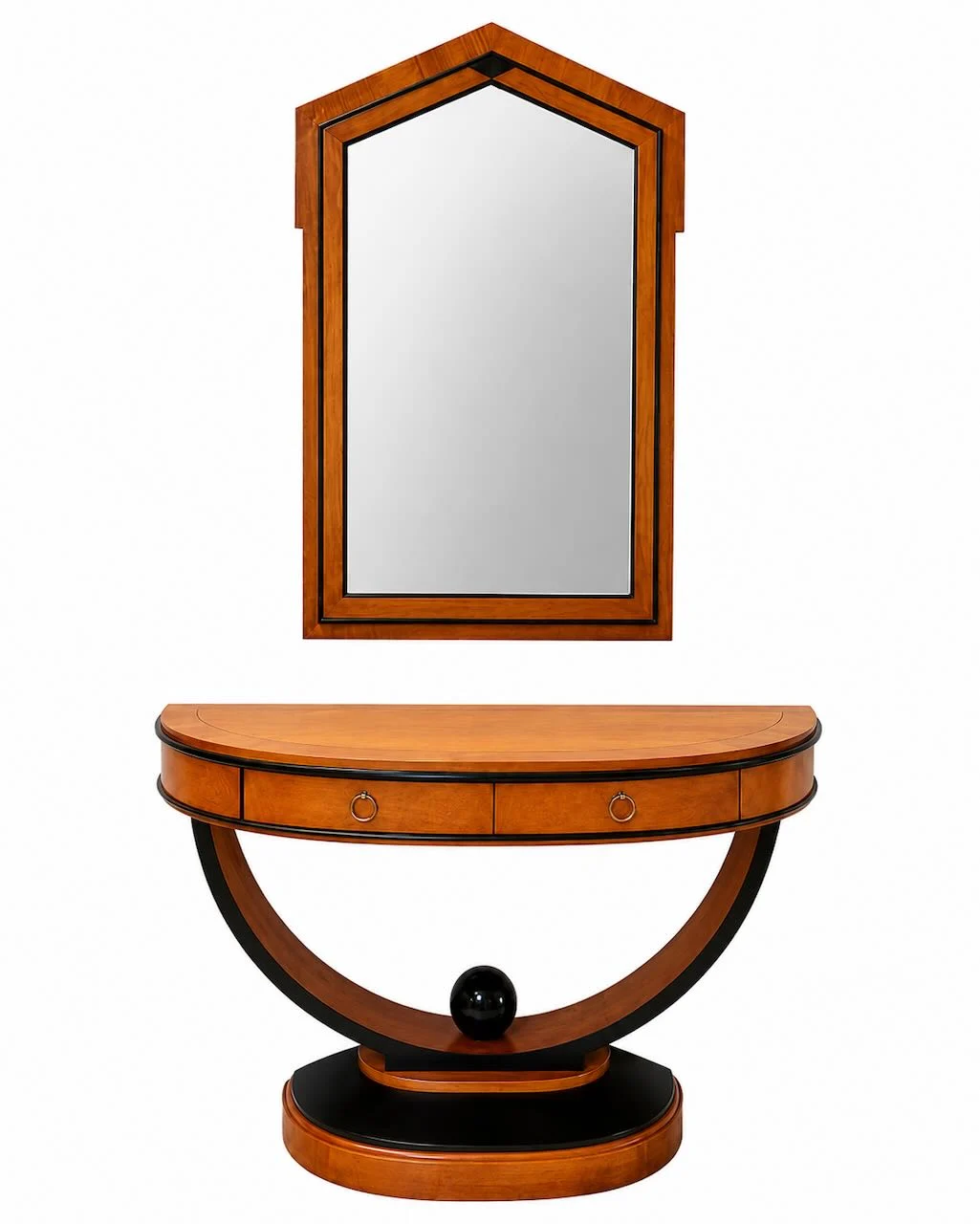
Art Deco console with a Biedermeier point of view

Art Deco Style Console Table and Matching Mirror
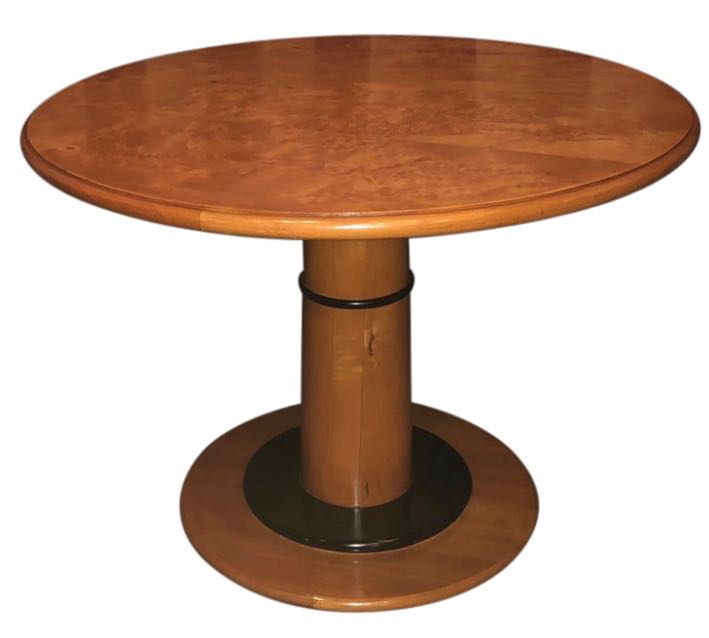
Art Deco Round Coffee or Side Tables
French Art Deco Cabinet Buffet Circa 1925 Exceptional Quality

Pair of Maurice Dufrêne 1925 Art Deco Caned Armchairs


ART & STATUES
CERAMICS & GLASS
© Copyright Art Deco Collection. 2026 All rights reserved. Site Map