Paul Iribe
Joseph Paul Iribe, born Paul Iribarnegaray, was born on June 8, 1883, in Angoulême, France, the son of Jules Jean Iribe, who was born in Pau in the Béarn region. He received his education in Paris, becoming an apprentice printer at Le Temps newspaper in his early twenties, and from 1900 began submitting illustrations and caricatures to French satirical papers including Rire, Sourire, and L’Assiette au Beurre. From 1908 to 1910, he studied at the École des Beaux-Arts and the Collège Rollin. In 1906, he collaborated with a group of avant-garde artists to found the satirical journal Le Témoin, and his illustrations there attracted the attention of fashion designer Paul Poiret. Iribe was known to be prone to outbursts, yelling matches, and physical confrontations when contradicted, and did not always endear himself to colleagues, a temperament that eventually led to public feuds during his Hollywood years. He was Coco Chanel’s lover from 1931 until his death, and she became his muse for illustrations in Le Témoin. He died of a heart attack on September 21, 1935, at Chanel’s villa in Roquebrune-Cap-Martin, France, at the age of 52.
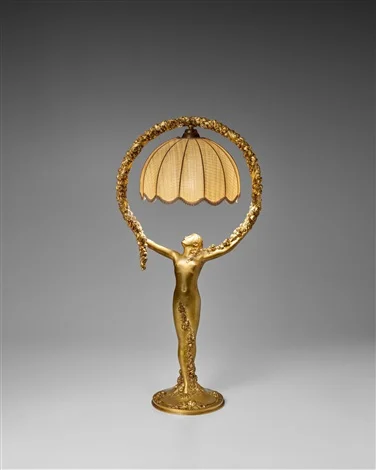
In 1908, Paul Poiret commissioned Iribe to create a promotional brochure presenting his clothing designs in an original manner, resulting in the highly influential publication Les Robes de Paul Poiret. Executed in the pochoir stencil technique, its simple lines and broad, flat expanses of bright color perfectly captured the Empire-style dresses for which Poiret was known, bringing Iribe immediate fame and additional commissions from Chanel, Jeanne Lanvin, Jeanne Paquin, the Callot Sœurs, and Jacques Doucet, for whom he redecorated an apartment in the newly fashionable Art Deco style. He went on to illustrate for La Gazette du Bon Ton and American Vogue, and expanded his practice into furniture, textiles for Bianchini-Ferier, perfume bottles, jewelry, and interiors. In 1919 he moved to New York, opening a store on Fifth Avenue called Paul Iribe Designs New York-Paris, and became one of the first French fashion figures to work in Hollywood when Cecil B. DeMille commissioned him to design clothing for Gloria Swanson in the 1919 film Male and Female, beginning a six-year collaboration during which Iribe served as artistic director on eight DeMille films. Back in Paris in the 1930s, he continued designing books, furniture, and jewelry, and in 1932 collaborated with Chanel on an extravagant jewelry line produced by her couture house. He was awarded the Légion d’Honneur in 1933 for his work as an artist and illustrator.
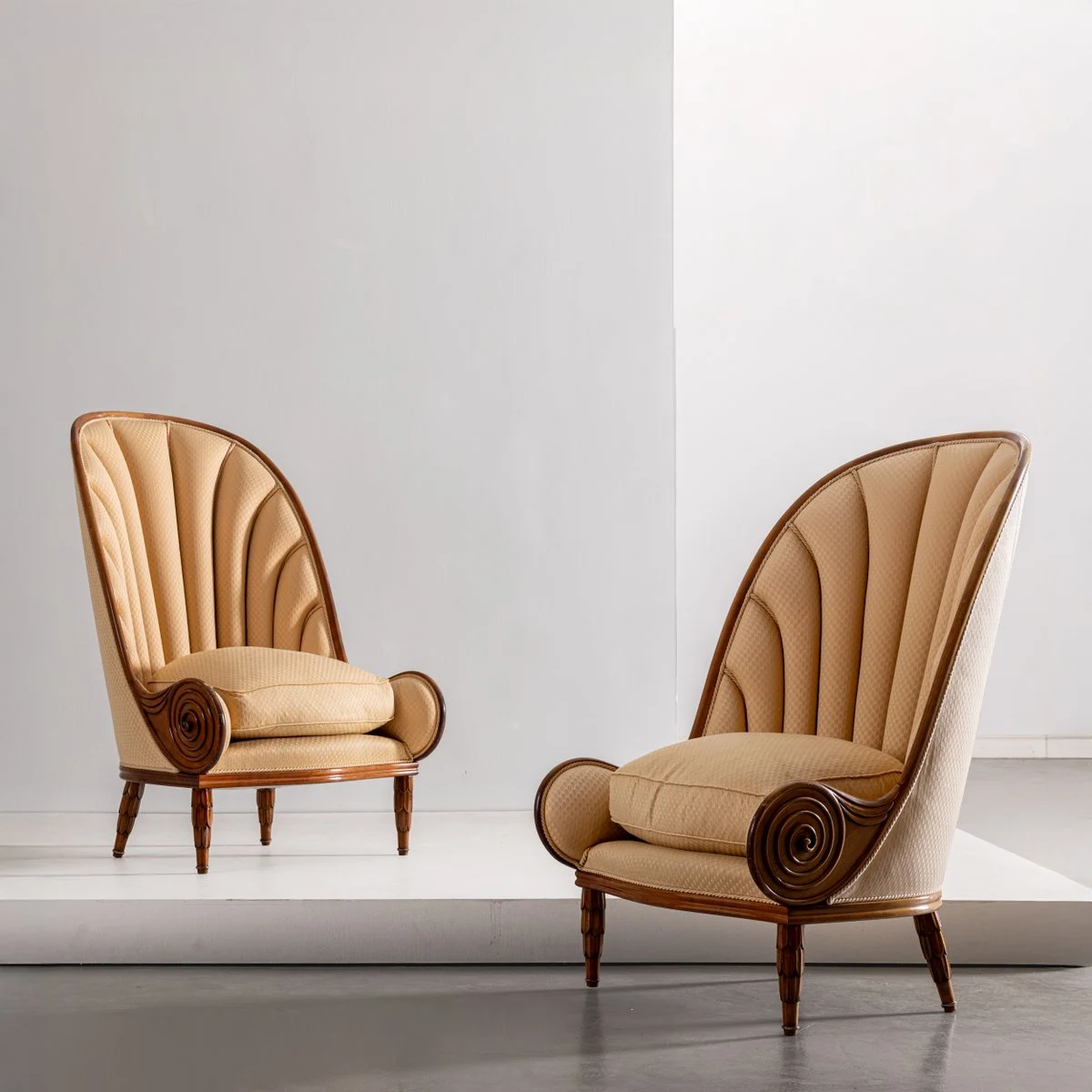
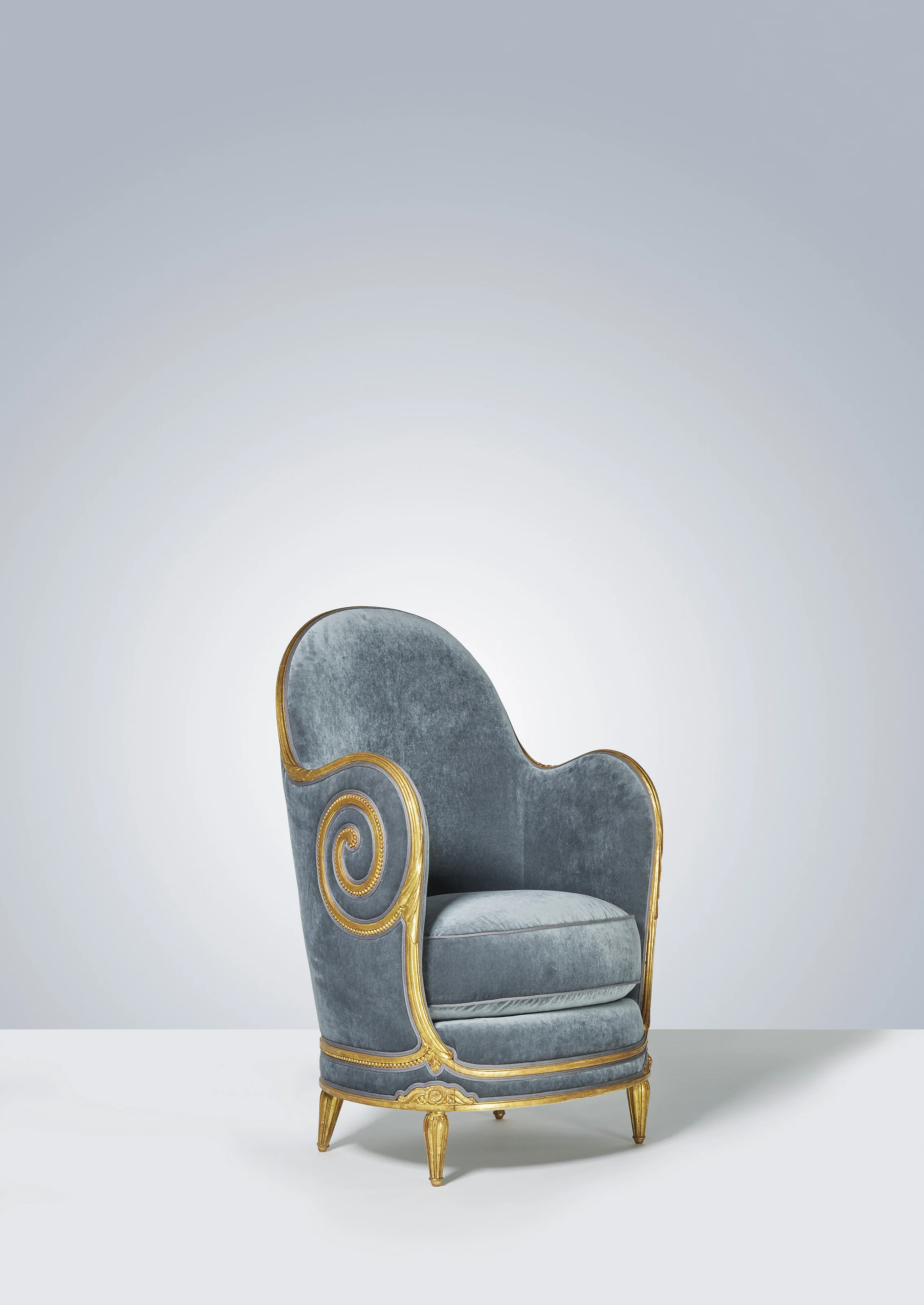
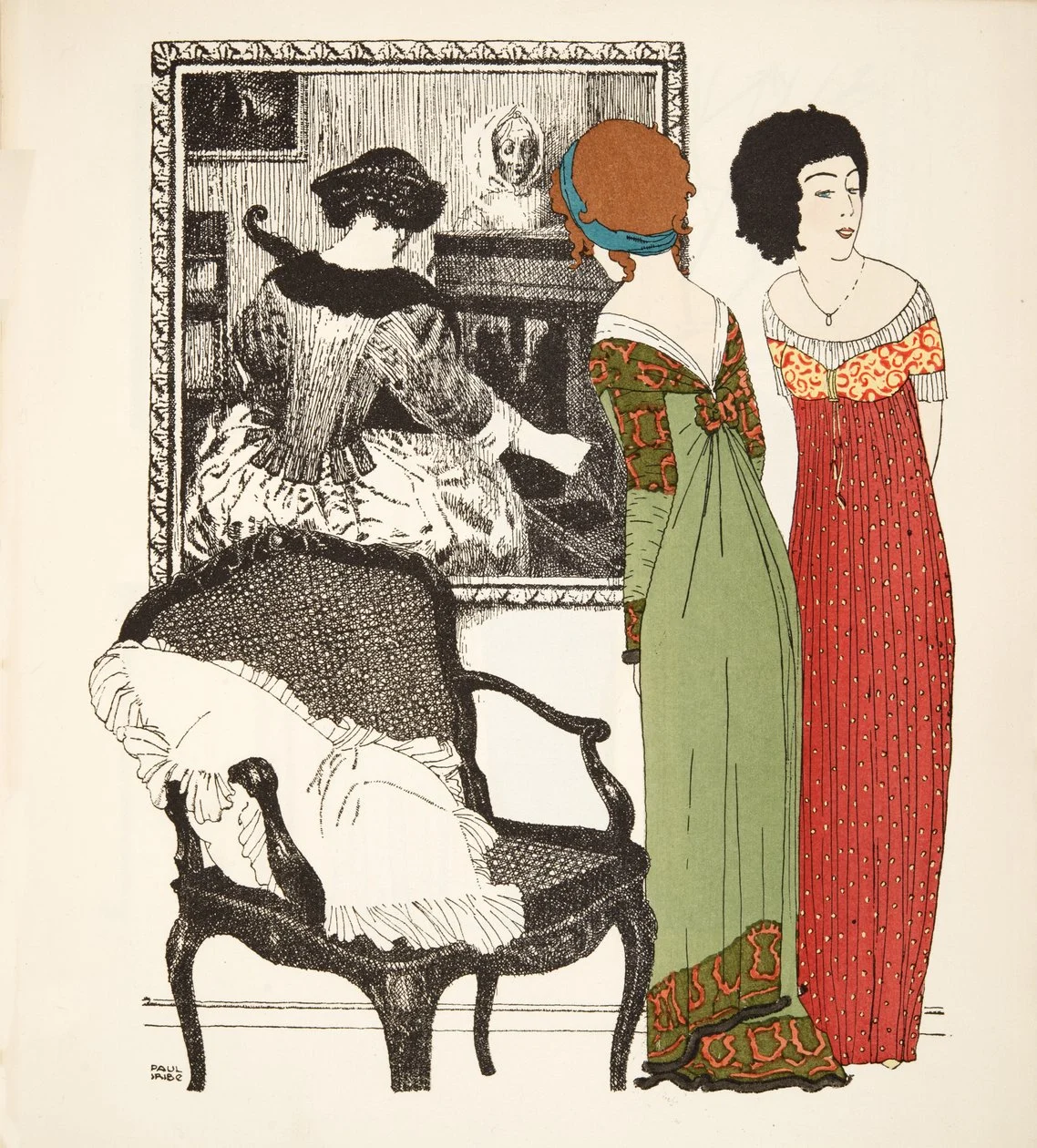
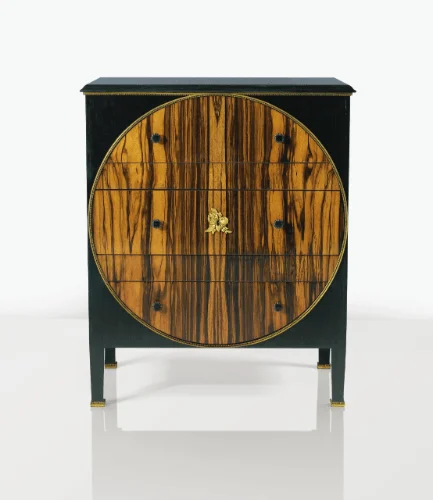
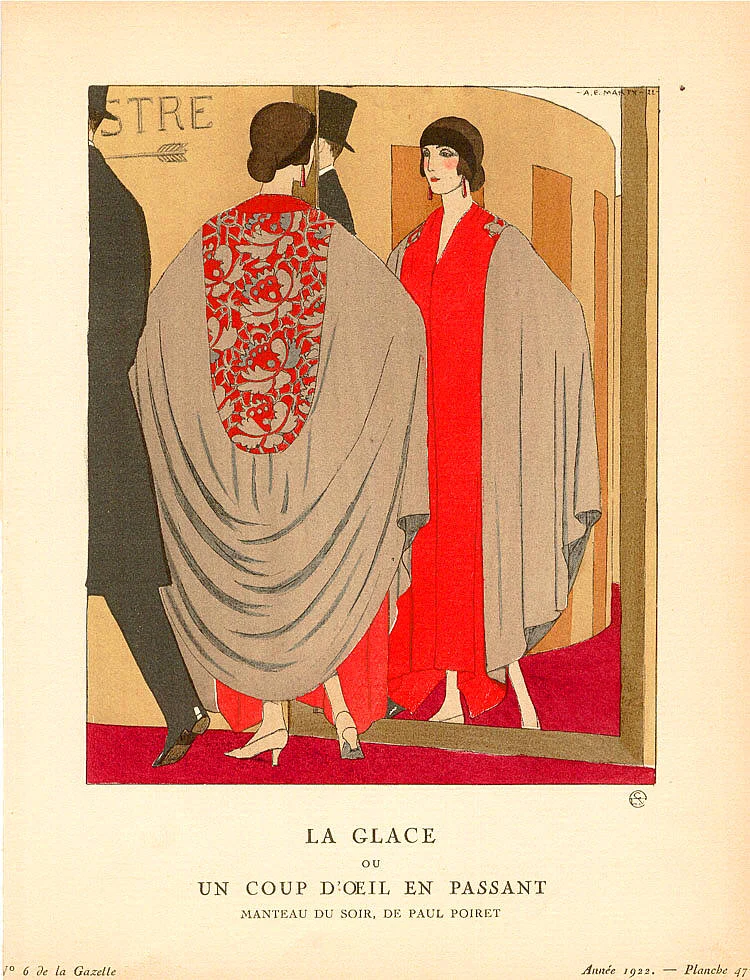
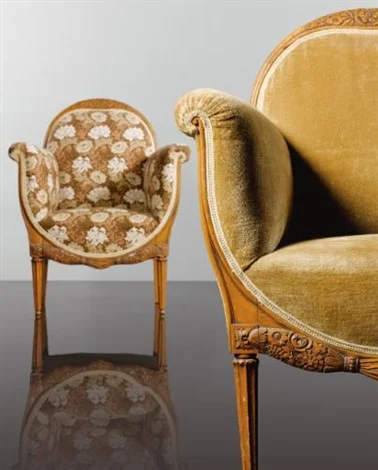
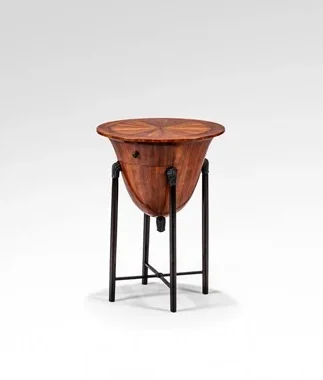
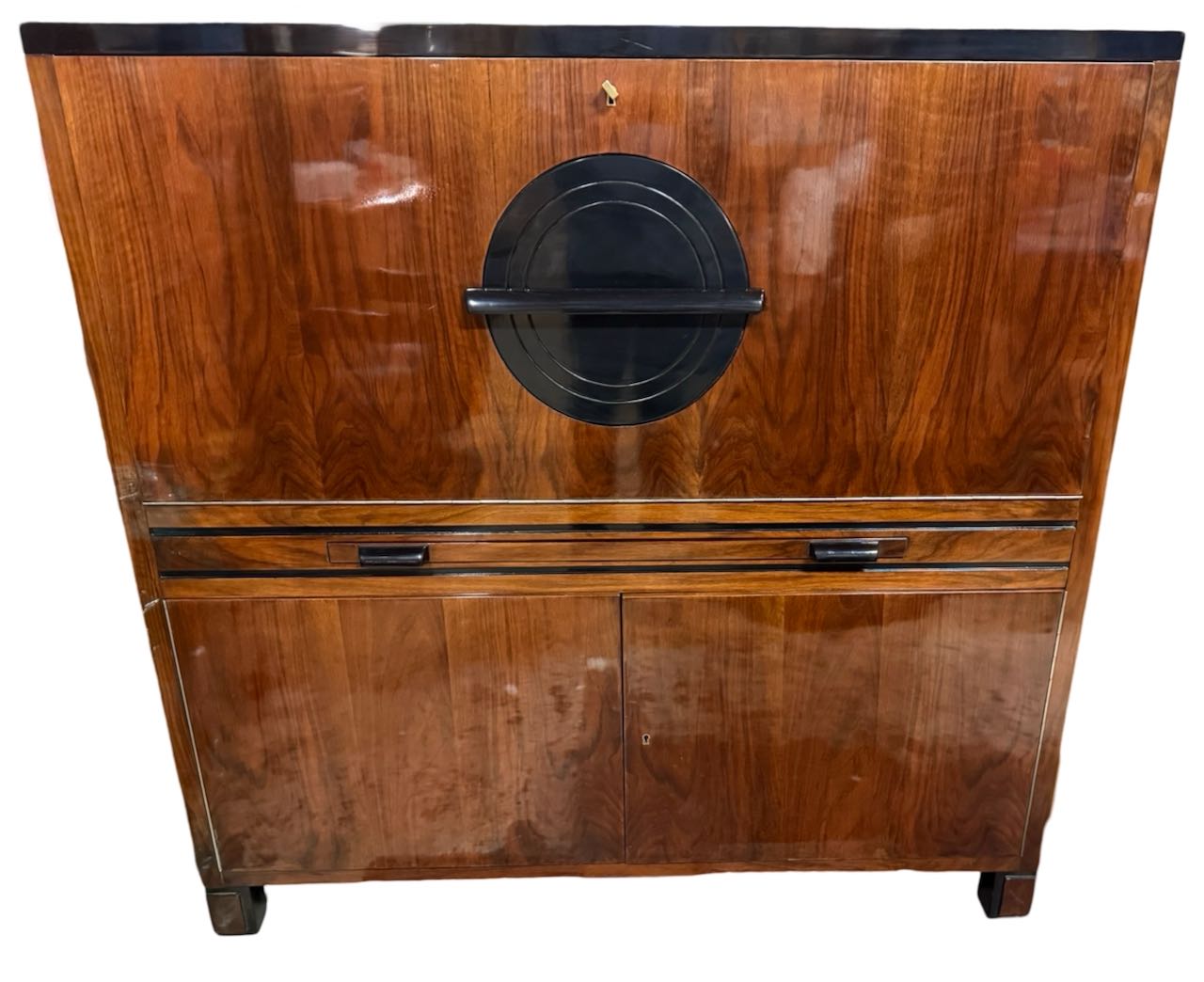
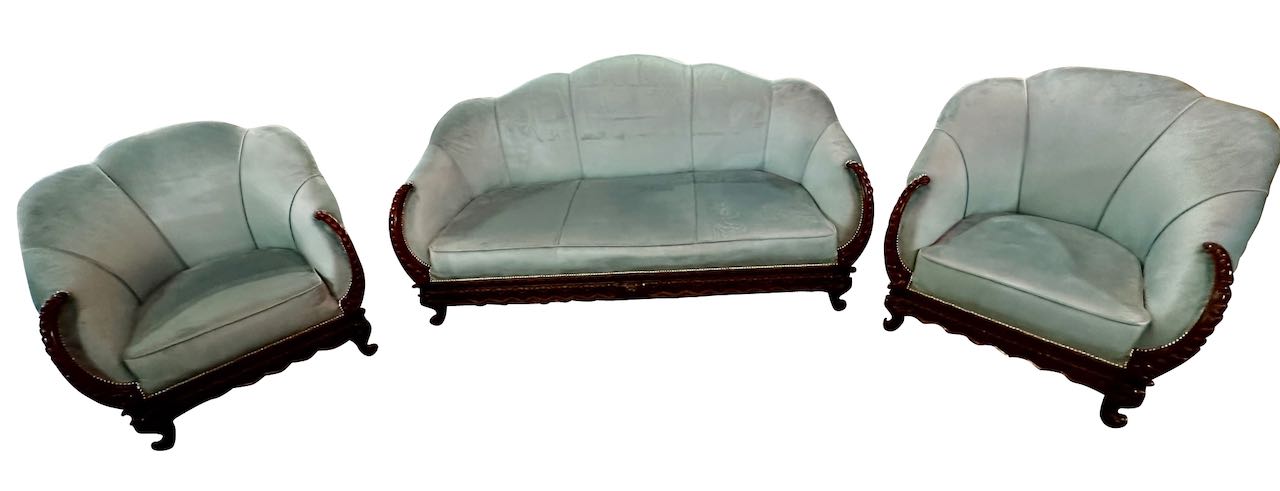
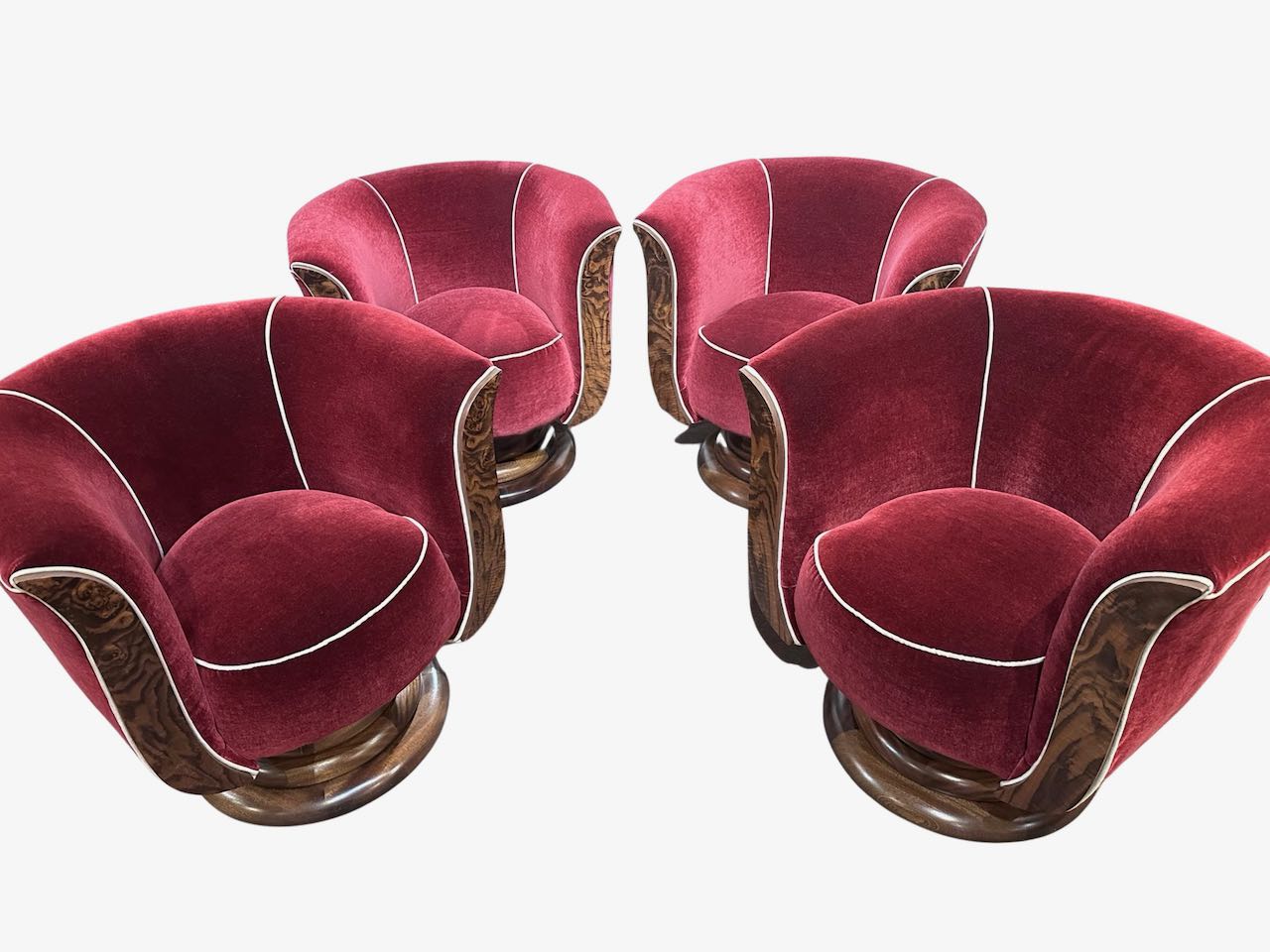
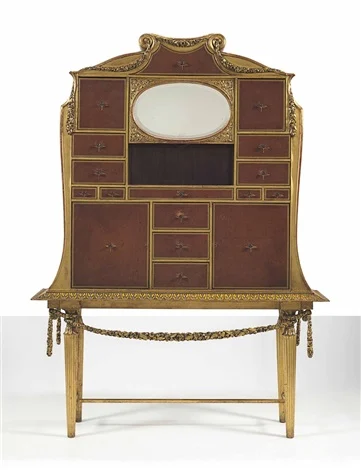
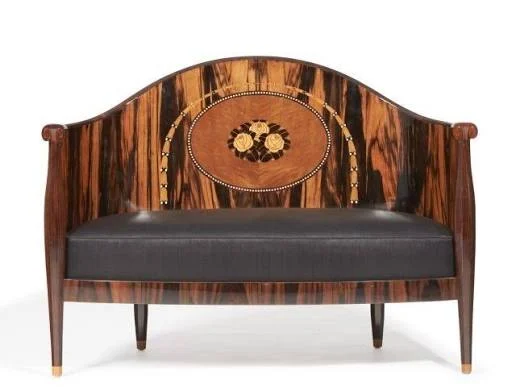
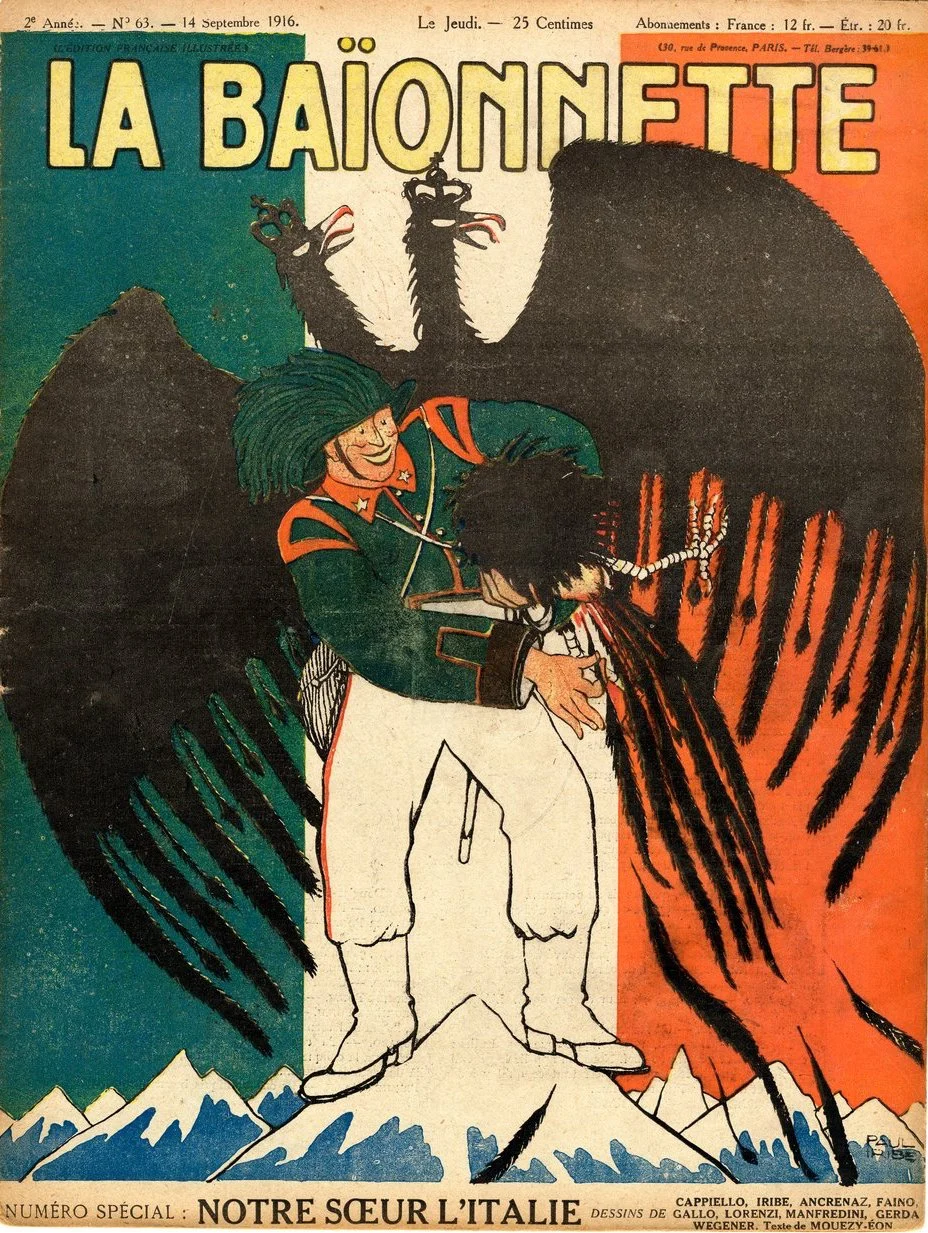
Iribe’s illustrations were clean, crisp, and balanced, keeping background elements to a minimum and concentrating attention on a garment’s stylish outline and witty detail, an approach that helped define the visual language of early Art Deco fashion illustration. His furniture, initially finely carved and later more simply constructed, was veneered in amaranth, ebony, Brazilian rosewood, and colored shagreen with fine inlay work, extending his graphic sensibility into three-dimensional decorative objects. His political and satirical work took on a darker, more confrontational character, using stark black ink on white paper to convey the fiascos of French politics, the distress of World War I, and the elegant flamboyance of the années folles that followed.
Key Influences
- Art Deco Fashion Illustration: His 1908 brochure for Poiret is widely credited with launching the modern fashion plate and establishing the visual vocabulary that would define Art Deco illustration for decades.
- Precursor to the Movement: Historians and biographers consistently describe him as a founder or precursor of Art Deco, with his early pochoir work anticipating the style’s clean geometry years before the term existed.
- French-Hollywood Exchange: His six-year collaboration with Cecil B. DeMille brought French decorative sensibility directly into early Hollywood costume and set design.
- Chanel Jewelry: His 1932 jewelry collaboration with Coco Chanel placed him at the intersection of two of the era’s most significant creative forces in French fashion.
- Cross-Disciplinary Design: His movement across illustration, furniture, textiles, jewelry, and film demonstrated the breadth of the Art Deco decorator as a total creative professional.
If you are interested in further stories of the artists who shaped Art Deco, return to our artists page to browse the full directory.
Related Products from ArtDecoCollection.com